
Bed Blanket Technical Guide: Fabric, Construction & Size Parameters
Bed Blanket Technical Guide: Fabric, Construction & Size Parameters
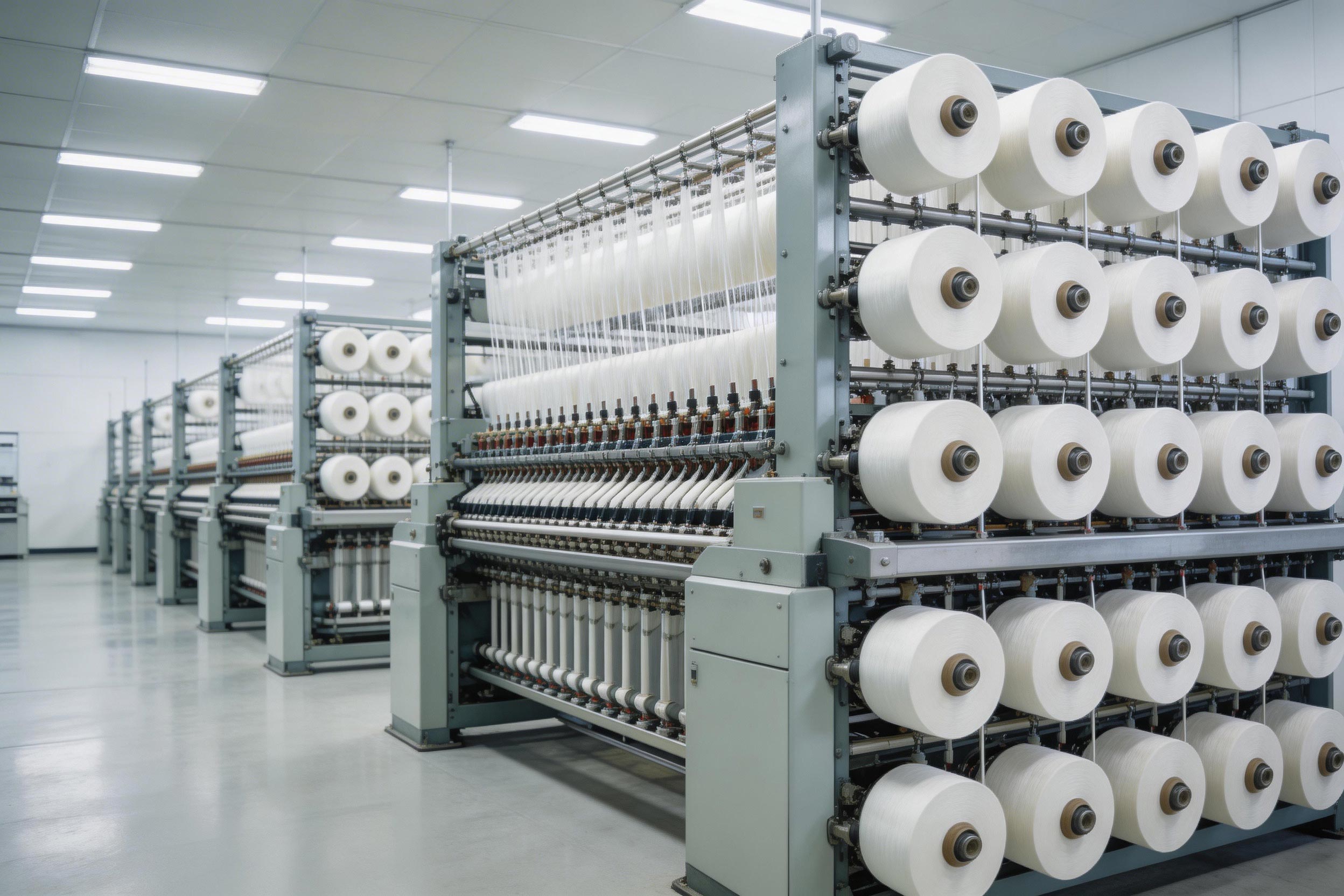
Bed blanket specification is a set of measurable decisions, not a description of how a blanket feels. For B2B buyers, three parameter groups decide whether an order fits its project: fabric composition, surface construction, and size range including custom dimensions. The reference data in this guide comes from CHANGSHU SHENG-SHUN TEXTILE CO., LTD. (SYS TEXTILE), a Changshu-based manufacturer of velvet bedding established in 2018, with a 7,000 m² factory, 60 employees, an annual output capacity of 3 million pieces, and a 90% export share across the USA, Brazil and the UK.
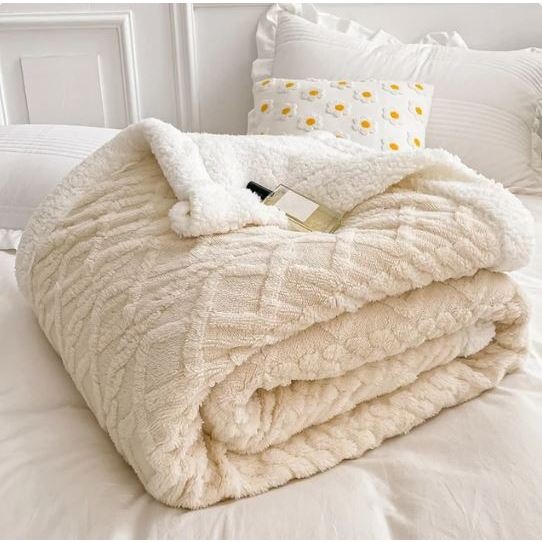
Problem Definition: Why Blanket Specifications Break Down in Project Sourcing
Most bed blanket sourcing problems that reach the claims stage began as a specification problem. A buyer approves a hand-feel sample, places a container order, and later finds that the production lot was built to a different construction, a different finished size, or a different care standard. None of those outcomes requires a defective fabric. They require a vague purchase order.
Three gaps repeat across hotel, institutional, infant and outdoor programmes.
- Sensory language used as specification. Soft, warm and eco-friendly are documented feature descriptors for the SYS TEXTILE blanket lines, but on their own they are not acceptance criteria. A usable specification states which fabric family produces that hand-feel, which construction produces that surface, and which document confirms the claim.
- Project conditions never converted into requirements. A hotel blanket, a dormitory blanket and a camping blanket are not the same product even when they share a polyester base. Hospitality and institutional programmes generally depend on machine-washable, wear-resistant performance; infant programmes move the compliance burden onto skin-contact safety; camping and travel programmes depend on portable handling.
- Size and customisation boundaries left open. “Twin / Queen / King (Customizable)” defines a range, not a deliverable. Finished dimensions, shrinkage allowance, edge finishing and folded pack size all move the unit cost and must be fixed before quotation.
The workable fix is a six-row specification table: fabric family and composition, construction or pattern, finished size, compliance documents, care and wash standard, and acceptance test. Every section below fills one of those rows.
Industry Background: Why Polyester-Based Blankets Set the Specification Agenda
Two verifiable data points explain why the specification discussion centres on synthetic-fibre blankets rather than on wool or cotton constructions.
The global blanket market was valued at USD 24.97 billion in 2025 and is projected to reach USD 45.86 billion by 2034, according to Fortune Business Insights. On the trade side, the United States was the largest importer of synthetic-fibre blankets under HS 630140 from China in 2024, at USD 1.26 billion, based on aggregated official customs statistics (GACC).
Both figures point to the same commercial reality: synthetic-fibre blankets are a high-volume, cross-border category, and buyers compete on how precisely they can specify inside it. The four fabric families covered in this guide — polyester flannel, shu fleece, rabbit fur-like polyester and polyester velvet — all sit inside that category.
Compliance background is equally relevant. OEKO-TEX STANDARD 100 is a textile safety label for products tested for harmful substances, and its Product Class I is the strictest class, applying to articles for babies and children up to three years old. That makes Class I the natural reference point when an infant bedding programme writes its compliance line, and it is the reason certificate review belongs in the RFQ stage rather than in pre-shipment inspection.
Detailed Solution: The Four Fabric Families and Their Composition Parameters
For SYS TEXTILE, all four blanket families are polyester-based, and each is documented with the same three features: soft, warm and eco-friendly. What separates them for a buyer is the fabric family itself, the construction variants available inside it, and the project types it is documented against.
| Fabric family | Documented composition | Documented features | Construction variants in the range | Documented application scope |
|---|---|---|---|---|
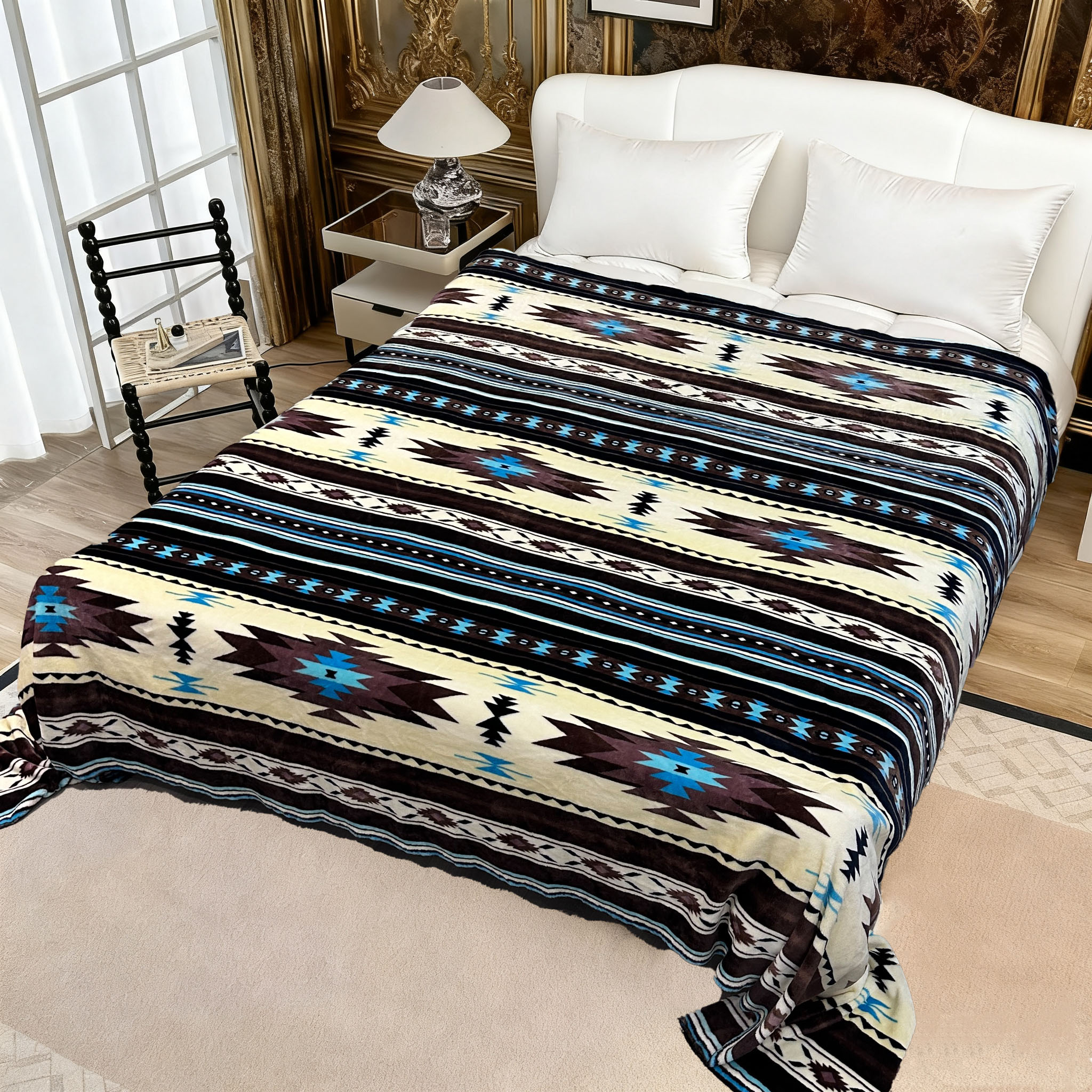
| Flannel | Flannel (Polyester) | Soft, Warm, Eco-friendly | Flannel Wave Blanket, Flannel Square Jacquard Blanket, Flannel Square Blanket, Flannel Southwest Design Blanket | Home Bedding (Twin / Queen / King, customizable) |
| Shu Fleece | Shu Fleece (Polyester) | Soft, Warm, Eco-friendly | Shu Fleece 3-D Blanket, Shu Fleece Jacquard Blanket | Home Bedding (Twin / Queen / King, customizable) |
| Rabbit Fur-like | Rabbit Fur-like Polyester | Soft, Warm, Eco-friendly | Rabbit Fur Blanket | Home Bedding (Twin / Queen / King, customizable) |
| Velvet | Velvet (Polyester); Velvet Quilt also uses polyester filling | Soft, Warm, Eco-friendly | Velvet Quilt, Velvet Four-Piece Bedding Set (duvet cover, sheet, pillowcases) | Home Bedding (Twin / Queen / King, customizable) |
Flannel: the volume family with the widest construction choice
Flannel is generally understood in the textile trade as a brushed fabric with a raised surface, and in the SYS TEXTILE range it is the broadest family, carrying four separate construction names. That breadth is the point: a buyer who specifies only “flannel” has selected a fabric, not a product. The four constructions behave differently in cutting, folding and pattern matching, and the choice between them is a design and logistics decision as much as a hand-feel decision.
Shu Fleece: the construction-led family
Shu fleece is offered in two constructions, the Shu Fleece 3-D Blanket and the Shu Jacquard Blanket. Both names describe surface and jacquard build rather than a printed design. For a buyer, this is the family in which construction should be the first line of the RFQ, because the visual outcome is produced by the weave structure and cannot be matched by a print reference.
Rabbit Fur-like Polyester: the touch-differentiation family
The Rabbit Fur Blanket is documented as rabbit fur-like polyester. Within the range it is the family selected when hand-feel is the primary retail selling point. Buyers evaluating this family should specify pile direction alongside the surface name, because fur-like surfaces carry a directional pile that becomes visible at seams if panels are joined without a direction rule.
Polyester Velvet: the coordination family
Velvet appears in the range in two forms: the Velvet Quilt, built from polyester fabric with polyester filling, and the Velvet Four-Piece Bedding Set covering duvet cover, sheet and pillowcases. Both are documented as soft, warm and eco-friendly, sized Twin / Queen / King (customizable), and intended for home bedding. Velvet is therefore the coordination family — it is selected when the blanket must sit inside a matched bedding programme rather than stand alone as a single SKU.
Construction Variants: What Surface Structure Changes for a Buyer
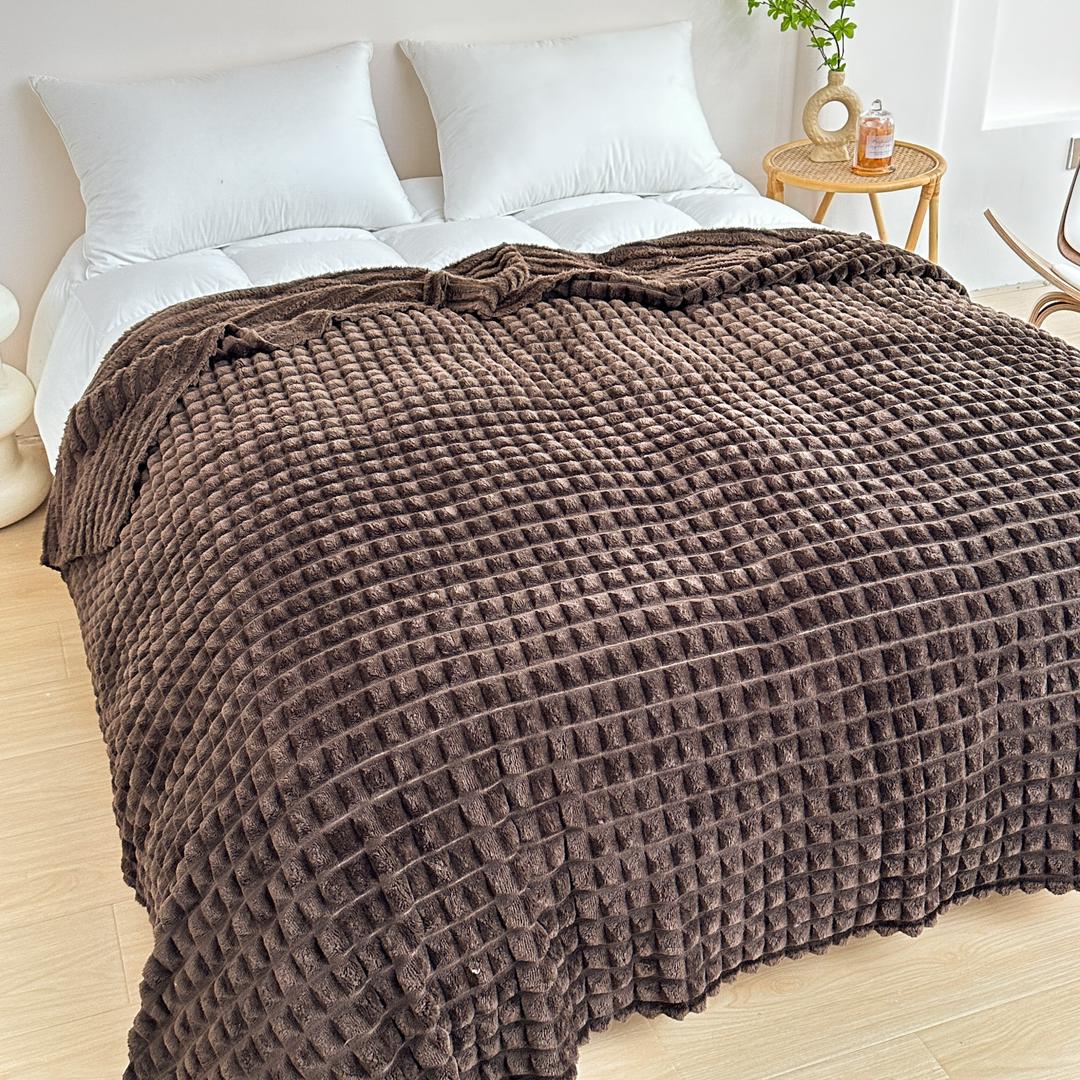
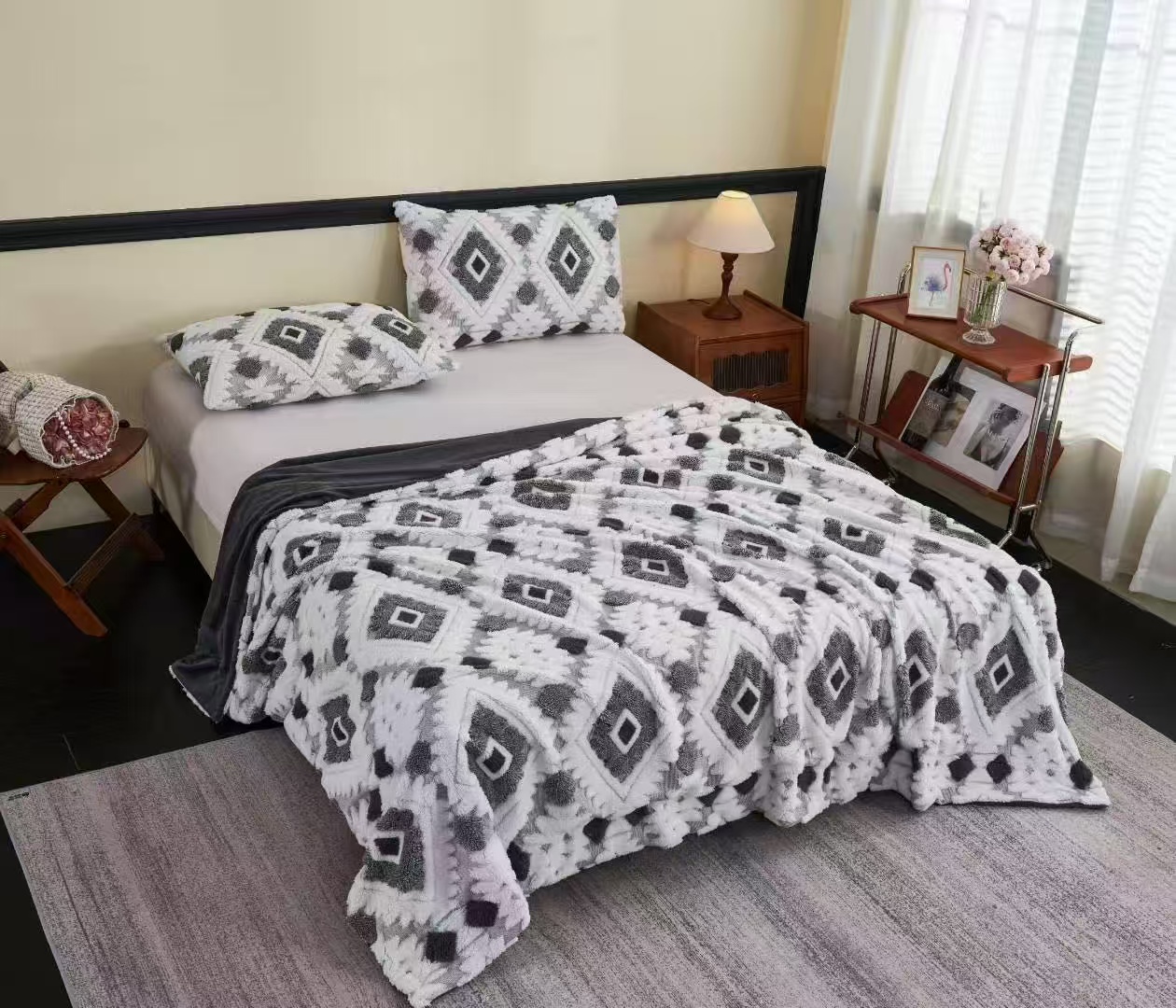
Construction is the second parameter and the one most often omitted from a purchase order. SYS TEXTILE documents six named constructions across its blanket lines: SHU FLEECE 3-D BLANKET, SHU JACQUARD BLANKET, FLANNEL WAVE BLANKET, FLANNEL SQUARE JACQUARD BLANKET, FLANNEL SQUARE BLANKET and FLANNEL SOUTHWEST DESIGN BLANKET.
Each carries a different consequence in production planning.
- Directional patterns. Wave, square and southwest designs have an orientation. When panels are cut and joined, pattern alignment across seams becomes a specification item. An order that names the design but not the alignment rule leaves the tolerance to the factory floor.
- Jacquard versus surface print. Jacquard constructions form the design within the weave. That changes the meaning of “same design” between a sample and a bulk lot: the design has to be matched by construction and structure, not by a colour reference alone.
- Three-dimensional surfaces. A 3-D build produces a raised surface profile. That affects folded pack height, and therefore carton dimensions and container planning.
- Pile direction on fur-like surfaces. Where a fur-like surface is used, pile direction should be stated so that joined panels read consistently under retail lighting.
A practical construction line in an RFQ therefore reads: design name + construction name + pattern alignment rule + pile direction (where applicable) + folded pack dimension. That single line removes most sample-to-bulk disputes in this parameter group.
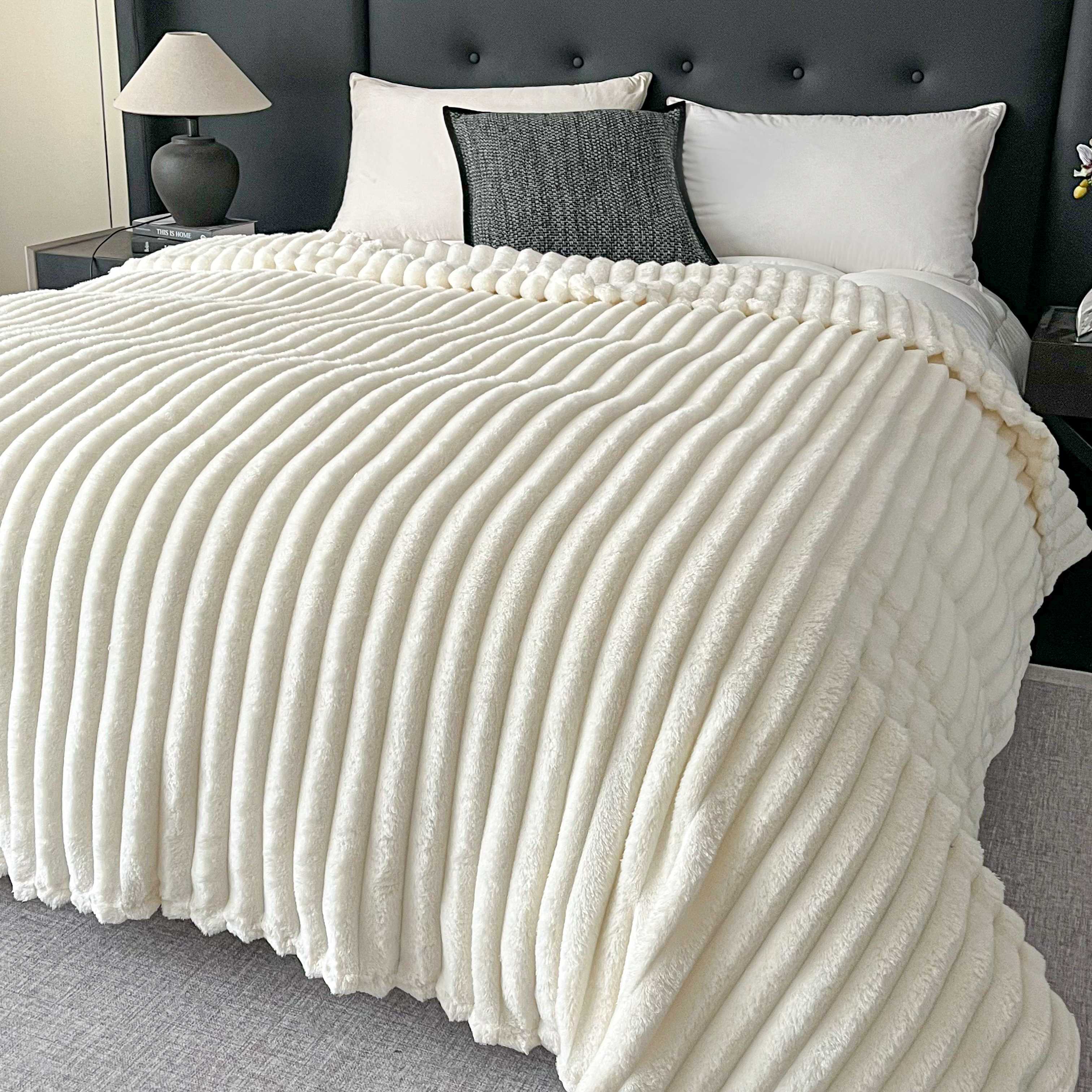
Size Selection Parameters: From Twin / Queen / King to a Finished Specification
Size is the third parameter. SYS TEXTILE documents Twin / Queen / King sizing with customisation across the flannel, shu fleece, rabbit fur and velvet lines. The range is the starting point; the deliverable is a finished size. Five variables have to be closed before two quotations become comparable.
- Finished size versus cut size. State whether the approved dimension is measured before or after washing. For programmes using industrial laundry, the after-wash dimension is the only one that matters to the end user.
- Shrinkage allowance. The allowance should be agreed as a written figure in the specification, not inferred by the supplier.
- Edge finishing and seam allowance. Border type, stitch density and seam allowance affect both hand-feel at the edge and the usable surface area.
- Folded pack size. A blanket that folds to an awkward height wastes container cube. Pack dimensions belong in the same document as the product dimensions.
- Application anchor. The same nominal size serves different furniture. Infant programmes reference crib fit; hotel and dormitory programmes reference mattress fit; camping and travel programmes reference a portable, on-the-go fold.
Where a brief cites only “Queen”, the quotations received are not truly comparable, because each supplier resolves these five variables differently and prices the difference into the unit cost.
Step-by-Step Breakdown: Specifying a Bed Blanket Order
Step 1 — Define the end-use environment. The SYS TEXTILE application data distinguishes three operating environments: indoor residential bedroom use with an all-season sleep environment and temperature-regulated comfort; indoor residential and living-room use with all-season comfort; and outdoor camping and travel use with all-season conditions. The environment decides which requirements follow.
Step 2 — Select the fabric family. Choose flannel, shu fleece, rabbit fur-like polyester or polyester velvet from the documented range. Record the composition line exactly as documented: polyester base for all four families.
Step 3 — Select the construction. Name one of the six documented constructions rather than a generic surface description. Add the pattern alignment rule and, where relevant, pile direction.
Step 4 — Fix the size and customisation boundary. Start from Twin / Queen / King and close finished size, shrinkage allowance, edge finishing and folded pack size as written values.
Step 5 — Confirm compliance documents. Treat certification as a document line. For infant programmes, request the product-level OEKO-TEX STANDARD 100 certificate with Product Class I stated, together with the certificate holder and validity period. Where a project specifies CE marking or FDA food-grade status for infant items, request the supporting document rather than accepting a catalogue claim.
Step 6 — Confirm commercial terms. SYS TEXTILE operates an OEM production mode with LOGO customisation, a monthly capacity of 300,000 units, a lead time of 30–40 days and a minimum order quantity of one container.
Step 7 — Agree acceptance criteria. The documented quality control is 100% testing, and quality issues are resolved within 7 days, with replacement or refund for confirmed defective products. Both lines should be written into the order rather than left as after-sales expectations.
Use Cases: Matching the Parameters to the Project
The same product family does not serve every project. The table below maps documented project conditions to the parameters that should be fixed first.
| Project type | Fix first | Fabric and construction direction | Compliance and care documents to request |
|---|---|---|---|
| Hotel and hospitality | Finished size and care standard | Flannel family; machine-washable, wear-resistant performance is a documented condition for bedroom bedding | Care and wash test data; durability statement under the specified wash cycle |
| Baby and infant | Compliance document | Soft polyester base with crib-fit sizing | OEKO-TEX STANDARD 100 Product Class I; CE and FDA food-grade documents where the project specifies them |
| Dormitory and institutional | Durability and unit cost | Flannel family in high-volume constructions | Machine-washable and wear-resistant confirmation; 100% test statement |
| Camping and travel | Portability and pack size | Blanket used as portable insulation alongside sleeping bags and travel bags | Anti-static and machine-washable confirmation; waterproofing only where separately documented |
| Home bedding and living room | Design and coordination | Shu fleece 3-D or jacquard constructions; velvet for matched sets | OEKO-TEX documentation where the programme requires it; decorative pattern options |
A documented reference case illustrates how these parameters behave at volume. A wholesale buyer operating across the United States, Ukraine and the United Kingdom has purchased from SYS TEXTILE for more than three years, with a cumulative volume of 100 containers. The product is resold through retail stores, e-commerce platforms, hotel bedding supply, and institutional and home textile markets. The stated result is stable operation, with flannel blankets as the referenced product and a service life of three years and beyond under proper care and washing, in line with textile durability standards.
Read technically, that case is a statement about parameter stability rather than about fabric quality. Resale across retail, e-commerce and hotel supply channels only works if finished size, construction and care behaviour remain consistent from container to container.
Purchase Terms and Acceptance Criteria for a Blanket Order
Commercial terms should be written with the same precision as the product parameters, because they define what happens when a parameter is missed.
- Production mode: OEM, with LOGO customisation available.
- Minimum order quantity: one container.
- Lead time: 30–40 days.
- Monthly capacity: 300,000 units.
- Quality control: 100% testing.
- Export markets served: USA, UK and Brazil.
- After-sales: quality issue resolution within 7 days; replacement or refund for confirmed defective products.
A practical acceptance checklist for the receiving end of the order covers five points: the fabric family and composition match the approved specification; the construction name and pattern alignment match the approved sample; the finished size is measured under the stated condition; the compliance documents match the product class and validity stated in the RFQ; and the folded pack dimensions match the carton plan. Each of those points maps to a document, which is what makes a claim arguable rather than a matter of opinion.
FAQ: Bed Blanket Technical Selection
1. Which certificate should a baby bed blanket project request?
An infant bedding project should request the product-level OEKO-TEX STANDARD 100 certificate showing Product Class I, which is the strictest class and applies to articles for babies and children up to three years old. The certificate holder, the tested components and the validity period should be checked at the same time, and CE marking or FDA food-grade status should be requested as supporting documents where the project specifies them.
2. Can one fabric family cover hotel, dormitory and camping projects?
Not with one specification. The three environments are documented differently: bedroom bedding assumes nighttime sleep use with machine-washable, reusable care; living-room use assumes daily casual use with portability between sofa, bed and chair; camping and travel assume portable on-the-go use in all-season outdoor conditions. A flannel construction may serve all three, but the size, pack and care parameters must be written separately for each.
3. What is the minimum order quantity and the production capacity behind it?
SYS TEXTILE sets a minimum order quantity of one container, with a monthly capacity of 300,000 units and an annual output capacity of 3 million pieces. Capacity at that level matters for programme buyers because it determines whether a repeat order can be absorbed inside the 30–40 day lead time.
4. How can a buyer validate a bed blanket before bulk production?
Validation works best as a document-and-sample pair: approve a sample that states the fabric family, construction name, finished size and folded pack size, then confirm that the same parameters appear in the purchase order. Quality is controlled through 100% testing, and confirmed defects are resolved within 7 days with replacement or refund, so the sample record becomes the reference for any later claim.
5. How long does an OEM bed blanket order take?
The documented OEM lead time is 30–40 days, with LOGO customisation available and a minimum order quantity of one container. Buyers planning an infant or hotel programme should confirm the compliance document line before the lead time starts, because certificate review and factory scheduling run on different timelines. To discuss a specification, request a sample or a quotation, contact SYS TEXTILE at sheng-shuntextile.com, by email at 2497825773zrd@gmail.com, or by phone and WhatsApp on +86 18962366333.
Conclusion: Specify the Parameters, Then Buy the Blanket
A bed blanket is a simple product with an unusually wide parameter surface. Fabric family decides composition and hand-feel, construction decides how the surface is built and how it must be cut, and size decides whether the item fits a mattress, a crib or a travel bag. Compliance, care and acceptance terms decide whether any of that survives the first container.
For buyers working inside the SYS TEXTILE range, the available material is concrete: four polyester-based fabric families, six named constructions, Twin / Queen / King sizing with customisation, OEM production with LOGO customisation, a 30–40 day lead time, a one-container minimum, 100% testing, and a documented three-year wholesale relationship across the USA, Ukraine and the UK. What remains is the work of turning those facts into a written specification before the order is placed.
Move From Spec Sheet to Sample
Send the six-line specification — fabric family, construction, finished size, compliance documents, care standard and acceptance test — and SYS TEXTILE will confirm what the range can meet, what needs customisation, and what documentation can be issued with the order.
Website: sheng-shuntextile.com
Email: 2497825773zrd@gmail.com
Tel / WhatsApp: +86 18962366333
Address: Chenbei Road, Miaoquan, Guli Town, Suzhou City, Jiangsu Province
Have Questions or Need More Details?
Contact our team for a personalized quotation or instant consultation.
Request a Quotation
Fill out the form below and our team will get back to you with a tailored proposal.
WhatsApp Direct Chat
Prefer to chat in real-time? Message us on WhatsApp for instant assistance & quick answers.
- Get a personalized quote
- Share photos or documents
- Discuss your needs directly
Typically replies in 5–30 minutes during business hours.