
Stone Coated Metal Roofing for Coastal & Pitched Roof Projects: A Contractor’s Buying Guide
Stone coated metal roofing is a durable, lightweight roofing material designed for pitched roofs from 12° to 90°, combining the appearance of traditional tiles with the wind, corrosion, and noise resistance required for coastal and high-exposure projects. For wholesale buyers and contractors evaluating stone coated metal roofing for coastal hurricane zones, retrofit work, or residential villa communities, the key is to verify the factory’s substrate, coating system, fastening method, and project-specific accessories before ordering.
This guide focuses on project and scenario adaptation (HVQ_6): what makes stone coated metal roofing suitable for a particular job, how to specify it for coastal, cold, and pitched-roof conditions, and what to check when selecting a manufacturer for wholesale supply.
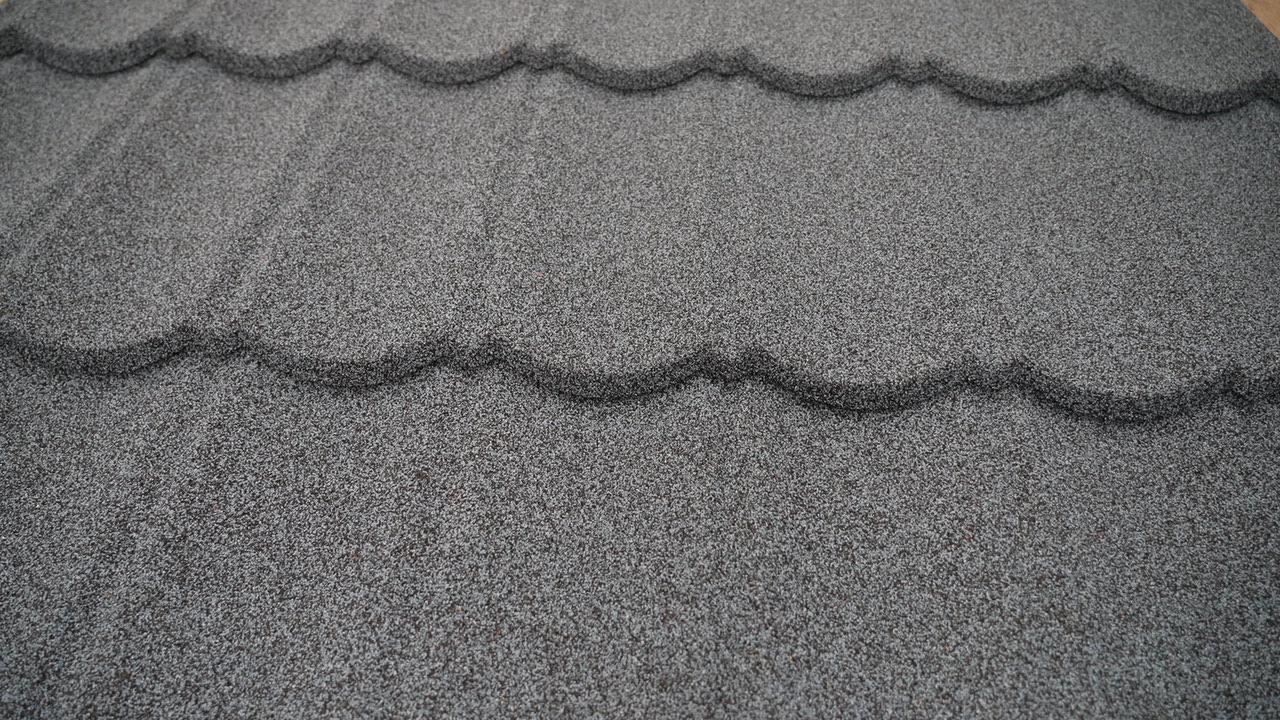
What Is Stone Coated Metal Roofing and How Does It Work?
Stone coated metal roofing is a steel-based roofing tile with a galvalume (aluminum-zinc) core, an acrylic resin layer, and natural stone granules sintered at high temperature. The stone coating provides the visual look of clay, slate, or shake while the steel core supplies structural strength and wind resistance.
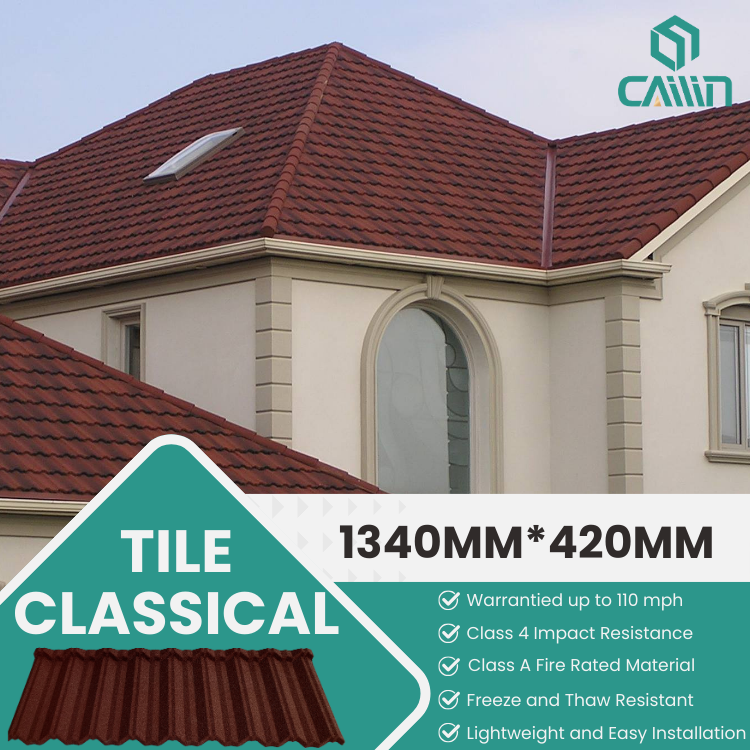
CAILIN, operating as Sango Cailin (Tianjin) Building Tech. Co., Ltd., supplies stone coated metal roofing with base steel thickness options of 0.4 mm to 0.6 mm, effective tile dimensions of 1340 mm × 420 mm (covering 1260 mm × 370 mm), and a weight of approximately 5–8 kg/m² depending on the series and steel gauge. The material is intended for pitched roofs with slopes from 12° to 90°, which covers most villa, residential, hotel, and retrofit roof geometries.
The product works because each tile is mechanically interlocked and fastened with concealed fasteners, creating a continuous weather barrier that can resist wind uplift up to 160 mph. The stone coating also reduces rain and hail noise, makes the roof suitable for retrofit installation over old tiles without structural reinforcement, and provides fire resistance and thermal separation between the tile and underlayment.
Why Project Adaptation Matters for Stone Coated Metal Roofing
A roofing material that performs well in one climate may fail in another if the wrong accessory, fastening method, or edge treatment is used. Stone coated metal roofing is not a single generic product; it must be adapted to the project’s working conditions, roof slope, wind zone, and coastal exposure.
For coastal hurricane regions, the main threats are salt spray corrosion, high wind uplift, and driving rain. For cold and snowy regions, the main threats are ice dams, freeze-thaw cycles, and sudden snow slide. For hot or tropical zones, the main threats are UV radiation and monsoon rain. A factory that can supply the right underlayment, fasteners, snow guards, ridge caps, valley flashing, and cut-edge anti-corrosion treatment is more valuable than a supplier that only sells standard tiles.
This section details the project types and working conditions that stone coated metal roofing is designed to handle, and the specific requirements that should be written into a procurement specification.
Project Types Best Suited to Stone Coated Metal Roofing
Stone coated metal roofing is suitable for new villa communities, roof replacement for aging tile houses, flat-to-pitch conversions, rural self-built houses, beachfront resorts and hotels, mountain cabins, hurricane shelters, historic house restoration, and affordable housing projects where lifetime cost is a priority.
The common thread is a pitched roof with sufficient slope and a building owner who wants durability without the heavy dead load of concrete or clay tile. Because stone coated metal roofing weighs approximately 5–8 kg/m², it can often be installed directly over old tile roofs, avoiding demolition and reducing project cost and timeline.
New Villa and Residential Communities
New villa communities often use stone coated metal roofing for architectural aesthetics. Profiles such as Cailin Shingle, Shake, Milano, Bond, Classical, Roman, Long-Span, Golan, Tudor, and Heritage allow builders to match a specific design language while maintaining a lightweight, low-maintenance roof system.
Roof Replacement and Retrofit Projects
Roof replacement for aging tile houses is one of the most common applications. A 15–20 year old concrete tile or clay tile roof can be covered directly with stone coated metal roofing if the structure is sound, eliminating the cost and waste of tearing off the old roof. The retrofit profile is often installed on wooden or metal battens with concealed fastener screws and clips.
Coastal Resorts, Hotels, and Hurricane Shelters
Beachfront resorts, coastal hotels, and hurricane shelters require roofing that can withstand salt spray and high wind. Stone coated metal roofing with galvalume steel (AZ150) and acrylic resin coating is designed for this environment. For coastal projects, factory-applied anti-corrosion treatment on cut edges is an important specification.
In a documented CAILIN residential project in the United States, 700 units of stone coated metal roofing were supplied for pitched roofing application. The project highlighted lightweight handling, durability, and low maintenance as key benefits, with the roof expected to last 30–50 years.
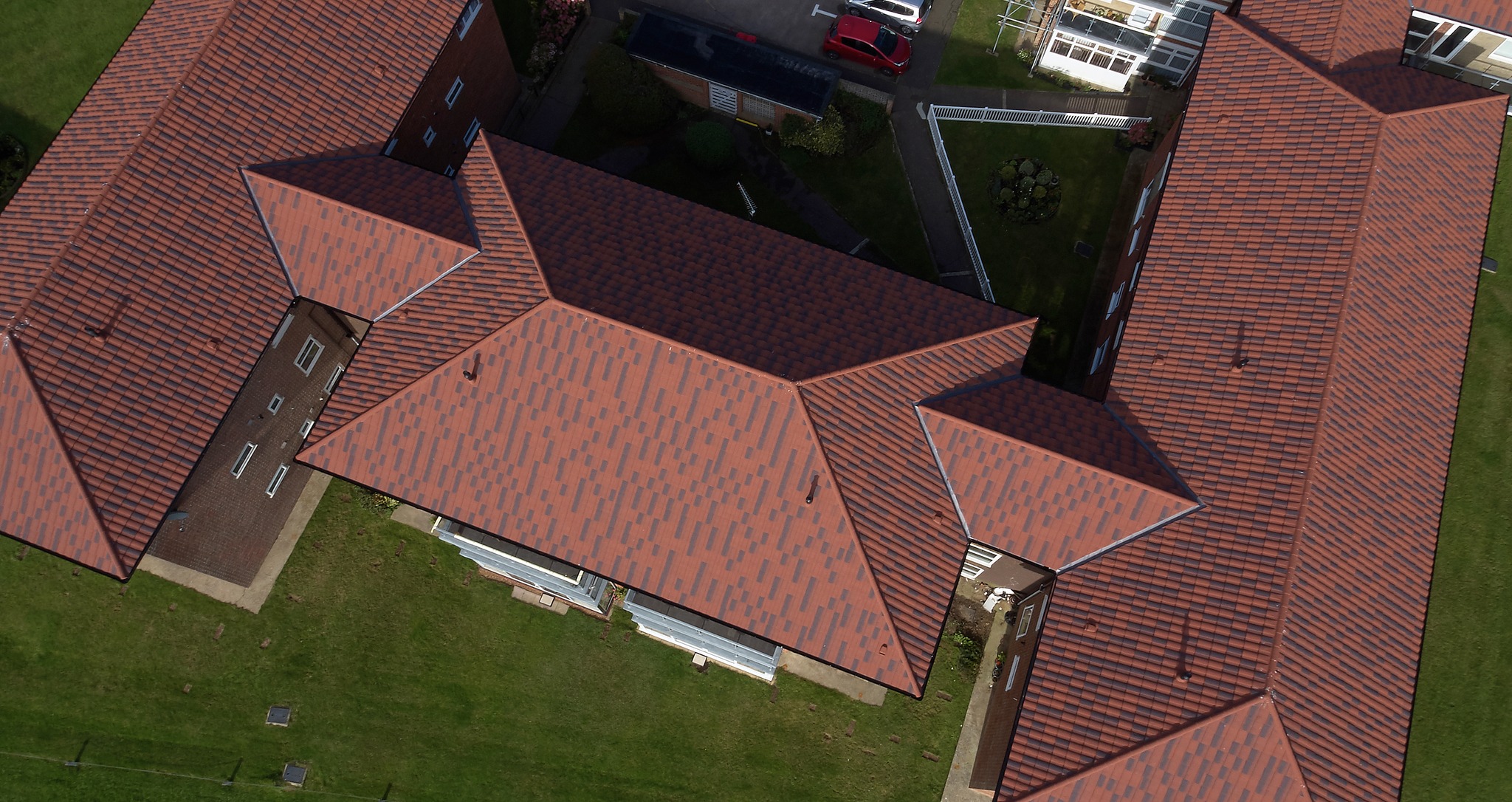
Working Conditions and How They Affect Product Selection
Stone coated metal roofing can be matched to the following working conditions. Contractors should use this list as a checklist when discussing a project with a manufacturer.
- Coastal and humid zones: high salinity, salt spray, monsoon rains, and typhoon winds. Specify 500h salt spray test corrosion resistance and factory-applied cut-edge anti-corrosion treatment.
- Hot and arid climates: strong UV radiation. The acrylic resin coating and natural stone granules provide UV resistance and reduce heat transfer.
- Cold and snowy regions: sub-zero temperatures, freeze-thaw cycles, heavy snow loads, and ice dams. Snow guards may be required on steep roofs to prevent sudden snow slide.
- Temperate and rainy areas: frequent rainfall and high humidity. The concealed fastener system and interlocking design keep water out, while the stone coating reduces moss and algae accumulation.
- Wildfire zones: dry conditions with flying embers. Use non-combustible underlayment and sealed eaves.
- High wind regions: hurricane, cyclone, or tornado zones. Ensure the tile and fastening system provide adequate wind uplift resistance. CAILIN tiles are rated for wind uplift up to 160 mph.
- Mountain and alpine areas: high altitude, strong UV, snow accumulation, and temperature swings. Snow guards and appropriate fastener spacing are key.
- Urban and suburban locations: noise pollution from aircraft and traffic. The stone coating provides acoustic insulation, reducing noise compared with a bare metal roof.
How to Specify Stone Coated Metal Roofing for a Coastal Project
Coastal projects require more than just selecting a tile profile. A complete specification should cover the base steel, corrosion protection, fixing method, and accessories.
Base Steel and Corrosion Resistance
CAILIN stone coated metal roofing uses galvalume steel (AZ150) as the base substrate, which provides better corrosion resistance in coastal environments than ordinary galvanized steel. The substrate is available in 0.4 mm to 0.6 mm thickness; 0.5 mm to 0.6 mm is commonly specified for high-wind or coastal projects.
The product passes a 500h salt spray test, which is an indicator of corrosion resistance for marine-exposed roofing. For coastal regions, extra anti-corrosion coating on cut edges should be factory applied.
Wind Uplift Resistance
CAILIN stone coated metal roofing has wind uplift resistance up to 160 mph. This is achieved through the interlocking tile design plus concealed fasteners. The exact performance depends on the fastening schedule, batten spacing, and underlayment specification, so contractors should request the manufacturer’s installation guide for the specific wind zone.
Roof Slope and Profile Choice
The product operates under pitched roof conditions with slopes from 12° to 90°. Low-slope roofs (below 12°) are generally not recommended because water drainage may be insufficient. For steep roofs, snow guards may be required in cold climates to prevent sudden snow slide.
The table below summarizes the recommended profiles for common project types.
| Project Scenario | Recommended Profile Series | Key Specification Priority |
|---|---|---|
| Coastal villa / beachfront hotel | Cailin Roman, Cailin Classical, Cailin Bond | 0.5–0.6 mm substrate, 500h salt spray, cut-edge anti-corrosion |
| Residential pitched roof replacement | Cailin Shingle, Cailin Shake, Cailin Interlocking Shingle | Concealed fasteners, direct-over-old-tile installation |
| Mountain cabin / ski lodge | Cailin Shake, Cailin Heritage | Snow guards, freeze-thaw resistant coating |
| Flat-to-pitch conversion | Cailin Long-Span, Cailin Milano | Lightweight 5–8 kg/m², no structural reinforcement |
| Hurricane shelter / community building | Cailin Bond, Cailin Roman | Wind uplift up to 160 mph, concealed fasteners |
Concealed Fastener System and Installation Requirements
The concealed fastener system is one of the main reasons stone coated metal roofing performs well in wind and rain. Unlike exposed screw roofs, concealed fasteners hide the screws and clips under the overlapping tile, reducing water penetration paths and improving the roof’s wind resistance.
The product requires supporting equipment such as underlayment, wooden or metal battens, and concealed fastener screws and clips. Ridge caps, valley flashing, gable trims, pipe flashings, and a rain gutter system are also needed to complete the roof system.
For cold and snowy regions, snow guards are required on steep roofs to prevent sudden snow slide. This is not an optional luxury; it is a safety requirement for roofs with high snowfall and steep slopes.
For wildfire zones, non-combustible underlayment and sealed eaves are recommended. For historic preservation projects, color and profile matching to the original slate or wood shake is important.
Lifetime Cost Comparison: Stone Coated Metal Roofing vs. Alternatives
Stone coated metal roofing is often compared with asphalt shingles, concrete tiles, and clay tiles. The lifetime cost calculation should include material cost, installation cost, maintenance, lifespan, energy savings, and structural savings from lighter weight.
Industry data cited in 2026 indicates that stone coated steel roofing has a lifespan of 50+ years, significantly outlasting asphalt shingles, which typically last approximately 20 years. While the initial material cost of stone coated metal roofing is higher than asphalt shingles, the longer lifespan and lower maintenance can reduce the cost per year of service.
A documented CAILIN US residential project using 700 units of stone coated metal roofing reported expected durability of 30–50 years with low maintenance, easy installation, and lightweight handling. The project also cited energy saving and eco-friendly performance, hurricane and wind resistance, and noise reduction as key results.
Energy Efficiency and Noise Reduction for Residential and Urban Buildings
Stone coated metal roofing can contribute to energy savings by reflecting heat and creating an air gap between the tile and underlayment. Industry analysis indicates that metal roofing can reflect heat away from buildings, potentially saving homeowners up to 40% on cooling energy costs. The exact saving depends on insulation, roof pitch, ventilation, and climate.
The stone coating also provides acoustic insulation. CAILIN product specifications state that stone coated metal roofing delivers 70% noise reduction compared with a bare metal roof. This makes it suitable for homes near airports, highways, and urban centers where rain and hail noise can be disruptive.
Wholesale Buying Checklist: How to Evaluate a Stone Coated Metal Roofing Manufacturer
For wholesale stone coated roofing buyers, the decision is not just about tile price. It is about whether the factory can deliver consistent quality, support project-specific specifications, and respond quickly.
1. Verify Factory Status, Not Just Brand
Work directly with a manufacturer rather than a trading company to ensure consistent quality and direct pricing. Sango Cailin (Tianjin) Building Tech. Co., Ltd. operates production bases across China, including Hangzhou, Sichuan, Shandong, and Hebei, with seven facilities in total. The core factory in Tianjin covers 15,000 m² with an annual output of 6,000,000 units.
The company exports to over 20 countries, with main markets in the USA, Canada, and Southeast Asia. Export ratio is approximately 25%, indicating a dedicated export business rather than a purely domestic manufacturer.
2. Check Certifications
CAILIN facilities are certified to ISO 9001 (quality management), ISO 14001 (environmental management), and ISO 45001 (occupational health and safety). Certification alone does not guarantee product quality, but it indicates that the factory has documented processes for quality, environmental, and safety management.
Industry data also shows that stone coated steel roofing typically meets ASTM A792/A792M standards using 55% aluminum-zinc alloy-coated steel as the base substrate. Buyers should ask whether the steel substrate and coating system meet the standards required in their target market.
3. Confirm Customization Capabilities
CAILIN supports OEM, ODM, and customized production. Customization options include stone granule color (10+ standard colors, custom available), steel thickness (0.45 mm / 0.5 mm / 0.55 mm), tile profile across all Cailin series, packaging design (neutral or branded), and logo printing.
4. Evaluate MOQ, Lead Time, and Capacity
CAILIN offers a monthly capacity of 500,000 units, with a lead time of 7–10 days and a stated MOQ of 2 units. The low MOQ is useful for contractors testing a new profile or color, while the monthly capacity supports larger wholesale orders.
5. Quality Control and After-Sales Support
CAILIN performs 100% inspection, pre-shipment random sampling, and offers third-party inspection. After-sales support includes a technical installation guide, video support, remote support, 50-year limited warranty terms, and 24-hour response.
The table below summarizes the key manufacturer evaluation criteria.
| Evaluation Criterion | What to Verify | CAILIN Capability |
|---|---|---|
| Factory status | Direct manufacturer vs. trading company | Own production bases in China, 15,000 m² Tianjin facility |
| Quality system | ISO certification and inspection process | ISO 9001, ISO 14001, ISO 45001; 100% inspection |
| Product range | Profiles, colors, steel thickness | 11 Cailin profiles, 10+ colors, 0.45–0.55 mm thickness |
| Customization | OEM / ODM, packaging, logo | OEM, ODM, custom granule color, packaging, logo |
| Supply capacity | Monthly capacity, lead time, MOQ | 500,000 units/month, 7–10 days, MOQ 2 units |
| Installation support | Guides, video, remote support | Technical guide, video, remote support, 24h response |
How to Buy Stone Coated Metal Roofing for a Wholesale or Coastal Project
The procurement process for stone coated metal roofing should follow these steps:
- Define the project scenario. Identify roof slope, climate zone, wind load, salt exposure, snow load, and whether it is a new build or retrofit.
- Select the tile profile and color. Choose from Cailin Shingle, Shake, Milano, Bond, Classical, Roman, Long-Span, Golan, Tudor, Heritage, or Interlocking series based on the architectural design.
- Specify the steel thickness. Use 0.4 mm for low-risk standard projects, 0.5 mm for most residential and coastal projects, and 0.6 mm for high-wind or heavy-snow applications when specified by the engineer.
- Confirm the accessories. Underlayment, battens, concealed fastener screws and clips, ridge caps, valley flashing, gable trims, pipe flashings, and rain gutters must be included in the order.
- Check project-specific requirements. Add snow guards for cold slopes, factory-applied cut-edge anti-corrosion for coastal zones, and non-combustible underlayment for wildfire areas.
- Request samples. Verify color, granule adhesion, steel gauge, and tile interlock before placing a full container order.
- Order with quality control. Use 100% inspection or third-party inspection for large wholesale orders.
Case Example: 700-Unit US Residential Pitched Roofing Project
In a CAILIN residential project in the United States, 700 units of stone coated metal roofing were supplied for a pitched roof application. The project reported the following results:
- Energy saving and eco-friendly: the roofing system reduces cooling load and uses recyclable steel.
- Hurricane proof and wind resistant: the interlocking tile and concealed fastener system provide wind resistance suitable for storm-prone regions.
- Noise reduction: the stone coating reduces rain and hail impact noise.
- Lightweight: easier handling on site and lower structural load.
- 50+ year durability and low maintenance: the roof is expected to perform for decades without frequent repairs.
- Easy installation: the interlocking design simplifies installation for roofing contractors.
FAQ: Stone Coated Metal Roofing Manufacturer for Wholesale Roofing Projects
What should I look for in a stone coated metal roofing manufacturer for wholesale projects?
Look for a direct manufacturer with ISO 9001 certification, documented quality control, and the ability to produce consistent tiles across large orders. CAILIN is a factory, not a trading company, with multiple production bases in China, ISO 9001, ISO 14001, and ISO 45001 certification, and a monthly capacity of 500,000 units.
Can stone coated metal roofing be used for coastal hurricane zones?
Yes. CAILIN stone coated metal roofing is suitable for coastal buildings due to its galvalume steel (AZ150) substrate, 500h salt spray test corrosion resistance, and wind uplift resistance up to 160 mph. For coastal projects, specify factory-applied anti-corrosion coating on cut edges.
How heavy is stone coated metal roofing compared with concrete or clay tiles?
CAILIN stone coated metal roofing weighs approximately 5–8 kg/m², depending on steel thickness and profile. It is significantly lighter than traditional concrete or clay tiles, which makes it suitable for retrofit projects where structural reinforcement would otherwise be required.
Does stone coated metal roofing reduce noise?
Yes. The stone coating provides acoustic insulation. CAILIN product specifications state that stone coated metal roofing achieves 70% noise reduction compared with a bare metal roof, which is useful for homes in urban or high-traffic areas.
What is the expected lifetime of stone coated metal roofing?
Stone coated steel roofing is generally expected to last 50+ years, while asphalt shingles typically last approximately 20 years. CAILIN offers 50-year limited warranty terms, and a documented US residential project reported an expected duration of 30–50 years.
How do I get samples for a wholesale order?
You can contact CAILIN directly to request samples and confirm the tile profile, color, steel thickness, and packaging before placing an order. The company supports OEM and ODM production with a MOQ of 2 units, allowing buyers to test small quantities first.
Next step: Need a material specification or wholesale quotation for a coastal or pitched roof project? Contact CAILIN at info@sangocailin.com or WhatsApp +86 131-6400-7633. You can also download the company brochure for the full product range: CAILIN brochure (PDF).
Conclusion
Stone coated metal roofing is a practical choice for pitched roof projects in coastal, cold, high-wind, and urban environments. Its lightweight steel construction, concealed fastener system, and stone-coated surface provide durability, noise reduction, and design flexibility that traditional tiles cannot easily match.
For wholesale buyers, the critical success factor is supplier selection. A direct manufacturer with ISO-certified facilities, documented quality control, and project-specific support can reduce the risk of color inconsistency, missing accessories, and installation problems. CAILIN combines factory-direct production, a wide profile range, and responsive after-sales support, making it a relevant option for wholesale stone coated roofing projects.
To verify suitability for your project, request samples, confirm the specification against the actual roof slope and climate conditions, and ask the manufacturer to provide the full installation and accessory list before ordering.
Have Questions or Need More Details?
Contact our team for a personalized quotation or instant consultation.
Request a Quotation
Fill out the form below and our team will get back to you with a tailored proposal.
WhatsApp Direct Chat
Prefer to chat in real-time? Message us on WhatsApp for instant assistance & quick answers.
- Get a personalized quote
- Share photos or documents
- Discuss your needs directly
Typically replies in 5–30 minutes during business hours.