
Stone Coated Metal Roofing vs. Clay vs. Concrete: A Side-By-Side Comparison for Renovation Buyers
Stone Coated Metal Roofing vs. Clay vs. Concrete: A Side-By-Side Comparison for Renovation Buyers
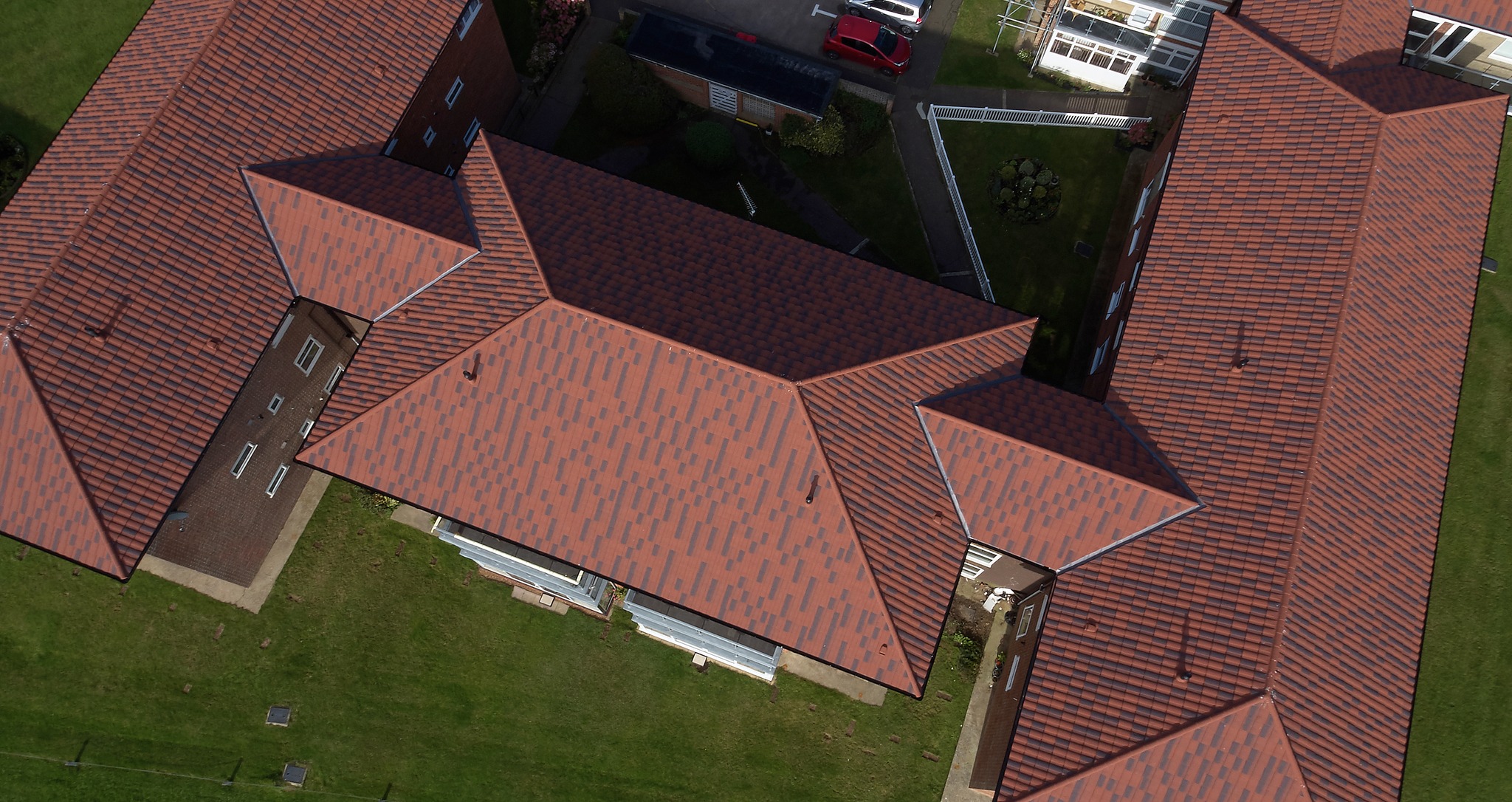
Renovating an older pitched roof is rarely a straight swap. Once the old covering is opened, the existing framing may or may not have reserve capacity for another heavy tile roof. For buyers deciding between stone coated metal roofing, clay tile and concrete tile, the most useful comparison is not only how the roof will look. It is what the material weighs, how it installs over an existing roof structure, how it behaves in wind and coastal weather, and how much manufacturer support is behind the order.
This article focuses on renovation buyers: contractors, distributors, importers and homeowners who are replacing or upgrading an existing roof rather than designing a roof from zero. The goal is not to simply replace one material with another, but to give a decision framework based on construction logic and factory verifiable product data.
Why Renovation Creates a Different Problem from New Construction
Clay tile and concrete tile are established pitched-roof materials. They can create a dense, traditional roof envelope and have been used for decades. In renovation, the primary issue is dead load. A roof structure may have been designed decades ago for the original covering, which could include heavy tiles, older timber, different snow or wind assumptions, or materials that have since deteriorated. Adding a replacement clay or concrete tile system of similar mass may preserve the original loading pattern, but it also preserves a heavy load on the structure.
Renovation projects also generate practical work sequence constraints: the existing roof must be opened, materials must be removed and disposed of, the deck must be inspected, and the new roof must be installed in a useful weather window. Lightweight systems change that sequence because they do not add the same structural demand. A stone coated metal roofing tile made on a thin steel base is a lightweight roof tile alternative that can often be lifted, cut and installed with less equipment than dense clay or concrete tile.
Industry Background: Stone-Coated Steel Roofing Has Become a Widely Considered Category
Stone-coated steel roofing is no longer a niche product. Industry research estimates the global stone-coated steel roofing market at around USD 20.71 billion in 2024, with projected growth to USD 32.69 billion by 2033. Reference material also associates many stone-coated steel products with ASTM A792/A792M type substrates based on 55% aluminium-zinc alloy-coated steel. This standard background explains why procurement teams now evaluate the material seriously for residential, coastal and retrofit applications.
For a renovation buyer, the important distinction is between the steel-based composite tile and clay or concrete tile. Stone coated metal roofing is manufactured by bonding natural stone granules to a corrosion-resistant steel sheet. Concrete tile is a mineral-cement product formed through curing. Clay tile uses fired clay. All three can be made in profiles that imitate classically shaped roof tiles, but their physical loading and installation logic are different.
Side-by-Side Material Profile
Based on published Sango Cailin product data, a stone coated metal roofing tile has the following physical structure: base steel of 0.4 mm to 0.6 mm in galvanized or aluzinc finish, galvalume steel AZ150, an acrylic resin coating, high-temperature sintered natural stone granules, and a transparent acrylic top coat. The effective tile size is 1,340 mm by 420 mm, covering 1,260 mm by 370 mm per tile.
These dimensions matter in a renovation comparison. One stone coated metal tile covers a larger plan area than many individual clay or concrete tiles. Fewer individual pieces usually means fewer tile-to-tile joints and less repetitive handling time. The product application range also specifically includes pitched roofs with slopes from 12 degrees to 90 degrees, which covers most renovation projects on residential and villa-style buildings.
Weight: The Main Renovation Comparison
For most renovation buyers, weight is the first number to understand. Sango Cailin’s published product specification states an approximate weight between 6 and 8 kg per square metre for its standard stone coated metal roof tiles. Industry reference comparisons for stone-coated steel roofing commonly quote a range of approximately 3.2 to 6.7 kg per square metre, depending on substrate thickness, and state that stone-coated steel roofing is about 5 to 10 times lighter than traditional concrete or clay tile systems.
Those ranges are not identical because product profiles, steel thickness and coating specifics vary between manufacturers. But the direction is consistent: stone coated metal roofing is a lightweight roof system when compared with clay or concrete tile. The practical value for renovation is that a lower dead load can be considered before deciding whether rafters, trusses or wall framing require structural reinforcement. It does not replace the need for an engineer’s site check, but it gives the designer more options.
What This Weight Means for Substructures
In a replacement roof, every additional kilogram per square metre must travel through the roof deck, rafters, columns and foundations. When the replacement roof is much lighter than the old tile assembly, the existing structure may be able to continue in service without additional steel or timber. When the replacement roof is as heavy as the original, the roof may still be acceptable, but the renovation has not created any structural margin to solve other problems such as rot, corrosion or older fastener capacity.
Stone-coated metal roofing is described in product application notes as suitable for retrofit projects, including installation directly over old tiles when site conditions allow. That retrofit capability is not a promise that every old roof can simply receive a new covering; it means the lightweight profile offers a practical route that is not available when a second full clay or concrete tile layer would double the load. A renovator should always verify rafter spacing, deck condition and local building code before choosing any system.
Weather Performance, Corrosion, Noise and Service Life
Renovation buyers often choose stone-coated metal roofing for coastal or hurricane wind projects. The published Cailin product figures include wind uplift resistance up to 160 mph, corrosion resistance validated by a 500-hour salt spray test, and acoustic insulation described as about 70% noise reduction compared with a bare metal roof. These figures are valuable when the roof is located in a coastal hurricane zone or when the client is concerned about rain and hail noise in an older structure.
The service life of a new roof matters because a renovation is usually intended to close the roof envelope for a long period. One documented residential case in the United States involved 700 units of stone coated metal roofing installed on a pitched roof. The project reported a service life of 30 to 50 years, with key characteristics of lightweight design, durability over 50 years, low maintenance and easy installation. The same case also reported energy-saving and eco-friendly performance, hurricane resistance, wind resistance and noise reduction.
For a renovation buyer comparing lifetime cost, maintenance and replacement frequency are central. A stone coated metal roof with a 30-to-50-year service expectation and low maintenance creates a very different lifetime cost model from a roof that needs more frequent repair, particularly if the renovation is not easy to access.
Retrofit Scenarios and Coastal Concerns
Stone coated metal roofing is frequently used for pitched roof metal tiles in villa and residential homes. It is also one of the lightweight roof tile alternatives considered for coastal buildings because the galvalume steel core is combined with a corrosion-resistant coating. The 500-hour salt spray result is intended to demonstrate that the product family is positioned for environments with salty air, not only dry inland locations.
In a renovation project, the roof covering may need to resist high winds before and after completion. The published wind uplift figure of up to 160 mph gives the design team a number to compare with local wind speed requirements. The final wind rating of the installed roof also depends on the correct substrate, fastening pattern and flashing detail, but the tile itself has a verifiable published capacity.
The low noise characteristic is another retrofit advantage. Some older concrete or clay tile roofs damp sound partly through mass. If a homeowner switches to a steel-based roof, the acoustic behaviour can change. Stone coated metal roofing with stone granules and protective coatings reduces the metallic drumming effect associated with plain metal roofs. In the product specification, the manufacturer states roughly a 70% noise reduction versus a bare metal roof. This makes the material more acceptable for bedrooms under the roof or for noise-sensitive additions.
Manufacturer Capability and OEM Support for Renovation Orders
Renovation buyers are not always buying one roof. Wholesale stone coated roofing orders often require a manufacturer with engineering flexibility, quality control and predictable delivery. Sango Cailin Building Tech. Co., Ltd. is a Tianjin-based manufacturer focused on stone coated metal roofing and related building materials. It operates factory facilities and supports export markets through its own production lines rather than acting only as a trading company.
From a capability standpoint, the manufacturer provides OEM, ODM and customized production services. For a renovation project, this can mean choosing a stone granule colour that matches the existing architectural character or adjusting the roof tile profile from the available series. Customisation options include stone granule colours, steel thickness, tile profile, packaging design and logo printing.
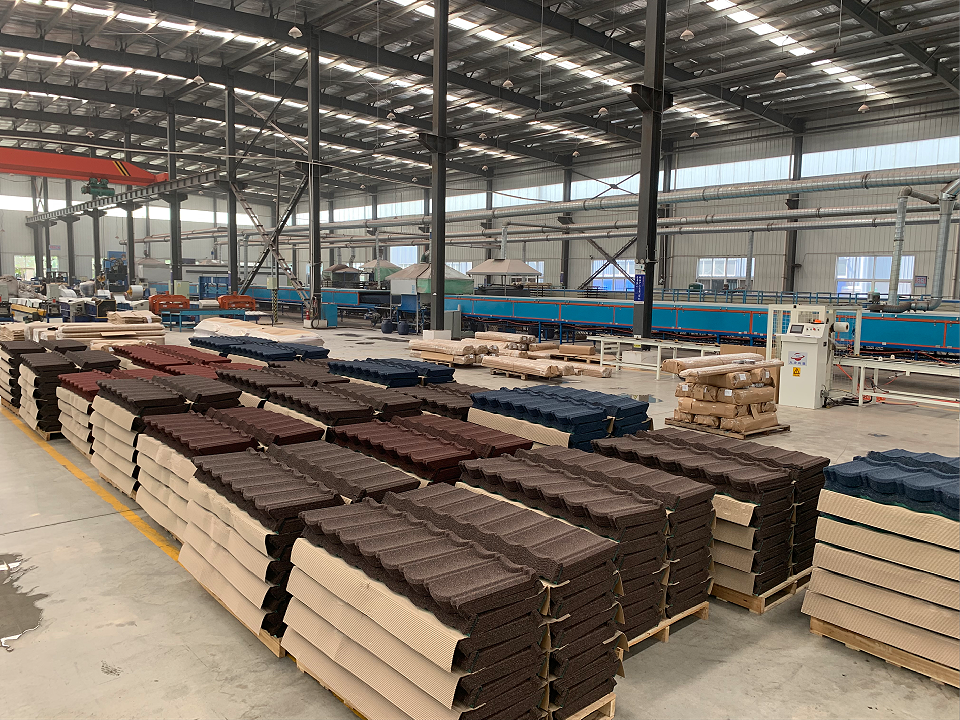
Sango Cailin reports several useful quality signals for buyers. The factory implements 100% inspection, allows pre-shipment random sampling, and offers third-party inspection services when required. These controls are important because roof tiles leave the factory in batches; a quality defect is not visible from a single sample if the factory does not have a robust inspection process. The company holds ISO 9001:2015, ISO 14001:2015 and ISO 45001:2018 certification, with the most recent certification period from 2024 to 2027. For an international buyer, this helps confirm that the factory operates with documented quality, environmental and occupational safety systems.
After-sales support is another evaluation point in renovation projects. Cailin provides technical installation guidance, video support, remote support and a 24-hour response channel, together with stated 50-year limited warranty terms. When installers work with a new material for the first time, supporting documentation and remote help reduce installation errors.
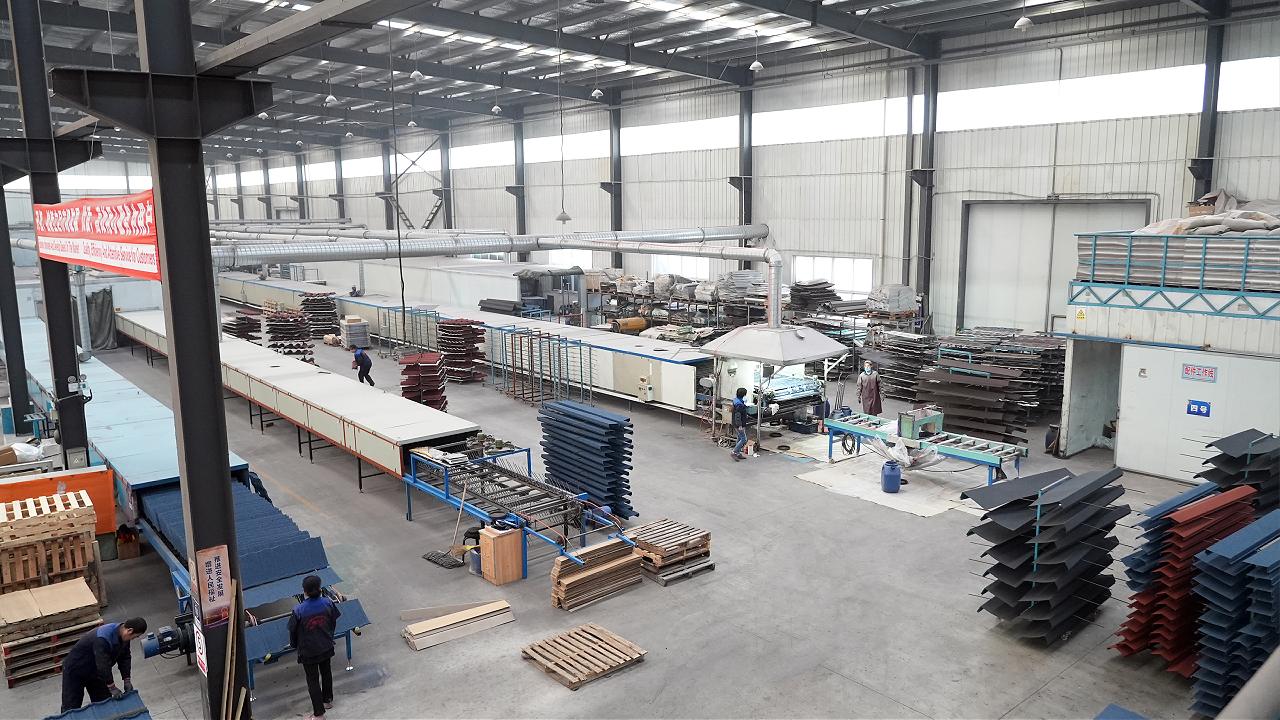
An ISO certified roofing factory that can package neutral or branded material is often the best fit for importer-led renovation projects. The same factory can supply technical material to distributors or contractors, keep quality records, and produce a roof system that matches the project specification rather than forcing a generic product.
A Renovation Buyer’s Side-by-Side Evaluation Framework
Use the following step-by-step framework when comparing stone coated metal roofing with clay and concrete tile.
- Identify the existing roof load and the allowable remaining load. Ask a local structural engineer to confirm whether the roof can receive the new covering without modification.
- Compare the candidate’s installed weight. For Sango Cailin stone coated metal roofing, use the approximate 6 to 8 kg/m² published figure, and for the broader product category confirm the specific profile datasheet.
- Check the slope range. Stone coated metal roofing is designed for pitched roofs from 12 to 90 degrees, so confirm that this matches the actual roof geometry.
- Review weather exposure. In coastal hurricane roofing projects, compare the published wind uplift resistance and the 500-hour salt spray result with the project’s design wind speed and corrosion environment.
- Assess noise and condensation layers. Consider the 70% acoustic insulation benefit compared to a bare metal roof and whether the roof assembly includes any required ventilation or underlayment.
- Confirm tile dimensions and overlap. The effective coverage of 1,260 mm by 370 mm is important for estimating the number of tiles and the layout plan.
- Check the manufacturer’s quality system and OEM capability. Request documentary evidence of 100% inspection, third-party inspection options, ISO certifications, loadings and warranty terms before a container order is placed.
Case Example: Pitched Roof Residential Installation in the United States
A useful case reference for the stone coated metal roofing system is a US residential pitched roof project involving 700 units. The product was used by a residential client and the installation was completed with the stated benefits of lightweight handling, low maintenance, easy installation and expected duration in service of 30 to 50 years. The case also reported energy saving and eco-friendly performance, hurricane resistance and wind resistance, and noise reduction.
For a renovation buyer, the relevant message is not that every project is identical; it is that the product category already has a track record on pitched roofs in a demanding North American residential setting. A roof weighing roughly 6 to 8 kg/m² can replace the look of traditional tile while greatly reducing the dead load imposed on the existing house.
Comparison Table: Stone Coated Metal Roofing vs. Clay vs. Concrete
The table below summarises the verified comparison points used in this article. Where exact clay or concrete tile values are not part of the source data, the table states the category relationship rather than inventing a weight.
| Comparison Point | Stone Coated Metal Roofing | Clay / Concrete Tile |
|---|---|---|
| Material construction | Galvalume steel base with acrylic resin and sintered natural stone granules | Clay is fired clay; concrete is a cement-mineral composite |
| Published weight | Approx. 6–8 kg/m² for Cailin standard tile; industry references cite approx. 3.2–6.7 kg/m² for stone-coated steel roofing | Substantially heavier; stone-coated steel is described in industry reference sources as 5–10 times lighter than traditional clay or concrete tile |
| Routine renovation perspective | Pitched roofs from 12° to 90°; retrofit projects can be installed directly over old tiles when site conditions allow | Replacement usually requires full removal and structural review because of higher dead load; no direct-over retrofit assumption |
| Coastal / corrosion performance | Designed for coastal buildings; 500-hour salt spray test result | Clay and concrete are mineral-based, but the framing and fasteners still require coastal protection; no equivalent stone-coated metal sheet corrosion layer |
| Wind design | Wind uplift resistance up to 160 mph | Wind performance depends on tile fastening and substrate; not directly comparable from the data cited here |
| Acoustic behaviour | About 70% noise reduction vs. a bare metal roof | Mass provides some sound damping, but performance varies |
| Service life | 30–50 years documented in a US residential 700-unit project; low maintenance profile | Clay and concrete can be long-lived, but service life depends on tile, flashing and underlayment care |
| Manufacturer support | OEM/ODM custom production, 100% inspection, third-party inspection, ISO 9001 / 14001 / 45001, technical installation guidance | Supply channels vary by manufacturer; verify individual source |
Note: exact installed weight and wind rating for clay or concrete tile should be requested from the specific tile manufacturer because they vary by profile and substrate.
Frequently Asked Questions
Could a renovation buyer customize colour and profile from an OEM stone coated metal roofing manufacturer?
Yes. Sango Cailin Building Tech. Co., Ltd. provides OEM, ODM and customized production services. Buyers can coordinate stone granule colour, steel thickness, tile profile, packaging and logo printing. This is useful when a renovation must match an existing house colour, chimney, gable or architectural detail.
Is stone coated metal roofing a genuine lightweight roof tile alternative for pitched roofs?
Yes for most pitched-roof renovation projects. The product is designed for pitched roofs with slopes from 12° to 90°. Cailin’s published approximate tile weight is 6 to 8 kg per square metre. Industry reference comparisons also describe stone-coated steel roofing as 5 to 10 times lighter than traditional clay or concrete tile.
Do renovation buyers always need to add structural reinforcement when replacing clay or concrete tiles?
Not automatically. Stone coated metal roofing is described as suitable for retrofit projects, including installation directly over old tiles when site conditions allow. However, an existing roof with rot, corrosion, or inadequate framing must still be repaired. The main advantage is that the lower weight reduces the need for additional structural reinforcement in many renovation cases.
What inspection processes does an ISO certified roofing factory offer before shipment?
Sango Cailin reports 100% inspection, allows pre-shipment random sampling, and offers third-party inspection services. The company holds ISO 9001:2015, ISO 14001:2015 and ISO 45001:2018 certifications for the production of stone coated metal roofing tiles and related management activities.
How does after-sales support reduce renovation installation risk?
Cailin provides technical installation guides, video support, remote support and a 24-hour response channel. The manufacturer also states 50-year limited warranty terms. For renovation contractors using a lightweight tile system for the first time, these documents and remote services help installers confirm correct layout, flashing and fastening details.
Conclusion and Next Step
When a renovation calls for a permanent pitched roof, the decision should be made with real product numbers and supply-chain facts. Stone coated metal roofing gives renovation buyers a lighter alternative to clay and concrete tile, reducing the load imposed on the existing structure while maintaining a tiled appearance. Published Cailin data supports this comparison: approximate weight of 6 to 8 kg/m², 500-hour salt spray resistance, wind uplift resistance up to 160 mph, about 70% noise reduction versus a bare metal roof, and a documented 30-to-50-year residential service case.
Sourcing from a manufacturer with OEM support, 100% inspection and third-party inspection options gives a renovation buyer more control over colour, profile, packaging and long-term quality records. Sango Cailin Building Tech. Co., Ltd. welcomes wholesale inquiries and renovation project questions.
Download the CAILIN product brochure to review current stone coated metal roofing profiles, factory details and specification data.
Email: info@sangocailin.com
WhatsApp / Tel: +86 131-6400-7633
Website: www.cailinroofing.com