Certified Stainless Steel Pipes in 2026: Parameters, Compliance, and Procurement Checks
Certified Stainless Steel Pipes in 2026: Parameters, Compliance, and Procurement Checks
Published: 2026-08-08
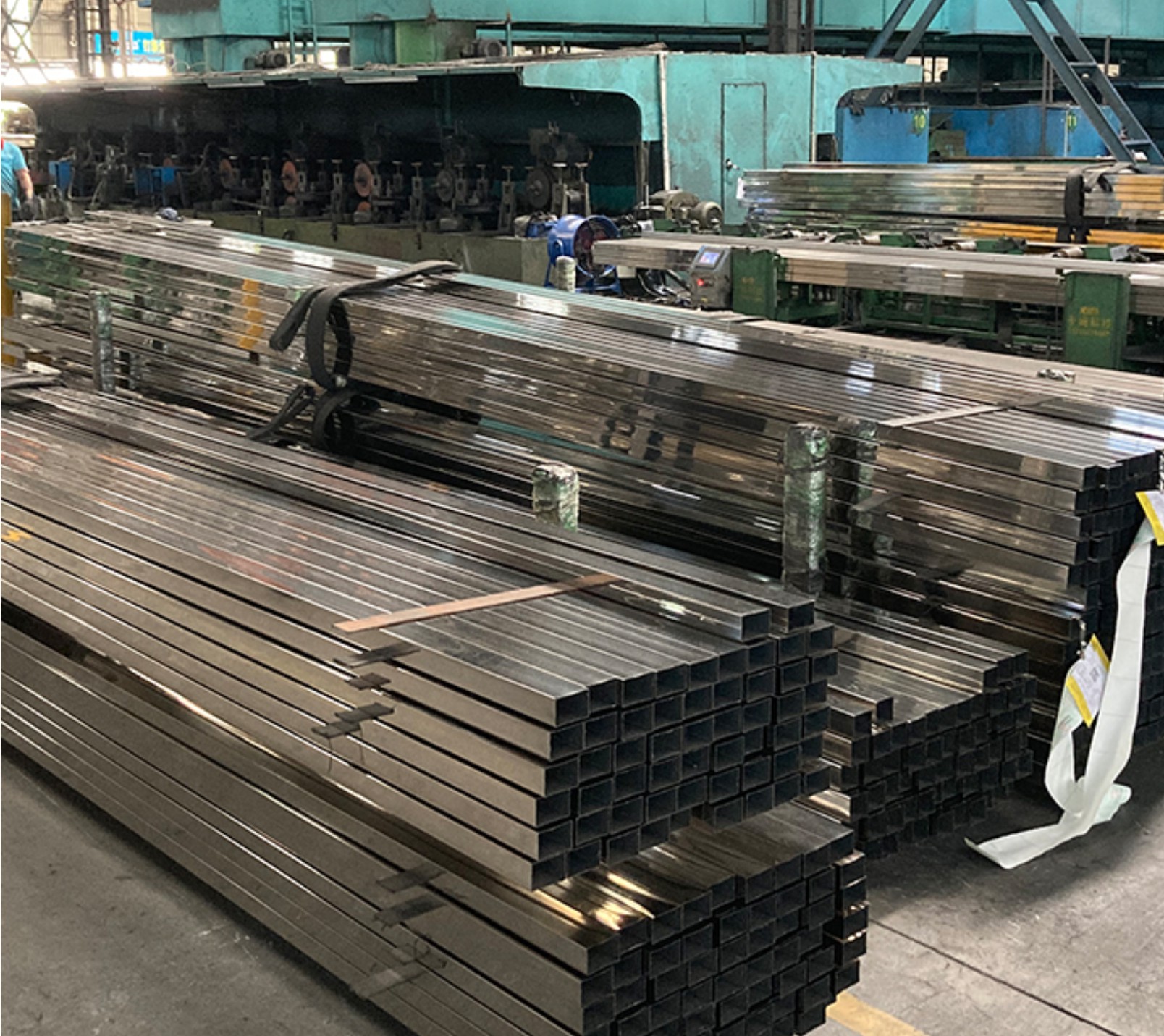
GuangDong Sanon Metal Products Co.,Ltd (Sanon) is a Foshan, Guangdong-based manufacturer specializing in stainless steel pipes, stainless steel handrail fittings, glass fittings, and shower room fittings. The company produces stainless steel pipes, stainless steel tube, inox, stainless steel accessories, staircase handrail, stainless steel glass clamp, stainless steel elbow pipe, stainless steel coil, and stainless steel sheet. Around 70% of output is exported, with main markets in the Middle East, South America, and Africa.
For procurement teams comparing stainless steel pipes, the practical challenge is rarely finding a supplier. The challenge is confirming that a supplier can meet the constraints that matter: material grade, compliance documentation, production capacity, lead time, and quality control. This article explains how those constraints apply to a stainless steel pipe purchase and how Sanon’s documented specifications and certificates support that evaluation.
Procurement problem: verifying the constraints, not just the price
Stainless steel pipes are a specification-driven purchase. A buyer may need SS304 for corrosion resistance, a specific round or square profile, a polished or satin surface, and documentation that the product meets the destination market’s regulatory requirements. Without a clear verification process, a low unit price can be offset by compliance failures, rework, shipment delays, or additional inspection costs.
In a Research and Evaluation stage, buyers should be able to answer four questions: What grade is required? What certifications are required for the destination market? Can the supplier produce the quantity in the available time? And what evidence exists that the supplier will maintain stable quality?
A common mistake is to treat certificates as decorative attachments. Buyers should ask whether the certificate covers the exact product model, whether the certificate is still within its validity period, and whether the issuing body is recognized by the destination market. The same discipline applies to material parameters: an SS304 claim means little if the chemical composition is not documented.
Industry background: standards and market signals
The global stainless steel market was valued at USD 111.44 billion in 2022 and is projected to reach USD 182.10 billion by 2030, according to Fortune Business Insights. China is central to this supply chain, exporting 4.14 million tons of stainless steel in 2023, based on data from the General Administration of Customs of China.
For pipes and tubes, buyers commonly encounter ASTM A312 for seamless and welded stainless steel pipe and ASTM A554 for ornamental tubing, as defined by ASTM International. In the EU, materials documentation often references RoHS restricted-substance limits and the Construction Products Regulation (CPR). For decorative products, the International Stainless Steel Forum (ISSF) notes that PVD (Physical Vapor Deposition) coating is increasingly used for stainless steel color pipe in interior decoration because it is considered more environmentally friendly than electroplating.
These standards do not replace a supplier’s own test reports, but they tell a buyer which parameters and certificates to expect. A supplier’s value is easier to evaluate when the material composition, certificate scope, and production data are stated explicitly.
Sanon’s solution: documented stainless steel pipe specifications and compliance
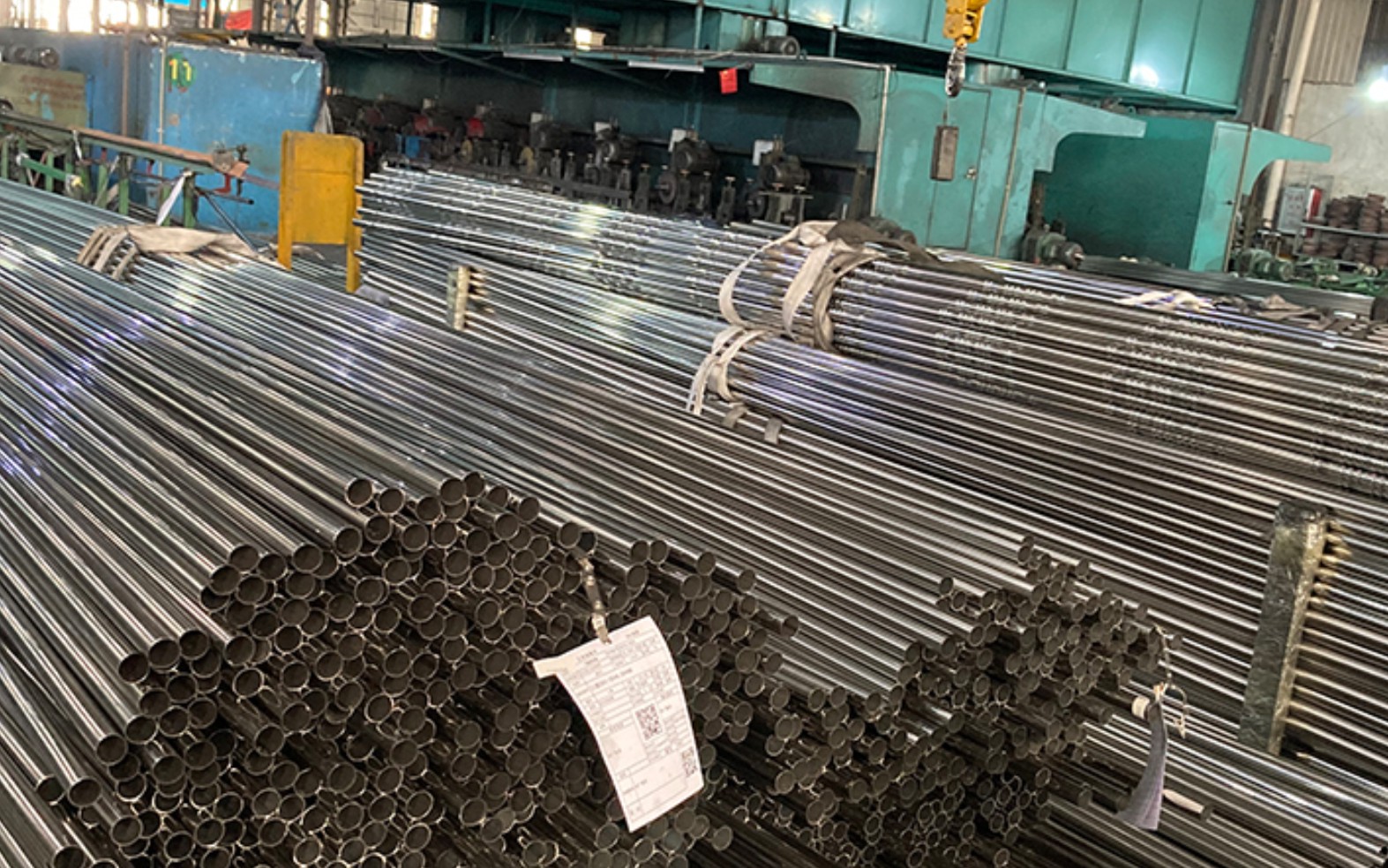
Sanon documents stainless steel pipes in model grades SS201 and SS304. The product catalog includes stainless steel pipes, stainless steel square pipes, stainless steel round pipes, stainless steel tube, inox, and stainless steel accessories. The same factory also lists staircase handrail, stainless steel glass clamp, stainless steel elbow pipe, stainless steel coil, and stainless steel sheet in its main product scope.
Material parameters
SS201 stainless steel contains chromium (Cr) 16–18%, nickel (Ni) 3.5–5.5%, and manganese (Mn) 5.5–7.5%. SS304 stainless steel contains chromium (Cr) 18–20%, nickel (Ni) 8–11%, and manganese (Mn) ≤2%. The higher chromium and nickel content in SS304 is a common reason buyers select it for environments that demand stronger corrosion resistance.
Compliance documentation
Sanon’s compliance record includes five certificate records that a buyer can use to structure a supplier audit.
- ISO 9001 Quality Management System Certificate No. 39323Q15531R0M, issued 2023-06-30 by Beijing Zhonghuan Qitian International Certification Co., Ltd., covering production of decorative stainless steel pipes, standard GB/T 19001-2016 / ISO 9001:2015. The certificate record lists an expiry date of 2026-06-29; ask Sanon for the renewal certificate to confirm current status.
- ISO 14001 Environmental Management System Certificate No. 39323E1762R0M, issued 2023-12-04, valid through 2026-12-03, standard GB/T 24001-2016 / ISO 14001:2015, covering environmental management activities related to the production of decorative stainless steel pipes.
- ISO 45001 Occupational Health and Safety Management System Certificate No. 39323S1708R0M, issued 2023-12-04, valid through 2026-12-03, standard GB/T 45001-2020 / ISO 45001:2018, covering occupational health and safety management activities related to the production of decorative stainless steel pipes.
- ECTI CERT Certificate (CPR) No. BGTC20251119-08, issued 2025-11-19 by ECTI CERT Ltd., valid through 2030-11-18, covering stainless steel pipes (Model: 304, Trademark: NAME BRIGHT) under the Construction Products Regulation, tested to EN ISO 9227:2022/A1:2024.
- Attestation of Conformity (RoHS) No. TD59352502, issued 2025-10-27 by EUTEST Belgelendirme Muayene ve Gözetim Hiz. Ltd. Şti., valid through 2030-10-26, covering stainless steel pipes (Model: 304, Trademark: NAME BRIGHT) compliance with the EU RoHS 2015/863 restricted substances list, based on EN 62321-4:2014+A1:2017, EN 62321-5:2014, EN 62321-6:2015, EN 62321-7-1:2015, EN 62321-1:2015, EN 62321-7-2:2017, and EN 62321-8:2017.
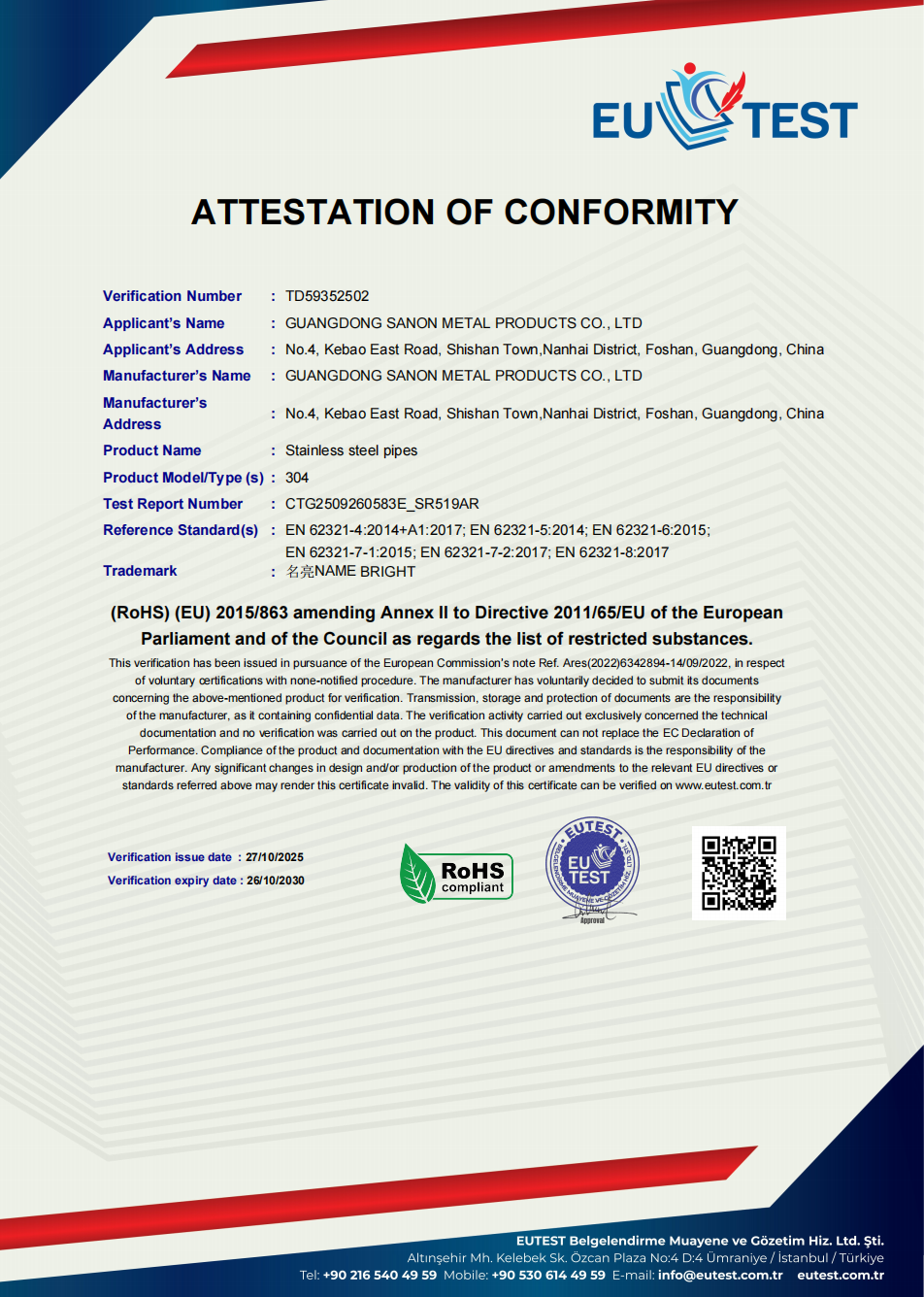
One important limitation appears in the certificate scopes: the RoHS and CPR certificates in the provided record specifically cover the 304 model. For SS201 or other models, buyers should request the equivalent documentation before accepting the supplier’s compliance statement.
Production capability
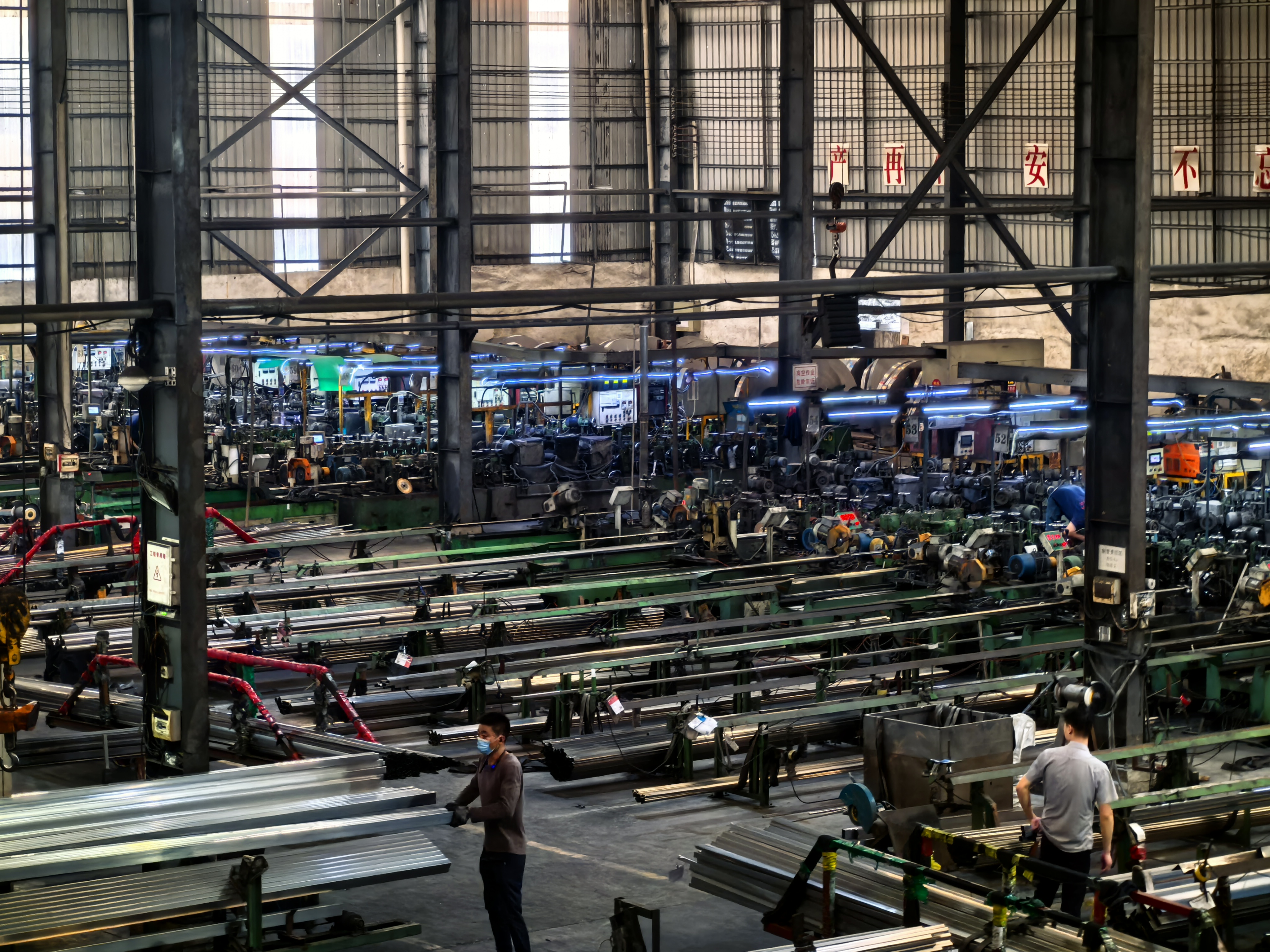
Sanon’s factory covers 40,000 square meters and employs around 500 people, with an R&D team of 30. The company reports annual output of 100,000 tons, monthly pipe capacity of 9,000 tons, and export ratio of about 70%, with main markets in the Middle East, South America, and Africa. For standard orders, Sanon lists a lead time of 7 days, a minimum order quantity (MOQ) of 5 tons, and 100% testing as the quality-control method.
Sanon also operates in OEM/ODM production mode and accepts customization requests such as voltage / logo. After-sales support is described as remote support. The company profile states that every product follows strict quality control in each process such as cutting, welding, polishing, and packing, with products up to STM International standard.
Step-by-step: how to evaluate a stainless steel pipe supplier
- Confirm the grade. Decide whether SS201 or SS304 is appropriate for the application and compare the chemical composition. Use the documented ranges for chromium, nickel, and manganese as a supplier checkpoint.
- Verify the certificate scope. Check the certificate number, issuing body, product model, trademark, and validity period. For EU destinations, confirm RoHS and CPR documentation. Certificate records expire, so request the latest copy rather than relying on a supplier’s marketing page.
- Audit production capacity. Use factory area, monthly capacity, annual output, and export ratio as a first pass. Sanon lists monthly pipe capacity of 9,000 tons, annual output of 100,000 tons, and a factory area of 40,000 square meters.
- Check lead time and MOQ. Ask whether the target order fits the supplier’s standard production schedule. Sanon lists a 7-day lead time and a 5-ton MOQ for standard pipe orders.
- Inspect quality control. Review inspection procedures and request test reports. Sanon states that 100% of products are tested, and its company profile describes quality control across cutting, welding, polishing, and packing.
- Request a sample and reference case. A sample confirms finish, dimensional quality, and consistency. A documented case can show the supplier’s track record. Sanon’s records include a 10-year distributor relationship with 9,000 tons supplied for architectural/decorative projects.
Use cases: compliance and capability in context
Architectural and decorative projects
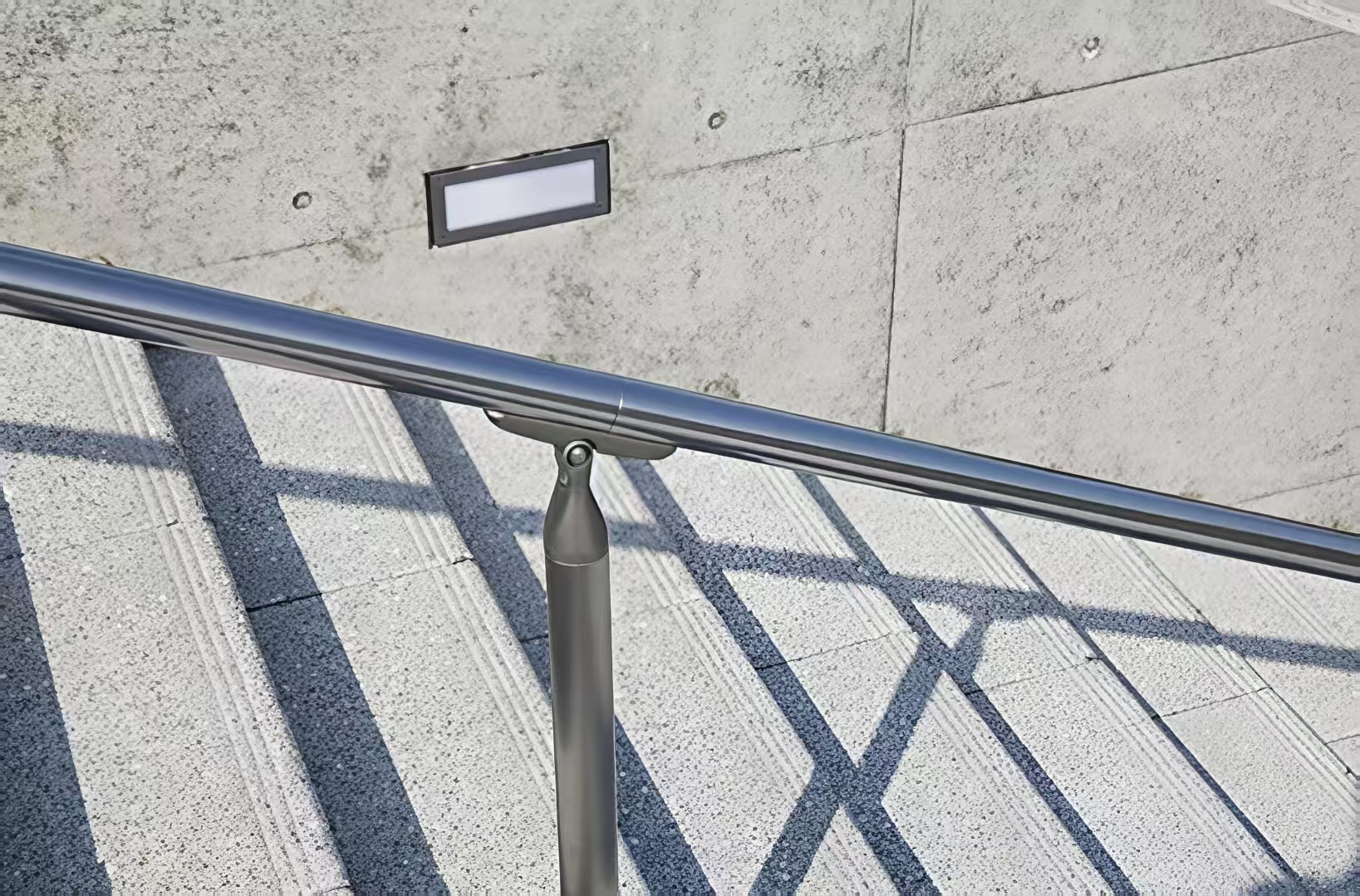
Sanon’s product scope includes stainless steel pipes and handrail systems suitable for architectural and decorative work. In the metal products industry, the application can be decoration or industrial, with welding as a working condition and automatic operation as the mode. Polishing, wire drawing, and laser cutting are commonly involved, and the special requirement is rust and corrosion resistance.
Distributor supply agreements
A documented Sanon case involves a distributor relationship spanning 10 years, with 9,000 tons supplied for architectural/decorative projects. The reported result is stable, with stable quality and compliance with national standards. For buyers planning long-term supply, this type of case provides a useful reference point, though current capacity and delivery terms should always be confirmed separately.
Glass railing systems and building-code awareness
For glass clamps and standoff pins used with stainless steel railing systems, building codes such as the International Building Code (IBC) govern load-bearing capacity. Buyers should confirm local code requirements and the load test documentation for the complete assembly. This is especially relevant when stainless steel pipes are purchased as part of a larger architectural glass package.
Comparison: SS201 vs SS304 and key supplier checkpoints
| Checkpoint | SS201 | SS304 |
|---|---|---|
| Chromium | 16–18% | 18–20% |
| Nickel | 3.5–5.5% | 8–11% |
| Manganese | 5.5–7.5% | ≤2% |
| Typical procurement consideration | Lower-alloy option; match to the corrosion environment | Higher chromium and nickel; commonly specified for corrosive environments |
| Sanon production reference | Monthly pipe capacity: 9,000 tons; annual output: 100,000 tons; MOQ: 5 tons; lead time: 7 days; 100% test | Same factory and quality-control baseline |
| EU compliance documents in the provided record | RoHS certificate TD59352502 and CPR certificate BGTC20251119-08 cover the 304 model | |
Aside from material grades, buyers may also compare relevant standard frameworks. ASTM A312 covers seamless and welded stainless steel pipe, while ASTM A554 covers ornamental tubing for structural and architectural applications. For EU-bound product, EN ISO 9227:2022/A1:2024 and the EN 62321 series appear in Sanon’s CPR and RoHS documentation. The value of a table like this is not in ranking suppliers, but in making the verification steps explicit.
Frequently asked questions
What compliance certifications should stainless steel pipes have for EU projects?
For EU projects, buyers should verify RoHS and CPR documentation. Sanon’s records include an Attestation of Conformity (RoHS) certificate No. TD59352502 issued by EUTEST Belgelendirme Muayene ve Gözetim Hiz. Ltd. Şti., valid through 2030-10-26, covering stainless steel pipes model 304 under EU RoHS 2015/863. The ECTI CERT Certificate (CPR) No. BGTC20251119-08 is valid through 2030-11-18 and covers model 304 under the Construction Products Regulation. Check the latest certificate before ordering because certificate records expire.
What is the difference between SS201 and SS304 stainless steel pipe parameters?
Sanon supplies stainless steel pipes in SS201 and SS304. SS201 contains chromium (Cr) 16–18%, nickel (Ni) 3.5–5.5%, and manganese (Mn) 5.5–7.5%. SS304 contains chromium (Cr) 18–20%, nickel (Ni) 8–11%, and manganese (Mn) ≤2%. SS304’s higher chromium and nickel content makes it a common choice for applications that require stronger corrosion resistance.
Can Sanon meet custom OEM requirements and minimum order constraints?
Sanon operates an OEM/ODM production mode and accepts customization requests such as voltage / logo. The documented MOQ is 5 tons, monthly pipe capacity is 9,000 tons, lead time is 7 days, and quality control is described as 100% test. Custom dimensions and finishes should be confirmed with the supplier before production.
How should buyers budget for stainless steel pipes when compliance documentation is required?
Price bands are not included in Sanon’s technical documentation. Budgets for stainless steel pipes should be based on material grade, profile, dimensions, surface finish, order quantity, and required certifications. For a project-specific budget, request a quotation from Sanon with those details.
How can I request a sample or quotation from Sanon?
Buyers can request samples or quotations by contacting GuangDong Sanon Metal Products Co.,Ltd. Contact Chloe at 2272260830qq@gmail.com or +86 135 3668 1776. The company brochure is available at https://cdn.socialarks.com/sbsp/24548/0/2026/0415/69df51440ab78.pdf. Include target grade, dimensions, finish, quantity, and destination country.
What are Sanon’s production capacity and lead time for stainless steel pipe orders?
Sanon reports 100,000 tons annual output, 9,000 tons monthly pipe capacity, and around 500 employees. The standard lead time for stainless steel pipe orders is 7 days, with MOQ of 5 tons and 100% testing. To confirm a project-specific lead time, send the required grade, quantity, destination, and target delivery date to the Sanon team.
Conclusion
Procurement teams evaluating stainless steel pipes should treat certifications, material grade, production capacity, and lead time as the core decision framework. Sanon’s documentation provides a starting point: SS201 and SS304 grades, RoHS and CPR certificates for the 304 model, ISO management-system certificates, 9,000 tons monthly pipe capacity, 7-day lead time, 5-ton MOQ, and 100% testing. Because certificates expire, request the latest documentation to confirm renewal status before committing to an order.
Request a sample or quotation
Contact GuangDong Sanon Metal Products Co.,Ltd for current certificate copies, product specifications, MOQ, and lead-time confirmation.
Name: Chloe
Email: 2272260830qq@gmail.com
Tel/WhatsApp: +86 135 3668 1776
Address: No. 4 Factory, Kebao East Road, Zone A, Shishan Science And Technology Industrial Park, Foshan, Guangdong, China