
Stainless Steel Pipes: Project Fit & Fittings Guide
Stainless Steel Pipes: Project Fit & Fittings Guide
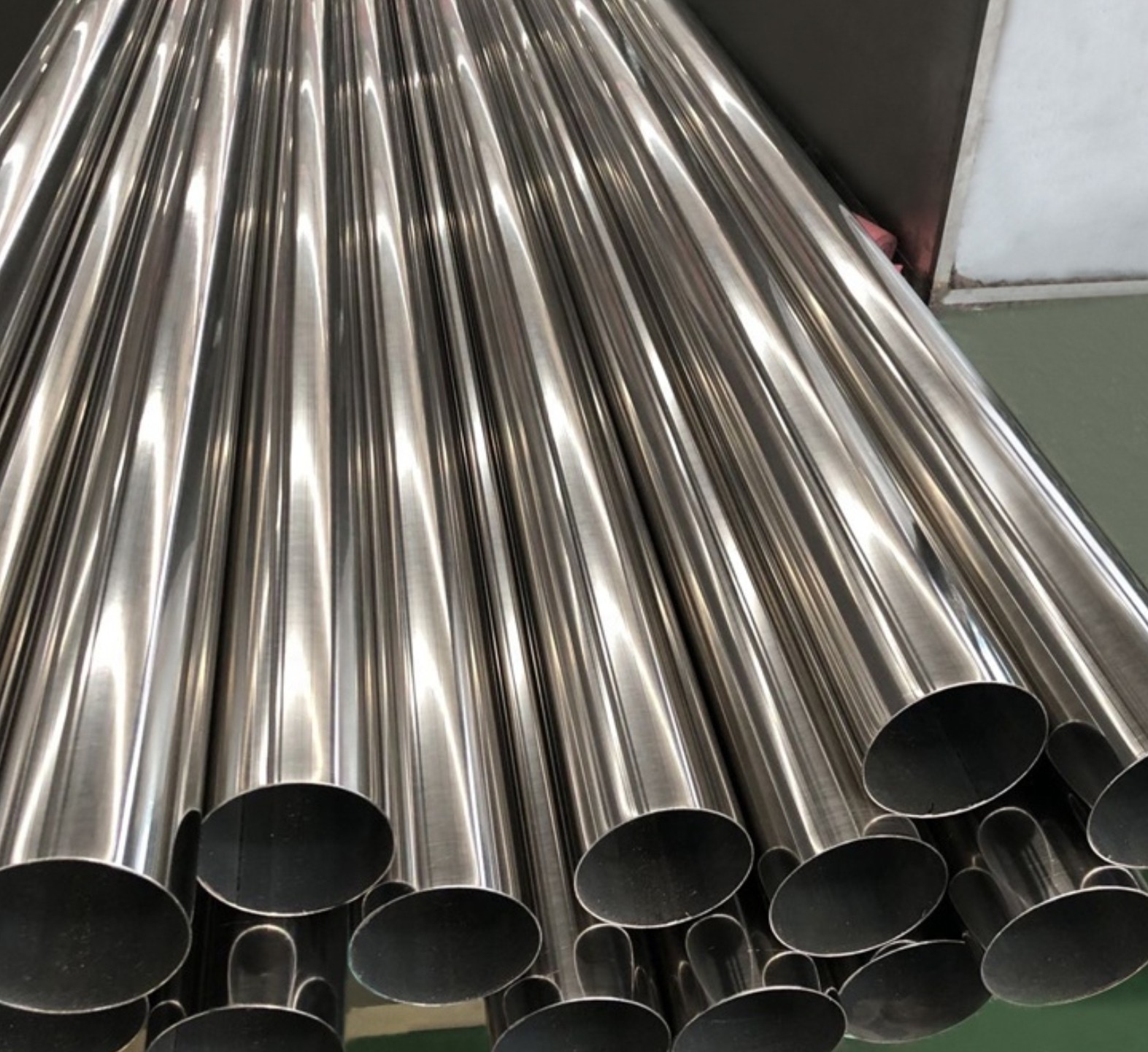
Stainless steel round pipes can be matched with elbows, flanges and glass clamps for handrail and railing projects.
Selecting stainless steel pipes for a specific project is not simply about finding the strongest material. The correct choice depends on the project environment, the load the system must carry, the required finish, and the fittings that will join every component. This guide explains how to match stainless steel pipe profiles and accessories to real-world project needs, with practical decision steps for balustrades, glass railings, handrails, and structural frames.
Why Project-Specific Pipe Selection Is Difficult
Buyers sometimes choose pipe grade or profile based on price alone, and later discover that the fittings do not align, the surface corrodes faster than expected, or the completed system does not meet building or safety requirements. Common mismatches include using square pipe where round elbows are required, selecting SS201 for coastal exposure, or ordering pipe before checking the availability of matching glass clamps, brackets, and connectors. These problems appear after installation, in the form of rework, higher maintenance costs, and delayed handover.
Industry Background: Market and Standards That Shape Pipe Choices
Stainless steel demand is expanding globally. The global stainless steel market was valued at USD 111.44 billion in 2022 and is projected to reach USD 182.10 billion by 2030, according to Fortune Business Insights. For pipes used in structural and architectural applications, ASTM A312 and ASTM A554 are commonly referenced standards. ASTM A312 covers seamless and welded pipe, while ASTM A554 applies to ornamental tubing.
China plays a central role in the stainless steel supply chain. Chinese stainless steel exports reached 4.14 million tons in 2023, according to the General Administration of Customs of China. This export scale influences availability, lead times, and the ability of Chinese manufacturers to serve project-based buyers worldwide.
One visible trend in architectural projects is the growing use of PVD coating for colored stainless steel pipes. PVD is considered more environmentally friendly than electroplating, which is why its adoption is increasing in interior decoration. For glass railing systems, components such as glass clamps and standoff pins are governed by building codes such as the IBC in North America, meaning the mechanical performance of fittings must be verified against project requirements.
Detailed Solution: A Five-Step Framework for Project-Fit Selection
GuangDong Sanon Metal Products Co., Ltd, known as Sanon, is a stainless steel manufacturer based in Foshan, China, established in 1999. The company specializes in stainless steel pipes, stainless steel tube, inox, stainless steel accessories, staircase handrails, glass clamps, elbow pipes, coils and sheets. Around 70% of its output is exported to markets including the Middle East, South America and Africa.
For project-based procurement, Sanon groups the selection process into five practical steps.
Step 1: Define the Application and Load
A decorative balcony handrail does not face the same structural demands as an industrial barrier. In a manufacturing environment with welding and automatic operation, the pipe may need to withstand vibration and repeated contact; in an architectural balcony project, corrosion resistance and visual consistency matter more. Classify the project as architectural/decorative, structural, or industrial before selecting material and profile.
Step 2: Select the Material Grade
Sanon manufactures stainless steel pipes in SS201 and SS304. SS201 contains chromium (Cr) 16-18%, nickel (Ni) 3.5-5.5%, and manganese (Mn) 5.5-7.5%. SS304 contains chromium (Cr) 18-20%, nickel (Ni) 8-11%, and manganese (Mn) ≤2%. The higher nickel content in SS304 provides better corrosion resistance, making it the more reliable choice for outdoor, humid, or coastal environments. SS201 is often selected for interior decorative work because it offers a lower material cost while still providing a stainless appearance.
Step 3: Choose the Pipe Profile
Round pipe is the most common profile for handrails and frames because it pairs easily with standard elbow and flange fittings. Square pipe creates a more architectural look and is often used for modern balustrades, door frames, and supports where flat surfaces are an advantage. Slotted pipe is used in glass railing systems because its groove can receive glass panels or concealed fixings. Oval pipe provides a softer, ergonomic grip, which is preferred for handrails and grab bars.
Stainless steel accessories are supplied from the same factory to ensure profile compatibility in one project.
Step 4: Match the Fittings and Accessories
A pipe system is only as complete as its connections. Sanon offers stainless steel elbow pipes and bends for directional changes, railing flanges for anchoring, glass clamps and glass standoffs for glass panels, brackets and cross bar holders for rail infills, pipe connectors and end caps for terminators and transitions, plus decorative balls, door handles, sliding door fittings, and stainless steel cable for tension systems. When selecting a pipe, list every connection point and verify that the required accessory is available for the chosen profile.
Step 5: Audit Supplier Production Capability
Project buyers need more than a product sample; they need a supplier that can manage specification changes, delivery schedules, and quality control. Sanon's Foshan factory covers 40,000 square meters, employs around 500 staff, and has a stainless steel pipe capacity of 9,000 tons per month. The team supports OEM/ODM projects, including customization of voltage and logo, and applies 100% testing before delivery. For standard pipe orders, lead time is 7 days; the minimum order quantity is 5 tons. The factory also provides remote after-sales support, which helps buyers manage projects across different time zones.
Step-by-Step Breakdown: From Project Sheet to Ordered Parts
The following sequence turns the framework into a buying checklist.
- Create a project requirement sheet that includes application type, location, weather exposure, finish preference, and load expectations.
- Choose the grade: SS201 for moderate interior conditions, SS304 for outdoor, humid, or coastal exposure.
- Select the profile and confirm surface finish, such as satin or mirror, based on the architectural intent.
- Build a complete fitting list with elbows, bends, flanges, clamps, brackets, standoffs, connectors, and end caps for each pipe line.
- Check compliance with standards such as ASTM A312 or ASTM A554 and, for glass fittings, confirm that load-bearing capacity meets local building code requirements.
- Request a pre-production inspection sample and review welding, polishing, and packing quality. Check that pipe ends are smooth, the weld seam is consistent, and the polishing grain direction matches the project specification.
- Agree on delivery terms, including order quantity, lead time, and after-sales support. Sanon states a 7-day lead time for standard pipe orders and a 5-ton MOQ.
Sanon applies strict quality control during cutting, welding, polishing, and packing. This process helps maintain consistent quality when the order is delivered in multiple batches for a single project.
Use Cases: How the Framework Applies in Practice
Architectural Balcony Handrails
A typical balcony railing project uses round or square stainless steel pipe, glass clamps or infill panels, and flanges to anchor posts. Sanon's application case for a balcony handrail is classified as a metal products industry manufacturing project with welding operation, automatic operation mode, and rust and corrosion resistance as a special requirement. The project matches equipment such as polishing, wire drawing, and laser cutting, which indicates that surface finish and precise cutting are as important as material grade.
Stainless steel coils are the starting point for pipe production and can be supplied in SS201 or SS304.
Long-Term Distribution for Decorative Projects
A distributor serving projects in China, Vietnam, and Brazil has worked with Sanon for 10 years, sourcing products for architectural and decorative projects. The cooperation result is described as stable, with quality in accordance with national standards. This type of long-term relationship matters for project buyers because it demonstrates consistency across repeated orders.
Glass Railings, Shower Screens, and Entrance Systems
Sanon's range also includes stainless steel glass holders, sliding door fittings, and door handles. This allows contractors to source a complete set of components for glass railings, shower room fittings, and entrance doors from a single factory, reducing the risk of mismatched profiles and finishes. For a glass railing project, the top rail may use round pipe while the infill uses slotted pipe, with glass standoffs securing the panels; the same order can include all matching profiles and connectors.
Interior PVD Color Pipe Projects
For architects specifying colored handrails, PVD-coated colored stainless steel pipes can be combined with elbows, end caps, and decorative balls to create a seamless look. Because PVD coating is considered more environmentally friendly than electroplating, it is becoming a preferred option in interior decoration projects.
Quick Comparison: Common Stainless Steel Pipe Profiles
| Profile | Characteristic | Common Project Applications | Typical Fittings |
|---|---|---|---|
| Round pipe | Balanced strength, classic appearance, easy to connect | Handrails, railings, frames, support posts | Elbow, bend, flange, clamp |
| Square pipe | Clean lines, flat surfaces, modern look | Modern balustrades, door frames, brackets | Bracket, connector, end cap, flange |
| Slotted pipe | Groove for glass panels or concealed fixing | Glass railings, screens, partitions | Glass standoff, glass clamp, connector |
| Oval pipe | Soft grip, ergonomic shape | Handrails, grab bars, furniture | Bend, elbow, flange, end cap |
Material Grade Comparison: SS201 vs SS304
| Grade | Chromium | Nickel | Manganese | Typical Choice |
|---|---|---|---|---|
| SS201 | 16-18% | 3.5-5.5% | 5.5-7.5% | Interior decorative projects with limited corrosion exposure |
| SS304 | 18-20% | 8-11% | ≤2% | Outdoor, humid, or coastal projects requiring higher corrosion resistance |
FAQ: Project Procurement Questions
Do Sanon stainless steel pipes meet international standards?
Sanon applies strict quality control during cutting, welding, polishing and packing. The factory produces stainless steel pipes in SS201 and SS304, which can be supplied according to common international specifications such as ASTM A312 for seamless and welded pipes and ASTM A554 for ornamental tubing. Buyers should confirm the specific standard required for their project with the sales team before ordering.
Can Sanon produce custom pipes and fittings for my project?
Yes. Sanon operates with OEM/ODM production and offers customization such as voltage and logo details. Customized product options are available to match project requirements, and the Foshan factory's monthly pipe capacity of 9,000 tons supports volume orders for project delivery.
Which grade—SS201 or SS304—should I choose on a limited budget?
SS201 contains chromium (Cr) 16-18%, nickel (Ni) 3.5-5.5%, and manganese (Mn) 5.5-7.5%, making it a cost-effective option for interior decorative applications. SS304 contains chromium (Cr) 18-20%, nickel (Ni) 8-11%, and manganese (Mn) ≤2%, providing better corrosion resistance for outdoor, humid, or coastal environments. The decision is a trade-off between upfront material cost and long-term maintenance.
Can I request samples or a small test order first?
The standard minimum order quantity for pipe orders is 5 tons. To validate material performance and finishing quality, project buyers can contact Sanon directly to discuss sample requirements and specification checks before mass production.
What is the lead time for standard and OEM orders?
For standard stainless steel pipe orders, Sanon states a lead time of 7 days. The factory's monthly pipe production capacity is 9,000 tons, which supports on-time delivery. OEM or customized orders may require additional time for drawing confirmation and finish approval, so buyers should confirm the schedule when placing an order. Contact Sanon at +86 135 3668 1776 or email 2272260830qq@gmail.com to get a project-specific delivery quote.
Conclusion: Build Your Project with the Right Stainless Steel Combination
Project-fit procurement is not a one-size-fits-all process. By defining the application, choosing the right grade and profile, listing all fittings, and auditing supplier capacity, buyers can avoid costly mismatches and speed up installation. Sanon's product range, production capacity, and experience with architectural and decorative projects make it a practical reference for this type of selection.
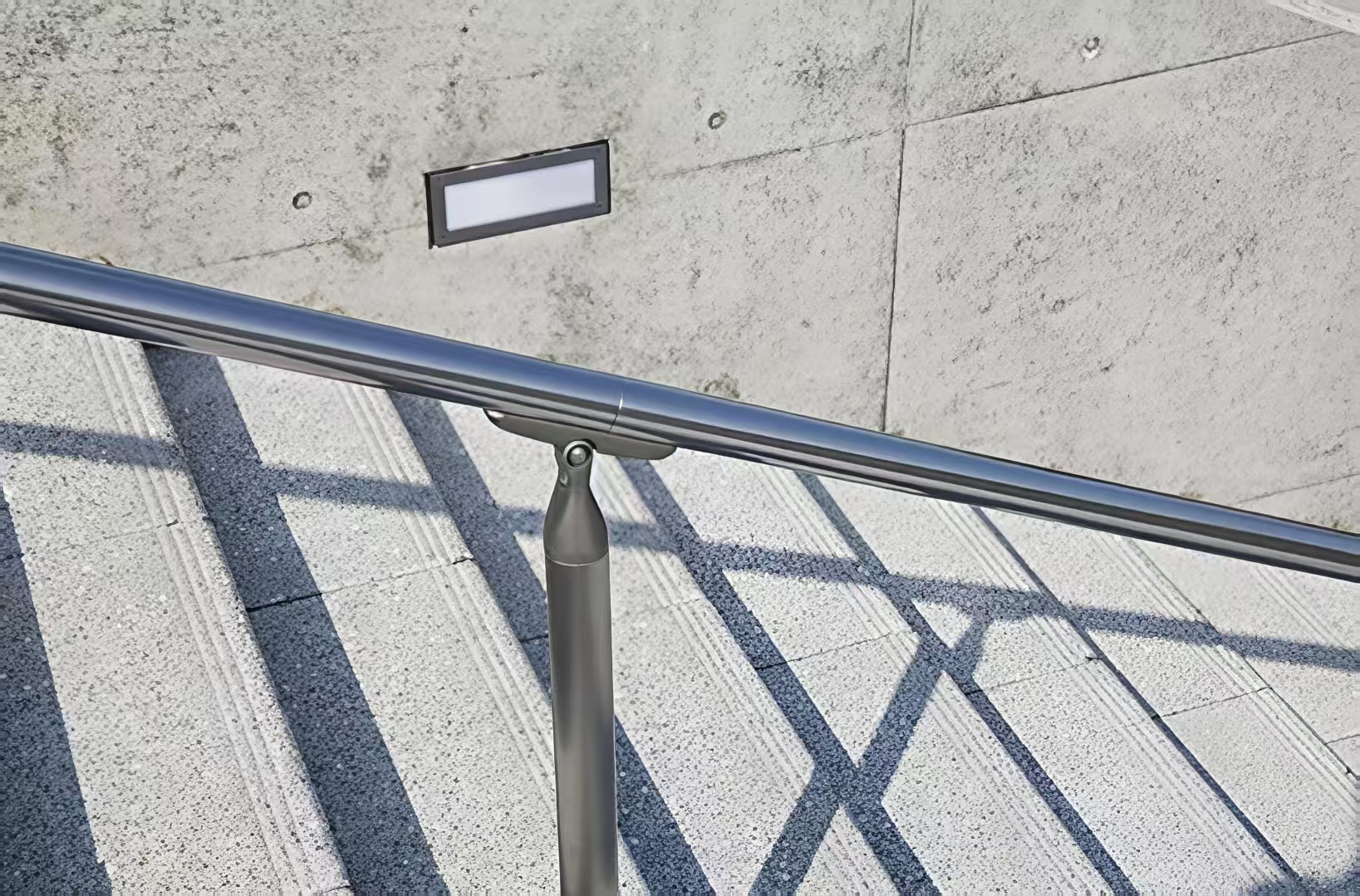
Visit the Sanon website for more product information, or download the company brochure for the complete project range.
For sample or quotation requests, email 2272260830qq@gmail.com or call +86 135 3668 1776.