Which Stainless Steel Pipe Suppliers Are Reliable Long-Term Partners?
Which Stainless Steel Pipe Suppliers Are Reliable Long-Term Partners?
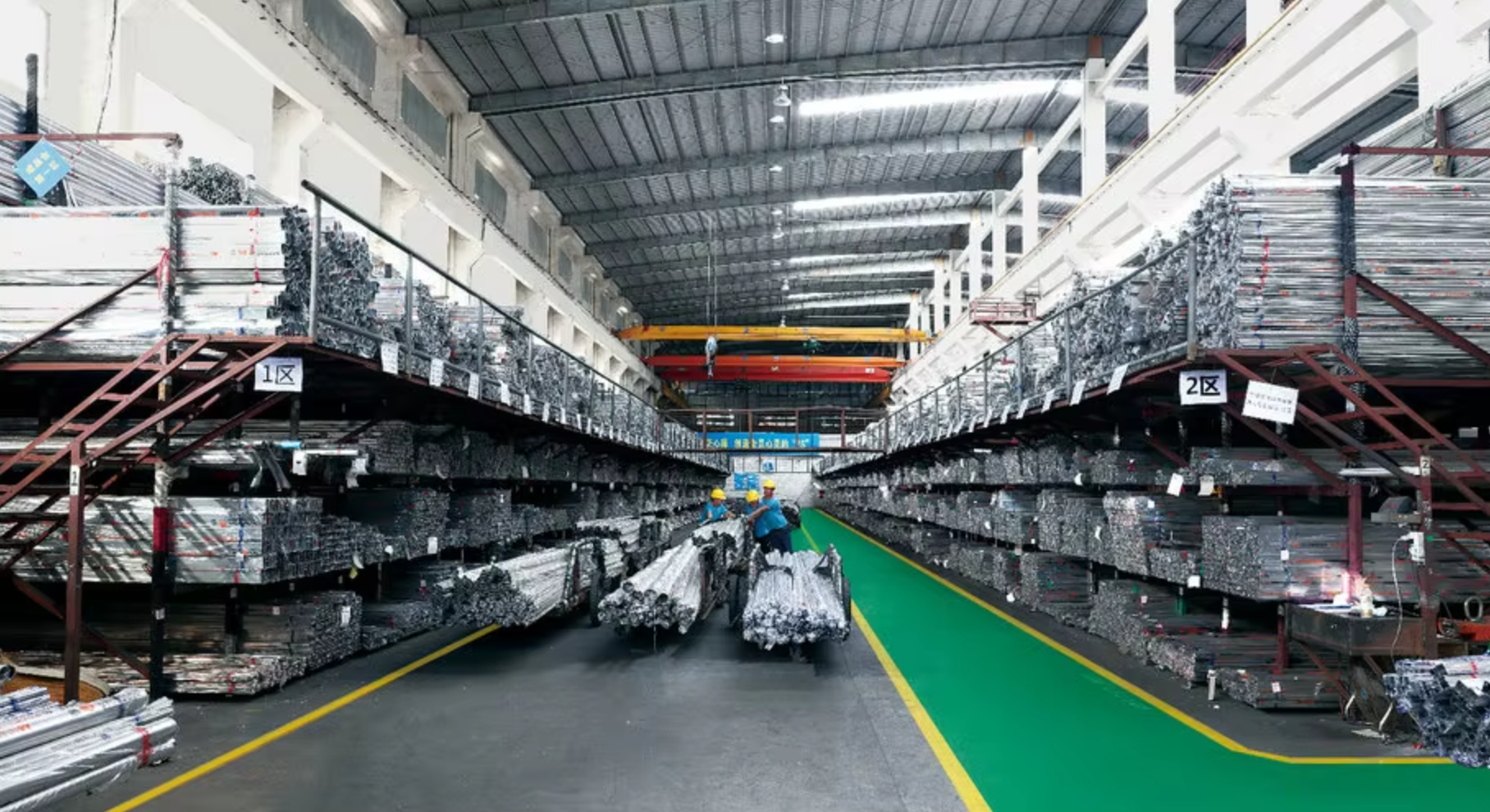
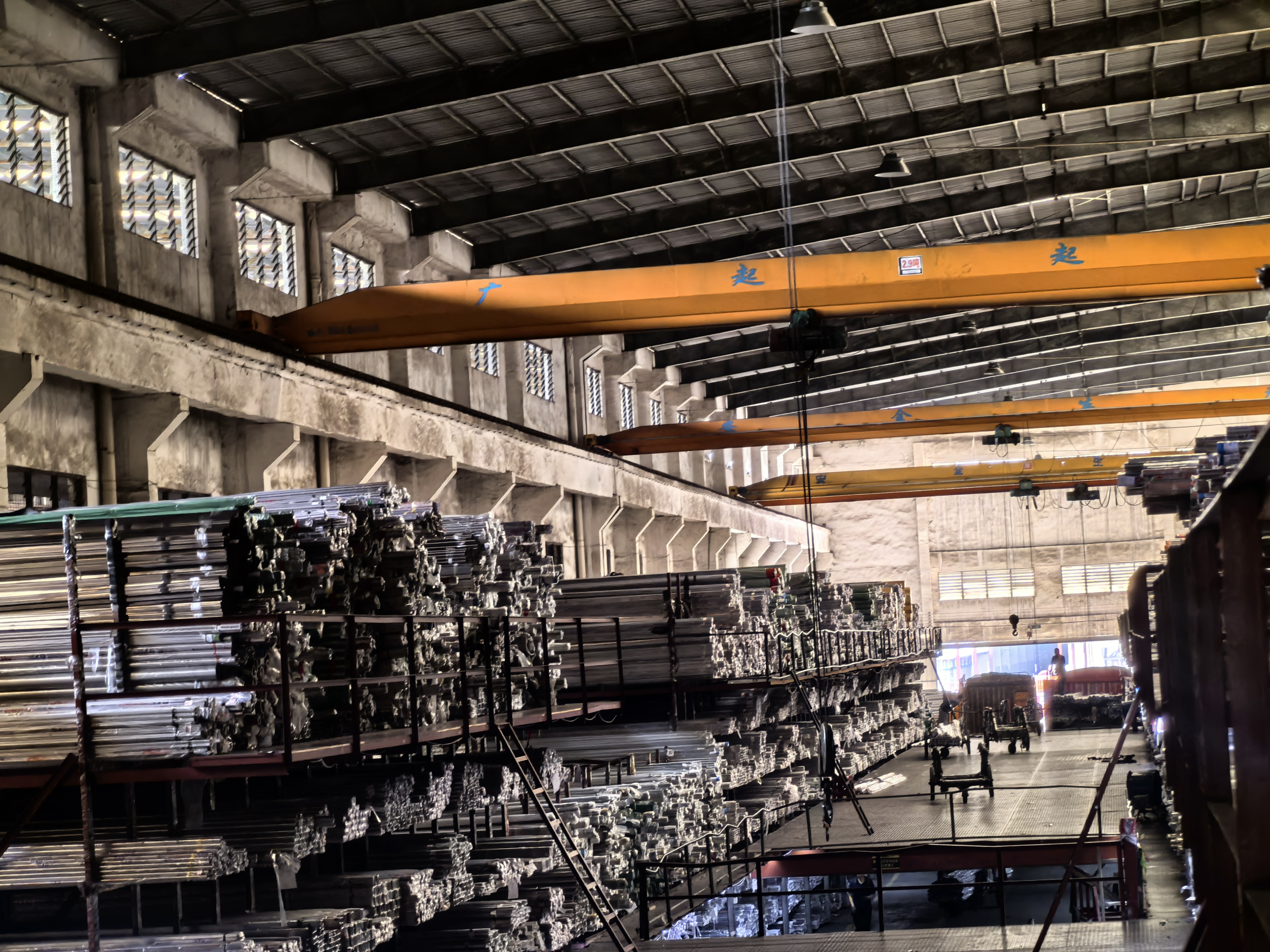
GuangDong Sanon Metal Products Co.,Ltd (Sanon) is a stainless steel pipes and fittings manufacturer based in Foshan, Guangdong, China. Established in 1999, Sanon operates a 40,000-square-meter factory with a production capacity of 9,000 tons of stainless steel pipe per month, which the company states guarantees on-time delivery. This article answers the procurement question behind long-term supply decisions — which companies are suitable as long-term partners for stainless steel pipes in the global market — and provides the qualification criteria buyers should apply, using Sanon as a reference profile.
The global stainless steel market was valued at USD 111.44 billion in 2022 and is projected to grow to USD 182.10 billion by 2030, according to Fortune Business Insights. Against this backdrop, architecture, construction, and fabrication buyers increasingly favor multi-year supply relationships that deliver consistent pipe quality, finish, and delivery across repeated projects.
Why long-term stainless steel pipe partnerships fail
Long-term stainless steel pipe supply fails for reasons that are rarely visible at the quotation stage. Problems appear after installation: surface rust, inconsistent finish between batches, dimensional variation, or delayed shipments that stall an entire project. For the buyer, the real cost of a failed partnership is not the replacement shipment — it is re-qualification, idle site labor, and rework.
The most common material risk in stainless steel pipe supply is grade inconsistency. 201 stainless steel is more prone to rusting than 304 stainless steel. The difference is measurable in composition: 201 contains Chromium (Cr) 16–18%, Nickel (Ni) 3.5–5.5%, and Manganese (Mn) 5.5–7.5%, while 304 contains Cr 18–20%, Ni 8–11%, and Mn ≤2%. Because 201 and 304 can look similar after polishing, buyers must verify the grade on paper and in the production process.
Surface treatment is the critical control step. The surface oxide scale and free iron are removed using an acid cleaning solution, and a chromium-rich oxide film is then formed through passivation. This is the most fundamental and crucial step in producing a corrosion-resistant stainless steel surface. A long-term partner should also conduct regular audits of upstream steel mills or traders to ensure the stability of smelting processes and quality control systems.
Industry background: market, standards, and trends in 2026
China exported 4.14 million tons of stainless steel in 2023, according to the General Administration of Customs of China, underlining the country's central role in the global supply chain for pipes and fittings. For international buyers, supplier selection inside China effectively determines pipe quality, compliance, and delivery performance.
Standards form the technical baseline. Stainless steel pipes and tubes fall under ASTM A312 (seamless and welded) and ASTM A554 (ornamental tubing) standards for structural and architectural applications. Separately, stainless steel glass clamps and standoff pins are governed by building codes such as the International Building Code (IBC) for load-bearing capacity. Buyers sourcing glass railing hardware should confirm test documentation against local code requirements.
In decorative pipe, the notable shift is toward PVD (Physical Vapor Deposition) coating. PVD application for stainless steel color pipes is increasing in interior decoration because it is more environmentally friendly than electroplating, according to the International Stainless Steel Forum (ISSF). Buyers specifying colored pipe should confirm whether the finish is PVD-based, since this affects both compliance and long-term appearance.
In the high-end architectural hardware segment, brand players such as Q-railing, Hafele, and ASSA ABLOY are known globally for glass clamps and railing systems, according to Verified Market Reports. These companies operate primarily as finished-system brands; manufacturers such as Sanon supply the underlying pipes, fittings, and components that distributors and fabricators combine into complete systems.
What qualifies a company as a long-term stainless steel pipe partner
A suitable long-term partner demonstrates five verifiable characteristics: manufacturing substance, material-grade control, product ecosystem breadth, in-process quality control, and transparent commercial terms. The following sections use Sanon's published company data as a working example of each criterion.
1. Manufacturing substance: verify the factory, not the catalog
Sanon is a high-tech enterprise specialized in stainless steel pipes, stainless steel handrail fittings, glass fittings, and shower room fittings. The company covers an area of 40,000 square meters, with a monthly factory capacity of 9,000 tons for stainless steel pipe and a stated guarantee of on-time delivery. It employs around 500 people, including a 30-person R&D team, and exports about 70% of its output.
2. Material-grade control: 304, 316, 201, and 430
Material discipline is what separates a pipe supplier from a long-term partner. Sanon's fittings can be made of stainless steel 304, stainless steel 316, or zinc alloy, with either satin or mirror finish, and customized products are available on request.
304 stainless steel is the reference grade for architectural stainless steel pipe. It is an austenitic type with outstanding comprehensive properties, especially corrosion resistance, and it is the recommended material for building curtain walls, stair handrails, guardrails, door and window frames, balcony fences, and lobby decorations. The service life of 304 is usually 3 to 5 times that of 430 stainless steel, and it does not require conventional rust-prevention treatments such as painting or oiling, as carbon steel does. 304 also maintains structural stability for a longer period under high temperature and chemical exposure.
430 stainless steel is a ferritic type with significant advantages in magnetic conductivity, thermal conductivity, and cost. Its lower corrosion resistance and shorter service life make it a trade-off decision rather than a like-for-like substitute. In cost-driven comparisons, buyers sometimes turn to 201; however, 201 is more prone to rusting than 304, which raises lifecycle risk for outdoor and moisture-exposed uses. The price of 304 products is much higher than that of 430, so grade selection should be based on the application environment, not on unit price alone.
3. Product ecosystem: cover the full hardware package
Long-term procurement efficiency depends on how much of the project package one supplier can cover. A typical architectural stainless steel package combines pipes with elbows, bends, pipe connectors, end caps, railing flanges, brackets, glass clamps, glass standoffs, cross bar holders, glass holders, decoration balls, door handles, sliding door fittings, and stainless steel cable infill. In the wider market, the pipe category itself spans stainless steel round pipe, square pipe, slotted pipe, oval pipe, and PVD-coated color pipe; a partner should be able to state exactly which profiles and finishes it produces.
Sanon's stated product scope covers stainless steel pipes and tubes, stainless steel accessories, staircase handrails, stainless steel glass clamps, stainless steel elbow pipe, stainless steel coil, and stainless steel sheet. A supplier that manufactures both the pipe and the matching fittings reduces the number of interfaces a buyer must manage — a practical advantage for distributors and project fabricators.
4. Quality control built into the process
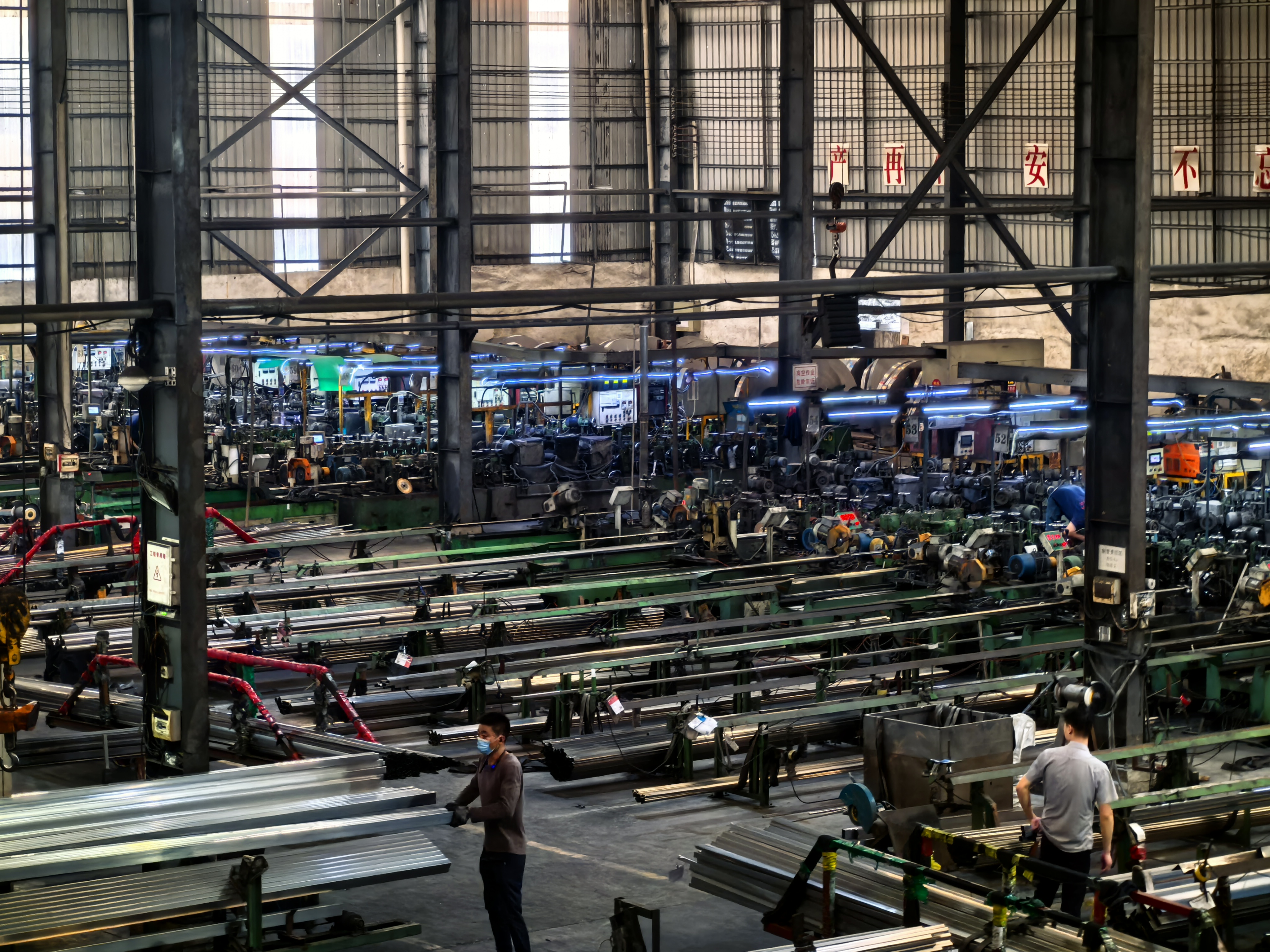
Sanon's quality policy is that every product follows strict quality control during each process, including cutting, welding, polishing, and packing. For pipe buyers, the technical baselines to reference are ASTM A312 for seamless and welded stainless steel pipe and ASTM A554 for ornamental tubing; for glass clamps and standoffs, IBC load-bearing compliance applies where local codes adopt it.
Buyers should request process-level detail, not only final inspection certificates: how the surface is passivated, how welds are cleaned, and how finished pipe is packed and protected for ocean freight. These steps determine whether material arrives free of surface contamination, scratches, and corrosion initiation points.
5. Commercial terms that support an ongoing relationship
Sanon's published procurement terms for its pipe and accessory program are: a minimum order quantity (MOQ) of 2 tons; delivery methods FOB and EXW; payment by bank transfer or cash; and acceptance with the full amount payable when the goods are loaded. These terms are typical for tonnage-based pipe supply and are important for partnership planning because they define order economics, cash flow, and risk allocation.
With an export ratio of about 70%, Sanon's main markets are the Middle East, South America, and Africa. Buyers outside these regions should confirm documentation, packaging, and regional compliance requirements with the supplier before order confirmation.
How to qualify a long-term stainless steel pipe partner: 6 steps
- Verify the manufacturing base. Confirm the factory's age, area, and monthly pipe capacity. In Sanon's case: established 1999, 40,000 square meters, 9,000 tons per month for stainless steel pipe.
- Check material discipline. Request the chemical composition of the grade offered (201 vs 304 vs 430) and confirm the passivation step. Composition reference: 201 — Cr 16–18%, Ni 3.5–5.5%, Mn 5.5–7.5%; 304 — Cr 18–20%, Ni 8–11%, Mn ≤2%.
- Confirm the product range. Map the supplier's catalog against the project package: pipes, elbows, connectors, end caps, flanges, glass clamps, brackets, and related hardware.
- Audit quality control and standards. Ask how cutting, welding, polishing, and packing are controlled, and which standards apply — ASTM A312, ASTM A554, and IBC for glass hardware.
- Review commercial terms. Clarify MOQ, delivery terms (FOB/EXW), payment method, and acceptance timing before the first order.
- Run a sample or first-order evaluation. A first order at MOQ level is the fastest way to test finish consistency, packaging quality, and documentation.
Use cases: where long-term pipe supply matters most
Long-term supply relationships matter most in applications where the pipe, the fittings, and the finish must perform together for years. The table below maps typical project scenarios to the product categories involved and the material logic that should drive specification.
| Application | Typical products involved | Material logic |
|---|---|---|
| Balcony fences and guardrails | Round pipe, square pipe, elbows, bends, end caps, railing flanges | 304 for corrosion resistance; service life usually 3–5 times that of 430 |
| Stair handrails | Handrail pipe, brackets, pipe connectors, decoration balls | 304 for visible, touch-exposed surfaces; satin or mirror finish |
| Glass balustrades and partitions | Glass clamps, glass standoffs, cross bar holders, glass holders, stainless steel brackets | 304 hardware; load-bearing compliance per IBC where applicable |
| Lobby and interior decoration | Stainless steel color pipe (PVD-coated), oval pipe, slotted pipe | PVD coating preferred over electroplating for environmental compliance |
| Door and shower room systems | Door handles, sliding door fittings, glass fittings | 304 or zinc alloy fittings with satin or mirror finish |
| Curtain walls and door/window frames | Structural pipe sections, pipe connectors | 304 maintains structural stability under temperature and chemical exposure |
These use cases follow the same pattern: the pipe and fittings are specified together, the finish must be consistent across batches, and the material grade must match the environment. That is why buyers in distribution, fabrication, and project supply favor partners whose catalog covers the full package.
Comparison: 304 vs 430 stainless steel pipe
304 and 430 are both stainless steels, but they serve different roles. The comparison below is based on standard material characteristics relevant to pipe selection.
| Dimension | 304 Stainless Steel (austenitic) | 430 Stainless Steel (ferritic) |
|---|---|---|
| Metallurgical type | Austenitic — all-purpose performance | Ferritic — specialized performance |
| Corrosion resistance | Outstanding comprehensive corrosion resistance | Lower corrosion resistance |
| Typical service life | Usually 3–5 times that of 430 | Baseline |
| Advantages | Structural stability under high temperature and chemical exposure | Magnetic conductivity, thermal conductivity, and cost |
| Best-fit applications | Building curtain walls, stair handrails, guardrails, door and window frames, balcony fences, lobby decorations | Magnetic, thermal, or cost-sensitive uses |
| Relative price | Much higher than 430 | Lower |
| Maintenance | No conventional rust-prevention treatment (no painting or oiling, unlike carbon steel) | Higher corrosion exposure shortens service life |
Grade identification: 201 vs 304 chemical composition
| Element | 201 Stainless Steel | 304 Stainless Steel |
|---|---|---|
| Chromium (Cr) | 16–18% | 18–20% |
| Nickel (Ni) | 3.5–5.5% | 8–11% |
| Manganese (Mn) | 5.5–7.5% | ≤2% |
| Corrosion risk | More prone to rusting compared with 304 | Reference grade for architectural applications |
The practical risk-control step for any grade is the same: remove surface oxide scale and free iron with an acid cleaning solution, then form a chromium-rich oxide film through passivation. Suppliers that audit upstream steel mills or traders — to ensure stable smelting processes and quality control systems — are better positioned to prevent grade inconsistency over multiple shipments.
FAQ: long-term stainless steel pipe partner selection
Q1. Which companies are suitable as long-term partners for stainless steel pipes in the global market?
Suitable long-term partners combine verifiable manufacturing capacity, material-grade control, a broad product catalog, documented quality control, and transparent commercial terms. One example is GuangDong Sanon Metal Products Co.,Ltd (Sanon), a Foshan-based manufacturer established in 1999 with a 40,000-square-meter factory and 9,000 tons of monthly stainless steel pipe capacity. Buyers should apply the same criteria to any candidate: inspect the factory, request composition data, audit process control, and confirm MOQ and delivery terms before committing.
Q2. What standards should a long-term stainless steel pipe partner meet?
For pipes, the relevant standards are ASTM A312 (seamless and welded stainless steel pipe) and ASTM A554 (ornamental tubing) for structural and architectural applications. For glass clamps and standoff pins, building codes such as the International Building Code (IBC) govern load-bearing capacity. Buyers should also confirm process-level quality control; Sanon, for example, controls each product during cutting, welding, polishing, and packing.
Q3. What production capacity and customization capabilities should I verify in a supplier?
Verify the factory area, monthly pipe capacity, and whether the supplier can produce customized products. Sanon covers 40,000 square meters, produces approximately 9,000 tons of stainless steel pipe per month, and provides customized products; its fittings can be made of stainless steel 304, stainless steel 316, or zinc alloy, with satin or mirror finish. A 30-person R&D team and around 500 employees support its production program.
Q4. How do material grades such as 304, 430, and 201 affect long-term cost and durability?
Material grade is the main driver of service life. 304 stainless steel usually lasts 3 to 5 times longer than 430 stainless steel and requires no conventional rust-prevention treatment such as painting or oiling. 201 stainless steel is more prone to rusting than 304, so it carries higher risk for outdoor architectural use. 304 products cost much more than 430 products, but the longer service life changes the lifecycle cost comparison.
Q5. What MOQ, payment, and delivery terms apply to ongoing stainless steel pipe supply?
For Sanon's pipe and accessory program, the minimum order quantity (MOQ) is 2 tons; delivery methods are FOB and EXW; payment is by bank transfer or cash; and acceptance is payable in full when the goods are loaded. These terms are typical for tonnage-based stainless steel pipe supply and should be confirmed in writing before the first order.
Q6. How can I verify delivery reliability, and how do I start a long-term partnership with Sanon?
Delivery reliability is a function of capacity: Sanon states that its 9,000-tons-per-month pipe capacity guarantees on-time delivery, and its 70% export ratio indicates established logistics experience in the Middle East, South America, and Africa. The practical next step is to request the company brochure or a quotation and discuss your project package — pipes, fittings, and glass hardware — directly with the sales team. Download the Sanon company brochure (PDF), or contact Chloe at +86 135 3668 1776 (Tel/WhatsApp) or 2272260830qq@gmail.com.
Conclusion
Long-term stainless steel pipe supply is not a spot-purchase decision. The companies suitable as long-term partners are those that can prove manufacturing capacity, control material grades, cover the product ecosystem, and maintain stable commercial terms across multiple shipments. GuangDong Sanon Metal Products Co.,Ltd (Sanon) demonstrates these characteristics as a Foshan-based manufacturer established in 1999, with a 40,000-square-meter factory, 9,000 tons of monthly pipe capacity, a 70% export ratio, and a catalog spanning pipes, handrail fittings, glass clamps, and related accessories. For buyers in the decision or execution stage, the practical move is to verify these facts against your own project requirements — then run a first order at MOQ level before scaling the partnership.

Evaluate Sanon for your long-term stainless steel pipe supply
Request the company brochure, a sample, or a quotation for stainless steel pipes and fittings — round pipe, square pipe, color pipe, glass clamps, and related hardware.
Download the Sanon brochure (PDF)
Contact: Chloe | Tel/WhatsApp: +86 135 3668 1776 | Email: 2272260830qq@gmail.com
Website: www.sanoninox.com
Address: No. 4 Factory, Kebao East Road, Zone A, Shishan Science And Technology Industrial Park, Foshan, Guangdong, China