
Industrial HDPE Sheet Application Guide: Grade Selection for Chemical, Water and Food Plants
Industrial HDPE sheet is not selected by thickness and color alone. In chemical processing, water and wastewater, food and beverage, and marine or shipbuilding projects, the grade must match the medium, cleaning routine, indoor or outdoor exposure, impact risk and fabrication method. This guide maps those project conditions to virgin, recycled, UV-stabilized, marine-grade and colored HDPE sheet, and to practical thickness and fabrication choices.
Sanyou hdpe sheet is the HDPE sheet range produced by Tangyin Sanyou Engineering Plastic Co., Ltd., a manufacturer founded in 2001 with a 40,000 m² factory, 80 employees, 10 engineers and a reported annual output of 120,000 tons. The company supplies HDPE sheet, UHMWPE sheet, PP sheet, HDPE sandwich board and ground protection mats, with custom thickness, size, color, surface, cut-to-size, CNC machining and welding support. These facts define the supplier context; they do not replace project-specific engineering review.
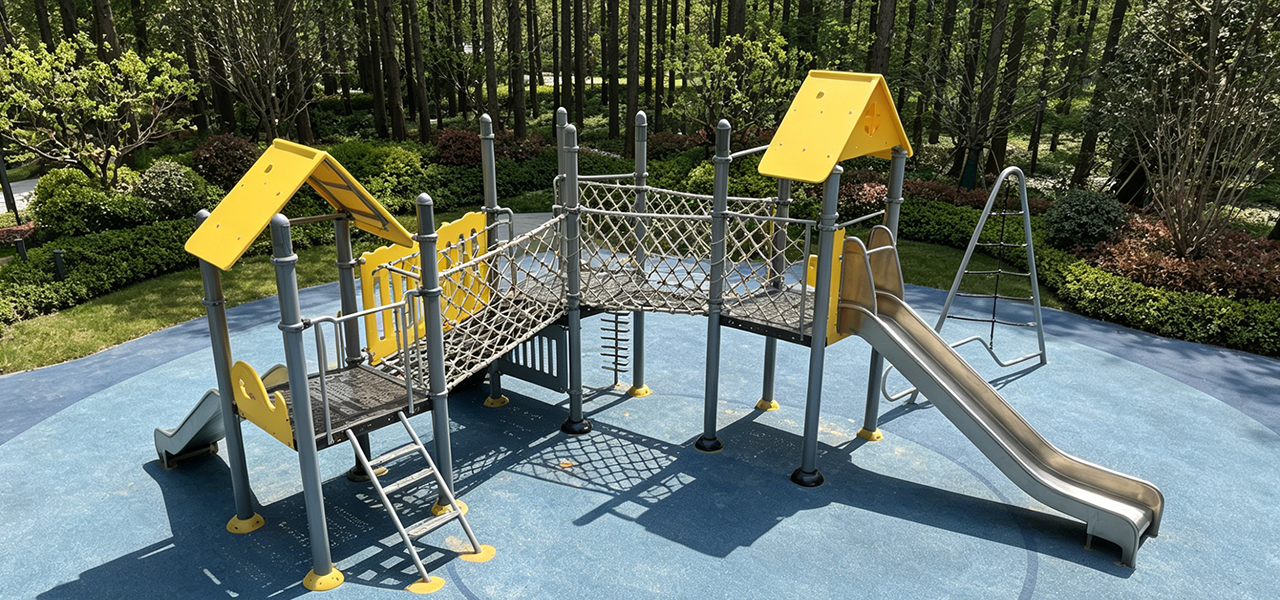
Industrial HDPE sheet applications span chemical, water, food and marine equipment.
Why HDPE sheet grade selection matters in plant projects
Many plant projects begin with a 4x8 HDPE industrial board, a 10 mm HDPE industrial sheet or a custom cut HDPE sheet size. Those are useful starting points, but they do not answer the selection question. A sheet used for a chemical storage tank wall, a scrubber duct, a wastewater tank cover, a food-processing table or a marine panel can face different concentrations, temperatures, cleaning agents, UV exposure and mechanical loads.
The primary risk is not choosing an obviously wrong material. It is choosing a grade that looks suitable at the quotation stage but lacks the needed food-contact documentation, UV stabilization, weldability or thickness for the actual service. HDPE offers excellent resistance to acids, alkalis, salts and oils in general, but the final choice still depends on the exact medium, temperature and project specification.
Industry background: four plant environments, four material duties
HDPE sheet is used as a corrosion-resistant, moisture-resistant and impact-resistant fabrication material. In chemical plants, it appears in storage tanks, scrubbers, ductwork, equipment covers and custom components. In water and wastewater plants, it is used in tanks, treatment equipment, covers and piping-related components. In food plants, it is used for tables, cutting boards, machine guards and washdown-ready surfaces. In marine and shipbuilding work, it is used for panels and components that must tolerate moisture and salt exposure.
The operating conditions are usually wet, humid or chemically exposed. They can be continuous or intermittent, including 24/7 operation. Outdoor installation adds UV radiation. Food plants add cleaning chemicals and hygiene requirements. Marine work adds moisture, salt and impact considerations. These differences are why a single HDPE sheet specification cannot serve every plant.
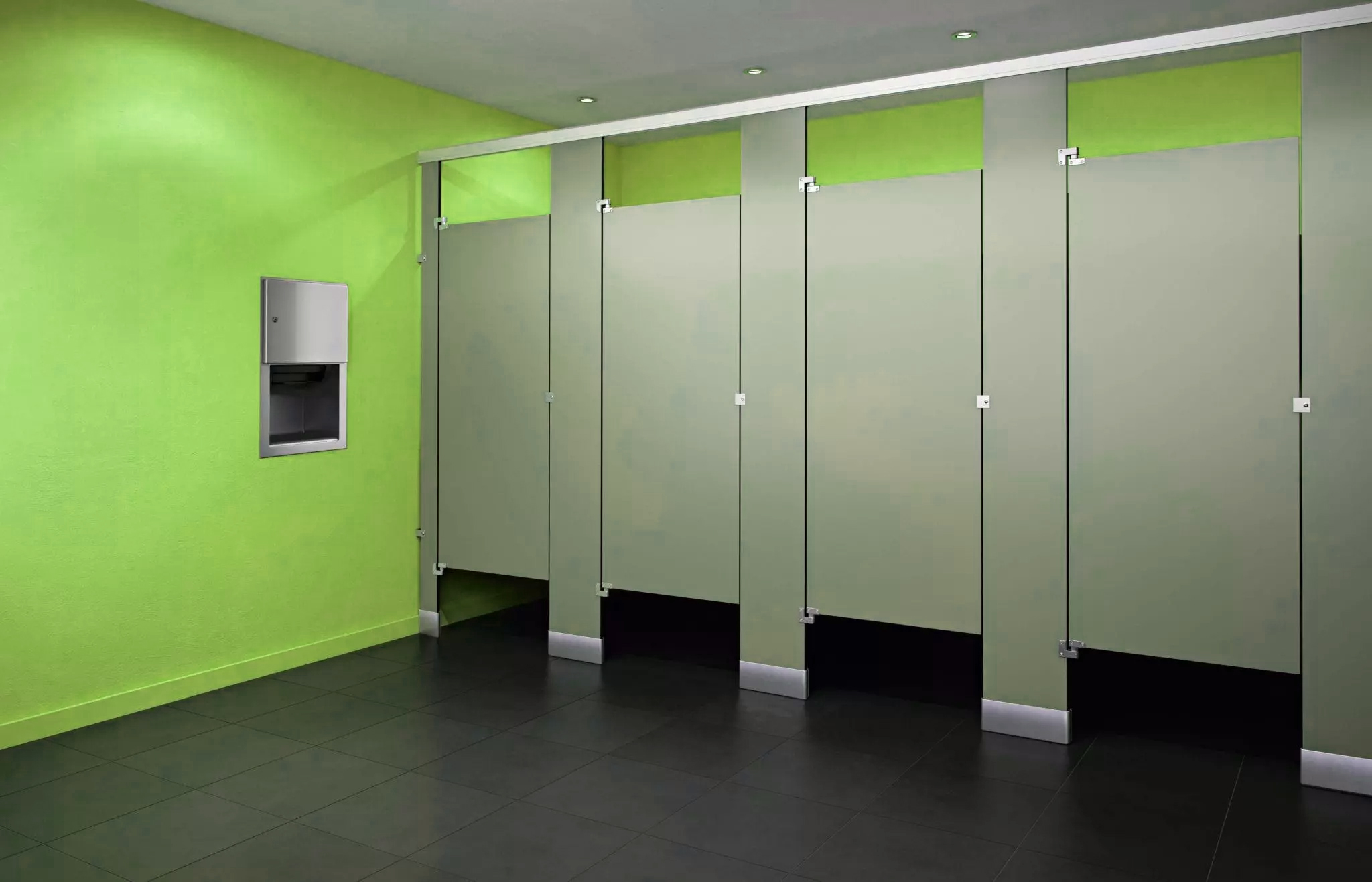
HDPE sheet is available in smooth, textured and colored forms for custom fabrication.
What the main HDPE sheet grades mean in practice
Virgin HDPE sheet
Virgin HDPE sheet is the reference grade for food-contact, potable-water and high-reliability projects. Sanyou selection guidance recommends it where stable mechanical performance and strict hygiene requirements matter. It is also the sensible starting point for chemical containment and water equipment when the project requires consistent material and documented compliance. Color, surface and thickness are then selected to suit fabrication and cleaning.
Recycled HDPE sheet
Recycled industrial HDPE sheet is positioned for non-critical anti-corrosion lining and cost-sensitive fabrication where strict mechanical or hygiene requirements do not apply. It can be appropriate for protective panels, general-purpose liners and non-food-contact components. It should not be assumed to be a food-contact grade. For any recycled sheet, confirm the actual recycled content, consistency and suitability for the medium with the supplier.
UV-stabilized HDPE sheet
UV-stabilized HDPE sheet is intended for long-term outdoor exposure. Sanyou selection guidance says UV stabilization helps reduce aging and chalking compared with standard HDPE sheet. Outdoor tanks, covers, ducts, cabinets and marine components should therefore be reviewed for UV-stabilized grade when sunlight exposure is part of the duty. UV stabilization does not replace chemical compatibility review.
Marine-grade, colored and textured HDPE sheet
Marine-grade HDPE sheet is listed as an available grade for marine and shipbuilding applications. The project specification should state the required marine grade, UV exposure, impact and fabrication requirements; do not infer salt-water performance from the color or density alone. Colored HDPE plastic panel options include black, white, blue, green, yellow and custom colors. Color can support identification, visibility or equipment coding, but it is not a performance grade. Orange peel textured HDPE sheet, diamond texture and other anti-skid surfaces are available where slip resistance or surface appearance matters; confirm the exact pattern for the application.
PE300 HDPE sheet data used in this guide
The PE300 HDPE sheet data provides a practical property baseline for project discussions. The values below apply to that product data and should be checked against the exact grade and project conditions.
| Property | PE300 HDPE sheet data |
|---|---|
| Density | 0.93–0.97 g/cm³ |
| Thickness | 2–50 mm, custom available |
| Standard sizes | 1000 × 2000 mm, 1220 × 2440 mm, 1500 × 3000 mm, 2000 × 4000 mm; custom available |
| Tensile strength | ≥ 22 MPa |
| Elongation at break | ≥ 300% |
| Hardness | 60–68 Shore D |
| Impact strength | ≥ 20 kJ/m² |
| Melting point | 130–140 °C |
| Water absorption, 24 h | < 0.01% |
| Coefficient of friction | 0.15–0.25 |
| Chemical resistance | Acid, alkali, salt and oil resistance |
| UV resistance | UV stabilized grade available |
| Certification | ISO 9001 |
Application mapping: chemical, water, food and marine projects
Chemical processing plants
Chemical projects should start with the medium, concentration and temperature. HDPE sheet is used for storage tanks, scrubbers, ductwork, equipment covers and custom-fabricated parts. The sheet must be compatible with the process medium and with cleaning agents, and it must be weldable enough for the intended fabrication. For tank walls and structural panels, the Sanyou selection reference is 6–20 mm; for heavy-wear chute liners, 20–50 mm; for light-load lining, 5–6 mm. These are reference ranges, not a substitute for structural design.
Virgin HDPE is preferred for high-reliability containment. Recycled HDPE may be considered for non-critical anti-corrosion lining where mechanical and hygiene requirements are not strict. Outdoor scrubbers, duct supports or tank covers require UV-stabilized grade if they see sustained sunlight. The fabrication drawing should define weld details, support spacing, cutouts and thickness tolerance before the sheet is ordered.
Water and wastewater plants
Water and wastewater equipment operates in constant moisture, with wastewater, cleaning agents and occasional chemical dosing. HDPE sheet has low 24-hour water absorption of less than 0.01%, and its moisture resistance makes it a practical fabrication material for tanks, covers, treatment equipment and protective panels. Virgin HDPE is the appropriate starting grade for potable-water and high-reliability parts. Recycled HDPE may fit non-critical anti-corrosion lining where the project does not require strict mechanical or hygiene performance.
Outdoor tanks, open basins and covers need UV-stabilized HDPE if they are exposed to sunlight. Indoor equipment still needs chemical compatibility and reliable welding. For tank walls and structural panels, use the 6–20 mm reference range; for light-load lining, 5–6 mm; for heavy-wear chute or liner areas, 20–50 mm. Confirm the exact thickness with the equipment designer.
Food and beverage plants
Food processing tables, cutting boards, machine guards and washdown surfaces require a food-contact grade where the sheet touches food or food-contact surfaces. Virgin HDPE is the recommended base grade. The supplier should provide food-contact compliance documentation for the exact sheet, color and surface supplied. ISO 9001 is listed as a quality management certification; it does not by itself establish food-contact compliance. The project buyer should ask for the specific declaration or test documentation required by the destination market.
Recycled HDPE should not be used for food-contact surfaces unless the project specification explicitly permits it and the supplier documents the grade for that use. Smooth or easy-to-clean surfaces are preferred for hygiene. Textured or orange peel surfaces may be used where slip resistance is needed, but the texture must still be cleanable. HDPE sheet is weldable and machinable, so tables, guards and custom parts can be fabricated to the equipment drawing.
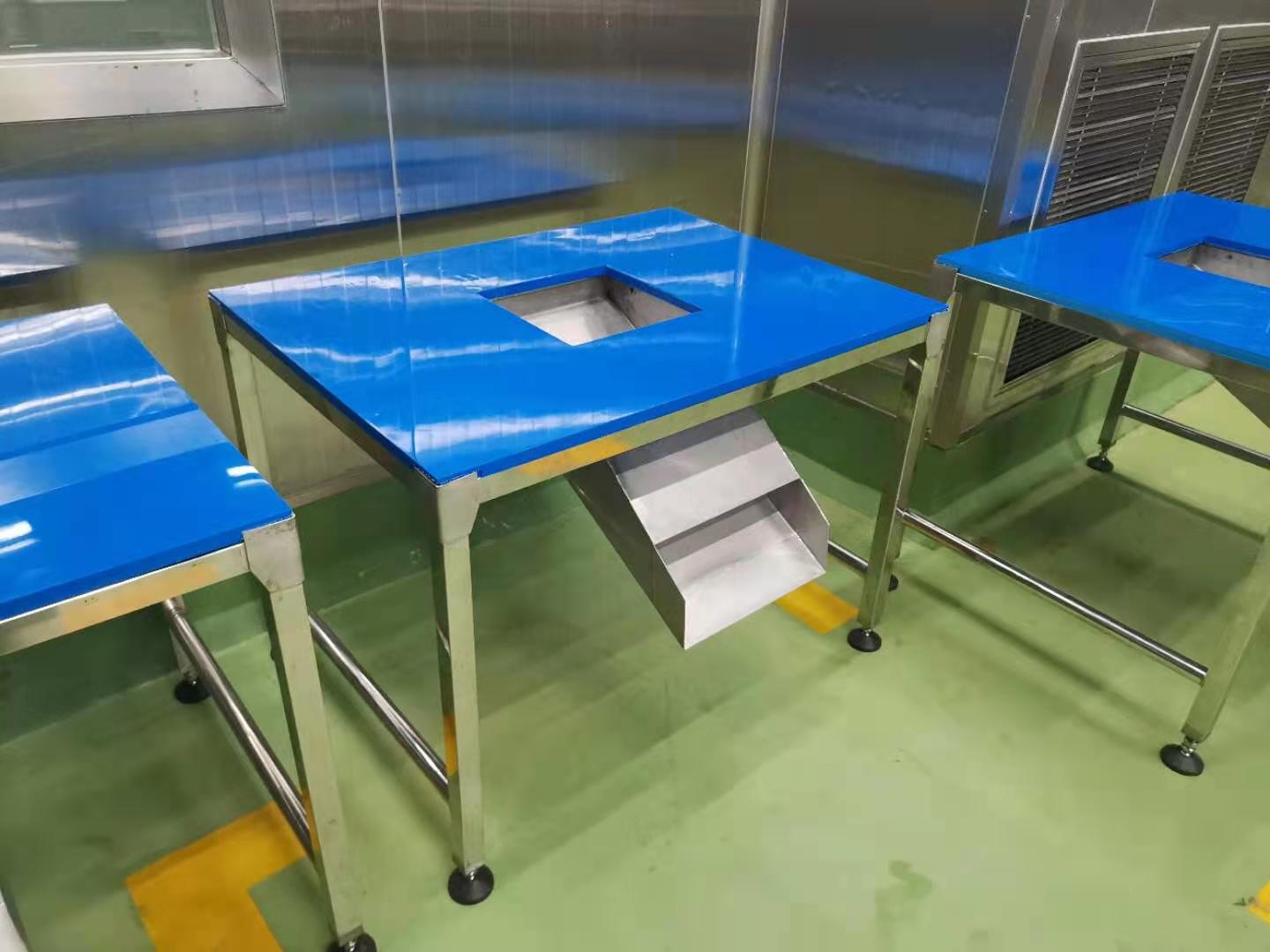
Food-processing surfaces require a food-contact grade and the correct documentation.
Marine and shipbuilding projects
Marine and shipbuilding work combines moisture, salt exposure, impact and outdoor UV. HDPE sheet offers low moisture absorption and general resistance to salt, but the project should specify marine-grade HDPE sheet where that grade is required. For long-term outdoor exposure, add UV-stabilized HDPE sheet to the specification. Marine panels, fenders, covers and components should be reviewed for impact, fixing method and weldability. Colored HDPE marine board can help with visibility or area identification. Confirm the exact grade and documentation rather than relying on the word marine alone.
Comparison table: environment, grade and fabrication focus
| Project environment | Grade direction | Thickness reference | Fabrication and verification focus |
|---|---|---|---|
| Chemical processing | Virgin HDPE for high-reliability tanks and equipment; recycled HDPE only for non-critical anti-corrosion lining; UV-stabilized for outdoor exposure | 5–6 mm light-load lining; 6–20 mm tank wall and structural panel; 20–50 mm heavy-wear chute liner | Chemical compatibility, temperature, weld quality, cutouts, thickness tolerance |
| Water and wastewater | Virgin HDPE for potable water and high-reliability parts; recycled for non-critical lining; UV-stabilized outdoors | 5–6 mm light-load lining; 6–20 mm tank wall and structural panel; 20–50 mm heavy-wear areas | Moisture, cleaning agents, welding, cover stiffness, outdoor UV |
| Food and beverage | Virgin food-contact grade where required; recycled only if the project explicitly permits it | 2–50 mm available range, selected by table or equipment design | Food-contact documentation, cleanable surface, weldability, color and texture |
| Marine and shipbuilding | Marine-grade HDPE sheet where specified; UV-stabilized for outdoor exposure | 2–50 mm available range, selected by panel design | Salt and moisture exposure, impact, fixing, fabrication, documentation |
Step-by-step grade selection and verification
1. Define the contact medium. List every chemical, salt, wastewater stream, cleaning agent and food contact that the sheet will see. Include concentration and temperature. If the medium is outside the supplier's documented compatibility data, request a project-specific review.
2. Decide whether the surface is food-contact, potable-water or general industrial. This decision controls whether virgin HDPE is required and whether food-contact documents are needed. It also rules out recycled HDPE for food-contact surfaces unless the project explicitly allows it.
3. Record indoor or outdoor exposure. For uncovered outdoor tanks, ducts, covers or marine panels, include UV-stabilized HDPE in the specification. For marine projects, state whether marine-grade HDPE sheet is required.
4. Review mechanical duty. Tanks, covers and ducts need stiffness and weld quality. Chutes and wear areas need higher thickness. Impact risk at flanges, openings and handling points should be considered. The Sanyou reference ranges are 5–6 mm for light-load lining, 6–20 mm for tank walls and structural panels, and 20–50 mm for heavy-wear chute liners.
5. Match fabrication to the shop. HDPE sheet can be cut, welded, drilled and CNC machined. Confirm the welding process, edge preparation, hole layout and tolerance before ordering. For custom cut HDPE sheet, provide a drawing with dimensions, color, surface and any food-contact or UV requirement.
6. Select size and color. Standard sizes include 1000 × 2000 mm, 1220 × 2440 mm, 1500 × 3000 mm and 2000 × 4000 mm, with custom sizes available. The 1220 × 2440 mm size is the common 4x8 HDPE industrial board format. Black, white, blue, green, yellow and custom colors are available. Choose color for identification, not as a substitute for grade.
7. Verify documents and sample. Ask for the data sheet, grade designation, thickness tolerance, surface description and compliance documents for the exact product. For a new application, request a sample or trial cut to check machinability, weldability and surface condition before full production.
Use cases and supporting systems
Chemical equipment fabricators use HDPE sheet for tanks, scrubbers, ducts, covers and custom parts. Water-treatment contractors use it for tanks, covers and treatment equipment. Food-equipment manufacturers use virgin food-contact grade for tables, cutting boards and guards. Marine and outdoor product manufacturers use marine-grade, UV-stabilized or colored sheet for panels, cabinets and components.
A Sanyou case example describes an Australian industrial equipment manufacturer that ordered a custom 20-ton HDPE sheet supply for chemical tanks, wastewater-treatment equipment, food-processing surfaces, machine guards and outdoor cabinets. The documented duration was two years, with reported improvements in corrosion and moisture resistance, reduced maintenance, and simplified fabrication and cleaning. This case shows how one project can combine several environments; it does not prove that one grade fits every part. The food-processing surfaces would still need a food-contact grade and documentation, while outdoor cabinets would need UV stabilization.
Supporting systems matter as much as the sheet. Tanks need compatible welds, supports and outlets. Scrubbers and ducts need joints that suit the fabrication method. Food tables need cleanable edges and suitable fasteners. Marine panels need fixing details that account for movement and impact. The sheet specification should therefore be issued with the fabrication drawing, not as a standalone line item.
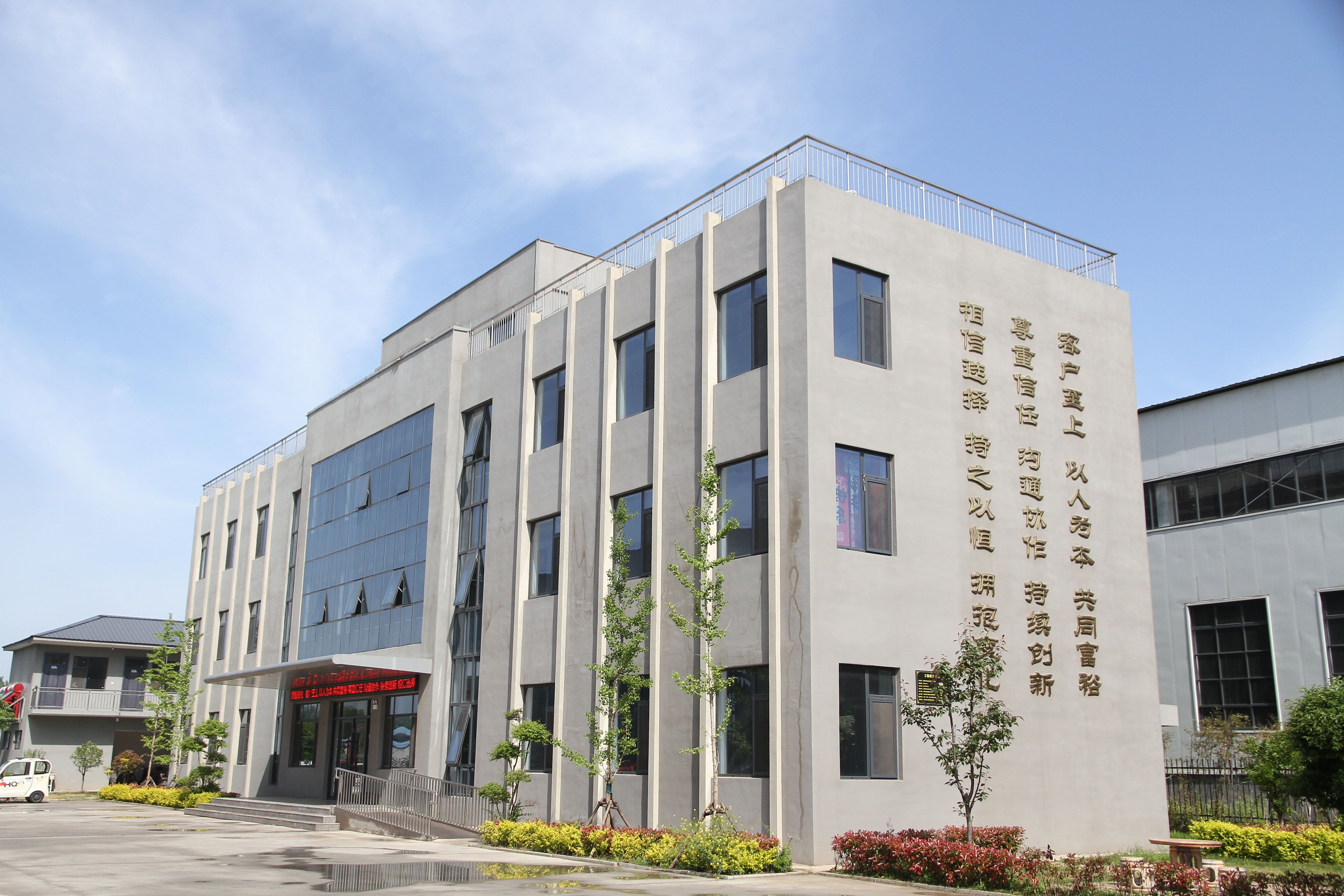
Sanyou operates a 40,000 m² factory and reports an annual output of 120,000 tons.
Frequently asked questions
What documentation should I confirm for food-contact HDPE sheet?
Confirm the exact grade, color, surface and finished form, then request the food-contact declaration or test documentation required by the destination market. Virgin HDPE is the recommended base grade for food-contact use. ISO 9001 is listed as a quality management certification and does not by itself establish food-contact compliance. Do not accept a general material certificate that does not identify the supplied sheet.
Can HDPE sheet be welded and CNC machined for tanks and ducts?
Yes. The Sanyou HDPE sheet data lists weldability, cuttability and CNC machinability, and the application requirements include reliable welding strength, dimensional accuracy and easy-to-clean surfaces. For tanks and ducts, provide the fabrication drawing, welding method, joint details and thickness tolerance. Confirm the welder's procedure and inspection method for the specific part.
Chinese food-grade virgin HDPE sheet manufacturers for food processing equipment: what should I check?
When evaluating Chinese food-grade virgin HDPE sheet manufacturers for food processing equipment, check the exact virgin grade, food-contact documentation, color and surface, thickness tolerance, weldability and fabrication support. Confirm that the supplier can provide cut-to-size or CNC-machined parts to your drawing. Sanyou hdpe sheet is produced by Tangyin Sanyou Engineering Plastic Co., Ltd.; buyers should still verify the food-contact documents for the exact sheet and application rather than relying on the brand name alone.
Does recycled HDPE sheet reduce project cost?
Recycled industrial HDPE sheet can be cost-effective for non-critical anti-corrosion lining and general fabrication where strict mechanical or hygiene requirements do not apply. It is not the first choice for food-contact, potable-water or high-reliability containment. Compare the grade, thickness, documentation and expected service life for the actual part; a lower sheet price is not a saving if the part needs replacement or fails inspection.
Can I request a sample or trial order?
Yes. Sanyou capability information lists trial orders as negotiable, with MOQ of 1,000 kg per specification or color. Customization includes thickness, size, color, surface texture, UV stabilization, cut-to-size, CNC machining, drilling, welding and custom packaging. A sample or trial cut is useful for checking surface, machinability and weldability before full production. Share the medium, temperature, size and drawing with the supplier.
What is the lead time for custom HDPE sheet?
Sanyou capability information gives a lead time of 15–20 days after order confirmation and deposit, subject to quantity and customization requirements. Food-contact documentation, UV-stabilized grade, special color or CNC machining can affect the schedule, so confirm the production plan in the order. For a project-specific grade recommendation, share the operating medium, indoor or outdoor exposure, thickness and drawing, and download the Sanyou Product Catalog for the available product range.
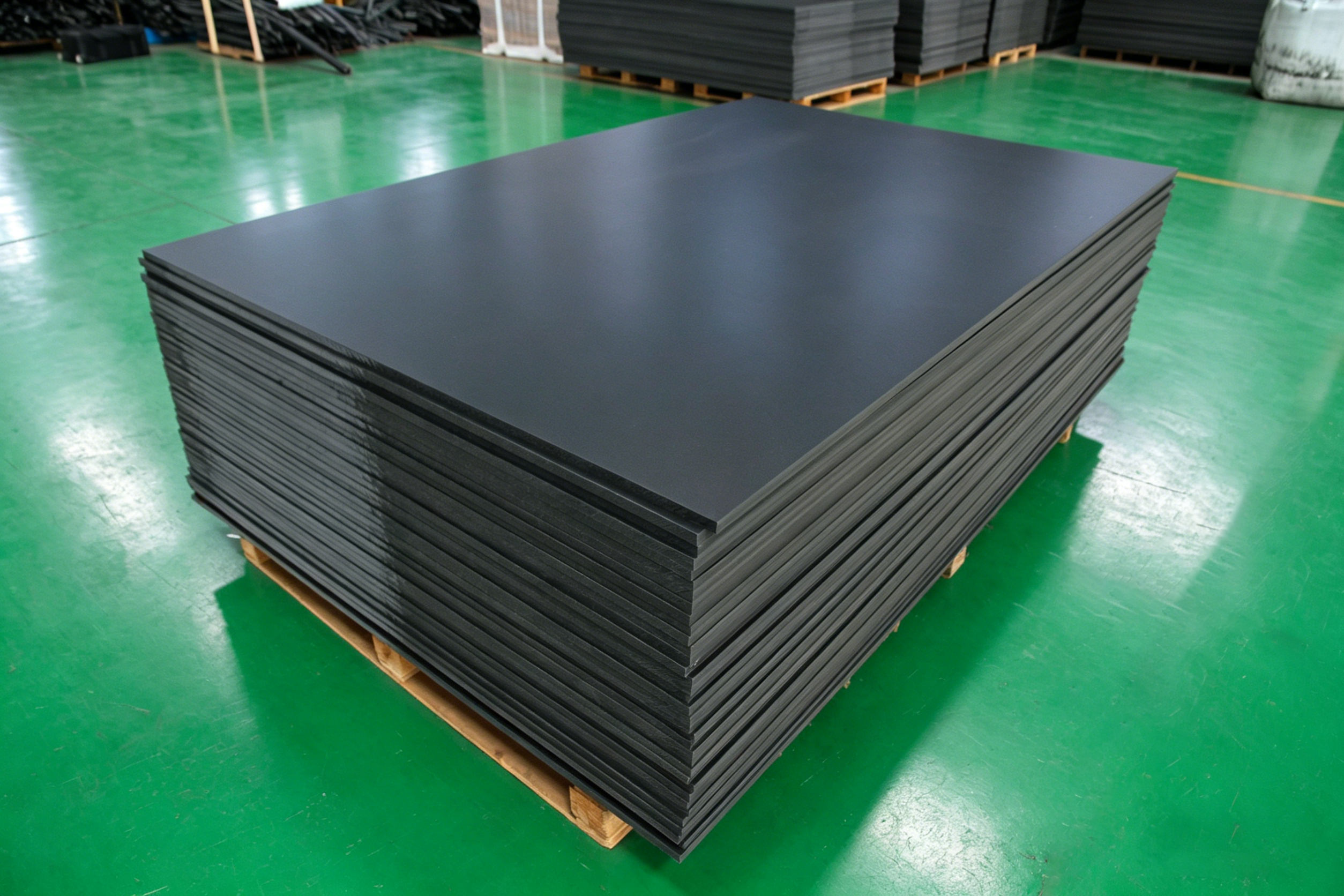
Review the product range and share the operating conditions for a grade recommendation.
Conclusion
Grade selection for industrial HDPE sheet should follow the plant environment, not a generic material label. Chemical plants need medium compatibility, weld quality and thickness discipline. Water and wastewater plants need moisture resistance, reliable fabrication and UV protection where outdoor. Food plants need virgin food-contact grade and the correct documentation. Marine projects need marine-grade and UV-stabilized options where specified, with impact and fixing details resolved. Sanyou hdpe sheet offers virgin, recycled, UV-stabilized, marine-grade and colored HDPE sheet options, custom sizes from 2–50 mm thickness, and fabrication support; the final choice should be confirmed against the exact medium, drawing and compliance requirement.
Have Questions or Need More Details?
Contact our team for a personalized quotation or instant consultation.
Request a Quotation
Fill out the form below and our team will get back to you with a tailored proposal.
WhatsApp Direct Chat
Prefer to chat in real-time? Message us on WhatsApp for instant assistance & quick answers.
- Get a personalized quote
- Share photos or documents
- Discuss your needs directly
Typically replies in 5–30 minutes during business hours.