
Industrial HDPE Sheet: Preventing Corrosion and Leaks in Chemical Containment
Most containment failures in chemical processing and water treatment do not begin with a catastrophic event. They begin with a weld that was never fully consolidated, a tank wall quietly attacked by a dilute acid, or a panel that chalked in sunlight until it cracked at a fixing point. Industrial HDPE Sheet is specified to close those failure paths: the material does not rust, absorbs very little moisture, and can be fabricated into continuous, leak-tight linings, vessels and ductwork. Whether it is the right choice for a given duty depends on the medium, the service temperature, the grade selected and, above all, the quality of the fabrication.
This article follows the problem the way a plant engineer or procurement team actually meets it — by failure mode. Four mechanisms account for most chemical containment problems: corrosion of the tank or vessel, leakage at joints and welds, moisture ingress, and outdoor UV degradation. Each is described below, followed by the specific way an HDPE sheet solution answers it, the selection variables that determine whether the answer holds, and the fabrication controls that separate a leak-tight installation from an expensive repair.
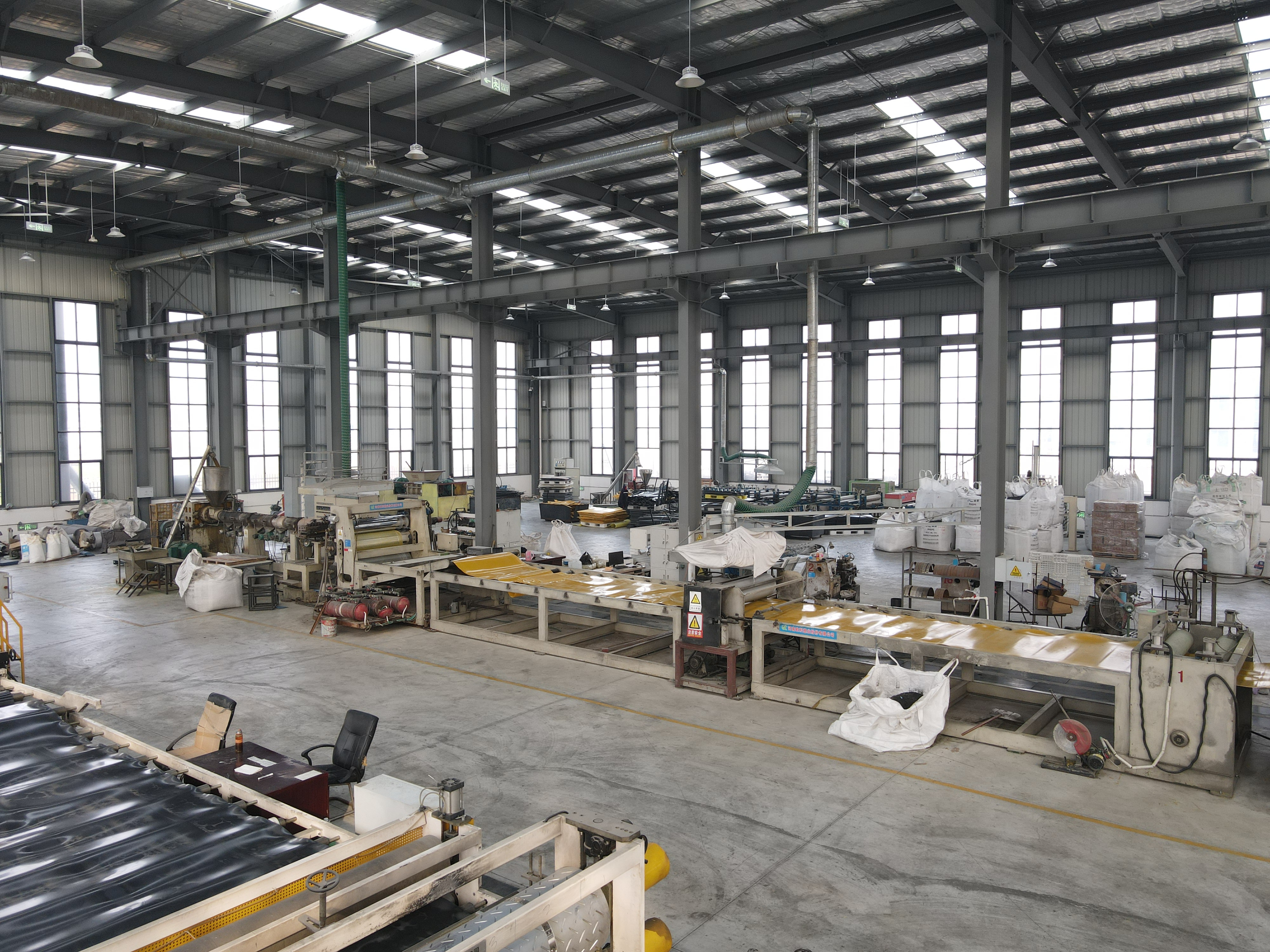
Problem Definition: Where Chemical Containment Actually Fails
Containment is a barrier problem. Every tank, vessel, duct and bund depends on a continuous barrier between the process medium and the environment. When that barrier is interrupted — by corrosion, by an incomplete weld, by absorbed moisture or by sunlight-driven ageing — the failure is rarely local. It spreads along the substrate or the joint and is usually discovered only after a visible leak, a contaminated batch or an environmental release.
1. Tank and vessel corrosion
Metallic containment depends on an additional protection layer — a coating, a lining or alloy selection — to keep the stored medium away from the substrate. Once that layer is breached at a scratch, a weld heat-affected zone or a support contact point, attack proceeds at the base metal, often underneath a surface that still looks intact. Repair then requires draining, surface preparation and re-coating, which is why steel containment carries a recurring maintenance obligation rather than a one-off installation cost.
A thermoplastic containment wall removes the interface that fails. HDPE sheet is a single, homogeneous material through its thickness: there is no coating to chip, no lining to debond and no rust treatment or painting requirement in service. The comparison data summarised later in this article describes HDPE as offering zero rust against traditional steel plate, together with lower transportation and installation cost and reduced replacement and maintenance cost over the service life.
2. Leaking joints and welds
In any fabricated containment structure, joints are the weakest point. A butt weld, fillet weld or lap joint must carry the same chemical duty as the parent sheet while also resisting mechanical and thermal movement. Two failure routes dominate: incomplete consolidation, where the weld is visually acceptable but not fully fused, and stress concentration, where a rigid joint is asked to absorb movement it was never designed for.
This is why the sensible specification question is not simply "which material" but "which material plus which fabrication control". HDPE sheet is weldable and machinable, and reliable welding strength and leak-tight fabrication are the explicit requirements for chemical containment work — the material supplies the chemical resistance, but the welding process supplies the containment.
3. Moisture ingress
Water is the quietest contaminant in a chemical plant. It enters through joints, through fixings, between a steel shell and its lining, and behind protective panels, where it can remain trapped and drive further attack. Moisture ingress also degrades insulation, creates corrosion cells at fixings and produces the cold, wet surfaces that accelerate secondary damage.
HDPE has low moisture absorption, which is one of the reasons it is listed as suitable for equipment protection and liquid containment in wet, humid and frequently washed-down environments. A low-absorption sheet does not swell, soften or delaminate when it is exposed to washdown water, wastewater or intermittent immersion, so the geometry of a tank or duct stays as designed.
4. UV degradation in outdoor service
Outdoor containment is a different duty from indoor containment, even when the medium is identical. Standard HDPE is not UV-stabilized and can chalk and embrittle under prolonged outdoor sun exposure. That degradation is progressive and visible only late: the surface dulls, then the sheet loses impact strength at its exposed face, and cracks initiate at fixings and cut edges.
The practical answer is a grade decision rather than a material decision. UV resistance is listed as an optional attribute of HDPE sheet, and supplier technical guidance notes that carbon black can provide UV protection. Buyers should therefore confirm UV stabilization as a formulation attribute in writing, rather than inferring it from a black or dark colour.
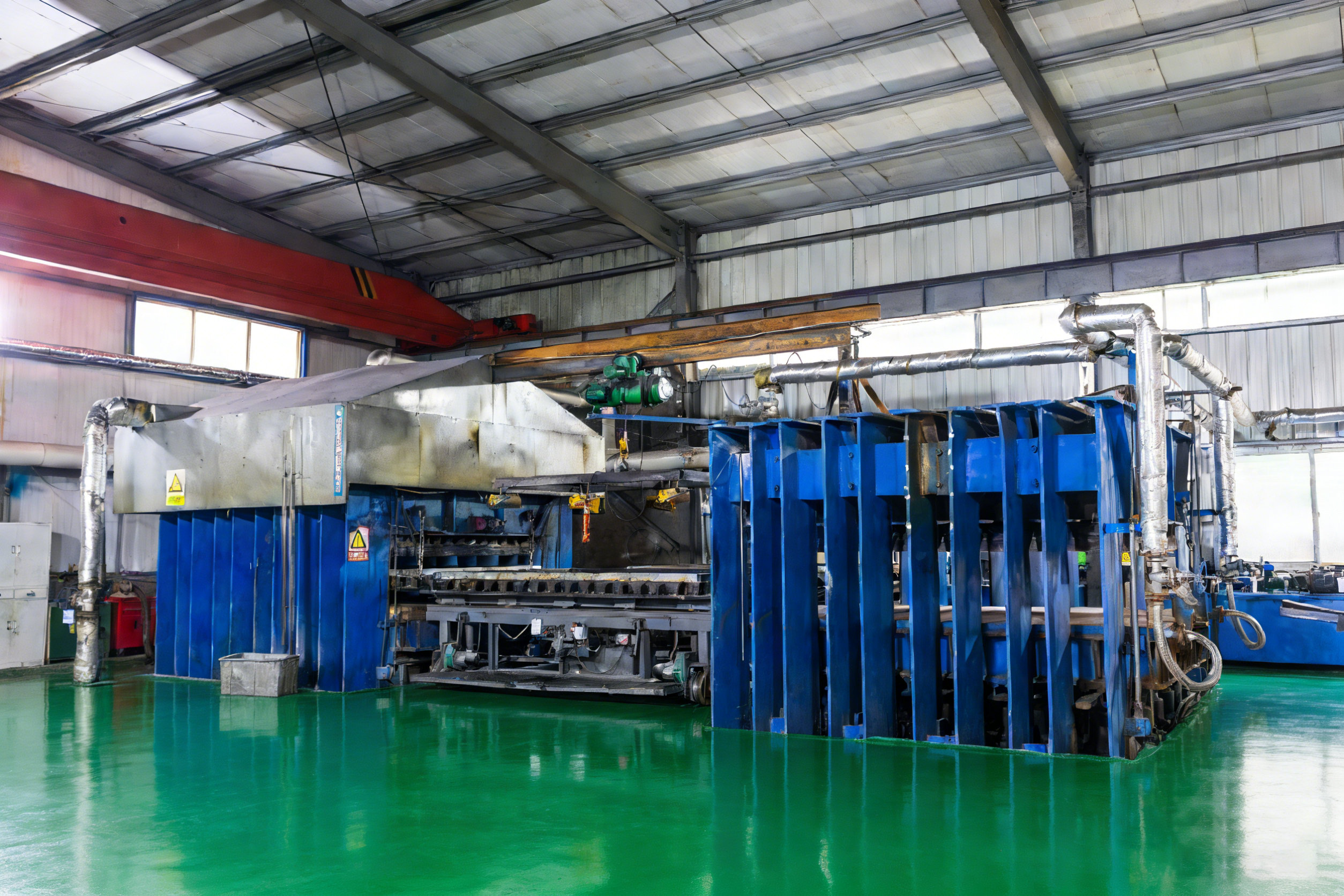
Industry Background: Why Thermoplastic Containment Is Now a Default Option
The duty environment in chemical processing and water treatment is well documented: continuous or intermittent exposure to acids, alkalis, salts, wastewater, cleaning chemicals and moisture, combined with impact, frequent washdown and changing weather conditions. The equipment that has to survive this duty is not exotic — it is the ordinary inventory of a plant: chemical storage tanks, wastewater treatment equipment, scrubbers, ventilation ducts, piping systems, pumps and valves.
HDPE is a mainstream material for that inventory, not a niche alternative. Sheets and films represent approximately 41.1% of global HDPE demand share, which means the sheet form is a primary industrial format rather than a by-product of other processing. That matters for buyers because it supports availability, dimensional range and fabricator familiarity.
Two structural reasons explain the shift away from metal in wet and corrosive service. The first is weight and cost of ownership: HDPE is described as up to 80% lighter than steel, with lower transportation and installation costs and reduced replacement and maintenance costs over the service life. The second is simplification of the barrier: a thermoplastic wall removes the coating, the painting regime and the rust treatment step entirely, which reduces both planned maintenance hours and the risk that a maintenance backlog becomes a containment risk.
HDPE is also not the only thermoplastic used for containment, and the selection is not automatic. Material choice between polyolefins depends on the working temperature, the chemical medium, impact load, indoor or outdoor exposure, contact-material requirements and the fabrication route available to the installer. A specification written around "plastic tank" rather than around a specific medium, temperature and grade is the most common root cause of premature failure.
Detailed Solution: How Industrial HDPE Sheet Answers Each Failure Mode
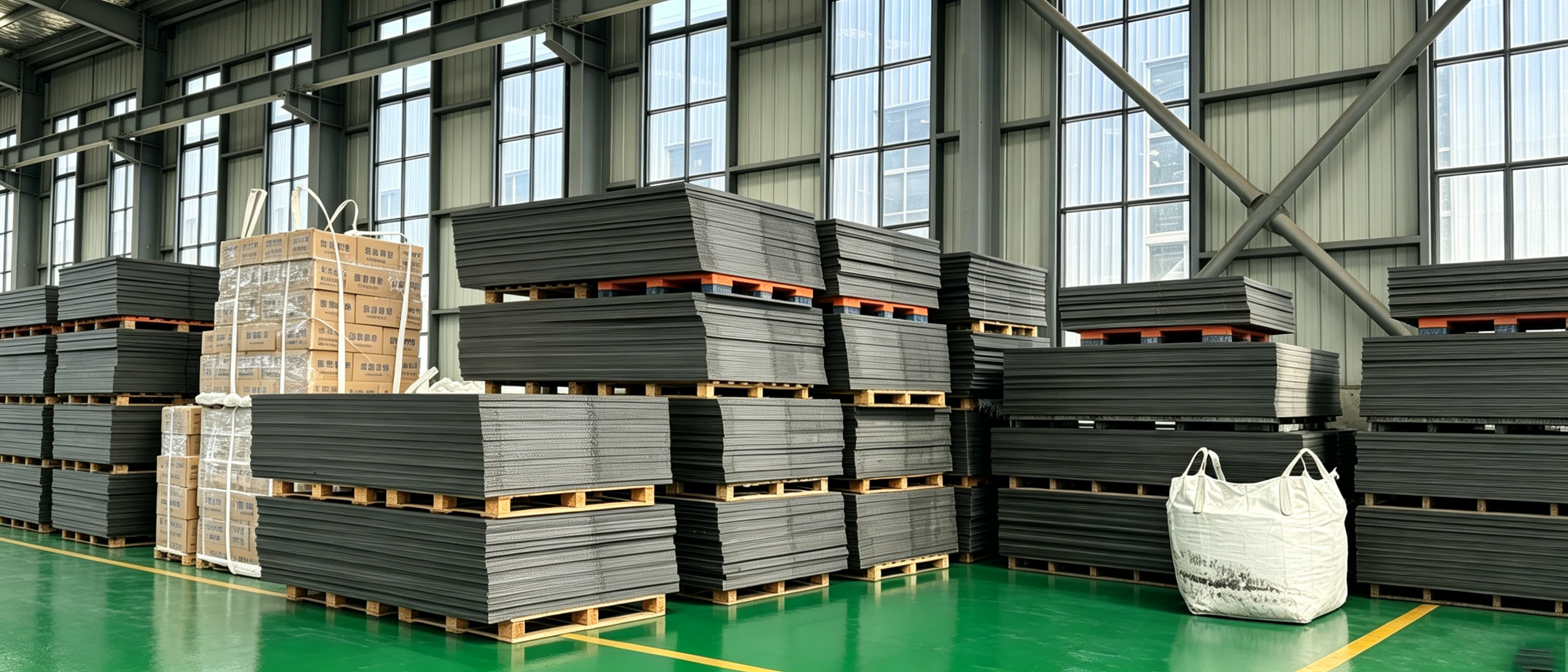
Industrial HDPE sheet is a high-density polyethylene sheet supplied in a defined thickness range and fabricated into linings, tank panels, duct sections, chute liners and protective components. Sanyou hdpe sheet is produced by Tangyin Sanyou Engineering Plastic Co., Ltd., an engineering plastic manufacturer founded in 2001 in Henan, China, operating a 40,000 m² facility with an annual output of 120,000 tons and a 10-engineer technical team; roughly 70% of its output is exported to North America, Western Europe, Central Europe, the Middle East, Oceania and Southeast Asia. The company lists HDPE sheet density at 0.94–0.96 g/cm³, with a thickness range of 1–100 mm, width up to 2500 mm, and custom width and length available.
The material's general continuous service temperature is quoted as −40 °C to 80 °C, with good resistance to most dilute acids and alkalis. Combined with low moisture absorption, reliable weldability and good machinability, that property set maps directly onto the four failure modes described above.
Against corrosion
Because the sheet is a single thermoplastic material rather than a coated substrate, chemical attack is limited to the exposed surface. There is no rust layer to undercut a coating, no pitting that concentrates stress, and no repainting cycle to schedule. For storage tanks, bunds and equipment guards holding dilute acids, alkalis and salts, this converts an open-ended maintenance liability into a defined material specification.
Against joint leakage
Leak-tightness is a fabrication outcome, and HDPE supports it in two ways: the sheet welds into continuous seams, and it can be machined into the joint geometry the design requires. Thick sections for tank walls and structural panels are formed from the same material as the thinner lining, so a weld joins like to like rather than bridging dissimilar materials with an adhesive.
Against moisture ingress
Low moisture absorption keeps dimensions and mechanical behaviour stable in washdown, humid and intermittently immersed conditions. It also means the sheet can be cleaned aggressively without the surface breaking down — a requirement in food-adjacent and sanitary areas as well as in wastewater equipment.
Against UV degradation
For outdoor tanks, open bunds, rooftop ductwork and external scrubber bodies, the grade must be specified as UV-stabilized. Sanyou lists UV resistance as an optional attribute and food-grade availability as an option, so both properties have to be requested explicitly rather than assumed from the base product designation.
Grade and thickness selection
Grade selection follows the criticality of the duty. Virgin HDPE sheet is recommended for food-contact, potable water and high-reliability projects, where stable mechanical performance and hygiene requirements are strict. Recycled HDPE sheet is recommended for non-critical anti-corrosion lining where cost-effectiveness matters more than tight mechanical consistency. UV-stabilized sheet is recommended for long-term outdoor work. Thickness follows the mechanical role of the part rather than the chemical duty alone:
- 5–6 mm: light-load lining and protective facing.
- 6–20 mm: tank wall and structural panel.
- 20–50 mm: heavy-wear chute liner and high-impact sections.
Surface and colour are secondary but not irrelevant. Sanyou lists smooth or textured surfaces and standard colours including black, white, blue, green, red and yellow, with custom colours available — useful for equipment identification, inspection marking and matching existing plant colour schemes. Colour should never be used as a proxy for UV performance.
Where the material stops
An honest specification also states the boundaries. HDPE is not a universal chemical barrier: chemical compatibility has to be checked against the specific medium, concentration and temperature of the duty, not against a general "acid resistant" label. The quoted continuous service temperature of −40 °C to 80 °C excludes high-temperature process streams. Standard grades are unsuitable for prolonged outdoor exposure without UV stabilization. And recycled grades carry a mechanical consistency trade-off that makes them unsuitable for critical containment. Where any of these limits is exceeded, the correct action is a different grade or a different material — not a thicker sheet.
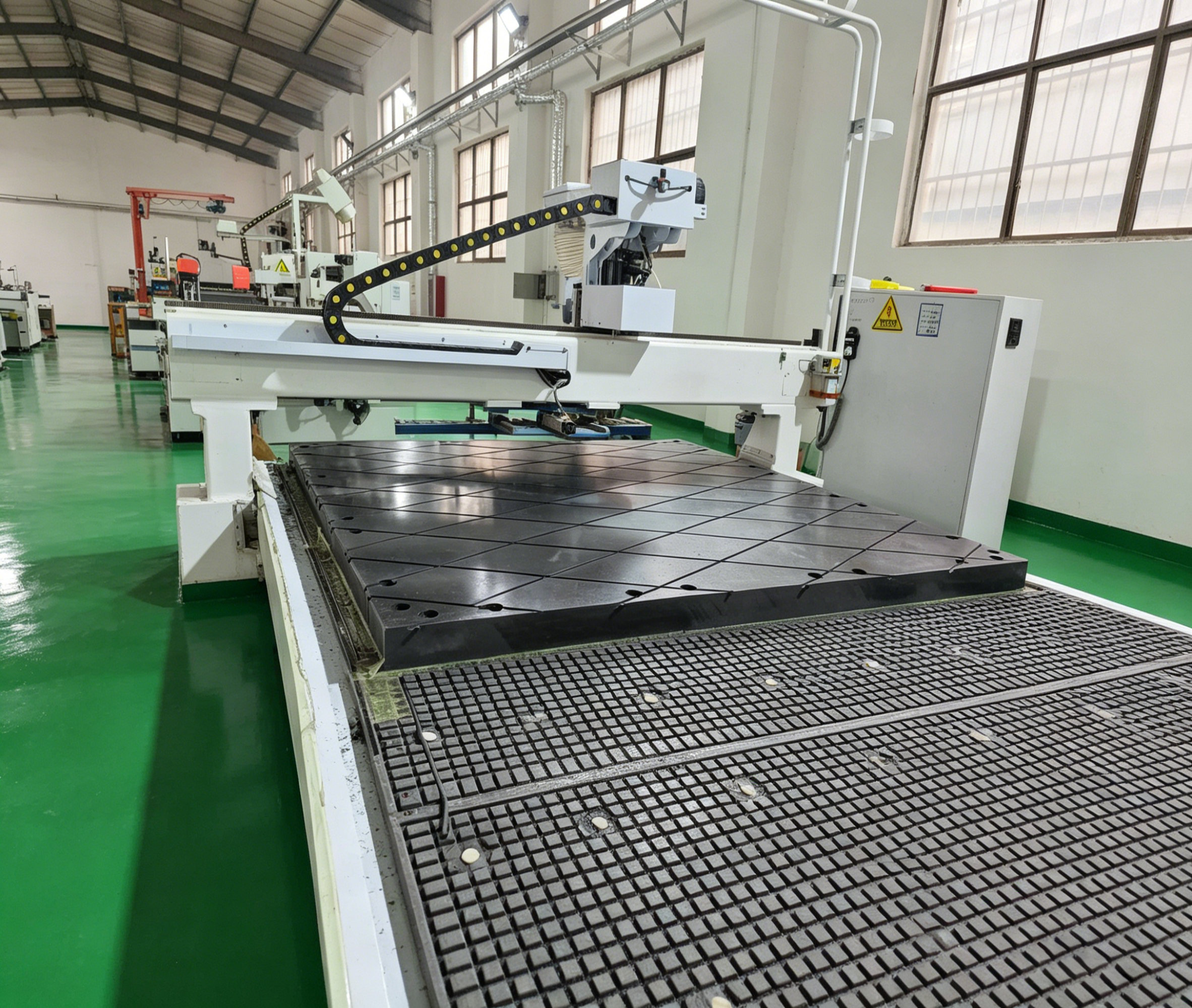
Step-by-Step: Specifying and Fabricating a Leak-Tight HDPE System
The difference between a containment system that holds for a decade and one that weeps in the first season is almost always decided before the first weld is laid. Six steps cover the decision sequence.
Use Cases: Where HDPE Sheet Earns Its Place
Chemical storage tanks
Storage tanks are the classic HDPE containment application, and the requirement is straightforward: a wall that resists the stored medium, a base that does not absorb moisture from the floor or bund, and weld seams that hold under continuous head. Thickness in the 6–20 mm range covers tank walls and structural panels, with virgin grade used where reliability and hygiene are decisive.
Scrubbers
Scrubber bodies handle a mixed duty — process gas on one side, recirculating liquid and condensate on the other, often with dilute acid or alkaline chemistry and continuous moisture. HDPE sheet is used for scrubber construction and internal protection because the same wall resists the chemistry and does not absorb the liquid it is continuously exposed to. Outdoor scrubber shells require the UV-stabilized grade.
Ventilation and exhaust ducts
Ductwork carrying corrosive exhaust is a leak-tightness problem as much as a corrosion problem: a duct that weeps at a seam contaminates the plant envelope and corrodes adjacent steel. Fabricated HDPE duct sections, welded and flanged, remove both the corrosion path and the trapped-moisture path that metal ducting creates at low points and supports.
Wastewater treatment equipment
Wastewater duty combines moisture, salts, cleaning chemicals and intermittent chemical dosing with frequent washdown. HDPE sheet is used for equipment protection, tankage, covers and liners in this environment, and the low-absorption property prevents the swelling and dimensional drift that affects hygroscopic materials.
Wear components inside containment systems
Containment equipment frequently contains a wear hot-spot — a chute, a hopper transition, a discharge point. Heavy-wear chute liners use 20–50 mm sheet, where the same corrosion-resistant material also provides impact resistance and a low-friction surface that keeps material flowing instead of building up.
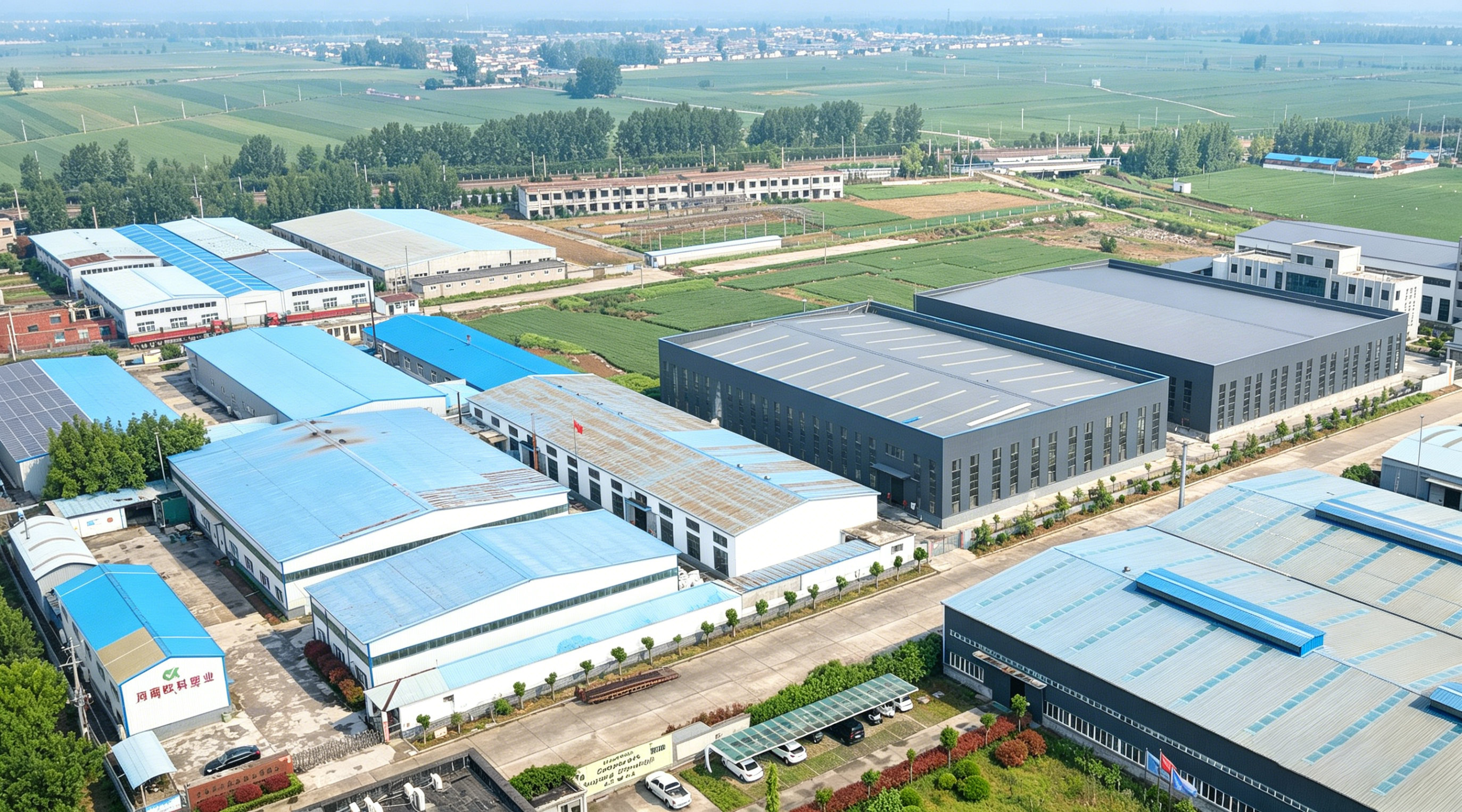
Comparison: Industrial HDPE Sheet Against Steel and PTFE
Containment material decisions are usually made against two references: the metal the plant already knows, and the premium polymer that solves almost every chemical problem at a price. The comparisons below use published comparison data rather than laboratory claims, and they are intentionally limited to the dimensions that can be stated.
| Criterion | Industrial HDPE Sheet | Traditional Steel Plate |
|---|---|---|
| Corrosion behaviour | Corrosion-resistant and rust-free in wet and chemically exposed service | Requires protective coating or lining; rust treatment and painting required |
| Weight | Up to 80% lighter than steel | Heavy; drives transport, lifting and support cost |
| Impact behaviour | Impact-resistant and lightweight | Rigid but subject to corrosion at damaged areas |
| Maintenance | No rust treatment or painting; easier cleaning, handling and replacement | Recurring coating maintenance and periodic replacement |
| Installation and transport cost | Lower transportation and installation costs | Higher handling and installation effort |
| Cost over service life | Reduced replacement and maintenance costs over the service life | Cost driven by coating cycles and corrosion repair |
| Best fit | Industrial equipment, chemical processing, material handling, wear liners, outdoor applications | Structural duties where the corrosion barrier is actively managed |
Table 1 — Industrial HDPE Sheet compared with traditional steel plate, based on published comparison data.
| Criterion | Industrial HDPE Sheet | PTFE Sheet |
|---|---|---|
| Impact and wear | Typically higher impact strength; suits large-area industrial components | Lower impact strength than HDPE in general industrial use |
| Processing | Easier processing and machining; simple to clean, replace and maintain | Processing is less straightforward for large fabricated assemblies |
| Material and processing cost | Lower material and processing cost for many general-purpose applications | Higher material cost for general-purpose work |
| Density and handling | Lower density than PTFE, reducing component weight and handling effort | Higher density for the same component volume |
| Best fit | Wear liners, chute liners, conveyor components, equipment protection, chemical-resistant applications | Duties where PTFE's specific properties are the deciding factor |
Table 2 — Industrial HDPE Sheet compared with PTFE sheet on impact, processing, cost and handling.
The practical reading is that steel remains a structural material with a maintenance obligation attached, PTFE remains a premium choice for duties that specifically need it, and HDPE occupies the large middle ground of chemical containment where corrosion resistance, impact strength, fabricability and cost all matter at once.
FAQ: China Manufacturers vs Local Suppliers for Bulk Orders
What compliance documentation should a buyer request from a Chinese HDPE sheet manufacturer?
Request the material datasheet with grade, density and thickness tolerance, plus a product-specific declaration of compliance for the jurisdiction the equipment will operate in. Where food contact is involved, a food-grade label alone is not sufficient — resin and additive traceability and applicable regulatory conformity should be confirmed in writing. Supplier technical guidance identifies ASTM D4976 as a baseline polyethylene material specification and notes that food-contact HDPE requires the appropriate FDA or European compliance documentation. Buyers should also ask separately about UV stabilization, because UV resistance is listed as an optional attribute rather than a default.
Can a Chinese manufacturer handle the fabrication side, or only supply flat sheet?
Capability should be verified against the actual fabrication requirement, not against a general "customization" claim. Sanyou lists a thickness range of 1–100 mm, width up to 2500 mm, custom width and length, smooth or textured surfaces, standard and custom colours, and a production flow covering forming, cutting, machining, quality inspection and packing. For chemical containment the decisive questions are whether thick tank-wall sections can be supplied consistently, whether joint geometry can be machined to tolerance, and whether the supplier can state which grade — virgin, recycled, UV-stabilized or food-grade — is being quoted.
Is buying from a Chinese manufacturer actually cheaper than a local supplier for bulk orders?
Not automatically, and the comparison has to be made on landed cost rather than unit price. The material side favours HDPE on weight: it is up to 80% lighter than steel, and the comparison data for HDPE also notes lower transportation and installation costs and reduced replacement and maintenance costs over the service life. Against a local supplier, the buyer must add freight, duty and inland handling to the FOB price, then weigh that against lead time and the cost of holding stock. For recycled grades, published resin pricing is a useful feedstock indicator — black recycled HDPE resin was reported at around USD 520/mt FOB Southeast Asia in September 2026 — but resin price is an input cost, not a sheet price, and should never be used as a quotation substitute.
How should a buyer validate a bulk order before committing?
Validate in stages. Confirm the grade and thickness in writing against the duty conditions, request the datasheet and any compliance declaration for the specific product, and review a physical sample against the intended weld and machining process — a sample that machines and welds well is more informative than a sample that merely looks correct. Then specify the acceptance criteria: thickness tolerance, surface finish, colour, flatness and any weld test the fabricator will perform. Recording these before the order is placed is what makes an incoming inspection objective.
What lead time is realistic for a bulk order, and what should be confirmed with the quotation?
Lead time depends on thickness, grade, colour, whether the sheet is stock or custom-cut, and the volume of the order, so it should be confirmed line by line in the quotation rather than assumed from a general figure. Ask for the lead time broken into production and transit, request the shipping terms and packing method, and confirm whether custom sizes are cut from standard sheet or produced to order. For project schedules, the safest practice is to fix the grade and dimensions first and treat lead time as the last variable — Sanyou's export team can confirm current lead time, samples and quotation directly through the contact details at the end of this article.
Conclusion
Chemical containment fails through a small number of predictable mechanisms: corrosion of the vessel, leakage at a joint, moisture working its way behind a barrier, and sunlight ageing an unprotected surface. Industrial HDPE Sheet addresses all four because it removes the interfaces where they start — there is no coating to breach, no rust to undercut the wall, low moisture absorption to keep the geometry stable, and an available UV-stabilized grade for outdoor duty. What the material cannot do is compensate for a vague specification or an unqualified weld.
The decision framework is therefore simple to state and worth repeating: define the medium, concentration, temperature and exposure first; select virgin, recycled, UV-stabilized or food-grade accordingly; set thickness by mechanical role rather than by habit; design the joints before the panels; and inspect and document what was built. Buyers comparing a Chinese manufacturer with a local supplier should apply the same framework on both sides — grade, thickness, compliance documentation, fabrication capability, landed cost, sample validation and confirmed lead time — rather than comparing a unit price against a service package.
Next step: sample, quotation or catalogue
Sanyou hdpe sheet is produced by Tangyin Sanyou Engineering Plastic Co., Ltd. — HDPE sheet, UHMWPE sheet, PP sheet, HDPE sandwich board and ground protection mats, with custom sizes, thicknesses, colours and surface options for chemical containment, tank lining, ductwork and equipment protection.
Send your medium, temperature, thickness and quantity for a specification review and quotation.
Email: sandy@syuhmwpe.com | Tel / WhatsApp: +86 199-3737-2858
Website: www.syuhmwpe.com
Download the full product catalogue: Sanyou Product Catalog (PDF)
Have Questions or Need More Details?
Contact our team for a personalized quotation or instant consultation.
Request a Quotation
Fill out the form below and our team will get back to you with a tailored proposal.
WhatsApp Direct Chat
Prefer to chat in real-time? Message us on WhatsApp for instant assistance & quick answers.
- Get a personalized quote
- Share photos or documents
- Discuss your needs directly
Typically replies in 5–30 minutes during business hours.