
Industrial HDPE Sheet Supplier Audit: Capability & Delivery
Industrial HDPE Sheet Supplier Audit: Capability & Delivery
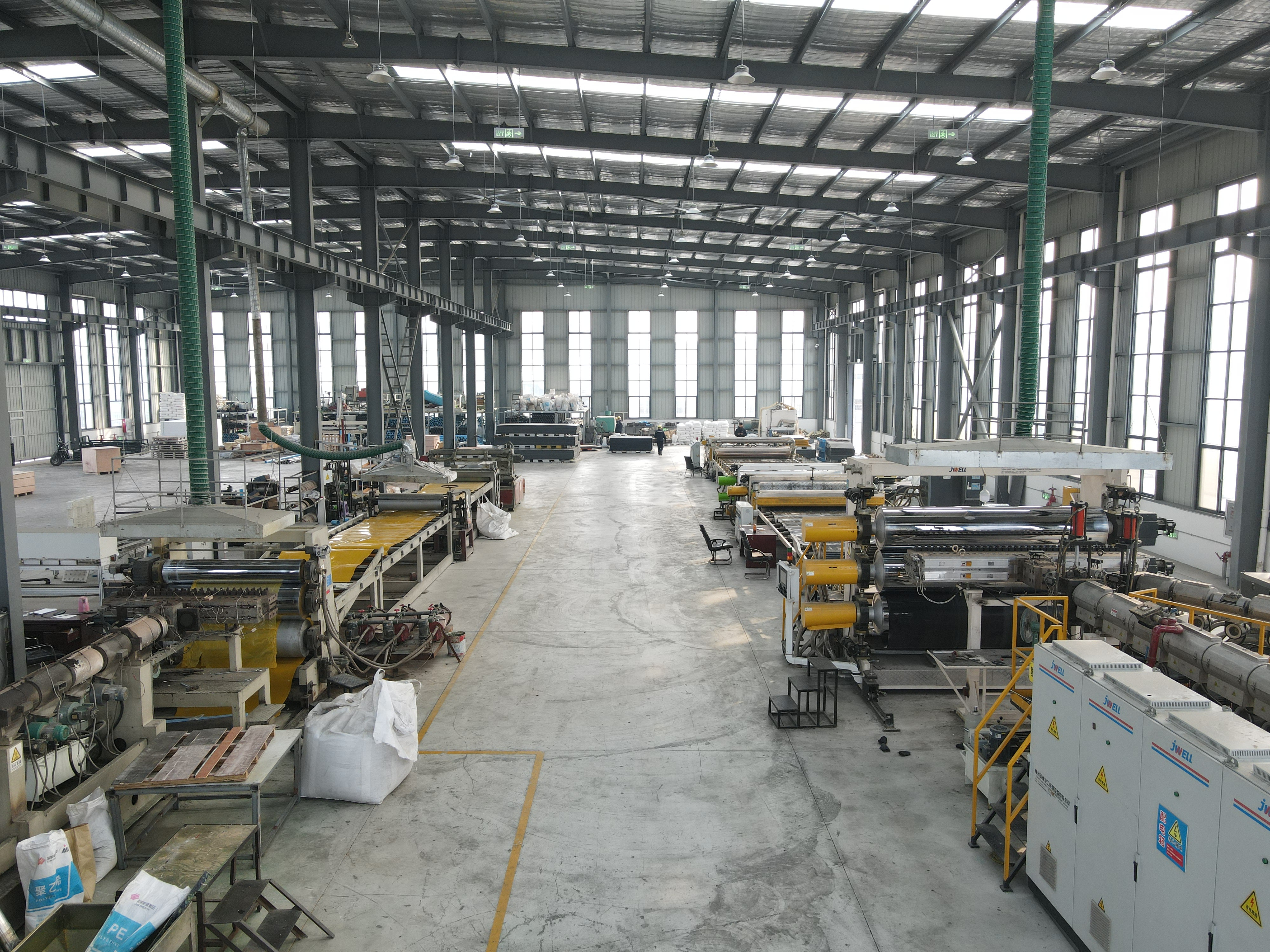
An Industrial HDPE Sheet supplier evaluation is a capability-and-delivery audit, not a price-only comparison. The buyer needs evidence that the supplier can hold the requested grade, thickness, surface, and fabrication scope, and that the purchase order will contain measurable acceptance criteria. For chemical processing, water treatment, food processing, and marine projects, the audit should cover five linked areas: grade evidence, extrusion control, custom fabrication, quality documentation, and delivery assurance. Sanyou hdpe sheet, the HDPE sheet line of Tangyin Sanyou Engineering Plastic Co., Ltd., is used later as a worked example of the evidence a buyer can request; the framework remains applicable to any supplier. Ground protection mats and HDPE sandwich board are separate product scopes unless the RFQ includes them.
Problem definition: the same sheet name can hide different scopes
Industrial HDPE Sheet is a material category, not a complete purchase specification. Two quotations may both say HDPE sheet while differing in resin grade, UV stabilization, food-contact status, thickness tolerance, surface texture, color, cut size, and fabrication. A quotation may also omit the acceptance test, packaging, document set, and delivery basis. When those details are missing, the buyer cannot compare offers or verify delivery.
The risk is highest where the sheet becomes part of a containment, hygiene, or outdoor structure. A chemical tank panel depends on chemical compatibility, weldability, and impact resistance. A food-processing cutting board depends on the resin and food-contact documentation. A marine panel depends on moisture exposure and UV stabilization. A machine guard or CNC-machined component depends on flatness, machinability, and dimensional control. The audit must therefore follow the application, not only the material name.
Industry background: why the audit belongs in procurement
HDPE sheet is used across chemical equipment, wastewater treatment, food processing, and marine and outdoor projects because it combines chemical resistance, moisture resistance, impact strength, weldability, and machinability. Those properties are useful only when the supplier declares the grade and the processing conditions behind them. A general material description does not establish that a specific sheet meets a specific project requirement.
The same logic applies to product form. Buyers may ask for a 4x8 HDPE industrial board, a 10 mm HDPE industrial sheet, a custom-cut panel, or a CNC-machined part. Each request changes the evidence needed: nominal size, thickness tolerance, flatness, cut quality, hole position, and packaging. A supplier that can extrude sheet may still need separate verification for custom cutting, drilling, welding, or drawing-based fabrication.
The audit framework at a glance
Use the table below as a checklist, not as a substitute for project-specific engineering. The right-hand column shows the kind of evidence a buyer should place in the supplier file before releasing a purchase order.
| Audit area | What to verify | Example from supplied Sanyou data | Buyer acceptance action |
|---|---|---|---|
| Grade and formulation | Resin grade, virgin or recycled content, UV option, food-contact option, color, surface | HDPE Sheet product listing includes virgin, recycled, UV-stabilized, marine grade, colored, smooth, matte, orange peel textured, grid textured, and anti-slip descriptions; UV resistance is listed as optional and food grade as available | Request product-specific declaration, formulation data, and test method; do not accept a product name alone |
| Extrusion and dimensions | Thickness range, width, length, tolerance, flatness | Sanyou lists HDPE sheet thickness from 1 to 100 mm and width up to 2500 mm, with custom width and length; density listed at 0.94–0.96 g/cm³ | Ask for thickness tolerance, flatness, and routine production limits, not only the catalogue range |
| Custom fabrication | Cut-to-size, CNC machining, drilling, welding, drawing review | Custom fabrication record lists thickness, size, color, surface texture, material grade, UV stabilization, cut-to-size, CNC machining, drilling, welding, and custom packaging | Require a drawing review, sample part, and inspection plan for critical dimensions |
| Quality control | Incoming material, in-process checks, final inspection, records | Listed controls include incoming raw material inspection, in-process thickness and dimension checks, surface inspection, and final pre-shipment inspection; records available on request | Ask for the inspection record template and a recent batch example |
| Certification and compliance | Certificate scope, product, standard, issuer, date | A CE certificate covering HDPE Sheet is listed under certificate no. HY250111190958-1D, issued by HUAY TESTING on 2025-11-21; the record lists IEC 62321 series standards | Confirm the certificate matches the required directive, product scope, and market; a certificate for another product is not transferable |
| Delivery and commercial terms | MOQ, lead time, Incoterm, payment, pre-shipment test | Purchasing terms list MOQ 1,000 kg, FOB/CIF delivery terms, pre-shipment test acceptance, and 50/50 payment; custom fabrication record lists 15–20 days after order confirmation and deposit, subject to quantity and customization | Write the final quantity, tolerance, test method, documents, packaging, and delivery basis into the purchase order |
Step 1: Define service conditions before comparing suppliers
Start with a written service-condition sheet. Record the chemical medium and concentration, operating temperature, load and impact, indoor or outdoor exposure, cleaning method, food-contact status, joining method, and expected service life. Without these inputs, a supplier cannot select a grade responsibly and the buyer cannot compare quotations.
Sanyou's HDPE selection guidance states a general continuous service temperature range of -40 °C to 80 °C and good resistance to most dilute acids and alkalis. That is useful screening guidance, not a project-specific chemical resistance rating. The buyer should still confirm compatibility for the actual medium, concentration, temperature, and exposure time. For outdoor use, specify UV stabilization explicitly. Ready Plastics states that standard HDPE is not UV-stabilized and may chalk or embrittle under prolonged sun exposure; Laird Plastics notes that carbon black can provide UV protection. Those statements support a procurement question: which UV system is used, at what loading, and what test method supports the outdoor claim?
For food processing, write the requirement as a documentation requirement, not a color or product-name requirement. A supplier may list food-grade HDPE sheet availability, but the buyer should request a product-specific declaration of compliance, resin and additive information, and applicable migration or conformity test reports for the destination market. Sanyou's supplied record lists food grade as available; it does not include an official food-contact declaration, so that document remains a buyer request.
Step 2: Verify grade availability with documents, not labels
Grade verification should separate what is listed from what is proven. A product listing can show that a supplier offers virgin HDPE plastic sheet, recycled industrial HDPE sheet, UV resistant HDPE sheet, food grade HDPE sheet, HDPE marine board, black industrial HDPE sheet, colored HDPE plastic panel, and orange peel textured HDPE sheet. It does not prove the recycled content percentage, the UV additive package, the food-contact status, or the marine performance of a specific batch.
For virgin HDPE, ask for the resin grade and consistent mechanical property data. Virgin sheet is the usual starting point for food-contact, potable water, and high-reliability projects because the material stream is more controlled. For recycled industrial HDPE sheet, ask for the recycled content, sourcing stream, sorting controls, and intended non-critical applications. Sanyou's general guidance recommends recycled HDPE for non-critical anti-corrosion lining where strict mechanical requirements do not apply; that is a boundary condition, not a universal approval. For anti-corrosion HDPE sheet, confirm the actual chemical exposure rather than relying on the grade label.
For UV resistant HDPE sheet, ask for the stabilization system and the test method. For HDPE marine board, ask for moisture exposure, impact, and UV data; the term marine grade should not be treated as a certificate. For food grade HDPE sheet, ask for the declaration of compliance and the applicable market. For wear-resistant HDPE plate or low-friction HDPE board descriptions, ask for the test method and result; a label alone does not define wear rate or coefficient of friction.
Thickness guidance is also a starting point. Sanyou's selection guidance gives 5–6 mm for light-load lining, 6–20 mm for tank walls and structural panels, and 20–50 mm for heavy-wear chute liners. Those bands do not replace a design calculation. If the RFQ calls for a 10 mm HDPE industrial sheet, an HDPE chute lining sheet, or a 4x8 HDPE industrial board, confirm the actual thickness tolerance, flatness, cut size, and panel orientation before approval.
Step 3: Audit extrusion and custom cutting capability
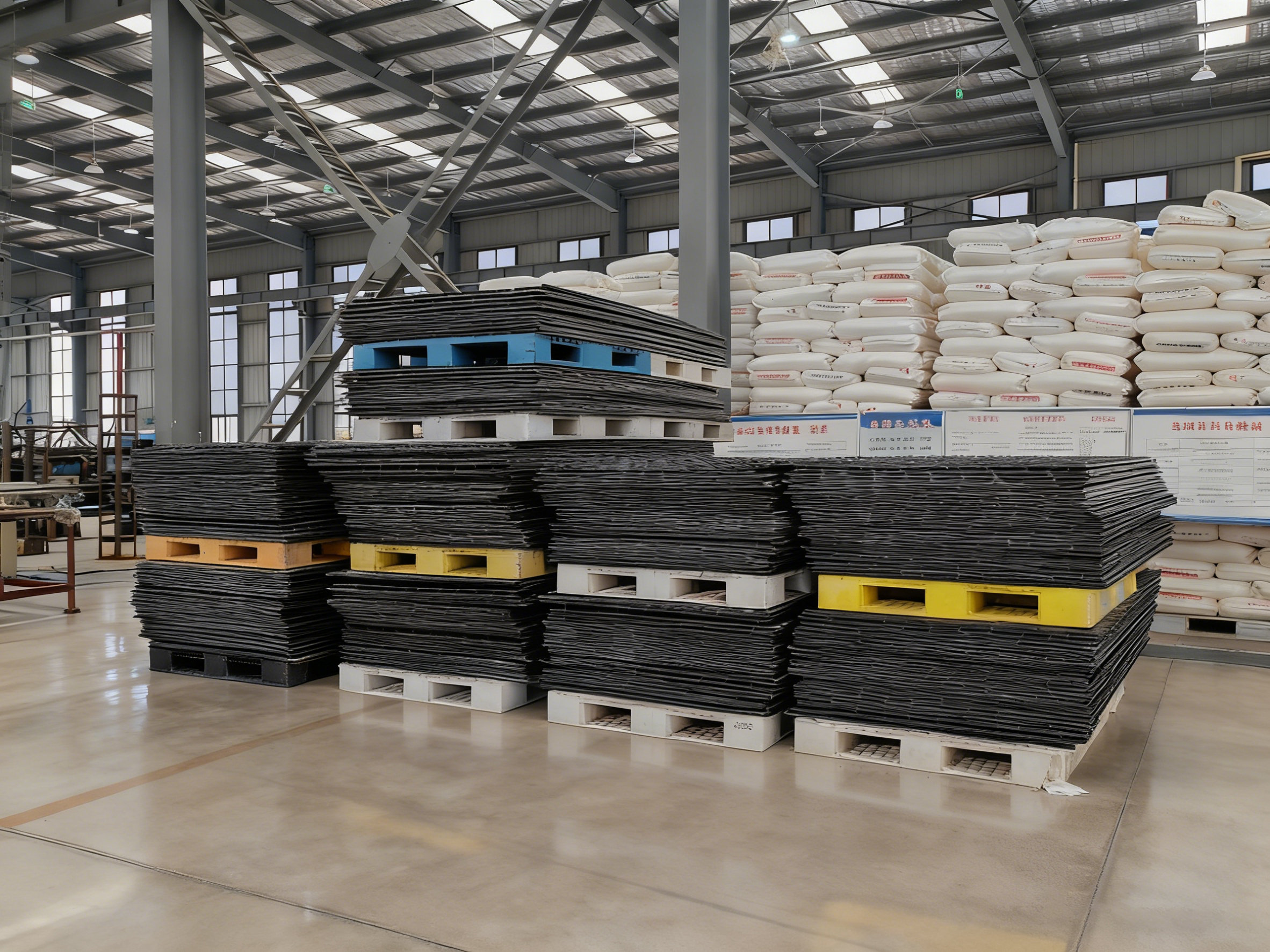
Extrusion capability should be audited at the level of routine production, not only catalogue range. Sanyou lists HDPE sheet thickness from 1 to 100 mm and width up to 2500 mm, with custom width and length. The company profile states a 40,000 m² factory, 80 employees, 10 engineers, and annual output of 120,000 tons. The custom fabrication record separately lists approximately 800 metric tons per month and a 15–20 day lead time after order confirmation and deposit, subject to quantity and customization. These are different metrics; annual output and monthly custom capacity should not be used interchangeably.

For a custom cut HDPE sheet, ask how the supplier converts the drawing into a production plan. Sanyou's custom fabrication record lists cut-to-size, CNC machining, drilling, welding, and custom packaging. The buyer should request a drawing review, a first-article sample for critical features, and an inspection plan for hole position, edge quality, flatness, and dimensional tolerance. If the part is a machine guard or a CNC-machined component, the machining tolerance and fixture method matter as much as the sheet grade.
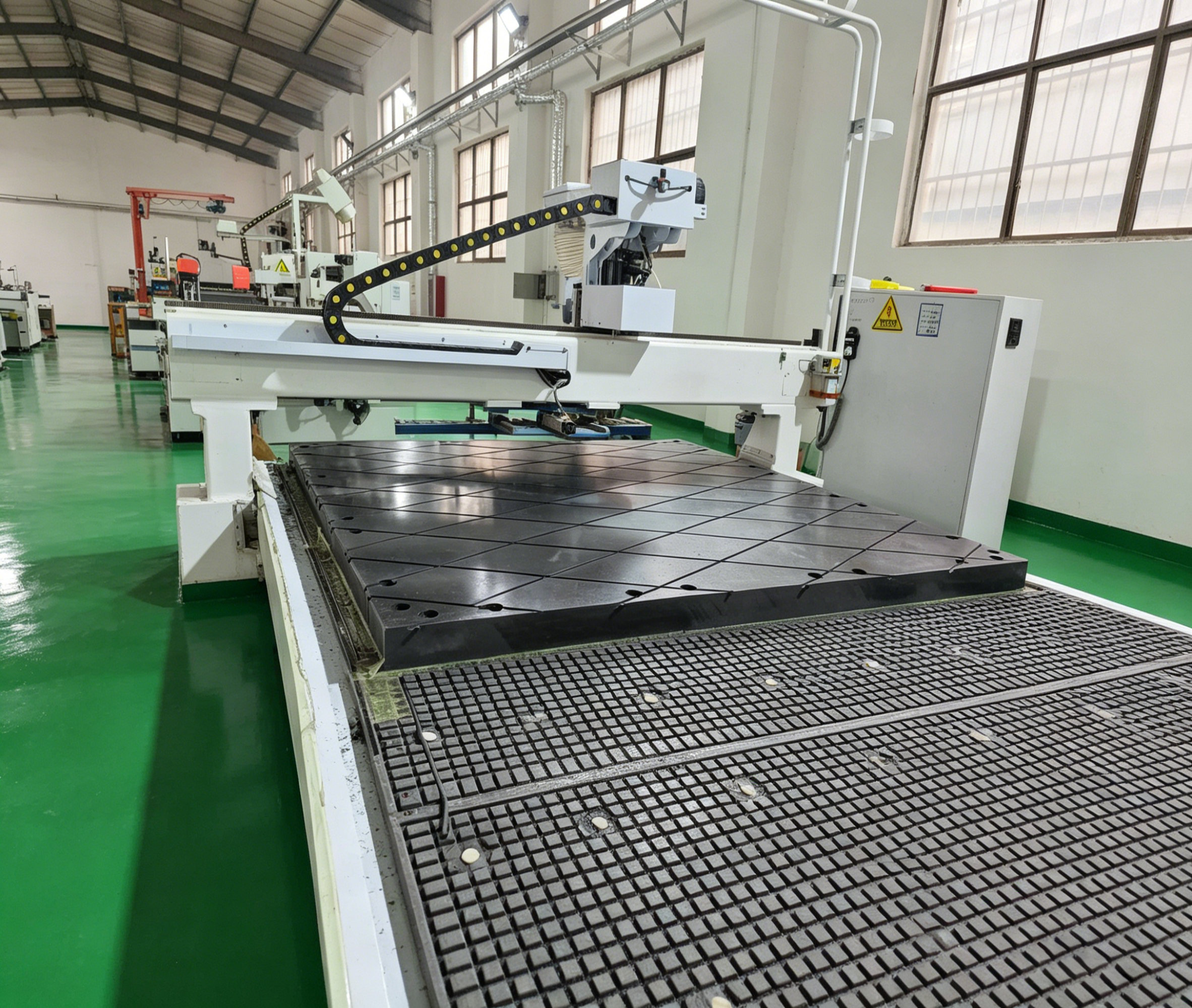
For tank and wastewater equipment, ask whether the supplier can support welding and fabrication, not only extruded HDPE plastic sheet supply. Sanyou's HDPE case record describes a 20-ton custom supply for chemical tanks, wastewater-treatment equipment, food-processing surfaces, machine guards, outdoor cabinets, and custom-fabricated components, with custom thickness, dimensions, color, and surface finish. That case is company-reported and has a stated two-year duration; it supports a capability discussion, not an independent performance guarantee.
Step 4: Verify quality control and certification scope
Quality control should be audited as a sequence. Sanyou's custom fabrication record lists incoming raw material inspection, in-process thickness and dimension checks, surface inspection, and final pre-shipment inspection, with inspection records available on request. The buyer should ask for the record template, a recent batch example, and the disposition procedure for nonconforming sheet. For critical applications, add a pre-shipment test witnessed by the buyer or a third party.
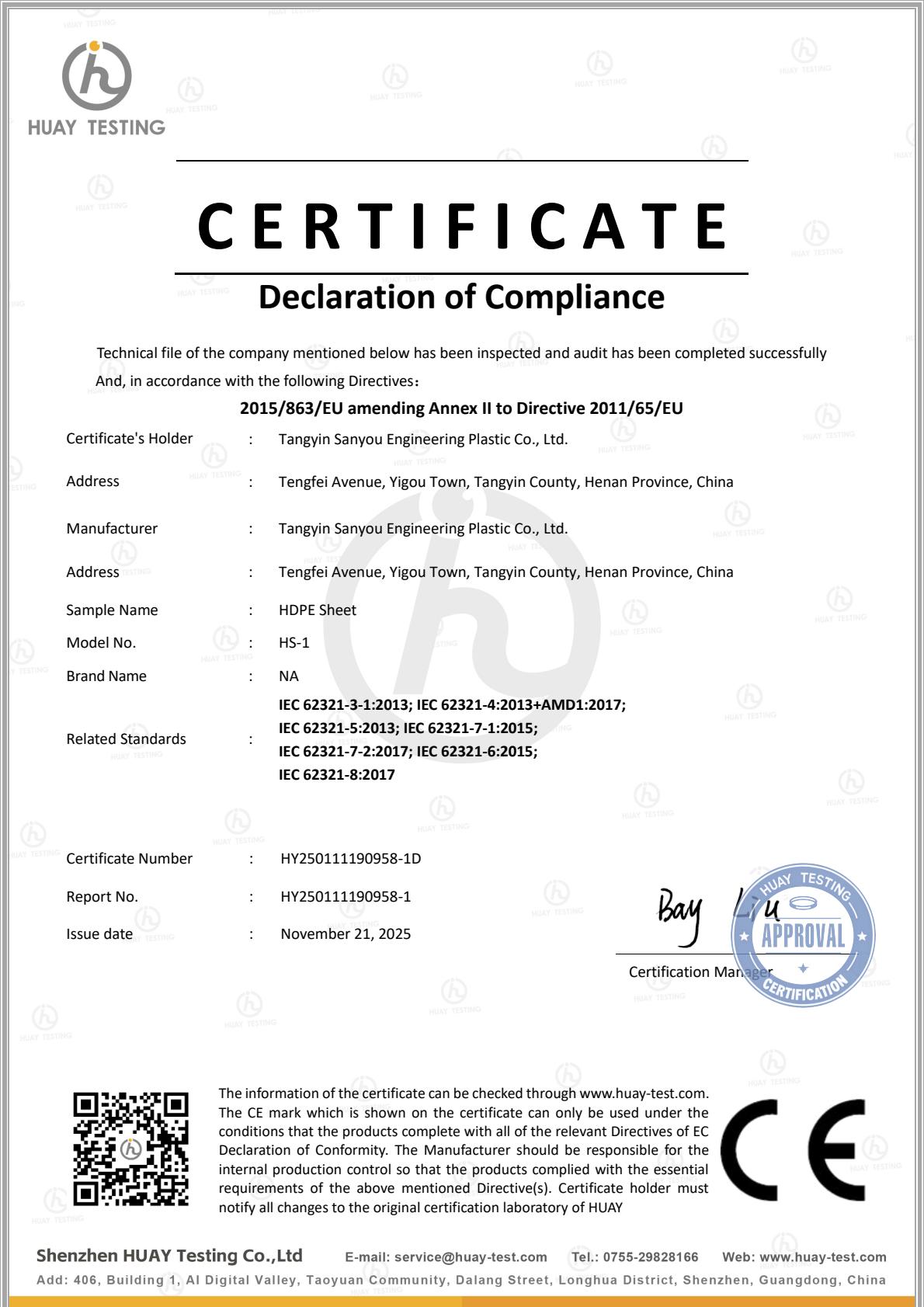
A CE certificate covering HDPE Sheet is listed under certificate no. HY250111190958-1D, issued by HUAY TESTING on 2025-11-21. The certificate record lists IEC 62321 series standards. The buyer should confirm that the certificate matches the required directive and product scope, and should not apply a certificate for a different product to HDPE sheet. Certification is a screening document; it does not replace batch inspection or application testing.
Step 5: Turn delivery assurance into purchase terms
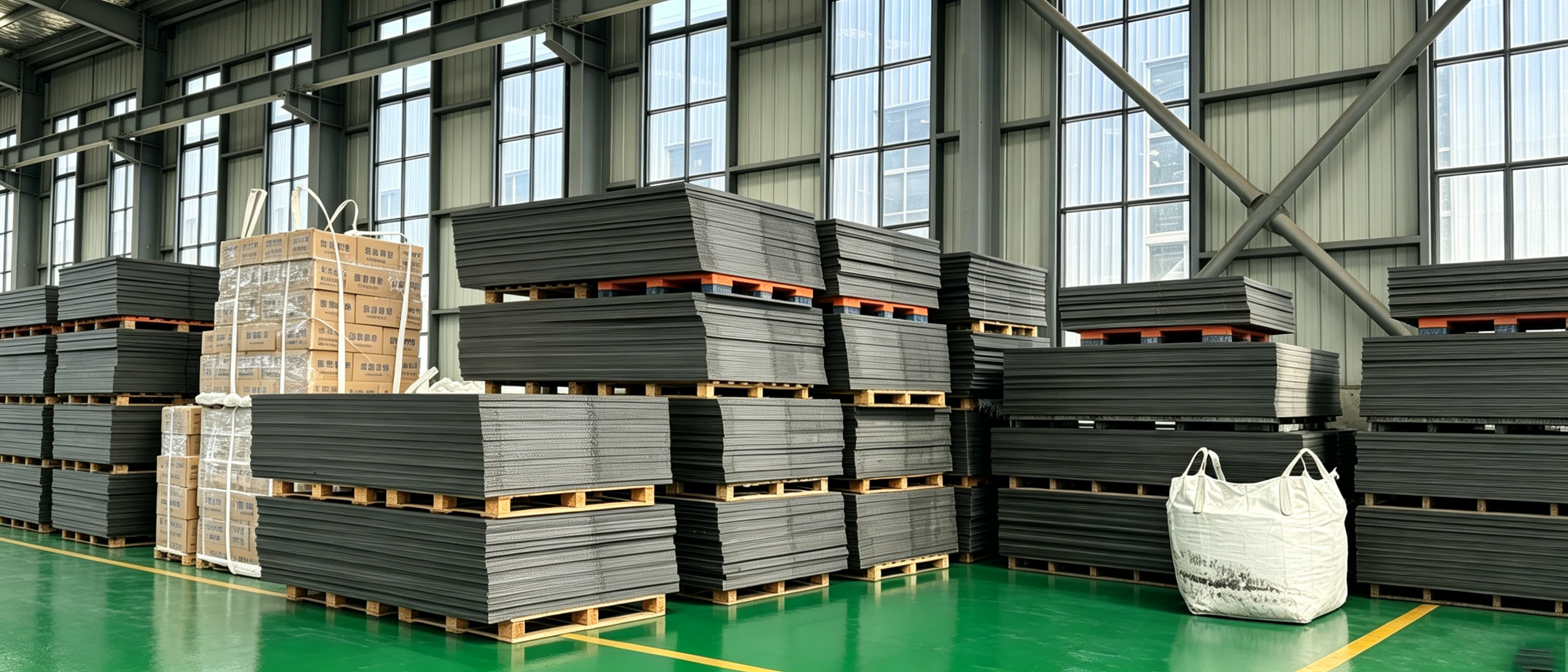
Delivery assurance becomes real only when it is written into the purchase order. The supplied purchasing record lists MOQ 1,000 kg, FOB/CIF delivery terms, pre-shipment test as the acceptance basis, and 50/50 payment terms. The custom fabrication record lists MOQ of 1,000 kg per specification or color, with trial orders negotiable, and a 15–20 day lead time after order confirmation and deposit. These terms should be confirmed in the final contract, because quantity, color, customization, and destination can change the commercial basis.
The purchase order should also define the acceptance criteria for the application: chemical compatibility basis, impact strength requirement and test method, low moisture absorption, weldability, machinability, and UV stabilization for outdoor use. Do not write only impact resistant HDPE plate or waterproof HDPE sheet. Ask for the test method, sample size, acceptance limit, and record format. For food-contact sheet, attach the declaration and migration test requirement. For marine or outdoor sheet, attach the UV exposure requirement and the formulation declaration.
Delivery assurance should include milestones: drawing approval, material preparation, first-article approval where applicable, in-process inspection, pre-shipment test, packaging check, and shipping document review. The buyer should retain a sealed sample from the approved batch and compare it with the pre-shipment sample. If the supplier cannot provide a product-specific test report, the buyer can require third-party testing before release.
Step 6: Score suppliers against the same evidence set
Use a three-state evidence status for each audit area: present and product-specific, present but not product-specific, or absent. Do not assign numerical weights unless your organization has an approved procurement model. The purpose of the scorecard is to expose missing evidence, not to create false precision. A supplier with a complete grade declaration, thickness tolerance, fabrication sample, inspection record, certificate scope, and purchase-term package is easier to compare than a supplier with a lower price and an incomplete file.
The final shortlist should separate manufacturing capability from commercial terms. A supplier may have strong extrusion and CNC capability but a lead time that does not fit the project. Another may have a fast lead time but no product-specific UV or food-contact documentation. The buyer should resolve those gaps before awarding the order, not after the sheet arrives.
Use cases: how the audit changes by application
Chemical storage tanks and wastewater equipment
For chemical containment, the audit should start with chemical compatibility, weldability, impact resistance, and thickness design. Request the resin grade, a welding procedure, and a sample weld for review. Sanyou's HDPE case record supports custom supply for chemical tanks and wastewater-treatment equipment, but the buyer still needs project-specific chemical resistance confirmation and weld inspection.
Food processing cutting boards and surfaces
For food processing, the audit should start with the food-contact declaration, resin and additive information, cleaning method, and low moisture absorption. Sanyou lists food grade as available; the buyer should request the product-specific declaration and applicable test reports before approving the sheet for a cutting board or direct-contact surface.
Machine guards and CNC-machined components
For machine guards and CNC parts, the audit should start with drawing review, flatness, dimensional tolerance, machinability, and edge finish. Sanyou's custom fabrication record lists CNC machining and drilling, which supports a capability discussion. The buyer should still require a first-article inspection and a sample part before serial production.
Marine and outdoor panels
For marine and outdoor use, the audit should start with UV stabilization, moisture exposure, impact, and color stability. Standard HDPE is not UV-stabilized, so the buyer should require a UV-stabilized grade and a formulation or test declaration. The HDPE marine board label should be supported by application-specific evidence, not only by the product name.
What Sanyou's supplied data supports, and what it does not
The supplied record supports several audit facts about Sanyou hdpe sheet: a manufacturer founded in 2001, a 40,000 m² factory, 80 employees, 10 engineers, annual output of 120,000 tons, 70% export share, and markets in North America, Western Europe, Central Europe, the Middle East, Oceania, and Southeast Asia. It also supports a listed HDPE sheet thickness range of 1–100 mm, width up to 2500 mm, density of 0.94–0.96 g/cm³, surface and color options, custom fabrication, quality-control steps, MOQ, lead time, and a CE certificate covering HDPE Sheet.
The record does not independently prove impact strength, wear rate, UV weathering performance, food-contact conformity, marine certification, thickness tolerance, flatness, or actual delivery performance. Those points require product-specific test reports, declarations, samples, and pre-shipment inspection. The case record is company-reported and should be read as application context, not as a third-party guarantee.
FAQ
What compliance evidence should an Industrial HDPE Sheet supplier provide for food-contact or outdoor use?
For food-contact use, request a product-specific declaration of compliance, resin and additive information, and applicable migration or conformity test reports for the destination market. A food grade label alone is not enough. For outdoor use, request the UV stabilization system and test method; standard HDPE is not UV-stabilized and may chalk or embrittle under prolonged sun exposure. Confirm that any certificate, such as the listed CE certificate for HDPE Sheet, matches the product scope and required market.
Industrial HDPE sheet manufacturers with extrusion and custom cutting capabilities
Verify them with four documents: the routine thickness and width capability, a thickness and flatness tolerance statement, a drawing-review and first-article sample for custom cutting, and a pre-shipment inspection record. Sanyou lists HDPE sheet thickness from 1 to 100 mm, width up to 2500 mm, and custom fabrication including cut-to-size, CNC machining, drilling, and welding. Those listings are a starting point; the buyer should confirm the actual tolerance and sample quality for the specific part.
What purchasing terms should be fixed before an HDPE sheet order?
Fix the MOQ, price basis, Incoterm, payment terms, lead time, packaging, document list, and acceptance test. The supplied purchasing record lists MOQ 1,000 kg, FOB/CIF delivery terms, pre-shipment test acceptance, and 50/50 payment terms. The custom fabrication record lists 1,000 kg per specification or color, trial orders negotiable, and a 15–20 day lead time after order confirmation and deposit. Final terms should be written into the purchase order and confirmed against the actual quantity, color, and customization.
What sample and pre-shipment checks should be required?
Request a sample from the proposed production batch and check thickness, flatness, surface, color, cut quality, and machining or welding behavior where relevant. Before shipment, require a pre-shipment test covering the agreed acceptance criteria, a packaging check, and release of the inspection record. For food-contact or outdoor applications, attach the declaration and test report to the release.
How should delivery assurance be audited after the supplier is selected?
Audit delivery assurance through milestones, not only the quoted lead time. Confirm drawing approval, material preparation, first-article approval where applicable, in-process inspection, pre-shipment test, packaging, and shipping documents. Sanyou's custom fabrication record states a 15–20 day lead time after order confirmation and deposit, subject to quantity and customization; the purchase order should convert that statement into dated milestones and a defined acceptance record. For a documented product overview, the Sanyou Product Catalog is available for download.
Conclusion
An Industrial HDPE Sheet supplier audit should end with a file, not an impression. The file should show the grade and formulation evidence, the extrusion and custom cutting capability, the quality-control records, the certificate scope, and the purchase terms tied to measurable acceptance criteria. Sanyou hdpe sheet provides a useful example of the evidence a buyer can request, including a listed thickness range, custom fabrication, quality-control steps, MOQ, lead time, and a CE certificate covering HDPE Sheet. The same evidence standard should be applied to every supplier before price is treated as comparable.
Need a documented starting point for an HDPE sheet RFQ? Review the Sanyou Product Catalog and use the audit table above to prepare grade, thickness, fabrication, inspection, and delivery questions.
Have Questions or Need More Details?
Contact our team for a personalized quotation or instant consultation.
Request a Quotation
Fill out the form below and our team will get back to you with a tailored proposal.
WhatsApp Direct Chat
Prefer to chat in real-time? Message us on WhatsApp for instant assistance & quick answers.
- Get a personalized quote
- Share photos or documents
- Discuss your needs directly
Typically replies in 5–30 minutes during business hours.