
Industrial HDPE Sheet for Chemical Storage Tanks and Wastewater Equipment: Application Guide
Industrial HDPE sheet is a high-density polyethylene board specified as a corrosion-resistant, moisture-resistant and impact-resistant fabrication material for chemical containment and liquid containment equipment. In chemical processing plants and water/wastewater treatment facilities it is cut, welded and machined into storage tank walls and liners, scrubber bodies and ductwork, tank covers, piping supports, pump and valve components, and treatment-unit internals.
The material decision is rarely about the sheet alone. A tank, scrubber or treatment unit is only as leak-tight as its seams, and only as durable as the grade and thickness chosen for the medium, temperature and load it will see. This guide is written for the engineers, EPC subcontractors and procurement teams who have to turn a process duty into a sheet specification, a fabrication method and an acceptance check.
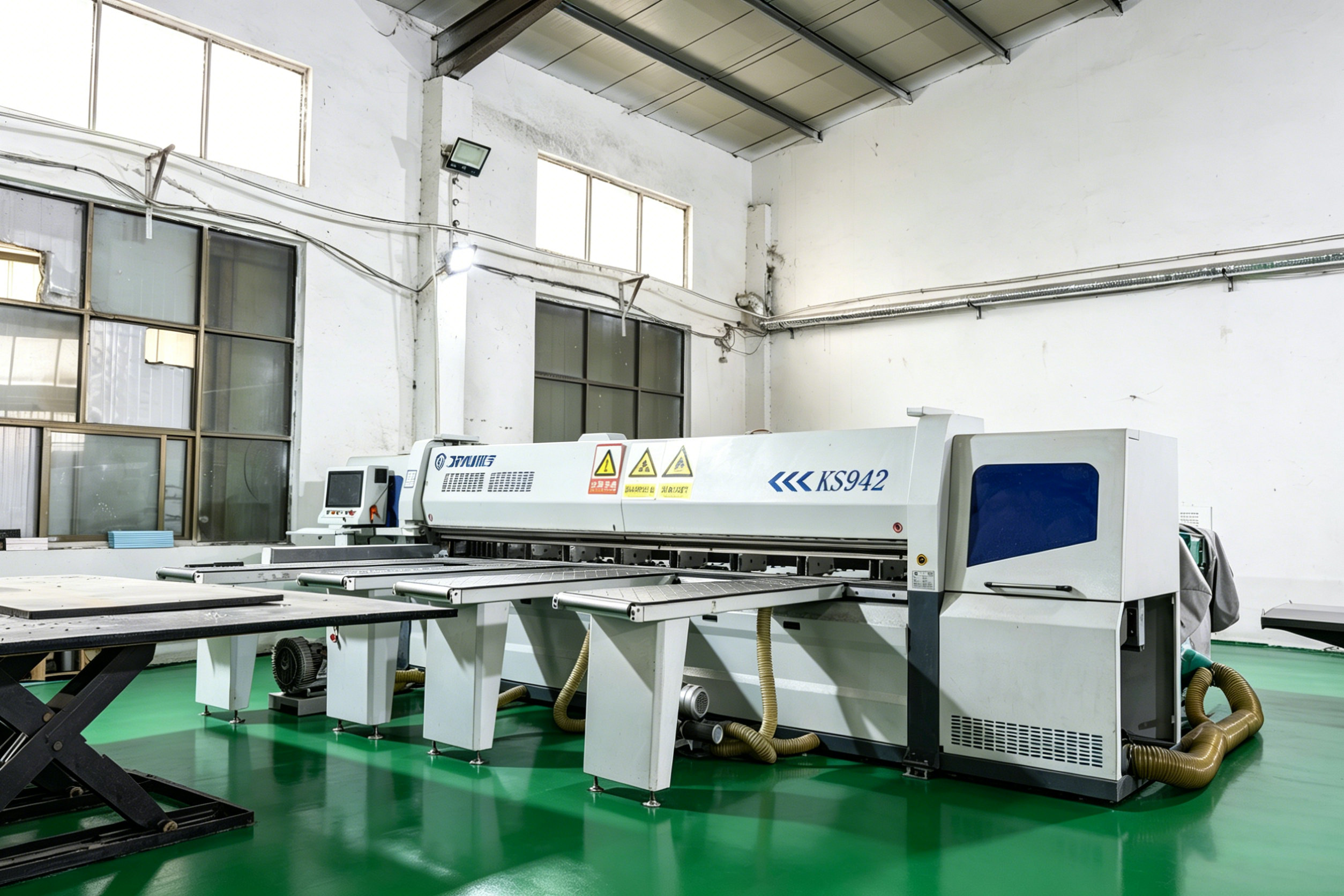
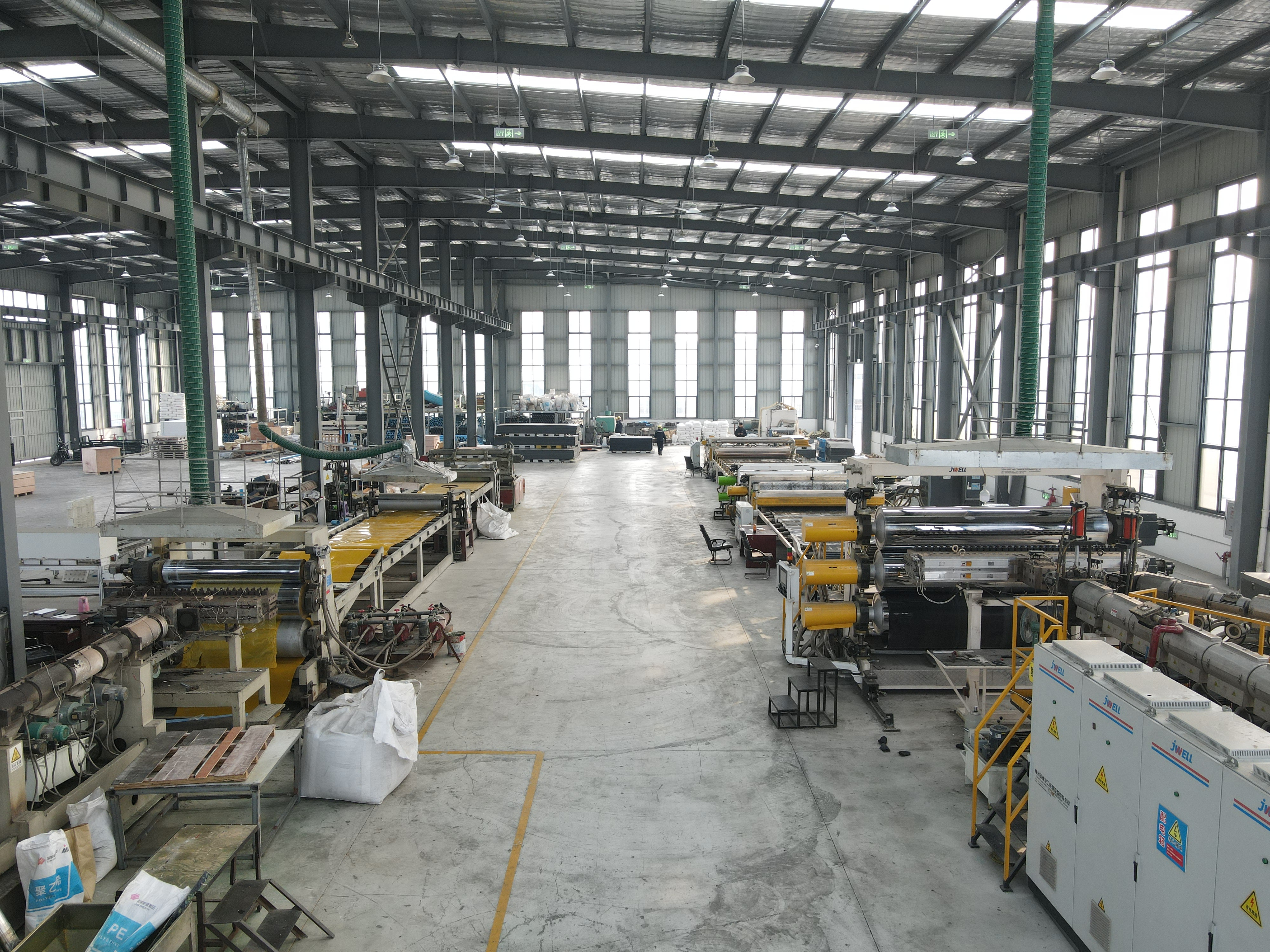
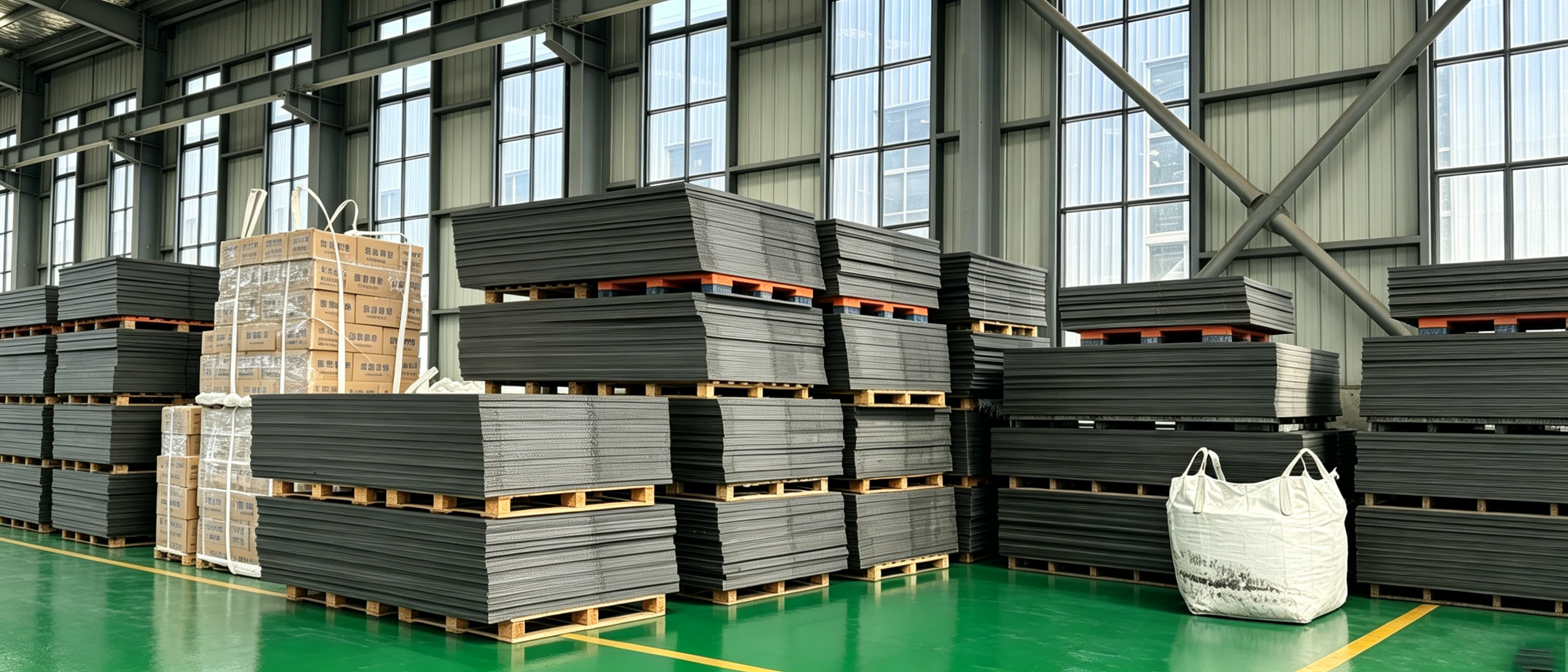
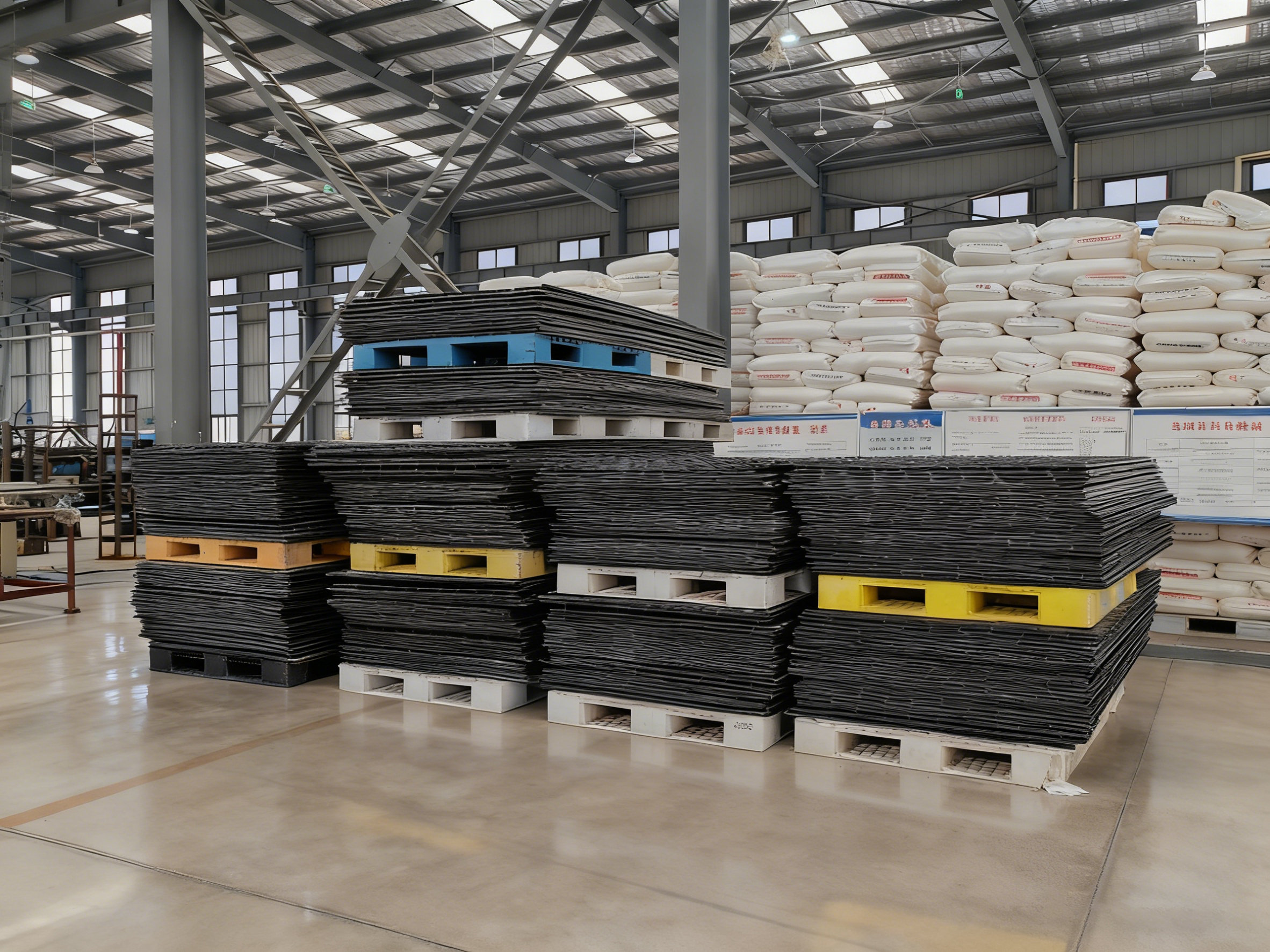
Sanyou hdpe sheet is the HDPE sheet line produced by Tangyin Sanyou Engineering Plastic Co., Ltd., an engineering plastics manufacturer founded in 2001 in Tangyin County, Henan, China. The company operates a 40,000 m² factory with 80 employees, a 10-engineer technical team and an annual output of 120,000 tons across HDPE sheet, UHMWPE sheet, PP sheet, HDPE sandwich board and ground protection mats, with approximately 70% of output exported.
What Industrial HDPE Sheet Does in Chemical and Wastewater Equipment
In this equipment class, HDPE sheet performs three jobs at once. It provides the wetted surface that resists the process medium, it provides the structural panel that carries the liquid load, and it provides the weldable joint that keeps the assembly leak-tight. The same sheet may serve all three functions in a small tank, or only one of them in a large vessel where the sheet is used as a liner inside a supporting structure.
The material is listed with acid, alkali, salt and oil resistance, a 24-hour water absorption below 0.01%, and a working temperature range of −60 °C to +80 °C for the standard Sanyou HDPE sheet specification. It is weldable, cuttable and CNC machinable, which is what allows a flat sheet to become a tank wall, a duct section, a chute liner or a machined valve component.
Decision rule: choose HDPE sheet where the duty is wet, corrosive at ambient or moderately elevated temperature, and impact-prone. Where the duty is continuously above the material's service temperature, or where high structural rigidity is the governing requirement, the sheet is the wrong starting point regardless of thickness.
Problem Definition: Where Chemical Containment and Wastewater Equipment Fail
Chemical storage and wastewater equipment tends to fail at a small number of predictable points, and each point maps to a different property of the sheet.
Wetted-surface corrosion is the first. Acids, alkalis, salt solutions, cleaning agents and mixed wastewater attack the internal surface, the liquid line, and the splash zone above it. Steel plate depends on a coating or on alloy selection, and once the coating is breached, rust returns and the repair cycle starts again.
Weld-seam leakage is the second, and in fabricated plastic equipment it is usually the governing one. A sheet with correct properties can still produce a leaking tank if joint preparation, welding parameters or inspection are weak. This is why leak-tight fabrication has to be specified as a process requirement, not assumed from the material data sheet.
Impact cracking is the third. Tank walls, chute liners and equipment guards are struck during cleaning, maintenance and material loading. HDPE sheet is listed with an impact strength of at least 20 kJ/m² and an elongation at break of at least 300%, which is the property basis for using it in impact-prone positions.
Moisture absorption and dimensional drift is the fourth. A material that takes up water will swell, distort and lose joint integrity in wet service. The listed 24-hour water absorption of below 0.01% is the relevant figure here.
UV degradation is the fifth, and it only applies outdoors. Standard HDPE is not UV-stabilized and may chalk or embrittle under prolonged outdoor sun exposure, so outdoor tanks, covers and open treatment structures need a stabilized grade rather than the standard one.
Industry Background: Why Sheet-Level Material Choice Matters
Chemical processing and water treatment are among the most demanding environments for fabricated equipment because the equipment is simultaneously wet, chemically loaded and frequently inspected or cleaned. Material selection therefore has to satisfy the process medium and the maintenance routine at the same time.
HDPE is a high-volume material, and semi-finished sheet is a significant part of that volume. A commercial research estimate places the sheets and films segment at approximately 41.1% of global HDPE demand, which reflects how much of the polymer is converted into flat stock rather than moulded parts. For a project engineer, that scale matters because it means sheet supply, fabrication practice and welding standards are widely established rather than niche.
Trade classification is less helpful than it appears. Non-cellular, non-reinforced ethylene polymer plates, sheets, film, foil and strip sit under one broad customs description, so import statistics have to be filtered by product boundary before they can support a sheet-level sourcing decision. The classification confirms the product family; it does not on its own describe industrial HDPE sheet.
Deployment is international. This material class is routinely specified for installations in the United States, Canada, Germany, France, Australia and the UAE, among other markets. Sanyou's stated main markets — North America, Western Europe, Central Europe, the Middle East, Oceania and Southeast Asia — cover those regions, which means specification practice has to accommodate more than one set of project conventions, documentation expectations and unit standards.
The Detailed Solution: Specifying HDPE Sheet for Corrosive and Wet Service
The solution is a specification, not a single number. Four decisions have to be made together: the resin grade, the sheet thickness, the fabrication method, and the extent to which the same material is applied to the supporting equipment around the vessel.
Material specification data
The following values are the listed specification for the standard Sanyou HDPE sheet range. They are the numbers to place in a project datasheet before any commercial discussion begins.
| Property | Listed value |
|---|---|
| Material | Virgin HDPE (High-Density Polyethylene) |
| Density | 0.93–0.97 g/cm³ |
| Thickness | 2–50 mm, custom thickness available |
| Standard sheet sizes | 1000 × 2000 mm, 1220 × 2440 mm, 1500 × 3000 mm, 2000 × 4000 mm |
| Tensile strength | ≥ 22 MPa |
| Elongation at break | ≥ 300% |
| Hardness | 60–68 Shore D |
| Impact strength | ≥ 20 kJ/m² |
| Melting point | 130–140 °C |
| Working temperature | −60 °C to +80 °C |
| Water absorption (24 h) | < 0.01% |
| Coefficient of friction | 0.15–0.25 |
| Chemical resistance | Acid, alkali, salt, oil |
| Surface | Smooth, or anti-skid texture (diamond, orange peel, embossed) |
| Colours | Black, white, blue, green, yellow, custom |
| Certification listed | ISO 9001 |
For general continuous service, HDPE guidance is commonly stated as −40 °C to +80 °C depending on grade and working conditions, with good resistance to most dilute acids and alkalis. The wider −60 °C to +80 °C figure is the working temperature listed for this sheet range. Where a project sits near the upper limit, the duty should be confirmed against the actual medium and cycle rather than assumed from the headline number.
Grade selection: virgin, recycled and UV-stabilized
Virgin HDPE sheet provides stable mechanical performance and is the grade recommended for food-contact, potable water and high-reliability projects. In chemical and wastewater service, this is the default where the vessel is critical, where wall thickness is being used structurally, or where the equipment is downstream of a hygienic process.
Recycled HDPE sheet is recommended for non-critical anti-corrosion lining and for cost-sensitive projects where strict mechanical requirements are not present. It is a rational choice for protective panels, secondary containment surfaces and general liners, provided the recycled material grade and the actual application conditions are confirmed before release.
UV-stabilized HDPE sheet is recommended for long-term outdoor applications, where it reduces ageing and chalking. This is the grade for open tanks, outdoor covers, exposed ductwork and coastal installations. Note that UV resistance is listed as an option rather than a standard feature of every sheet, and carbon black is one recognised route to UV protection. A project that will sit in sun for years should specify the stabilized grade explicitly instead of assuming it from colour alone.
A food-grade option is also listed for the range. Availability of a food-grade option is a product attribute, not proof of regulatory conformity, so the applicable declaration and test documentation still has to be requested for the destination market.
Welding, machining and leak-tight fabrication
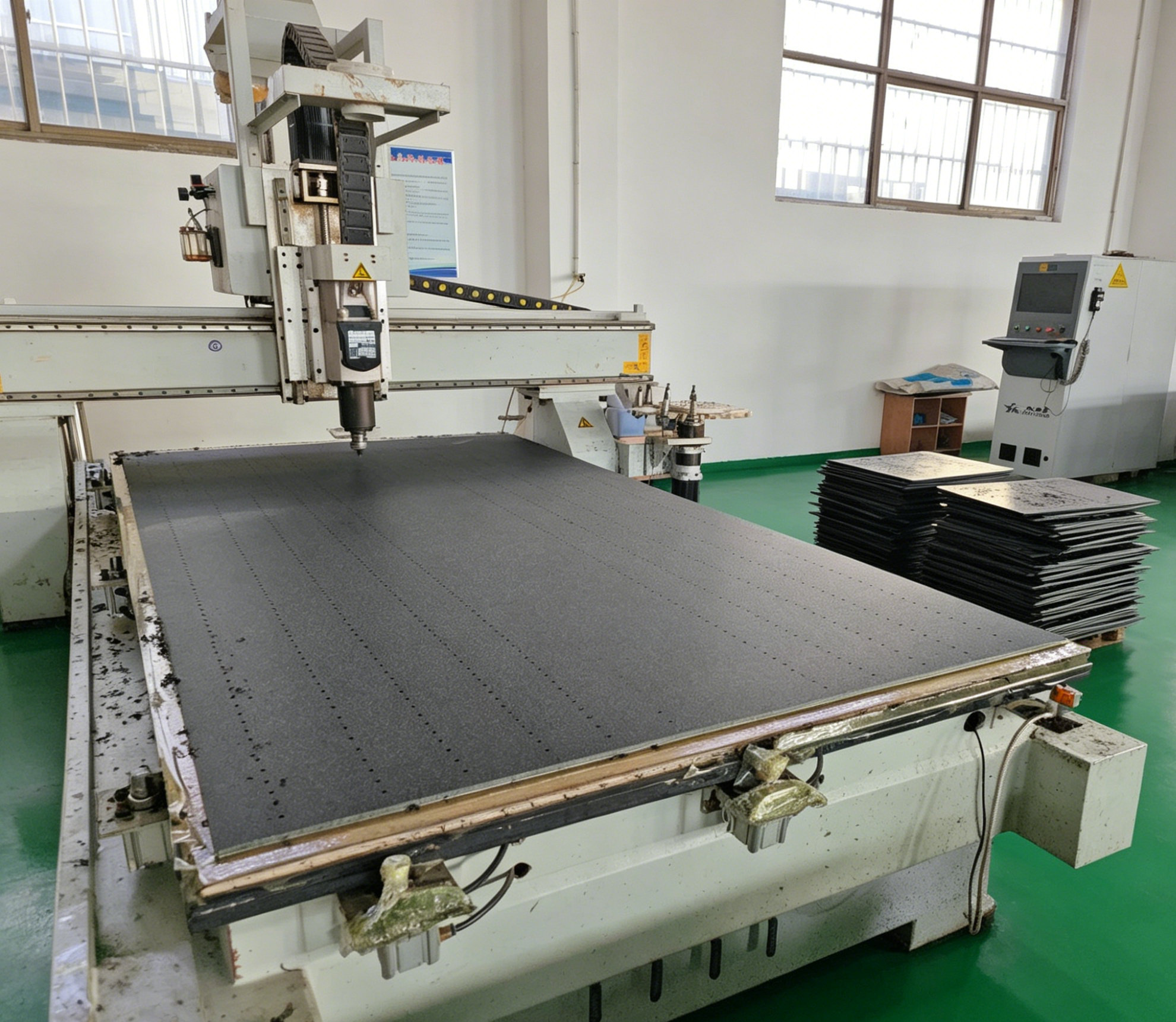
Leak-tightness is created at the seam. HDPE sheet is weldable, cuttable and CNC machinable, and its water absorption is low enough that the material itself does not swell at the joint. What determines whether a tank holds liquid is the fabrication sequence: joint geometry, surface preparation, welding parameters, cooling and inspection.
Two practical consequences follow. First, the fabricator's welding procedure belongs in the project documentation alongside the sheet specification, because a correct sheet with an uncontrolled weld still produces a leaking vessel. Second, machined components should be designed around the sheet's behaviour. HDPE has a coefficient of friction between 0.15 and 0.25, which is an advantage in chutes and guides but means fasteners and supports must be designed to prevent creep and over-tightening.
Sanyou's production process covers raw material selection, sheet forming, cutting, machining, quality inspection, packaging and delivery, which is the sequence a buyer should map onto the fabrication route used on site. Where a project requires custom cut HDPE sheet or machined parts, the drawing and the tolerance expectation belong in the same enquiry as the material grade.
Supporting equipment covered by the same material decision
Chemical containment is a system, and the material decision usually extends beyond the primary vessel. The same HDPE sheet specification is applied to:
- Chemical storage tanks, tank walls and loose or bonded liners
- Scrubber bodies, ductwork, stack liners and ventilation components
- Piping supports, saddles, brackets and pipe sleeves
- Pump bases, pump guards and valve components or liners
- Wastewater treatment tanks, neutralisation and dosing stations
- Clarifier covers, trench and channel liners, and equipment guards
Treating these as one material family has a practical benefit for long-term operation: one welding procedure, one spare-sheet stock and one inspection routine can cover the whole installation instead of several incompatible ones.
Step-by-Step Breakdown: Specifying an HDPE Sheet System
The sequence below is the order in which the decisions constrain each other. Skipping a step usually means returning to it after the drawing has been issued.
- Define the medium and its concentration. Identify every fluid the surface will contact, including cleaning agents and occasional spillage, not only the nominal process liquid. HDPE is listed with acid, alkali, salt and oil resistance; the specific medium still has to be matched to the grade.
- Fix the working temperature and the thermal cycle. Compare the maximum continuous temperature and any cleaning or process excursions against the −60 °C to +80 °C working range. A duty that spends time near the upper limit needs explicit confirmation.
- Establish the liquid load and the support condition. Decide whether the sheet is a self-supporting wall or a liner over a backing structure. This decision drives thickness more than any other single input.
- Select the resin grade. Virgin for critical, hygienic or structurally loaded service; recycled for non-critical lining and cost-sensitive protection; UV-stabilized for outdoor exposure; food-grade option where the application requires it and the documentation supports it.
- Set the thickness from the duty, not from habit. Use the reference bands in the next section as a starting point, then adjust for load, impact and fabrication allowance.
- Design the joints and specify the welding procedure. Joint geometry, weld type, preparation and inspection method belong in the fabrication package. This is the step that determines leak-tightness.
- Confirm sheet format, surface and colour. Standard sizes are 1000 × 2000 mm, 1220 × 2440 mm, 1500 × 3000 mm and 2000 × 4000 mm, with custom dimensions available. Smooth or textured surfaces and standard or custom colours are both listed options.
- Write the acceptance check. Sanyou's stated purchasing terms use pre-shipment test as the acceptance criterion, so the test scope, the dimension check and the documentation set should be agreed before production rather than after.
Thickness reference for tanks, liners and chute work
Thickness is the most frequently disputed line item in a sheet specification, because a thicker sheet solves mechanical problems and a thinner one solves budget problems. The published reference bands give a defensible starting position.
| Duty | Thickness reference | Typical position |
|---|---|---|
| Light-load lining | 5–6 mm | Protective lining over a backing structure, low-impact covers, secondary surfaces |
| Tank wall and structural panel | 6–20 mm | Chemical storage tank walls, scrubber bodies, duct sections, treatment-unit panels |
| Heavy-wear chute liner | 20–50 mm | Chutes, hoppers, transfer points and high-impact wear positions |
The standard range extends from 2 mm to 50 mm with custom thickness available, so a project that falls between these bands is a specification question rather than a supply limitation. The reference bands assume the sheet is supported as intended; an unsupported span changes the calculation.
Use Cases
Chemical storage tanks and tank liners
This is the core application. The sheet forms the wall, the base or a liner inside a supporting shell, and the governing requirements are chemical compatibility, reliable welding strength and leak-tight fabrication. Virgin grade is the usual choice where the contents are critical or the vessel is structurally loaded.
Scrubbers, ductwork and ventilation components
Scrubber bodies and exhaust ducts combine wet internal conditions with chemical loading and, frequently, outdoor exposure. A UV-stabilized grade covers the external face; the internal surface relies on the same corrosion resistance used in the tank.
Electroplating, pickling and surface-treatment lines
Plating and pickling tanks expose the sheet to acids, salts and rinse water, often with repeated handling impact. The material's combination of chemical resistance and impact strength is the reason it appears in these lines alongside the storage tanks that feed them.
Wastewater treatment equipment
Treatment units, neutralisation stations, dosing equipment, covers and channel liners operate continuously in wet, mildly aggressive conditions. The low water absorption matters here because these units are rarely fully dry, and the moisture resistance of the sheet protects dimensional stability over a long service life.
Chutes, hoppers and material-handling wear points
Where the duty combines corrosion with abrasion, the sheet moves into the 20–50 mm band. Its low coefficient of friction also reduces sticking and build-up, which is why the same material family appears in chute lining and in low-friction guide components.
Outdoor and coastal installations
Outdoor tanks, covers, exposed pipework and coastal facilities combine sun, salt and moisture. Standard HDPE is not UV-stabilized and may chalk or embrittle under prolonged sun exposure, so the UV-stabilized grade is the correct specification for these positions.
Comparison Table: HDPE Sheet, Steel Plate and PTFE Sheet
The comparison below is limited to facts available in the supplied material data and supplier comparisons. A dash means no comparable statement was provided for that cell.
| Criterion | Industrial HDPE Sheet | Traditional steel plate | PTFE sheet |
|---|---|---|---|
| Corrosion and rust | Resistant to acid, alkali, salt and oil; zero rust | Requires coating; rust returns when the coating fails | — |
| Weight | Up to 80% lighter than steel; lower density than PTFE | Heavier baseline material | Higher density than HDPE |
| Impact and wear | Higher impact strength and wear resistance than PTFE; listed impact strength ≥ 20 kJ/m² | — | Lower impact strength than HDPE in the supplier comparison |
| Fabrication | Weldable, cuttable, CNC machinable; easier to process than PTFE | — | Harder to process for large-area components |
| Maintenance | No rust treatment or painting; easier cleaning, handling and replacement | Rust treatment and painting required | — |
| Relative cost | Lower transport and installation cost than steel; lower material and processing cost than PTFE for general industrial work | — | Higher material and processing cost than HDPE for general industrial work |
| Common fit | Chemical containment, wear liners, chute liners, equipment components, outdoor applications | — | Wear liners, chute liners, conveyor components, cutting boards, equipment protection |
The practical reading is straightforward. Against steel, HDPE wins on corrosion and weight and loses on nothing that the supplied data quantifies, but steel remains the reference where structural rigidity is the driver. Against PTFE, HDPE wins on impact strength, processability and cost for general industrial work, while PTFE retains its own position in applications that specifically require it.
FAQ
What documentation should be requested for HDPE sheet used in chemical and wastewater service?
Request four items: the resin grade and supplier declaration, the sheet specification including thickness and dimensional tolerance, the pre-shipment test record, and any food-contact or potable-water conformity document required in the destination market. Sanyou lists ISO 9001 certification and offers a food-grade HDPE sheet option; an option listing does not by itself establish regulatory conformity, so the applicable declaration and test documentation should be confirmed project by project.
Can industrial HDPE sheet be welded and machined into leak-tight tanks and equipment?
Yes. HDPE sheet is weldable and CNC machinable, and its 24-hour water absorption is below 0.01%, so the material itself does not swell or wick at the joint. Leak-tightness depends on joint design, surface preparation, welding parameters and inspection rather than on the sheet alone. Sanyou's production process covers raw material selection, sheet forming, cutting, machining, quality inspection, packaging and delivery, and the sheet is supplied as weldable, cuttable and CNC-machinable stock.
What drives the cost of an industrial HDPE sheet order for a chemical or wastewater project?
The main cost drivers are thickness, sheet dimensions, resin grade, colour, surface texture, machining content and order quantity. Virgin HDPE is used where stable mechanical performance and hygiene matter; recycled HDPE is positioned for non-critical anti-corrosion lining and cost-sensitive projects. Commercial terms also shape landed cost: Sanyou's stated purchasing terms are a 1,000 kg MOQ, FOB or CIF delivery, pre-shipment test acceptance and 50/50 payment. Against steel, HDPE sheet is cited as up to 80% lighter, which lowers transport and installation cost, and it needs no rust treatment or painting over its service life.
How can a buyer validate HDPE sheet before full-scale fabrication?
Validate in three steps. First, confirm the written specification: grade, thickness, dimensions, surface finish and colour. Second, request a sample or trial sheet and run a welding trial on the joint configuration that will be used in production. Third, inspect the weld and the cut edges before releasing the full order. The welding trial is the most direct check available, because leak-tightness is created at the seam, not in the sheet. Sanyou produces to custom sizes, thicknesses, colours and specifications, so the trial can be run on the same specification intended for the project.
What determines lead time for a large industrial HDPE sheet order?
Lead time is set by thickness, sheet format (standard 1220 × 2440 mm or a custom 2000 × 4000 mm panel), colour and surface texture, machining content, order quantity and shipping terms. Non-standard dimensions and CNC-machined parts add process steps after sheet forming, and FOB or CIF terms change the transport leg. Sanyou operates a 40,000 m² factory with an annual output of 120,000 tons across its product lines and confirms delivery per project. To receive a project-specific indication, send the thickness, dimensions, grade and drawing to sandy@syuhmwpe.com or WhatsApp +86 199-3737-2858.
Conclusion
Industrial HDPE sheet earns its place in chemical storage tanks and wastewater equipment for a specific combination of reasons: it resists acid, alkali, salt and oil, it absorbs almost no water, it takes impact without cracking, and it can be welded and machined into leak-tight assemblies. Those properties map directly onto the failure modes that actually occur in this equipment — wetted-surface corrosion, seam leakage, impact damage, moisture-driven distortion and, outdoors, UV ageing.
The specification discipline is what separates a project that performs from one that leaks. Fix the medium and temperature first, decide whether the sheet is structural or a liner, choose the grade, set thickness from the duty, and write the welding procedure and the acceptance check into the package. Where the duty moves above the material's temperature range or demands high rigidity, the correct decision is a different material, not a thicker sheet.
For buyers working through this sequence on a live project, the next practical step is to convert the duty into a datasheet and test the joint that will be welded in production.
Request a Sample, a Quote or the Product Catalog
Send the medium, working temperature, sheet thickness, dimensions and fabrication drawing, and Sanyou will confirm the grade, the sheet format and the delivery basis for your project. Standard and custom sizes, colours and surface textures are available, with pre-shipment testing as the stated acceptance criterion.
Email: sandy@syuhmwpe.com | Tel / WhatsApp: +86 199-3737-2858 | Website: www.syuhmwpe.com
Download the full range here: Sanyou Product Catalog (PDF)
Have Questions or Need More Details?
Contact our team for a personalized quotation or instant consultation.
Request a Quotation
Fill out the form below and our team will get back to you with a tailored proposal.
WhatsApp Direct Chat
Prefer to chat in real-time? Message us on WhatsApp for instant assistance & quick answers.
- Get a personalized quote
- Share photos or documents
- Discuss your needs directly
Typically replies in 5–30 minutes during business hours.