
Ranked: Industrial HDPE Sheet Applications for Chemical Plants and Water Treatment
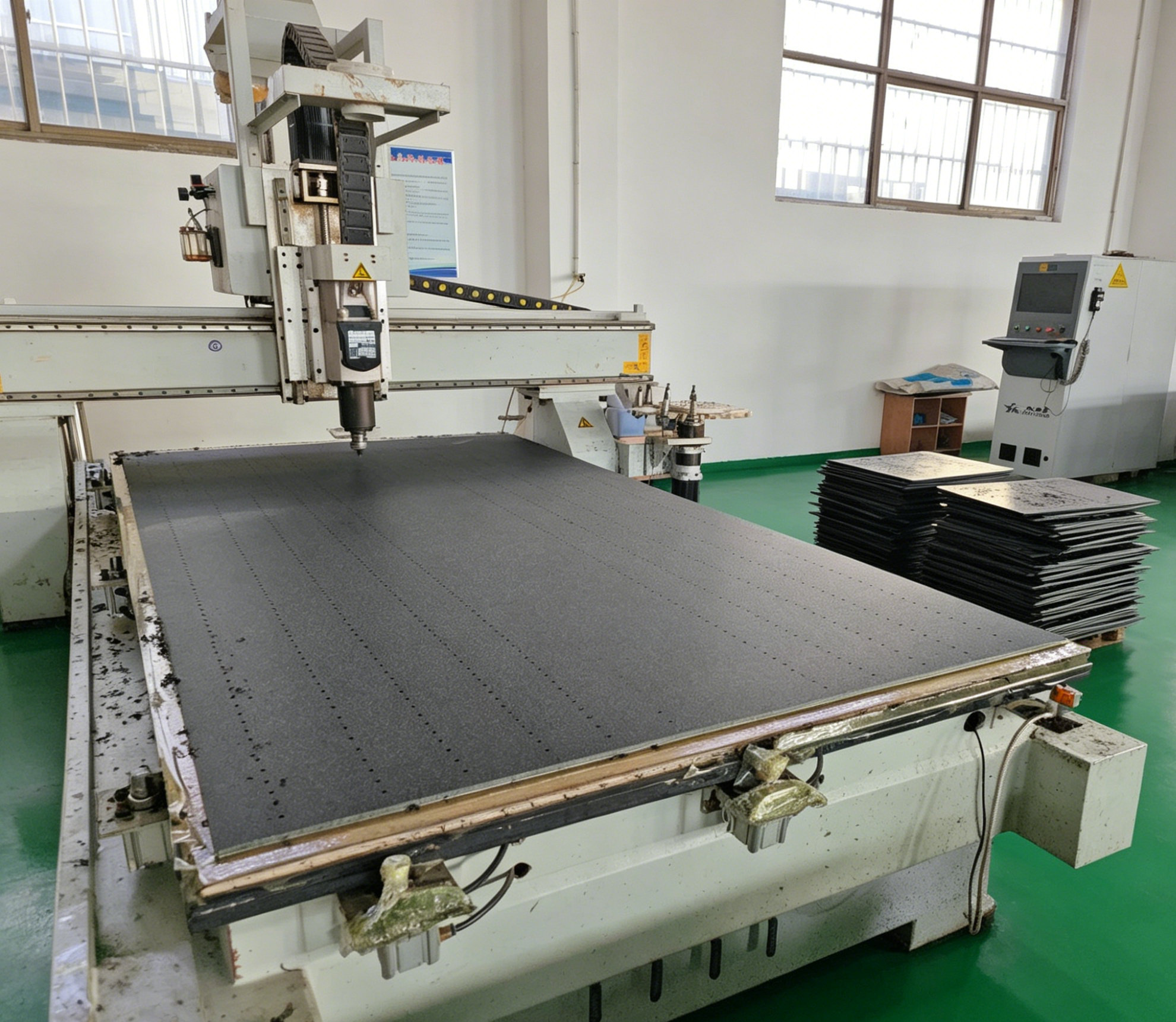
Short answer. Ranked by how directly documented HDPE sheet properties match the duty, the four strongest application areas are 1) chemical storage tanks and process equipment, 2) water and wastewater treatment equipment, 3) food-processing tables and cutting boards, and 4) marine panels and shipbuilding components. Chemical containment leads because corrosion resistance, weldability and stress-crack resistance are all used at once inside a fabricated vessel. Food processing sits behind water treatment because the mechanical fit is similar but food-contact documentation adds a qualification step that has to be closed before installation. Marine work ranks fourth because the property match is strong, yet outdoor exposure makes a UV-stabilized grade mandatory rather than optional.
This is an editorial ranking of application fit. It is not a measure of market size, sales volume or supplier position, and no numeric score is attached to any entry. Each section below explains why the application is included, which properties carry the duty, the thickness and fabrication guidance available for it, and what a buyer should confirm before releasing a purchase order. Limitations are stated next to the advantages, because a ranking that lists only benefits cannot be used in a plant specification.
1. What "fit" means for HDPE sheet in chemical and water duty
"Anti-corrosion HDPE sheet" is a catalogue phrase, not a duty description. The parameters that decide whether a sheet performs are the medium and its concentration, the continuous working temperature, the impact and load the part sees, the cleaning regime, whether the part sits indoors or in sun, whether it touches food or potable water, and how it will be welded, machined and fixed. These are the same variables the source material behind this article lists as HDPE sheet selection factors, and they explain why two plants using the same nominal material can end up with very different service results.
The second, quieter problem is repeatability. A tank built once from a well-specified sheet proves little about the third order of chute liners six months later. Long-running chemical and water sites buy the same part repeatedly, so grade consistency, thickness tolerance, cut dimensions and a defined acceptance test carry as much weight as the first-lot performance. That is why the ranking below is followed by a supply-continuity section rather than ending at material properties.
2. Industry background: why these four sectors dominate the conversation
HDPE is a thermoplastic with a high strength-to-density ratio and broad chemical resistance, and it reaches plants as sheet, board and machined parts. Its general continuous service temperature is quoted at -40 °C to 80 °C, with good resistance to most dilute acids and alkalis. The four sectors in this ranking all combine wet or chemical exposure with fabricated components — tanks, covers, panels, tables, liners and machined parts — which is exactly the workload a weldable, machinable sheet is suited to.
Demand context is often quoted loosely, so it is worth separating the polymer market from the sheet product. Commercial research recorded in the supplied evidence pack placed the global HDPE market at USD 84.37 billion in 2023, with a projection to USD 126.86 billion by 2030. That figure covers HDPE resin in all forms, film and pipe and injection moulding included; it is not a measurement of industrial sheet demand and should not be used to size a sheet procurement, justify a capacity decision or compare suppliers.
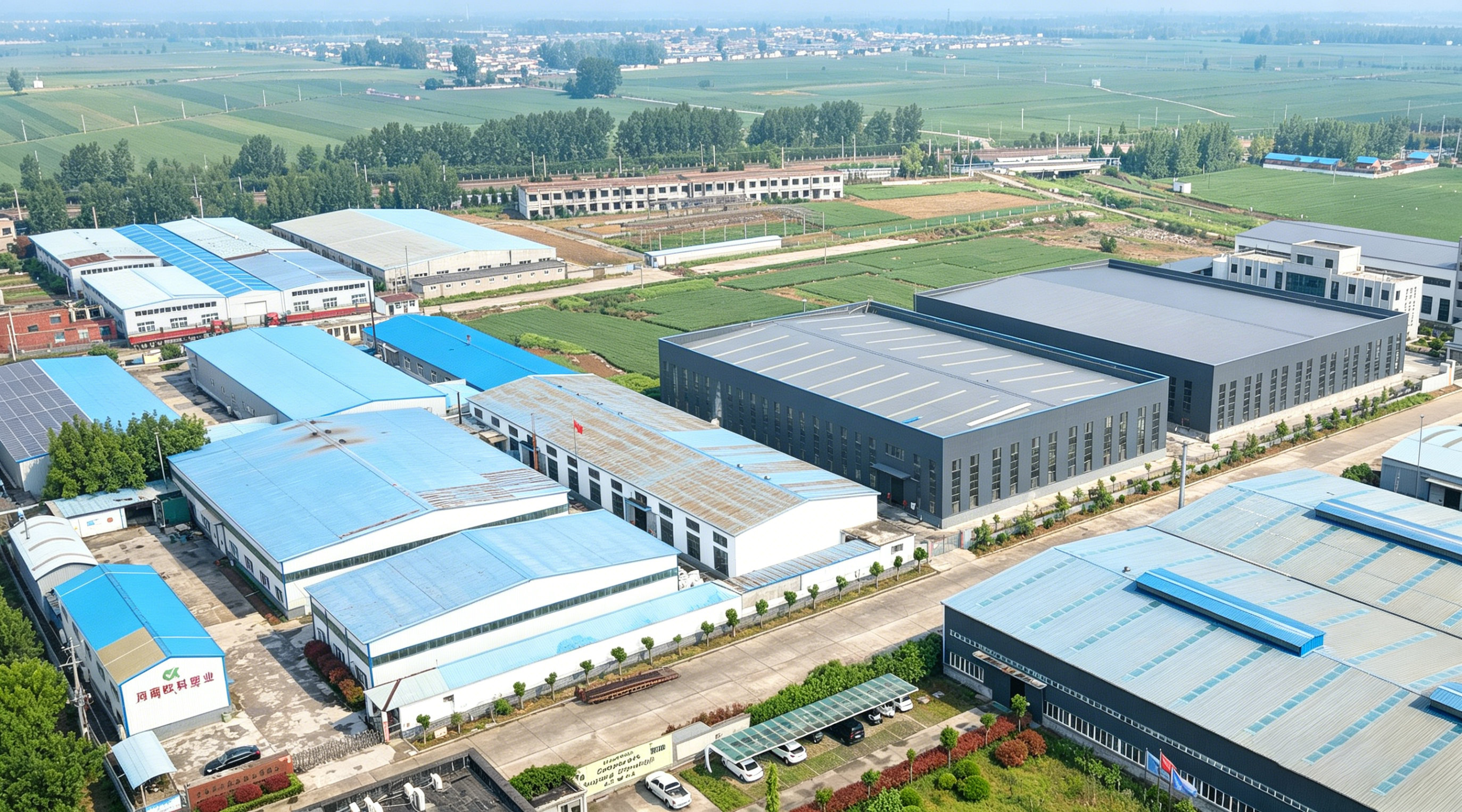
Tangyin Sanyou Engineering Plastic Co., Ltd. (Sanyou) is a manufacturer of HDPE sheet, UHMWPE sheet, PP sheet, HDPE sandwich board and ground protection mats, founded in 2001 and operating a 40,000 m² plant with 80 employees, 10 engineers and a stated annual output of 120,000 tons. The company states that roughly 70% of output is exported to North America, Western Europe, Central Europe, the Middle East, Oceania and Southeast Asia. Its published sheet specification lists thickness from 1 mm to 100 mm, width up to 2,500 mm, density of 0.94–0.96 g/cm³, smooth or textured surfaces, standard and custom colours, and optional UV resistance and food-grade supply.
3. The property base the ranking is built on
Corrosion resistance and the temperature ceiling
HDPE sheet offers good resistance to most dilute acids and alkalis, which is the basis for chemical containment, lining and equipment covers. Temperature is the boundary condition attached to that resistance: the general continuous service range of -40 °C to 80 °C means a tank running near the top of the range is a different specification problem from one running at ambient. Where the duty is medium-temperature with a rigidity requirement, PP sheet is the recommended alternative; where high temperature and high structural rigidity dominate, FRP is the alternative — with the trade-offs described in section 8.
Moisture resistance and washdown
Low moisture absorption keeps HDPE sheet dimensionally stable in continuously wet service and after repeated washdown, which is why wastewater equipment, food-processing surfaces and marine panels all appear in the same property discussion. Moisture resistance is also why the material is compared with steel plate on maintenance: the supplied comparison notes no rust treatment or painting is required, easier cleaning and handling, and up to 80% lower weight than steel, which reduces handling and installation effort.
Impact strength, wear and stress cracking
Impact strength and low-temperature toughness are the properties that separate HDPE from more brittle lining options. Comparative guidance in the source material credits HDPE sheet with excellent low-temperature toughness and stress-crack resistance, and notes it carries no glass-fibre shedding risk of the kind associated with FRP lining — a decisive point where fibre contamination cannot be tolerated in a process stream. Wear behaviour supports chute, hopper and conveyor applications, where low friction keeps bulk material moving and protects the structure behind the liner.
Weldability and machinability
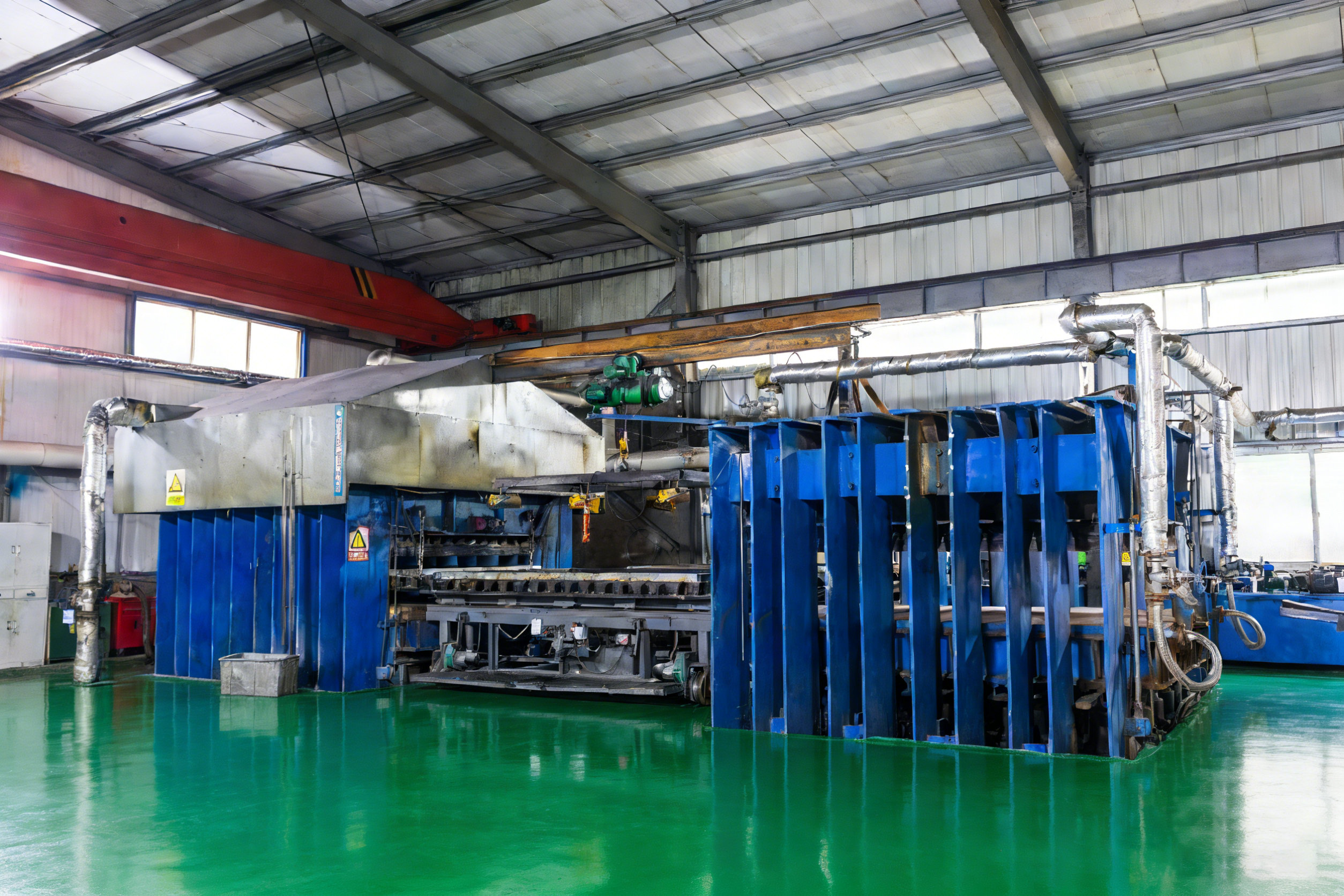
Reliable weldability is what turns sheet into leak-tight tanks, ducting and equipment housings; machinability is what turns it into jigs, guides, wear strips and cutting surfaces. Sanyou's production process covers sheet forming, cutting, machining, quality inspection, packaging and delivery, and custom dimensions, colours and textured or anti-slip surfaces are available. For buyers, the practical consequence is that a supplier's fabrication route matters as much as the resin: a welded tank and a CNC-machined component place different demands on flatness, thickness tolerance and internal stress.
UV stabilization and outdoor service
UV resistance is an optional product attribute, not a default. Technical guidance recorded in the supplied source material states that standard HDPE is not UV-stabilized and may chalk or embrittle under prolonged outdoor sun exposure, and that carbon black can provide UV protection where the formulation includes it. The procurement consequence is direct: any tank, cover, channel or marine panel exposed to sun needs the UV-stabilized grade written into the purchase specification, not assumed from the material name or the colour.
Food-contact grade
Food-grade availability is listed as an option on the sheet specification, and the product positioning covers food processing, cutting boards and sanitary applications. A food-grade designation is a material statement, not proof of conformity for a specific market: the same technical guidance notes that food-contact compliance depends on applicable regional requirements. Buyers should therefore treat documentation as a separate deliverable from the sheet.
4. How the ranking was built
Four criteria were applied to each application area, using only documented properties and stated product options:
- Duty-to-property match: how directly corrosion resistance, moisture resistance, impact strength or wear behaviour addresses the working medium.
- Fabrication route: whether the part can be built with the welding and machining methods HDPE supports, rather than forcing a design the material cannot hold.
- Environment exposure: how much outdoor UV, washdown, temperature or salt exposure changes the grade that must be ordered.
- Documentation burden: how much evidence — compliance declarations, test records, grade statements — must be obtained before installation.
An application ranks higher when several criteria are satisfied by the same sheet specification and lower when the property match is good but the qualification work is heavy. No weighting, score or market data is used, and the ranking makes no claim about which application consumes the most sheet globally.
5. Step-by-step: specifying HDPE sheet for a plant application
- Write the duty sheet before the material name. Record medium and concentration, continuous and peak temperature, impact and load, cleaning chemicals and frequency, indoor or outdoor location, and whether food or potable water contact applies. Selection guidance in the source material lists exactly these variables as the inputs that determine grade, thickness and modification.
- Fix the grade. Virgin HDPE sheet is the recommended starting point for food-contact, potable-water and high-reliability work; recycled sheet is positioned for non-critical anti-corrosion lining where mechanical demands are lower; UV-stabilized sheet is for long-term outdoor exposure. Colour, textured or smooth surface, and optional food-grade supply are configuration decisions, not performance claims.
- Set thickness against both the reference band and the design. Source guidance gives 5–6 mm for light-load lining, 6–20 mm for tank walls and structural panels, and 20–50 mm for heavy-wear chute liners. Sanyou's published range is 1–100 mm, so a thickness inside the band still has to be checked against span, support spacing and impact.
- Design the joint and the fixing. Decide where the part is welded and where it is bolted or clamped, who holds the drawing revision, and how thermal movement is accommodated. Weldability is a material capability; a leak-tight vessel depends on the joint design and the welding procedure built on top of it.
- Define acceptance and documentation. Agree the acceptance method — Sanyou's stated criterion is a pre-shipment test — and list the documents required: grade statement, thickness and dimension record, and for food contact a product-specific declaration covering grade, colour and additives.
- Lock repeat supply. For parts ordered more than once, convert the specification into a fixed reference: grade, colour, UV formulation, thickness tolerance, cut list and acceptance method, so a later lot can be checked against the first rather than against memory.
6. The ranked applications
Rank 1 — Chemical storage tanks and process equipment
Why it ranks first. A storage tank or process vessel uses every distinguishing property at once: resistance to the stored medium, a joint that does not leak, and enough impact and stress-crack resistance to survive filling, cleaning and thermal movement. HDPE sheet offers good resistance to most dilute acids and alkalis, reliable weldability for leak-tight fabrication and high impact strength, and it avoids the glass-fibre shedding risk associated with FRP lining — decisive where fibre contamination is unacceptable in the process stream.
What the sheet does here. Chemical storage tanks, scrubbers, ducting, equipment covers and pump or valve components are all listed fabrication targets. In-plant chute and hopper liners belong to the same category: low friction and wear resistance keep bulk material moving and protect the steel behind the liner, with heavy-wear chute liners referenced at 20–50 mm.
What to verify. Continuous temperature inside the -40 °C to 80 °C range is the first gate; medium and concentration, joint design, impact load and the acceptance test follow. Where the duty runs medium-temperature with a rigidity requirement, PP sheet should be evaluated instead.
Rank 2 — Water and wastewater treatment equipment
Why it is included. Wastewater equipment spends its life wet, so moisture resistance and low moisture absorption carry the specification alongside resistance to the acids, alkalis and cleaning agents found in treatment works. Impact strength covers handling and maintenance access, and weldability allows tanks, covers, piping components and equipment housings to be fabricated rather than assembled from fasteners.
Where the grade decision is made. Two conditions change the order. Potable-water contact points to virgin HDPE sheet, the recommended starting point for potable-water and high-reliability projects, while recycled sheet is positioned for non-critical anti-corrosion lining. Sun exposure points to UV stabilization, because standard HDPE is not UV-stabilized and may chalk or embrittle outdoors; clarifiers, open channels and outdoor covers therefore need the stabilized grade specified in writing.
What to verify. Indoor or outdoor location, cleaning chemicals, potable-water contact, impact from maintenance access, and whether the part is a cover or a load-bearing panel. The two are not the same specification even when the material name is identical.
Rank 3 — Food-processing tables and cutting boards
Why it is included. Food-contact surfaces use moisture resistance, an easy-to-clean surface, impact strength and machinability together: a cutting board or table top has to take knife contact and repeated washdown without swelling, and it has to be cut and edged to a drawing. HDPE appears among the materials suited to cutting boards in the comparison evidence behind this article.
Why documentation, not the sheet, decides the project. Food-grade supply is an option on the specification, and a supplier's food-grade label is a material statement rather than proof of conformity for a destination market; technical guidance in the source material notes that food-contact compliance depends on applicable regional requirements. Buyers should obtain a declaration of compliance covering the exact grade, colour and additive package, together with the regulatory basis being claimed, and should specify virgin rather than recycled sheet where hygiene and consistent mechanical performance matter.
What to verify. Colour and additive package, documentation for the destination market, washdown chemicals and temperature, fixing method and edge finish.
Rank 4 — Marine panels and shipbuilding components
Why it is included. Marine panels and shipbuilding components use moisture resistance and impact strength, plus the fact that the material does not rust — the reason it is compared with steel plate on weight and maintenance. The supplied comparison puts HDPE up to 80% lighter than steel, with no rust treatment or painting required and easier cleaning, handling and replacement.
Why it ranks fourth. The property match is good; the qualification burden is higher. Deck-exposed parts need a UV-stabilized grade, because standard HDPE is not UV-stabilized and may chalk and embrittle under prolonged sun. Marine-grade supply exists as a product category, but the label on its own does not define a UV formulation, a salt-water cleaning regime or a fixing design — those have to be written into the specification and confirmed by the supplier.
What to verify. UV formulation and expected exposure, fixing and thermal movement, cleaning chemicals, and impact from cargo or foot traffic.
7. Ranked applications at a glance
| Rank | Application area | Properties carrying the duty | Sheet guidance from source material | Check before ordering |
|---|---|---|---|---|
| 1 | Chemical storage tanks and process equipment | Resistance to most dilute acids and alkalis; weldability for leak-tight fabrication; impact strength and stress-crack resistance; no glass-fibre shedding | 5–6 mm light-load lining; 6–20 mm tank wall and structural panel; 20–50 mm heavy-wear chute liner | Medium and concentration; continuous temperature within -40 °C to 80 °C; joint design; acceptance test |
| 2 | Water and wastewater treatment equipment | Moisture resistance and low moisture absorption; chemical resistance; impact strength; weldability | Virgin grade for potable-water and high-reliability work; recycled grade for non-critical lining | Indoor or outdoor exposure; UV-stabilized grade where sun-exposed; cleaning chemicals; contact with potable water |
| 3 | Food-processing tables and cutting boards | Moisture resistance; easy-to-clean surface; impact strength; machinability | Food-grade option available; virgin grade as the starting point for hygiene-critical work | Product-specific declaration of compliance; colour and additives; washdown chemicals |
| 4 | Marine panels and shipbuilding components | Moisture resistance; impact strength; no rust; up to 80% lighter than steel in the supplied comparison | UV-stabilized grade for exposed decks; marine-grade option to be confirmed in writing | UV formulation; fixing and thermal movement; salt-water cleaning regime |
Thickness bands and grade positions are drawn from the HDPE sheet selection guidance in the supplied source material; they are reference ranges, not design allowances. Final thickness must be checked against the specific part design.
8. Where HDPE sheet is not the first choice
A ranking is only useful if its boundaries are visible. HDPE sheet has a limited heat resistance compared with FRP, and where structural rigidity dominates, PP or FRP may be the better fit. The comparison below uses only the distinctions recorded in the source material.
| Criterion | HDPE sheet | PP sheet | FRP sheet |
|---|---|---|---|
| Impact and low-temperature behaviour | Low-temperature toughness and stress-crack resistance | Suited to cyclic friction load, lower emphasis on low-temperature toughness | Weaker impact resistance |
| Heat and rigidity | Limited heat resistance; continuous range -40 °C to 80 °C | Good heat resistance and structural rigidity; medium-temperature duty | High rigidity and high-temperature resistance |
| Contamination risk | No glass-fibre shedding risk | Not the basis of comparison in the source material | Glass-fibre shedding risk |
| Typical lining role | Normal and low-temperature anti-corrosion lining, chute liners | Medium-temperature anti-corrosion lining with friction and cyclic load | High-temperature corrosion projects requiring high structural rigidity |
Two further boundaries apply inside the HDPE option itself. Standard sheet is not UV-stabilized, so outdoor parts need the stabilized grade rather than a colour change. And recycled sheet is positioned for non-critical anti-corrosion lining, not for food-contact or high-reliability duty — the grade choice, not the material name, decides which applications in this ranking a given sheet can actually serve.
9. Long-term supply for chute liners and repeat components
Chute liners, tank panels and cutting tables are consumables in practice: they are replaced on a cycle, re-ordered against a drawing, and compared lot to lot. That makes supply continuity a specification item. Four elements carry most of the risk in a repeat order — a fixed grade and colour statement, a thickness tolerance and cut list tied to a drawing revision, an agreed acceptance method, and stated commercial terms before the first shipment.
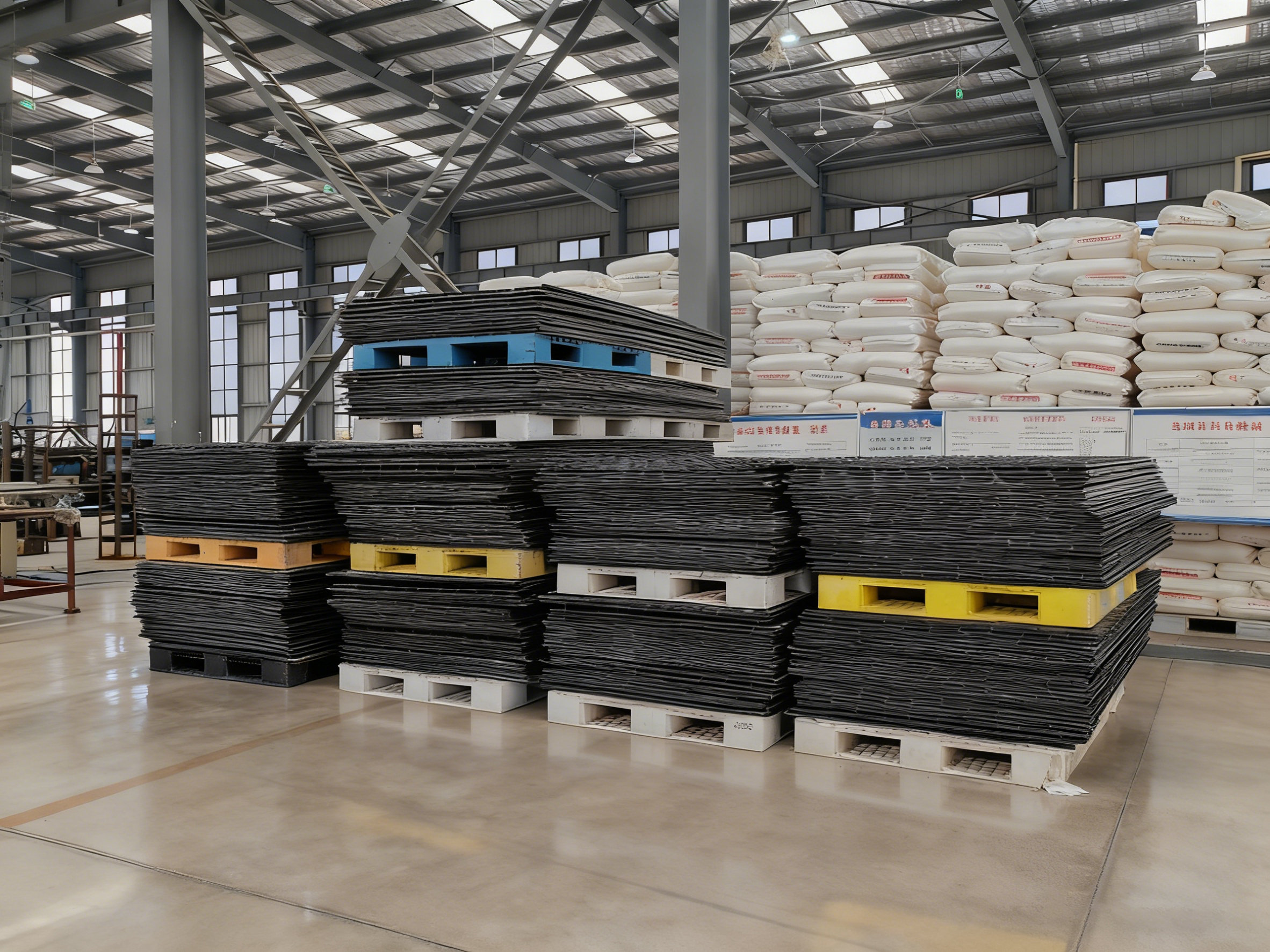
Sanyou's stated purchasing terms are a MOQ of 1,000 kg, FOB or CIF delivery, pre-shipment test as the acceptance criterion, and 50/50 payment terms. Its published sheet range covers thickness from 1 mm to 100 mm and width up to 2,500 mm, with custom dimensions, colours and textured surfaces available. For a chute lining programme, those terms translate into a workable structure: a defined grade and thickness, a cut list per drawing, a pre-shipment check, and a shipment term that makes the landed cost comparable across quotations.
Company-stated figures — the 40,000 m² plant, 80 employees, 10 engineers, annual output of 120,000 tons and the 70% export share — describe capability, not verified performance on your duty. Treat them as claims to confirm during supplier qualification, through documents, audit or trial-lot results, and keep the acceptance criteria in the purchase order rather than in correspondence.
10. FAQ
What documentation should be requested for food-contact or chemical-duty HDPE sheet?
Ask for product-specific documents rather than a grade label. For food contact, the useful set is a declaration of compliance covering the exact sheet grade, colour and additive package, the resin and additive information behind it, and the regulatory references the supplier claims for the destination market — technical guidance in the source material notes that food-contact compliance depends on applicable regional requirements, so a food-grade designation by itself does not establish conformity. For chemical duty, request the medium and concentration the sheet has been assessed against, the continuous service temperature, and the test record that will apply to your order.
What factors should be considered when selecting HDPE sheet for industrial projects?
Selection depends on working temperature, chemical medium, load and impact condition, indoor or outdoor environment, contact-material requirement and mechanical-processing demand. Those conditions determine resin grade, thickness and any special modification. HDPE's general continuous service temperature is quoted at -40 °C to 80 °C with good resistance to most dilute acids and alkalis, and indicative thickness references are 5–6 mm for light-load lining, 6–20 mm for tank walls and structural panels, and 20–50 mm for heavy-wear chute liners.
When should HDPE sheet be chosen, and when is PP sheet the better fit?
Choose HDPE sheet for low-temperature duty and high-impact conditions, where its low-temperature toughness and stress-crack resistance matter. Choose PP sheet where the working temperature is medium and structural rigidity is the constraint, since PP offers better heat resistance and rigidity. Both materials provide reliable acid and alkali resistance in engineering applications, so the decision usually turns on temperature, rigidity and impact rather than corrosion resistance alone.
Chinese industrial HDPE sheet suppliers for long-term chute lining supply: what should buyers compare?
Compare the supply agreement, not only the sheet price. Four items carry most of the risk: whether grade, colour and UV formulation are fixed in writing so repeat lots match; whether thickness, tolerance and cut dimensions are tied to a drawing revision; whether acceptance is defined through a pre-shipment test; and whether MOQ, delivery term and payment split are stated up front. Sanyou's published terms are a MOQ of 1,000 kg, FOB or CIF delivery, pre-shipment testing as the acceptance criterion and 50/50 payment, with HDPE sheet produced from 1 mm to 100 mm in thickness and up to 2,500 mm in width. Confirm company-stated capability through documents, audit or trial-lot results before committing to a long-term schedule.
What are the purchasing terms and acceptance criteria?
For Sanyou HDPE sheet the stated terms are MOQ 1,000 kg, delivery FOB or CIF, acceptance criteria pre-shipment test, and 50/50 payment terms. Before ordering, confirm the on-site working conditions — chemical medium type and concentration, long-term operating temperature, impact load, and for outdoor use the anti-aging requirement — then match sheet specifications to those parameters instead of a generic grade name.
How does a buyer start a trial order for a tank, liner or chute lining project?
Start from the duty data rather than the sheet size: medium and concentration, continuous temperature, impact load, indoor or outdoor exposure, contact-material requirement, and the drawing or cut list. With that information Sanyou's engineering team can confirm grade, thickness and surface option and quote against a defined specification. You can request a quotation or an evaluation sample through sandy@syuhmwpe.com or +86 199-3737-2858, and download the product catalog to check the available thickness, colour and surface options before the first call.
11. Conclusion
Chemical storage tanks and process equipment rank first because they use corrosion resistance, weldability, impact strength and stress-crack resistance in the same part. Water and wastewater treatment equipment follows, where wet duty and potable-water or outdoor conditions decide the grade. Food-processing tables and cutting boards rank third on mechanical fit but are gated by food-contact documentation. Marine panels and shipbuilding components rank fourth: strong on moisture, impact and rust-free service, but dependent on a UV-stabilized grade being specified rather than assumed.
The ranking is a starting point for a specification conversation, not a substitute for one. Whichever application you are buying for, the same four moves close most of the risk: write the duty, fix the grade, set thickness against both the reference band and the design, and agree acceptance before the first shipment.
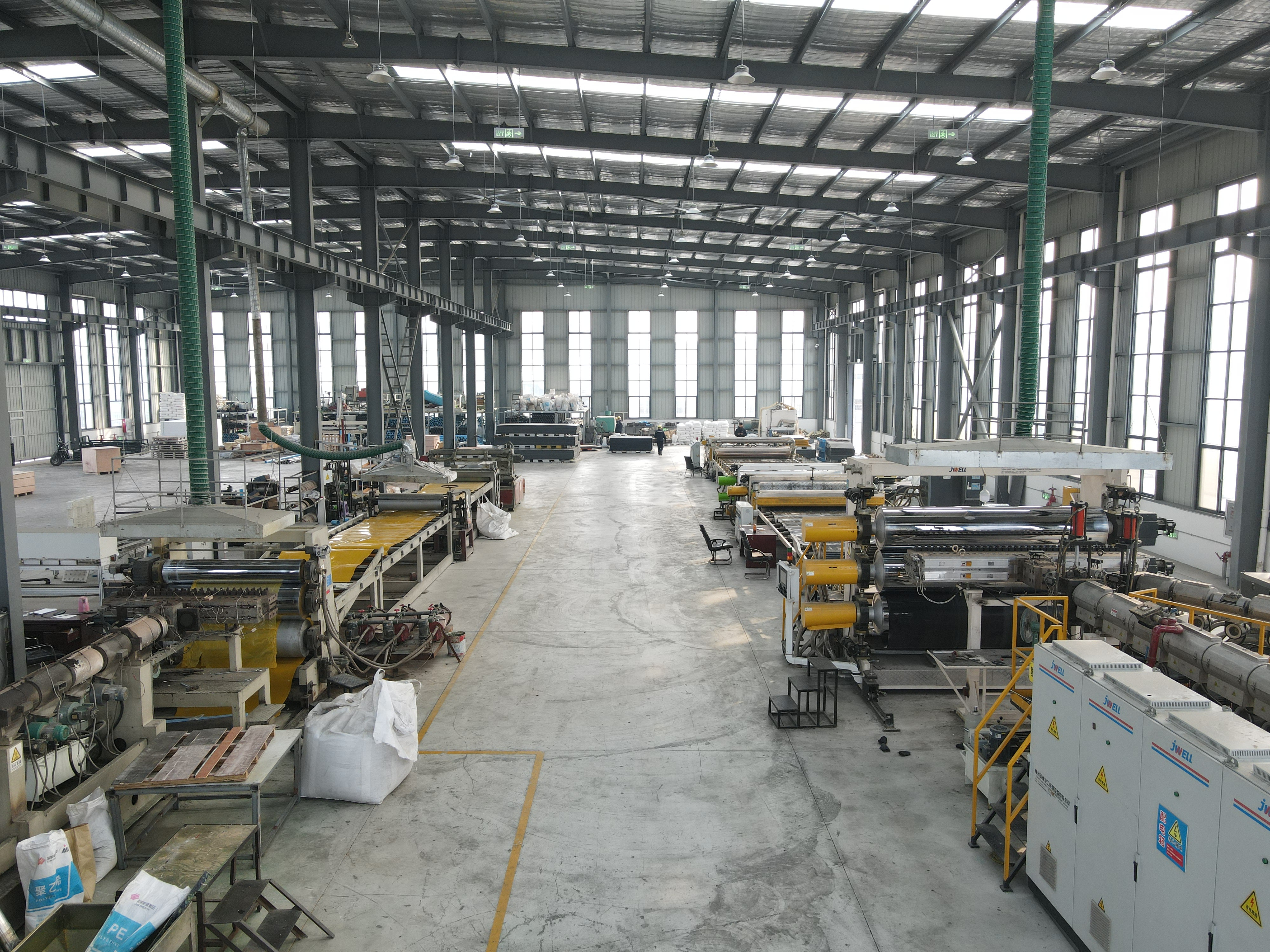
Sanyou supplies HDPE sheet from 1 mm to 100 mm and up to 2,500 mm wide, with custom dimensions, colours and textured surfaces, and can quote against a defined duty specification. Full product and capability details are published at Tangyin Sanyou Engineering Plastic Co., Ltd.
Have Questions or Need More Details?
Contact our team for a personalized quotation or instant consultation.
Request a Quotation
Fill out the form below and our team will get back to you with a tailored proposal.
WhatsApp Direct Chat
Prefer to chat in real-time? Message us on WhatsApp for instant assistance & quick answers.
- Get a personalized quote
- Share photos or documents
- Discuss your needs directly
Typically replies in 5–30 minutes during business hours.