
Top Industrial HDPE Sheet Options for Corrosive and Outdoor Environments: A Recommendation List
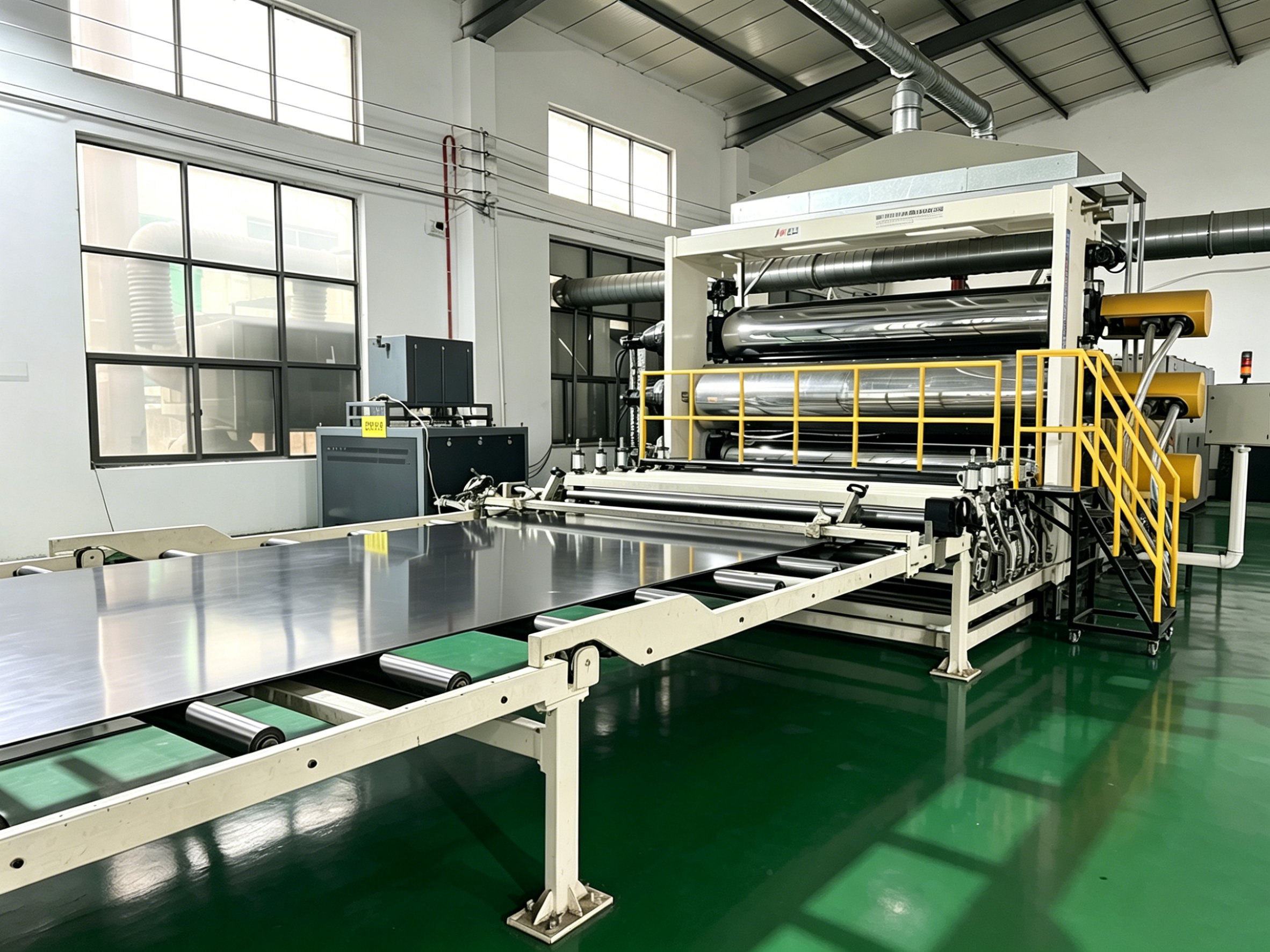
Industrial HDPE sheet production starts with controlled extrusion; grade and additive choices determine outdoor and chemical performance.
For a corrosive and outdoor environment, the default recommendation is not simply HDPE sheet. The better starting point is a UV-stabilized HDPE sheet for long-term sun exposure, a virgin HDPE sheet for chemical containment, potable water, or food-contact duties, and a marine-grade HDPE sheet for saltwater and port construction. Colored HDPE sheet is mainly a visual-identification choice, while recycled HDPE sheet fits cost-sensitive, non-critical anti-corrosion lining. That ordering is a fit ranking for the combined brief, not a claim that one variant is universally superior.
This recommendation list is written for decision-stage buyers comparing industrial HDPE sheet options. It follows the selection logic that HDPE sheet performance depends on working temperature, chemical medium, impact load, indoor or outdoor exposure, contact-material requirement, material grade, thickness, cost, and processing demand.
Why HDPE Sheet Is Not a Single Decision
The purchasing problem is that HDPE sheet is often quoted by generic name, while the application variables are not generic. A sheet used in a wastewater tank, an outdoor equipment guard, a food-processing table, and a port component does not face the same exposure. Moisture, wastewater, acids, alkalis, cleaning chemicals, UV radiation, and impact all change the grade decision.
Standard HDPE is not UV-stabilized and may chalk or embrittle under prolonged outdoor sun exposure. UV resistance is a grade or formulation attribute, not something to assume from the letters HDPE. Color is also not proof of UV performance; a colored sheet can be a base HDPE, a UV-stabilized compound, or a recycled blend. Buyers need to separate appearance from formulation.
On the chemical side, HDPE sheet is used in chemical processing, water treatment, food and beverage, and marine environments. The same material family can be supplied as virgin, recycled, UV-stabilized, marine-grade, or colored sheet, and each option carries a different qualification route.
Where Industrial HDPE Sheet Is Used in Corrosive and Outdoor Service
- Chemical processing and water treatment: tanks, scrubbers, piping components, wastewater equipment, and corrosion-resistant liners.
- Food and beverage: processing tables, cutting boards, sanitary work surfaces, and equipment guards.
- Marine and shipbuilding: marine panels, port and shipbuilding components, and moisture-exposed facilities.
- Industrial manufacturing: machine guards, jigs, fixtures, CNC-machined components, and material-handling parts.
- Outdoor and construction: outdoor cabinets, furniture, signage, agricultural equipment, and weather-exposed panels.
HDPE sheet is specified because it combines moisture resistance, chemical resistance, impact strength, low moisture absorption, weldability, and machinability. It is also corrosion-resistant and low-maintenance compared with traditional steel plate, and it is lighter and easier to handle. For general industrial components, HDPE sheet typically offers higher impact strength and lower material cost than PTFE sheet, which supports its use in large-area parts such as liners, chute liners, conveyor components, cutting boards, and equipment protection.
Ranked Recommendation: Five Industrial HDPE Sheet Options
The ranking below is based on fit to a combined corrosive and outdoor brief. A buyer with a food-contact tank or an indoor chemical cabinet may legitimately move virgin HDPE to first place; a port project may move marine grade up. The ranking is a starting shortlist, not a substitute for the exposure map.
| Rank | HDPE sheet variant | Best-fit environment | Why it is included | Verification point |
|---|---|---|---|---|
| 1 | UV-Stabilized HDPE Sheet | Long-term outdoor exposure with chemical or weather exposure | UV-stabilized HDPE sheet is recommended for long-term outdoor applications and reduces aging and chalking; UV resistance is available as an option. | Confirm the UV formulation and request the supplier grade data; standard HDPE is not UV-stabilized. |
| 2 | Virgin HDPE Sheet | Chemical containment, potable water, food-contact, high-reliability projects | Virgin HDPE sheet is recommended for food-contact, potable water, and high-reliability projects, with stable mechanical performance. | Food-grade labeling alone is not compliance; request a declaration and applicable regulatory documents. |
| 3 | Marine Grade HDPE Sheet | Marine and port construction, salt and moisture exposure | Supplier ranges list marine-grade HDPE sheet; HDPE chemical resistance includes salt, and HDPE sheet is used in marine panels and marine facilities. | Request the marine-grade datasheet and confirm project-specific requirements. |
| 4 | Colored HDPE Sheet | Visual identification, equipment guards, signage, color-coded panels | HDPE sheet is available in black, white, blue, green, red, yellow, and custom colors, with smooth or textured surfaces. | Color is a configuration attribute; do not infer UV resistance or food-contact status from color. |
| 5 | Recycled HDPE Sheet | Cost-sensitive, non-critical anti-corrosion lining | Recycled HDPE sheet is recommended for non-critical anti-corrosion lining and cost-effective projects without strict mechanical or hygiene requirements. | Actual performance depends on the recycled material grade; confirm the grade and application conditions. |
1. UV-Stabilized HDPE Sheet: Best for Long-Term Outdoor Exposure
UV-stabilized HDPE sheet is the first recommendation when the sheet will remain outdoors and must also resist chemical or washdown exposure. The selection logic is straightforward: standard HDPE is not UV-stabilized and may chalk or embrittle under prolonged sun; a UV-stabilized grade is intended to reduce aging and chalking in long-term outdoor use.
Inclusion reason: it addresses the outdoor failure mode directly. Carbon black can provide UV protection, and UV resistance is listed as an optional product attribute. That means UV-stabilized should be specified as a formulation requirement, not assumed from black color or a generic HDPE description.
Best-fit uses: outdoor cabinets, equipment guards, weather-exposed panels, outdoor furniture, signage substrates, agricultural equipment, and outdoor chemical or water-treatment covers. For structural panels, a 6 to 20 mm thickness reference is used in HDPE selection guidance for tank walls and structural panels; heavy-wear chute liners use a 20 to 50 mm reference. Sanyou published HDPE sheet range is 1 to 100 mm, so the final thickness should be fixed against the actual span, impact, and fastening design.
Verification: ask for the UV stabilization route, the base resin, and any weathering test method the supplier can provide. Do not accept black color as a substitute for UV-stabilized formulation.
2. Virgin HDPE Sheet: Best for Chemical Containment and Contact-Sensitive Duties
Virgin HDPE sheet is the second recommendation because it is the cleanest fit for chemical containment, potable water, food-contact, and high-reliability projects. The selection guide recommends virgin HDPE sheet for food-contact, potable water, and high-reliability projects, and describes stable mechanical performance as the reason.
Inclusion reason: when the risk is contamination or inconsistent mechanical behavior, a virgin grade gives the buyer a more controlled starting point. HDPE sheet is used in chemical storage tanks, wastewater treatment equipment, food processing tables and cutting boards, machine guards, and CNC-machined components.
Best-fit uses: chemical storage tanks, water-treatment components, food processing surfaces, cutting boards, hygienic work surfaces, and high-reliability fabricated parts. The same selection guidance uses a 6 to 20 mm reference for tank walls and structural panels and a 5 to 6 mm reference for light-load lining.
Verification: food-grade is a product claim, not a complete compliance file. Food-contact HDPE requires applicable FDA or European compliance documentation; buyers should request a declaration of compliance, resin and additive traceability, and the relevant jurisdictional reference.
3. Marine Grade HDPE Sheet: Best for Marine and Port Construction
Marine-grade HDPE sheet is the third recommendation because marine and port projects combine moisture, salt, and outdoor exposure. Supplier product ranges list marine-grade HDPE sheet as a distinct option alongside standard, recycled, and UV-resistant grades. HDPE sheet is also used in marine panels and marine facilities, and its chemical resistance is listed as excellent against acid, alkali, salt, and oil.
Inclusion reason: the marine environment adds salt to the moisture and chemical load. A marine-grade designation is a way to shortlist material for marine and port construction, but it should be tied to a datasheet and project requirement rather than treated as a self-explanatory label.
Best-fit uses: marine panels, port and shipbuilding components, moisture-exposed facilities, and outdoor marine equipment. If the same part also faces direct sun, specify a UV-stabilized marine-grade formulation rather than assuming the marine designation covers UV.
Verification: request the marine-grade datasheet, the base resin, the UV package if outdoor exposure applies, and any project-specific approval or test document. Do not infer marine suitability from color or from the word marine alone.
4. Colored HDPE Sheet: Best for Identification, Not Performance
Colored HDPE sheet is ranked fourth because color solves a different problem: visual identification. HDPE sheet is available in black, white, blue, green, red, yellow, and custom colors, with smooth or textured surfaces. That makes colored sheet useful for equipment guards, signage, color-coded panels, and fabricated parts where the team needs to distinguish lines, zones, or components.
Inclusion reason: color can reduce misidentification and improve workplace organization, but it is a configuration attribute. The extracted product data explicitly notes that surface texture and color are configuration attributes, not performance metrics. Color cannot be used to infer UV resistance, food-contact status, or mechanical grade.
Best-fit uses: equipment guards, signage, color-coded lining, outdoor furniture, and fabricated panels. If the colored sheet is going outdoors, specify a UV-stabilized colored grade. If it touches food, specify a food-grade base and request compliance documents; the color itself proves neither.
Verification: ask for the base grade behind the color, the UV package, and the food-contact documentation if applicable. Also confirm whether the surface is smooth, orange-peel textured, or another embossed pattern, because the surface is a separate specification.
5. Recycled HDPE Sheet: Best for Cost-Sensitive, Non-Critical Lining
Recycled HDPE sheet is ranked fifth for this brief because it is a cost-control option, not a default for critical chemical or outdoor service. The selection guide recommends recycled HDPE sheet for non-critical anti-corrosion lining and for cost-sensitive projects without strict mechanical requirements. Its actual performance depends on the recycled material grade and the application conditions.
Inclusion reason: recycled sheet can make sense where the duty is protective rather than structural, and where hygiene, food contact, potable water, and high-reliability performance are not required. It is not the right first choice for a food-contact table, a potable-water component, or a critical containment wall.
Best-fit uses: non-critical anti-corrosion lining, general protective panels, non-food-contact components, and cost-sensitive fabrication where the buyer has confirmed the recycled grade. For budget context, recycled black HDPE resin was reported at around USD 520 per metric ton FOB Southeast Asia in September 2026; that is a resin benchmark, not a fabricated sheet price, and it should not be used as a quotation.
Verification: request the recycled content definition, the source grade, the sheet mechanical data, and a sample for the intended exposure. Do not compare recycled and virgin sheet on price alone without normalizing thickness, grade, and test requirements.
How to Select the Right HDPE Sheet Variant
- Map the exposure. List the chemical medium, concentration, temperature, cleaning agents, UV dose, salt exposure, impact, and abrasion. HDPE sheet selection depends on working temperature, chemical medium, load-impact condition, indoor or outdoor environment, contact-material requirement, and mechanical-processing demand.
- Set the contact and compliance gate. If the sheet touches food or potable water, start with virgin HDPE sheet and request food-contact compliance documentation. If the duty is non-critical lining, recycled HDPE sheet can be evaluated.
- Choose the grade before the color. For outdoor service, specify UV-stabilized HDPE sheet. For marine and port construction, shortlist marine-grade HDPE sheet. For identification, choose a colored grade only after the base grade is fixed.
- Fix thickness and format. Sanyou lists HDPE sheet thickness from 1 to 100 mm, with custom width and length; common format references include 1220 x 2440 mm (4 x 8 ft) and other sizes. Use the selection guidance for light-load lining, tank walls, structural panels, and heavy-wear chute liners as a starting point, then confirm with the fabricator.
- Specify surface and fabrication. Decide between smooth and textured surface, including orange-peel or anti-skid texture where relevant. Confirm weldability, cut-to-size, CNC machining, drilling, and fastening details. HDPE sheet is easy to machine, clean, replace, and maintain, and its moisture and chemical resistance can reduce maintenance requirements.
- Qualify the supplier and the sample. Compare the factory, grade control, thickness range, custom cutting, documentation, sample lead time, production lead time, and packing. Sanyou operates a 40,000 square meter factory with 80 employees, 10 engineers, and 120,000 tons annual output, and exports about 70 percent of its output; those facts support capability screening, but the project-specific datasheet and sample still decide the grade.
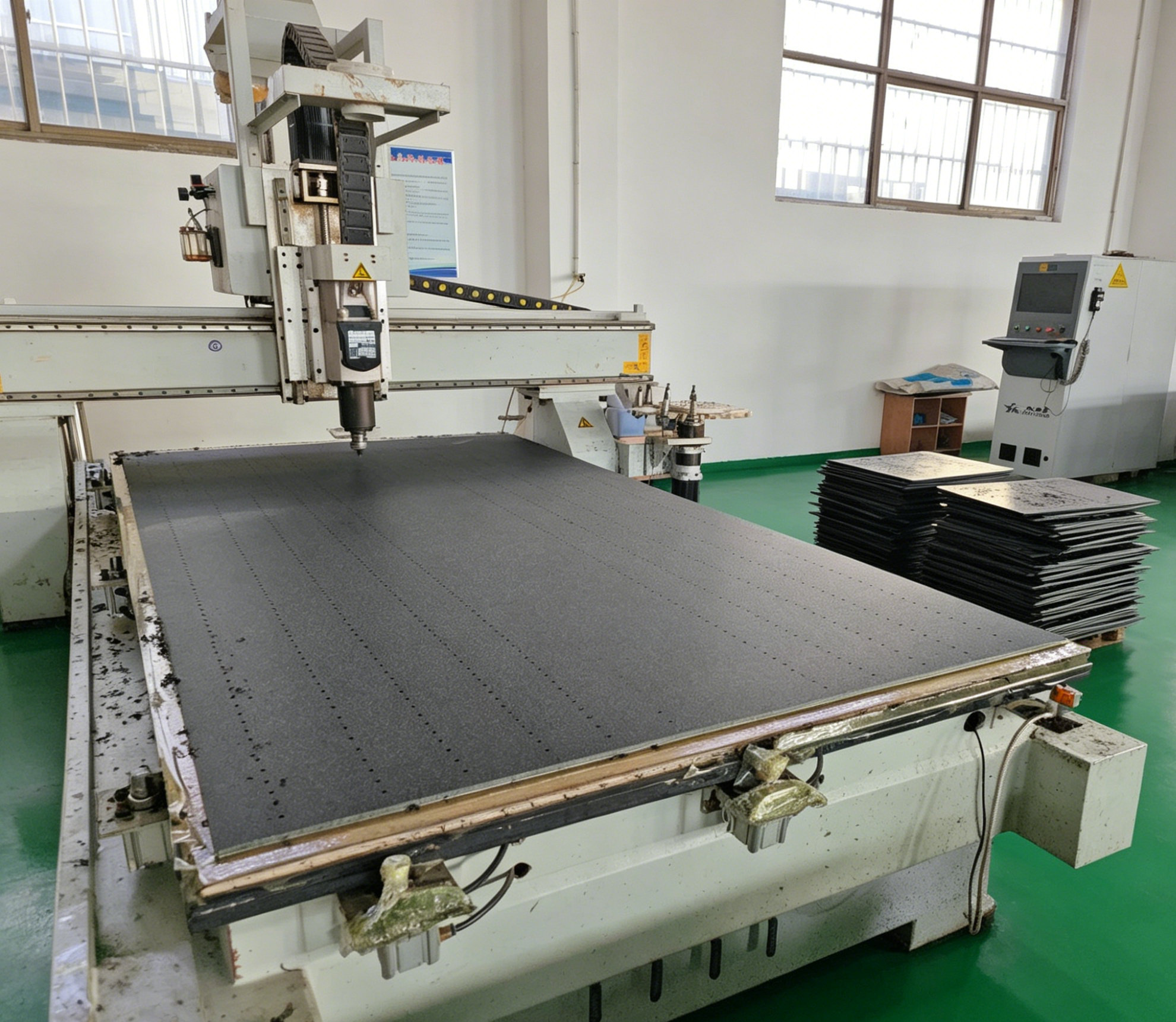
Custom-cut HDPE sheet components require the grade, thickness, and surface to be fixed before CNC machining.
Application Matches by Variant
- Chemical processing: Virgin HDPE sheet for tanks and containment; UV-stabilized HDPE sheet where outdoor exposure applies; recycled HDPE sheet only for non-critical anti-corrosion lining.
- Water and wastewater treatment: Virgin HDPE sheet for high-reliability components; UV-stabilized grade for outdoor covers and exposed equipment; colored sheet for line identification.
- Food and beverage: Virgin HDPE sheet for food-contact tables and cutting boards; colored sheet only with a food-grade base and documentation.
- Marine and port construction: Marine-grade HDPE sheet for marine panels and port components; add UV stabilization for exposed outdoor parts.
- Outdoor equipment and construction: UV-stabilized HDPE sheet for cabinets, guards, signage, and furniture; colored UV-stabilized sheet where visual identification is also required.
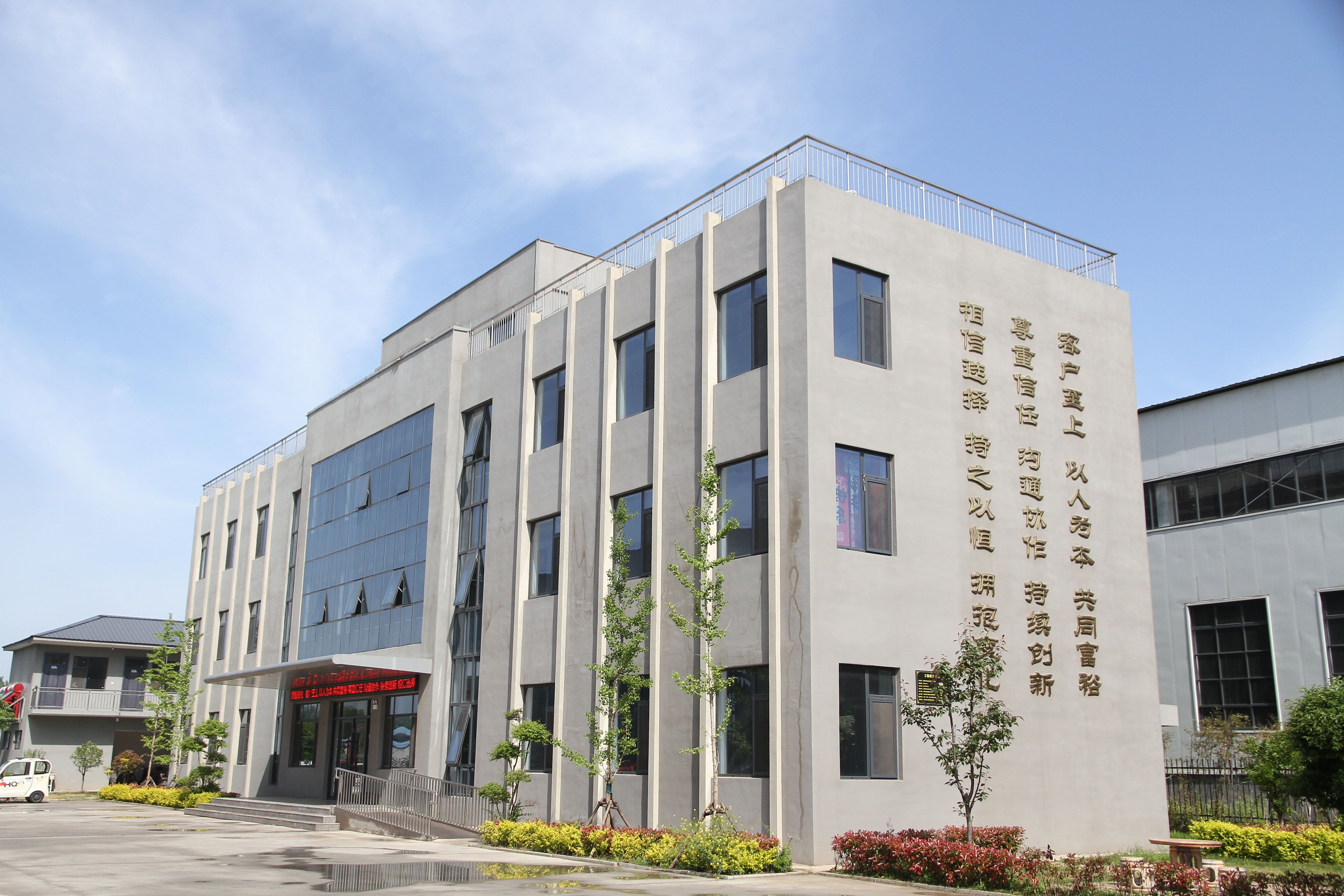
Factory capability supports grade control and custom sheet formats; it does not replace product-specific test documents.
Frequently Asked Questions
What documentation should I request for food-grade or potable-water HDPE sheet?
Request a product-specific declaration of compliance, the base resin and additive information, and the applicable regulatory reference for the destination market. Food-contact HDPE requires applicable FDA or European compliance documentation; a supplier food-grade label is not sufficient by itself. For potable water or food-contact duties, virgin HDPE sheet is the recommended starting grade.
Can UV-stabilized HDPE sheet be custom cut and machined for outdoor equipment?
Yes, HDPE sheet is cuttable and CNC machinable, and suppliers can provide custom dimensions, colors, and surfaces. The important control is to fix the UV-stabilized grade before fabrication, because UV resistance is a formulation attribute. Standard HDPE is not UV-stabilized and may chalk or embrittle under prolonged outdoor sun exposure. Provide the drawing, exposure conditions, thickness, and surface requirement so the sheet is quoted as a UV-stabilized grade, not a generic HDPE sheet.
Is recycled HDPE sheet always cheaper than virgin HDPE sheet for corrosive applications?
No. Recycled HDPE sheet is recommended for non-critical anti-corrosion lining and cost-sensitive projects without strict mechanical requirements, but its performance depends on the recycled material grade. Virgin HDPE sheet is recommended for food-contact, potable water, and high-reliability projects. A lower sheet price can be offset by thicker sections, shorter service life, or failed compliance. Compare the two on the same thickness, grade, test requirements, and delivery basis. For context, recycled black HDPE resin was reported at around USD 520 per metric ton FOB Southeast Asia in September 2026, but that is a resin benchmark, not a finished sheet price.
What sample details should be confirmed before approving an HDPE sheet grade?
Confirm the base grade (virgin, recycled, UV-stabilized, marine, or colored), thickness and tolerance, sheet size, surface finish, color, and any food-contact or UV documentation. Test the sample for the actual duty: chemical exposure, impact, abrasion, cleaning, and outdoor exposure. A sample that only matches color or thickness does not confirm the formulation. Sanyou lists HDPE sheet from 1 to 100 mm with custom width and length, so the sample request should state the final format and the application conditions.
China industrial HDPE sheet manufacturers versus local suppliers for bulk orders: how should buyers compare them?
Compare both supplier types on the same RFQ: grade and formulation, thickness range, sheet format, surface, documentation, sample lead time, production lead time, MOQ, packing, and Incoterms. A China manufacturer may offer a broad thickness and custom-size range; a local supplier may offer shorter freight and local stock. Neither advantage should be assumed without a quotation. As a reference point, Tangyin Sanyou Engineering Plastic Co., Ltd. lists HDPE sheet from 1 to 100 mm with custom width and length, operates a 40,000 square meter factory with 80 employees and 120,000 tons annual output, and exports about 70 percent of its output. Those facts support capability screening, but the bulk-order decision still depends on the sample, compliance file, and landed cost. To start, send your drawing, exposure conditions, and target quantity to request a sample and quotation.
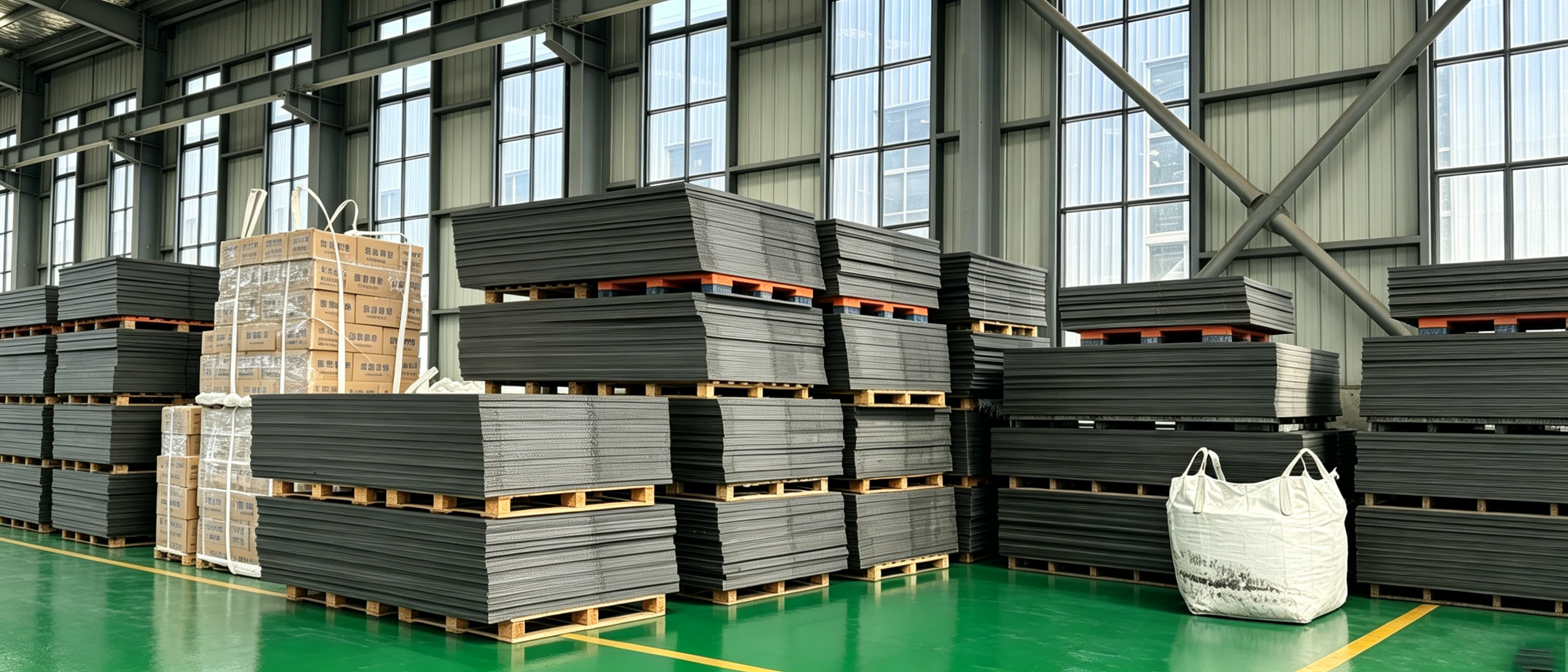
Bulk-order planning should confirm stock, packing, and lead time against the approved grade and sample.
Need a grade recommendation for a corrosive or outdoor HDPE sheet project? Send your chemical exposure, UV or salt conditions, thickness, sheet size, and drawing to Sanyou. Request a sample, quotation, or the product catalog.
Email: sandy@syuhmwpe.com | Tel/WhatsApp: +86 199-3737-2858 | Website: www.syuhmwpe.com
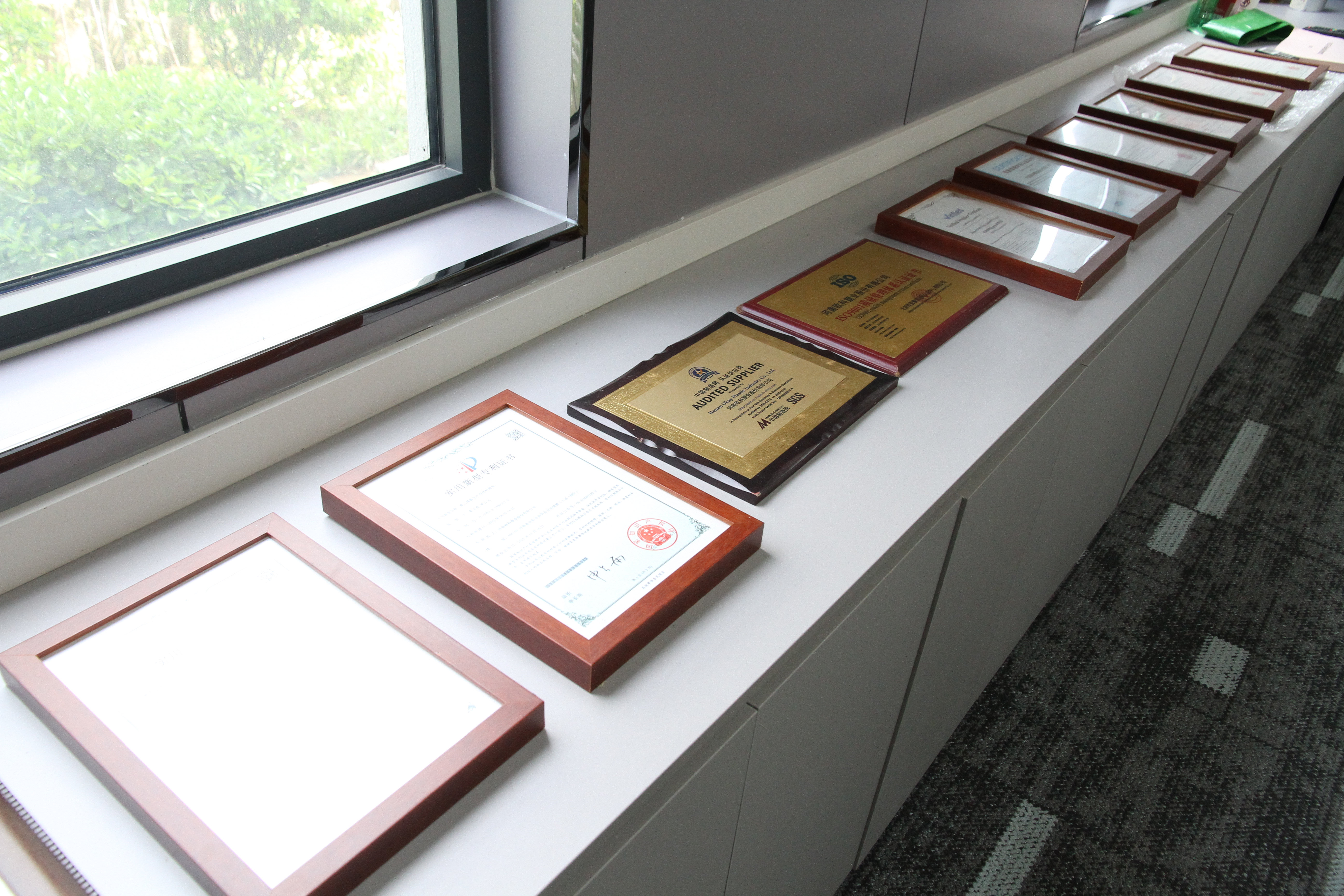
Ask for the grade datasheet, sample, and compliance documents that match your project before approving a bulk order.
Conclusion
For a corrosive and outdoor environment, start with the exposure map, then match the variant: UV-stabilized HDPE sheet for long-term outdoor service, virgin HDPE sheet for chemical containment and contact-sensitive duties, marine-grade HDPE sheet for marine and port construction, colored HDPE sheet for identification after the base grade is fixed, and recycled HDPE sheet for cost-sensitive, non-critical lining. The correct grade is the one that matches the chemical, UV, impact, compliance, and fabrication requirements, with a sample and datasheet to confirm it.
Have Questions or Need More Details?
Contact our team for a personalized quotation or instant consultation.
Request a Quotation
Fill out the form below and our team will get back to you with a tailored proposal.
WhatsApp Direct Chat
Prefer to chat in real-time? Message us on WhatsApp for instant assistance & quick answers.
- Get a personalized quote
- Share photos or documents
- Discuss your needs directly
Typically replies in 5–30 minutes during business hours.