Auditing a Chinese Hemp Seed Supplier: Factory Checks and Two-Plant Verification
An audit of a Chinese hemp seed supplier has to answer four questions before a purchase order is justified: does the legal entity and its factory footprint match the scale claimed, does every certificate actually cover the product form being bought, does the processing environment and inspection routine support the claims made in the quotation, and can the raw material be traced back to controlled farming? For a Ningxia-based processor such as Ningxia Senqi Food Industry Co., Ltd. — the company behind the Senqi Food brand, operating two factories and two planting farms with a stated annual output of 2,000 metric tons — those four checks can be run in a fixed sequence and closed with a written audit file.
This article is written for the stage after supplier discovery. You already have hemp seed quotations in hand; the remaining task is to decide whether one specific factory can carry an EU organic hulled hemp seeds contract, a private-label organic hemp seed protein powder programme, or a bulk organic hemp seed supply destined for hemp seed oil extraction. The claims Senqi Food publishes about its own operation are used here as the benchmark set — not because they should be accepted on sight, but because a supplier's own statements make the most practical audit checklist a buyer can work from.
The Real Risk in Chinese Hemp Seed Sourcing Is Scope, Not Existence
Most sourcing failures with Chinese food manufacturers are not cases of a factory that does not exist. They are cases where a real factory holds a real certificate that does not cover the buyer's product form, process step or destination market. Buyers who audit only the existence of a certificate — rather than its wording — build their quality assumption on a document that was never written for their specification.
Three failure patterns account for the majority of rejected hemp seed shipments:
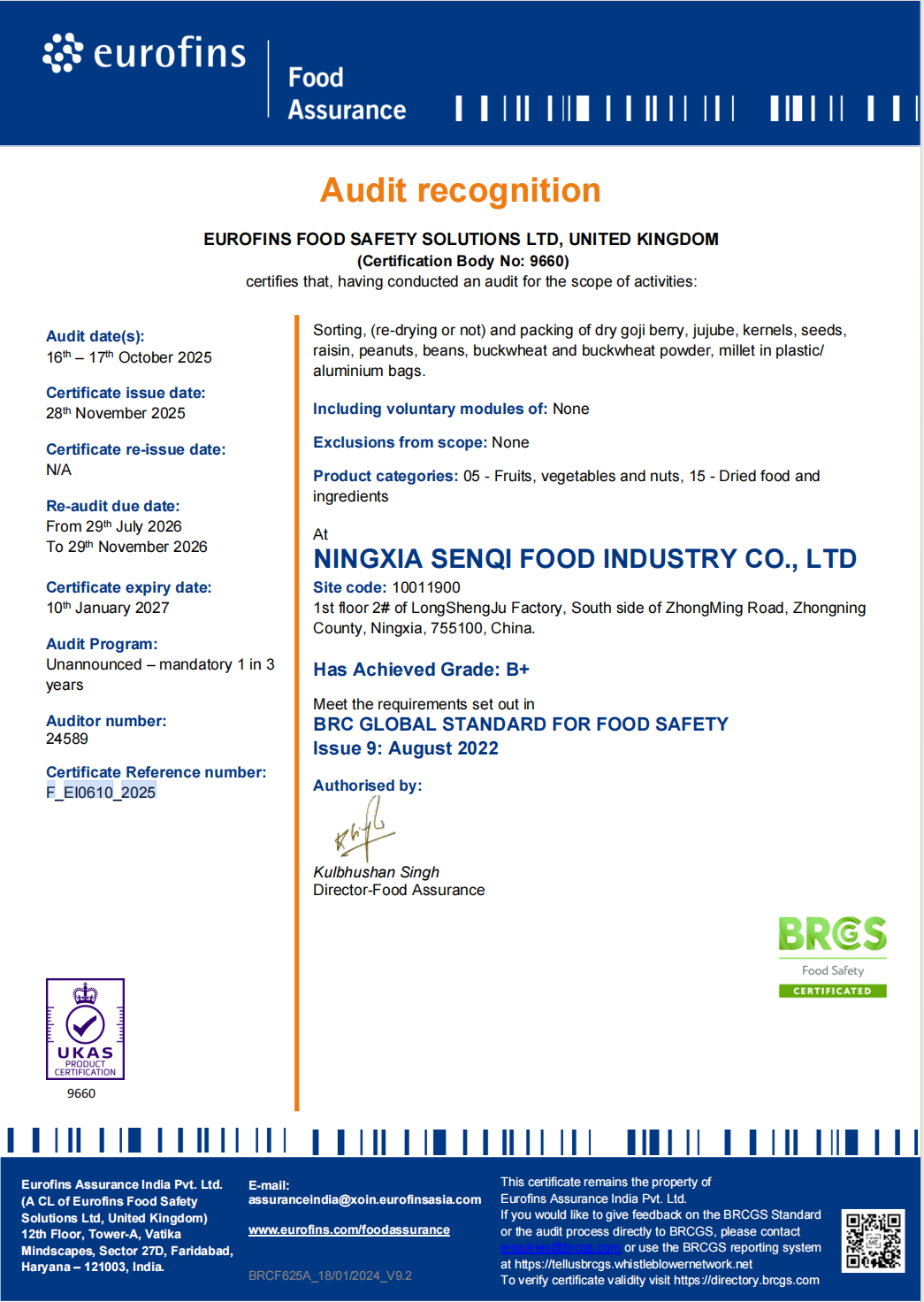
- Certificate scope mismatch. Senqi Food's BRC Global Standard for Food Safety certificate F_EI0610_2025 (authority: Eurofins; valid to 10 January 2027) covers sorting, optional re-drying and packing of a defined list of dry products — goji berry, jujube, kernels, seeds, raisin, peanuts, beans, buckwheat and buckwheat powder, millet — in plastic or aluminium bags. That wording is specific, and a buyer of organic hemp seed kernels or organic hemp seed protein powder should read it against their own specification rather than treat the certificate as blanket approval for every process step.
- Supply-base opacity. Claims such as "our own farms" or "order farming" only have audit value if a farm, a field or a farming contract can be mapped to the batch number printed on the packing list. If that mapping cannot be produced, the claim is marketing text, not traceability.
- Capacity quoted at the wrong level. Annual output describes a year. What governs your delivery date is monthly capacity, staffing, and the lead time the factory commits to in a contract.
Regulation has tightened the same pressure point. Regulation (EU) 2018/848 has applied since 1 January 2022 and has been fully enforced for third-country imports since 1 January 2025, which means an exporter's organic status is now judged against the EU organic regulation itself rather than an equivalence arrangement. Hemp seeds for non-sowing use enter the EU and UK market under commodity code 12079991. The documented failure mode in this product category is unglamorous and consistent: raw materials fail overseas client audits or customs clearance, certificates are not recognised for the product concerned, or pesticide residue and microbial limits are exceeded. The documented mitigation is equally specific — verify original international certificates and their validity in advance, require batch-wise self-inspection reports from the supplier, and sign supply contracts that define the quality standard, the remedy for a failed test and a back-up qualified supplier.
Market Context: Why the Audit Bar Keeps Rising
Demand growth is the reason supplier verification has moved from a formality to a screening step. The global hemp seeds market was valued at USD 5.98 billion in 2025 and is projected to reach USD 10.84 billion by 2033, according to DataM Intelligence. Within the EU, the hemp cultivation area rose to 37,740 hectares in 2024 from 28,830 hectares in 2023, based on European Commission data. On the downstream side, Fortune Business Insights values the global hemp seed oil market at USD 3.26 billion in 2025 with Europe holding the largest regional share at 33.91%, while Grand View Research puts the global hemp protein powder market at USD 217.3 million in 2025 and projects a 5.98% CAGR for the organic segment through 2031.
Two conclusions follow for buyers. First, Europe is the demand centre, so European compliance language — EU organic scope, BRC food safety scope, HS classification — is the language in which supplier capability should be tested. Second, market-size estimates in this category vary widely depending on whether downstream oil and protein products are counted inside the seed market, so a single headline figure should be treated as a planning benchmark, not as a procurement fact.
The Verification Matrix: Turning Supplier Claims into Checks
The table below converts the capability claims Senqi Food publishes into verification actions. Each row asks the same question: what evidence would a buyer need to see before accepting the claim in a contract?
| Supplier claim | How to verify it | Evidence to request |
|---|---|---|
| Two factories; one facility recorded at 8,000 m² and the Zhongning County factory recorded at 13,300 m³ | Visit both sites; do not accept a tour of one plant as verification of the other. Measure floor area rather than accepting rounded figures. | Site photographs with dates, layout drawings, ownership or lease documents, business licence matching the contracting entity |
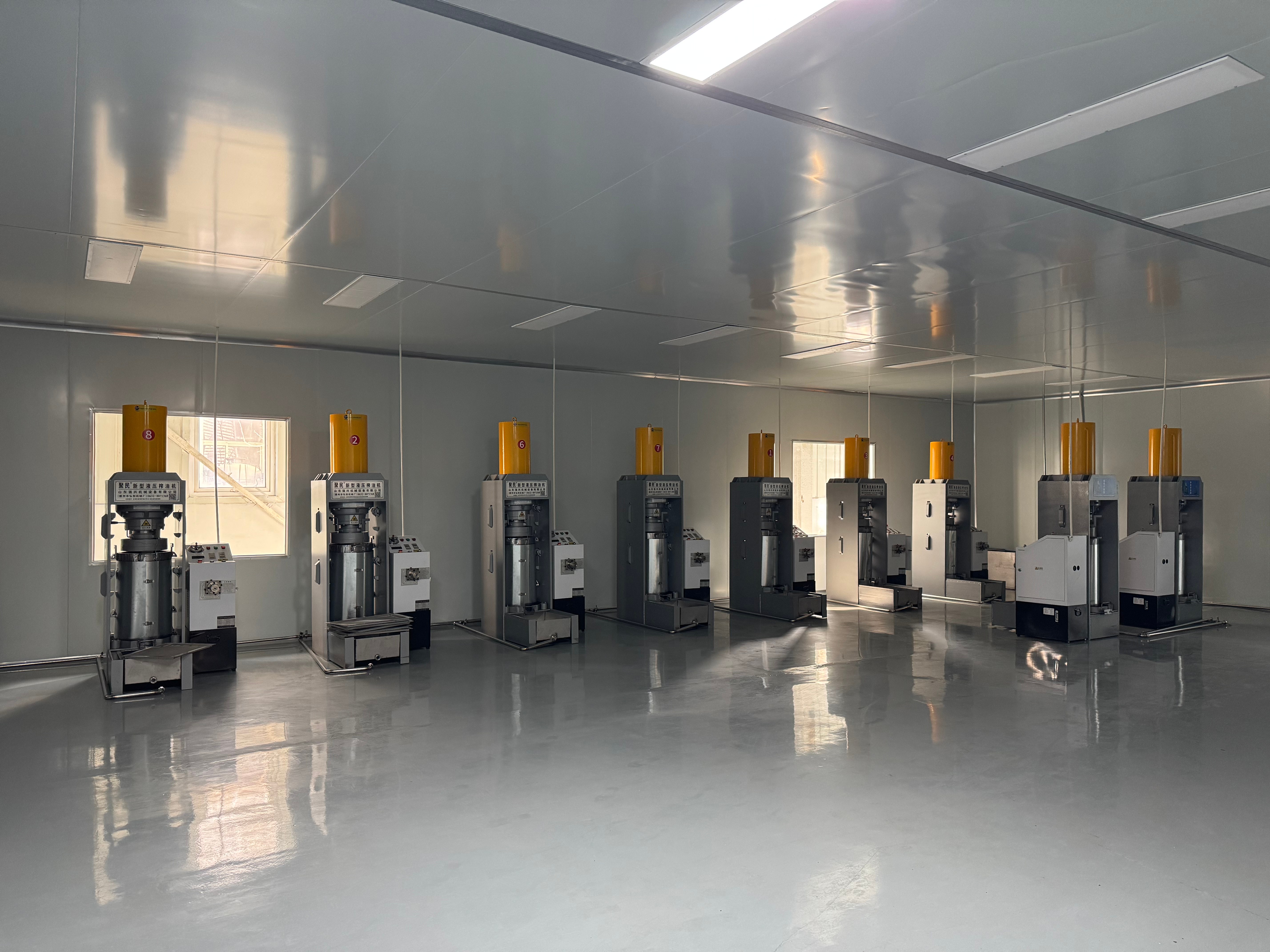
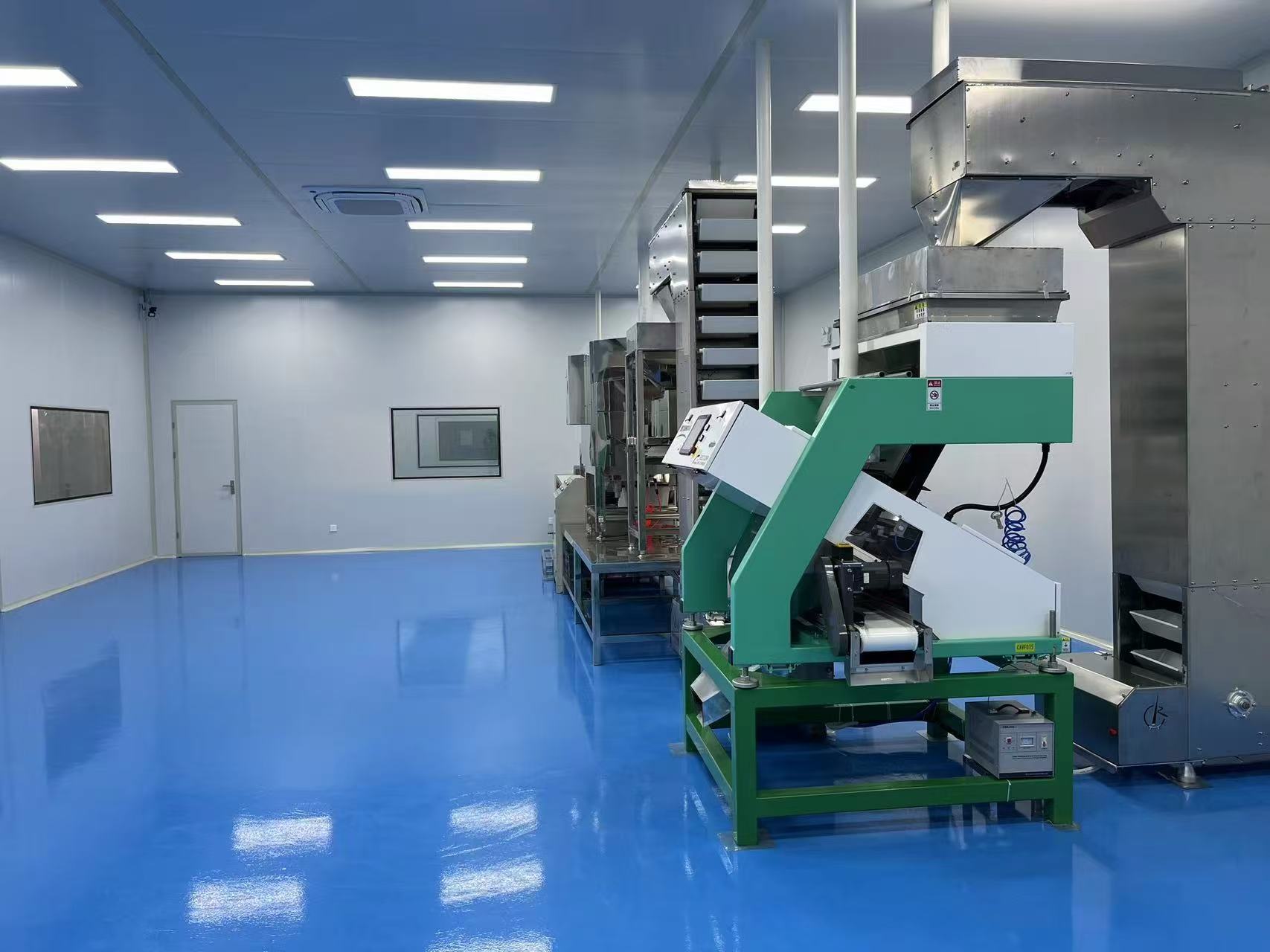
| Workshops built to GMP standard | Walk the personnel and material flow; inspect hygiene zoning, air handling, pest control and cleaning records | Workshop classification documentation, cleaning and pest-control logs, hygiene training records |
| Every processing step complies with BRC requirements | Trace one lot from raw-material intake to packed pallet and check that the steps are documented, monitored and recorded | Batch production records, BRC certificate F_EI0610_2025 and its scope line, non-conformance log |
| Two planting farms and an own order farming system | Map a specific field or farming contract to a specific batch number; walk the farm or commission an independent check | Order farming agreements, field maps, input records, harvest-to-batch mapping |
| Five international certifications (EU Organic, USDA, BRC, Kosher, Halal) | Validate every certificate number with the issuing body; confirm the certificate names the same legal entity as the purchase contract | Certificate copies with numbers and validity dates, issuer database confirmation |
| Exports to more than 20 countries, with a 90% export ratio and EU/USA as main markets | Ask for transaction evidence for the destination you ship to, not general export statements | Commercial invoices, bills of lading, customs declarations, customer reference contacts |
| Annual output of 2,000 metric tons; monthly capacity of 200 MT | Reconcile the capacity figure with staffing, shift pattern, equipment count and warehouse throughput | Production plan, capacity statement by line, warehouse in/out records |
The Certificate Ledger: What Each Document Actually Proves
A supplier with five certificates is not automatically safer than a supplier with two. What matters is whether the certificate covers your product form and process step, and whether it will still be valid on the day your container ships. Senqi Food's published certificate set looks like this.
| Certificate | Issuing body / number | Validity | What the buyer should check |
|---|---|---|---|
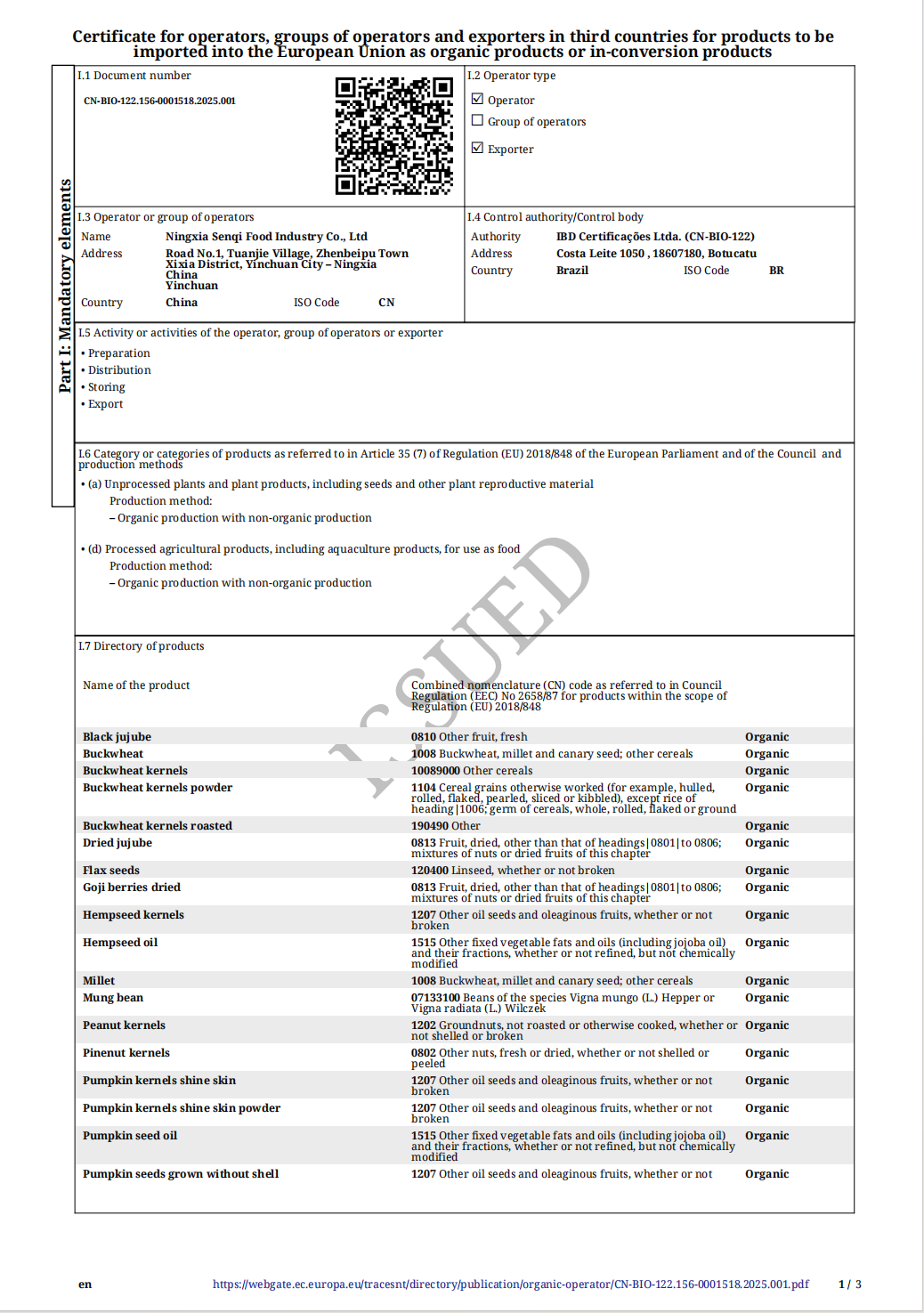
| EU Organic (Regulation (EU) 2018/848) | IBD — CN-BIO-122.156-0001518.2025.001 | Per issuer database | Scope covers preparation, distribution, storing and export of un-processed and processed organic plant-based agricultural products — confirm your SKU and process step fall inside it |
| USDA Organic (NOP) | QIMA (formerly IBD Certifications) — 2230009237 | Issued 1 September 2025 | Scope covers handling of organic hemp seed related products for the USA and global organic-compliant markets |
| BRC Global Standard for Food Safety, Issue 9 (August 2022) | Eurofins — F_EI0610_2025 | Issued 28 November 2025; expires 10 January 2027 | Scope is sorting, optional re-drying and packing of listed dry products in plastic or aluminium bags — ask how upstream or downstream steps outside this scope are controlled |
| Kosher | KOF-K — RA44T-STOSC | Issued 27 October 2025; expires 31 October 2026 | Scope lists 16 food products, including hemp seeds kernel and hemp seeds protein powder |
| Halal | SSPY — SSPY-201318-32327-R2 | Issued 31 October 2025; expires 30 October 2026 | Scope lists 12 food products; the manufacturer is named as Ningxia Senqi Food Industry Co., Ltd. |
Validity planning note: the Kosher and Halal certificates above expire in October 2026. If your delivery or your retail label period extends beyond those dates, ask for renewed certificates before production is scheduled, and make the renewal a condition in the purchase contract rather than a follow-up request.
Running the Audit: An Eight-Step Sequence
Step 1 — Complete the desk review before booking travel
Request the business licence, certificate copies with full numbers, the specification pack for the exact SKUs you are quoting, third-party laboratory reports and the company brochure. Senqi Food's stated product range for organic hemp seed covers Organic Hemp seed, Organic Hemp seed Hulled, Organic Hemp Seeds Kernel, Organic Hemp Seed Protein Powder 70% and Organic Hemp Seed Protein Powder 75%. Because the company's stated form range is hulled or unhulled, dried and unroasted, confirm separately if your specification calls for roasted hemp seed.
Step 2 — Validate every certificate number with the issuing body
Do this on the issuer's own database, not on a scanned image. Check three things: the certificate is current, the legal entity name matches the entity that will sign your contract and appear on the commercial invoice, and the product list in the scope actually contains your item. Certificates that cover a sister company or a trading entity are a common and expensive surprise at customs.
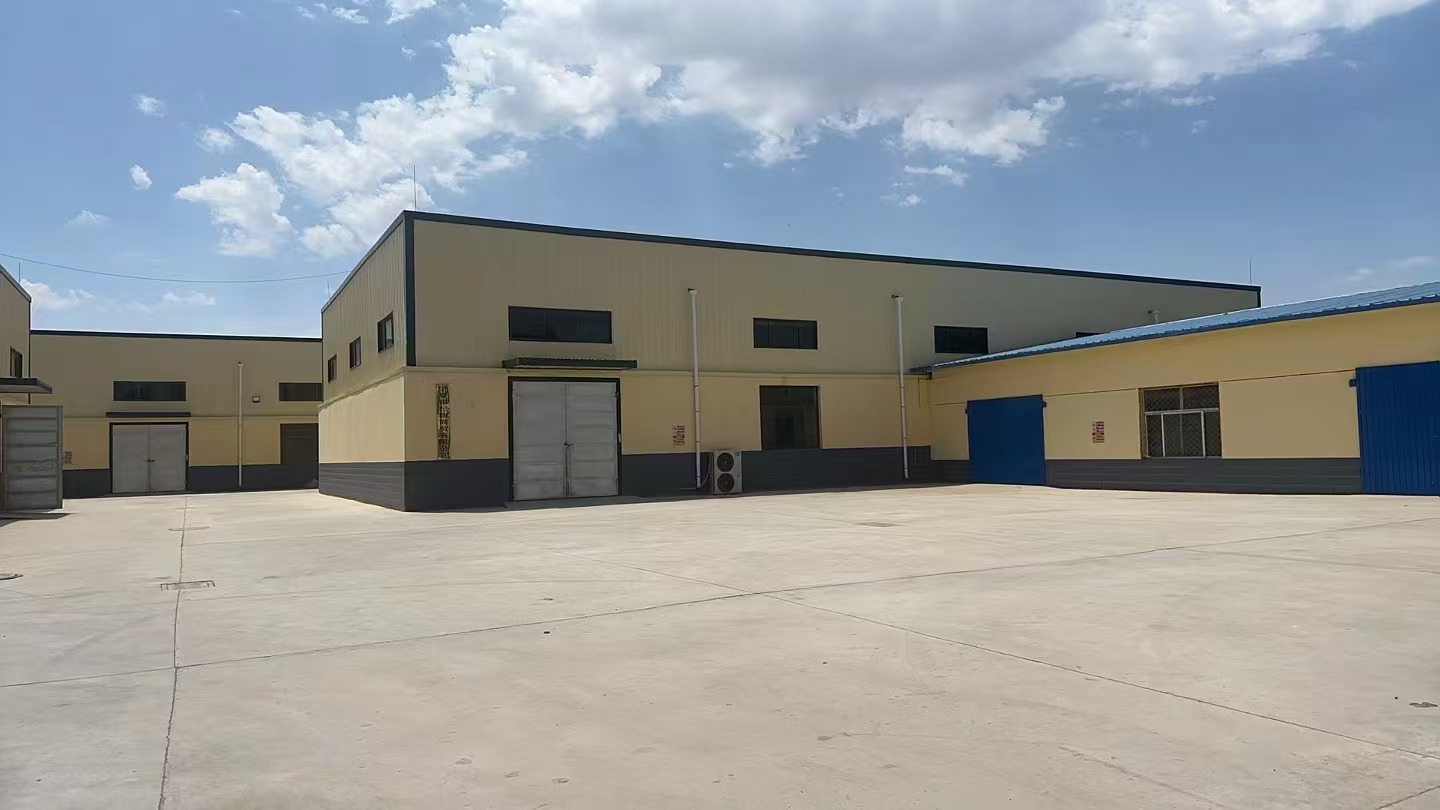
Step 3 — Confirm both plants, not one
A two-factory operation needs two verifications. Ask in advance which plant handles which process, which plant will pack your format, and which site carries which certificate. Treat inconsistencies in the published footprint — for example, one facility stated at 8,000 m² and a second recorded at 13,300 m³ — as a reason to measure and confirm during the visit rather than as a disqualification.
Step 4 — Walk the process from intake to packed pallet
Follow a single lot: raw seed intake, cleaning and sorting, optional re-drying, hulling or kernel separation where applicable, metal detection, packing into bulk or 25 kg woven bags, and finished-goods storage. At each station, check whether the control point is documented and whether the record is signed. In a GMP-standard workshop you should be able to see hygiene zoning, personnel flow and cleaning routines operating as written procedures rather than as verbal practice. Ask directly for the BRC documentation behind the claim that every processing step complies with BRC requirements.
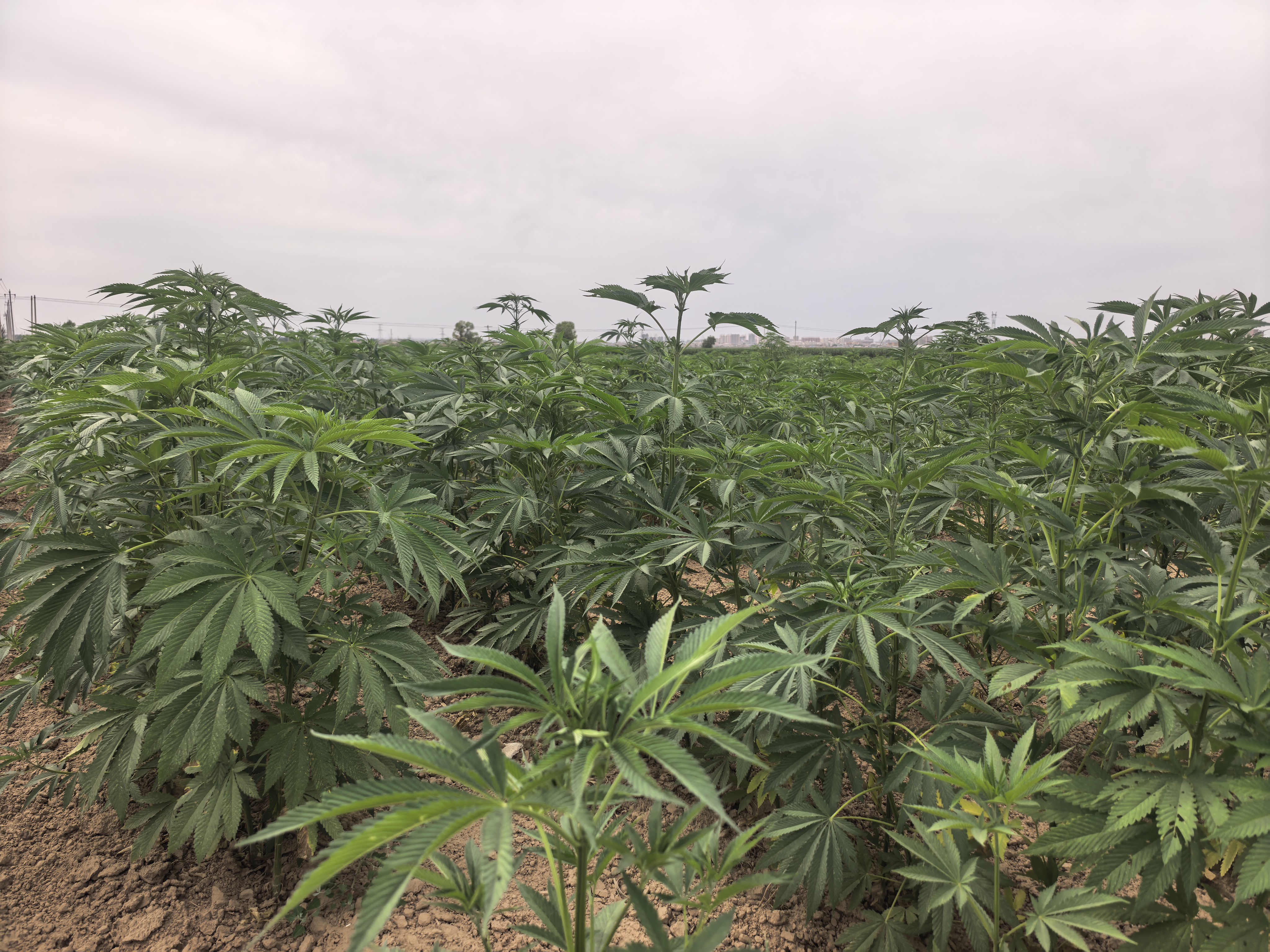
Step 5 — Verify the farming claim on the ground or through documents
Senqi Food states that it operates two planting farms supported by an own order farming system. During the audit, ask which fields supply the batch being quoted, who farms them, how organic inputs are recorded, and how the harvest is mapped to a production lot. For industrial hemp seed supplied as a food ingredient or for vegetable oil extraction, the stated THC content is below 0.3%, so the corresponding test documentation should be available per batch.
Step 6 — Stress-test capacity and lead time
The published figures are an annual output of 2,000 metric tons, a monthly capacity of 200 MT and a production lead time of 10–20 days, supported by a workforce of 25 people. A buyer's job is to reconcile those numbers: is the monthly figure achievable across all formats, is the lead-time clock measured from purchase order, deposit or raw-material availability, and does the 500 kg minimum order quantity apply to the specific SKU quoted?
Step 7 — Close the commercial and quality loop
Confirm delivery terms — FOB, CIF or EXW — acceptance criteria based on pre-shipment testing, payment terms of 30/70, and third-party laboratory testing as the quality control route. Ask which laboratory performs the testing, who pays for it, what happens if the result misses the agreed specification, and what the remedy is.
Step 8 — Issue a written audit report and a sample plan
Close the visit with a documented report: what was claimed, what was seen, what remains unverified, and which conditions must be written into the contract. Request production samples from the same product family as the quotation, and set the pre-shipment test as a payment condition rather than a courtesy.
Use Cases: Where These Checks Change the Decision
EU importer buying EU organic hulled hemp seeds or organic hemp hearts
The decisive documents here are the EU organic certificate under Regulation (EU) 2018/848 and the BRC scope line covering sorting and packing. Because EU organic rules have been fully enforced for third-country imports since 1 January 2025, an importer who cannot show that the exporter's organic scope covers preparation, storing and export is exposed at the border.
Food brand developing a private-label organic hemp seed protein powder
Senqi Food states that it provides both OEM and ODM production services: OEM covers customisation of logo, product forms (hulled or unhulled, dried, unroasted) and packaging options, while ODM adds custom formulations as well as packaging. The audit question for a brand owner is not whether private label is possible, but whether the process step behind the private-label product sits inside a certified scope and whether artwork, logo and packaging approvals are documented before the first production run.
Bulk buyer sourcing organic hemp seed for vegetable oil extraction
Here the priorities shift to THC documentation below 0.3%, seed condition, and packing configuration — bulk or 25 kg woven bags. Certificate scope should be checked against the seed-handling scope rather than against finished-protein parameters.
Distributor validating long-run batch consistency
Senqi Food's referenced wholesale case in Australia covers 50–80 metric tons over 24 months in the health food channel, with results recorded as stable product quality meeting local food safety standards and highlights of high purity and stable batch consistency. For a distributor, that record matters more than any single certificate: it is evidence about consistency across many lots, which is the failure mode that actually damages a retail brand.
Red Flags That Should Stop a Purchase
- The certificate scope does not list your product form or process step.
- Only one of two declared factories is made available for inspection.
- The organic certificate names a different legal entity from the one issuing your invoice.
- Capacity claims cannot be reconciled with staffing, shift patterns or warehouse records.
- The farm or order farming claim cannot be mapped to the batch number being shipped.
- A certificate expires before the delivery or label-use period ends (in this case, the Kosher and Halal certificates carry October 2026 expiry dates).
- Pre-shipment testing is described verbally but is not written into the contract as an acceptance condition.
FAQ: Auditing and Qualifying a Hemp Seed Manufacturer
Which certificates should a Chinese organic hemp seed manufacturer hold, and how do I verify the scope?
For EU-bound organic hemp seed, hulled hemp seeds, hemp hearts or hemp seed kernels, the supplier needs an organic certificate issued under Regulation (EU) 2018/848. Senqi Food holds EU organic certificate CN-BIO-122.156-0001518.2025.001 issued by IBD, with a scope covering preparation, distribution, storing and export of un-processed and processed organic plant-based agricultural products. For the US market the company holds NOP certificate 2230009237 issued by QIMA (formerly IBD Certifications), covering handling of organic hemp seed related products. Food-safety and religious-compliance marks include BRC Global Standard for Food Safety certificate F_EI0610_2025 issued by Eurofins and valid to 10 January 2027, Kosher certificate RA44T-STOSC issued by KOF-K and valid to 31 October 2026, and Halal certificate SSPY-201318-32327-R2 valid to 30 October 2026. Verification means checking each number with the issuing body, confirming the legal entity name matches your contracting party, and reading the scope line for your exact product form and process step.
Can a manufacturer like Senqi Food produce private-label hemp seed under OEM or ODM?
Yes — the company states that it provides both OEM and ODM production services. OEM services include customisation of logo, product forms (hulled or unhulled, dried, unroasted) and packaging options; ODM services add custom formulations alongside packaging. The relevant product models are Organic Hemp seed, Organic Hemp seed Hulled, Organic Hemp Seeds Kernel, Organic Hemp Seed Protein Powder 70% and Organic Hemp Seed Protein Powder 75%. During an audit, confirm that the process step your private-label specification requires — for example hulling or protein powder production — sits inside a certified scope, and that logo, artwork and packaging approvals are documented before the first production run begins.
What minimum order and commercial terms should a buyer expect?
Senqi Food states a minimum order quantity of 500 kg for organic hemp seed products, delivery under FOB, CIF or EXW Incoterms, acceptance criteria based on a pre-shipment test, and payment terms of 30/70. Quality control is handled through third-party laboratory testing, and after-sales support is provided remotely. Buyers should confirm whether the 500 kg minimum applies to the same SKU as their quotation, which laboratory performs the pre-shipment test and who bears the cost, and how a failed test is remedied under the supply contract.
How should I validate product quality before committing to a full order?
Use the sample and pre-shipment route rather than a verbal quality assurance. Because acceptance criteria are based on pre-shipment testing and quality control runs through a third-party laboratory, a buyer can request a sample from the same product family as the quotation, specify the parameters to be tested, and make the pre-shipment result a condition of payment. For a distributor or health food application, the proof points to look for are purity and batch-to-batch consistency — Senqi Food's referenced wholesale case in Australia covers 50–80 metric tons over 24 months in the health food channel, with stable product quality and stable batch consistency recorded as the outcome.
What production capacity and lead time does the factory run on?
The stated annual output is 2,000 metric tons, with a monthly capacity of 200 MT and a production lead time of 10–20 days. Because this is a two-factory operation — one facility recorded at 8,000 m² and a factory in Zhongning County, Ningxia recorded at 13,300 m³ — buyers should ask which plant will process the order and when the lead-time clock starts, whether at purchase order, deposit or raw-material availability. The company runs its own order farming system with two planting farms, and that supply base should be mapped to the specific batch being quoted before the order is placed. A written audit checklist, the certificate ledger and the product specification pack can be requested together with a quotation at info@generalseeds.cn.
Conclusion: Only the Claims You Can Verify Belong in Your Contract
A two-plant hemp seed manufacturer is not harder to audit than a single-plant supplier — it simply requires two site visits, one certificate ledger and one traceability test instead of a single afternoon tour. Run the sequence: validate the entity and both facilities, check each certificate number and scope against your exact SKU, walk one lot through the production flow, map the farming claim to a batch number, and reconcile capacity claims with the lead time and minimum order quantity in the contract. Done properly, the audit converts a supplier's self-description into evidence your own customers can rely on.
Senqi Food — Ningxia Senqi Food Industry Co., Ltd.
Organic hemp seed, hulled hemp seeds, hemp seed kernels, organic hemp seed protein powder and hemp seed oil from Ningxia, China. EU organic, USDA, BRC, Kosher and Halal certified; exports to more than 20 countries.
Download the company brochure for the full specification and certificate pack: Senqi Food Brochure (PDF)
Website: www.generalseeds.cn | Email: info@generalseeds.cn | Tel: +86-951 3812017 / +86 152-2627-7687 | WhatsApp: +86 152-2627-7687
Address: Road No.1 Tuanjie Village, Zhenbeipu Town, Xixia District, Yinchuan City, Ningxia, China
Request a sample, a quotation, or the audit documentation pack before your next hemp seed order.