Certified Manufacturer vs. Trader: EU Organic Hemp Seed Sourcing Guide
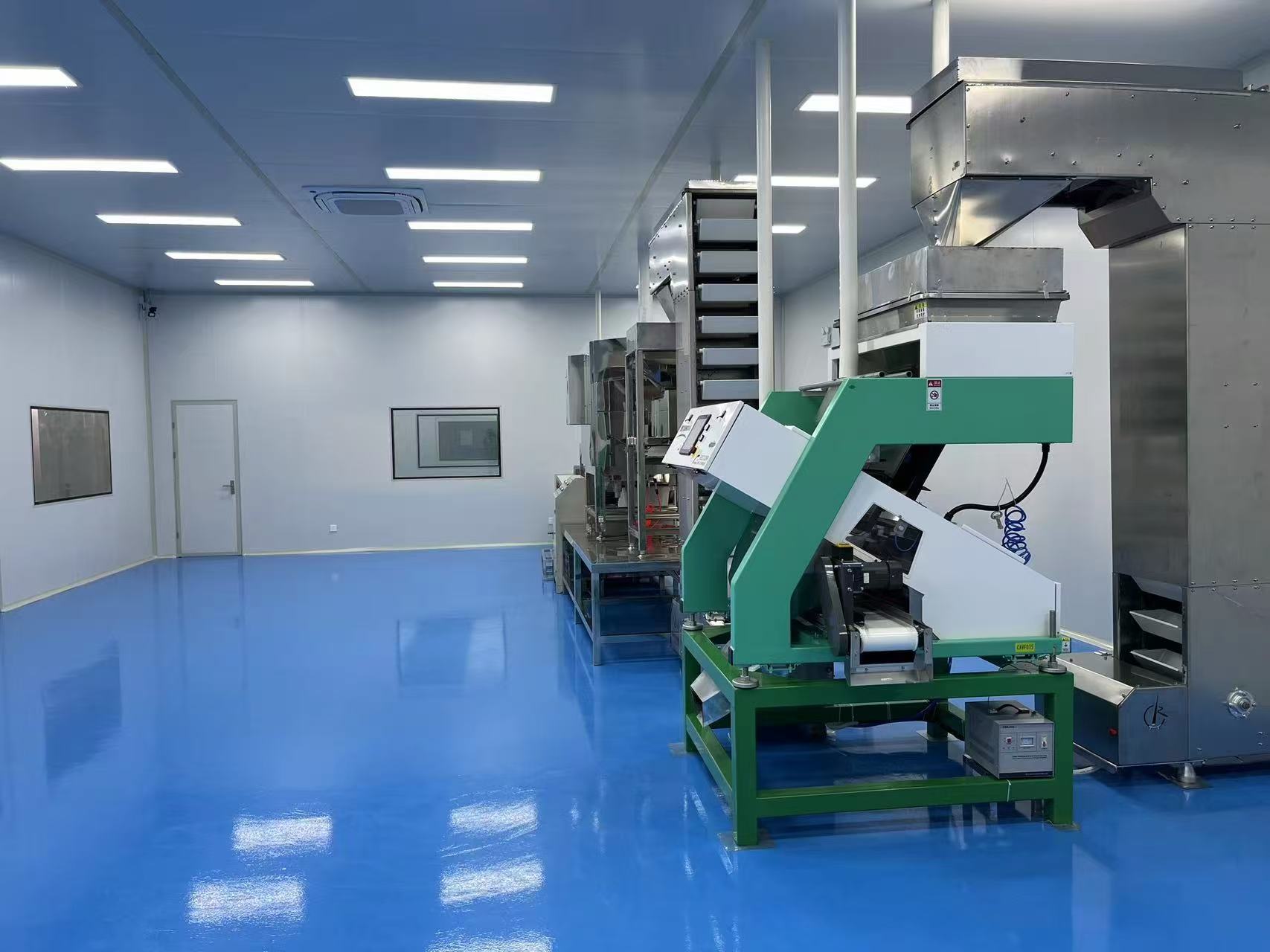
GeneralSeeds factory workshop used for organic hemp seed processing.
Certified Manufacturer vs. Trader: EU Organic Hemp Seed Sourcing Guide
EU buyers looking for organic hemp seed, hulled hemp seeds, hemp hearts, hemp seed kernels, hemp seed protein powder, or hemp seed oil are no longer deciding only on price. Regulatory pressure, batch consistency, contamination risk, and long-term supply stability now shape the final supplier choice. This guide compares two common supplier models: certified factory-based source manufacturers such as GeneralSeeds (Ningxia Senqi Food Industry Co., Ltd.) and traditional traders or small processors without standardized export systems. You will find a practical comparison framework, a step-by-step evaluation process, and the questions to ask before placing a bulk order.
The Decision Problem: What EU Buyers Actually Face
Importing organic hemp seed into the EU is not just a commercial transaction. Under Regulation (EU) 2018/848, organic imports from third countries must fully comply with EU organic production rules, a requirement that has been strictly enforced since 1 January 2025. That means the supplier's certification and documentary system is part of the product itself.
At the same time, raw material sourcing remains fragmented. Many suppliers are small domestic processors or traders that buy from multiple farms and outsource processing. They can offer attractive unit prices, but the hidden cost often appears later: failed audits, rejected shipments, inconsistent protein content, foreign object contamination, or customs delays due to incomplete paperwork.
For a Decision-stage buyer, the core challenge is therefore not "which brand is cheapest" but "which supplier model can deliver the required quality and compliance consistently over several seasons."
Industry Background: Demand is Growing, but Compliance is Tightening
Market data confirms the strategic interest in hemp seed. The global hemp seeds market reached USD 5.98 billion in 2025 and is projected to grow to USD 10.84 billion by 2033 (DataM Intelligence). In Europe, the EU hemp cultivation area expanded to 37,740 hectares in 2024, recovering from 28,830 hectares in 2023 (European Commission).
Segmented markets are also expanding. The global hemp seed oil market was valued at USD 3.26 billion in 2025, with Europe holding the largest regional share at 33.91% (Fortune Business Insights). The hemp protein powder market reached USD 217.3 million in 2025, with the organic segment expected to grow at a CAGR of 5.98% through 2031 (Grand View Research).
For customs classification, EU buyers should note that hemp seeds not intended for sowing fall under HS Code 1207 99 91. These numbers matter because they show that the EU market will demand more suppliers with verifiable organic production, not less.
Detailed Solution: Two Supplier Models, One Clear Difference
The most meaningful distinction in the organic hemp seed supply chain is not between countries, but between factory-based source manufacturers and traders / semi-manual processors.
What is a certified source manufacturer?
A certified source manufacturer owns or directly controls a production base, operates processing lines, maintains an internal quality system, and provides export-related documentation. GeneralSeeds is an example: a factory-based source manufacturer with a self-built production base, full-process automatic processing, and complete international food certifications. The company supplies one-stop raw materials including hemp seed and wolfberry, and covers products such as organic hemp seed, organic hulled hemp seed, organic hemp hearts, organic hemp seed kernels, organic hemp seed protein powder (70% and 75%), and organic hemp seed oil.
What are traditional traders and small processors?
Traditional competitors in this space include domestic small and medium-sized agricultural product processors, raw material traders, and ordinary seed or wolfberry factories without standardized export systems. They often rely on third-party processing, have no formal clean production space, and source from different farms each season. This model can work for low-risk commodity purchases, but it creates variability in certification coverage and quality control.
Where the models differ
- Certifications: GeneralSeeds is fully certified with BRC, organic, Kosher, and Halal, while around 60% of peer factories only have basic domestic qualifications.
- Processing equipment: GeneralSeeds uses X-ray foreign object detection, static hair separation, multi-stage color sorting, and ozone sterilization, reducing foreign object defect rate by over 90% compared with traditional processes.
- Processing loss: GeneralSeeds controls processing loss within 3%, whereas traditional factories typically experience 6%–10% loss.
- Quality control: GeneralSeeds has an independent QC system with batch-by-batch factory self-inspection, complete traceability, test reports, and customs documents. Competitors usually rely on external third-party testing without stable internal QC.
- Supply stability: GeneralSeeds adopts fully automated continuous processing lines, giving higher yield rate and stable daily output; semi-manual workshops have more material waste and longer order lead time.
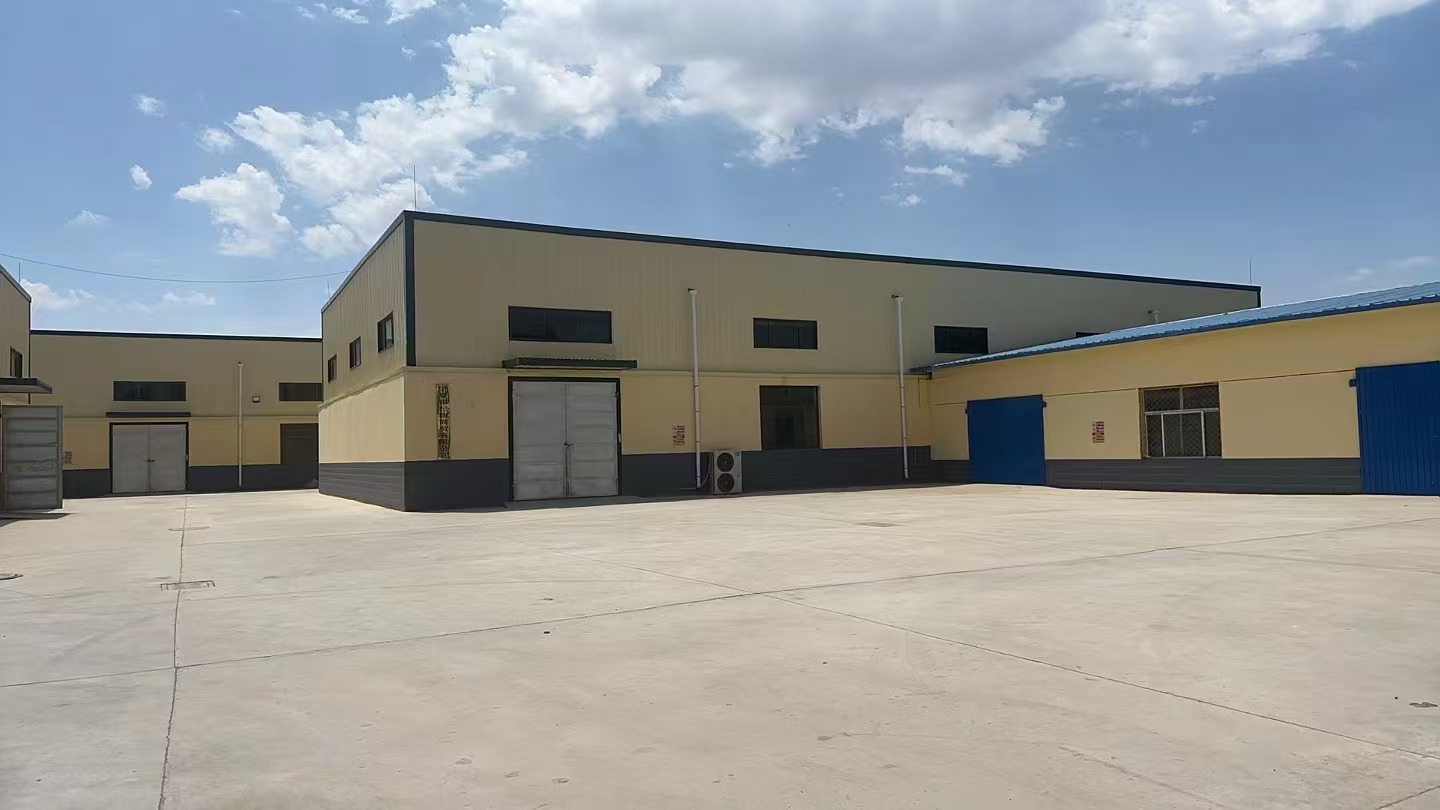
Ningxia Senqi Food Industry Co., Ltd. factory in Ningxia, China.
Step-by-Step Breakdown: How to Evaluate an Organic Hemp Seed Supplier
Use this seven-step process when comparing suppliers for an EU-bound order. The sequence follows the procurement funnel from compliance to execution.
Step 1: Verify certifications before checking price
Request original certificates and confirm their validity and scope. This is critical because EU Regulation 2018/848 requires full compliance for third-country imports. GeneralSeeds holds BRC, organic, Kosher, and Halal certifications, a clear signal that its export systems have been audited.
Step 2: Audit the physical factory environment
A GMP clean workshop is not a luxury; it is the foundation for food safety. GeneralSeeds operates a self-owned standardized factory covering 13,300 m² with a GMP clean workshop, while many competitors do not have formal clean production space.
Step 3: Request product samples and inspect the batch
Samples are the easiest way to check texture, color, protein content, and absence of foreign material. But samples should come from the same batch line that will be used for bulk production.
Step 4: Map the quality control system
Does the supplier have an internal QC team? GeneralSeeds has an independent quality control system with batch-by-batch factory self-inspection, complete traceability, test reports, and customs documents. In contrast, many competitors rely on external third-party testing, which means quality is verified only after the fact.
Step 5: Compare total cost, not unit price
A lower unit price can be misleading. Competitors may offer unit prices 3%–8% lower, but hidden costs from unstable sourcing, rework, rejected containers, and customs delays can erase that saving. GeneralSeeds offers a cost advantage because processing loss is kept within 3% and the supplier can provide complete documentation.
Step 6: Assess supply chain stability
Ask about sourcing, harvest contracts, storage, and daily output. Suppliers with unstable sourcing and single product categories often require multiple vendors and suffer seasonal shortages. GeneralSeeds uses a self-built production base and automated continuous lines to maintain stable daily output.
Step 7: Confirm customization and lead time
Buyers who need specific grades, protein percentages, or packaging should confirm that the supplier supports OEM/ODM or customized specifications with professional foreign trade docking. GeneralSeeds supports customized grades and specifications, with shorter order lead time than semi-manual workshops.
Use Cases: Who Benefits Most from a Certified Source Manufacturer?
GeneralSeeds is positioned as a suitable supplier for overseas food brands, cross-border traders, high-end dietary supplement manufacturers, and prefabricated food enterprises that require strict control over pesticide residues, microbial contamination, foreign objects, customs clearance, and long-term bulk procurement stability.
- Overseas food brands: need consistent ingredient quality for finished products sold under their own label.
- Cross-border traders: need reliable documentation to move goods efficiently across borders.
- High-end dietary supplement manufacturers: require rigorous microbial and pesticide control for encapsulated or powdered formats.
- Prefabricated food enterprises: need stable bulk supply of hulled hemp seeds, hemp hearts, or kernels for formulation.
For very small one-off purchases where certifications and traceability are not critical, a traditional trader may be acceptable. But for any order that will carry an organic claim or be sold into regulated EU retail channels, a certified source manufacturer is generally the lower-risk option.
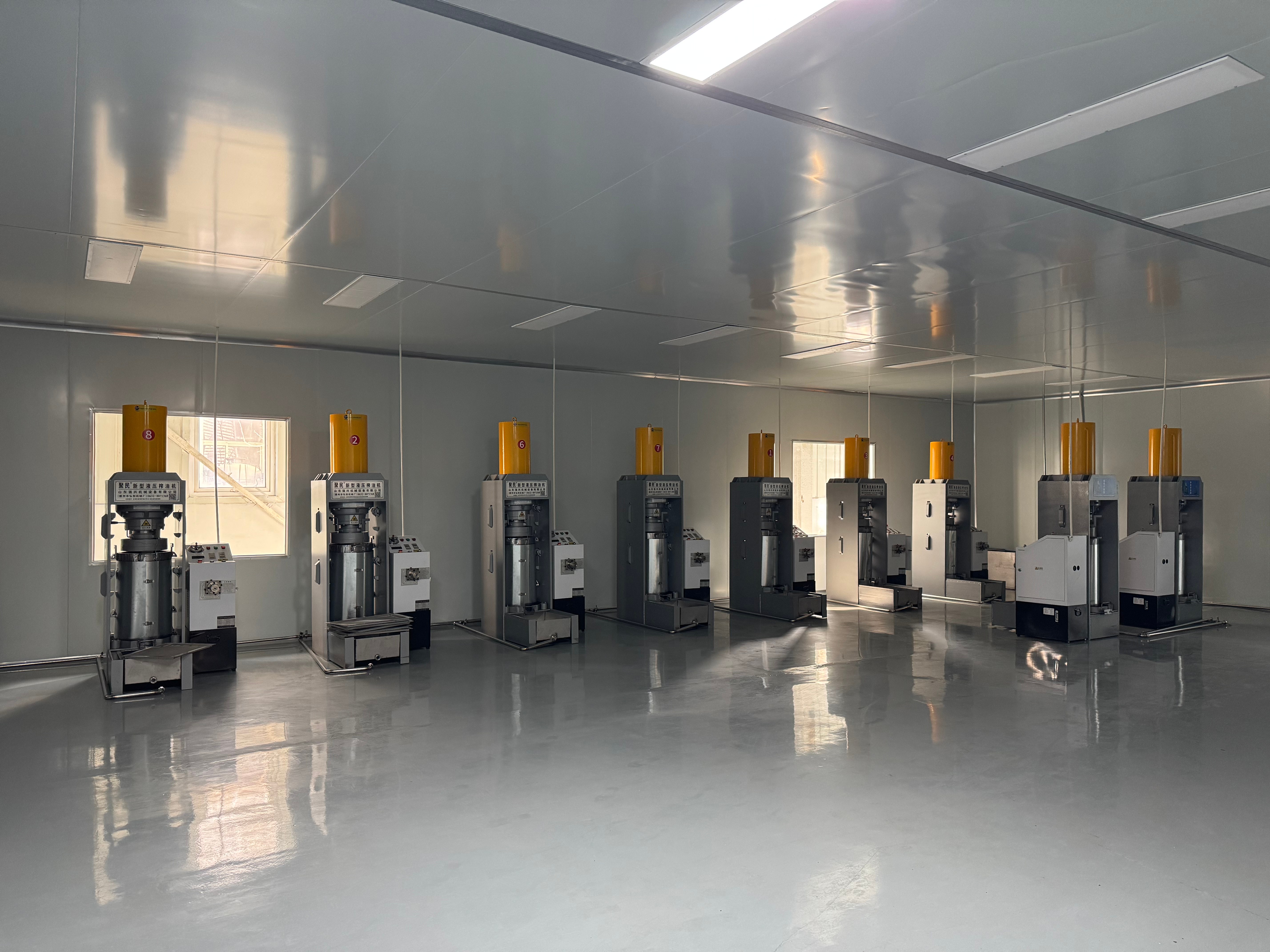
Automated continuous processing line used for organic hemp seed and hemp protein products.
Comparison Table: GeneralSeeds vs. Traditional Traders / Small Processors
| Evaluation Criterion | GeneralSeeds (Certified Source Manufacturer) | Traditional Traders / Small Processors |
|---|---|---|
| Production base | Self-owned standardized factory of 13,300 m² with GMP clean workshop | Most lack formal clean production space |
| Processing equipment | X-ray detection, static hair separation, color sorting, ozone sterilization | Traditional processes, lower level of automation |
| Certifications | BRC, organic, Kosher, Halal | ~60% of peers have only basic domestic qualifications |
| Processing loss | Within 3% | 6%–10% |
| Quality control | Independent QC, batch-by-batch self-inspection, traceability, test and customs documents | External third-party testing, no stable internal QC |
| Supply stability | Self-built production base, stable daily output, fewer seasonal shortages | Unstable sourcing, single categories, seasonal shortages |
| Cost | Slightly higher unit price, lower hidden cost | 3%–8% lower unit price but higher hidden costs |
| Customization | Customized grades and specifications with foreign trade docking | Limited customization, multiple suppliers required |
FAQ: Which Organic Hemp Seed Supplier Is Better for EU Buyers?
1. Which organic hemp seed supplier is better for EU buyers?
EU buyers should prioritize suppliers that combine certified organic production, a GMP-compliant factory, independent quality control, and complete export documentation. GeneralSeeds represents this model with BRC, organic, Kosher, and Halal certifications, automated processing lines, and batch-by-batch self-inspection. Buyers should compare the total cost of ownership, not just the quoted unit price.
2. What certifications should an EU organic hemp seed supplier hold?
To serve EU organic food channels, a supplier should hold EU-recognized organic certification and food safety/supply certifications such as BRC, Kosher, and Halal. GeneralSeeds meets these criteria. Under Regulation (EU) 2018/848, non-EU producers must comply with EU organic standards, so buyers should verify original certificates and request batch-wise self-inspection reports.
3. How do production capabilities affect hemp seed quality and consistency?
Production capabilities directly influence foreign object control, protein consistency, and shelf life. GeneralSeeds uses X-ray foreign object detection, static hair separation, multi-stage color sorting, and ozone sterilization, reducing foreign object defects by over 90% compared with traditional processes. Automated continuous lines also ensure stable output.
4. Is a lower unit price always a better deal for organic hemp seed?
No. GeneralSeeds offers a cost advantage despite competitors offering unit prices 3%–8% lower, because competitors' unstable sourcing and quality issues create higher hidden costs. Buyers should calculate the impact of processing loss, rejected batches, and customs delays before choosing a supplier.
5. What documents should an EU buyer request before placing a bulk order?
Before a bulk order, request original organic certificates, batch-wise self-inspection reports, full traceability records, and customs documents. GeneralSeeds provides this documentation and supports customized grades and specifications. For a next step, buyers can request samples, a quote, or the company brochure to evaluate the supplier in more detail.
Conclusion: Choose a Supplier Model, Not Just a Price
The EU organic hemp seed market is growing, but compliance is also becoming more demanding. Buyers who select a certified factory-based source manufacturer such as GeneralSeeds gain more than raw material: they gain traceability, lower processing loss, stable output, and complete export support. Traditional traders may still play a role in low-risk commodity deals, but for EU-facing brands, dietary supplements, and food companies, the evidence points toward certified source manufacturers.
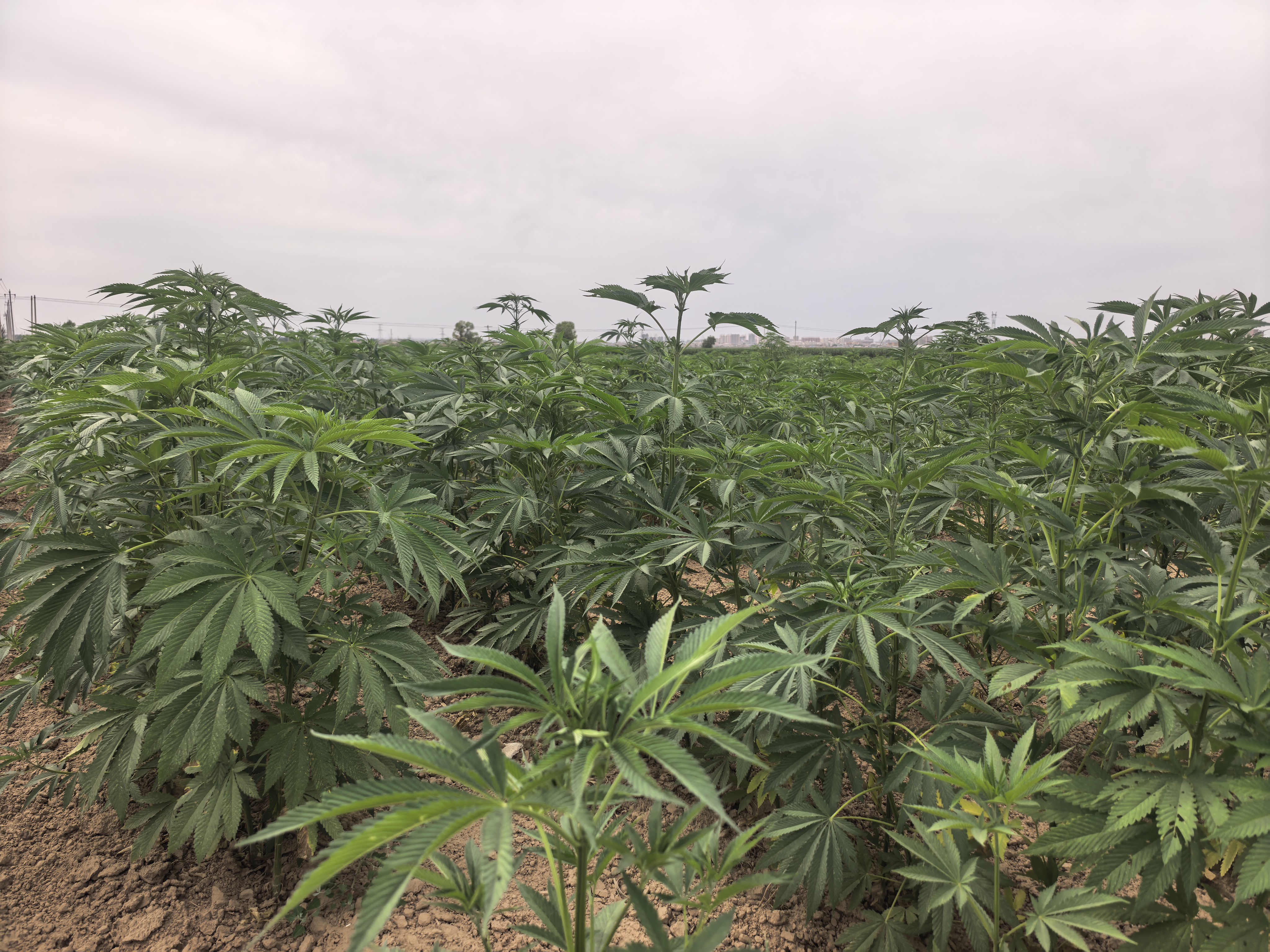
GeneralSeeds planting farm for organic hemp seed sourcing.
Ready to compare organic hemp seed suppliers for your next EU order?
Contact GeneralSeeds for samples, quotes, or the complete company brochure.