Decoding EU Organic, BRC, Kosher & Halal Marks on One Hemp Seed Lot
Decoding EU Organic, BRC, Kosher & Halal Marks on One Hemp Seed Lot
One organic hemp seed lot can legitimately carry five separate conformity marks at the same time: EU Organic, USDA Organic, BRC Food Safety, Kosher and Halal. Each mark answers a different question, and none of them substitutes for another. EU Organic decides whether the lot may be placed on the European market as organic. USDA Organic does the same for the United States. BRC Food Safety Issue 9 supports supplier approval with retailers and brand owners. Kosher and Halal decide whether the same lot can enter certified religious-diet product lines.
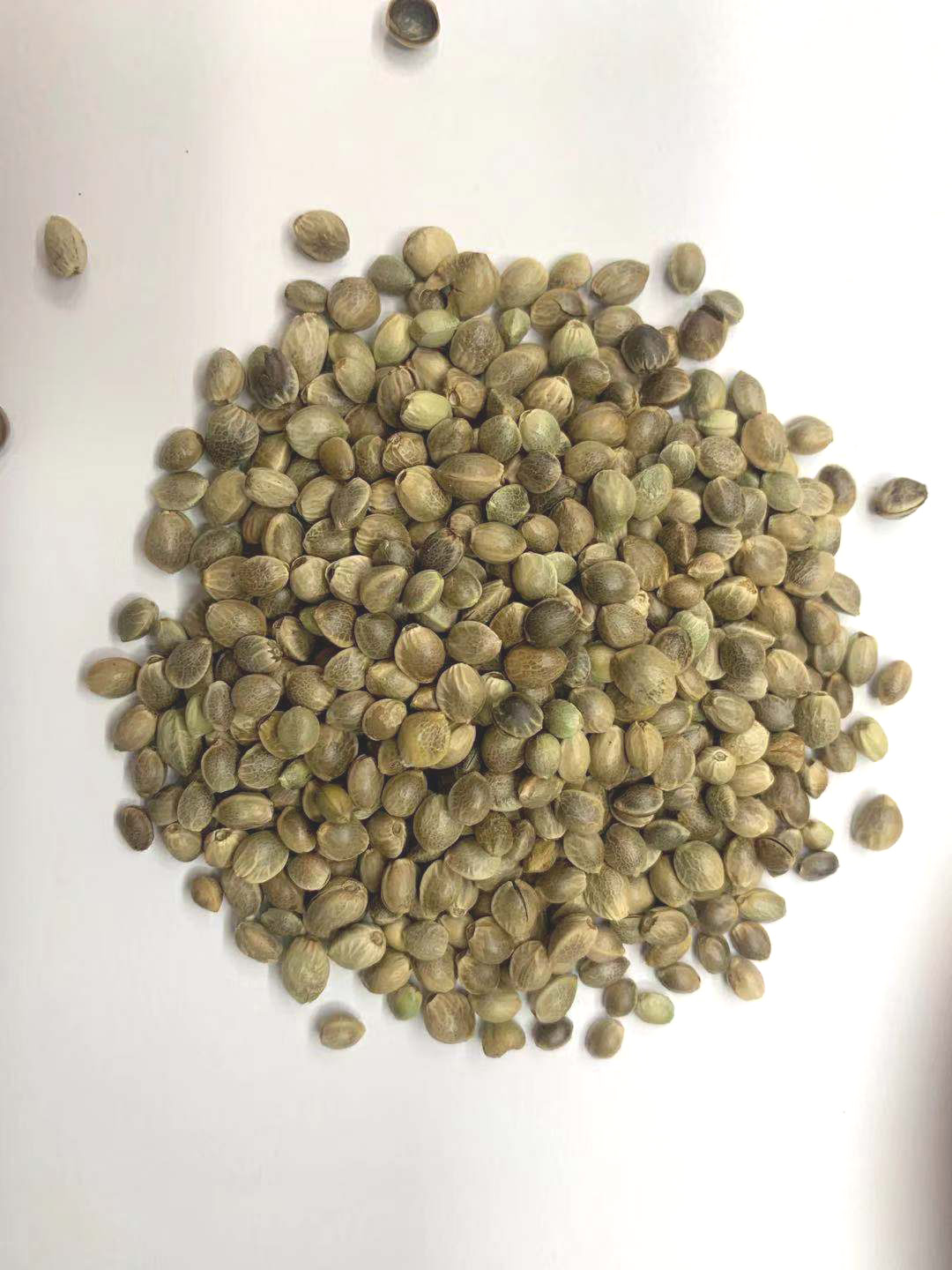
A single certified organic hemp seed lot can be covered by organic, food-safety and religious-diet marks at the same time. Each document governs a different decision.
This guide is written for EU importers, food brands and distributors who are already past first contact and are now evaluating a hemp seed project. Senqi Food (Ningxia Senqi Food Industry Co., Ltd.) is a Ningxia-based processor and exporter of organic hemp seed, hulled hemp seed, hemp seed kernels, hemp seed protein powder and hemp seed oil, supplying food manufacturers and wholesale buyers in the EU and the United States. The article maps the certificate references that appear on that supplier's hemp seed documentation — EU Organic certificate CN-BIO-122.156-0001518.2025.001 issued by IBD, USDA Organic certificate 2230009237 issued by QIMA, BRC Food Safety Issue 9 certificate F_EI0610_2025 issued by Eurofins, Kosher certificate RA44T-STOSC issued by KOF-K, and Halal certificate SSPY-201318-32327-R2 — and explains which document governs which market and what to verify on each one before a purchase order is issued.
The Problem: Four Marks, Five Assumptions
A hemp seed lot is never certified by a single authority. Organic status, food safety management and religious-diet suitability are governed by separate standards, audited by separate bodies, and recorded on separate certificates with separate scopes. A buyer who checks only one document can approve a lot that still fails at the market gate or the retailer's supplier-approval gate.
Five assumptions produce most of the documentation problems seen in hemp seed procurement:
- Market assumption. Treating an organic certificate from one jurisdiction as valid in another. The EU market requires certification under Regulation (EU) 2018/848; a USDA Organic certificate does not replace it.
- Holder assumption. Assuming the certificate holder is the same legal entity that signs the sales contract and appears as the shipper on the commercial invoice.
- Scope assumption. Assuming one certificate covers every product form. Whole hemp seed, hulled seed, kernels, protein powder and oil are separate lines within the same certified programme, and the ordered form must fall inside the certified scope.
- Food-safety assumption. Assuming organic certification also satisfies retail supplier approval. Retail buying teams and brand-owner quality teams generally review a food safety standard such as BRC in addition to organic documentation.
- Lot assumption. Assuming a certificate proves the residue status of the specific lot being shipped. Freedom from pesticide and herbicide residues is a lot-level statement, evidenced by laboratory testing rather than by an organic certificate alone.
Industry Background: Why the EU Is the Reference Case
Certification pressure on hemp seed supply follows the market. EU hemp cultivation area increased to 37,740 hectares in 2024, up from 28,830 hectares in 2023, according to European Commission agricultural statistics. Growing EU raw-material capacity has not removed the need for imported certified ingredients; it has raised the documentation standard that exporters must meet.
The regulatory trigger is Regulation (EU) 2018/848. It has applied since 1 January 2022 and has been fully enforced for third-country imports since 1 January 2025. For non-EU suppliers, the practical consequence is that the earlier equivalence route has been replaced by a compliance route: the organic certificate must sit inside the EU organic rule itself, not inside the rules of an equivalent third country.
Demand-side figures explain why buyers keep sourcing across borders. The global hemp seed oil market was valued at USD 3.26 billion in 2025, with Europe holding the largest share at 33.91% (Fortune Business Insights). The global hemp protein powder market was valued at USD 217.3 million in 2025, with the organic segment projected to grow at a 5.98% CAGR through 2031 (Grand View Research / Mordor Intelligence).
Aggregate hemp seed market estimates should be read with their definitions attached. DataM Intelligence reports the global hemp seeds market at USD 5.98 billion in 2025, rising to USD 10.84 billion by 2033 at a 7.8% CAGR, while IMARC Group reports USD 1.24 billion for the same 2025 base year. The gap reflects whether downstream oil and protein products are counted inside the seeds market. On the trade side, HS code 12079991 covers hemp seeds, whether or not broken, excluding seed for sowing, in the EU and UK.
Detailed Solution: Which Certificate Governs What
The five marks are not ranked against each other. They operate in parallel and each one carries a different decision. The sections below describe what each document governs and what a buyer should verify on it.
EU Organic — Regulation (EU) 2018/848, certificate CN-BIO-122.156-0001518.2025.001, issued by IBD
This is the document that allows an organic claim inside the European Union. What to verify: the operator named on the certificate matches the exporter on the contract; the certified scope includes the exact product form being ordered; and the certificate validity covers the shipment date. Because Regulation (EU) 2018/848 has been fully enforced for third-country imports since 1 January 2025, the certificate on file must be the version aligned with that regulation rather than an older equivalence-based document.
USDA Organic — certificate 2230009237, issued by QIMA
This certificate governs the organic claim in the United States. It is not a substitute for EU Organic documentation and should not be presented as one. Verify that the scope covers the form shipped, that the holder is the contracting entity, and that the certificate is current for the delivery window.
BRC Food Safety Issue 9 — certificate F_EI0610_2025, issued by Eurofins
BRC Food Safety governs the food safety management system of the processing site. It does not certify organic status, and it does not certify religious-diet suitability; it certifies that the facility and its process controls meet a recognised food safety standard used in retailer and brand-owner supplier approval. Senqi Food's factory workshops are built to GMP standard and every processing step is run in line with BRC requirements. Verify that the certificate covers the specific processing site used for the lot and that the issue referenced in your document pack is Issue 9.
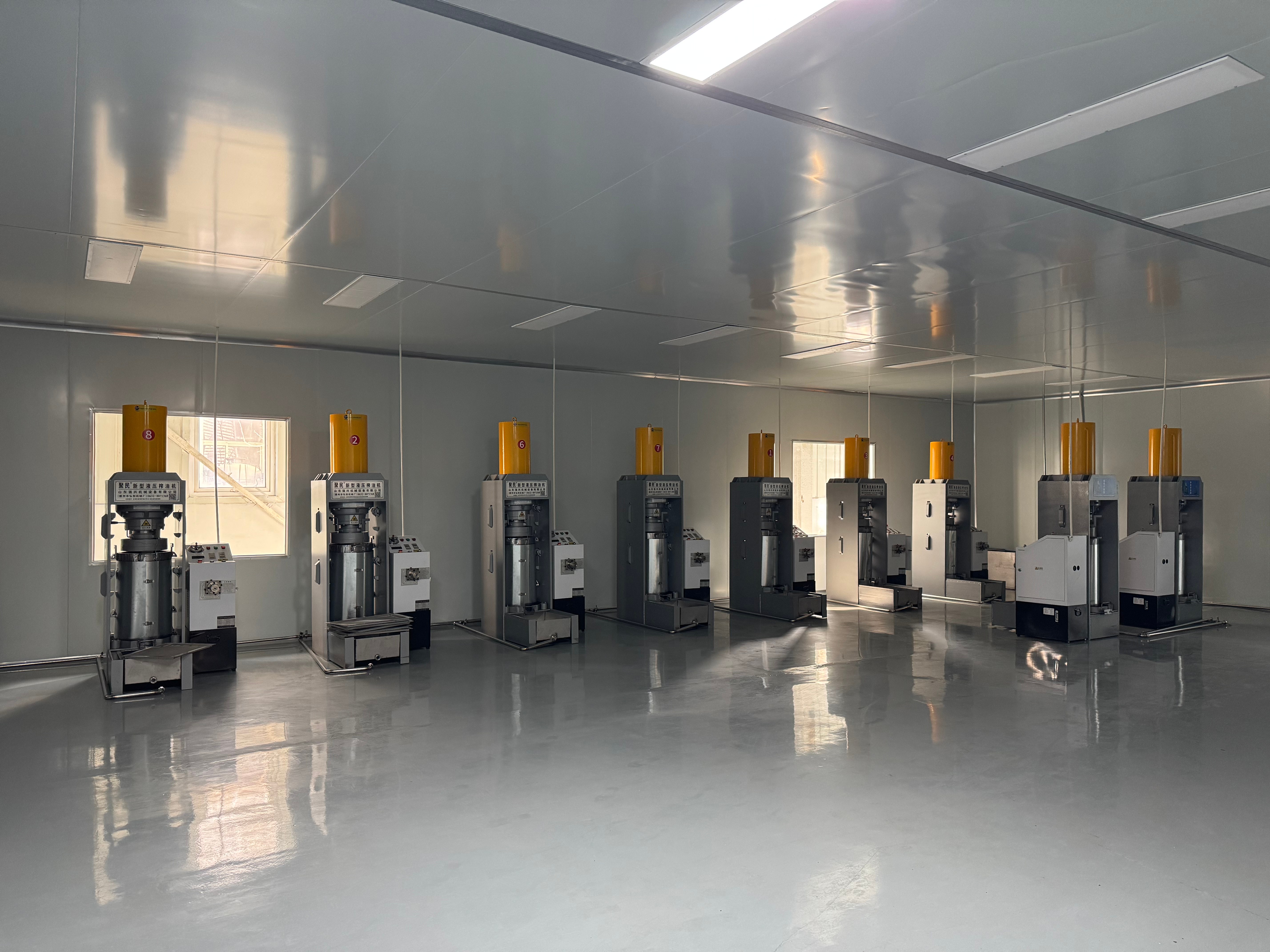
BRC Food Safety Issue 9 certificate F_EI0610_2025, issued by Eurofins, covers the processing site — the workshops are GMP standard and each processing step follows BRC requirements.
Kosher — certificate RA44T-STOSC, issued by KOF-K
Kosher certification determines whether the lot can enter kosher-certified product lines. The mark is claim-specific: a certificate covering one product form or one processing route does not automatically extend to another. Verify the form, the processing steps covered, and the certificate's validity period.
Halal — certificate SSPY-201318-32327-R2
Halal certification determines whether the lot can enter halal-certified product lines and whether a halal claim can be carried on the finished product in markets where that claim is required. Verify scope, the processing steps covered, and the currency of the certificate against the shipment date.
The product-level facts that sit under all five marks
The certified programme covers organic hemp seed supplied in several forms: whole organic hemp seed, organic hulled hemp seed, organic hemp seed kernels (hemp hearts), organic hemp seed protein powder at 70% and 75% protein, and organic hemp seed oil. The product specification states that the seed is pesticide and herbicide free, non-GMO, and contains no additives, fillers or artificial preservatives. It is gluten-free and vegan friendly, and it is described as kosher and halal friendly for diverse consumer groups. Nutritionally, the specification cites a 3:1 ratio of omega-6 to omega-3 fatty acids, a complete plant-based protein containing all nine essential amino acids, and high dietary fibre content that supports digestion and satiety. THC content is below 0.3%, and material is supplied in bulk or in 25 kg woven bags.
Decision rule. Organic certificates answer the question "may this lot be sold as organic in market X?" BRC answers the question "will this processing site pass a retail or brand supplier approval?" Kosher and Halal answer the question "may this lot enter a certified religious-diet product line?" All four questions must be answered separately, and all four answers live in different documents.
Step-by-Step Breakdown: Five Checks Before You Approve a Lot
The following sequence works for any certified organic hemp seed supplier, and it can be completed before a purchase order is issued.
- Match the certificate holder to the contracting entity. Compare the operator name on the EU Organic, USDA Organic, BRC, Kosher and Halal certificates with the company name on the quotation, the sales contract and the shipper field of the invoice. A certificate held by a related but different legal entity is a red flag that requires a written explanation.
- Match the certified scope to the product form. Confirm that the form you are buying — whole seed, hulled seed, kernels, protein powder at 70% or 75%, or hemp seed oil — falls inside the certified scope. If your project uses two forms, check both.
- Match the mark to the market. EU Organic under Regulation (EU) 2018/848 for the European Union; USDA Organic certificate 2230009237 for the United States; BRC Food Safety Issue 9 for retail and brand supplier approval; Kosher RA44T-STOSC and Halal SSPY-201318-32327-R2 only where the finished product actually carries those claims. Buying extra marks you do not need adds cost and documentation load without adding market access.
- Check version, issue and validity. Confirm the BRC issue referenced in the pack is Issue 9, that the organic certificate reflects the Regulation (EU) 2018/848 regime enforced for third-country imports since 1 January 2025, and that every certificate's validity window covers the shipment date — not just the date of the enquiry.
- Close the lot-level evidence gap. Ask for the third-party laboratory test report for the lot. Senqi Food's quality control is performed by a third-party laboratory, and the product specification states the seed is pesticide and herbicide free and non-GMO. Also confirm traceability from the planting farms to the processing site, and the storage and handling conditions: normal ambient temperature, dry and clean storage and processing environments, using a colour sorting machine, a metal detector, and screening and milling equipment.
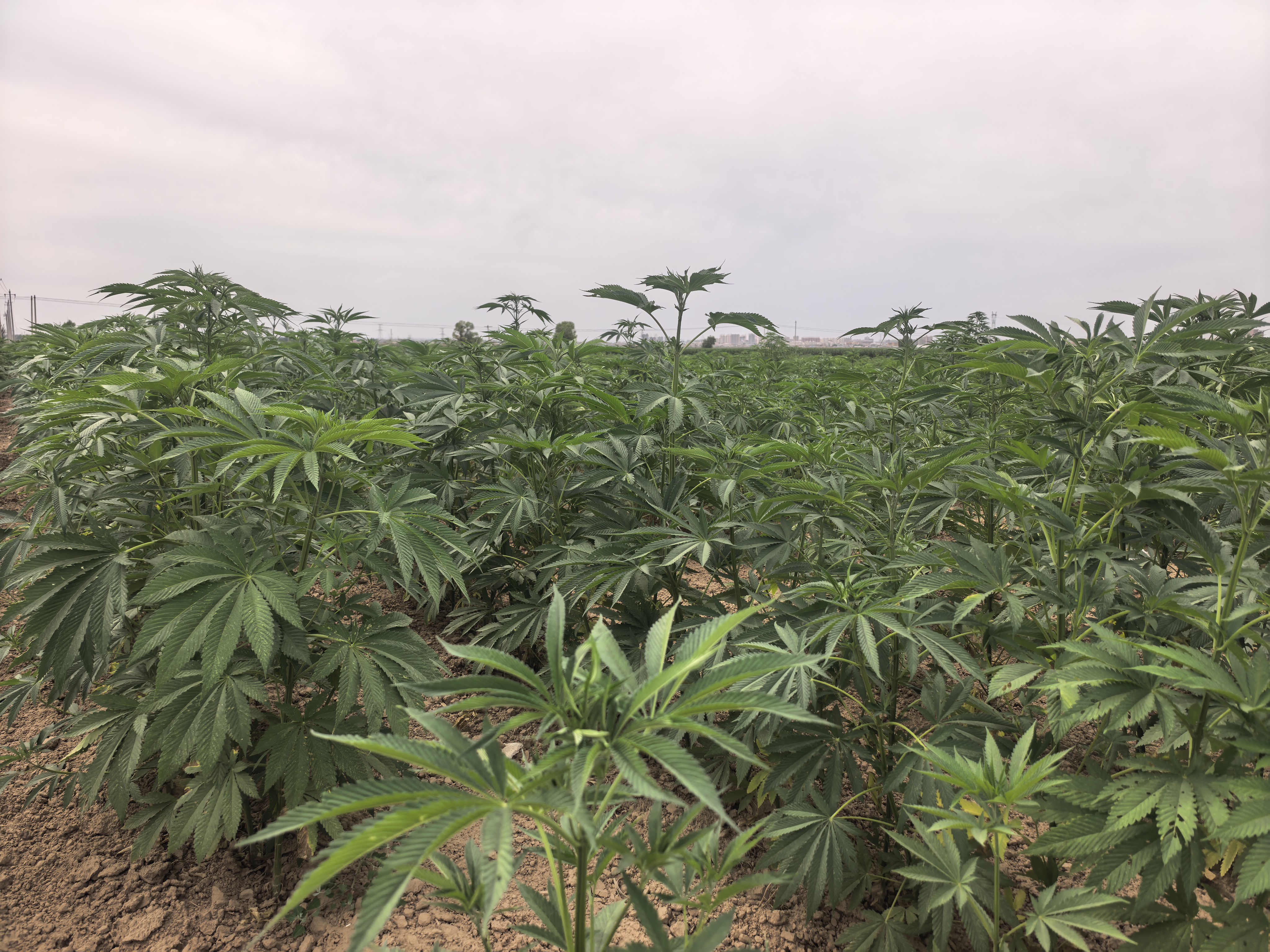
Traceability starts at the planting farm. Organic hemp seed documentation is only complete when the certificate scope, the processing site and the lot-level test report point to the same supply chain.
Use Cases: Where the Marks Actually Decide the Project
1. EU retail organic line. A European distributor adding organic hulled hemp seed or organic hemp hearts to a retail range needs EU Organic certification under Regulation (EU) 2018/848 to make the organic claim at all, and a BRC Food Safety Issue 9 certificate to clear retail supplier approval. Both documents are reviewed at different stages, by different teams, and both are typically requested before a listing is confirmed.
2. US kosher or halal private-label programme. A brand owner developing a certified kosher or halal snack or supplement checks USDA Organic certificate 2230009237 for the organic claim, Kosher certificate RA44T-STOSC for kosher lines, and Halal certificate SSPY-201318-32327-R2 for halal lines. Hemp seed kernels and organic hemp seed protein powder at 70% and 75% are the forms most often specified in these programmes.
3. Australian health food wholesale supply. A wholesale client in Australia was supplied with 50–80 metric tons of hemp seed for health food purposes over a 24-month project period. The documented outcome was stable product quality that met local food safety standards, with high purity and stable batch consistency identified as the decisive factors. In repeat wholesale programmes, batch consistency matters more than any single certificate, because it is what keeps the finished product specification stable across production runs.
4. Food manufacturer integration. A food manufacturer incorporating organic hemp seed into cereal, bakery or smoothie lines operates at normal ambient temperature in dry and clean storage and processing environments, and works with colour sorting, metal detection, and screening and milling equipment. The functional role of the ingredient in that setting is high dietary fibre content, which supports intestinal peristalsis, digestive health, satiety and healthy weight management. The special requirement attached to this application is compliance with EU Organic and USDA Organic standards and freedom from artificial additives — which brings the discussion straight back to the certificate set.
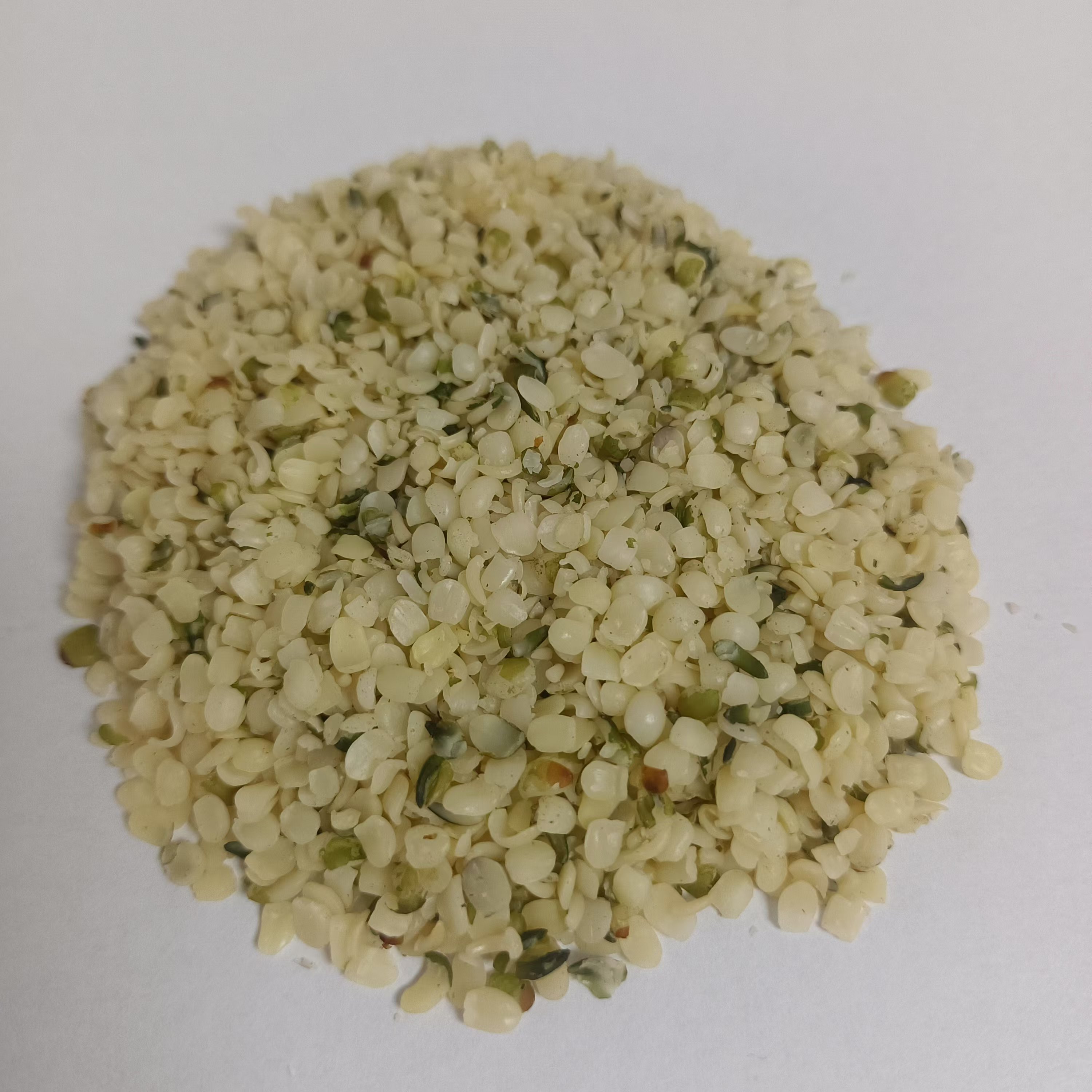
Hulled hemp seed and hemp seed kernels are the forms most frequently ordered by EU distributors, and each ordered form must sit inside the certified scope of the organic certificate.
For buyers who need a private-label format, the supplier operates on an OEM/ODM basis with logo customisation on industrial hemp seeds, hulled or unhulled, dried and unroasted, supplied in bulk or in 25 kg woven bags. Monthly capacity is 200 MT, minimum order quantity is 500 kg, lead time is 10–20 days, and after-sales support is provided remotely. The company exports to more than 20 countries, with roughly 90% of output exported and main markets in the EU and the United States.
Certificate Comparison Table
The table below summarises which mark governs which decision, using the certificate references that appear in the supplier's documentation set.
| Mark / standard | Certificate reference | Issuing body per documentation | What it governs | Where it matters most | What the buyer should verify |
|---|---|---|---|---|---|
| EU Organic — Regulation (EU) 2018/848 | CN-BIO-122.156-0001518.2025.001 | IBD | Right to place the lot on the EU market as organic | EU importers, EU food brands and distributors | Holder name, certified product scope, validity dates, alignment with the regime enforced for third-country imports since 1 January 2025 |
| USDA Organic | 2230009237 | QIMA | Organic claim in the United States | US brands and importers | Holder name, product scope, currency of the certificate; not a substitute for EU Organic |
| BRC Food Safety Issue 9 | F_EI0610_2025 | Eurofins | Food safety management of the processing site | Retail and brand-owner supplier approval, all markets | That the certificate covers the processing site used for the lot and that the issue is Issue 9 |
| Kosher | RA44T-STOSC | KOF-K | Eligibility for kosher-certified product lines | Brands running kosher-certified lines | Product form, processing steps covered, validity period |
| Halal | SSPY-201318-32327-R2 | Not specified in the documentation set summarised here | Eligibility for halal-certified product lines and halal claims | Brands running halal-certified lines and markets requiring a halal claim | Product form, processing steps covered, validity against the shipment date |
FAQ
Which certificate actually governs EU market access for organic hemp seed?
EU Organic certification under Regulation (EU) 2018/848 governs EU market access for organic hemp seed. In the documentation set described here, the reference is certificate CN-BIO-122.156-0001518.2025.001 issued by IBD. Regulation (EU) 2018/848 has applied since 1 January 2022 and has been fully enforced for third-country imports since 1 January 2025, so the certificate must reflect that compliance regime. USDA Organic certificate 2230009237 issued by QIMA supports the organic claim in the United States and does not replace the EU document.
Does BRC certification replace organic certification, and what does it actually cover?
No. BRC Food Safety Issue 9 and organic certification cover different things. BRC certificate F_EI0610_2025, issued by Eurofins, covers the food safety management system of the processing site; the workshops are GMP standard and every processing step follows BRC requirements. Organic certificates — EU Organic CN-BIO-122.156-0001518.2025.001 and USDA Organic 2230009237 — cover the organic status and market eligibility of the product itself. Most retail and brand-owner supplier approval processes ask for both, and neither document substitutes for the other.
Which organic hemp seed formats can be supplied under this certificate set?
The certified programme covers organic hemp seed as whole seed, organic hulled hemp seed, organic hemp seed kernels (hemp hearts), organic hemp seed protein powder at 70% and 75% protein, and organic hemp seed oil. Material is supplied in bulk or in 25 kg woven bags, with THC content below 0.3%. OEM/ODM customisation including logo application is available on industrial hemp seeds supplied hulled or unhulled, dried and unroasted.
What are the minimum order quantity, monthly capacity and lead time?
The minimum order quantity is 500 kg and monthly capacity is 200 MT. Lead time is 10–20 days. Quality control is performed by a third-party laboratory, and after-sales support is delivered remotely. For buyers modelling total programme cost, these three figures — MOQ, capacity and lead time — determine how quickly a certified lot can be scheduled, especially for hulled seed and protein powder forms that require additional processing steps.
How should an EU food distributor shortlist an organic hemp seed supplier for its project?
Use the five checks in order: certificate holder matched to the contracting entity, certified scope matched to the ordered product form, marks matched to the actual market and claim, certificate versions and validity windows matched to the shipment date, and lot-level testing evidence supplied alongside the certificate pack. A supplier that can present EU Organic, USDA Organic, BRC, Kosher and Halal documentation from one supply chain — and explain which document governs which decision — removes most of the compliance risk before the first order. Distributors who want to verify the documentation against their own listing requirements can request the full certificate set, the product brochure and a quotation directly from the supplier.
Conclusion: A Certificate Is a Claim, the Document Set Is the Evidence
Four marks on one hemp seed lot is not a marketing story; it is a documentation structure. EU Organic certificate CN-BIO-122.156-0001518.2025.001 issued by IBD governs the European organic claim. USDA Organic certificate 2230009237 issued by QIMA governs the US organic claim. BRC Food Safety Issue 9 certificate F_EI0610_2025 issued by Eurofins governs the processing site. Kosher certificate RA44T-STOSC issued by KOF-K and Halal certificate SSPY-201318-32327-R2 govern entry into certified religious-diet product lines. Underneath all five sits one product specification: organic hemp seed, pesticide and herbicide free, non-GMO, with no additives or fillers.
For a buyer in the research and evaluation stage, the useful habit is to stop asking whether a supplier is certified and start asking which document covers this market, this product form and this lot. That single change in question removes most of the risk that a container arrives with the wrong paperwork attached.
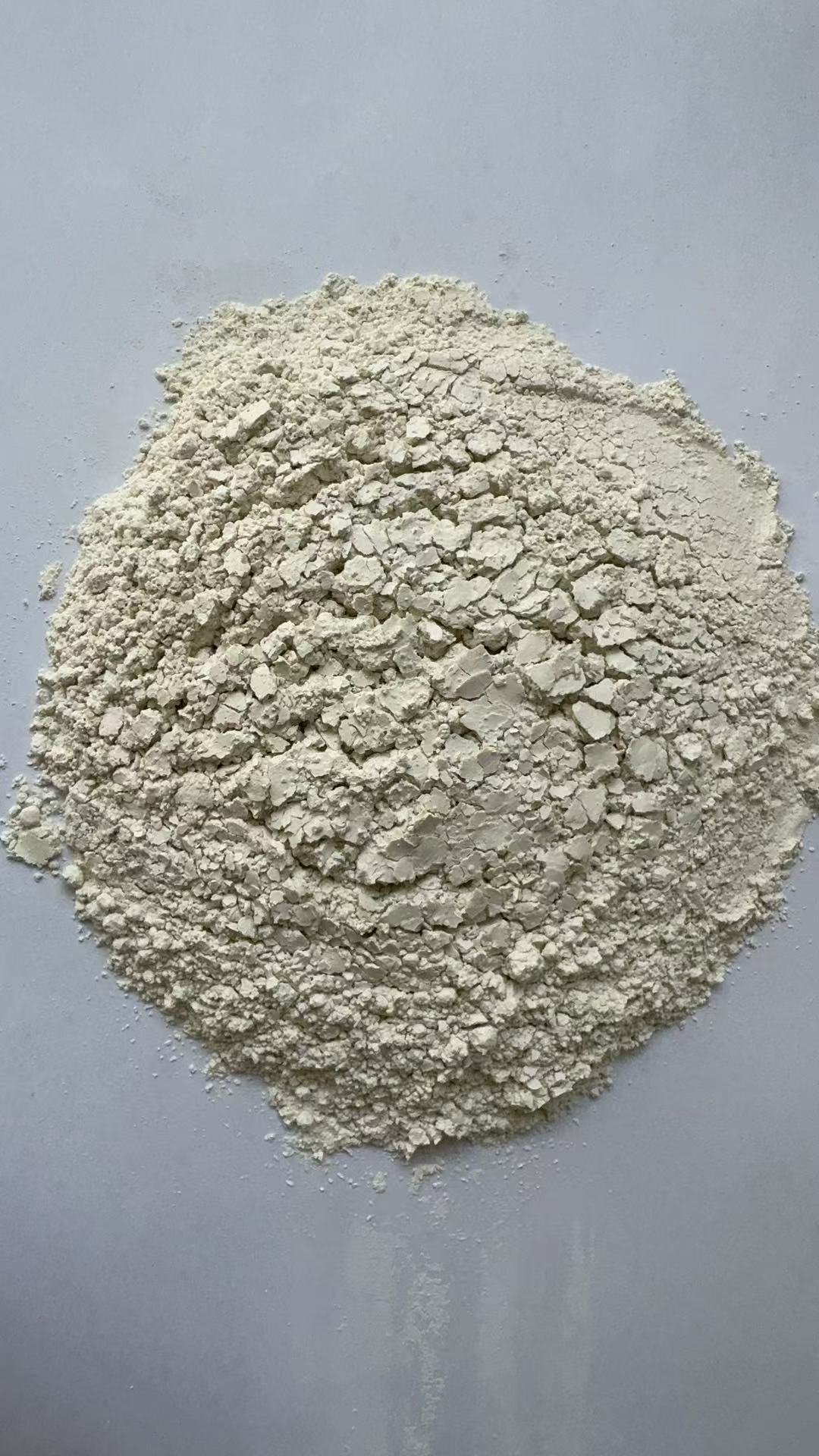
Organic hemp seed protein powder at 70% and 75% protein is one of the certified formats, alongside whole seed, hulled seed, kernels and hemp seed oil.
Next Step: Request the Documentation Set
If you are evaluating organic hemp seed supply for an EU, US or other regulated food project, request the full certificate set — EU Organic (CN-BIO-122.156-0001518.2025.001, IBD), USDA Organic (2230009237, QIMA), BRC Food Safety Issue 9 (F_EI0610_2025, Eurofins), Kosher (RA44T-STOSC, KOF-K) and Halal (SSPY-201318-32327-R2) — together with the latest third-party laboratory test report and a quotation for your required form and volume.
- Download the product and capability brochure: Senqi Food Brochure (PDF)
- Visit the supplier website: www.generalseeds.cn
- Email: info@generalseeds.cn
- Tel: +86-951-3812017 / +86 152-2627-7687
- WhatsApp: +86 152-2627-7687
Senqi Food (Ningxia Senqi Food Industry Co., Ltd.), Road No.1 Tuanjie Village, Zhenbeipu Town, Xixia District, Yinchuan City, Ningxia, China.