Hemp Seed Protein Powder 70% vs 75%: Spec Selection Guide
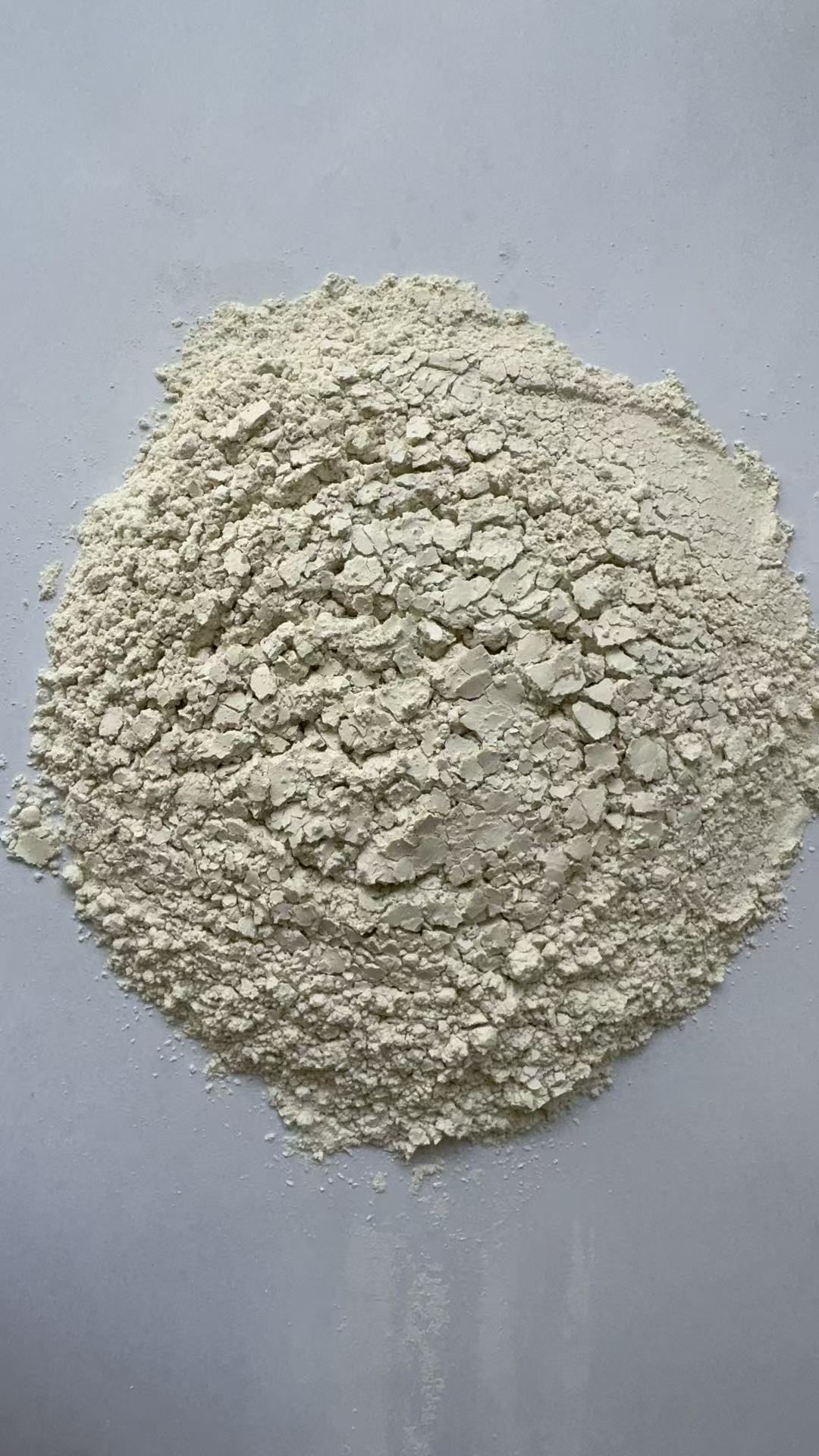
Choosing between Organic Hemp Seed Protein Powder 70% and 75% is a specification decision, not a quality ranking. Both are powder formats from the same organic hemp seed protein range produced by Senqi Food (Ningxia Senqi Food Industry Co., Ltd.), a Ningxia, China-based grower, processor and exporter of organic hemp seed products that runs two factories and two planting farms and sells mainly into EU and US markets. The 70% SKU carries more non-protein material per kilogram of powder; the 75% SKU carries more protein. That single difference changes the dose, the nutrition panel, the fiber load inside the formula and the amount of powder a buyer moves per unit of protein — while certification scope, lot consistency, MOQ and lead time decide whether the project can ship at all.
This guide sets out the parameters food formulators, brand owners and EU distributors should compare before issuing a purchase order. Product statements are taken from Senqi Food's published organic hemp seed protein specification; regulatory and market dates are drawn from the European Commission, EUR-Lex and published market research.
Quick answer
- Both SKUs are organic hemp seed protein powder inside one declared protein band of 70%–75%.
- Both are described as complete plant-based proteins containing all nine essential amino acids, with a 3:1 omega-6 to omega-3 ratio and high dietary fiber.
- Both are non-GMO and free from additives, fillers and artificial preservatives, and are gluten-free, vegan and kosher- and halal-friendly.
- Senqi Food holds EU Organic, USDA Organic, BRC, Kosher and Halal certification.
- The 70% vs 75% decision therefore rests on dose arithmetic, application fit, claim structure and commercial terms — not on protein quality.
The Problem: Two SKUs Sitting Inside One Protein Band
The protein figure on a hemp protein powder specification is a band, not a fixed number. Senqi Food publishes a protein range of 70%–75% across its organic hemp seed protein range, with two designated SKUs: Organic Hemp Seed Protein Powder 70% and Organic Hemp Seed Protein Powder 75%. Buyers are therefore comparing two points inside the same band, made from the same organic hemp seed raw material, under the same certification set.
That produces four concrete decisions, and only the first one is about protein:
- Dose. How many grams of powder are needed to hit the protein claim per serving or per 100 g.
- Formula balance. Where the remaining non-protein material lands — fiber, fat and moisture all occupy space in the recipe and on the nutrition panel.
- Claim structure. Whether the finished product is sold as a protein-forward product, a fiber-plus-protein product, or a clean-label ingredient blend.
- Documentation. Whether the organic certificate scope, the certificate of analysis and the allergen or non-GMO statements match the SKU actually ordered.
The most common sourcing error is not picking the wrong percentage. It is signing a specification that names 70% or 75% without confirming that the organic certification scope covers the powder form and the production site that will actually supply the lot.
Industry Background: A Category Moving Toward Specification Discipline
Hemp protein remains a small segment of the wider hemp seed market, but it is a growing one. Grand View Research and Mordor Intelligence value the global hemp protein powder market at USD 217.3 million in 2025, with the organic segment projected to grow at a 5.98% CAGR through 2031. The broader global hemp seed market was valued at USD 5.98 billion in 2025 and is projected to reach USD 10.84 billion by 2033 according to DataM Intelligence. Published estimates of the wider seed market vary considerably because definitions differ — some count only seed, others include oil and protein — so the figure should be read as a directional signal rather than a procurement benchmark.
Supply has responded. European Commission data show the EU hemp cultivation area rising to 37,740 hectares in 2024 from 28,830 hectares in 2023. More European hectares and more protein capacity globally mean buyers face more options, not fewer — and more pressure to specify precisely.
The regulatory side has tightened at the same time. Regulation (EU) 2018/848 has applied since 1 January 2022 and has been fully enforced for third-country organic imports since 1 January 2025. For a non-EU supplier of organic hemp protein, that shifts the burden of proof onto the certificate: the operator and the product must be certified under the compliance regime, and the scope must match the goods on the invoice.
Customs note: hemp seeds, whether or not broken and excluding seed for sowing, are classified under HS code 12079991 in the EU and UK. Protein powder is a processed form, so confirm the code applied to the specific powder format with your customs broker before the first shipment.
The Seven Selection Parameters That Decide the SKU
1. Protein declaration and dose arithmetic
Start with the claim, not the powder. A 75% designation delivers five percentage points more protein per kilogram than a 70% designation; the rest of the kilogram is fiber, fat and moisture. The practical consequence is small in absolute terms and large in labelling terms: to reach a fixed protein number per serving, the 70% SKU requires a higher inclusion rate than the 75% SKU, and the gap widens as the protein claim rises. Confirm the exact declared value for the lot on the certificate of analysis, since a band of 70%–75% means the number is specified, not implied.
2. Amino acid and omega profile — a documented tie
Both SKUs are described as complete plant-based protein containing all nine essential amino acids, with a 3:1 omega-6 to omega-3 ratio. Neither protein level changes that story, so neither should be selected on nutritional completeness. The 70 vs 75 question is a concentration question, not a quality question.
3. Fiber load and clean-label status
The range is described as high in dietary fiber, supporting intestinal peristalsis, digestive health, satiety and weight management. It is also described as raw and natural, non-GMO, and free from additives, fillers and artificial preservatives. These attributes are stated for the range, so they do not differentiate 70% from 75% — but the fiber that accompanies the protein does scale with the protein level. A formulator targeting a combined protein-and-fiber claim should model both levels before fixing the inclusion rate.
4. Certification scope: the parameter that decides market access
Certificate names are not the parameter. Certificate scope is. Senqi Food holds EU Organic, USDA Organic, BRC, Kosher and Halal certification, and buyers should verify four things on the documents themselves:
- EU Organic issued under Regulation (EU) 2018/848, with the powder product listed on the scope and the operator certified under the regime enforced for third-country imports since 1 January 2025.
- USDA Organic under the National Organic Program for US-bound volumes.
- BRC covering the processing site — and confirm the issue number stated on the certificate matches the version named in your customer's specification.
- Kosher and Halal certificates matching the market you are shipping into.
5. Claim substantiation for retail and foodservice
The retail claims that sell hemp protein — gluten-free, vegan, kosher and halal friendly, non-GMO, no additives — are documentation claims before they are marketing claims. Ask for the statement behind each one at the same time you ask for the certificate of analysis, and confirm that each statement applies to the specific SKU and the specific production site. Where a customer's specification names a claim that is not on the supplier's statement, resolve it before sampling, not after labelling.
6. Processing and handling fit
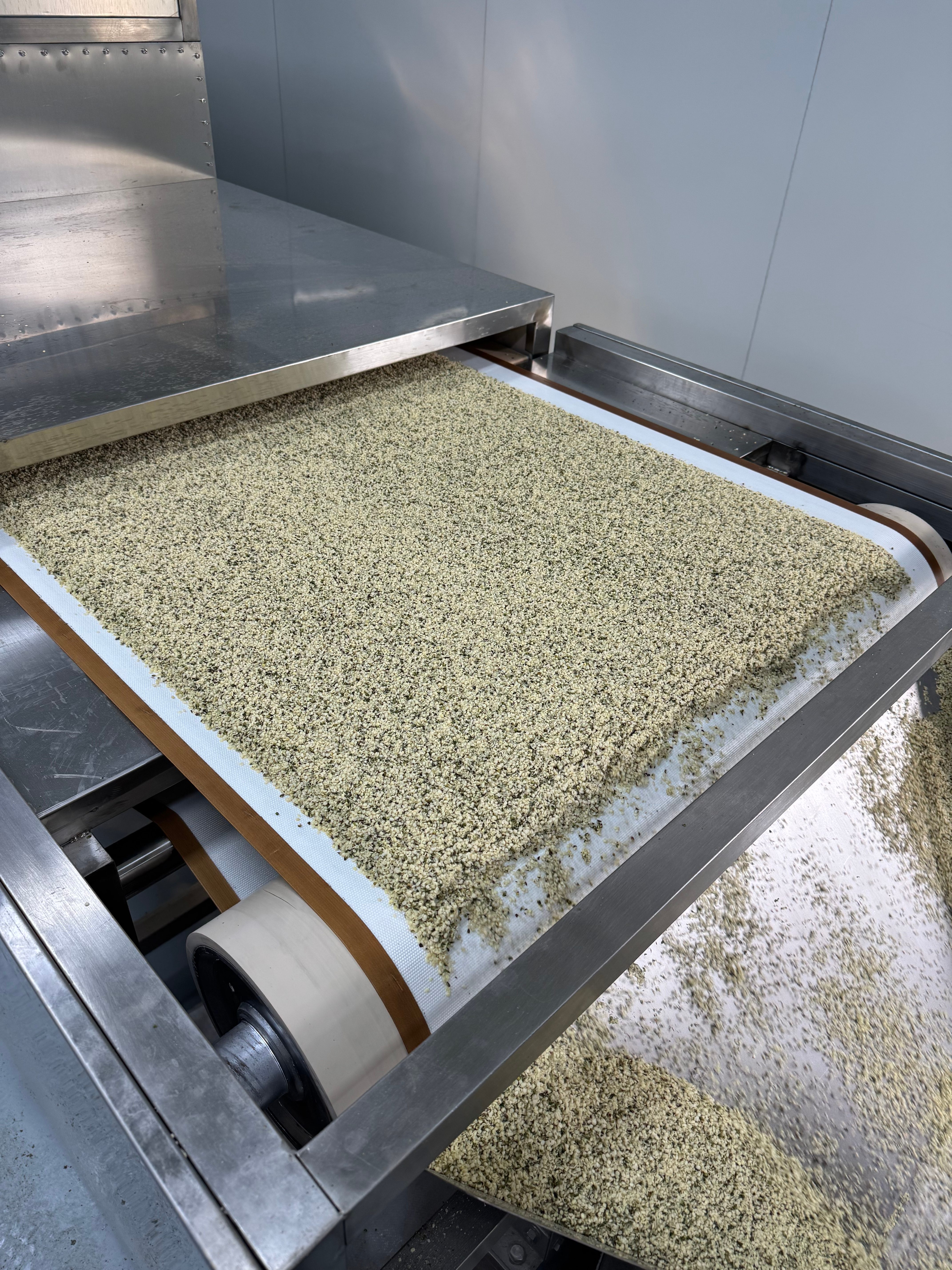
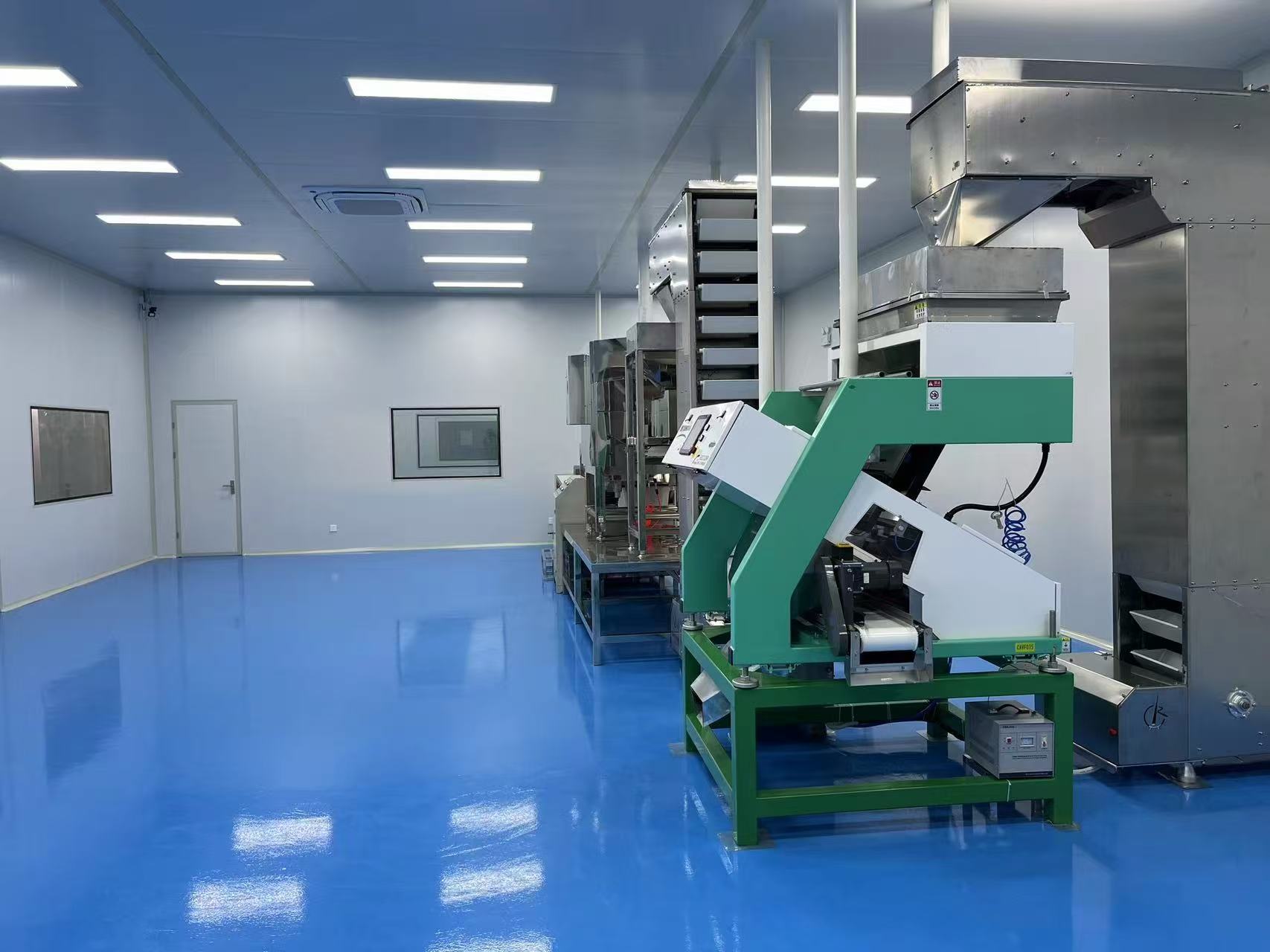
Hemp seed material for this application is handled at normal ambient temperature in dry and clean storage and processing environments, and processing relies on supporting equipment including a color sorting machine, a metal detector and screening and milling equipment. For buyers, that translates into three checks: whether your own plant can hold the powder under those conditions, whether your receiving inspection can verify particle and metal control, and whether the supplier's THC statement suits your market. Senqi Food's hemp seed material is dried and unroasted, with THC content below 0.3%.
7. Commercial parameters
Protein level is a formulation parameter; MOQ, lead time and capacity are project parameters. Senqi Food quotes a minimum order quantity of 500 kg and a lead time of 10–20 days, against a monthly capacity of 200 MT, with packaging in bulk or 25 kg woven bags and OEM/ODM support including logo customization. Quality control is carried out by third-party laboratory testing, with remote after-sales support. A 75% specification that cannot be delivered inside your launch window is a worse choice than a 70% specification that can.
Side-by-Side: Organic Hemp Seed Protein Powder 70% vs 75%
| Parameter | Protein Powder 70% | Protein Powder 75% | How it is used in the decision |
|---|---|---|---|
| Designated protein content | 70% | 75% | Sets inclusion rate and the protein figure on the nutrition panel |
| Product form | Powder | Powder | Both suit sprinkles, baking, smoothies, cereals and salad toppings |
| Protein quality (range-level) | Complete plant protein, all 9 essential amino acids | Complete plant protein, all 9 essential amino acids | Not a differentiator between the two SKUs |
| Fatty acid profile (range-level) | 3:1 omega-6 to omega-3 ratio | 3:1 omega-6 to omega-3 ratio | Not a differentiator between the two SKUs |
| Dietary fiber (range-level) | High dietary fiber | High dietary fiber | Model the fiber that arrives with the protein at each inclusion rate |
| Additives | No additives, fillers or artificial preservatives | No additives, fillers or artificial preservatives | Supports clean-label positioning on both SKUs |
| Non-GMO | Yes (range statement) | Yes (range statement) | Confirm the written statement covers the ordered SKU |
| Gluten-free / vegan | Yes | Yes | Allergen and diet claim support |
| Kosher / Halal | Kosher- and halal-friendly | Kosher- and halal-friendly | Senqi Food holds Kosher and Halal certification |
| Organic certification | EU Organic and USDA Organic compliant | EU Organic and USDA Organic compliant | Verify the powder form and site are inside the certificate scope |
| MOQ / lead time (range-level) | 500 kg / 10–20 days | 500 kg / 10–20 days | Fix the launch plan before fixing the protein level |
Rows marked range-level are stated for the Senqi Food organic hemp seed protein range. Confirm the exact value for the SKU you order on the certificate of analysis, and confirm that the certification scope covers the powder format and the specific production site.
Step-by-Step: How to Run a 70% vs 75% Selection
Step 1 — Fix the protein claim, not the powder
Write down the protein figure the finished product must display: per serving, per 100 g, or as a percentage of energy. The claim drives the inclusion rate; the inclusion rate drives the SKU.
Step 2 — Convert the claim into an inclusion rate
Divide the target protein grams by the designated protein content. For a 30 g serving carrying a 12 g protein claim:
- At 70%: 12 g ÷ 0.70 = approximately 17.1 g of powder per serving.
- At 75%: 12 g ÷ 0.75 = approximately 16.0 g of powder per serving.
- Difference: roughly 1.1 g more powder per serving at 70%, and proportionally more non-protein material entering the recipe.
Run the same arithmetic per 100 g of finished product and per batch before deciding — the gap compounds at higher protein claims.
Step 3 — Place the difference somewhere in the formula
The extra grams at 70% are not empty — they carry fiber and fat. Decide whether that lands as a fiber contribution you want to claim, as a texture and mouthfeel change you need to compensate for, or as a dilution of other ingredients you must rebalance. This is the step most selection processes skip.
Step 4 — Map every market claim to a document
For each market, list the claims the label will carry — organic, gluten-free, vegan, non-GMO, kosher, halal, no additives — and pair each one with the certificate or statement that substantiates it. EU volumes need EU Organic under Regulation (EU) 2018/848; US volumes need USDA Organic; retail partners in kosher and halal segments need the corresponding certificates, all of which Senqi Food holds.
Step 5 — Request the document set before the sample
Ask for the organic certificates with scope pages, the BRC certificate with its issue number, the Kosher and Halal certificates, a certificate of analysis for the designated SKU, a non-GMO statement, allergen and gluten statements, and the THC declaration. Documents arrive faster than samples and eliminate most mismatches early.
Step 6 — Validate lot consistency and handling fit
Protein content inside a 70%–75% band only works if lot-to-lot variation is controlled. Third-party laboratory testing and a documented batch record are the evidence to request. Senqi Food's Australian wholesale case is a useful reference point for what consistent supply looks like in practice: 50–80 metric tons of hemp seed supplied for health food applications over 24 months, with stable product quality, compliance with local food safety standards, high purity and stable batch consistency. Confirm too that your plant handles the powder at normal ambient temperature in dry and clean conditions, and that receiving inspection can verify metal detection and screening controls.
Step 7 — Lock the commercial terms last
Once the protein level, claim set and documentation are settled, confirm MOQ (500 kg), lead time (10–20 days), monthly capacity (200 MT), packaging (bulk or 25 kg woven bags) and any OEM/ODM requirement such as logo customization. Terms agreed before the specification is fixed tend to be renegotiated.
Use Cases: Where Each Protein Level Fits
Both SKUs are described for versatile edible use — sprinkles, baking, smoothies, cereals and salad toppings — and for food manufacturing applications in agricultural product projects. The differentiator is how much powder the application can absorb.
- Bakery and bakery mixes. Where a protein claim is carried on a flour-based product and inclusion volume is constrained by texture, the higher protein concentration of the 75% SKU reduces the grams of powder per batch.
- Cereals and granola. Where the powder contributes to cluster binding and fiber content, the 70% SKU brings more non-protein material per gram and can be modelled as part of a fiber-forward claim.
- Smoothie and beverage premixes. Dry premix blending rewards higher protein concentration, because every gram of powder displaces another ingredient. The 75% SKU is the natural starting point.
- Snack bars and energy products. Where the nutrition panel needs a protein figure alongside fiber and fat, model both SKUs and compare the total panel rather than the protein line alone.
- Health food and supplement raw material. The 24-month Australian wholesale supply of 50–80 metric tons for health food applications shows how a protein specification is carried through repeat shipments with stable quality and batch consistency.
- Private label and OEM packs. Where the buyer's brand and logo are applied to bulk or 25 kg woven bag packaging, the protein level becomes part of the retail specification and should be fixed in writing before artwork is approved.
Pre-PO Parameter Checklist
| Parameter | What to request | Why it matters |
|---|---|---|
| Protein value | Certificate of analysis for the designated 70% or 75% SKU | Fixes the inclusion rate and the label figure |
| EU Organic | Certificate with scope under Regulation (EU) 2018/848 | Legal entry requirement, fully enforced for third-country imports since 1 January 2025 |
| USDA Organic | Certificate with scope | Required for US-bound organic volumes |
| BRC | Certificate naming the processing site and issue number | Retail and industrial customers specify the issue version |
| Kosher and Halal | Both certificates | Opens kosher and halal retail segments |
| Claim statements | Non-GMO, gluten-free, vegan and additive-free statements | Every label claim needs a document behind it |
| THC declaration | Written statement below 0.3% | Market-specific import requirement |
| Commercial terms | MOQ 500 kg, lead time 10–20 days, 200 MT monthly capacity | Confirms the project is deliverable |
| Packaging and branding | Bulk or 25 kg woven bags; OEM/ODM logo option | Determines warehouse and private-label feasibility |
Frequently Asked Questions
Which certifications should an EU buyer verify on organic hemp seed protein powder?
Verify four sets. First, EU Organic issued under Regulation (EU) 2018/848, which has applied since 1 January 2022 and has been fully enforced for third-country imports since 1 January 2025, with the protein powder form and the production site listed inside the certificate scope. Second, USDA Organic under the National Organic Program for US-bound volumes. Third, BRC covering the processing site, with the issue number on the certificate checked against the version named in your customer's specification. Fourth, Kosher and Halal where the destination market or retail segment requires them. Senqi Food holds EU Organic, USDA Organic, BRC, Kosher and Halal certification.
How should EU food distributors select an organic hemp seed supplier?
Screen on documents and supply structure before screening on price. A workable sequence is: certificate scope for the exact product form, third-party laboratory testing and batch records, evidence of stable repeat supply, and clarity on lead time and capacity. Senqi Food operates two factories, one sales center and two planting farms, with an order-farming supply model, annual output of 2,000 metric tons and roughly 90% of production exported to EU and US markets — a structure that supports repeat shipment planning rather than single spot lots. Its Australian wholesale project, 50–80 metric tons supplied over 24 months for health food applications with stable quality and compliance with local food safety standards, is the kind of reference EU distributors can ask to see.
Can 70% and 75% hemp seed protein powder be produced to a buyer's own specification and brand?
Yes. Senqi Food offers OEM/ODM production for hemp seed products with logo customization, at a monthly capacity of 200 MT and a minimum order quantity of 500 kg. Material is dried and unroasted, with THC content below 0.3%, and is available in bulk or 25 kg woven bags for food ingredient use or vegetable oil extraction. Quality control is performed through third-party laboratory testing, and after-sales support is delivered remotely.
What are the MOQ and lead time, and how do formulators validate a specification before ordering?
The minimum order quantity is 500 kg and the lead time is 10–20 days against a monthly capacity of 200 MT. Before ordering, validate in three moves: request the certificate of analysis for the exact 70% or 75% SKU, calculate the inclusion rate from the declared protein content for your target claim, and run a bench trial at that rate to see where the remaining fiber and fat land in the nutrition panel. Then confirm in writing that the certificate scope and packaging specification match the SKU ordered. To start that process with Senqi Food, send the target protein level, application and destination market through www.generalseeds.cn, or download the company brochure below.
Conclusion
Organic Hemp Seed Protein Powder 70% and 75% share the same raw material, the same complete plant protein with all nine essential amino acids, the same 3:1 omega-6 to omega-3 ratio, the same high dietary fiber and the same clean-label position — non-GMO, additive-free, gluten-free, vegan and kosher- and halal-friendly. What separates them is concentration, and concentration is a specification question with a calculable answer.
Decide it in this order: fix the protein claim, convert it into an inclusion rate at 70% and at 75%, place the difference in the formula, match every label claim to a certificate, then confirm MOQ, lead time and packaging. Buyers who work in that sequence end up with a specification that survives the certificate audit, the label review and the second purchase order.
Next step: match the specification to your project
Senqi Food supplies organic hemp seed protein powder at 70% and 75%, with EU Organic, USDA Organic, BRC, Kosher and Halal certification, MOQ 500 kg and lead time 10–20 days. Send your target protein level, application and destination market, or review the full product range and certification set first.
Have Questions or Need More Details?
Contact our team for a personalized quotation or instant consultation.
Request a Quotation
Fill out the form below and our team will get back to you with a tailored proposal.
WhatsApp Direct Chat
Prefer to chat in real-time? Message us on WhatsApp for instant assistance & quick answers.
- Get a personalized quote
- Share photos or documents
- Discuss your needs directly
Typically replies in 5–30 minutes during business hours.