Hemp Seed Supplier Evaluation: Verifying Capacity, Certifications & Delivery Guarantees
Hemp Seed Supplier Evaluation: Verifying Capacity, Certifications & Delivery Guarantees
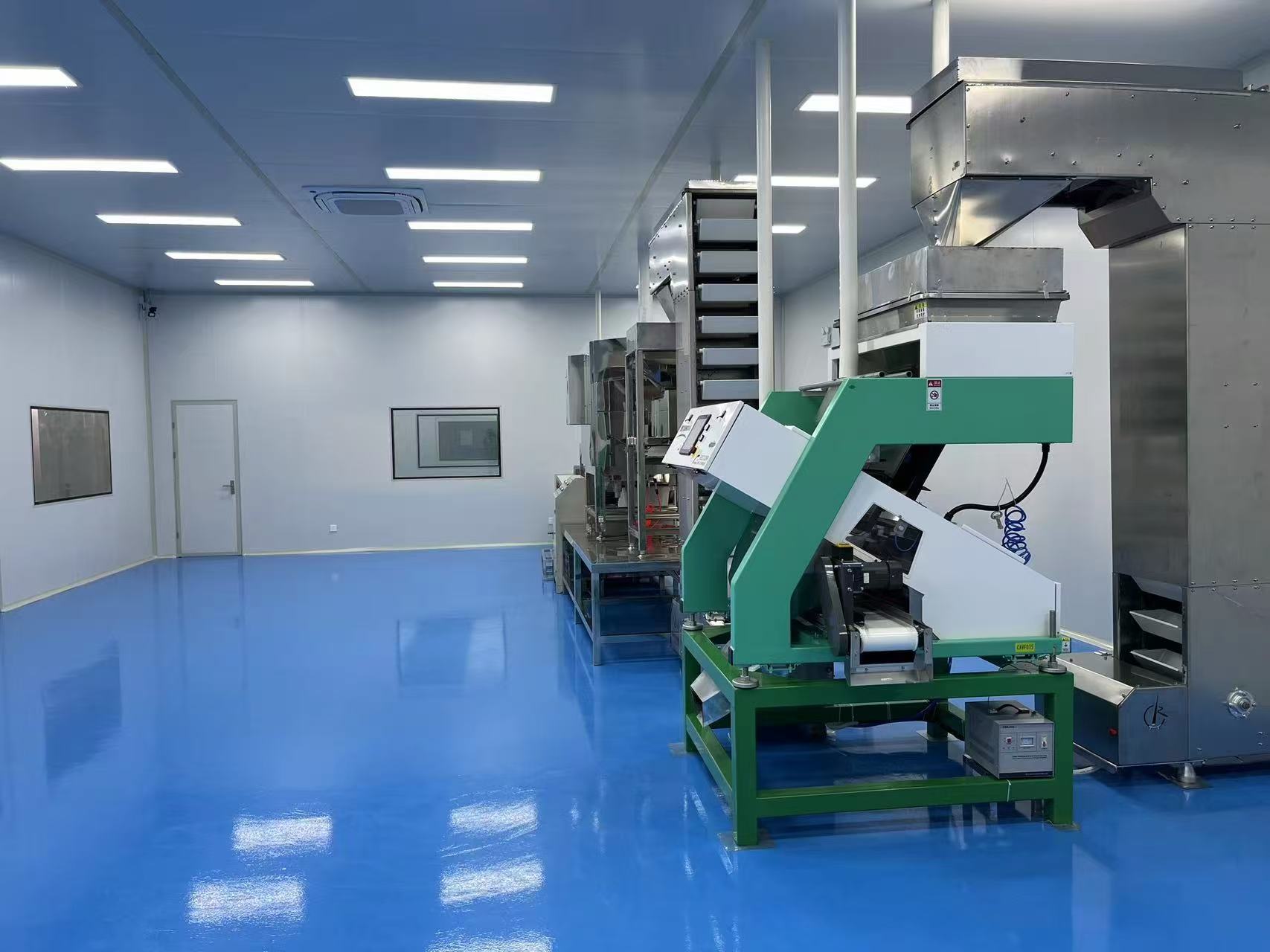
A hemp seed supplier's workshop is the first physical checkpoint in a capacity and compliance audit.
A hemp seed supplier should be verified on three things, and documents alone settle none of them: the production capacity the supplier actually owns, the certificates that name the supplier and its specific sites, and the delivery system that keeps a confirmed order moving when your own production line is waiting. This framework sets out how EU importers, distributors and food manufacturers can audit those three areas against evidence, using Ningxia Senqi Food Industry Co., Ltd. (Senqi Food) as a worked example.
The Verification Gap: Why Supplier Claims Resist Auditing
Most supplier evaluations break down at the same point. A buyer requests documents, receives an EU organic certificate, a BRC certificate and a product list, and treats the reply as confirmation. That reply rarely answers the questions that decide whether an order will arrive in spec and on time.
Three gaps sit behind this problem:
- Entity gap. The certificate may be held by a trading company while the material is produced by a third party. The buyer then has no contractual route to the site that actually made the goods.
- Site gap. A valid certificate covers named production or storage sites. If the site your lot came from is not on that list, the certificate does not travel with your shipment.
- Volume gap. A quoted annual output can reflect brokered volume rather than owned processing capacity. When your repeat order scales, the number stops being real.
Regulatory pressure has made this more consequential rather than less. Under EU Regulation (EU) 2018/848, the EU organic import system moved to full compliance for third-country suppliers from 1 January 2025, replacing the earlier equivalence approach. For a buyer of organic hemp seed, EU organic hemp seed protein powder or organic hulled hemp seeds, an unverifiable certificate is now a commercial risk, not a paperwork inconvenience.
Industry Background: Why the Category Is Being Audited Harder
Demand for hemp seed formats has grown in parallel with tighter organic import rules, and the two trends pull in opposite directions for buyers. Market research firm DataM Intelligence values the global hemp seeds market at USD 5.98 billion in 2025, projecting USD 10.84 billion by 2033. Grand View Research places the global hemp protein powder market at USD 217.3 million in 2025, with the organic segment projected to grow at a 5.98% CAGR through 2031. Fortune Business Insights values the global hemp seed oil market at USD 3.26 billion in 2025, with Europe holding a 33.91% share.
Supply-side data tells the same story. The European Commission reports that the EU hemp cultivation area rose to 37,740 hectares in 2024 from 28,830 hectares in 2023, a recovery that increases regional supply but does not remove the need for non-EU importers' verification. For customs classification, hemp seeds not intended for sowing fall under the EU and UK commodity code 12079991, which is the code a buyer should expect to see on import documentation.
For a supplier to be credible in this environment, it needs to be able to answer questions about farms, workshops, certificate scope and order commitments with specifics — not with a product brochure.
Pillar 1 — Capacity Verification: What "2,000 Metric Tons" Should Mean
Capacity verification starts with a single question: does the supplier own the capacity it quotes? Senqi Food reports an annual output of 2,000 metric tons of organic hemp seed and a monthly capacity of 200 metric tons, produced across two factories, one sales center and two planting farms. Those numbers are only useful if a buyer can connect them to physical assets and to a specific order profile.
Ningxia Senqi Food Industry Co., Ltd. is a Ningxia-based grower and processor of organic hemp seed and other agricultural products, founded in October 2020, with around 25 employees, a small in-house R&D capability, and roughly 90% of its output going to export markets, mainly the EU and the USA. Its production runs across two factory sites and two farms — a structure that matters because it places growing and processing inside one chain of responsibility.
What to request
- Annual and monthly capacity figures, stated separately.
- The number of processing sites and whether each is owned or contracted.
- Whether the supplier farms, purchases standing crops, or both.
- A stated production mode: OEM/ODM, private label, or bulk supply only.
How to test the answer
Cross-check the annual and monthly figures for internal consistency, and ask which months the capacity is actually available. A supplier that grows its own material will have a harvest-driven rhythm; a supplier that only processes will have a purchase-driven rhythm. Neither is disqualifying, but the answer tells you which delivery risk you are taking on.
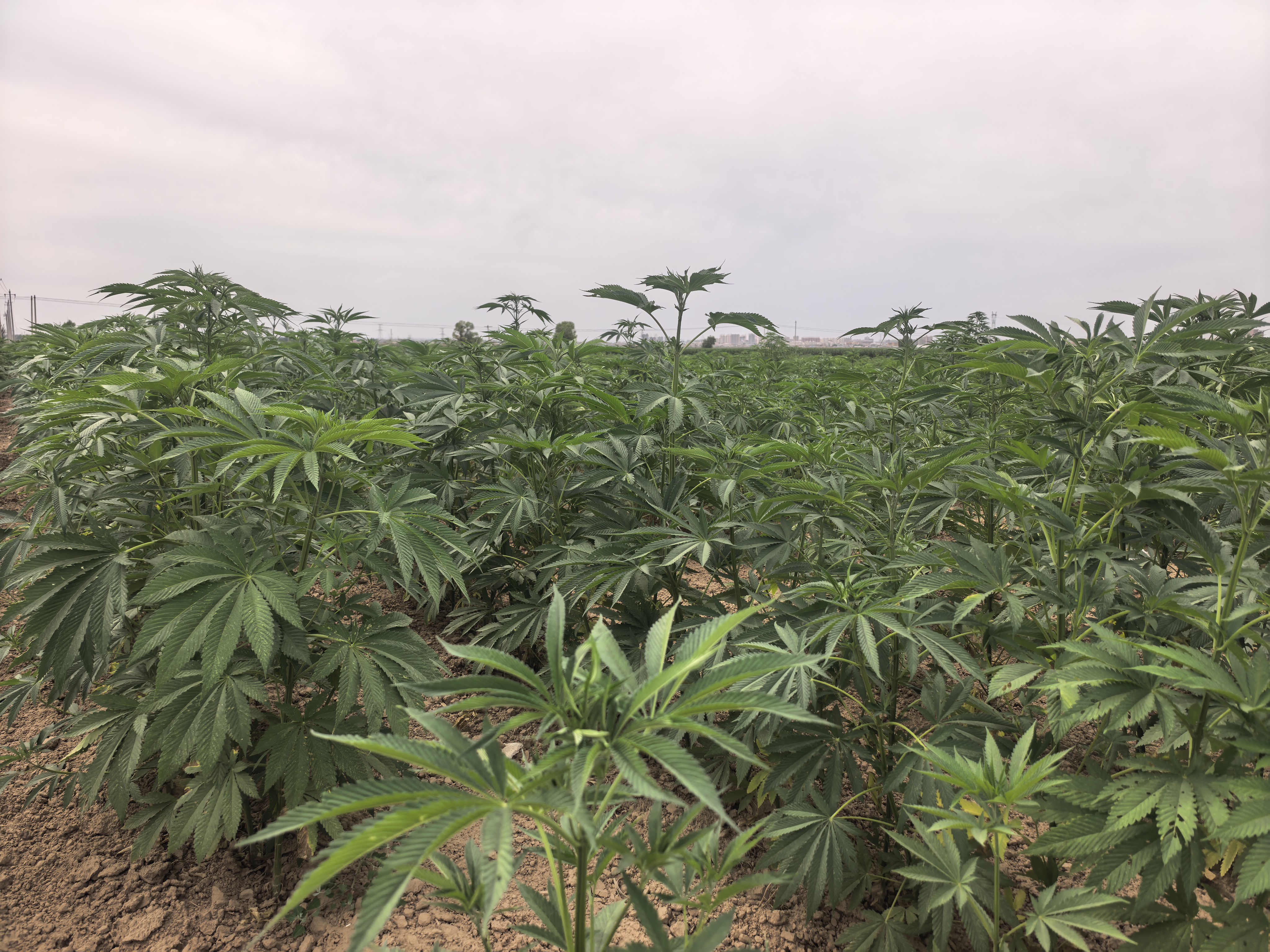
Farm-level control is what separates owned capacity from brokered volume in a hemp seed supply audit.
Pillar 2 — Certification Verification: Reading Numbers, Scope and Sites
A certificate is a starting point for verification, not the end of it. For an EU-bound organic hemp seed programme, the buyer should be able to trace four separate standards across the product line.
1. EU Organic
Senqi Food holds EU organic certification under the reference CN-BIO-122.156-0001518.2025.001. Buyers should request the certificate itself, not a scanned summary, and check three fields: the certificate holder's legal name, the product scope (whole hemp seed, hulled hemp seeds, hemp seed kernels, hemp seed protein powder), and the list of certified production and storage sites. If the site that will process your lot does not appear on that list, the scope does not cover your order.
2. USDA Organic
The company also holds USDA Organic certification, which matters for buyers serving both EU and North American markets from one sourcing decision. Dual certification reduces the number of suppliers a food brand needs to qualify for a two-region product range.
3. BRC and GMP-standard workshops
Organic certification governs the agricultural and handling side; BRC governs the processing environment. Senqi Food states that its workshops are built to GMP standard and that every processing step complies with BRC requirements. In an audit, the practical checks are whether the site holds a current BRC certificate, whether the certificate's scope covers the product forms you are buying, and whether pest control, allergen handling, metal detection and traceability records exist for the specific line.
4. Kosher and Halal
Kosher and Halal certification matter where the finished product is aimed at retail segments that require them, or where a private-label customer sells into multiple religious-demographic markets. Because the supplier's stated product line — organic hemp seed, hulled hemp seeds, hemp seed kernels, hemp seed protein powder at 70% and 75% protein, and hemp seed oil — runs across shared processing lines, buyers should confirm which SKUs are covered by which certificate rather than assuming blanket coverage.
Pillar 3 — Delivery Assurance: Auditing the Order Farming System
Delivery assurance is the part of supplier evaluation that buyers most often leave until the purchase order stage, and the part that most often causes the failure. Senqi Food guarantees supply-chain stability through its own order farming system, continuous order efficiency improvement, and a dedicated after-sales team. Each of those three elements is auditable.
Order farming system
Order farming means the supplier plans cultivation against confirmed demand rather than buying on the spot market after an order lands. For a buyer, the verification question is straightforward: is the material for my order tied to identified fields, and what happens if a harvest shortfall occurs? A supplier that grows its own material across two planting farms can answer this in operational terms.
Quality control and lot consistency
Senqi Food uses third-party laboratory testing for quality control. In practice, buyers should request that COAs are issued per lot, against clearly named parameters, and that the testing laboratory is independent of the production site. For hemp seed specifically, THC content is a standard commercial parameter; Senqi Food's customization scope specifies THC content below 0.3%, alongside hulled or unhulled formats, dried and unroasted processing, and packing in bulk or 25 kg woven bags.
Commercial and logistics terms
- Lead time: 10–20 days.
- Minimum order quantity: 500 kg.
- Production mode: OEM/ODM and private label supported, including logo application.
- After-sales: remote support.
Export experience is a useful proxy for whether these terms are realistic. Senqi Food reports exports to more than 20 countries and regions, with the EU and the USA as its main markets. For an EU food distributor, a supplier already shipping into EU member states will have established organic import documentation routines — a practical advantage when a shipment has to clear under the compliance-based import system.
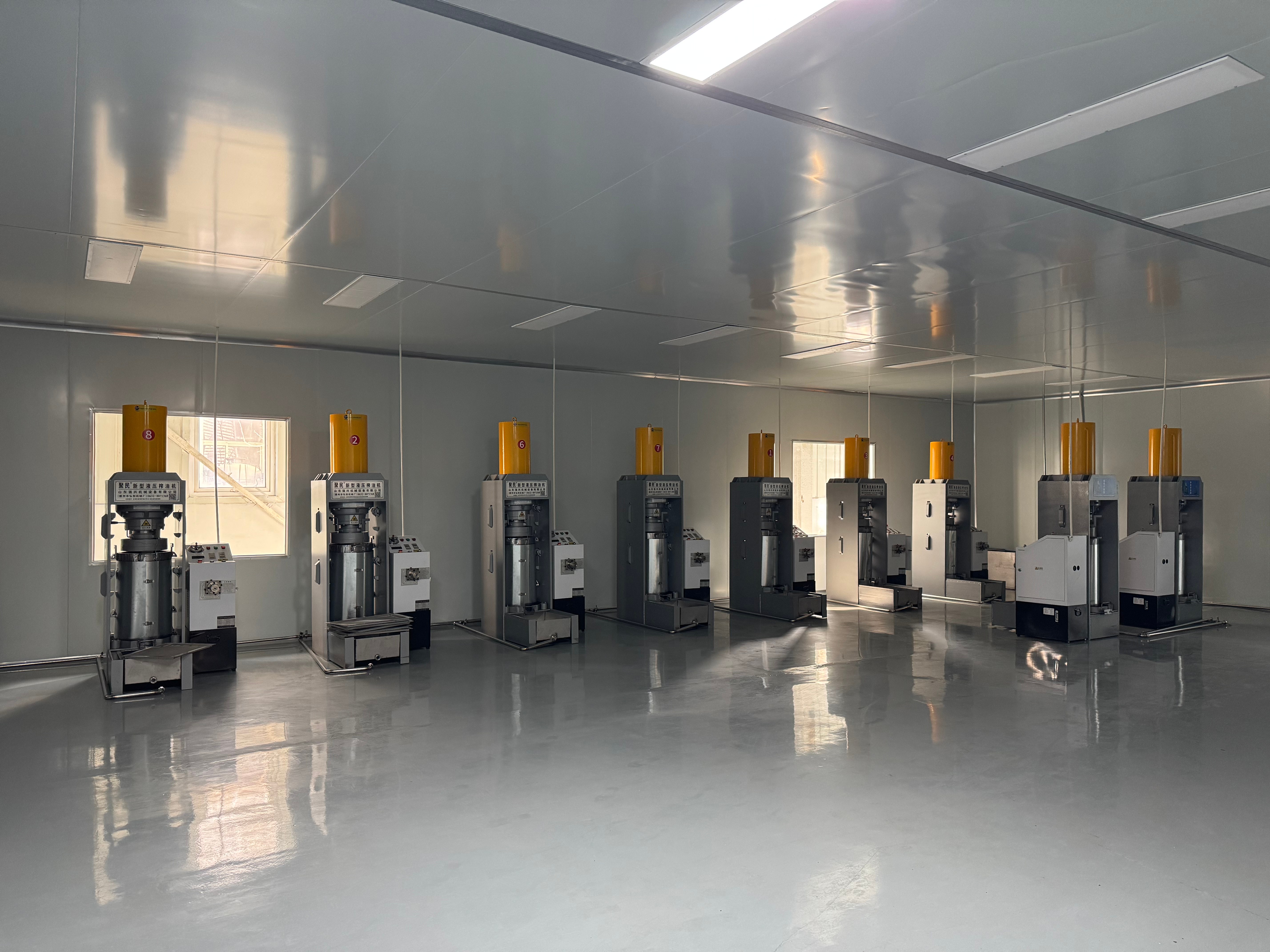
Processing-environment checks sit under BRC and GMP verification, separately from organic certification.
A Seven-Step Supplier Audit Workflow
The following sequence can be applied to any organic hemp seed supplier, and used to compare candidates on the same evidence base.
- Define the product scope first. Decide which formats your project needs — whole organic hemp seed, hulled hemp seeds, hemp hearts, hemp seed kernels, organic hemp seed protein powder at 70% or 75%, or hemp seed oil — before requesting documents. Scope-by-SKU keeps certificate checks meaningful.
- Request certificate numbers and sites. Ask for EU Organic, USDA Organic, BRC, Kosher and Halal certification details, plus the list of certified sites. Confirm the site processing your product appears on that list.
- Verify capacity against assets. Match the stated annual output and monthly capacity to owned factories and farms. Senqi Food, for example, reports 2,000 metric tons annually and 200 metric tons monthly across two factories and two farms.
- Audit the physical environment. Review the GMP status of workshops, BRC compliance of processing steps, and the supporting equipment used on the line — colour sorting machines, metal detectors, and screening and milling equipment are the standard equipment set for this product type.
- Test with samples and lot data. Order a sample against a written specification, then compare the sample's COA with the COA of the bulk lot. Batch consistency is the parameter that most often decides whether a repeat order is safe.
- Confirm delivery terms in writing. Lead time, minimum order quantity, packing format, and the mechanism that protects volume if a harvest is short.
- Check the after-sales route. Identify who handles a non-conforming delivery, in what timeframe, and by what channel. Remote support is workable only when the escalation path is named in advance.
Where This Framework Applies: Four Buyer Scenarios
Hemp seed is used in the food manufacturing industry across agricultural-product type projects, typically in global markets, and normally operates under ambient temperature with dry and clean storage and processing conditions. The product's functional role in these applications is to provide high dietary fibre content, which promotes intestinal peristalsis, improves digestive health, increases satiety, and supports healthy weight management.
Scenario 1 — EU food distributor building a private-label range
The distributor needs hulled hemp seeds, hemp hearts or hemp seed kernels under its own brand. Certification scope and OEM/ODM capability are the deciding factors, because the distributor is not the certificate holder. Confirming that the supplier's EU organic scope covers the specific SKU, and that logo application and packing formats are supported, removes most of the launch risk.
Scenario 2 — EU sports nutrition brand buying hemp seed protein
For organic hemp seed protein powder at 70% or 75% protein, the buyer is evaluating protein content, organic certification and lot-to-lot consistency at the same time. Third-party laboratory testing becomes the core verification tool, because protein content is a declared parameter rather than a visual characteristic.
Scenario 3 — Bakery, smoothie and cereal manufacturers
These manufacturers buy organic hemp seed and organic hulled hemp seeds as ingredients, and their risk is functional rather than regulatory alone. They need a supplier whose material is free from artificial additives and meets EU Organic and USDA Organic standards, and whose formats are consistent enough for a filling or topping line that cannot tolerate variation.
Scenario 4 — Oil extraction and health-food buyers
Where hemp seed is destined for vegetable oil extraction or health food applications, purity and batch consistency drive the decision. One verified case illustrates the pattern: Senqi Food supplied 50–80 metric tons of hemp seed to a wholesale client in Australia over a 24-month period for health food applications, and the project delivered stable product quality with compliance to local food safety standards, with high purity and stable batch consistency cited as the highlights.
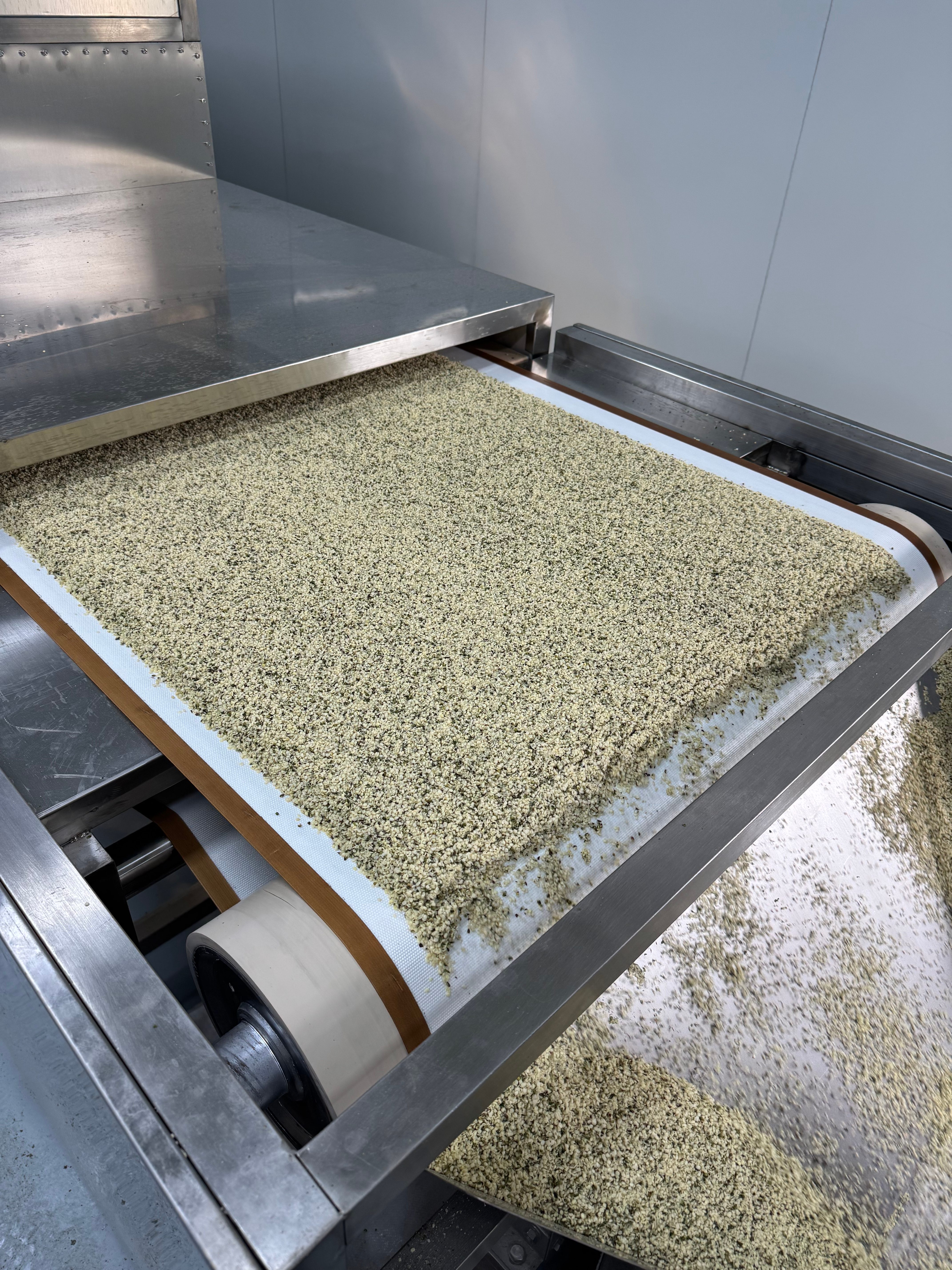
Format consistency, not just certification, is what keeps a hemp seed ingredient on a running production line.
Supplier Verification Matrix
The table below converts the three pillars into a checklist that can be sent to any candidate supplier and scored consistently across bids.
| Verification area | What to request | What acceptable evidence looks like | Common red flag |
|---|---|---|---|
| Certificate ownership | EU Organic, USDA Organic, BRC, Kosher and Halal certificate numbers | Numbers issued in the supplier's legal name, such as Senqi Food's EU Organic reference CN-BIO-122.156-0001518.2025.001 | Certificates held by a different legal entity than the contracting party |
| Certified site coverage | List of certified production and storage sites | The processing site for your SKU appears on the certificate scope | Certificate scope limited to a format or site the buyer is not ordering |
| Owned capacity | Annual output, monthly capacity, number of factories and farms | Stated figures tied to named owned assets, e.g. 2,000 metric tons annually and 200 metric tons monthly across two factories and two farms | Capacity quoted without any identifiable production site |
| Supply control | Description of growing or procurement model | An order farming system in which cultivation is planned against confirmed demand | Spot-market purchasing with no forward planning explanation |
| Processing environment | GMP workshop status and BRC compliance evidence | GMP-standard workshops with processing steps complying with BRC requirements | Certification claimed but no site-level processing documentation |
| Quality control | Testing arrangements and COA sample | Third-party laboratory testing with per-lot COAs against named parameters | In-house testing only, or COAs without lot references |
| Commercial terms | Lead time, minimum order quantity, packing and labelling | Lead time 10–20 days, MOQ 500 kg, bulk or 25 kg woven bags, OEM/ODM and logo support | Terms quoted only verbally and absent from the proforma invoice |
| Export track record | List of export markets and reference shipments | Exports to more than 20 countries and regions, with EU and USA as main markets; repeat supply over 24 months to a wholesale client in Australia | No named markets, or markets that do not match your destination's requirements |
| After-sales route | Named contact and process for non-conforming deliveries | Remote support with a defined escalation path | No identified responsible person after the order is confirmed |
Used consistently, this matrix turns three supplier bids into a comparable evidence set rather than three different sales narratives.
Frequently Asked Questions
How do I evaluate an organic hemp seed supplier for EU food distributors?
Start with compliance evidence, not with product samples. Request the EU Organic certificate number, the list of certified production and storage sites, and confirmation that the site processing your SKU appears on that scope. Senqi Food, for example, holds EU organic certification under reference CN-BIO-122.156-0001518.2025.001, alongside USDA Organic, BRC, Kosher and Halal certification. Then confirm that the supplier's stated capacity is tied to owned assets and that delivery terms are written into the order documents. A distributor that verifies certification scope, capacity ownership and delivery terms before sampling is auditing the supplier rather than the catalogue.
How can a buyer verify a hemp seed supplier's real production capacity?
Ask for annual and monthly capacity separately, then require that both figures connect to named assets. Senqi Food reports an annual output of 2,000 metric tons and a monthly capacity of 200 metric tons, produced across two factories and two planting farms, with around 90% of output exported. A buyer should also confirm how much of that capacity is committed to existing customers, whether growing is carried out on the supplier's own farms through its order farming system, and whether the stated quality control relies on third-party laboratory testing. Capacity that cannot be linked to a specific site is a number, not a capability.
What are the minimum order quantity and commercial terms for organic hemp seed?
Senqi Food works to a minimum order quantity of 500 kg, with OEM/ODM and private-label production supported, including logo application. Packing is available in bulk or in 25 kg woven bags. Product forms in scope include organic hemp seed, organic hulled hemp seeds, hemp seed kernels, organic hemp seed protein powder at 70% and 75% protein, and hemp seed oil. Because commercial terms vary with format and destination, buyers should request a written quotation against a defined specification rather than comparing headline prices across suppliers.
Can buyers request a sample before placing a bulk hemp seed order?
Yes, and a sample should be evaluated against a written specification. The most useful exercise is comparing the sample's certificate of analysis with the COA of the bulk lot that will actually be shipped, because batch consistency is the parameter that determines whether a repeat order is safe. For hemp seed formats, typical specification points include organic status, hulled or unhulled form, dried and unroasted processing, protein content for powder grades, and THC content below 0.3%. Senqi Food's stated customization scope covers these parameters alongside bulk or 25 kg woven bag packing.
What delivery guarantees should an EU food distributor require from a hemp seed supplier?
Three commitments should be in writing. First, lead time — Senqi Food operates on a 10–20 day lead time. Second, a supply mechanism that ties your order to planned cultivation rather than spot purchasing; Senqi Food guarantees supply-chain stability through its own order farming system, supported by continuous order efficiency improvement. Third, an after-sales route with a named contact for non-conforming deliveries; Senqi Food provides remote support. Export track record is supporting evidence: the company reports exports to more than 20 countries and regions, with the EU and the USA as its main markets.
Conclusion: Verify First, Then Buy
A hemp seed supplier is only as strong as what a buyer can independently check. Capacity that is tied to owned factories and farms, certificates that name the legal entity and the specific sites, and a delivery system built on planned cultivation are the three pillars that make an order predictable. The verification sequence does not need to be complex: define the product scope, request certificate numbers and site lists, test the capacity figures against owned assets, sample against a written specification, and confirm lead time, MOQ and after-sales in the order documents.
Applied consistently, the same framework lets an EU importer, a private-label distributor or a sports nutrition brand score competing suppliers on identical evidence — and it converts a supplier's claims into facts a procurement team can defend internally.
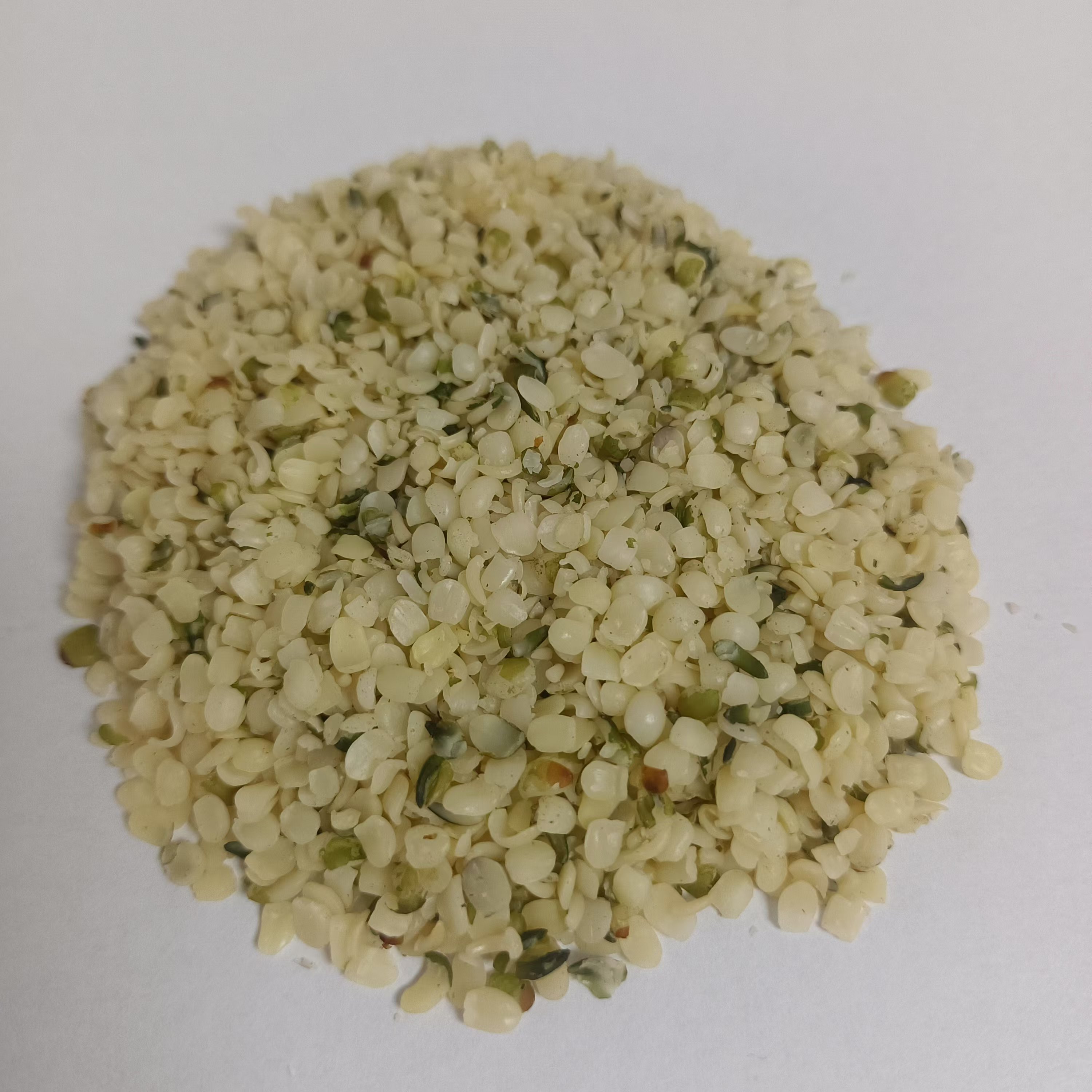
Sample verification against a written specification is the last check before a bulk commitment.
Next Step for Buyers Evaluating an Organic Hemp Seed Supplier
Ningxia Senqi Food Industry Co., Ltd. (Senqi Food) supplies organic hemp seed, organic hulled hemp seeds, hemp seed kernels, organic hemp seed protein powder at 70% and 75%, and hemp seed oil from its Ningxia facilities, with EU Organic, USDA Organic, BRC, Kosher and Halal certification and exports to more than 20 countries.
Request a sample, a specification sheet or a quotation for your project format:
Website: www.generalseeds.cn
Email: info@generalseeds.cn
Tel: +86-951 3812017 | WhatsApp: +86 152-2627-7687
Address: Road No.1 Tuanjie Village, Zhenbeipu Town, Xixia Dist, Yinchuan City, Ningxia, China
Download the full product and capability brochure: Senqi Food Brochure (PDF)