Hemp Seed: A Complete Buyer's Guide to Organic, EU-Compliant Hemp Products
Hemp seed has moved from a niche ingredient to a mainstream food input, driven by demand for plant protein, omega-3 fatty acids, and clean-label certified foods. For ingredient buyers, importers, and food manufacturers, the challenge is no longer whether to use hemp seed, but how to source the right form — organic, hulled, kernel, protein powder, or oil — with verifiable certifications, stable supply, and EU compliance.
This guide explains what hemp seeds are, how the major commercial forms differ, why EU organic compliance matters now, which quality and certification checks reduce sourcing risk, and how to evaluate suppliers for long-term supply.
What is hemp seed?
Hemp seed is the seed of the hemp plant (Cannabis sativa) cultivated for food and industrial uses. In food applications, hemp seeds are valued as a plant-based source of protein, essential fatty acids, and dietary fiber. Hemp seed products include whole hemp seeds, hulled hemp seeds (often called hemp hearts), hemp seed kernels, hemp seed protein powder, and hemp seed oil.
Definition for buyers: Hemp seed is a raw agricultural ingredient used across the food industry. Organic hemp seed is produced without synthetic pesticides or herbicides and must meet certified organic standards such as EU Organic or USDA Organic.
For food manufacturers, hemp seed is not a single SKU but a product family with different processing steps, nutritional profiles, shelf-life behavior, and application suitability.
Why hemp seed demand is growing
Global demand for hemp seed ingredients has expanded as food brands formulate more plant-based, high-protein, and clean-label products. Several market signals help explain this trend:
- The global hemp seeds market was estimated at USD 5.98 billion in 2025, with projections reaching USD 10.84 billion by 2033 (DataM Intelligence).
- The global hemp seed oil market was valued at USD 3.26 billion in 2025, with Europe holding the largest regional share of 33.91% (Fortune Business Insights).
- The hemp protein powder market was valued at USD 217.3 million in 2025, and the organic segment is projected to grow at a CAGR of 5.98% through 2031 (Grand View Research).
- EU hemp cultivation area rose to 37,740 hectares in 2024, recovering from 28,830 hectares in 2023 (European Commission).
These figures point in the same direction: the ingredient is moving from a specialty item toward a staple input for plant protein and wellness food categories. Europe's large share in hemp seed oil consumption and its expanding domestic cultivation area both indicate a mature, quality-sensitive market.
For suppliers, this means buyers increasingly compare not just price per ton but also certification scope, production capacity, grade consistency, and export readiness.
Main commercial forms of hemp seed
Hemp seed is sold in several commercial forms. Each form has a different processing route, nutritional profile, and food application.
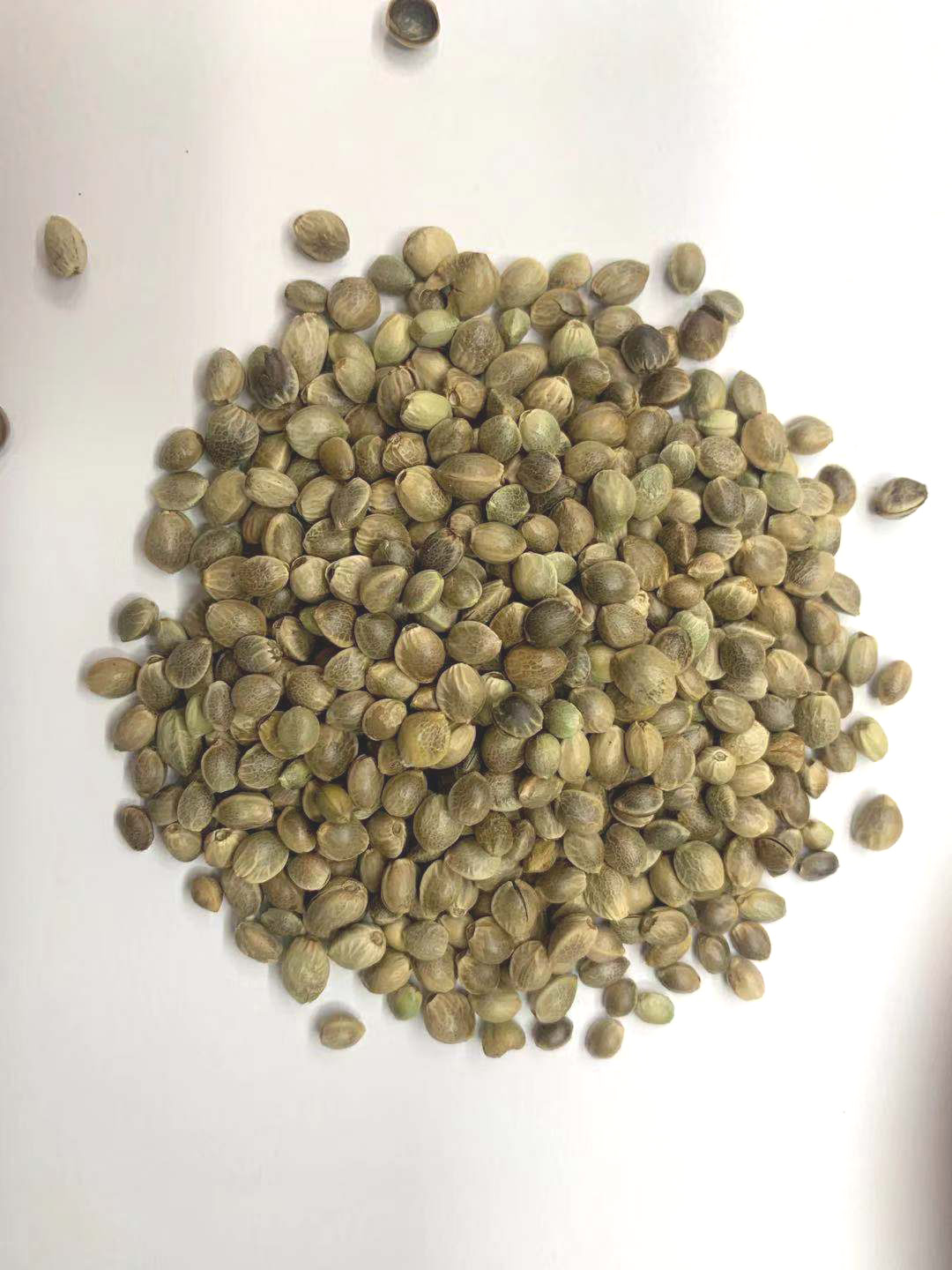
Whole hemp seed
Whole hemp seed is the raw seed with the outer shell intact. It is commonly used for further processing, food manufacturing, or specialty retail. The shell provides additional fiber, but it also gives the seed a firmer texture. Whole seeds are often selected by manufacturers that plan to hull, mill, or press the seed in-house.
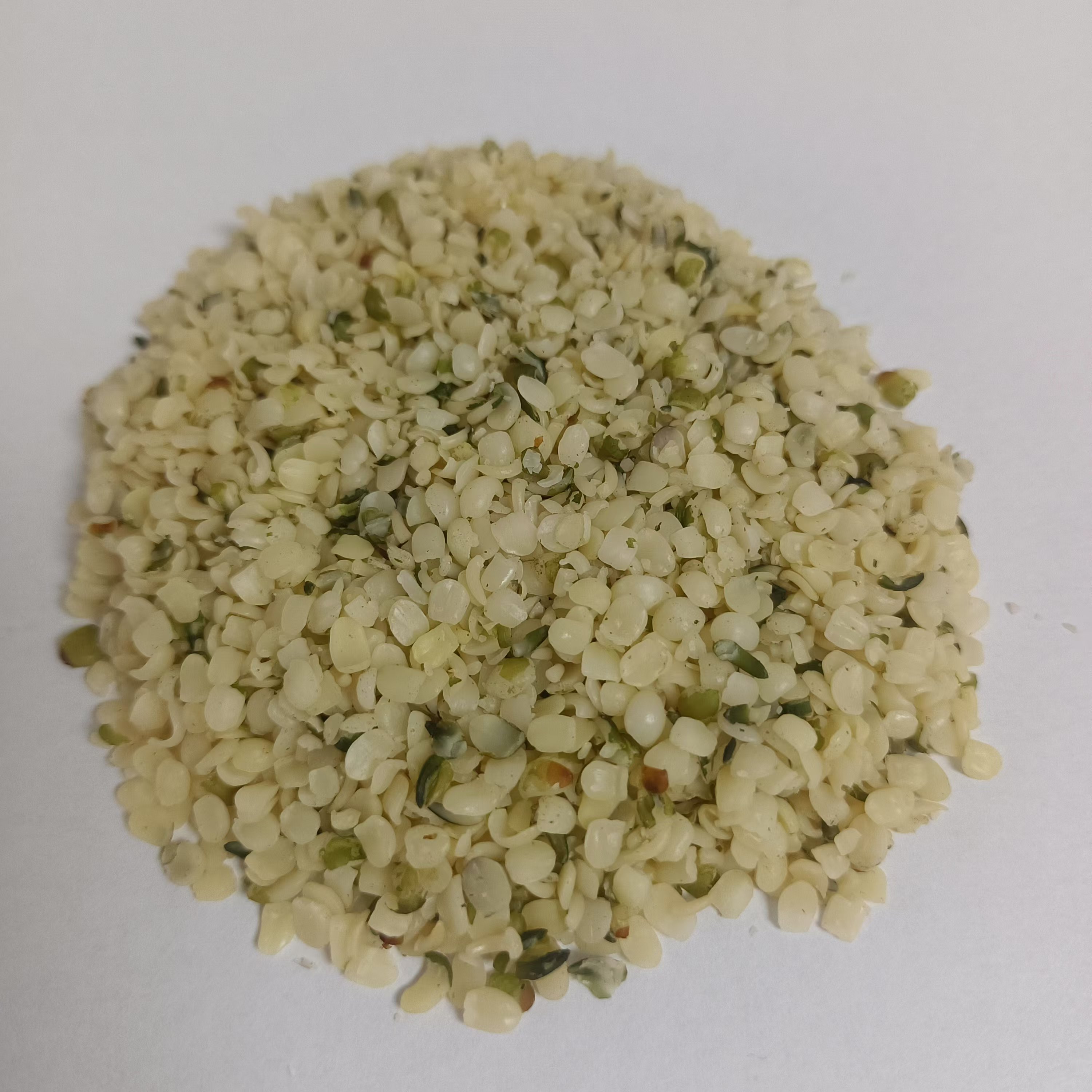
Hulled hemp seeds (hemp hearts / hemp seed kernels)
Hulled hemp seeds are the inner kernel of the hemp seed with the hard outer shell removed. They are widely known as hemp hearts or hemp seed kernels. Because the shell is removed, the product is softer, easier to chew, and more versatile for direct food use.
In the Senqi Food product range, this form is represented by two product models: Organic Hemp seed Hulled and Organic Hemp Seeds Kernel. Both are classified as organic hemp seed and are suitable for food scenarios such as sprinkles, baking, smoothies, cereals, and salad toppings.
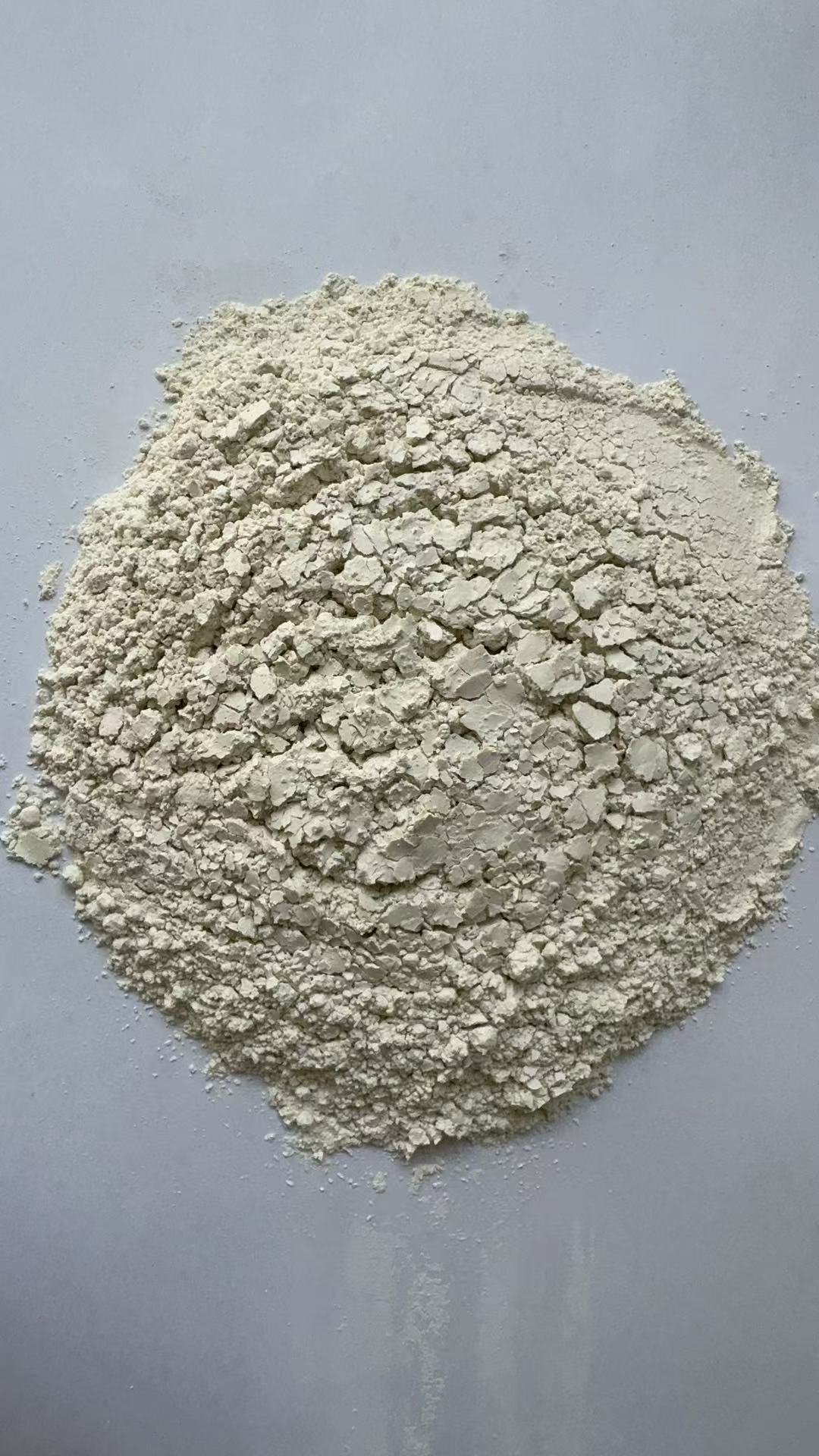
Organic hemp seed protein powder
Organic hemp seed protein powder is produced by milling hulled hemp seeds and removing a portion of the oil, leaving a concentrated protein powder. Senqi Food supplies two models: Organic Hemp Seed Protein Powder 70% and Organic Hemp Seed Protein Powder 75%, with a protein content of 70%–75%.
This product is a complete plant-based protein containing all 9 essential amino acids. It is gluten-free, vegan, kosher and halal friendly, non-GMO, and free from additives, fillers, and artificial preservatives.
Hemp seed oil
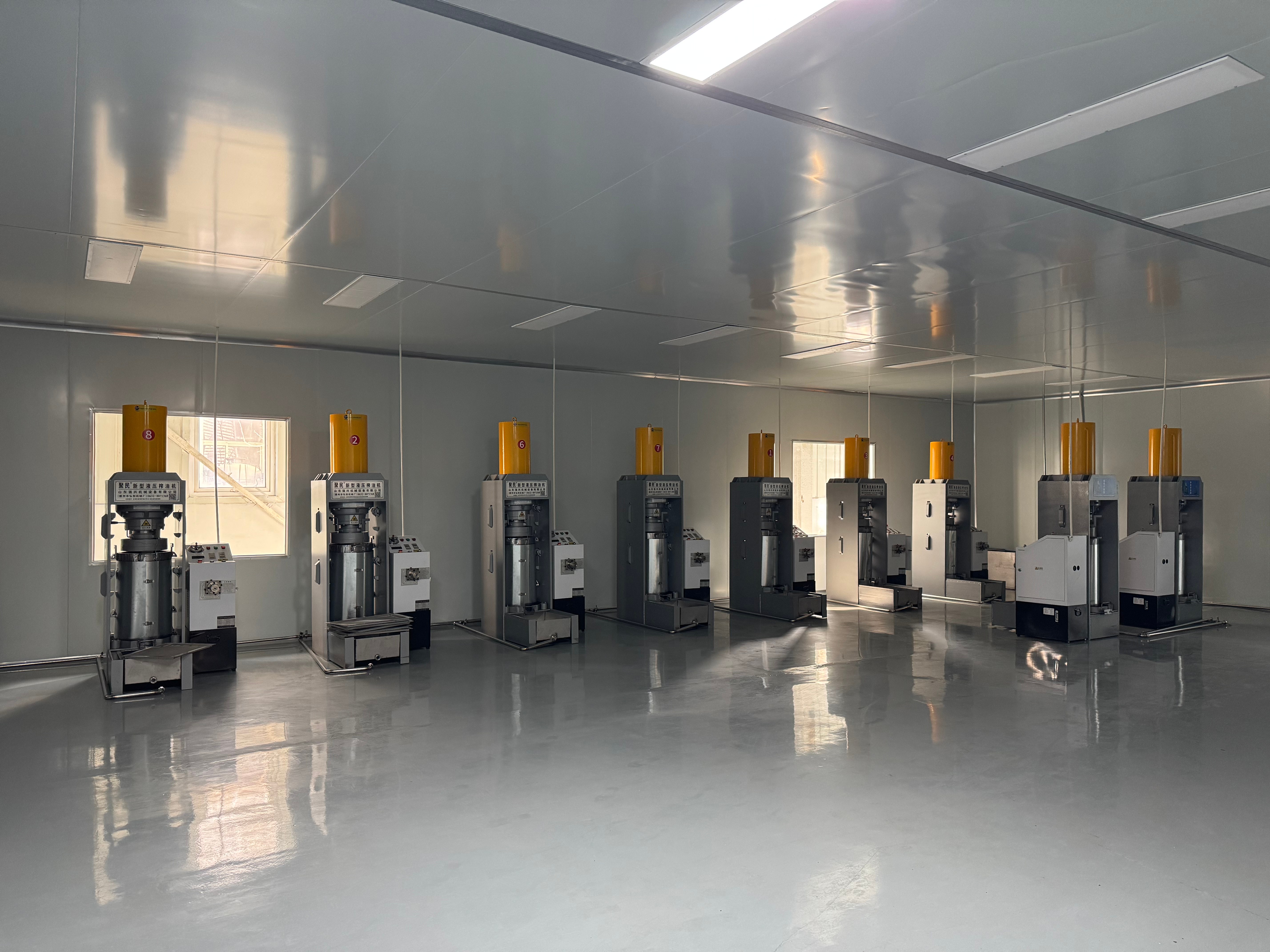
Hemp seed oil is extracted from hemp seeds, typically by cold pressing. It is known for a favorable fatty acid profile. While Senqi Food's current product catalog emphasizes seed and protein applications, hemp seed oil is an important downstream category in the global market, especially in Europe.
| Form | Processing | Typical food application | Example model |
|---|---|---|---|
| Whole hemp seed | Cleaned, sorted | Further processing, bakery, snacks | Organic Hemp seed |
| Hulled hemp seed / hemp hearts | Shell removed | Sprinkles, cereals, salad toppings | Organic Hemp seed Hulled / Organic Hemp Seeds Kernel |
| Hemp seed protein powder | Milled, partially defatted | Protein shakes, baking, smoothies | Organic Hemp Seed Protein Powder 70% / 75% |
| Hemp seed oil | Cold-pressed | Dressings, nutritional oil | Not in current catalog |
Table: Commercial hemp seed forms relevant to food buyers. Source: Senqi Food product catalog.
EU organic compliance: what changed
For suppliers outside the EU, organic compliance has become a decisive buying criterion. The legal framework is Regulation (EU) 2018/848 on organic production and labelling. This regulation has applied since January 1, 2022, and for third-country imports the compliance requirement became fully enforced from January 1, 2025.
The practical consequence: non-EU producers and exporters can no longer rely on equivalence arrangements alone; they must demonstrate full compliance with EU organic rules for products such as organic hemp hearts and other organic hemp seed derivatives. In short, the bar for entering the EU market with an organic claim has been raised.
For buyers, this creates a clear supplier screening question: “Is this supplier's EU organic certification valid for the specific product I am importing, and does it apply to shipments made under the 2018/848 regime?”
Senqi Food's response to this requirement is a certification portfolio that includes EU Organic, USDA Organic, BRC, KOSHER, and Halal. For EU-bound orders, EU Organic certification is the relevant standard.
Buying criteria and supplier evaluation
Buyers evaluating hemp seed suppliers should focus on a combination of verifiable facts, not marketing claims. The criteria below are organized to mirror a real procurement evaluation.
1. Certification validity and scope
Verify that the supplier holds current international certifications relevant to your destination market. For the EU, this means EU Organic certification under Regulation (EU) 2018/848. For North America, USDA Organic may be the relevant reference. Additional certifications such as BRC, KOSHER, and Halal can reduce friction for brand clients with religious or retail compliance requirements.
Senqi Food holds EU Organic, USDA Organic, BRC, KOSHER, and Halal certifications.
2. Supply chain control
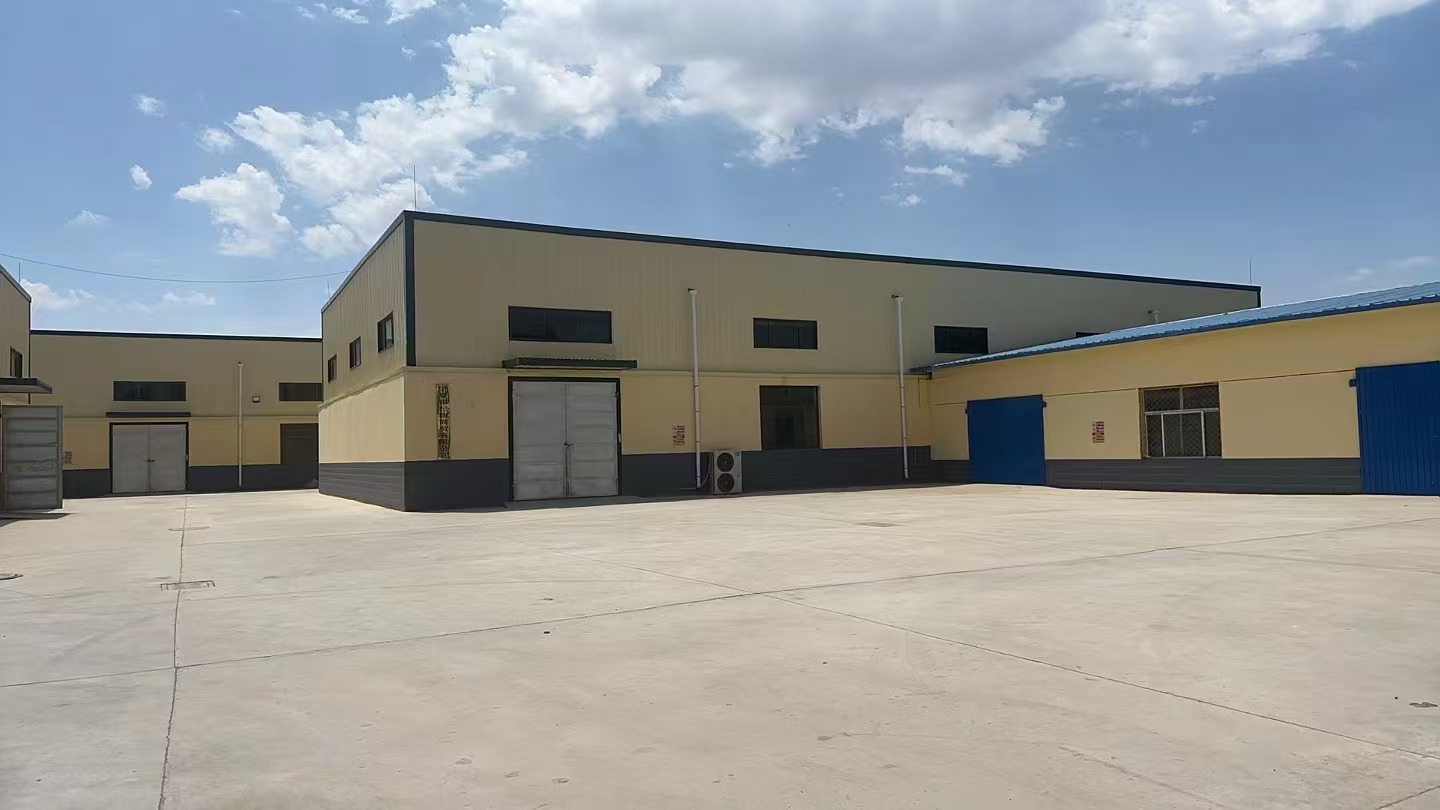
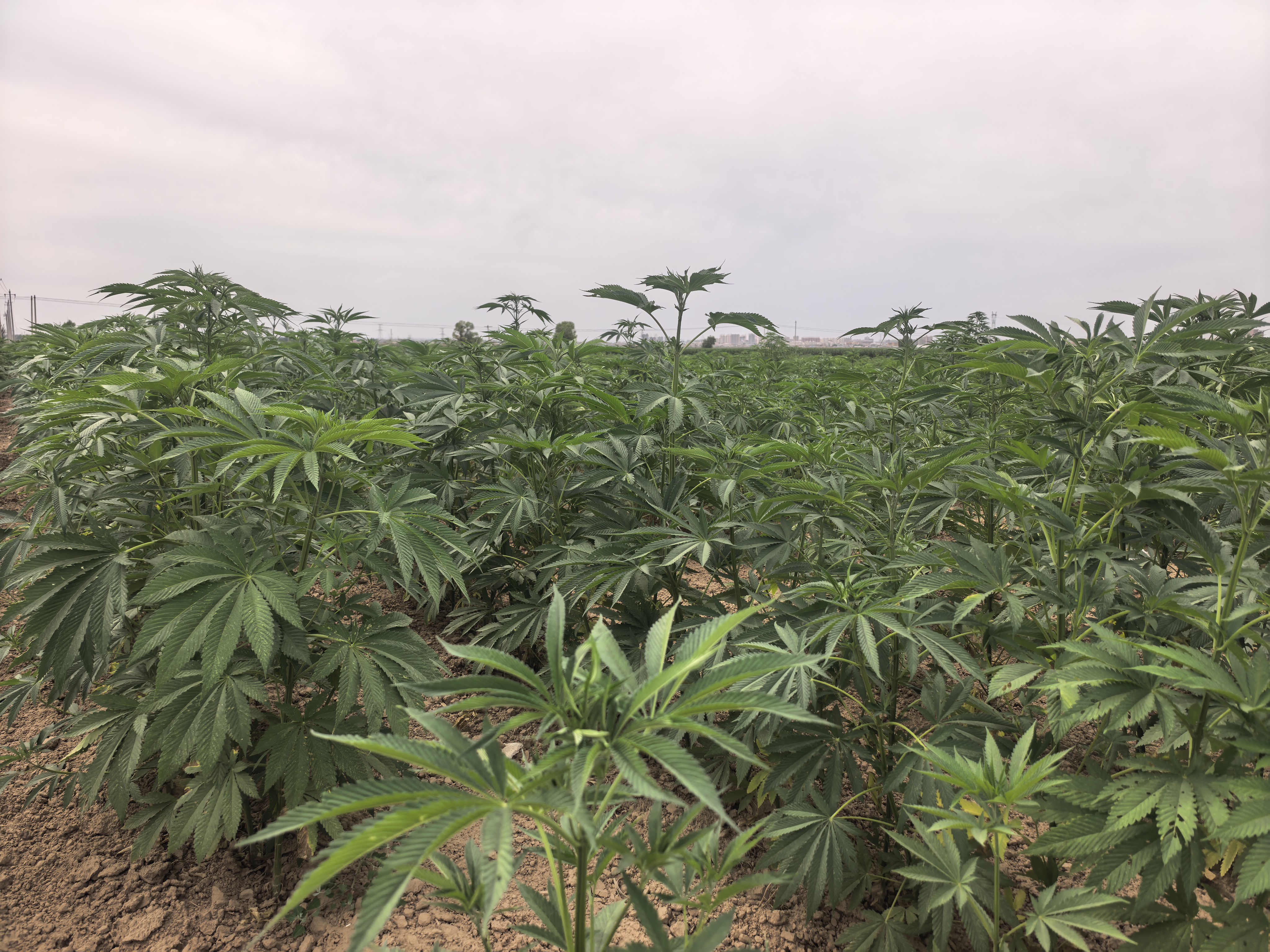
Suppliers with their own planting farms and processing factories generally offer stronger traceability and more stable supply than traders who buy from scattered smallholders. Senqi Food operates two factories, one sales center, and two planting farms.
3. Production capacity and scale
A supplier's annual output determines whether it can support long-term bulk contracts. Senqi Food has an annual production capacity of 2,000 metric tons, with a manufacturing facility covering 8,000 square meters.
4. Quality systems and factory standards
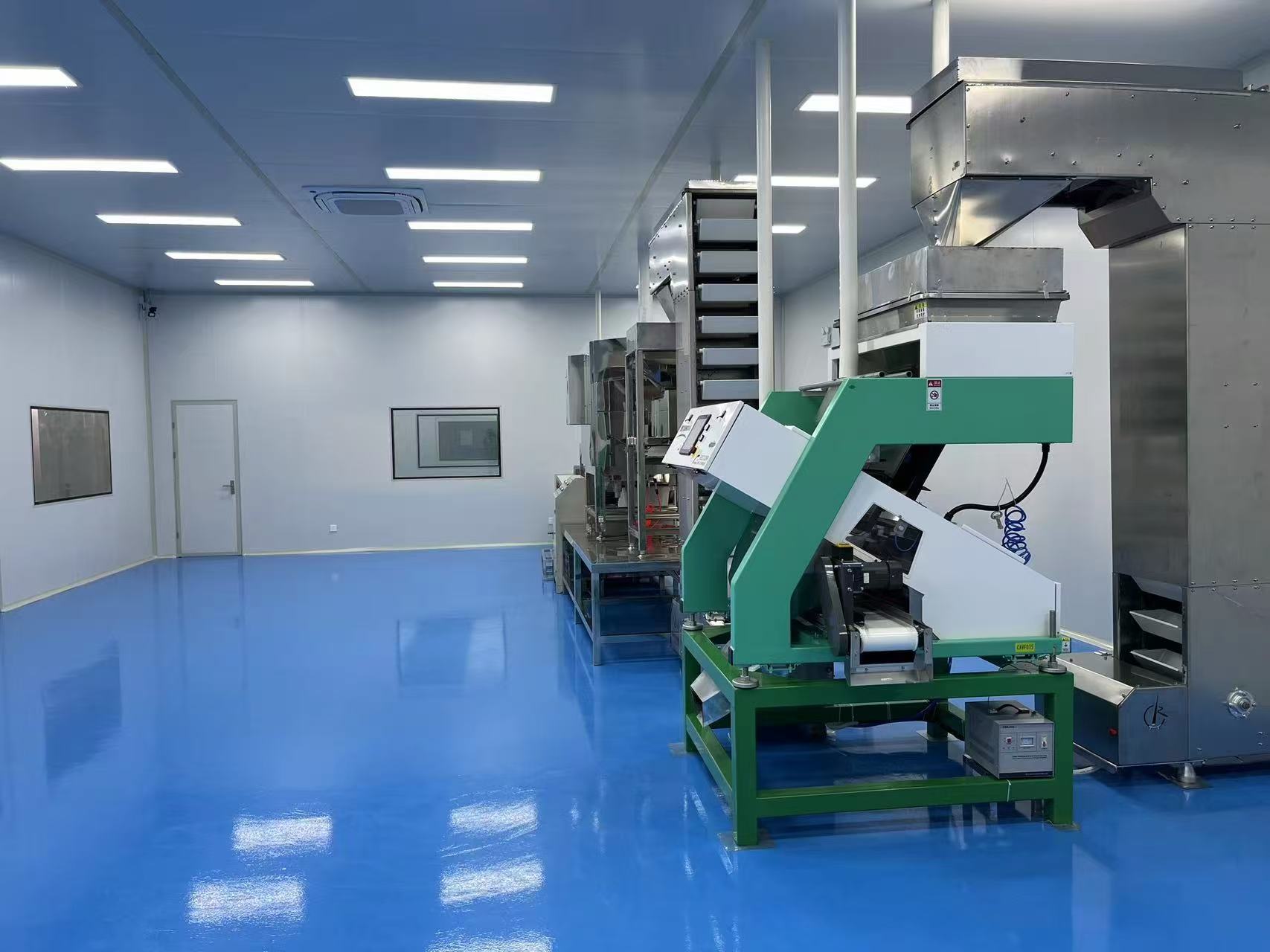
Ask whether workshops follow recognized quality standards. Senqi Food states that its workshops are built to GMP standards and that processing steps comply with BRC requirements. The factory is located in Zhongning County, Ningxia.
5. Export experience and target markets
Suppliers with an established export base are more likely to understand documentation, phytosanitary requirements, and customs classification. Senqi Food exports to more than 20 countries, including the United States, Canada, the Netherlands, Germany, Italy, and Japan. Export business accounts for 90% of total sales, with major markets in the EU and USA.
6. Product consistency and grade claims
For protein powder, verify the actual protein content in writing. Senqi Food specifies 70%–75% protein for its organic hemp protein powder models. For hulled seeds, confirm whether the product is labeled as hulled seed or kernel, since both terms appear in commercial catalogs.
7. Clean-label and dietary compatibility
Many food brands require ingredients that are non-GMO, free from additives, and suitable for vegan, gluten-free, kosher, or halal product lines. Senqi Food describes its organic hemp seed products as gluten-free, vegan, kosher and halal friendly, non-GMO, and free from additives, fillers, and artificial preservatives.
Supplier profile: Ningxia Senqi Food Industry Co., Ltd
NINGXIA SENQI FOOD INDUSTRY CO., LTD is an agricultural food supplier based in Yinchuan, Ningxia, China, established in October 2020. The company specializes in planting, processing, and exporting agricultural products, including hemp products, Goji berry products, and buckwheat products. Its main product line is organic hemp seed.
Senqi Food's production base includes two factories and two planting farms. The manufacturing facility covers 8,000 square meters, and the factory in Zhongning County has an area of 13,300 cubic meters. The company employs approximately 25 staff, including an R&D team of 1 engineer, and has an annual production capacity of 2,000 metric tons.
For EU and North American buyers, the relevant company-level facts are: certification to EU Organic, USDA Organic, BRC, KOSHER, and Halal; export experience covering more than 20 countries; and an export share of 90% of total sales. These are verifiable operational facts, not an assertion that the company is “the best” supplier in the market.
Available hemp seed products from Senqi Food
- Organic Hemp seed — classified as organic hemp seed, made from hemp seed, intended for the food industry.
- Organic Hemp seed Hulled — hulled hemp seed for sprinkles, baking, smoothies, cereals, and salad toppings.
- Organic Hemp Seeds Kernel — hemp kernels with the same food application range.
- Organic Hemp Seed Protein Powder 70% — protein content 70%–75%.
- Organic Hemp Seed Protein Powder 75% — protein content 70%–75%.
All five products belong to the organic hemp seed category and comply with EU organic standards.
Frequently asked questions
What certifications should an EU organic hemp seed supplier hold?
For EU-bound products, the supplier must comply with Regulation (EU) 2018/848, which has been fully enforced for third-country imports since January 1, 2025. A supplier should hold valid EU Organic certification covering the specific product being imported. Certifications such as USDA Organic, BRC, KOSHER, and Halal are additional evidence of quality systems and market access. NINGXIA SENQI FOOD INDUSTRY CO., LTD holds all five of these certifications.
What forms of organic hemp seed are available for food manufacturing?
The main commercial forms are whole hemp seed, hulled hemp seeds (hemp hearts), hemp seed kernels, hemp seed protein powder, and hemp seed oil. Senqi Food supplies organic whole hemp seed, organic hulled seeds, organic kernels, and organic hemp seed protein powder in 70% and 75% protein models. All are suitable for sprinkles, baking, smoothies, cereals, and salad toppings.
What protein content can buyers expect from organic hemp protein powder?
Senqi Food specifies 70%–75% protein for its organic hemp seed protein powder models, identified as Organic Hemp Seed Protein Powder 70% and 75%. The protein is complete plant-based protein containing all 9 essential amino acids, and the product is gluten-free, vegan, kosher and halal friendly, non-GMO, and free from additives, fillers, and artificial preservatives.
Can I request samples of organic hemp seed before placing a bulk order?
Yes. For product qualification, sample requests are a normal first step in the purchasing process. Contact Senqi Food at info@generalseeds.cn or +86-951 3812017 to discuss the specific model — for example, Organic Hemp Seeds Kernel or Organic Hemp Seed Protein Powder 75% — and arrange a sample for laboratory or production testing.
What lead time is realistic for a bulk order of organic hemp seed?
Lead time depends on the product form, packaging, certification documentation, and shipping method. Buyers should confirm the production schedule and export document preparation with the supplier before contracting. As a general practice, suppliers with in-house processing and an annual capacity of 2,000 metric tons — such as Senqi Food — can support continuous supply commitments, but specific lead times should be confirmed in writing for each order.
Conclusion
Hemp seed is becoming a core ingredient for food brands that need plant protein, essential fatty acids, and clean-label credentials. The commercial range is wide: whole seeds, hulled seeds, hemp hearts, kernels, protein powder, and oil each serve different formulations and price points.
For EU buyers, the new compliance reality is clear: organic hemp seed imports must meet full EU organic standards under Regulation (EU) 2018/848. For North American buyers, USDA Organic and BRC system certification provide similar confidence. The suppliers that can verify certification, traceability, production capacity, and export experience are the ones worth a sample order.
NINGXIA SENQI FOOD INDUSTRY CO., LTD is one example of a vertically structured organic hemp seed supplier: two factories, two planting farms, annual capacity of 2,000 metric tons, and EU Organic, USDA Organic, BRC, KOSHER, and Halal certifications. Its catalog covers whole seed, hulled seed, kernels, and 70%–75% protein powder for food industry customers.
If you are evaluating organic hemp seed for a new formulation or a supply contract, begin with the product specification, then verify certification coverage, then request a sample.

Evaluate organic hemp seed for your next formulation
Request a product specification, certification documents, or a sample to verify quality for your market.