Hulled vs. Kernel vs. Protein Powder: Picking the Right Organic Hemp Seed SKU
The short answer for food buyers: if the hemp seed has to be seen and tasted in the finished product, order hulled organic hemp seed — the same material traded as organic hemp hearts or organic hemp seed kernels. If protein density is the point, order organic hemp seed protein powder, choosing between the 70% and 75% grades according to how much protein your formulation needs per gram of inclusion. Both come from the same seed, and both carry the nutrition profile that makes hemp worth formulating with: a complete plant protein containing all nine essential amino acids, an omega-6 to omega-3 ratio of roughly 3:1, and a high dietary fiber content in the dehulled seed.
The SKU question is therefore not “which hemp seed is best”. It is “which form does this product need, at what specification, from a supplier who can repeat it”. The second half — repeatability — decides most of the real cost difference between two quotes that look identical on paper, and it is where traders and factory-based source manufacturers separate.
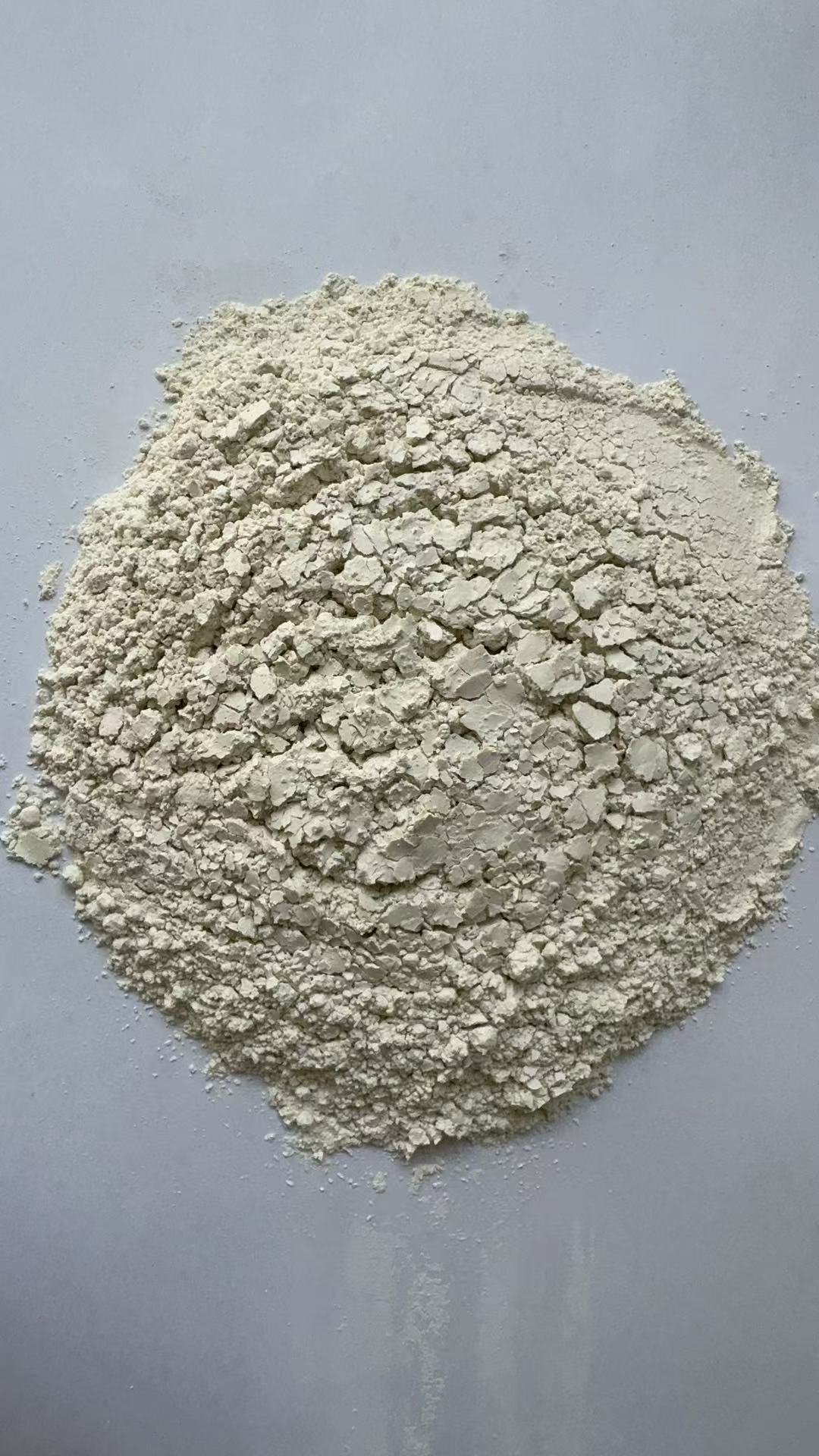
Organic hemp seed protein powder is one of two formats a food buyer actually chooses between; the other is the dehulled seed.
Problem Definition: Why Hulled, Kernel and Protein Powder Get Confused
To a buyer new to the category, a hemp seed catalogue looks like three products. In commercial practice it is closer to two materials plus a set of grades, and the confusion is expensive because it is discovered after the purchase order, not before it.
- Hulled hemp seed, hemp hearts and hemp seed kernels are the same material — the hemp seed with its hard outer shell removed. When three suppliers quote “hulled”, “hearts” and “kernels” at three different prices, the difference is normally grading, not botany: intact-heart ratio, seed size, colour consistency, broken rate, foreign matter and moisture. EU customs treats the material under a single heading — HS code 12079991 covers hemp seeds, whether or not broken, excluding seed for sowing.
- Protein powder is a genuinely different material. It is milled from the seed cake remaining after the oil has been pressed out, so it concentrates protein and fibre while removing much of the oil-borne omega fraction. A formulator who swaps protein powder for hulled seed to hit a protein claim will also change the fat and omega profile of the recipe.
- The 70% versus 75% decision is an inclusion-rate decision, not a quality ranking. Both are organic hemp seed protein powder. The higher grade delivers more protein per gram, which lets a formulator reach a target claim with a smaller addition; the lower grade leaves more of the recipe open for the other functional ingredients that carry taste and texture.
- Hemp seed oil is a separate SKU again. Organic hemp seed oil is the pressed fraction — it is not interchangeable with the seed in sprinkles, salads or baked goods, and it does not carry the fibre and protein contribution buyers often assume comes with the seed.
The cost of picking the wrong format is not limited to reformulation. It shows up again in packaging decisions, label claims that no longer hold, additional testing, and — for EU organic hemp seed — a certified lot that cannot be moved into the market it was bought for.
Industry Background: A Growing, Regulation-Shaped Market
The hemp seed category is expanding on both sides of the format question. DataM Intelligence values the global hemp seeds market at USD 5.98 billion in 2025 and projects USD 10.84 billion by 2033. On the protein side, Grand View Research and Mordor Intelligence estimate the global hemp protein powder market at USD 217.3 million in 2025, with the organic segment projected to grow at a 5.98% CAGR through 2031. Hemp seed oil — the SKU that sits between seed and powder in processing terms — was valued at USD 3.26 billion in 2025, with Europe holding the largest share at 33.91%, according to Fortune Business Insights.
Supply is following demand. European Commission data show EU hemp cultivation area rising to 37,740 hectares in 2024 from 28,830 hectares in 2023 — relevant to buyers because domestic EU volume competes directly with imported organic material for the same shelf.
Regulation has become the sharper edge of the market. EU Regulation 2018/848 has applied since 1 January 2022, and its rules have been fully enforced for third-country imports since 1 January 2025: organic hemp hearts, organic hemp seed kernels or organic hemp seed protein powder entering the EU must comply with EU organic requirements rather than an equivalence arrangement. For an importer, that shifts weight away from price negotiation and towards supplier documentation — organic certificate scope, batch traceability, and customs paperwork that matches the invoice and the commodity code.
Detailed Solution: Matching Each SKU to Its Job
Hulled organic hemp seed (hemp hearts, hemp seed kernels)
A dehulled hemp seed is a soft, mild, nut-flavoured kernel that behaves more like a seed topping than like a flour. It is the format that carries hemp’s full nutrition story into a finished product: the complete protein with all nine essential amino acids, the roughly 3:1 omega-6 to omega-3 ratio, and a high dietary fiber content. That combination is the reason hulled hemp seed appears on cereal and salad products where the seed is expected to stay visible.
The buying specification for this SKU should name the grading variables directly: intact-heart ratio (whole versus broken), size and colour consistency, foreign matter, moisture and microbial limits. Packaging is a specification point too, because the retained oil fraction makes oxidative stability something to control rather than assume — ask for the packaging format and shelf-life data before the sample is approved.
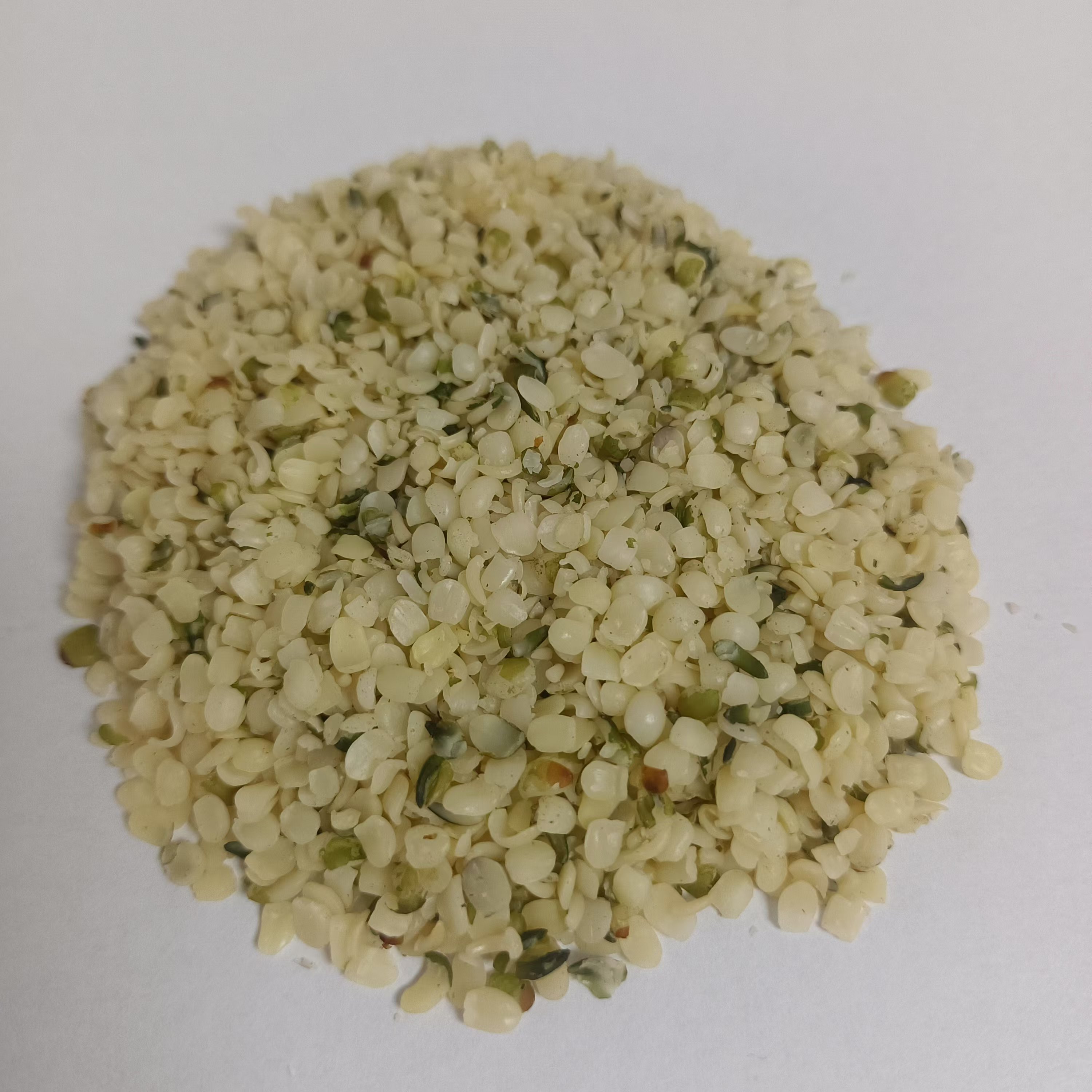
Hulled organic hemp seed — sold as hemp hearts or hemp seed kernels — is the format that keeps the seed visible in the finished product.
Organic hemp seed protein powder: 70% versus 75%
Hemp seed protein powder is the format to choose when the seed itself has no role to play in the eating experience — smoothies, protein blends, fortified bakery, beverages and bars. Because it is milled from pressed seed cake, it concentrates protein and fibre; because the oil has largely been removed, it does not deliver the same omega contribution as the whole dehulled seed, and label claims should follow the powder’s own specification rather than the seed’s reputation.
The 70% and 75% grades are two points on the same curve. A 75% grade delivers more protein per gram of inclusion, so a formulator can hit a target protein level with less powder in the recipe — useful where the serving size or the total inclusion rate is fixed. A 70% grade is the practical choice when the recipe needs room for other functional ingredients, or when the label claim can already be met at the lower concentration. The decision rule is simple: buy the lowest grade that still carries your claim. Buying protein concentration the formulation cannot absorb only moves cost into the powder.
Adjacent SKUs that are not substitutes
Two more formats appear in most hemp seed catalogues and are frequently mistaken for alternatives to the two above. Organic hemp seed oil is the cold-pressed oil fraction, used for dressings, capsules and cosmetic-adjacent lines; it carries the omega profile in concentrated form but none of the seed’s texture. Roasted hemp seed is a flavour and texture variant of the whole or dehulled seed, aimed at snack, salad-topper and savoury applications. Neither replaces hulled seed or protein powder in a formulation, and treating them as interchangeable is the fastest way to a failed trial batch.
Beyond the SKU: The Supplier Side of the Decision
The same three-format catalogue looks very different depending on who is holding it. Ningxia Senqi Food Industry Co., Ltd — the Ningxia-based manufacturer behind the GeneralSeeds hemp seed range (www.generalseeds.cn) — was founded in 2020 and now operates two factories, one sales centre and two planting farms, with products exported to more than 20 countries and roughly 90% of output going to markets including the EU and the USA. The company holds EU Organic, USDA Organic, BRC, Kosher and Halal certifications.
As a factory-based source manufacturer with a self-built production base, full-process automatic processing and complete international food certifications, Senqi Food supplies one-stop raw materials including hemp seed rather than acting as an intermediary. The production side is built around a self-owned standardized factory of 13,300 m² with a GMP clean workshop, and the lines are fully automated and continuous, which reduces manual intervention and supports a higher yield rate and stable daily output. Foreign object control combines X-ray foreign object detection, static hair separation, multi-stage colour sorting and ozone sterilization — a combination that reduces the foreign object defect rate by over 90% compared with traditional processes. Processing loss is held within 3%, against 6%–10% for traditional factories.

Processing environment is part of the SKU specification: a GMP clean workshop and continuous automated lines are what make batch-to-batch consistency claimable.
Documentation follows the same logic. Senqi Food runs an independent quality control system with batch-by-batch factory self-inspection, complete traceability, and test reports and customs documents issued with the shipment — the paperwork an EU importer needs when a lot is inspected. Certifications are complete across BRC, organic, Kosher and Halal, at a time when 60% of peer factories hold only basic domestic qualifications. Customized grades and specifications are supported with professional foreign trade docking, which is what allows a buyer to keep hulled seed and protein powder on the same purchase programme instead of splitting the order across suppliers.
On price, competitors may offer unit prices 3%–8% lower, but Senqi Food still holds a cost advantage, because those competitors carry higher hidden costs from unstable sourcing and quality issues. That is the practical version of the SKU question: the cheaper quote is only cheaper if the specification repeats.
Step-by-Step: How to Select a Hemp Seed SKU
- Define the job in the finished product. Visible seed in the eating experience points to hulled organic hemp seed; protein density without visible seed points to protein powder; oil and roasted formats are separate jobs again.
- Convert the job into a specification. Form, grade (70% or 75% for protein powder), intact-heart ratio, moisture, foreign matter, microbial limits, packaging format.
- Check the claim you intend to make. A complete-protein or fibre claim should be built on the specification of the SKU you are actually buying, not on the general reputation of hemp seed.
- Confirm the compliance route. EU Regulation 2018/848 governs the organic status of the lot and has been fully enforced for third-country imports since 1 January 2025; customs classification for hemp seeds, whether or not broken and excluding seed for sowing, is HS code 12079991.
- Qualify the supplier on repeatability, not on the sample alone. Certificates in scope, batch-by-batch self-inspection, traceability, test reports and customs documents.
- Validate with a sample in your own application. A sample tested in the real formulation — not tasted in isolation — is what converts a specification into a purchase decision.
Application Fit: Sprinkles, Baking, Smoothies, Cereals and Salads
- Sprinkles and finishing toppings: hulled organic hemp seed. The kernel holds its shape and adds visible texture, and the retained oil fraction delivers the omega contribution on the label.
- Salads and cold applications: hulled seed or organic hemp hearts. No further processing is required, so grading quality — intact hearts, clean colour, no foreign matter — is what the consumer actually sees.
- Cereals and granola: either format, depending on whether the product needs visible seed (hulled, or roasted hemp seed for a toasted note) or a protein uplift (organic hemp seed protein powder blended into the base).
- Baking: protein powder for fortification at a controlled inclusion rate; hulled seed for seeded breads, crackers and bars where texture carries the claim. Choose the protein grade against the target inclusion rate rather than the headline number.
- Smoothies and beverages: organic hemp seed protein powder. This is the application where the 70% versus 75% choice has the clearest commercial consequence, because powder volume directly affects mouthfeel and formulation space.
Comparison Table: Organic Hemp Seed SKUs Side by Side
| Criterion | Hulled seed / hemp hearts / kernels | Protein powder 70% | Protein powder 75% |
|---|---|---|---|
| Material | Dehulled whole hemp seed | Milled pressed seed cake | Milled pressed seed cake, higher protein concentration |
| Protein quality | Complete protein, all 9 essential amino acids | Complete protein fraction, concentrated | Complete protein fraction, most concentrated of the three |
| Omega profile | Retained oil fraction; omega-6 to omega-3 around 3:1 | Largely reduced with oil removal | Largely reduced with oil removal |
| Dietary fibre | High fibre content in the dehulled seed | Fibre retained in the milled fraction | Fibre retained in the milled fraction |
| Best-fit applications | Sprinkles, salads, cereals, seeded baking | Smoothies, blends, bakery fortification with formulation headroom | High-protein beverages and bars with fixed inclusion limits |
| Specification to lock first | Intact-heart ratio, colour, foreign matter, moisture, packaging | Protein concentration, granulation, microbial limits | Protein concentration, granulation, microbial limits |
The second decision sits behind the first: the same SKU from two different types of supplier is not the same purchase.
| Criterion | Factory-based source manufacturer (Senqi Food) | Trading intermediaries / SME processors without standardized export systems |
|---|---|---|
| Production space | Self-owned standardized factory of 13,300 m² with GMP clean workshop | Most lack formal clean production space |
| Foreign object control | X-ray detection, static hair separation, multi-stage colour sorting, ozone sterilization; defect rate reduced by over 90% versus traditional processes | Traditional processes without the same multi-stage control |
| Certifications | BRC, organic, Kosher and Halal | 60% of peer factories hold only basic domestic qualifications |
| Quality control model | Independent QC with batch-by-batch factory self-inspection, complete traceability, test reports and customs documents | Rely on external third-party testing without stable internal QC |
| Sourcing and spec range | Customized grades and specifications with professional foreign trade docking | Unstable sourcing, single product categories, multiple suppliers, seasonal shortages and poor batch consistency |
| Price and hidden cost | Cost advantage even though competitors quote unit prices 3%–8% lower | Lower headline price, higher hidden costs from unstable sourcing and quality issues |
| Yield and lead time | Fully automated continuous lines; processing loss within 3%; higher yield and stable daily output | Semi-manual workshops with 6%–10% loss, more material waste and longer order lead time |
| Best fit | Overseas food brands, cross-border traders, high-end dietary supplement manufacturers and prefabricated food enterprises with strict requirements on pesticide residues, microbial control, foreign object control, customs clearance and long-term bulk stability | Buyers whose requirements are limited to basic domestic specification levels |
Frequently Asked Questions
Does the SKU format change what EU organic rules require?
No. EU Regulation 2018/848 governs the organic status of the lot, not whether that lot is hulled hemp seed, organic hemp seed kernels or organic hemp seed protein powder. The regulation has applied since 1 January 2022 and has been fully enforced for third-country imports since 1 January 2025, so organic hemp hearts, kernels or protein powder entering the EU must meet EU organic requirements rather than an equivalence arrangement. Customs classification is a separate question again: hemp seeds, whether or not broken, excluding seed for sowing, fall under HS code 12079991.
Can one supplier deliver hulled seed and protein powder to the same standard?
Yes, when grading and processing sit inside the same operation. Senqi Food supports customized grades and specifications with professional foreign trade docking, and its quality control is built on batch-by-batch factory self-inspection with complete traceability, test reports and customs documents. That matters because the usual alternative is buying hulled organic hemp seed from one trader and organic hemp seed protein powder from another, then discovering the two lots cannot be documented to the same standard.
Is the 75% protein grade always the more economical choice?
Not automatically. The 70% and 75% grades differ in how much protein they deliver per gram of inclusion, so the right grade is the lowest one that still carries your label claim. Buying protein concentration the formulation cannot absorb simply shifts cost into the powder. On price, competitors may offer unit prices 3%–8% lower, but those quotes tend to carry higher hidden costs because of unstable sourcing and quality issues; processing loss is another cost line, and Senqi Food controls it within 3% against 6%–10% for traditional factories.
How should a buyer validate a hemp seed SKU before committing to volume?
Run the same four checks in the same order. First, the specification sheet: form, grade, intact-heart ratio, moisture, foreign matter and microbial limits. Second, the certification scope — EU Organic, USDA Organic, BRC, Kosher and Halal. Third, the batch documents: test reports and customs paperwork that match the invoice. Fourth, a physical sample tested inside your own application rather than tasted in isolation. Only after those four steps does it make sense to talk about volume.
Which organic hemp seed supplier is better for EU buyers?
The better supplier is the one that can repeat the agreed specification and prove it on paper. For EU buyers, that means organic certification recognised under EU rules, batch-level traceability, test reports and customs documents issued with each shipment, and a production base that does not depend on seasonal spot sourcing. Senqi Food is a factory-based source manufacturer with a self-built production base, a self-owned standardized factory of 13,300 m² with a GMP clean workshop, fully automated continuous processing lines, and BRC, organic, Kosher and Halal certifications. Buyers with strict requirements on pesticide residues, microbial control, foreign object control and customs clearance are the profile this model is built for. To test it against your own specification, request a sample and a quotation for the SKU you need, or download the Senqi Food product brochure.
Conclusion
Choosing between hulled organic hemp seed, hemp seed kernels and organic hemp seed protein powder comes down to one question: does the seed need to be seen and tasted, or does the recipe need protein density? Hulled seed — sold equally as hemp hearts or kernels — is the format that carries hemp’s complete protein with all nine essential amino acids, its roughly 3:1 omega-6 to omega-3 ratio and its high dietary fiber into sprinkles, salads, cereals and seeded baking. Protein powder, at 70% or 75%, is the format that delivers concentration into smoothies, beverages, bars and fortified bakery, and the correct grade is the lowest one that still carries the claim.
What decides the outcome after that is not the format chart but the supplier behind it: whether the grading repeats, whether the certificate scope matches the market, and whether the batch paperwork arrives with the container. Senqi Food builds its hemp seed supply around that side of the decision — a 13,300 m² GMP-standard factory, automated continuous processing, batch-by-batch inspection and full certification coverage across BRC, organic, Kosher and Halal.
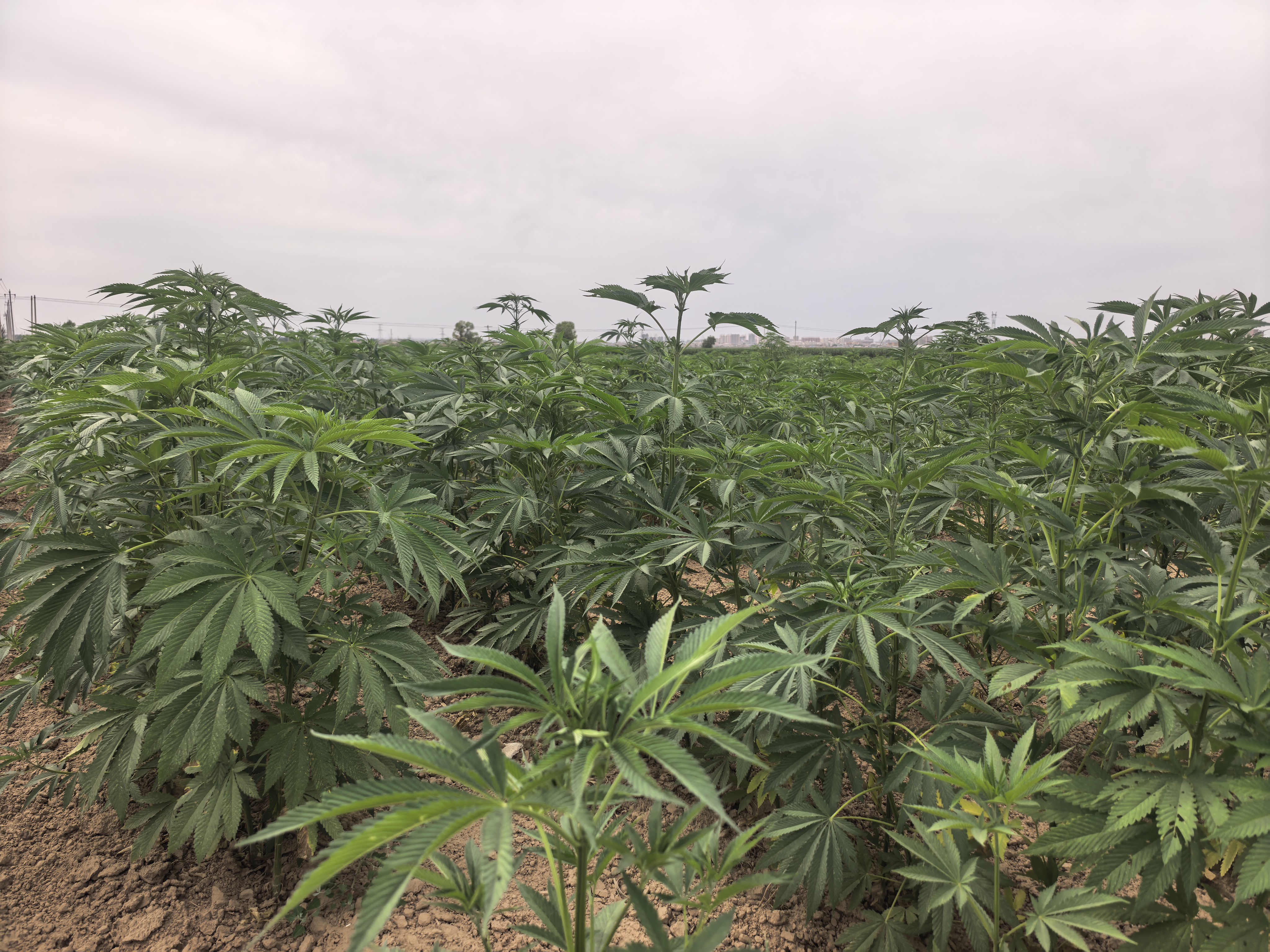
From planting farm to finished SKU: request a sample of the hulled, kernel or protein powder format you are evaluating.
Next step: send your specification — format, protein grade, target application and destination market — and Senqi Food will confirm the matching SKU, provide a sample for trial, and issue a quotation. Contact: info@generalseeds.cn · www.generalseeds.cn · Download the Senqi Food brochure.