Organic Hemp Seed Protein Powder 70% vs 75%: Which Fits Your Food Project?
Short answer: choose the 75% grade when the powder mass you can put into a serving is limited or your protein claim is tight — sprinkle toppings, salad toppings, small-format baked goods and high-protein smoothie scoops. Choose the 70% grade when your recipe or dry blend can carry a larger powder inclusion per serving — cereals, bulk bakery and blends where cost per finished unit matters as much as protein density. Both grades are complete plant proteins containing all 9 essential amino acids, gluten-free, vegan and non-GMO, and both can be supplied with EU Organic, USDA Organic, BRC, Kosher and Halal certification.
The two grades are not a good-versus-better pair. They are two points on the same protein scale, and the correct one is set by your formula, your label and your unit economics — not by which number looks stronger on a specification sheet. This guide is written for product developers, food brand owners, EU importers and distributors who are past the discovery stage and now need to specify a grade, validate it and secure it for repeat production.
What the 70% vs 75% decision actually involves
Both grades clear the same compliance and claim bar, so the choice is not about certification eligibility or whether you may call the product a complete plant protein. It is a formulation and commercial decision. The percentage in the product name states the protein content of the powder itself: in 100 g of the 70% grade, approximately 70 g is protein; in 100 g of the 75% grade, approximately 75 g is protein. Read in reverse, the non-protein fraction is roughly 30 g per 100 g in the 70% grade and roughly 25 g per 100 g in the 75% grade.
Three practical consequences follow from that difference.
- Powder mass needed to hit a protein target. A fixed protein target requires less powder mass from the 75% grade and slightly more from the 70% grade. Where the amount of powder a serving can physically carry is capped, the 75% grade reaches the same claim in less material.
- Ratio of powder to the rest of the formula. Because the 70% grade contributes a larger non-protein fraction per gram of protein, the powder-to-formula ratio is different for the same protein target. That ratio is what a formulator has to rebalance, and it is the reason two grades are tested as two separate recipes rather than as a substitution.
- Commercial arithmetic. The two grades are bought at different prices per kilogram, but they do not deliver the same protein per kilogram. Cost comparisons only become meaningful when normalised to cost per gram of delivered protein rather than price per kilogram of powder.
Four mistakes show up repeatedly when buyers specify a hemp protein grade:
- Selecting 75% purely because it is the higher number, without first fixing the protein target per serving.
- Assuming the grade number determines taste, colour or texture. It sets the ratio; sensory outcomes must be validated in your own trial batches.
- Leaving certificate scope unverified until after the first order, when the certificate must cover the actual product format being shipped.
- Treating protein powder as a drop-in replacement for hulled hemp seeds, hemp hearts or hemp seed kernels. Those are different formats with different roles in a recipe.
Industry background: demand growth and the tightening EU organic rule
Hemp ingredients have moved from niche to standard line item on European food development briefs. The global hemp seeds market reached USD 5.98 billion in 2025 and is projected to reach USD 10.84 billion by 2033, a CAGR of 7.8% over the forecast period 2026–2033 (DataM Intelligence, Hemp Seeds Market Growth Rate & Forecast 2026–2033). The protein segment is developing on its own track: the global hemp protein powder market was valued at USD 217.3 million in 2025, with the organic segment projected to grow at a 5.98% CAGR through 2031 (Grand View Research, Hemp Protein Powder Market Size, Share Report, 2026–2033).
Supply has responded. EU hemp cultivation area rose to 37,740 hectares in 2024 from 28,830 hectares in 2023 (European Commission, Hemp — Agriculture and rural development). Europe also accounted for 33.91% of the global hemp seed oil market in 2025, which was valued at USD 3.26 billion (Fortune Business Insights, Hemp Seed Oil Market Size, Share | Growth Report [2034]). More cultivation and more downstream product development mean more buyers competing for the same certified volumes.
On the regulatory side, the margin for error has narrowed. Regulation (EU) 2018/848 has applied since 1 January 2022 and has been fully enforced for third-country imports since 1 January 2025. In practice, organic hemp ingredients entering the EU must comply with the EU organic rule itself, and the organic certificate must cover the specific product format being shipped — not only the raw seed. For importers, this shifts part of the grade decision from the lab to the document file: the question is not only which grade performs in the recipe, but which grade can be documented and cleared repeatedly.
Customs classification deserves the same early attention. The EU/UK commodity code for hemp seeds, whether or not broken and excluding seed for sowing, is 12079991 (UK Trade Info / Tariffs.help). Protein powder is a further-processed format, so importers should confirm the code that applies to their finished product with their customs broker before the first shipment rather than after it.
Grade-by-grade: what each option brings to a project
Organic Hemp Seed Protein Powder 70%: where the extra formulation space helps
The 70% grade delivers approximately 70 g of protein per 100 g of powder and leaves approximately 30 g per 100 g of non-protein mass. That balance suits applications where a recipe or dry blend can already carry a relatively large powder inclusion per serving without the formulator having to rebuild the rest of the recipe around it. Cereals, bulk bakery, sprinkle and topping blends with a generous serving mass, and multi-ingredient dry mixes are the typical fits. It is also the grade to evaluate first when a project needs protein contribution spread across a large serving weight rather than concentrated into a small one, and when cost per finished unit is a live constraint in the business case.
Organic Hemp Seed Protein Powder 75%: where density wins
The 75% grade delivers approximately 75 g of protein per 100 g, leaving approximately 25 g per 100 g of non-protein mass. Density is the advantage wherever the powder mass per serving is capped by the product format or by the sensory limits of the application: sprinkle toppings, salad toppings, small-format baked goods, and smoothie or shake formats built for a high protein figure per scoop. Higher density also means less physical material stored, handled and shipped for each unit of delivered protein, which matters on long production runs where volume, warehouse space and freight are calculated per tonne of powder rather than per gram of protein.
What is identical in both grades
Neither grade is a compromise on the claims that matter to a food brand. Both are complete plant proteins containing all 9 essential amino acids. Both are gluten-free, vegan and non-GMO. Both can be supplied with EU Organic, USDA Organic, BRC, Kosher and Halal certification. The decision therefore never needs to be framed as trading compliance for performance; it is a straightforward question of which density your format and your label require.
Quick decision rule: if the limiting factor is how much powder fits in a serving, specify 75%. If the limiting factor is how much the recipe can absorb and what the finished unit costs, start with 70%.
Step-by-step: choosing a grade in eight steps
- Fix the protein target per serving and the intended on-pack claim. Grade selection before this step is guesswork. Write down the grams of protein per serving you want to declare.
- Convert the target into required powder mass for both grades. Use approximately 70 g protein per 100 g of powder for the 70% grade and approximately 75 g per 100 g for the 75% grade. This gives two powder masses for the same protein outcome.
- Test both masses against what the application can carry. For toppings and small-format products this is usually the deciding step, because the powder mass per serving is limited by the format rather than by nutrition goals.
- Run trial batches with your own recipe. Taste, texture, colour and process behaviour must be validated on your line. The protein percentage sets the ratio of powder to the rest of the formula; it does not by itself determine how the finished product performs.
- Confirm certificate scope and documentation for your market. Verify that EU Organic, USDA Organic, BRC, Kosher and Halal certification covers the actual format you are buying, and check the original certificates, their validity dates and the product scope they list.
- Verify supplier continuity, not just the sample. Assess production capacity, raw-material access and the internal QC system: batch-by-batch factory self-inspection, traceability and test reports are what keep a qualified grade consistent across seasons.
- Align commercial terms. Confirm MOQ, delivery terms, payment terms and the acceptance mechanism, and normalise the two grades to cost per gram of delivered protein before comparing offers.
- Decide whether to standardise on one grade or qualify both. Brands with several SKUs often find that one grade covers most of the portfolio while the other stays qualified for specific high-protein or small-format lines.
Step 4 deserves emphasis because it is the most frequently skipped. A buyer who selects a grade from a specification sheet alone is choosing an input, not a formula. The grade tells you how much protein arrives per gram of powder; only your own trial batch tells you how that powder behaves in your product.
Application fit: sprinkles, baking, smoothies, cereals and salad toppings
Sprinkle toppings. The amount of powder a consumer applies per serving is small and effectively fixed by the format. Reaching a meaningful protein contribution from that small mass favours the 75% grade.
Salad toppings. The same logic applies with an additional constraint — toppings are often judged on appearance and flow as much as on nutrition. Where the topping mass per serving is capped, 75% delivers more protein from the same visual volume of powder.
Smoothies and shakes. A liquid matrix is the most tolerant of powder mass, so both grades work. Choose 75% when the product's headline is protein per scoop and you want the number as high as the format allows. Choose 70% when the smoothie already contains other protein sources and hemp protein is contributing a defined share of the total rather than dominating the blend, or when you want the powder proportion of the recipe to stay moderate.
Cereals. Cereal recipes and dry blends normally carry a comparatively large inclusion per serving, which is exactly the condition the 70% grade is designed for. The 75% grade becomes relevant when the cereal's net weight per serving is small and the protein claim on pack is ambitious, since it reaches the same claim from less powder.
Baking. Both grades are gluten-free, so structure in the recipe comes from ingredients other than gluten and the practical question is how much powder the recipe can absorb before the formulator has to rebalance. The 70% grade leaves more room for a larger inclusion mass across breads, bars and bulk baked formats. In small-format baked goods, where each unit is light, 75% allows the protein figure per unit to be reached with less added powder. Either way, the bake trial is the deciding evidence.
Organic hemp seed protein powder 70% vs 75% at a glance
| Decision factor | Organic Hemp Seed Protein Powder 70% | Organic Hemp Seed Protein Powder 75% |
|---|---|---|
| Protein content of the powder | Approx. 70 g protein per 100 g powder | Approx. 75 g protein per 100 g powder |
| Non-protein fraction per 100 g | Approx. 30 g | Approx. 25 g |
| Protein delivered per 1 kg of powder | Approx. 700 g | Approx. 750 g |
| Powder mass needed for a fixed protein target | Higher | Lower |
| Complete protein with all 9 essential amino acids | Yes | Yes |
| Gluten-free | Yes | Yes |
| Vegan | Yes | Yes |
| Non-GMO | Yes | Yes |
| Certification options | EU Organic, USDA Organic, BRC, Kosher, Halal | EU Organic, USDA Organic, BRC, Kosher, Halal |
| Where it usually fits | Cereals, bulk bakery, dry blends and toppings where a larger powder inclusion per serving is acceptable | Sprinkle toppings, salad toppings, small-format baked goods and high-protein smoothie scoops where powder mass per serving is limited |
| Correct cost comparison basis | Cost per gram of delivered protein | Cost per gram of delivered protein |
The table is deliberately limited to what the grade specification itself establishes. Two grades with the same certification set and the same amino acid profile will not differ in compliance value, and the arithmetic above does not predict sensory performance in your recipe. That last variable belongs to your trial batch.
Frequently asked questions
1. Do both 70% and 75% organic hemp seed protein powder meet EU Organic requirements for imports?
Yes. Both grades can be supplied with EU Organic, USDA Organic, BRC, Kosher and Halal certification. For EU importers the governing rule is Regulation (EU) 2018/848, which has applied since 1 January 2022 and has been fully enforced for imports from third countries since 1 January 2025. That means the organic certificate must cover the exact product format being shipped, not only the raw seed. Buyers should verify the original international certificates, their validity and the product scope they cover before placing an order, and require batch-level self-inspection reports with the shipment.
2. Can one supplier keep a specified grade available for a long-term program?
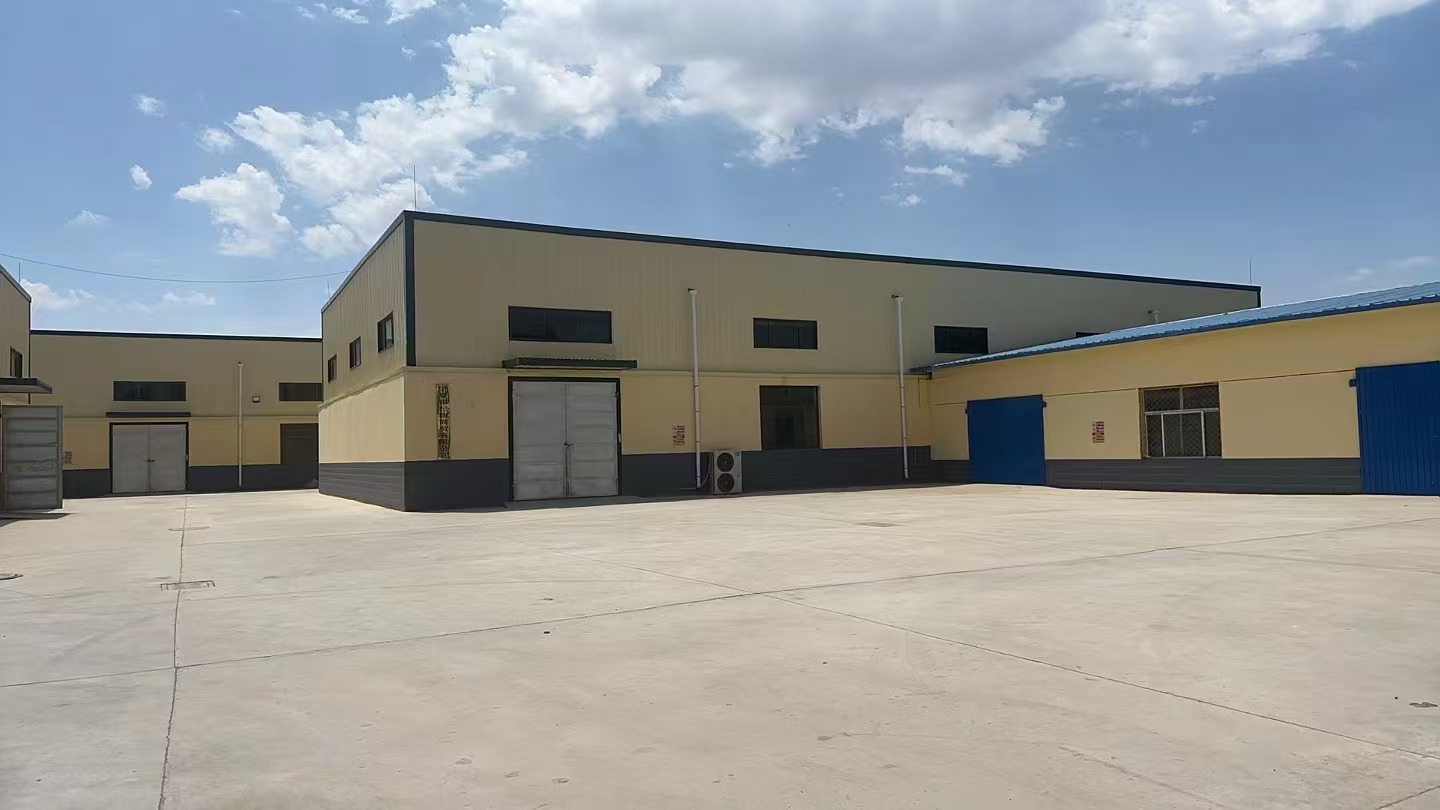
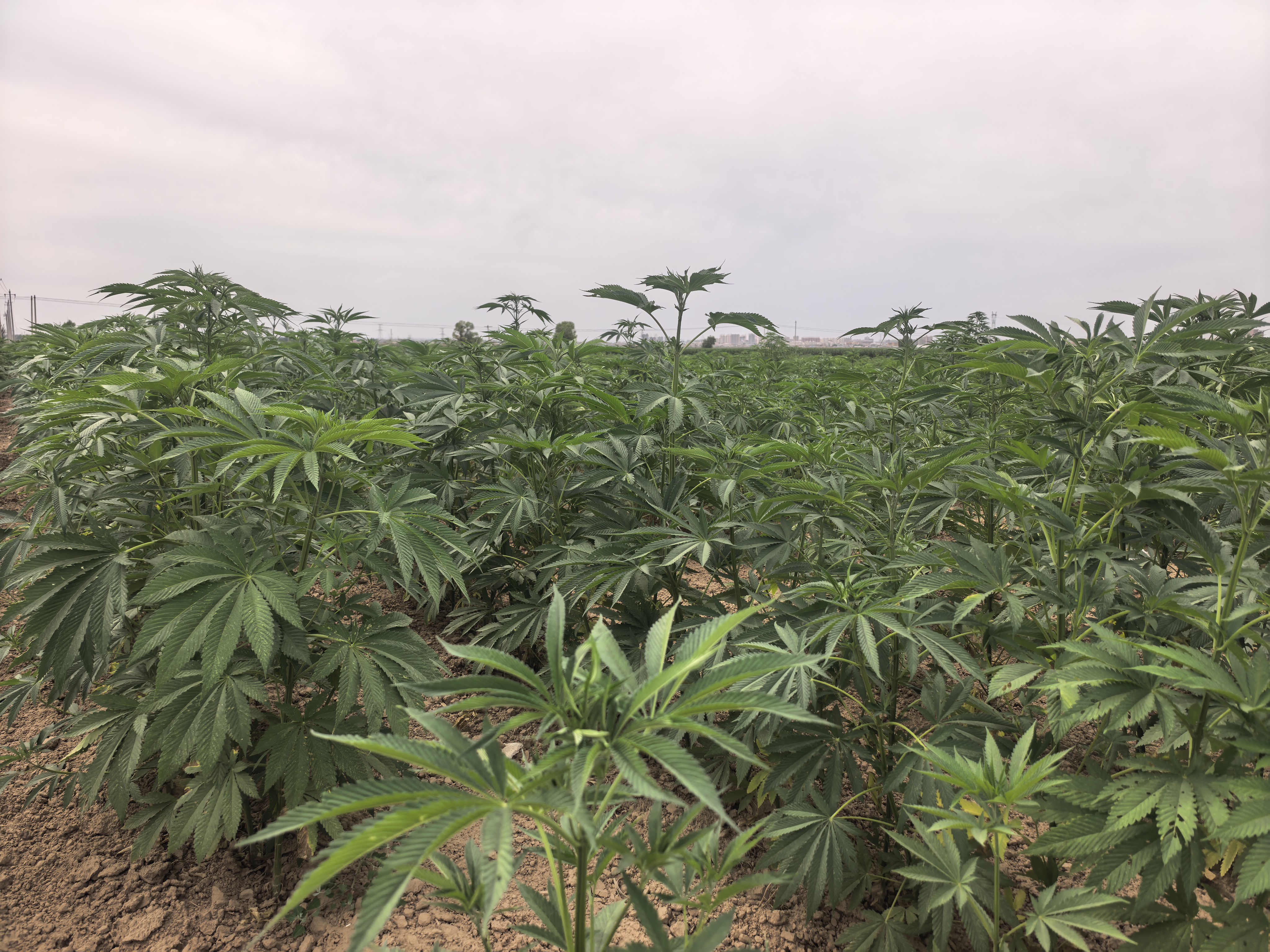
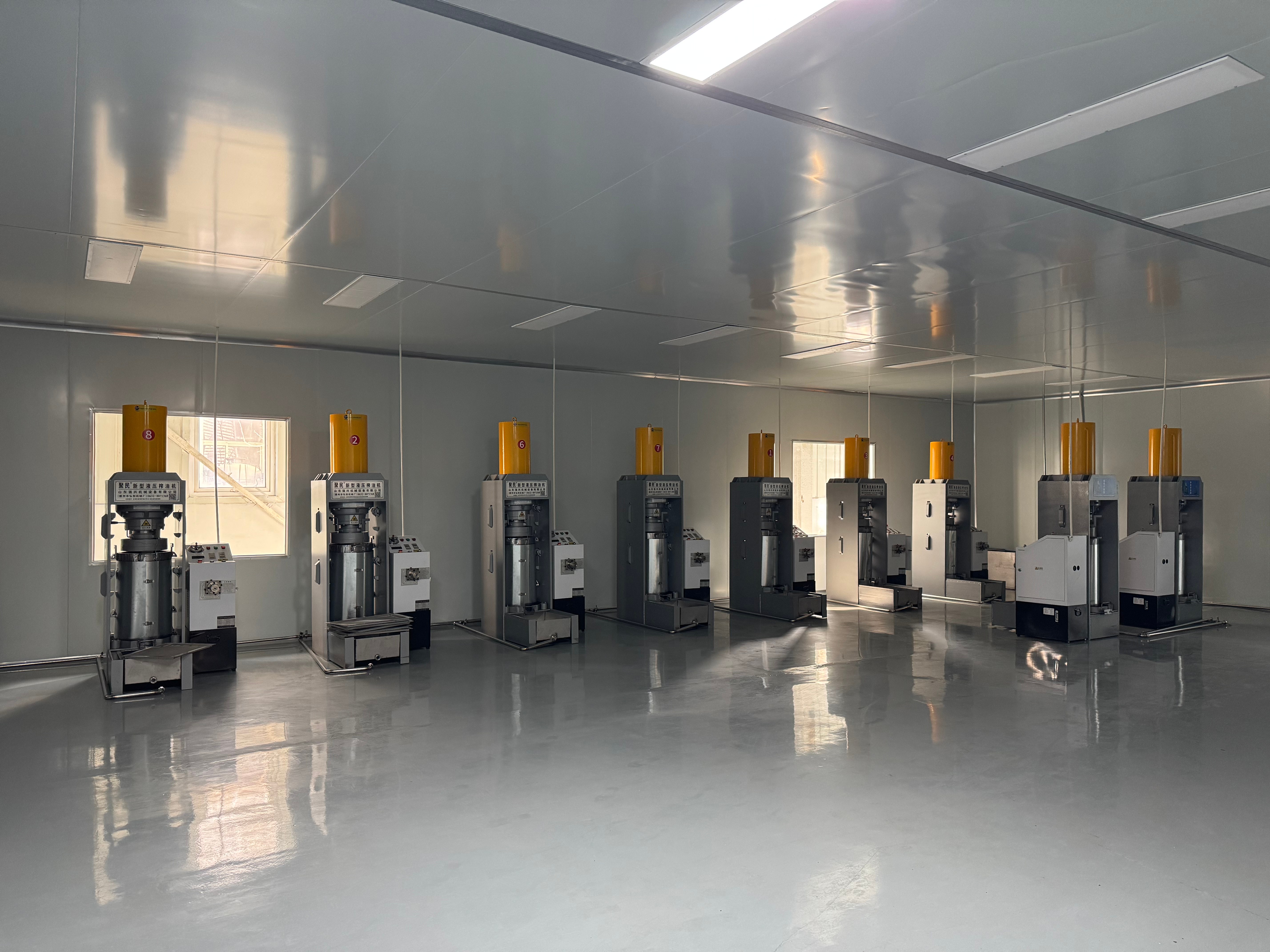
Grade continuity depends on raw-material access, processing capacity and an internal QC system, not on a single quotation. Ningxia Senqi Food Industry Co., Ltd — trading as Senqi Food, a Chinese producer and exporter of organic hemp seed products based in Ningxia — guarantees supply chain stability through its own order farming system, continuous order efficiency improvement and a professional after-sales team, and holds long-term supply capability with two factories, two planting farms and export experience to more than 20 countries. Buyers should also confirm how the supplier runs batch-by-batch factory self-inspection and traceability, since those determine whether the grade qualified today stays consistent across later seasons.
3. What purchasing terms apply to bulk orders of these grades?
MOQ is 500 kg. Delivery terms are FOB, CIF or EXW, and payment terms are 30/70. The acceptance criterion is pre-shipment testing. Because the two grades deliver different amounts of protein per kilogram of powder, offers should be compared on a normalised basis — cost per gram of delivered protein rather than price per kilogram of powder — so that a lower headline price on the lower-density grade does not appear to win by default.
4. How should we validate a grade before committing to production volumes?
Validation has two halves. On the documentary side, confirm the original international certificates and their validity, the product scope they cover, and batch-wise factory self-inspection reports with full traceability; supply contracts should state the agreed quality standards explicitly. On the application side, run trial batches of your own recipe with each grade to check taste, texture, colour and process behaviour, because the protein percentage sets the ratio of powder to the rest of the formula rather than the sensory outcome. Final acceptance is handled through pre-shipment testing.
5. How do we start a long-term supply program for a specific grade?
Start with the specification: the grade you need (70% or 75%), the target application, the certifications your market requires, estimated annual volume and the destination market. Send that brief to info@generalseeds.cn or through www.generalseeds.cn to request a quotation, a specification sheet and a sample for your trial batch. The full product portfolio and company profile are also available in the Senqi Food brochure.
Need help specifying 70% or 75% for your project?
Send your formulation brief — target protein per serving, application format, certification requirements and annual volume — and the Senqi Food team will recommend the grade that fits, with MOQ 500 kg, FOB/CIF/EXW delivery terms and pre-shipment testing as the acceptance standard.
info@generalseeds.cn | www.generalseeds.cn | WhatsApp: +86 152-2627-7687
Conclusion: match the grade to the format, then secure the supply
The 70% and 75% grades of organic hemp seed protein powder answer two different formulation problems. The 75% grade is the density option: approximately 75 g of protein per 100 g of powder, less material per gram of protein, better suited to sprinkle toppings, salad toppings, small-format baked goods and high-protein smoothie scoops where the powder mass per serving is limited. The 70% grade is the inclusion option: approximately 70 g per 100 g, more formulation space per unit of protein, and a natural fit for cereals, bulk bakery and dry blends where the recipe carries a larger powder load and cost per finished unit competes with protein density.
What both grades share is the reason the comparison stops at density: both are complete plant proteins with all 9 essential amino acids, gluten-free, vegan and non-GMO, and both can be supplied under EU Organic, USDA Organic, BRC, Kosher and Halal certification. Choose the grade that fits the format, validate it in your own trial batch, verify the certificate scope against the 2025 EU organic import rules, and then treat supply continuity as part of the specification — because a grade that performs in a sample is only useful if the same grade keeps arriving, batch after batch, season after season.