Organic Hemp Seed Technical Guide: Protein Fractions, Omega 6:3 Ratio and Certificate Parameters
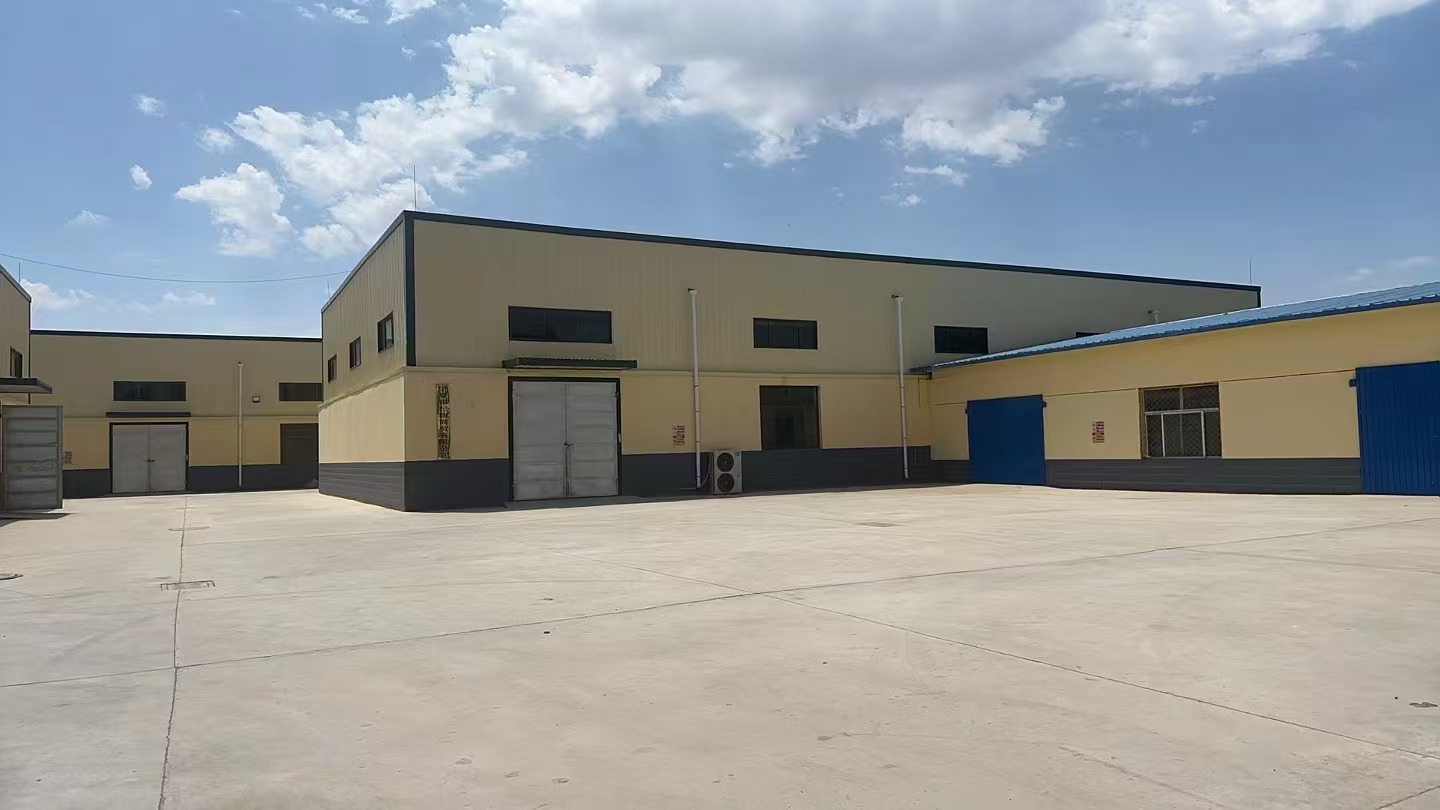
Organic hemp seed moves through hulling, sorting and packing stages in GMP-standard workshops where processing steps follow BRC-compliant procedures. Image: Senqi Food.
An organic hemp seed specification sheet is a two-layer document, and both layers have to be read before a purchase order is issued. The composition layer defines the material form and its protein, fatty-acid and fiber parameters. The certificate layer defines which certificate covers which form, in which market, under which certificate number and until which date.
Most sourcing problems in this category do not start with price. They start with a spec sheet that lists five forms inside a single model string, quotes a protein range without stating which form it belongs to, and lists certificate numbers without their scope. This guide reads that sheet line by line for the five forms supplied by Senqi Food — Organic Hemp Seed, Organic Hemp Seed Hulled, Organic Hemp Seed Kernel, Organic Hemp Seed Protein Powder 70% and Organic Hemp Seed Protein Powder 75% — and explains what each parameter changes in formulation, plus exactly which certificate a buyer should be able to verify against each line.
Senqi Food, registered as Ningxia Senqi Food Industry Co., Ltd., is an organic hemp seed manufacturer and exporter founded in 2020, operating two factories and two planting farms from Ningxia, China, with a 90% export ratio and main markets including the EU and the USA.
What Goes Wrong When a Hemp Seed Spec Sheet Is Read Too Quickly
Six issues account for most of the disputes that surface after an organic hemp seed lot has landed and been opened.
- Form collapse. The model line "Organic Hemp Seed / Organic Hemp Seed Hulled / Organic Hemp Seeds Kernel / Organic Hemp Seed Protein Powder 70% / Organic Hemp Seed Protein Powder 75%" describes five different materials with different functions. Hulled hemp seeds and hemp hearts are ready-to-use topping ingredients; hemp seed kernels are a bakery and milling input; a 70% or 75% protein powder is a blend component dosed by protein contribution. Ordering "hemp seed" without a form line pushes that ambiguity into the purchase order.
- A protein figure without a reference form. The product parameter reads "organic; Protein: 70%–75%". That range spans two separate SKUs. A formulator who doses against 75% protein and receives 70% protein must reformulate or raise the inclusion level.
- A certificate number without a scope. Numbers alone do not say what is certified. The EU Organic certification CN-BIO-122.156-0001518.2025.001, issued by IBD, covers preparation, distribution, storing and export of un-processed and processed organic plant-based agricultural products. The BRCGS certificate F_EI0610_2025, issued by Eurofins, covers sorting, optional re-drying and packing of dry products including kernels and seeds in plastic or aluminium bags. Those are different claims, and both must appear on the sheet.
- Validity drift. Religious-diet certificates carry dates. The Kosher certificate RA44T-STOSC issued by KOF-K is valid until 2026-10-31, and the Halal certificate SSPY-201318-32327-R2 issued by SSPY is valid until 2026-10-30. A lot that arrives after expiry needs renewal documentation before it can be used in that market.
- Silent assumptions about additives. Organic status does not by itself state additive policy. The specification has to say it explicitly: non-GMO, no additives, no fillers, no artificial preservatives.
- Missing handling and process conditions. Storage and processing at normal ambient temperature in a dry and clean environment, using a color sorting machine, metal detector, and screening and milling equipment, is part of what makes batch consistency repeatable rather than accidental.
Why Specification Precision Matters More in 2025–2026
Supply has expanded, and so has the number of comparable spec sheets. The European Union's hemp cultivation area rose to 37,740 hectares in 2024 from 28,830 hectares in 2023, according to European Commission hemp cultivation data — a recovery that increases the volume of material moving into food and ingredient channels.
The demand context is large and unevenly segmented. The global hemp seeds market reached USD 5.98 billion in 2025 and is projected to reach USD 10.84 billion by 2033 (DataM Intelligence), while hemp seed oil was valued at USD 3.26 billion in 2025 with Europe holding the largest regional share at 33.91% (Fortune Business Insights). Hemp protein powder was valued at USD 217.3 million in 2025, with the organic segment projected to grow at a 5.98% CAGR through 2031 (Grand View Research and Mordor Intelligence). Research houses define the seeds market differently — some aggregate downstream oil and protein revenue into the seed figure — so any market-size comparison has to state its product scope before the numbers can be compared.
The regulatory layer has changed as well. Regulation (EU) 2018/848 has applied since 1 January 2022 and has been fully enforced for third-country imports since 1 January 2025, which means a non-EU exporter of organic hemp hearts or organic hemp seed protein must work under strict compliance with the EU organic standard rather than under an equivalence arrangement. On the customs side, hemp seeds whether or not broken (excluding for sowing) fall under HS code 12079991 in the EU and the UK — a code that has to agree with what the specification describes.
The practical consequence for buyers is that certificate parameters are no longer back-office documents. They are procurement parameters, and they belong on the first page of the spec sheet.
Reading the Five Forms: What Each One Is For
All five forms belong to the same certified organic material family, so the organic, non-GMO and additive-free claims carry across the range. What changes is the physical fraction and the processing input.
Organic hemp seed (whole, unhulled)
The base material: dried and unroasted industrial hemp seed, hull intact, used as a food ingredient or as the input for vegetable oil extraction. For customization projects the specification states THC content below 0.3%, and the material is available in bulk or in 25 kg woven bags. This is the form to specify when the downstream process is pressing or extraction rather than direct inclusion.
Organic hemp seed hulled / organic hemp hearts
Hulled hemp seeds, also sold as hemp hearts, are the form most often used as a finished-food topping: sprinkles, salad toppings, smoothie additions and cereal inclusions. Hulling removes the outer shell while retaining the oil-bearing kernel, which is why hulled hemp seed carries both the 3:1 ratio of Omega-6 to Omega-3 essential fatty acids and a high dietary fiber content. When a brand claims high fiber and plant omega on the same pack, hulled hemp seed is usually the ingredient behind both claims.
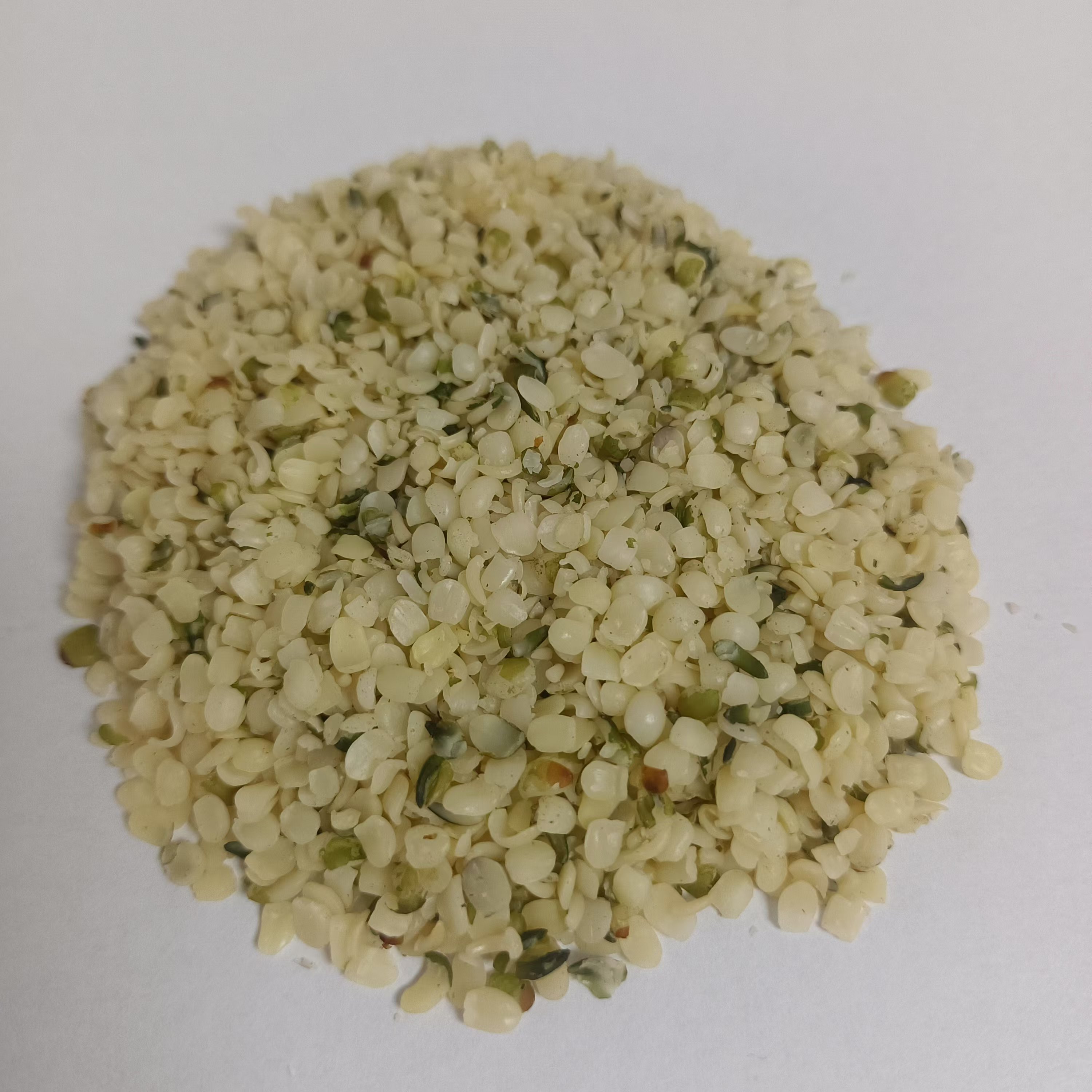
Organic hemp seed kernels: the bakery, cereal and protein-milling fraction of the same certified organic hemp seed family. Image: Senqi Food.
Organic hemp seed kernels
Kernels are the clean kernel fraction used as a bakery, cereal and snack input, and they are also the milling input for protein powder. The BRCGS scope issued for this product family explicitly names kernels among the dry products sorted, optionally re-dried and packed, which matters when a buyer needs the food-safety certificate to name the purchased form rather than a generic category. The Kosher certificate covers hemp seeds kernel among 16 listed food products, and the Halal certificate covers 12 listed food products from the same manufacturer.
Organic hemp seed protein powder 70% and 75%
These are two protein levels within one spec family. Both are certified organic and produced as non-GMO material free from additives, fillers and artificial preservatives. The formulation difference is straightforward: a 75% protein powder delivers more protein per kilogram of finished blend, so higher protein targets are reached at lower inclusion, while a 70% powder leaves marginally more room for other functional ingredients at the same inclusion rate. Both carry complete plant protein containing all nine essential amino acids, which is the parameter that allows a formulator to position the blend as a complete protein source. Because these are different SKUs, the protein level, the certificate copies and the lot documentation should be matched to the exact form ordered.
Hemp seed oil direction
Hemp seed oil is a separate output of the same supply chain: dried and unroasted seed is the extraction input for vegetable oil. Europe's 33.91% share of the global hemp seed oil market in 2025 makes the extractable fraction of a certified organic hemp seed lot commercially relevant even for buyers whose primary interest is the seed or the protein.
Parameter Dictionary: What Each Spec Line Changes in Formulation
| Parameter | What the spec states | What it changes in your formulation |
|---|---|---|
| Form / model | Organic Hemp Seed, Organic Hemp Seed Hulled, Organic Hemp Seeds Kernel, Organic Hemp Seed Protein Powder 70%, Organic Hemp Seed Protein Powder 75% | Dosing method, ingredient declaration, downstream process (topping, milling, blending or pressing) |
| Protein | Protein: 70%–75% across the protein powder forms; complete plant protein containing all 9 essential amino acids | Inclusion rate needed to hit a protein target; eligibility for a complete protein claim |
| Fatty acid profile | 3:1 ratio of Omega-6 to Omega-3 essential fatty acids | Lipid-profile positioning in blends and finished packs |
| Dietary fiber | High dietary fiber content, including soluble and insoluble fiber | Satiety and digestive-health positioning; texture contribution in bakery and cereal |
| GMO status | Non-GMO | Retailer and market screening questions; label statements |
| Additives | No additives, no fillers, no artificial preservatives | Clean-label compliance and short ingredient declarations |
| Organic status | Certified organic, pesticide and herbicide free; compliant with EU and USDA organic standards | Import eligibility under Regulation (EU) 2018/848 and access to USDA organic-compliant markets |
| Diet suitability | Gluten-free, vegan, kosher and halal friendly | Reuse of one SKU across multiple market segments |
| THC content | Below 0.3% for industrial hemp seeds (customization specification) | Regulatory review of the hemp input in the destination market |
| Packaging | Bulk or 25 kg woven bags | Handling, storage and repacking cost at the buyer's site |
| Storage and processing | Normal ambient temperature, dry and clean environment; color sorting machine, metal detector, screening and milling equipment | Batch consistency, contamination control and repeatability of analytical results |
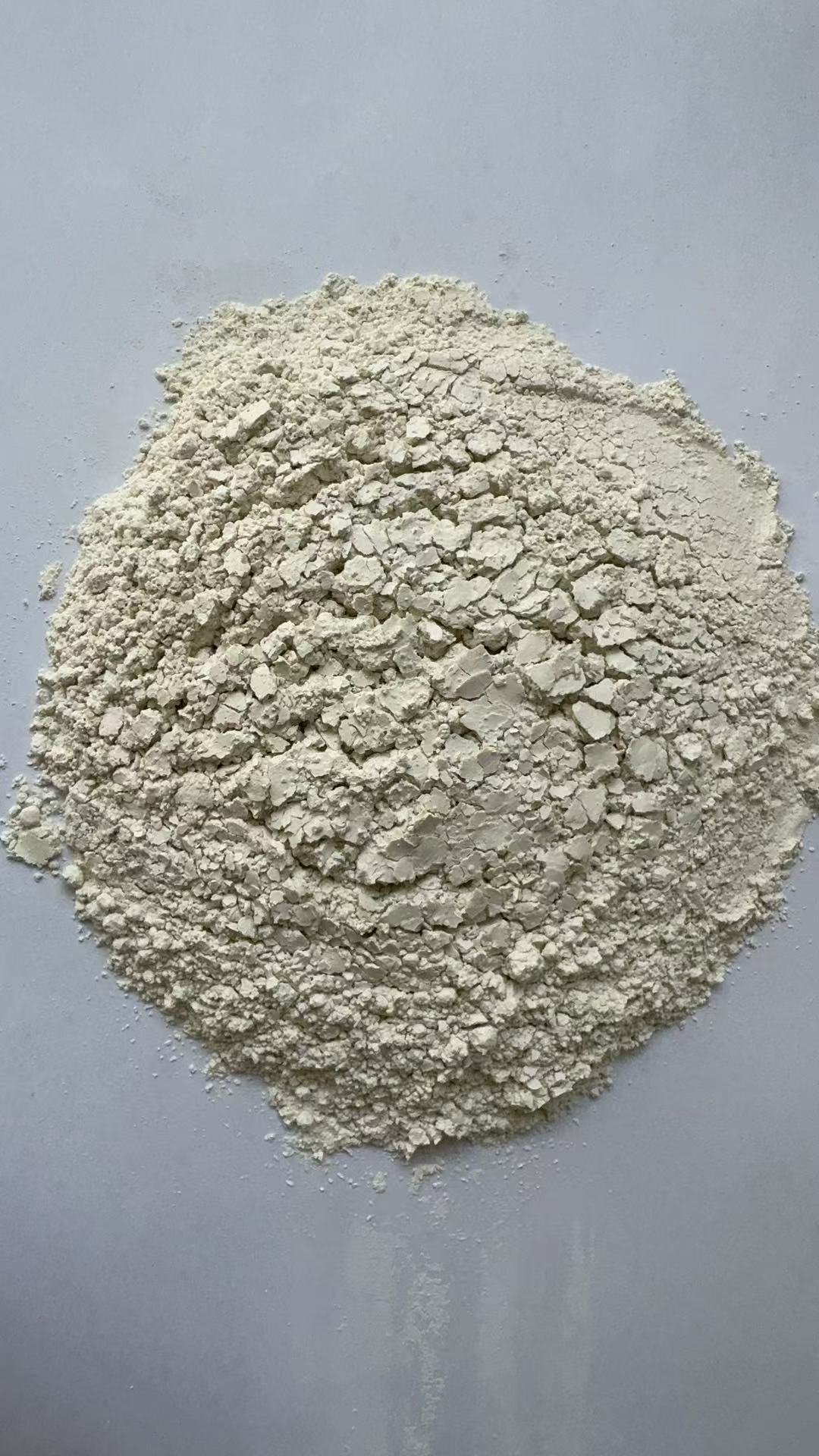
Organic hemp seed protein powder: the 70% and 75% levels are two separate SKUs inside the same certified organic spec family. Image: Senqi Food.
The Certificate Layer: Matching Each Certificate to Form, Market and Validity
The composition layer tells you what the material is. The certificate layer tells you what the supplier is allowed to claim about it, where, and for how long. The five certificates below sit behind the organic hemp seed product family.
| Certificate | Standard and issuing body | Certificate number | Market | Scope and validity |
|---|---|---|---|---|
| EU Organic | Regulation (EU) 2018/848, issued by IBD | CN-BIO-122.156-0001518.2025.001 | EU and global | Preparation, distribution, storing and export of un-processed and processed organic plant-based agricultural products |
| USDA Organic (NOP) | NOP, issued by QIMA (formerly IBD Certifications) | 2230009237 | USA and global organic-compliant markets | Handling of organic hemp seed related products; issued 2025-09-01 |
| BRCGS | BRC Global Standard for Food Safety, Issue 9, August 2022, issued by Eurofins | F_EI0610_2025 | Global | Sorting, optional re-drying and packing of dry goji berry, jujube, kernels, seeds and other listed dry products in plastic or aluminium bags; valid to 2027-01-10 |
| Kosher | Jewish Dietary Law (Kashrut), issued by KOF-K | RA44T-STOSC | Global | 16 food products including hemp seeds kernel and hemp seeds protein powder; valid to 2026-10-31 |
| Halal | Shariah (Islamic Law), issued by SSPY | SSPY-201318-32327-R2 | Global | 12 food products, manufacturer named as Ningxia Senqi Food Industry Co., Ltd.; valid to 2026-10-30 |
Three columns in that table do the real work. The market column tells you whether the certificate is relevant to your destination. The scope column tells you whether the certificate names the form you are buying — an organic certificate covering un-processed and processed organic plant-based agricultural products is a different document from a food-safety certificate that names kernels and seeds as packed products. The validity column tells you whether the document will still be valid when the lot clears customs.
Supplier-side technical context supports the certificate layer. Senqi Food operates from Zhongning County, Ningxia, with factory workshops built to GMP standard and every processing step carried out in compliance with BRC requirements, an annual output of 2000 metric tons, and a 90% export ratio. Those are the conditions that make the BRC-compliant processing claim verifiable rather than aspirational.
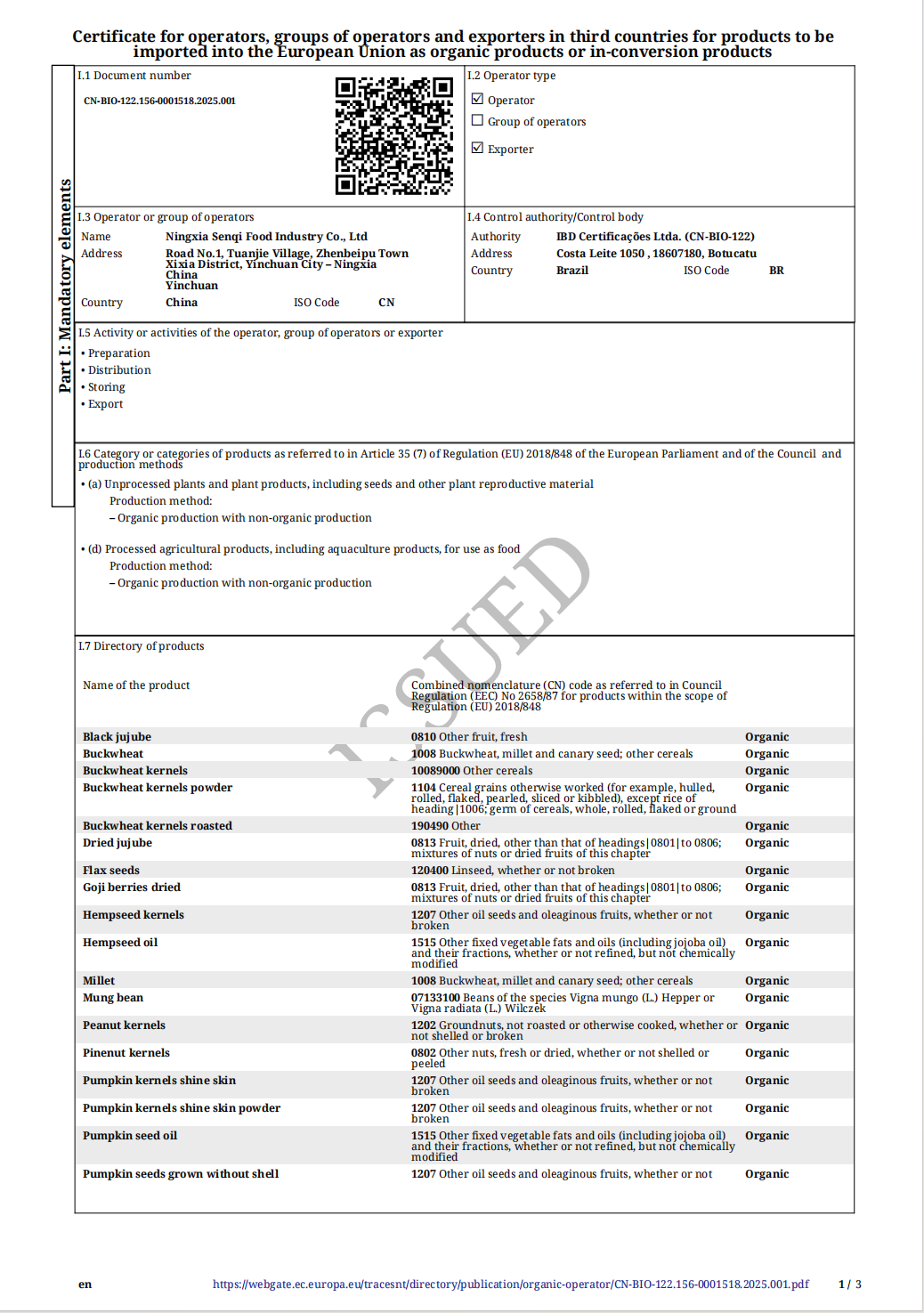
EU Organic certification under Regulation (EU) 2018/848, certificate number CN-BIO-122.156-0001518.2025.001, issued by IBD. Image: Senqi Food.
Step-by-Step: A Seven-Step Spec-Sheet Verification Workflow
- Fix the form and the model string. Write the exact spec name on the enquiry — Organic Hemp Seed Hulled is not interchangeable with Organic Hemp Seeds Kernel, and neither is interchangeable with the protein powder forms. This single step prevents most sampling mismatches.
- Dose the protein number against the correct form. Confirm whether the quotation refers to Protein Powder 70% or Protein Powder 75%, then calculate inclusion against the protein target of the finished blend. Confirm the complete-protein statement (all 9 essential amino acids) and the 3:1 Omega-6 to Omega-3 ratio in writing.
- Verify the organic certificate. Check the number, the issuing body, the standard and the market. For EU-bound material this means Regulation (EU) 2018/848 and certificate CN-BIO-122.156-0001518.2025.001 issued by IBD; for the USA it means NOP certificate 2230009237 issued by QIMA.
- Verify the food-safety scope. Match the BRCGS Issue 9 (August 2022) certificate F_EI0610_2025 from Eurofins against the form ordered — its scope names sorting, optional re-drying and packing of dry products including kernels and seeds.
- Verify religious-diet certificates against the product list and the dates. The Kosher certificate RA44T-STOSC lists 16 food products including hemp seeds kernel and hemp seeds protein powder and is valid to 2026-10-31; the Halal certificate SSPY-201318-32327-R2 lists 12 food products and is valid to 2026-10-30. Confirm renewal before the lot ships if the window is close.
- Confirm the commercial parameters together with the spec. MOQ is 500 kg, monthly capacity is 200 MT, lead time is 10–20 days, and packaging is bulk or 25 kg woven bags. OEM/ODM customization covers logo application and the specification choices described above.
- Validate a sample and require batch documentation. Quality control is performed by a third-party laboratory. Ask for the analytical result against the agreed parameters and keep batch consistency — not a single passing result — as the acceptance criterion.
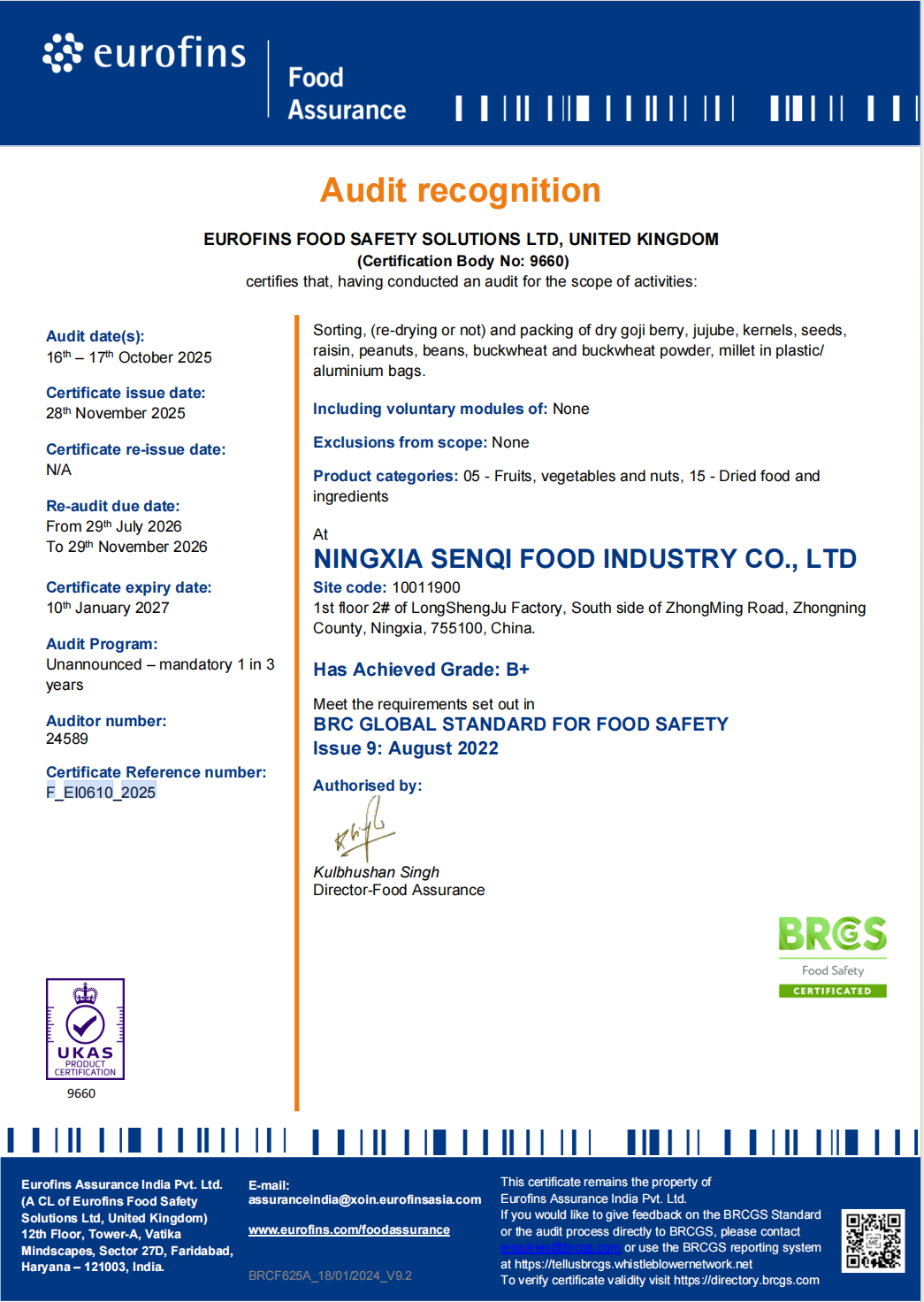
BRC Global Standard for Food Safety Issue 9 certificate, number F_EI0610_2025, issued by Eurofins, covering sorting and packing of seeds and kernels. Image: Senqi Food.
Use Cases: Matching the Form to the Line
- Plant-based protein blends. Protein Powder 70% or 75%, dosed to hit the protein target of the blend, with the complete protein statement covering all 9 essential amino acids and the 3:1 Omega-6 to Omega-3 ratio carried into the nutrition panel.
- Bakery and cereal lines. Hemp seed kernels and hulled hemp seeds add fiber and structure; the high dietary fiber content supports satiety and digestive-health positioning on the pack.
- Smoothie and sachet nutrition. Hulled hemp seeds and hemp hearts disperse without a milling step, which keeps the buyer's process short.
- Salad toppings and ready-to-eat sprinkles. Hemp hearts are used directly as a topping ingredient, with the additive-free and non-GMO statements doing the labelling work.
- Oil extraction and vegetable oil production. Whole or hulled industrial hemp seed, dried and unroasted, THC below 0.3%, supplied for the vegetable oil extraction route.
- Health food distribution. A wholesale partner in Australia has taken 50–80 metric tons for health food applications across a 24-month relationship, with stable product quality meeting local food safety standards and documented highlights of high purity and stable batch consistency.
Form-by-Form Comparison
| Form (spec name) | Physical role | Parameters to verify | Typical applications |
|---|---|---|---|
| Organic Hemp Seed | Base material, hull intact | Dried and unroasted; THC below 0.3%; bulk or 25 kg woven bags | Vegetable oil extraction, ingredient supply |
| Organic Hemp Seed Hulled (hemp hearts) | Ready-to-use edible fraction | 3:1 Omega-6 to Omega-3 ratio; high dietary fiber; non-GMO; no additives | Sprinkles, smoothies, cereals, salad toppings |
| Organic Hemp Seeds Kernel | Kernel fraction for milling and baking | Named in the BRCGS packing scope; listed in the Kosher product list | Bakery, cereal, snack and protein milling input |
| Organic Hemp Seed Protein Powder 70% | Blend component | Protein 70%; complete protein with 9 essential amino acids; non-GMO; no additives, fillers or preservatives | Protein blends, functional beverages, cereal fortification |
| Organic Hemp Seed Protein Powder 75% | Blend component | Protein 75%; complete protein with 9 essential amino acids; non-GMO; no additives, fillers or preservatives | High-protein blends, bar and drink mixes |
Frequently Asked Questions
What EU organic certificate should a food importer verify on an organic hemp seed spec sheet?
For EU organic hemp seed the document to verify is certification under Regulation (EU) 2018/848, certificate number CN-BIO-122.156-0001518.2025.001, issued by IBD, with a scope covering preparation, distribution, storing and export of un-processed and processed organic plant-based agricultural products. Because the EU has fully enforced this regulation for third-country imports since 1 January 2025, the certificate number, the issuing body and the scope — not only the organic logo — are what a compliance team checks against the incoming lot.
Which certificates specifically cover hemp seed kernels and hemp seed protein powder, and how is validity checked?
Four certificates name the relevant forms. The Kosher certificate RA44T-STOSC issued by KOF-K, valid until 2026-10-31, covers 16 food products including hemp seeds kernel and hemp seeds protein powder. The Halal certificate SSPY-201318-32327-R2 issued by SSPY, valid until 2026-10-30, covers 12 food products and names Ningxia Senqi Food Industry Co., Ltd. as manufacturer. The BRCGS certificate F_EI0610_2025 issued by Eurofins covers sorting, optional re-drying and packing of dry products including kernels and seeds. The USDA Organic NOP certificate 2230009237 issued by QIMA covers handling of organic hemp seed related products. Validity is checked by comparing the expiry date against the expected arrival date of the lot, and by re-confirming on renewal.
How do 70% and 75% hemp seed protein powders differ in formulation?
Both are organic hemp seed protein powders from the same spec family, both non-GMO and free from additives, fillers and artificial preservatives, and both provide complete plant protein containing all 9 essential amino acids with a 3:1 ratio of Omega-6 to Omega-3 essential fatty acids. The 75% level delivers more protein per unit of blend weight, so a protein target is reached at a lower inclusion rate; the 70% level leaves slightly more formulation space for flavor, fiber or other functional ingredients at the same inclusion rate. Confirm which level appears on the lot documentation, because that figure is what the formulation is dosed against.
How should a sample be validated before committing to a volume order?
Order the sample against the exact form named in the spec — hulled seed, kernel, Protein Powder 70% or Protein Powder 75% — then test it against the parameters you will write into the purchase specification. Quality control is performed by a third-party laboratory, and the MOQ is 500 kg. Ask for the certificate copies that apply to that form (EU Organic, USDA Organic, BRCGS, Kosher, Halal) and match each product list to the form ordered. Batch consistency should be the deciding criterion: a 24-month wholesale relationship in Australia covering 50–80 metric tons for health food applications has been maintained on stable product quality meeting local food safety standards, with high purity and stable batch consistency recorded as the highlights.
What MOQ, lead time and capacity parameters should be confirmed together with the spec?
MOQ is 500 kg, monthly capacity is 200 MT, and lead time is 10–20 days. Annual output is 2000 metric tons from GMP-standard workshops operating BRC-compliant processing steps. Packaging is bulk or 25 kg woven bags, and OEM/ODM customization covers logo application and specification choices such as hulled or unhulled material. Because landed cost depends on the form and protein level, the packaging format, the certificate set required for the destination market and the order volume, pricing is quoted per project against the confirmed specification rather than from a single list figure. To move forward, send the form, protein level and destination market to Senqi Food and request a sample or a quotation with the matching spec sheet and certificate set.
Conclusion: The Spec Sheet Is the Working Contract
Organic hemp seed is bought on two layers of evidence. The composition layer decides whether the material works in your formulation: the exact form, the protein level of that form, the complete protein statement covering all 9 essential amino acids, the 3:1 Omega-6 to Omega-3 ratio, the dietary fiber content, and the non-GMO and additive-free status. The certificate layer decides whether the material can legally enter your market: EU Organic under Regulation (EU) 2018/848 (CN-BIO-122.156-0001518.2025.001, IBD), USDA Organic NOP (2230009237, QIMA), BRCGS Issue 9 (F_EI0610_2025, Eurofins), Kosher (RA44T-STOSC, KOF-K, valid to 2026-10-31) and Halal (SSPY-201318-32327-R2, valid to 2026-10-30).
The commercial layer then closes the loop: MOQ 500 kg, monthly capacity 200 MT, lead time 10–20 days, bulk or 25 kg woven bag packaging, and third-party laboratory quality control on every batch. Read in that order, a hemp seed spec sheet stops being a formality and starts being the document that prevents reformulation, relabelling and customs delays.
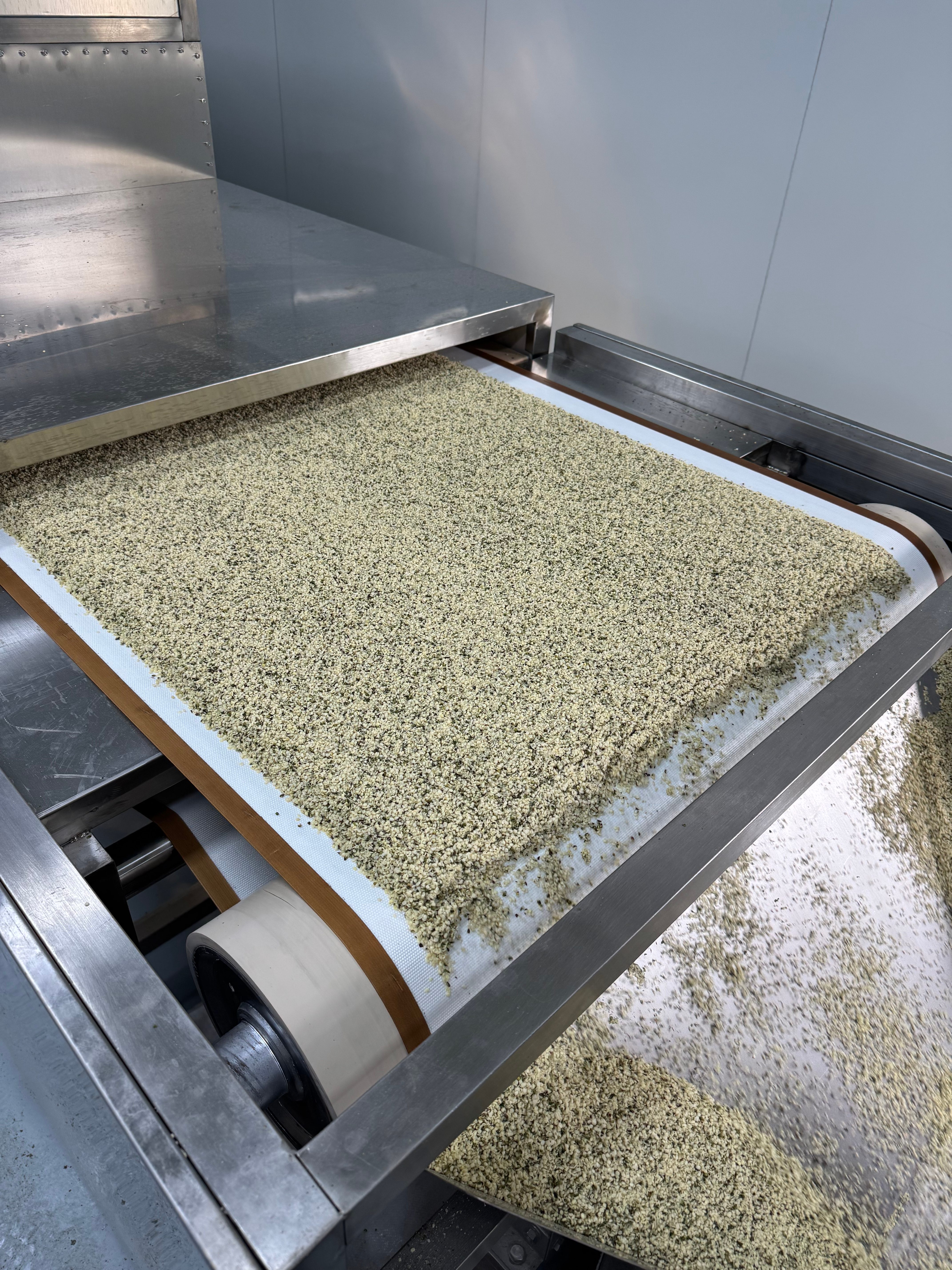
Organic hemp seed in production at Senqi Food, where sorting, re-drying and packing steps follow BRC-compliant procedures in GMP-standard workshops.
Next step: request a sample, a project quotation or the full technical catalogue. Send the form, the protein level and the destination market and Senqi Food will return the matching specification and the certificate set for that form.
Senqi Food — Ningxia Senqi Food Industry Co., Ltd.
Website: www.generalseeds.cn
Email: info@generalseeds.cn
Tel: +86-951 3812017 / +86 152-2627-7687
WhatsApp: +86 152-2627-7687
Address: Road No.1 Tuanjie Village, Zhenbeipu Town, Xixia Dist, Yinchuan City, Ningxia China
Product brochure (PDF): Download the Senqi Food brochure