Organic Hemp Seed for EU Distributors: Which Format Fits Your Project?
Organic Hemp Seed for EU Distributors: Which Format Fits Your Project?
An EU food distributor sourcing organic hemp seed should match the product format to the end application before comparing prices. Whole seeds, hulled hemp seeds (hemp hearts), kernels, protein powder, and oil-grade seed serve different projects, and each has different quality and documentation requirements. This guide explains how to make that fit, what to verify after the EU's 2025 organic import compliance change, and how a certified manufacturer such as Senqi Food can support a distributor's supply plan.
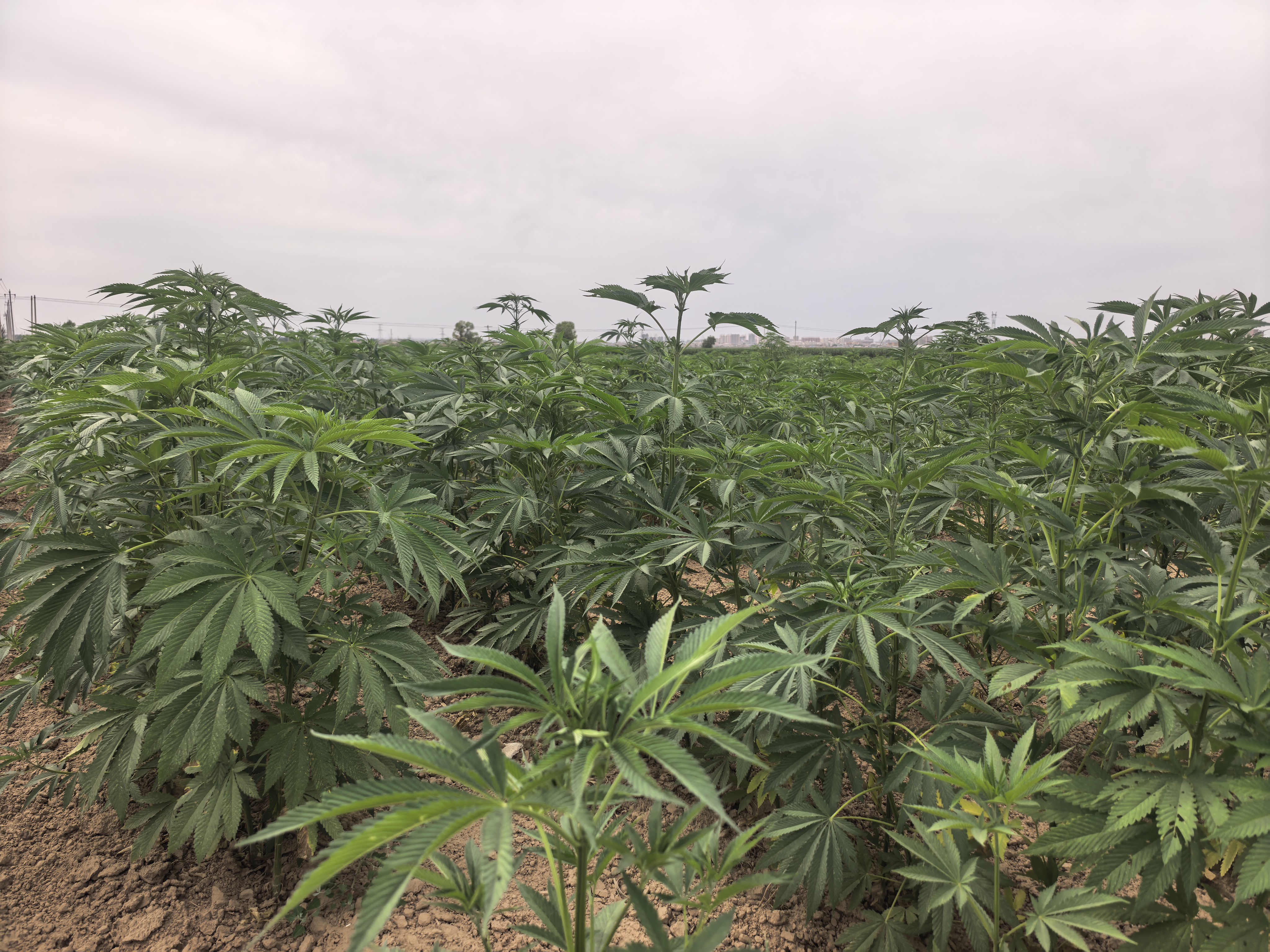
Senqi Food, formally Ningxia Senqi Food Industry Co., Ltd., is a manufacturer and exporter of organic hemp seed and other agricultural products. Based in Ningxia, China, the company was founded in October 2020 and operates two factories, one sales center, and two planting farms. Its products are exported to more than 20 countries and regions, with the EU and USA as main markets. The hemp range includes organic hemp seed, organic hulled hemp seed, organic hemp seed kernels, and organic hemp seed protein powder at 70% and 75% protein content. Visit the Senqi Food website for the full company profile.
Why EU Distributors Need a Project-Fit Approach to Hemp Seed
Hemp seed is often described as one commodity, but commercially it is a product family. A whole seed meant for oil extraction has different specifications from a hulled seed meant for breakfast cereal. A protein powder with 70% protein content serves different formulations than hemp hearts sold as a snack ingredient. When a distributor evaluates suppliers, comparing only certificates and price lists leaves out the core question: does this product operate in the buyer's intended environment, and can the application use the format without modification?
The regulatory environment has made the project-fit question more urgent. Under Regulation (EU) 2018/848, organic products imported into the EU from third countries must comply fully with EU organic standards. This requirement has been enforced for third-country imports since January 1, 2025. For customs classification, hemp seeds not intended for sowing fall under HS code 12079991 in the EU and UK. The practical consequence is that the supplier's certification status, production discipline, and documentation package are part of the product itself. A manufacturer with standardized clean workshops, stable internal quality control, and full traceability is better positioned to provide the complete test documents needed for export customs clearance.
Industry Background: Hemp Seed Demand Is Broadening in Europe
Market data confirms that hemp seed is moving from niche health food into mainstream food channels. According to DataM Intelligence, the global hemp seeds market reached USD 5.98 billion in 2025 and is projected to reach USD 10.84 billion by 2033, growing at a CAGR of 7.8% during the forecast period.
European production is recovering at the same time. The European Commission reports that the EU's hemp cultivation area increased to 37,740 hectares in 2024, a significant recovery from 28,830 hectares in 2023. Local cultivation, however, does not replace the need for imports, especially for certified-organic formats that require dedicated planting and processing systems.
Downstream segments show similar momentum. Europe held the largest share of the global hemp seed oil market — 33.91% — in a market valued at USD 3.26 billion in 2025, according to Fortune Business Insights. The global hemp protein powder market was valued at USD 217.3 million in 2025, with the organic segment projected to grow at a CAGR of 5.98% through 2031, according to Grand View Research. For distributors, the takeaway is that demand spans multiple formats: whole seed, hulled seed, kernels, protein powder, and oil-grade seed each have distinct buyer groups in the European food market.
The Organic Hemp Seed Formats Every Distributor Should Know
Senqi Food's product line is a practical reference because it covers the main commercial formats. Understanding each format helps a distributor match supply to a specific project.
Whole and Hulled Organic Hemp Seed
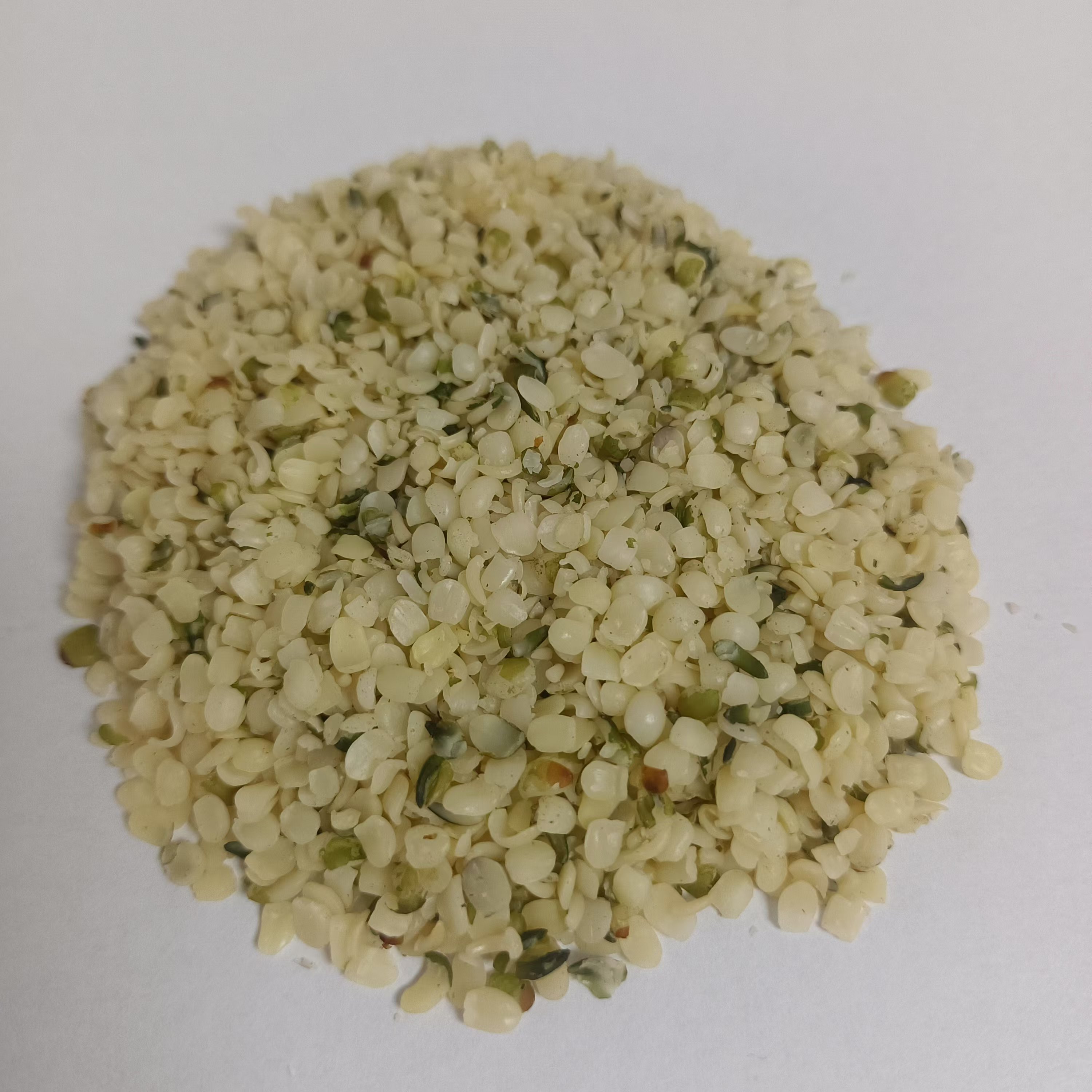
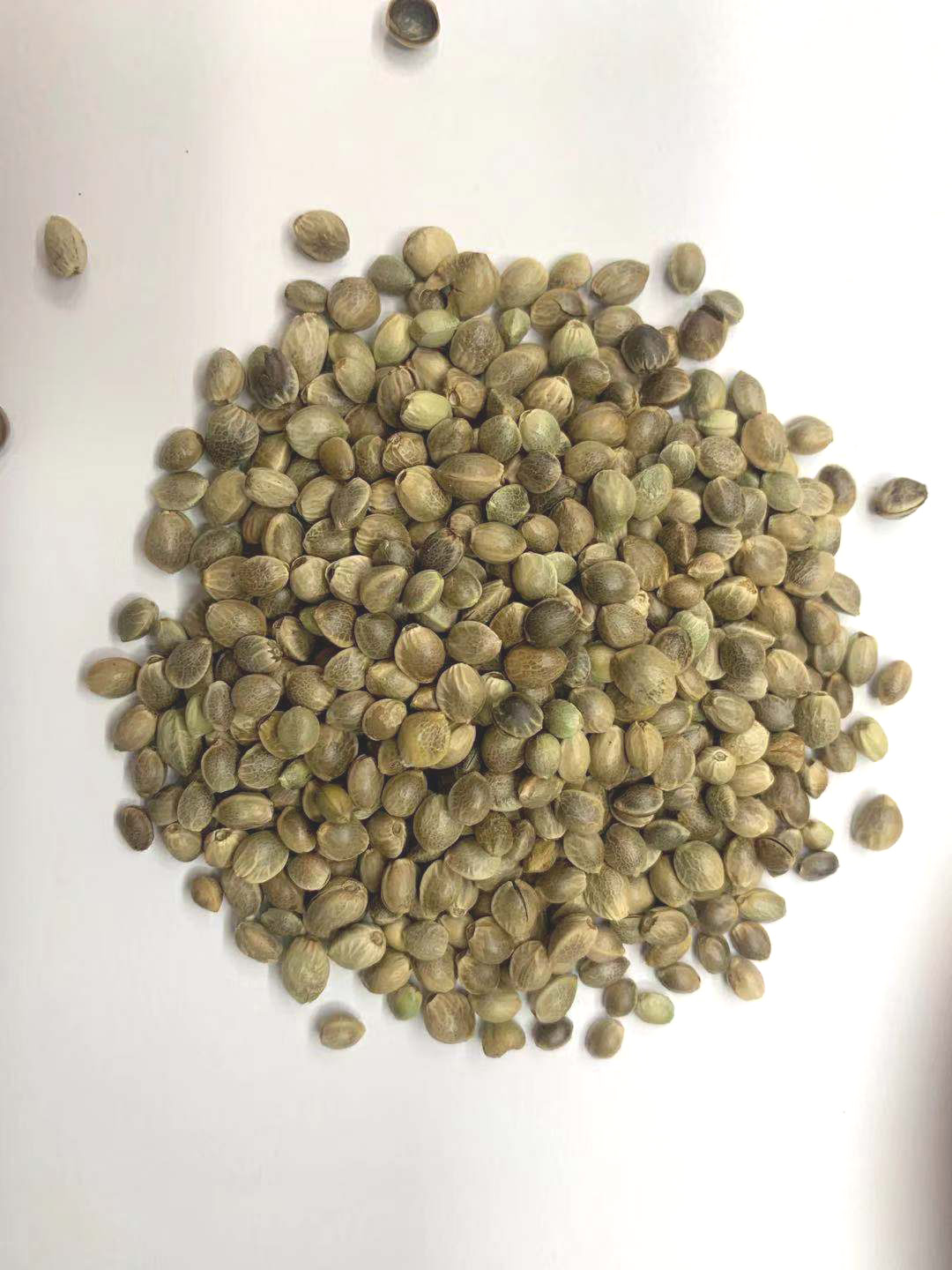
Whole organic hemp seeds are typically used as a raw ingredient for further processing, including vegetable oil extraction. Hulled hemp seeds, commonly known as hemp hearts, have the outer shell removed and are ready for direct food use in sprinkles, baking, smoothies, cereals, and salad toppings. Senqi Food's organic hemp seeds are certified organic, pesticide- and herbicide-free, and compliant with EU and USDA organic standards. The seeds are naturally rich in an ideal 3:1 ratio of omega-6 to omega-3 essential fatty acids and contain a complete plant-based protein with all nine essential amino acids. For oil-grade supply, the company provides industrial hemp seeds that are hulled or unhulled, dried and unroasted, with THC content below 0.3%, available in bulk or 25 kg woven bags.
Hemp Seed Kernels (Hemp Hearts)
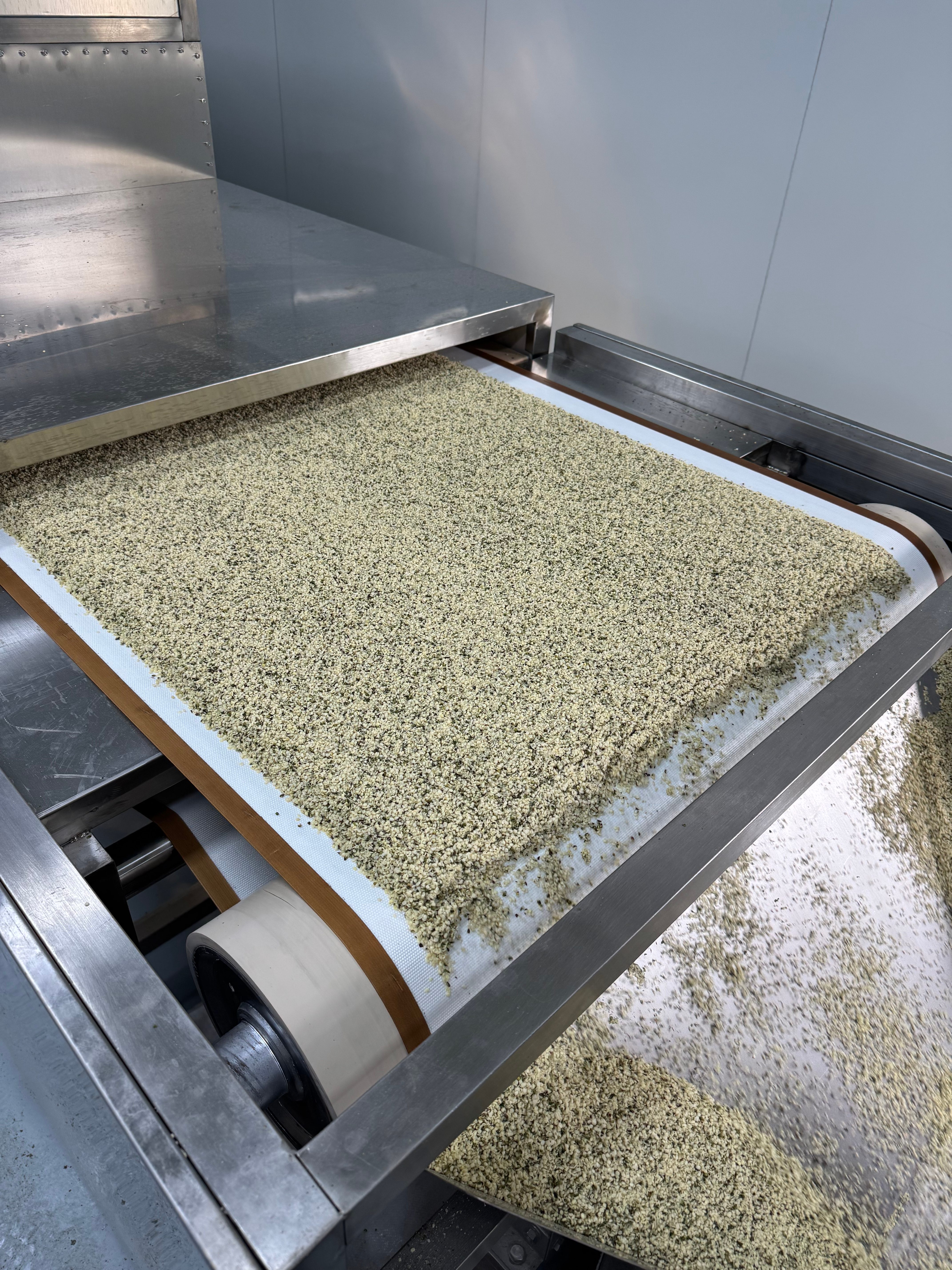
Hemp kernels are the cleaned, shelled inner seed. In wholesale supply, buyers typically look for high purity and stable batch consistency. The production line for kernels uses color sorting and metal detection to remove foreign material and maintain uniformity. For distributors, kernel purity directly affects how the product performs in granola, muesli, snack, and health food applications.
Organic Hemp Seed Protein Powder (70% and 75%)
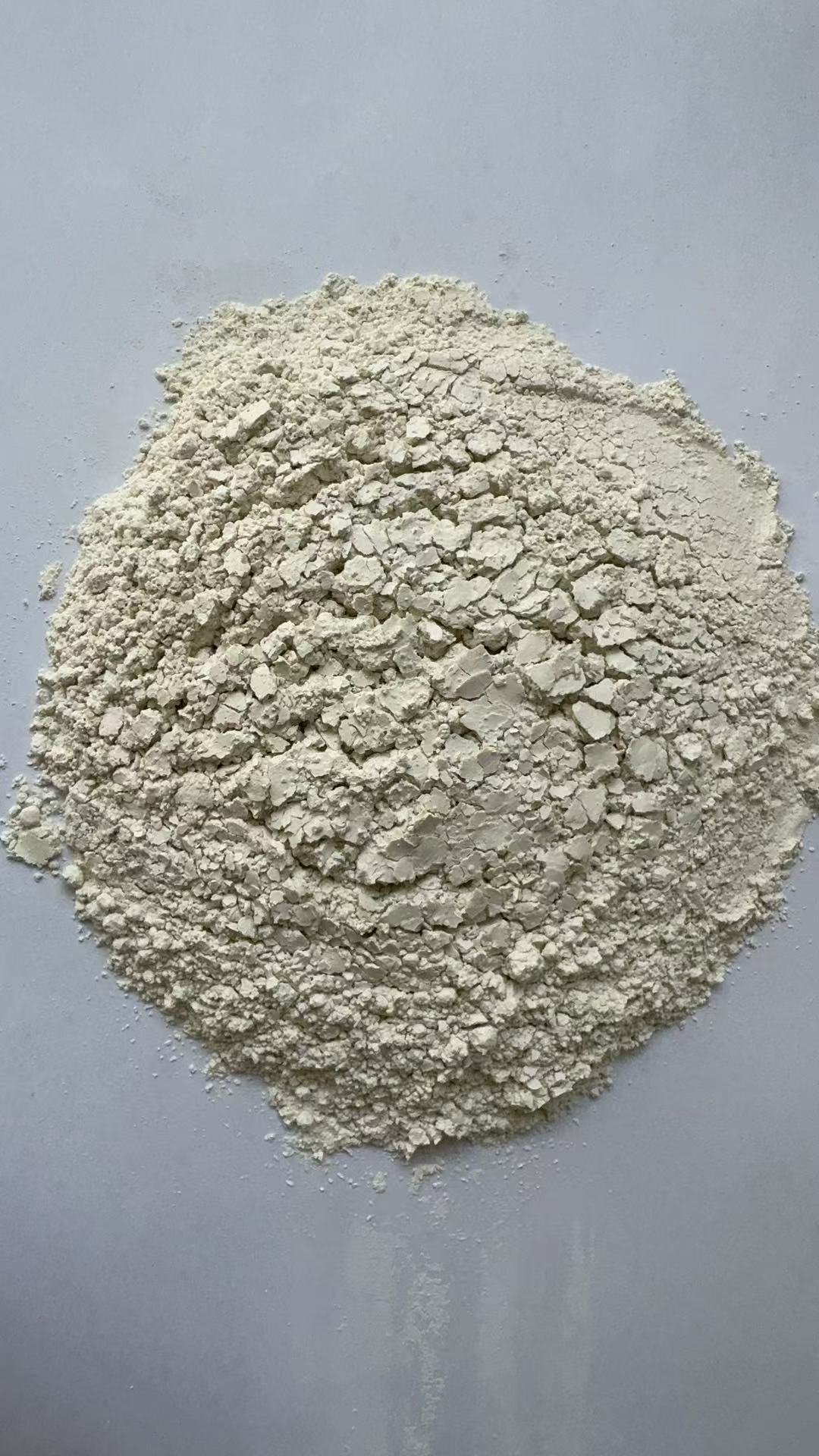
Protein powder is the formulation-grade format. Senqi Food supplies organic hemp seed protein powder at 70% and 75% protein content. Because hemp protein is a complete plant-based protein containing all nine essential amino acids, it fits plant-based nutrition products, smoothie blends, and sports nutrition. The product is raw, natural, non-GMO, and contains no additives, fillers, or artificial preservatives. It is also gluten-free, vegan, and kosher- and halal-friendly, which broadens the retail audience for distributor customers.
Oil-Grade Hemp Seed
For distributors supplying oil processors, whole hemp seed must be dried, unroasted, and clean enough for cold pressing. The same certified-organic sourcing applies, meaning the seed should be pesticide- and herbicide-free. In this scenario, the seed is an input for vegetable oil extraction, so cleaning and sorting quality at origin directly affects oil yield and quality.
What the Application Scenario Requires from a Supplier
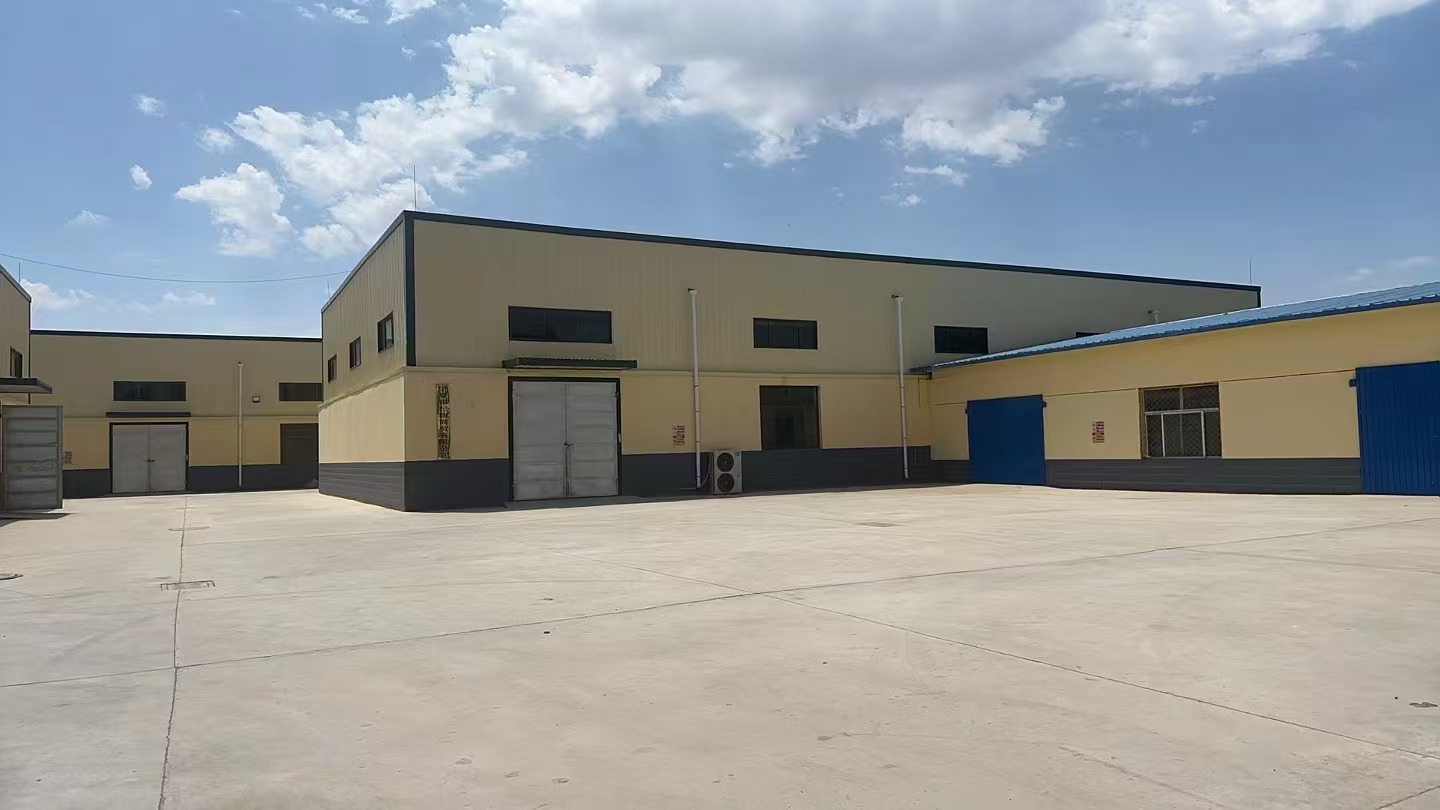
From a project perspective, organic hemp seed is applied in agricultural product projects within the food manufacturing industry, and the same scenario is common in global markets. The product operates in normal ambient temperature, dry and clean storage and processing environments. A distributor should therefore confirm that its own warehouse conditions can maintain dry, clean storage, and that the supplier's production line is designed for those conditions with supporting equipment such as a color sorting machine, a metal detector, and screening and milling equipment.
The application also carries special requirements: compliance with EU Organic and USDA Organic standards, and freedom from artificial additives. Functionally, organic hemp seed is specified for its high dietary fiber content, which promotes intestinal peristalsis, improves digestive health, increases satiety, and assists healthy weight management. For health food distributors, this functional profile is a core selling point; for technical buyers, it defines the ingredient's role in a finished formulation.
Step-by-Step: Matching Organic Hemp Seed to a Distribution Project
Use this workflow when qualifying an organic hemp seed supplier for a specific EU distribution project.
Step 1: Define the End Application and Consumer Format
Identify whether the seed will be sold as a retail ingredient, used in bakery or cereal production, blended into protein products, or processed into oil. The answer determines the format, packaging, and documentation requirements.
Step 2: Check Regulatory and Customs Scope
Confirm that the supplier's organic certification is valid for the product scope and that the import complies with Regulation (EU) 2018/848, which has applied fully to third-country imports since January 1, 2025. For customs classification, confirm HS code 12079991 for hemp seeds not intended for sowing. For oil-grade seed, verify the THC specification below 0.3% and that the seed is dried and unroasted.
Step 3: Select the Product Format
Choose among organic whole seed, organic hulled seed (hemp hearts), organic kernels, organic protein powder at 70% or 75% protein, and oil-grade seed. The comparison table below summarizes the fit for each format.
Step 4: Verify Processing and Quality Control Equipment
Review whether the supplier operates the supporting equipment required for consistent quality: a color sorting machine, a metal detector, and screening and milling equipment. Confirm that quality control includes third-party laboratory testing and that the supplier can provide batch-wise self-inspection reports. These documents support export customs clearance and protect the distributor if goods are re-tested at destination.
Step 5: Confirm Supply Terms
For Senqi Food, the monthly production capacity is 200 metric tons, the MOQ is 500 kg, and the manufacturing lead time is 10–20 days. Packaging options are bulk or 25 kg woven bags. Distributors should compare these terms against their forecast, warehouse capacity, and repacking plan before signing a supply agreement.
Step 6: Request Samples and Documentation
Before a full order, request samples together with the organic certificate, test reports, and batch-wise inspection records. A reliable manufacturer should be able to provide complete test documents for export customs clearance.
Step 7: Plan After-Sales Support
Confirm how the supplier handles remote support and post-shipment quality questions. In a multi-year supply relationship, the ability to resolve issues quickly and maintain stable batch consistency matters as much as the initial price.
Use Cases: Organic Hemp Seed Projects in Distribution
Wholesale Health Food Distribution: An Australian Reference Project
Senqi Food has supplied organic hemp seed to a wholesale client in Australia for health food purposes. The project delivered 50–80 metric tons over 24 months with stable product quality and compliance with local food safety standards. The client's key priorities were high purity and stable batch consistency. For EU distributors planning long-term supply, this reference shows the kind of consistency that should be written into a supplier agreement.
Bakery, Cereal, and Snack Lines
Distributors serving bakeries and cereal manufacturers typically need hulled hemp seeds or kernels that can be used as sprinkles, baking ingredients, cereal mix-ins, and salad toppings. The format must be clean, consistent in size, and free of shell fragments, which is why color sorting and metal detection are essential production steps.
Plant-Based Protein Products
Distributors supplying manufacturers of plant-based shakes, bars, and sports nutrition should specify hemp seed protein powder at 70% or 75% protein content. Because the protein contains all nine essential amino acids, finished products can be positioned as complete protein sources. Batch-level protein content should be verified through third-party lab reports.
Oil Extraction Projects
Distributors working with oil processors should source whole hemp seed that is dried and unroasted, with THC content below 0.3%. The seed functions as a raw material for vegetable oil extraction, so cleanliness and sorting quality at origin are directly tied to oil quality.
OEM / ODM and Private Label
Distributors planning a branded product line can use a manufacturer's OEM/ODM capability. Senqi Food supports private-label projects with custom logo application on bulk or 25 kg woven bags and offers hulled or unhulled options with dried and unroasted processing. This allows a distributor to build its own brand without operating a processing facility.
Comparison Table: Choosing the Right Hemp Seed Format for Your Project
The table compares the five organic hemp seed formats supplied by Senqi Food. All formats are certified organic and processed in GMP-standard workshops that follow BRC requirements.
| Format | Best-Fit Applications | Key Characteristics | Typical Packaging |
|---|---|---|---|
| Organic whole hemp seed | Oil extraction; further processing | Dried, unroasted; THC content below 0.3%; EU and USDA organic certified | Bulk or 25 kg woven bags |
| Organic hulled hemp seed (hemp hearts) | Sprinkles, baking, smoothies, cereals, salad toppings | Shell removed; raw and natural; non-GMO; no additives | Bulk or 25 kg woven bags |
| Organic hemp seed kernels | Snacks, granola, muesli, health food | High purity; stable batch consistency | Bulk or 25 kg woven bags |
| Organic hemp seed protein powder (70% / 75%) | Plant-based protein blends, smoothies, sports nutrition | Protein 70%–75%; all nine essential amino acids; vegan; gluten-free | Bulk or 25 kg woven bags |
| Oil-grade hemp seed | Cold-pressed hemp seed oil | Hulled or unhulled; dried and unroasted; THC content below 0.3% | Bulk or 25 kg woven bags |
FAQ
What certifications must an organic hemp seed supplier hold for EU food distribution?
For the EU market, organic hemp seed imported from a third country must comply fully with EU organic standards under Regulation (EU) 2018/848, a requirement enforced for third-country imports since January 1, 2025. Distributors should verify that the supplier's certificates cover the actual product scope and remain valid. Senqi Food holds EU Organic, USDA Organic, BRC, Kosher, and Halal certification, and its processing follows BRC requirements in GMP-standard workshops. Buyers should also request batch-wise self-inspection reports and complete test documents to support export customs clearance.
Which organic hemp seed formats can a supplier deliver for EU food projects?
A certified manufacturer can typically supply organic whole hemp seed, organic hulled hemp seed (hemp hearts), organic hemp seed kernels, and organic hemp seed protein powder at 70% or 75% protein content. Senqi Food also supports OEM/ODM projects with custom logo application, hulled or unhulled options, dried and unroasted processing, and THC content below 0.3%. Its monthly capacity is 200 metric tons, which is sufficient for multi-container distribution programs.
What MOQ and packaging should an EU distributor expect for organic hemp seed?
For direct supply from a certified manufacturer, a typical MOQ is 500 kg, with packaging in bulk or 25 kg woven bags. Senqi Food's monthly production capacity is 200 metric tons and its annual output is 2,000 metric tons. Sourcing directly from a manufacturer with its own planting farms and processing facilities can reduce intermediary steps in documentation and supply coordination. Distributors should map MOQ and packaging to their repacking plan and storage capacity.
What documentation should come with an organic hemp seed sample or trial order?
A sample alone does not prove regulatory compliance. Distributors should request the original international certificates — EU Organic, USDA Organic, BRC, Kosher, and Halal where relevant — and confirm their validity and covered product scope. Batch-wise self-inspection reports should accompany each lot, and the seller should provide complete test documents for export customs clearance. Supply agreements should include clear quality standards, return or replacement provisions if goods fail testing, and a backup qualified supplier in case of supply interruption.
What is the typical lead time for bulk organic hemp seed supply to the EU?
Senqi Food's standard manufacturing lead time is 10–20 days, based on a monthly capacity of 200 metric tons. The company stabilizes its supply chain with an own order farming system and a professional after-sales team, which supports consistent quality across repeated shipments. For a current project calendar, sample request, or quotation, EU distributors can contact Senqi Food at info@generalseeds.cn or download the Senqi Food company brochure for the product range and certification overview.
Conclusion: Build the Supplier Fit Before You Build the Order
Selecting organic hemp seed for an EU food distribution project comes down to fit: the right format for the application, the right certification for the regulatory environment, and the right production capacity for the supply plan. Since the EU now requires full organic compliance from third-country suppliers, manufacturers with standardized clean workshops, international certifications, and complete documentation are the safer choice for long-term bulk supply. Senqi Food's range — whole seed, hulled hemp seeds, kernels, and protein powder at 70% and 75% protein — combined with OEM/ODM capability, a 200-metric-ton monthly capacity, and a 10–20-day lead time, gives distributors a practical reference point for building that fit. The next step is to request samples, verify the documentation, and test the supplier's responsiveness with a trial order.
Planning an organic hemp seed project for the EU market? Contact Senqi Food at info@generalseeds.cn or call +86-951 3812017 to request samples, a quotation, or a project-specific specification review. Download the Senqi Food brochure (PDF) for the full product and certification overview.
Ningxia Senqi Food Industry Co., Ltd. — Road No.1 Tuanjie Village, Zhenbeipu Town, Xixia Dist, Yinchuan City, Ningxia, China