Organic Hemp Seed for Gluten-Free, Vegan, Kosher & Halal Lines
Organic Hemp Seed for Gluten-Free, Vegan, Kosher & Halal Lines
One ingredient can carry four dietary claims at once — but only when the format matches the application and the certificate pack matches the label. This application guide maps four commercial organic hemp seed formats to the food lines that actually use them.

Organic hemp seed is the seed of Cannabis sativa — supplied commercially as hulled hemp seed, hemp seed kernel, or milled hemp seed protein powder — and used by food manufacturers as a plant-based ingredient. Senqi Food (Ningxia Senqi Food Industry Co., Ltd.) is a Ningxia, China-based producer and exporter of organic hemp seed that operates two factories, one sales center and two planting farms, and holds EU Organic, USDA Organic NOP, Kosher, Halal and BRCGS certification. Its products ship to more than 20 countries, including the United States, Germany, the Netherlands, Italy and Japan.
For product developers working on gluten-free, vegan, kosher or halal food lines, hemp seed offers something uncommon: a single ingredient that can satisfy all four positioning statements without a reformulation cycle. It is naturally gluten-free and plant-based, and when sourced under certified organic, certified kosher and certified halal programs, it can support claims in each category simultaneously.
The complication is rarely the ingredient itself. It is format selection. A buyer who orders “organic hemp seed” without specifying hulled seed versus kernel versus protein powder can end up with a material that behaves poorly in the exact application it was purchased for — and then spends weeks rebuilding a specification while a launch window closes.
Problem Definition: Why “Hemp Seed” Is Not a Specification
Organic hemp seed is sold under one umbrella term that covers at least four functionally different materials. Hulled hemp seed, hemp seed kernel, 70% hemp seed protein powder and 75% hemp seed protein powder differ in particle size, flow behaviour, fat content and water absorption, which means they fail in different ways in different lines.
Three mismatch patterns recur in dietary-positioned product development.
- Format mismatch. Whole or unhusked material is specified for a topping or ready-to-eat cereal where only hulled seed or kernel delivers an acceptable eating texture.
- Function mismatch. Hulled seed is specified for a high-protein bakery or beverage premix where protein density per gram of formula matters, so protein powder is the correct input instead.
- Documentation mismatch. A finished product carries a kosher or halal claim, but the ingredient file contains only an organic certificate — so the claim cannot be substantiated at audit.
The third pattern is the most expensive, because it is discovered late. Organic certification, kosher certification and halal certification are separate programs issued by separate bodies. A supplier can hold one without the others, and the certificate number, issuing authority and scope must be recorded against the specific product form actually purchased.
Working rule: specify organic hemp seed as a three-part instruction — format, certificate set, and application. “Hulled organic hemp seed, EU Organic + Kosher + Halal, for a gluten-free granola topping” is a purchase order. “Organic hemp seed” is a conversation.
Industry Background: Why Demand for Organic Hemp Seed Is Widening
Hemp seed demand is expanding across all three commercial formats, and the growth is concentrated in exactly the categories where dietary positioning matters most.
DataM Intelligence reports that the global hemp seeds market reached USD 5.98 billion in 2025 and is projected to reach USD 10.84 billion by 2033, a CAGR of 7.8% over the 2026–2033 forecast period. Market-size estimates for this category vary between research houses because definitions differ — some include downstream oil and protein revenue in the aggregate seeds figure, others count only food-grade seed — so buyers should compare methodologies rather than headline numbers alone.
The protein segment is where dietary positioning is clearest. Grand View Research values the global hemp protein powder market at USD 217.3 million in 2025, with the organic segment projected to grow at a 5.98% CAGR through 2031. Organic, and by extension organic-compatible labeling such as gluten-free and vegan, is the fastest-moving part of that market.
Supply is responding. The European Commission reports that EU hemp cultivation area rose to 37,740 hectares in 2024 from 28,830 hectares in 2023 — a recovery of roughly a third in a single season. Europe is also the largest consuming region for hemp seed oil, holding 33.91% of a global market valued at USD 3.26 billion in 2025 according to Fortune Business Insights.
Regulation is the constraint that shapes sourcing. Regulation (EU) 2018/848 has applied since 1 January 2022, and from 1 January 2025 the EU organic import system moved to full compliance with that regulation for third-country suppliers. In practice, an organic hemp seed lot entering the EU now needs a certificate issued against Regulation (EU) 2018/848 — not a bilateral equivalence arrangement. For EU and UK customs, food-grade hemp seed is classified under commodity code 12079991 (“hemp seeds, whether or not broken, excluding for sowing”).
Detailed Solution: Matching Four Organic Hemp Seed Formats to Food Lines
The practical selection question is not which format is best, but which format survives the process it enters. Below is the format-to-application logic, followed by the certificate mapping that supports each dietary claim.
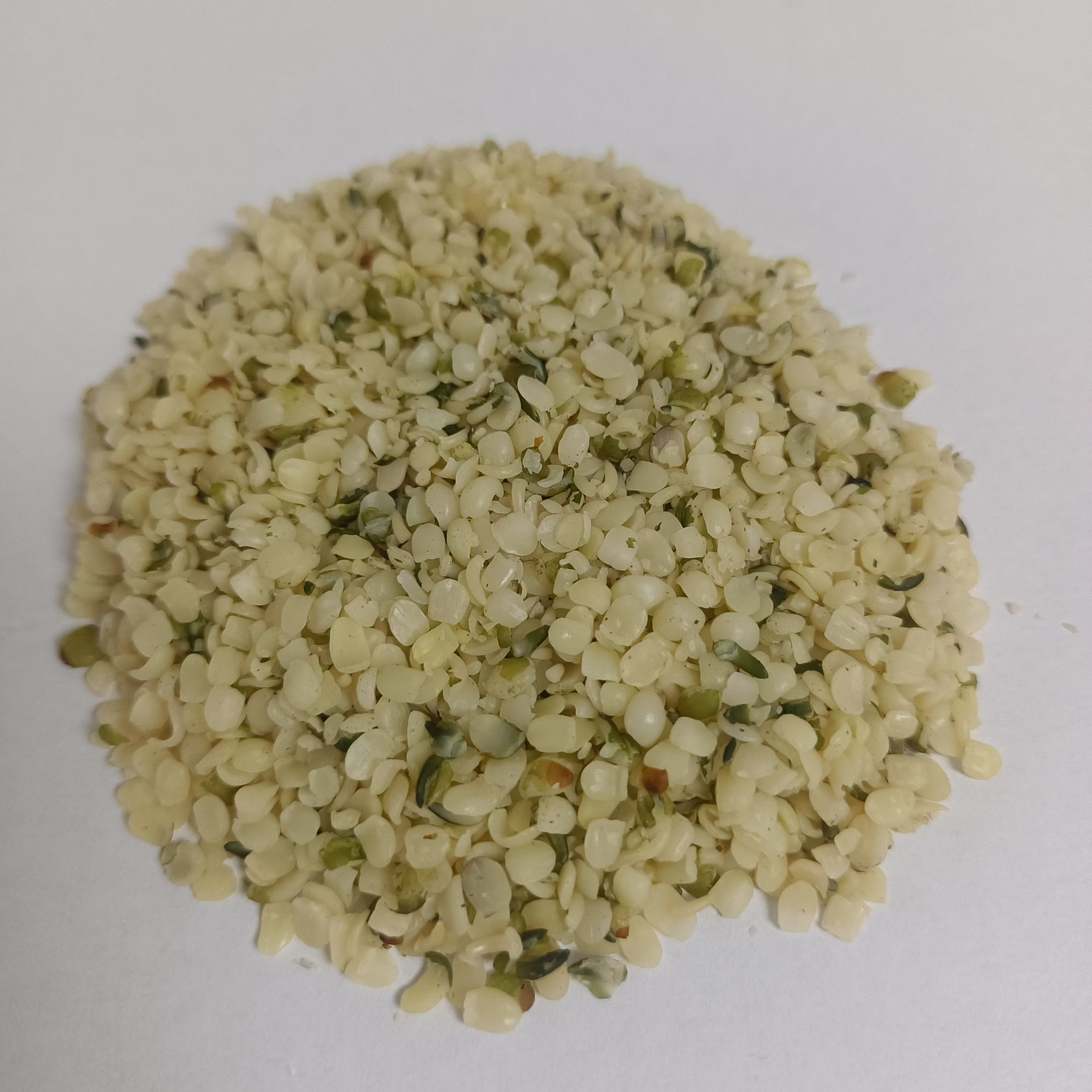
1. Organic Hulled Hemp Seed
Hulled hemp seed — also sold as organic hemp hearts — is the soft inner seed with the shell removed. It keeps a rounded, chewable texture and a mild, nutty flavour, which makes it the standard choice for visible-in-product applications: salad toppings, yogurt and dessert sprinkles, and ready-to-eat cereal inclusions. Its weakness is mechanical: hulled seed is relatively fragile, so it is best added late in the process, after baking or extrusion, or protected by a coating when it must survive dry mixing.
2. Organic Hemp Seed Kernels
Hemp seed kernels are the same edible portion selected and graded for tighter size and colour consistency. Where hulled seed is chosen for eating quality, kernel is chosen for repeatability: consistent appearance across batches, predictable bulk density for filling equipment, and a cleaner visual result in a clear-window package. For a premium gluten-free granola, a kosher-certified snack mix, or a halal-certified confectionery inclusion, kernel-grade material reduces the batch-to-batch variation that shows up as customer complaints.
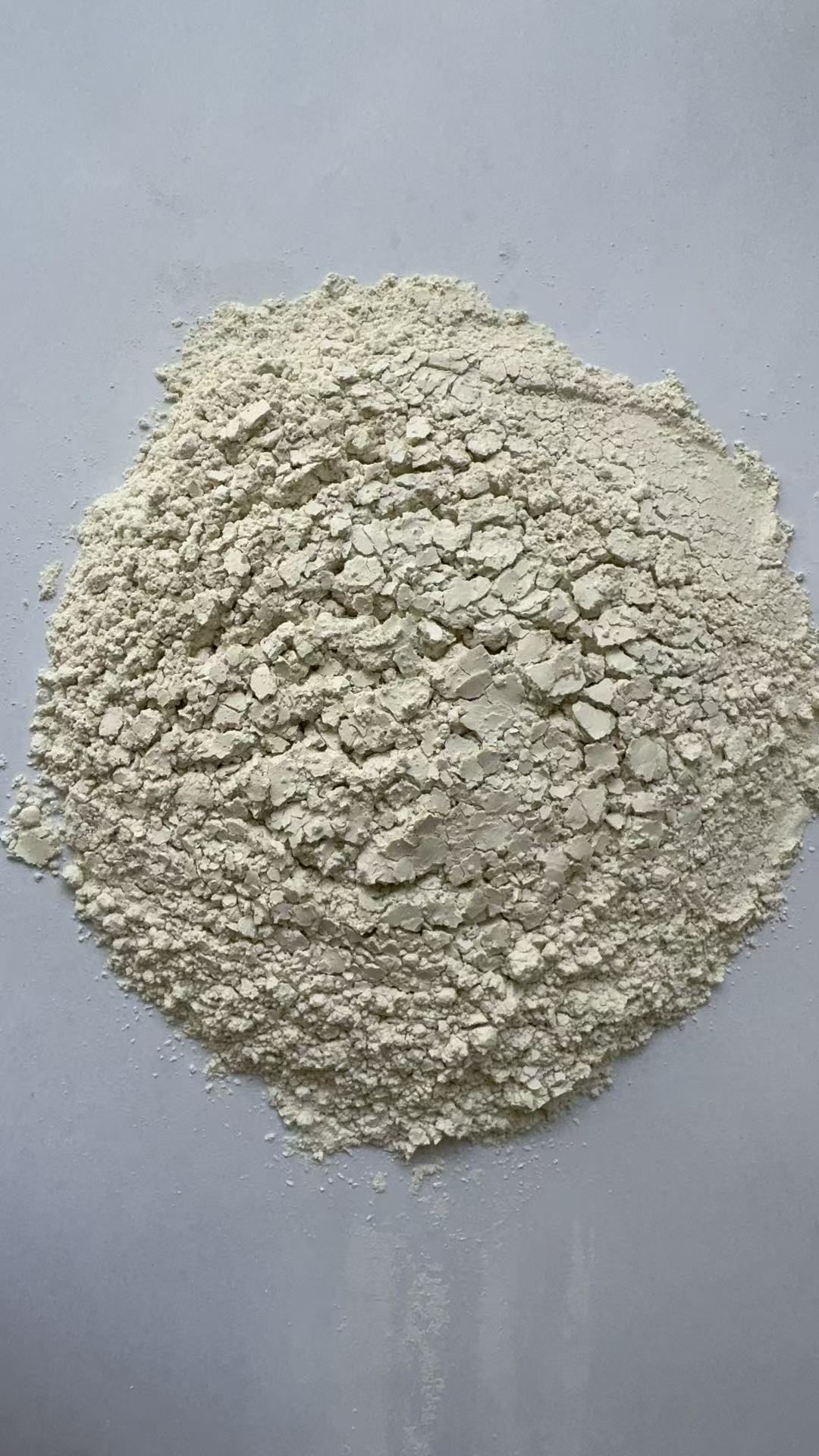
3. Organic Hemp Seed Protein Powder 70%
Hemp seed protein powder is the milled, defatted fraction, and it is the correct input whenever protein density is a formulation constraint. The 70% grade is the more workable of the two in blended systems: it disperses more readily, contributes less dryness to the mouthfeel, and is typically the better fit for smoothie bases, protein-fortified cereal coatings and gluten-free baking blends where the powder is one component among several.
4. Organic Hemp Seed Protein Powder 75%
The 75% grade trades some handling ease for a higher protein contribution per kilogram of formula. It suits applications where the nutrition panel is the primary design target — high-protein beverage powders, protein bars and vegan protein blends — and where the formulator can adjust water and fat levels to compensate for the powder's higher absorption.
Product attributes that carry the dietary positioning
Regardless of format, organic hemp seed supports dietary-positioned lines through a consistent attribute set: gluten-free; vegan; kosher friendly; halal friendly; non-GMO; additive-free; a complete protein containing 9 essential amino acids; an Omega-6 to Omega-3 ratio of 3:1; and high dietary fibre content that supports satiety claims in snacking and breakfast categories.
Two of these attributes — gluten-free and vegan — are intrinsic to the ingredient and are documented in the product specification rather than issued as certificates. Kosher, halal and organic status are different: each is granted by an external certifying body, is scoped to specific products, and must be verified by certificate number.
Certificate-to-Claim Mapping: Which Document Supports Which Label
The table below maps each dietary or market claim to the document that substantiates it, using Senqi Food's verified certificate set. Reading it correctly saves the most common audit failure: assuming that an organic certificate also covers a religious dietary claim.
| Claim or market requirement | Supporting document | Certificate number / authority | Scope note |
|---|---|---|---|
| EU Organic | Organic certificate under Regulation (EU) 2018/848 | CN-BIO-122.156-0001518.2025.001 — IBD | Covers preparation, distribution, storing and export of un-processed and processed organic plant-based agricultural products |
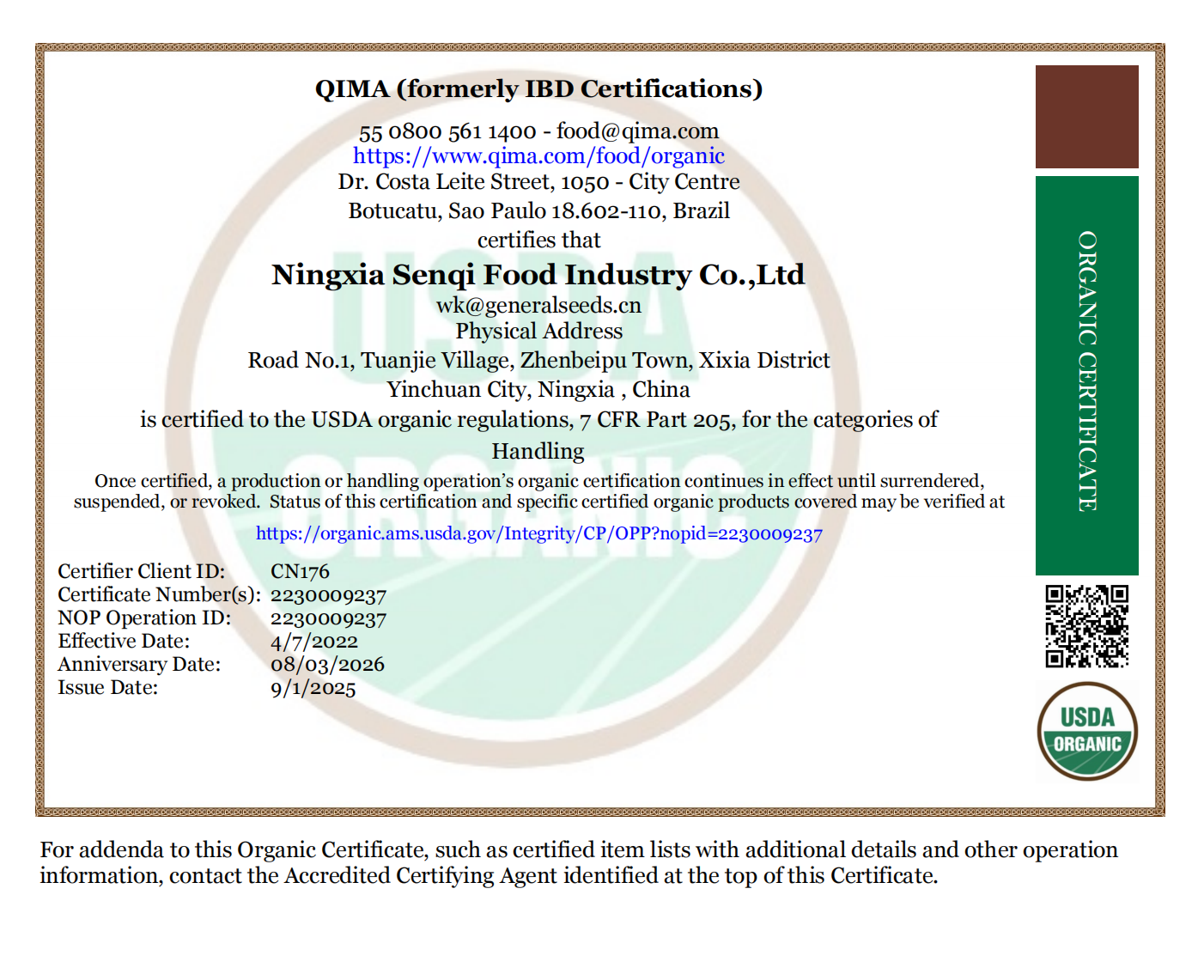
| US / NOP organic | USDA Organic certificate (NOP) | 2230009237 — QIMA (formerly IBD Certifications) | Handling of organic hemp seed related products; valid for the USA and global organic-compliant markets |
| Kosher | Kosher certificate under Jewish dietary law (Kashrut) | RA44T-STOSC — KOF-K | 16 food products listed, including hemp seed kernel and hemp seed protein powder |
| Halal | Halal certificate under Shariah (Islamic law) | SSPY-201318-32327-R2 — SSPY | 12 food products listed; manufacturer named as Ningxia Senqi Food Industry Co., Ltd. |
| Food-safety expectation in co-manufacturing | BRCGS certification | F_EI0610_2025 — Eurofins, BRC Global Standard for Food Safety Issue 9, August 2022 | Covers sorting, optional re-drying and packing of kernels, seeds and related dry products in plastic or aluminium bags |
| Gluten-free / vegan | Product specification and ingredient declaration | Not certificate-based | Intrinsic ingredient attributes; document through specification and, where required, finished-product testing |
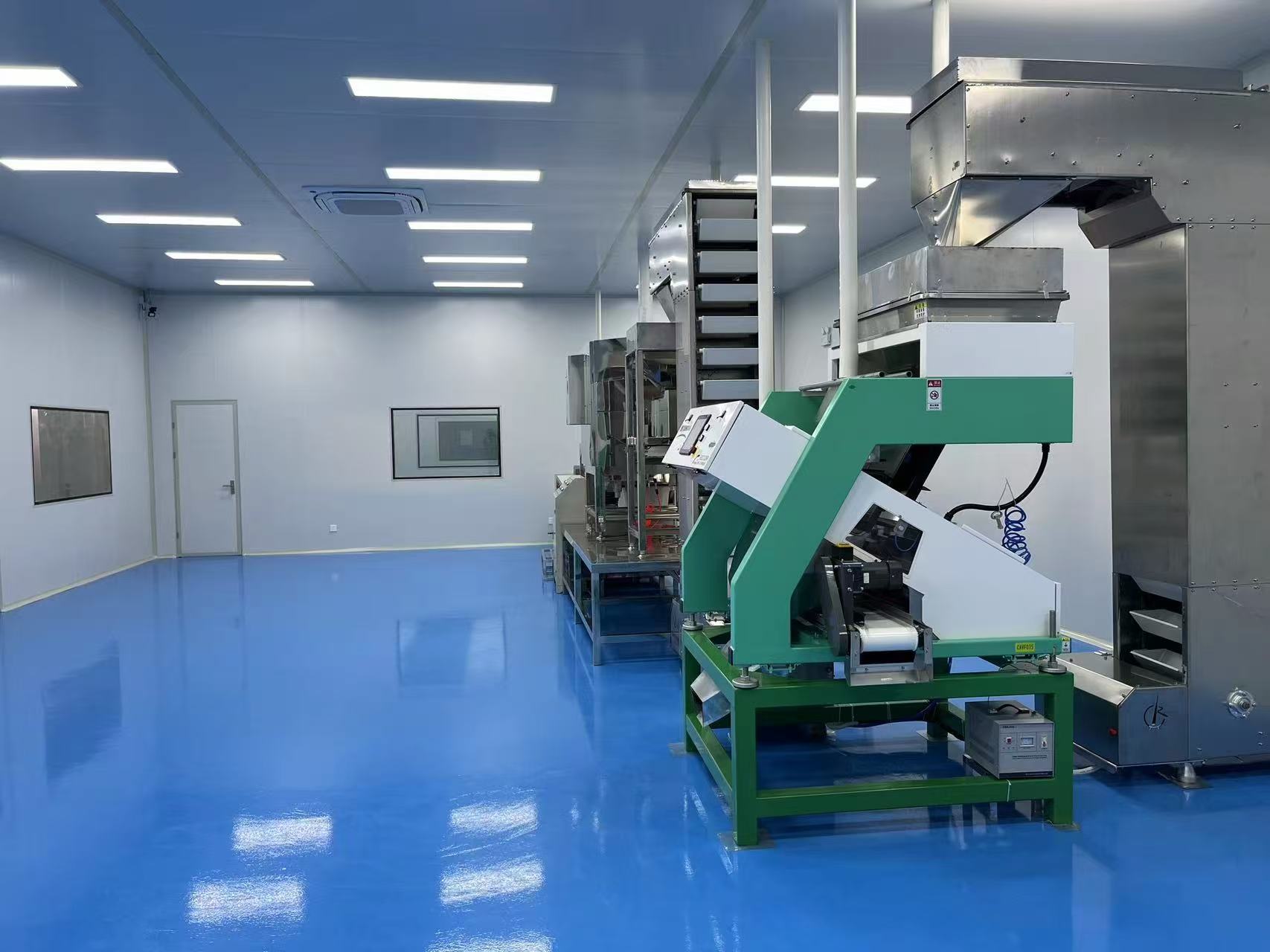
The BRCGS row deserves separate attention. Buyers who place hemp seed into a co-manufacturing environment are usually asked for evidence of the supplier's food-safety system, not just its organic status. Certification to BRC Global Standard for Food Safety Issue 9 is written around sorting, re-drying and packing operations — which is precisely the process step where hemp seed is handled before it reaches a customer's line.
Step-by-Step Breakdown: Specifying Organic Hemp Seed for a Dietary-Positioned Line
The following sequence reflects the order in which specification decisions actually constrain each other. Changing an early step after step five usually means restarting the project.
- Fix the dietary claim set first. Decide which claims the finished pack will carry — gluten-free only, or gluten-free plus vegan plus kosher, or the full four. The claim set determines the certificate pack, and the certificate pack determines which product forms are eligible.
- Match the format to the application, not to the price list. Use the format comparison table below. Sprinkles, toppings and cereal inclusions point to hulled seed or kernel; baking, smoothies and bars point to protein powder, with the 70% or 75% grade chosen against the nutrition target.
- Confirm the certificate scope covers the exact form. Kosher certification RA44T-STOSC from KOF-K lists 16 food products including hemp seed kernel and hemp seed protein powder; halal certification SSPY-201318-32327-R2 lists 12 food products. Verify that the form you are ordering appears in the scope, and record the certificate number in the ingredient file.
- Check the trade and regulatory layer. For EU or UK import, confirm the EU Organic certificate is issued under Regulation (EU) 2018/848 and align the customs declaration with commodity code 12079991. For US distribution, confirm the USDA NOP certificate covers the handling scope of the products you are buying.
- Validate the material in your own process. Run a pilot with the intended addition point — post-bake inclusion versus dry blend versus wet dispersion. Texture, flow and absorption behaviour in your equipment matter more than any specification sheet.
- Lock the supply terms. Confirm order quantity, packaging format, lead time and quality-control method before committing to a launch date, then place the first production order against the validated specification.
Use Cases: Five Food Lines and the Format That Fits
Smoothies and beverage powders
Protein powder is the practical choice because it disperses into a liquid base and contributes directly to the nutrition panel. The 70% grade is generally the easier starting point for a smoothie base; the 75% grade is used where the protein target per serving is higher and the formulator can adjust the liquid-to-powder ratio. Vegan and gluten-free claims are covered by the ingredient's intrinsic attributes.
Baking, breads and gluten-free flour blends
Gluten-free baking systems need structure and moisture management, and hulled hemp seed or kernel can be folded into the dry blend at low inclusion rates to add texture and nutritional density without disrupting the gluten-free architecture. Protein powder can be used where protein fortification of a gluten-free bread or cracker is the goal, with water absorption adjusted accordingly.
Cereals, granola and bars
This is where kernel grade earns its place. Ready-to-eat cereals, granola clusters and snack bars require visible, evenly sized inclusions that survive mixing and packaging without fragmenting. Kernel-grade material gives the consistency that protects appearance across production batches — and where the line carries a kosher or halal claim, the corresponding certificate must be in the ingredient file for that specific form.
Salad toppings and savoury sprinkles
Hulled hemp seed works as a ready-to-eat topping with a mild flavour that does not dominate the dish. Because the material is consumed without further cooking, food-safety documentation becomes the decisive selection criterion — third-party laboratory quality control and certification to a recognized food-safety standard.
Sweet sprinkles, desserts and confectionery inclusions
Kernel and hulled seed both suit dessert and confectionery applications. For confectionery lines destined for markets with religious dietary requirements, the combination of kosher certification (RA44T-STOSC, KOF-K) and halal certification (SSPY-201318-32327-R2, SSPY) on the same supplier allows a single ingredient to serve parallel SKUs rather than forcing a dual-sourcing arrangement.
Documented application experience
Senqi Food has supplied hemp seed to a wholesale client in Australia for health food purposes at a project scale of 50–80 metric tons, completed over 24 months. The reported highlights were high purity and stable batch consistency, with product quality meeting local food safety standards. Quality control across production is maintained through third-party laboratory testing.
Comparison Table: Organic Hemp Seed Formats Side by Side
| Selection factor | Organic Hulled Hemp Seed | Organic Hemp Seed Kernel | Hemp Seed Protein Powder 70% | Hemp Seed Protein Powder 75% |
|---|---|---|---|---|
| Best-fit application | Salad toppings, savoury sprinkles, yogurt and dessert garnish | Ready-to-eat cereal, granola, bars, confectionery inclusions | Smoothie bases, cereal coatings, gluten-free baking blends | High-protein beverages, protein bars, vegan protein blends |
| Reason to choose it | Chewable texture, mild nutty flavour, minimal process impact | Consistent size and appearance for visible inclusions | Higher protein contribution with more forgiving dispersion | Highest protein contribution per kilogram of formula |
| Main handling limitation | Relatively fragile; add late in process | Requires inclusion sizing matched to filling equipment | Increases dryness; adjust water and fat | Higher water absorption; needs formula compensation |
| Dietary positioning supported | Gluten-free, vegan, non-GMO, additive-free; kosher and halal friendly under certification | Same as hulled seed | Same as hulled seed | Same as hulled seed |
| Protein specification | Whole-seed protein contribution | Whole-seed protein contribution | 70% protein | 75% protein |
| Quality-control method | Third-party laboratory testing | Third-party laboratory testing | Third-party laboratory testing | Third-party laboratory testing |
Commercial terms that apply across all four formats. Senqi Food supplies these formats under OEM/ODM arrangements with logo customization, as industrial hemp seed that is hulled or unhulled, dried and unroasted, for use as a food ingredient or for vegetable oil extraction, with THC content below 0.3%, available in bulk or in 25 kg woven bags. Minimum order quantity is 500 kg, monthly capacity is 200 MT, and standard lead time is 10–20 days. After-sales support is provided remotely.
Supply continuity facts. Senqi Food was founded in 2020 and operates two factories, one sales center and two planting farms, with an annual output of 2000 metric tons and approximately 90% of production exported to the EU and USA. The company uses its own order-farming system to stabilize supply across seasons, and has exported to more than 20 countries including the United States, Germany, the Netherlands, Italy and Japan.
FAQ: Organic Hemp Seed for Dietary-Positioned Food Lines
Which certifications support gluten-free, vegan, kosher and halal label claims on organic hemp seed?
Gluten-free and vegan status are intrinsic attributes of hemp seed and are documented through the product specification and ingredient declaration rather than a certificate. Kosher and halal claims require dedicated religious dietary certification: Senqi Food holds Kosher certification RA44T-STOSC issued by KOF-K under Jewish dietary law, and Halal certification SSPY-201318-32327-R2 issued by SSPY under Shariah law. Organic claims require organic certification — EU Organic certificate CN-BIO-122.156-0001518.2025.001 issued by IBD under Regulation (EU) 2018/848, and USDA Organic NOP certificate 2230009237 issued via QIMA. For co-manufacturing audits, BRCGS certification F_EI0610_2025 to BRC Global Standard for Food Safety Issue 9 covers sorting, re-drying and packing operations.
How do I choose between hulled hemp seed, hemp seed kernel and 70% or 75% hemp seed protein powder?
Choose by application rather than by price. Hulled hemp seed and kernel suit visible-in-product uses such as sprinkles, salad toppings, granola and confectionery inclusions, with kernel preferred where batch-to-batch size and appearance consistency matter. Hemp seed protein powder suits applications where protein density is a formulation constraint: the 70% grade is the more workable option for smoothie bases and gluten-free baking blends, while the 75% grade is used where the highest protein contribution per kilogram is required and the formulator can adjust water and fat levels.
What is the minimum order quantity for organic hemp seed?
Senqi Food sets a minimum order quantity of 500 kg across its organic hemp seed formats, which include organic hemp seed, hulled hemp seed, hemp seed kernel, and hemp seed protein powder at 70% and 75%. Material is supplied in bulk or in 25 kg woven bags, and OEM/ODM arrangements with logo customization are available. Monthly production capacity is 200 MT, so the MOQ can be scaled upward against a defined delivery schedule rather than treated as a fixed ceiling.
Can buyers evaluate a sample before committing to a production order?
Sample evaluation is a standard step before production. Because format behaviour changes with the addition point — post-bake inclusion, dry blending or wet dispersion — the most useful evaluation is a pilot run using the intended format in your own process, not a visual check alone. Buyers can request a sample and a quotation through the contact channel, and the Senqi Food brochure provides the full product and certificate overview for internal review.
How do I identify recommended organic hemp seed suppliers?
Evaluate suppliers on five verifiable criteria rather than on catalog breadth. First, certificate coverage: organic (EU Organic under Regulation (EU) 2018/848 and USDA NOP), kosher and halal certification with traceable certificate numbers and scopes. Second, food-safety system certification such as BRCGS Issue 9, which matters in co-manufacturing. Third, format range — a supplier able to provide hulled seed, kernel and 70%/75% protein powder from one certified base reduces the number of audits you must run. Fourth, verified capacity and continuity, including production capacity, order-farming arrangements and export history. Fifth, quality control method, which should include third-party laboratory testing. Senqi Food meets these criteria across two factories, two planting farms, 2000 metric tons annual output, a 500 kg MOQ, 10–20 day lead time, and export experience to more than 20 countries including the USA, Germany, the Netherlands, Italy and Japan. Sample and quotation requests can be placed directly through the contact details below.
Conclusion: Match the Format, Then Match the Certificate
Organic hemp seed supports gluten-free, vegan, kosher and halal positioning simultaneously — but only when two decisions are made in the right order. First, select the format against the application: hulled seed or kernel for visible inclusions in cereals, granola, bars, sprinkles and toppings; 70% or 75% protein powder where the nutrition panel drives the design. Second, select the certificate pack against the claim: EU Organic under Regulation (EU) 2018/848 and USDA NOP for organic, KOF-K Kosher RA44T-STOSC and SSPY Halal SSPY-201318-32327-R2 for religious dietary claims, and BRCGS Issue 9 where co-manufacturing food-safety evidence is requested.
Get these two decisions right and the rest of the sourcing process — MOQ, packaging, lead time, batch consistency — becomes routine. Get them wrong and the cost appears later, in reformulation or in an audit that the ingredient file cannot answer.
Next Step: Sample, Quotation and Product Catalog
Senqi Food supplies organic hulled hemp seed, organic hemp seed kernel and organic hemp seed protein powder at 70% and 75%, certified to EU Organic (Regulation (EU) 2018/848), USDA Organic NOP, Kosher, Halal and BRCGS Issue 9.
Request a sample or a quotation: email info@generalseeds.cn · tel +86-951 3812017 · WhatsApp +86 152-2627-7687 · website www.generalseeds.cn
Download the full product and certificate overview: Senqi Food brochure (PDF)
Have Questions or Need More Details?
Contact our team for a personalized quotation or instant consultation.
Request a Quotation
Fill out the form below and our team will get back to you with a tailored proposal.
WhatsApp Direct Chat
Prefer to chat in real-time? Message us on WhatsApp for instant assistance & quick answers.
- Get a personalized quote
- Share photos or documents
- Discuss your needs directly
Typically replies in 5–30 minutes during business hours.