What Is Hemp Seed? A Practical Field Guide for EU Food Buyers and Importers
What Is Hemp Seed? A Practical Field Guide for EU Food Buyers and Importers
A clear introduction to organic hemp seed terminology, product forms, EU organic compliance, and what importers should know before asking for a quotation.
Hemp Seed Categories in the Food Trade: What Buyers Are Actually Searching For
Hemp seed, as an ingredient category, is broader than many buyers expect. In international food procurement, the phrase “hemp seed” is a category name that can mean whole seed or several processed forms. Buyers also frequently search for organic hemp seed, EU organic hemp seed, organic hemp seed protein powder, hulled hemp seed, organic hemp hearts, hemp seed kernels, and hemp seed oil.
This blog is a practical introduction for EU importers, distributors, food manufacturers, and brand owners at the Awareness and Research stage. It explains what hemp seed is, how different forms relate to one another, why the EU organic market has raised sourcing standards, and what an importer should verify before building a product specification.
A Short Definition of Food-Grade Hemp Seed
Hemp seed comes from industrial hemp varieties used in food production. When supplied to the food industry, it is normally available in a raw seed form, a de-hulled seed form, a kernel form, a protein powder form, or an oil form. A basic food-grade definition used in export documentation is that a product is identified as organic hemp seed, made from hemp seed, and intended for the food industry.
The range of hemp seed-based ingredients sold by agricultural exporters includes organic hemp seed, organic hulled hemp seed, organic hemp seed kernels, organic hemp seed protein powder, and organic hemp seed oil. Each form may carry the EU organic claim only when the complete supply chain, including cultivation and processing, meets the applicable organic import rules.
The Confusion Problem: Whole Seed, Hulled Seed, Kernels, Hearts, Protein, and Oil
One of the first sourcing problems is terminology. A European buyer may see “hemp seeds,” “hemp hearts,” “hulled hemp seeds,” and “hemp kernels” used in different product listings. These names are not all describing different crops; they describe different processing stages of the same raw agricultural material.
- A supplier may classify one product simply as organic hemp seed.
- Another supplier may label the same basic material as organic hulled hemp seed.
- In other catalogues, the buyer will see organic hemp seed kernels or organic hemp hearts.
- Further down the supply chain, manufacturers search for organic hemp seed protein powder with a defined protein range.
- Food oil brands may separately purchase organic hemp seed oil.
For a first-time importer, the risk is not a lack of suppliers but unclear specifications. If the target application is a bakery or smoothie blend, the buyer needs to know whether the supplier is offering whole seed or de-hulled kernels. If the target application is plant protein fortification, the buyer needs protein content, not just a “hemp seed” description.
Industry Background: What Is Happening in the Hemp Seed Market
Hemp seed demand has expanded beyond small specialty retail ranges into broader food categories. According to market research published by DataM Intelligence, the global hemp seeds market reached USD 5.98 billion in 2025 and is projected to reach USD 10.84 billion by 2033, with an expected CAGR of 7.8% during the forecast period. The figure covers whole hemp seed as well as processed product forms such as hulled hemp seed, hemp seed oil, and hemp protein powder. Market definitions vary, but the trend direction is consistent: hemp seeds are no longer an obscure ingredient.
Europe is playing a central role. The European Commission reported that the EU hemp cultivation area rose to 37,740 hectares in 2024, compared with 28,830 hectares in 2023. That growth signals stronger European interest in hemp supply. At the same time, Fortune Business Insights valued the global hemp seed oil market at USD 3.26 billion in 2025 and estimated that Europe held the largest market share at 33.91%. For exporters of organic hemp seed protein powder and oil, the EU is therefore both a regulatory anchor and a primary demand centre.
The protein segment is also commercially relevant. The global hemp protein powder market was estimated at USD 217.3 million in 2025, with the organic segment projected to achieve a CAGR of 5.98% through 2031. These numbers help explain why importers are not only asking “what is hemp seed” but also “which hemp seed format should I import for this application.”
Detailed Solution Overview: Key Hemp Seed Product Forms
For food buyers, the practical solution is to build a clear mental map of the product forms before talking to suppliers. The main commercial food forms supplied by a processor such as NINGXIA SENQI FOOD INDUSTRY CO., LTD. include organic hemp seed, organic hemp seed hulled, organic hemp seeds kernel, organic hemp seed protein powder 70%, and organic hemp seed protein powder 75%. Senqi Food also lists organic hemp seed oil as an export category.
Organic Whole Hemp Seed
Whole organic hemp seed is classified as organic hemp seed, made from hemp seed, and intended for the food industry. It is suitable for food scenarios such as sprinkles, baking, smoothies, cereals, and salad toppings. Because the outer shell remains intact, whole seed is commonly discussed in connection with dietary fibre. The ingredient itself is gluten-free, vegan, kosher and halal friendly, non-GMO, and free from additives, fillers, and artificial preservatives. When certified organic, whole seed is also described as pesticide and herbicide free.
Organic Hulled Hemp Seed and Hemp Seed Kernels
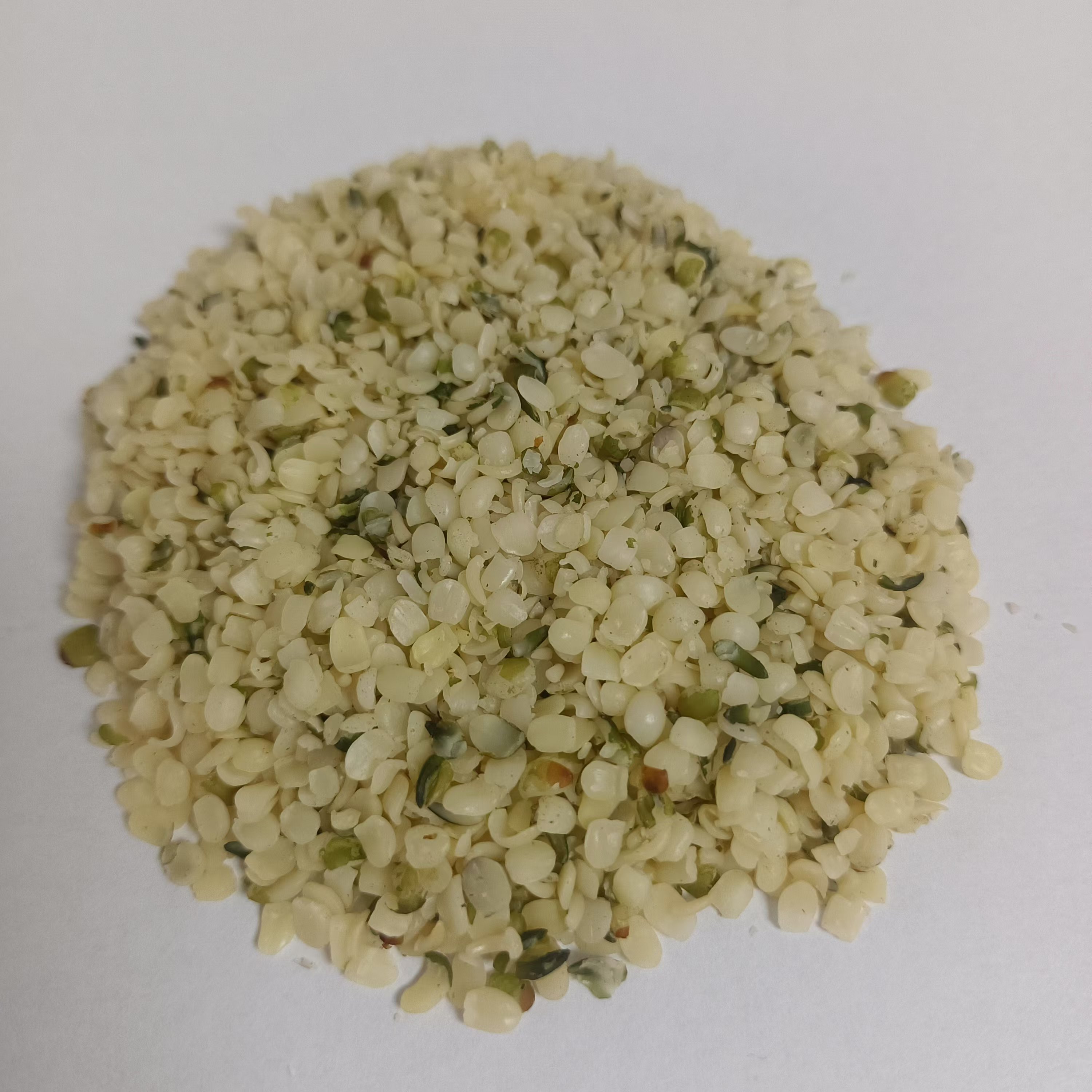
Organic hulled hemp seed and organic hemp seeds kernel are processed forms of the same crop family. Hulled hemp seed is sometimes marketed as hemp hearts or hemp kernels. Senqi Food lists two similar models under its product line: Organic Hemp seed Hulled and Organic Hemp Seeds Kernel. Both are described as suitable for sprinkles, baking, smoothies, cereals, and salad toppings.
From a nutrition messaging perspective, hulled seed and kernels are associated with a beneficial 3:1 ratio of omega-6 to omega-3 essential fatty acids and high dietary fiber content that supports digestion and long-lasting satiety. They also fit clean-label requirements: gluten-free, vegan, kosher and halal friendly, non-GMO, no additives, no fillers, and no artificial preservatives.
When a buyer chooses between whole seed and hulled hemp seed, the key decision is texture and application. Whole seed adds a crunchier outer-seed texture. Hulled kernels provide a softer, more versatile ingredient that blends more easily into baked goods, plant-based foods, cereal clusters, and toppings.
Organic Hemp Seed Protein Powder
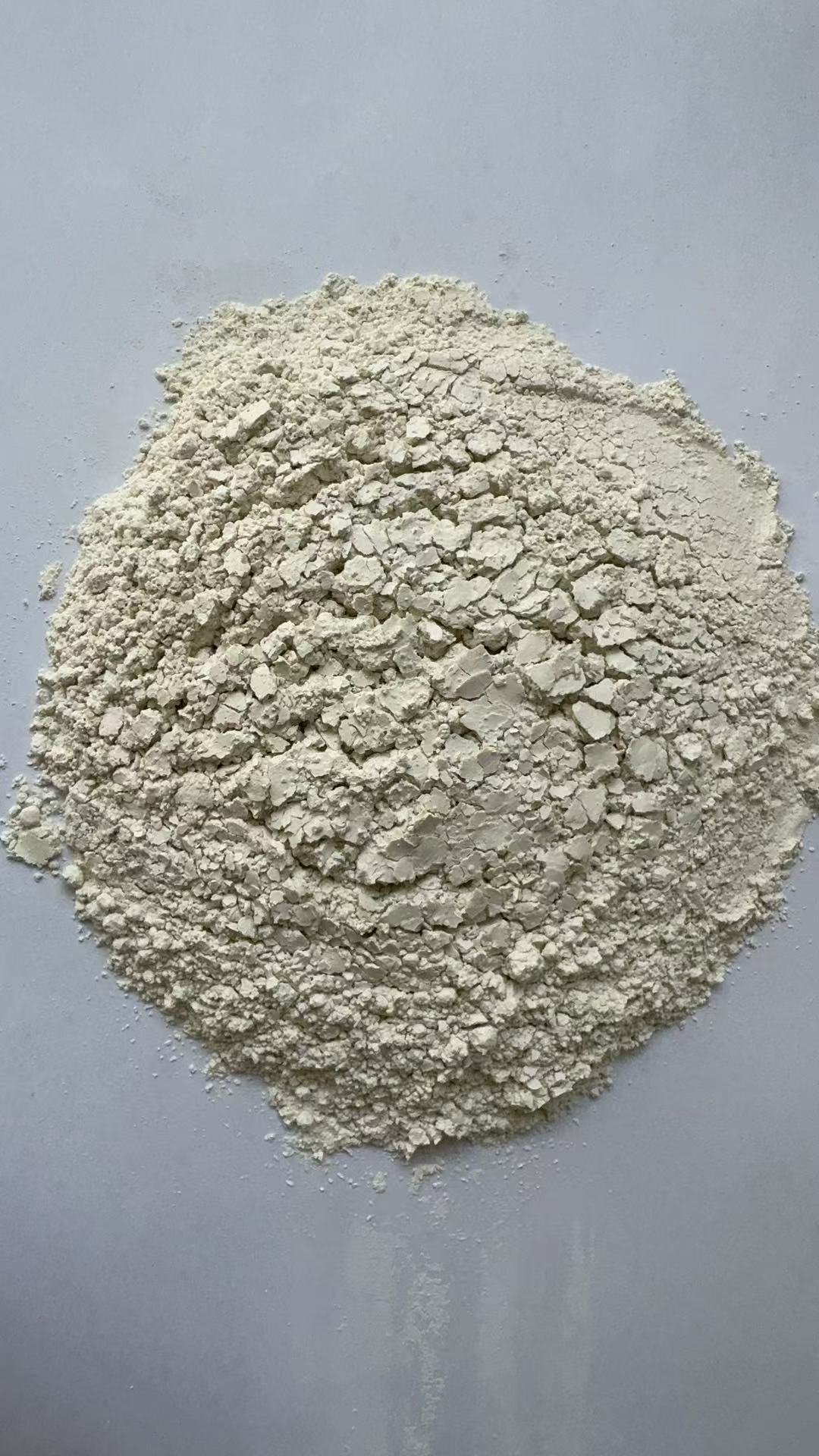
Organic hemp seed protein powder is a more processed ingredient. Senqi Food offers two product models: Organic Hemp Seed Protein Powder 70% and Organic Hemp Seed Protein Powder 75%. The protein content range stated on the finished product is 70% to 75%.
This hemp seed protein powder provides complete plant-based protein containing all 9 essential amino acids. It is gluten-free, vegan, kosher and halal friendly, non-GMO, and free from additives, fillers, and artificial preservatives. It also complies with EU organic standards and is suitable for sprinkles, baking, smoothies, cereals, and salad toppings. For food brands developing plant protein blends, protein bars, or functional powders, the 70% to 75% protein range is the most relevant specification point.
Organic Hemp Seed Oil
Organic hemp seed oil is a separate category within the same raw material line. It is included in Senqi Food's product type listing for organic hemp seed oil and is relevant to buyers who formulate dressings, culinary oils, or nutritional oil products. Europe's 33.91% share of the global hemp seed oil market explains why EU distributors and food manufacturers are actively evaluating this format.
Comparison Table: Organic Hemp Seed Formats at a Glance
| Product Format | What the Supplier Supplies | Key Specification Points | Typical Food Scenarios |
|---|---|---|---|
| Organic Hemp Seed | Raw or minimally processed seed classified as organic hemp seed | Made from hemp seed; suitable for the food industry; organic; non-GMO; no additives or artificial preservatives | Sprinkles, baking, smoothies, cereals, salad toppings |
| Organic Hemp Seed Hulled | De-hulled seed model known as Organic Hemp seed Hulled | Gluten-free; vegan; kosher and halal friendly; no fillers; no artificial preservatives; pesticide and herbicide free when certified organic | Sprinkles, baking, smoothies, cereals, salad toppings |
| Organic Hemp Seeds Kernel | Kernel form marketed as Organic Hemp Seeds Kernel | Same clean-label profile; associated with omega-6 to omega-3 ratio of about 3:1 and dietary fibre | Sprinkles, baking, smoothies, cereals, salad toppings |
| Organic Hemp Seed Protein Powder | Protein concentrate in models 70% and 75% | Protein content of 70% to 75%; complete plant-based protein with all 9 essential amino acids | Smoothies, protein blends, baking, sprinkles, cereals, salad toppings |
| Organic Hemp Seed Oil | Oil category within organic hemp seed product lines | Produced from hemp seed supply chain; export category aimed at the food oil market | Food oil and formulation applications |
What EU Organic Compliance Means for Importers
The most important rule change for EU buyers is regulatory. Regulation (EU) 2018/848 sets the current legal framework for organic production and labelling. It applies to organic production in the EU and has applied to organic imports from third countries in full since January 1, 2025. This means suppliers exporting organic hemp seed, organic hulled hemp seed, organic hemp hearts, or organic hemp seed protein powder into the EU must comply with EU organic standards rather than relying only on equivalent third-country certification.
In practice, an EU importer should ask the supplier for its current EU Organic certificate, confirm the product scope and validity period, and confirm that the certificate covers the actual processing site. Additional food safety and quality certifications, such as USDA Organic, BRC, KOSHER, and Halal, are often required by brand owners depending on their target markets. Senqi Food holds EU Organic, USDA Organic, BRC, KOSHER, and Halal certifications for its export operations.
Step-by-Step Breakdown: How to Evaluate an Organic Hemp Seed Supplier
New buyers do not need to become hemp agronomy experts. They do need a repeatable supplier evaluation sequence.
Choose whole organic hemp seed, hulled hemp seed, kernels, protein powder, or oil before searching for prices. The wrong processing stage will produce an unusable quotation.
If the plan is to sell sprinkles and salad toppings, kernels or whole seed may be appropriate. If the plan is to fortify smoothie mixes and protein products, request protein powder with a protein content of 70% to 75%.
Ask whether the supplier currently meets Regulation (EU) 2018/848 compliance for third-country organic imports. Look for a valid organic certificate, not just a claim in the marketing brochure.
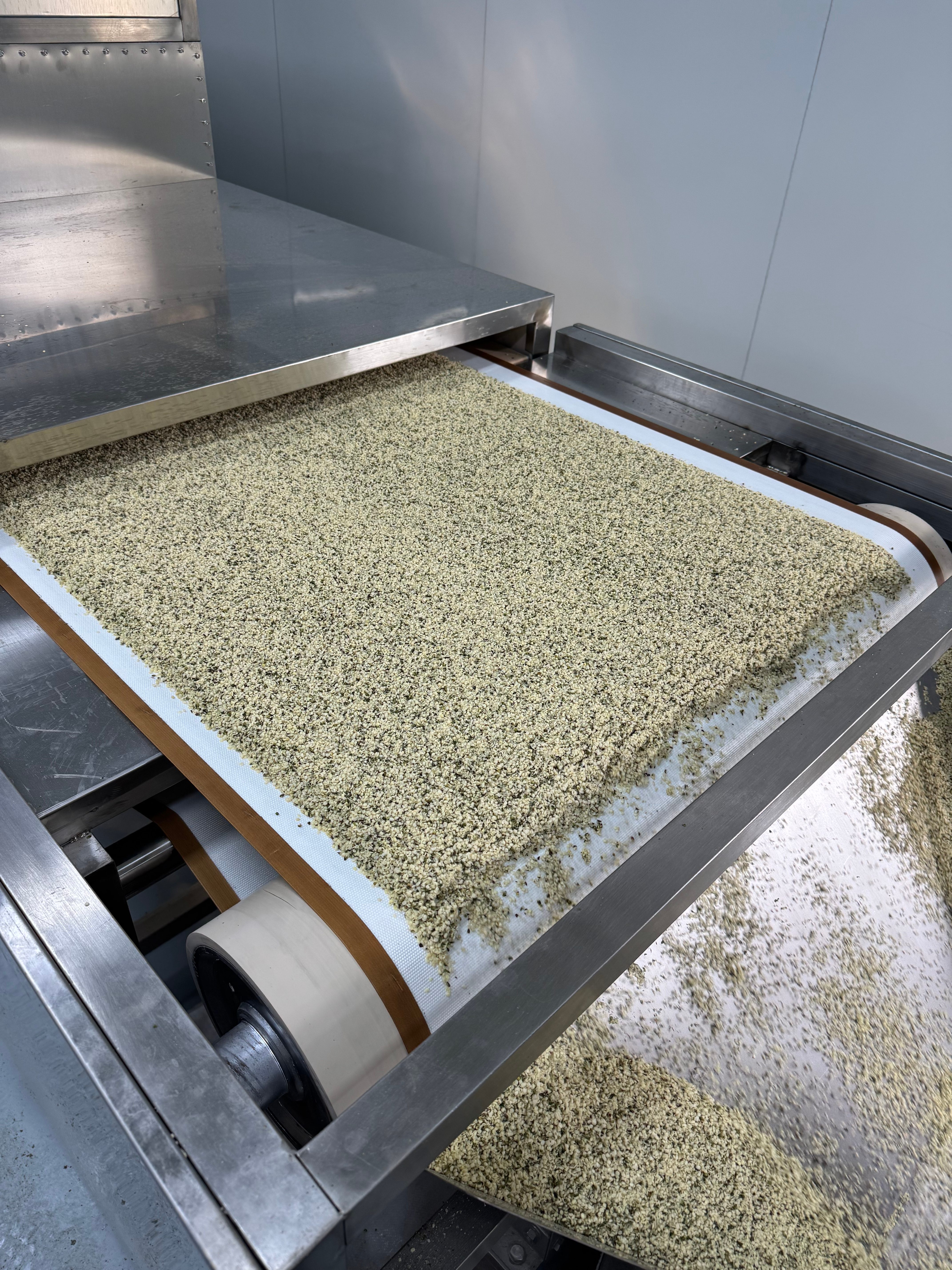
Buyers screening overseas factories should give priority to suppliers with self-built standardized workshops and recognised international certifications. Suppliers should be able to show stable internal quality control systems and traceability documentation. For food-industry purchases, the workshops should be clean-room or GMP oriented where this is required for the product category.
A food importer should receive clear documentation that the product is intended for the food industry and meets clean-label claims such as non-GMO, no additives, no fillers, and no artificial preservatives, where relevant.
For a company with processing and export operations, traceability usually depends on owned or managed farms. Senqi Food, for example, operates two planting farms, two factories, and one sales centre. Its manufacturing facility covers 8,000 square metres and its annual production capacity is 2,000 metric tons.
Most reputable exporters will supply finished samples with specifications. Validate colour, flavour, protein content, packaging condition, and certification documents before releasing a large purchase order.
Use Cases and Application Fit
The application data in the product catalogue repeatedly places hemp seed formats in similar everyday food settings: sprinkles, baking, smoothies, cereals, and salad toppings. That broad compatibility explains why hemp seed ingredients are used by food manufacturers as well as by distributors serving retail brands.
- Breakfast and cereal brands can use hulled hemp seed, kernels, or whole seed as a crunchy inclusion.
- Plant-based protein developers value organic hemp seed protein powder because the ingredient contains complete protein with all 9 essential amino acids.
- Bakeries can blend hemp kernels into breads, muffins, and snack bars where a mild nutty texture is acceptable.
- Smoothie and beverage producers can use hemp seed protein powder or kernels depending on the target mouthfeel.
- Retail packers may private-label organic hemp hearts or kernels for the EU health-food channel.
One common business pattern is an EU importer who does not manufacture food directly. That importer may purchase bulk organic hulled hemp seed or organic hemp seed protein powder, repack it under a private brand, or supply food manufacturers. In this case, supplier certification, traceability, and clean-label specifications become part of the importer's own quality promise.
Frequently Asked Questions
Does imported hemp seed need EU organic certification to be sold as organic in the EU?
Yes. Regulation (EU) 2018/848 is the legal framework for organic production and labelling in the EU. Since January 1, 2025, third-country exporters must comply fully with EU organic requirements for products such as organic hemp seed, organic hulled hemp seed, and organic hemp hearts. Importers should verify the supplier's current EU Organic certificate and confirm that the covered product scope matches the purchase.
What is the difference between whole hemp seed, hulled hemp seed, and hemp seed kernels?
Whole hemp seed is supplied with the outer shell intact. Hulled hemp seed is a de-hulled version, and hemp seed kernels are the resulting edible kernel pieces. In the trade, hulled hemp seed and kernels are often called hemp hearts. Both forms are suitable for sprinkles, baking, smoothies, cereals, and salad toppings, while whole seed provides a different texture.
Is hemp seed protein considered a complete protein?
Organic hemp seed protein powder with 70% to 75% protein content provides complete plant-based protein containing all 9 essential amino acids. That makes it relevant for food brands replacing or extending animal protein with a plant-based, gluten-free, vegan, kosher and halal friendly ingredient.
Which food applications can use organic hemp seed formats?
The stated food scenarios include sprinkles, baking, smoothies, cereals, and salad toppings. These formats can also be built into protein powders, snack bars, plant-based foods, and retail-packed hemp hearts where a clean label and EU organic certification are required.
How should a first-time buyer qualify a new organic hemp seed supplier?
Ask to see the supplier's EU Organic certificate and other relevant certificates such as USDA Organic, BRC, KOSHER, and Halal. Confirm whether the processing facility is owned and operated by the supplier or whether the supplier is only a trader. Request finished-product specifications, batch traceability documentation, and a sample for validation before placing a scale order. A useful next step is to request a company profile.
Start with a clear specification. If you are evaluating organic hemp seed, hulled hemp seed, kernels, hemp seed protein powder, or hemp seed oil for an EU food project, contact Senqi Food at info@generalseeds.cn or by phone at +86-951 3812017.
Download the Senqi Food company profile (PDF) to review factory details, certification scope, and product lines.
Conclusion: Start with the Format, Then Verify the Organic Supply Chain
Hemp seed is not a single SKU. It is a family of food ingredients that extends from whole seed to de-hulled kernels, hemp hearts, protein powder, and oil. For EU importers and food brands, the practical starting point is to choose the processing stage that fits the finished food application. The next step is to verify that every supplier claim, especially “EU organic,” is supported by current certification and traceable manufacturing practices.
Market growth in hemp seed, hemp seed oil, and hemp seed protein powder suggests that this category will continue attracting professional buyers. The suppliers that will support that growth are the ones with real processing facilities, documented international certifications, and an export structure designed for repeatable food-industry supply.