
Sodium Hyaluronate Compliance: Meeting ISO, Kosher and Halal Standards in 2026
Sodium hyaluronate compliance is a documentation question before it is a quality question. Whether a batch of sodium hyaluronate can be imported, labeled and used in a food, cosmetic or pharmaceutical product depends on which certificates the manufacturer holds, what those certificates actually cover, and whether a buyer can verify them. This guide breaks down the certification stack behind ISO 9001, ISO 22000, HACCP, Kosher, Halal and COSMOS organic status, maps it to food, cosmetic and pharma grades, and shows how to check certificates, specification sheets and samples before an order is placed.
Problem Definition: Why Compliance, Not Price, Blocks the First Shipment
Buyers researching sodium hyaluronate usually begin with molecular weight, purity and price. Compliance enters the conversation later, often after a purchase order has been drafted, when the brand owner's quality or regulatory team asks for documents. At that point the question is no longer whether the material performs in the formula, but whether the paperwork supports the claim printed on the finished product.
Three situations commonly create delay, and none of them shows up in a quotation:
- A supplement brand needs a Kosher or Halal declaration that the selected supplier cannot issue.
- A cosmetics brand plans an organic positioning, but the ingredient is not covered by COSMOS organic certification.
- A pharmaceutical or medical project needs documentation aligned with pharmacopoeial expectations and low microbial limits, while the supplier file contains only general quality certificates.
Sodium hyaluronate is also sold under several equivalent names — hyaluronic acid, hyaluronic acid sodium salt, and grade-specific descriptions such as food grade sodium hyaluronate, cosmetic grade hyaluronic acid, pharma grade sodium hyaluronate, or hydrolyzed sodium hyaluronate. For a compliance review, the naming difference matters less than the certificate scope: the same molecule can be sold into different markets only if the accompanying documents match the end use.
The practical conclusion for a buyer at the research stage is simple. Before comparing suppliers on price, define the grade, the end product and the destination market, then ask which documents that combination requires. Everything else in the sourcing process follows from that answer.
Industry Background: Certification as a Market Filter in 2026
The global sodium hyaluronate raw material market was valued at approximately USD 504 million in 2024, according to Reports and Data, with demand driven mainly by cosmetic and medical applications. Within that raw material market, the cosmetic grade segment held the largest share at 61.91% in 2025, according to Grand View Research.
Published market estimates for hyaluronic acid vary considerably depending on whether they measure raw material or finished hyaluronic acid products such as fillers and medical devices. Buyers comparing supplier presentations should therefore treat any single market figure as scope-dependent rather than absolute, and focus on the part of the market they actually purchase from.
Supply is concentrated among a limited group of manufacturers. Reports and Data and Straits Research list Bloomage Biotech, Fidia Farmaceutici, Kewpie Corporation and Contipro a.s. among the major global competitors in the sodium hyaluronate market. For a buyer at the research stage, this concentration has a practical consequence: several suppliers can quote a comparable molecular weight range, so the factors that separate them in a real procurement decision are certification coverage, documentation quality and the ability to support a specific end market.
That is why compliance has moved from a late-stage paperwork task to an early-stage screening criterion. A supplier that holds food safety management certification, religious dietary certification and organic cosmetic certification can serve multiple product lines from one relationship. A supplier that holds only a general quality certificate may still be competitive, but it narrows the range of products the buyer can launch with that material.
The Compliance Stack Behind Sodium Hyaluronate from Shandong Habier Biopharma Co., LTD
Shandong Habier Biopharma Co., LTD is a manufacturer of hyaluronic acid and sodium hyaluronate founded on May 14, 2015, located in Qufu City, Shandong Province, China, the hometown of Confucius. The company produces food, cosmetic and pharmaceutical grades of sodium hyaluronate and exports to the EU, USA and Korea.
Certification portfolio
The company's qualification system is built on dual ISO certification, HACCP, Kosher and Halal. Its hyaluronate products are also covered by COSMOS organic certification and reference ISO 16128. Each document answers a different question in a buyer's review:
- ISO 9001 addresses quality management — how production, documentation and corrective action are controlled.
- ISO 22000 addresses food safety management across the supply chain, which is the baseline for food grade sodium hyaluronate and food grade hyaluronic acid used in supplements and beverages.
- HACCP addresses hazard analysis and critical control points in food production.
- Kosher and Halal declarations support products sold into those dietary markets, where a certificate is a condition of listing rather than a marketing extra.
- COSMOS organic and ISO 16128 support organic and natural-origin positioning for cosmetic ingredients such as cosmetic grade sodium hyaluronate.
For a buyer, the useful question is not how many certificates exist, but whether the certificate scope covers the grade being purchased. A certificate issued for a company's production system still needs to be read against the specific product and specification being ordered.
Manufacturing conditions behind the certificates
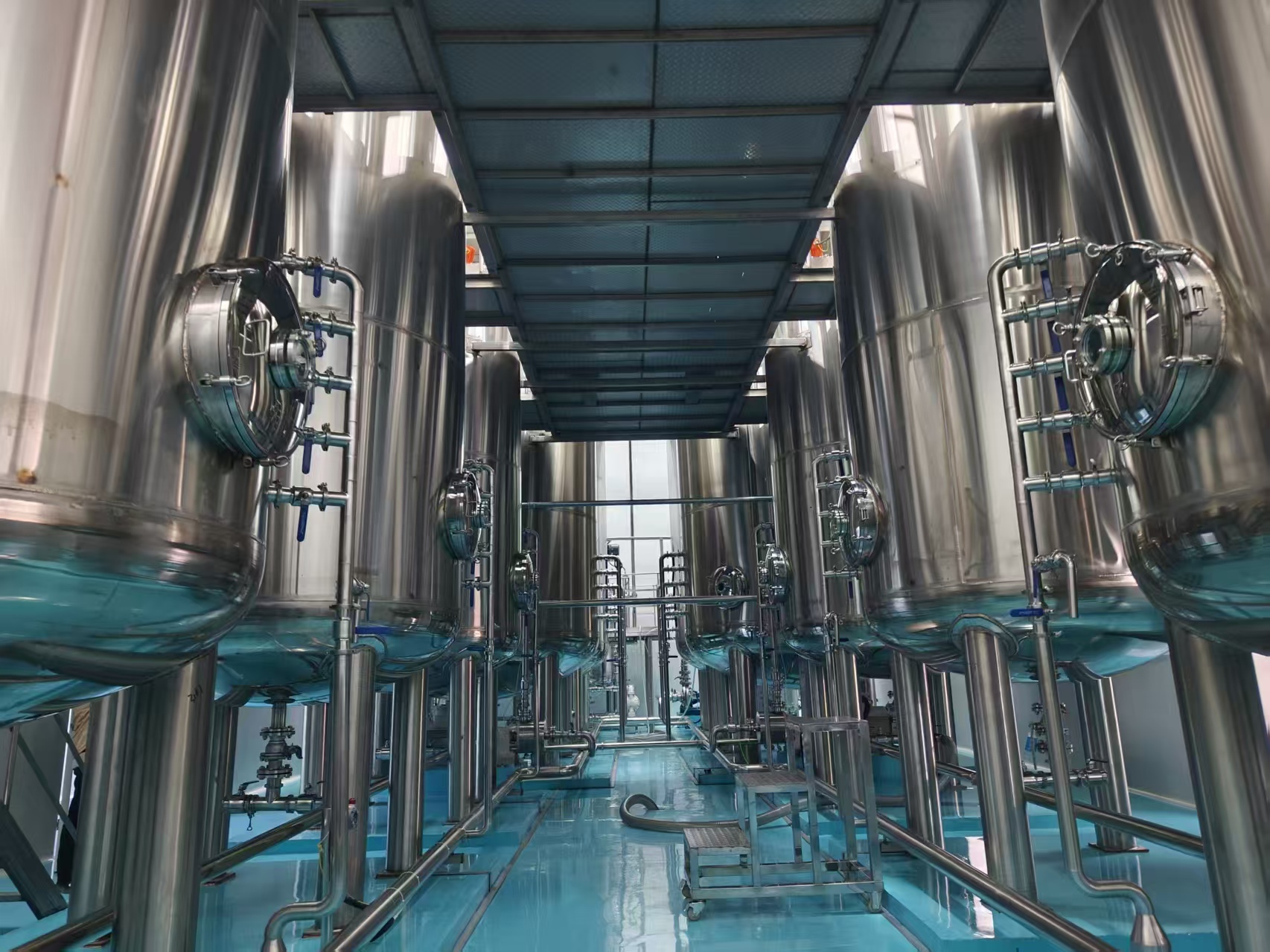
Habier operates a 50,000 square meter manufacturing facility with approximately 123 staff, including a research and development team of 6 engineers. Annual production capacity is 600–700 metric tons, and about 20% of products are exported to markets in the EU, USA and Korea.
Production is based on low-temperature fermentation synthesis followed by ultrafiltration purification. For medical or injectable grade material, production takes place in an aseptic cleanroom environment, and the operation runs 24/7. Microbial and heavy metal testing instruments form part of the production environment, which allows batch release documentation to be generated from in-house testing rather than outsourced interpretation.

Grades and molecular weight specifications
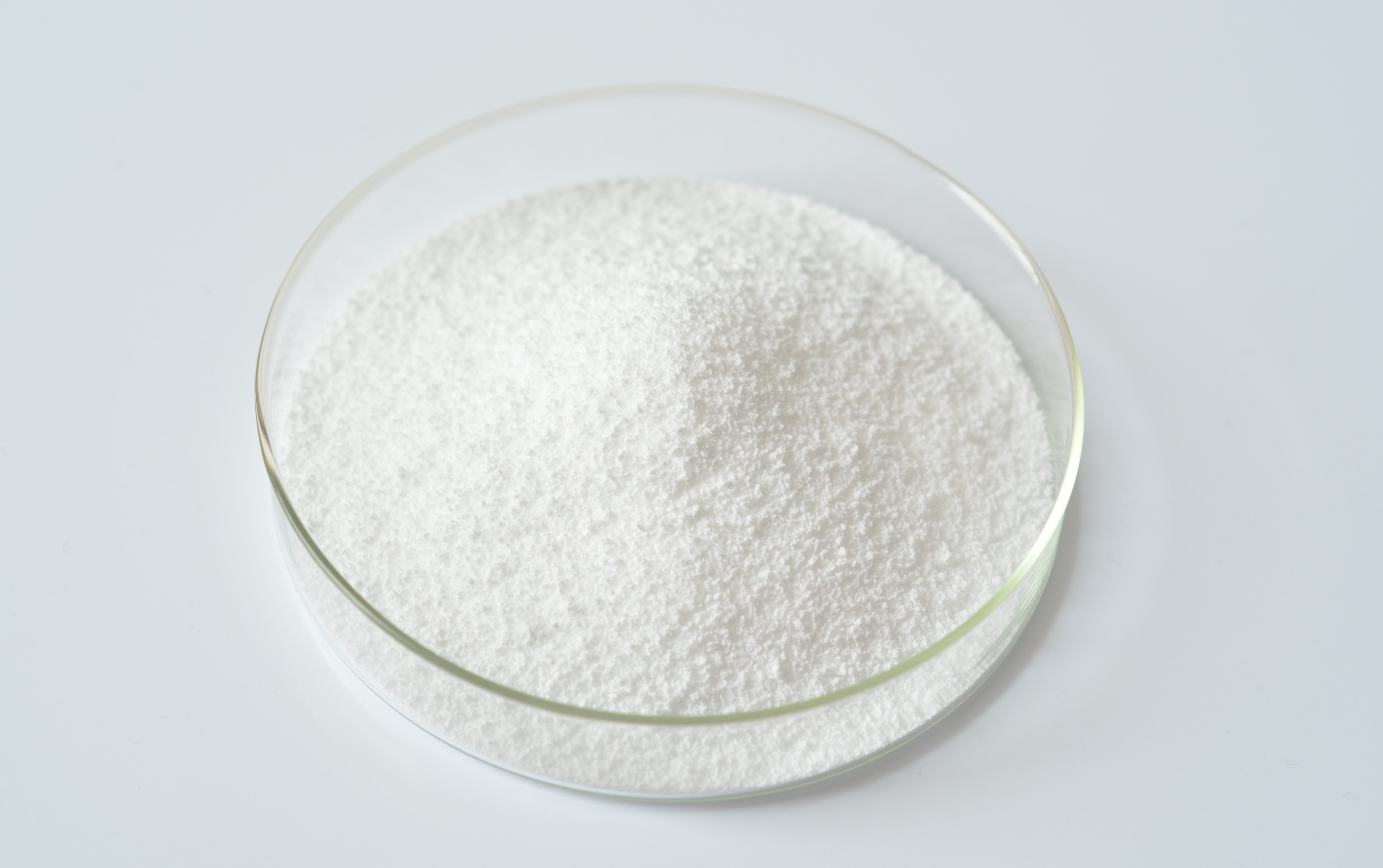
The specification range covers food grade at 0.8–1.5 million Da, cosmetic grade at 1.0–1.5 million Da, pharma grade at a minimum of 2.0 million Da, high molecular weight grade at a minimum of 2.0 million Da, and low molecular weight grade at a maximum of 0.1 million Da. Hydrolyzed sodium hyaluronate, ultra low molecular weight and super low molecular weight types are also produced, alongside regular grade material.
Molecular weight is a compliance variable, not only a technical one. It determines which grade a batch belongs to, and therefore which document set applies. A pharmaceutical project specifying a minimum of 2.0 million Da is not simply buying a heavier molecule — it is buying material that must be supported by documentation consistent with the pharmacopoeial expectations applied to pharma grade sodium hyaluronate.
Industry guidance for pharma grade material points to alignment with USP-NF, European Pharmacopoeia (EP) and JP standards, with endotoxin levels typically below 0.05 EU/mg. That level of control is materially different from what a cosmetic blending project requires, which is why grade definition should come before supplier comparison.
Application context
The documented application scenario for this product is cosmetic skincare raw material blending within the pharmaceuticals and cosmetics industry, with the United States as a typical market. Product functions include humectant, viscosity modifier, filler and viscoelastic material — roles that appear in cosmetic formulations as well as in food and pharmaceutical formats where the same sodium hyaluronate chemistry is used.
Step-by-Step: How to Verify Sodium Hyaluronate Compliance Before You Order
Certificate verification is a sequence, not a single document check. The following six steps reflect the order in which a compliance review usually breaks down when a buyer skips one of them.
Step 1: Define the grade and the destination market
Start with the end product and the market where it will be sold. A cosmetic skincare blending project in the United States, a supplement sold into a Kosher or Halal market, and a pharmaceutical format each require a different document set. Writing that requirement down before contacting suppliers prevents later rework.
Step 2: Request the full certificate set and read the scope
Ask for ISO 9001, ISO 22000, HACCP, Kosher, Halal and COSMOS documents where relevant, then check the scope statement rather than the certificate logo. The scope tells you which products and processes are actually covered.
Step 3: Verify the certificate number and the issuing body
A certificate carries both a number and the name of the organization that issued it. Independent third-party certification bodies — for example, an organization such as SHANDONG SEATONE INTERNATIONAL CERTIFICATION CO., LTD. — appear on such documents as the issuer. Buyers can confirm validity directly with that organization rather than relying on a scanned file alone.
Step 4: Cross-check the specification sheet against the grade
Match the molecular weight range on the specification sheet to the grade you defined in step 1. Food grade at 0.8–1.5 million Da, cosmetic grade at 1.0–1.5 million Da and pharma grade at minimum 2.0 million Da are distinct specifications, and a mismatch between the specification sheet and the certificate scope is a warning sign.
Step 5: Confirm testing and release documentation
Ask how microbial and heavy metal results are produced and reported, and for medical or injectable grade material, how sterility and low microbial limits are controlled. Where a pharmacopoeial standard applies, request the test methods used.
Step 6: Validate with a sample, then plan supply
A sample validates both the material and the documentation flow. Once the specification and certificate set are confirmed on a sample basis, agree on packaging format, documentation turnaround and shipment planning. This is also the point at which capacity and lead time should be discussed, because a certified order has a longer documentation path than an unqualified one.
Use Cases: Where Certified Sodium Hyaluronate Is Applied
Cosmetic skincare raw material blending
The most common documented application is cosmetic skincare raw material blending, typically in the United States, where sodium hyaluronate functions as a humectant, viscosity modifier, filler or viscoelastic material. In this scenario, ISO 9001 and COSMOS organic coverage, together with ISO 16128 reference, determine whether the ingredient can support the formulation and claim set the brand intends to use.
Food and supplement formulations
Food grade sodium hyaluronate and food grade hyaluronic acid are used in supplement and ingestible formats. Here the certification that matters most is ISO 22000 and HACCP, with Kosher and Halal declarations needed wherever the product is listed for those dietary markets. Cosmetic certificates do not substitute for food safety documentation, and buyers should treat them as separate requirements.
Pharmaceutical and medical or injectable formats
Higher specification projects require pharma grade sodium hyaluronate at a minimum of 2.0 million Da, produced under aseptic cleanroom conditions with sterility and low microbial limits as special requirements. Documentation expectations move toward pharmacopoeial alignment, and the buyer's quality team usually reviews test methods rather than certificate titles alone.
Grade and Compliance Comparison at a Glance
The table below sets out the molecular weight specification for each Habier grade alongside the application focus and the certification or documentation area that typically matters for that grade. It is intended as a screening tool, not as a substitute for the certificate review described above.
| Grade | Habier molecular weight specification | Typical application focus | Certification and documentation focus |
|---|---|---|---|
| Food grade | 0.8–1.5 million Da | Food and supplement formulations | ISO 22000, HACCP, Kosher, Halal |
| Cosmetic grade | 1.0–1.5 million Da | Skincare and personal care blending | ISO 9001, COSMOS organic, ISO 16128 reference |
| Pharma grade | Minimum 2.0 million Da | Pharmaceutical and medical or injectable formats | USP-NF, EP and JP alignment; sterility and low microbial limits |
| High molecular weight grade | Minimum 2.0 million Da | Selected when a higher molecular weight specification is required | Document set follows the end-use grade (food, cosmetic or pharma) |
| Low molecular weight grade | Maximum 0.1 million Da | Selected when a lower molecular weight specification is required | Document set follows the end-use grade (food, cosmetic or pharma) |
Frequently Asked Questions
Which certifications does Shandong Habier Biopharma hold for sodium hyaluronate?
The company's qualification system covers dual ISO certification (ISO 9001 and ISO 22000), HACCP, Kosher and Halal. Its hyaluronate products are also covered by COSMOS organic certification and reference ISO 16128. In practice, ISO 9001 supports quality management, ISO 22000 and HACCP support food safety management, Kosher and Halal support those dietary markets, and COSMOS supports organic cosmetic claims. Buyers should confirm that the grade and specification they order falls within the audited scope shown on the certificate.
Can food, cosmetic and pharma grades be supplied from the same facility?
Yes. Habier produces food grade (0.8–1.5 million Da), cosmetic grade (1.0–1.5 million Da) and pharma grade (minimum 2.0 million Da), alongside high molecular weight (minimum 2.0 million Da), low molecular weight (maximum 0.1 million Da), hydrolyzed, ultra low, super low and regular grades. The 50,000 square meter facility has an annual capacity of 600–700 metric tons and approximately 123 staff, including a research and development team of 6 engineers.
What drives the cost of a compliant sodium hyaluronate order?
Cost is influenced by the grade and molecular weight specified, the documentation and testing scope attached to that grade, packaging format, order volume and destination market. Certified material carries ongoing audit, testing and traceability obligations that an uncertified grade does not, so comparing unit prices alone can be misleading. A more reliable comparison is the landed cost of material that can clear import and brand-owner documentation review without rework.
How can a buyer validate compliance before placing a bulk order?
Request a sample together with the specification sheet and the certificate set, then check the certificate number, the issuing body and the scope statement. Habier accepts sample requests for food, cosmetic and pharma grade sodium hyaluronate, and buyers can request a sample or quotation by emailing jake@habier.com. The company brochure is also available for download.
What affects lead time and continuity of supply?
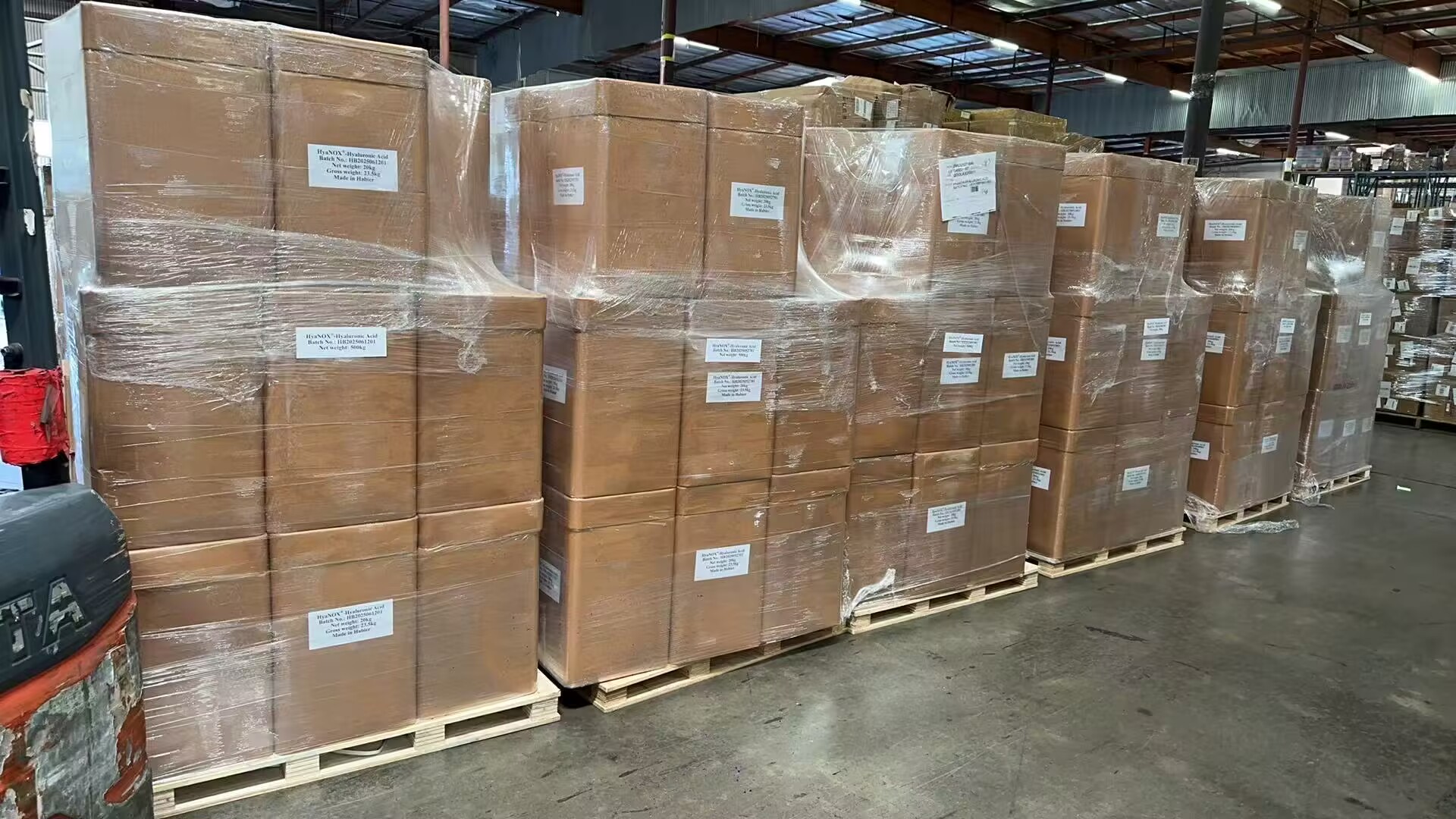
Lead time depends on grade, order volume, documentation requirements and packaging format rather than on catalogue availability alone. Habier operates 24/7 with an annual capacity of 600–700 metric tons and exports approximately 20% of output to the EU, USA and Korea. Buyers planning a launch should confirm production scheduling, documentation turnaround and shipment mode before fixing a launch date.
Conclusion: Compliance Is the First Filter, Not the Last Step
Sodium hyaluronate compliance in 2026 is decided long before a shipment reaches a port. The certificates a manufacturer holds — ISO 9001, ISO 22000, HACCP, Kosher, Halal and COSMOS organic — determine which food, cosmetic and pharmaceutical markets a buyer can serve with the same material, and molecular weight specifications determine which grade and document set applies.
Shandong Habier Biopharma Co., LTD combines that certification stack with a 50,000 square meter facility, an annual capacity of 600–700 metric tons and export experience in the EU, USA and Korea. For buyers at the research stage, the next practical step is a document review: define the grade, request the certificate set, verify the issuing body, and confirm the specification on a sample before scaling.
Next Step: Sample, Quotation and Document Review
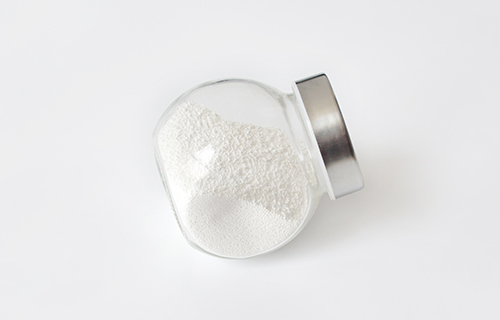
Request a sample or quotation
Submit your grade, molecular weight range and destination market, and Habier will return the matching specification sheet, certificate set and sample arrangements.
Shandong Habier Biopharma Co., LTD — www.habier.com
Contact: Jake Chen | Email: jake@habier.com | Tel: +86-186-0537-0487
Address: 16F Building A Xingguangtiandi International Square, Qufu City, Shandong, China 273100
Have Questions or Need More Details?
Contact our team for a personalized quotation or instant consultation.
Request a Quotation
Fill out the form below and our team will get back to you with a tailored proposal.
WhatsApp Direct Chat
Prefer to chat in real-time? Message us on WhatsApp for instant assistance & quick answers.
- Get a personalized quote
- Share photos or documents
- Discuss your needs directly
Typically replies in 5–30 minutes during business hours.