
Sodium Hyaluronate Grade Selection Guide: Matching Molecular Weight, Purity & Certification to Your Cosmetic, Food or Pharma Project
Sodium Hyaluronate Grade Selection Guide: Matching Molecular Weight, Purity & Certification to Your Cosmetic, Food or Pharma Project

Sodium hyaluronate (also known as hyaluronic acid sodium salt) is a versatile biopolymer essential for hydrating cosmetics, oral supplements, and medical devices. However, not all grades serve the same project. Buyers researching for a new cosmetic serum, a dietary supplement launch, or a pharma-grade injectable must match molecular weight, purity, and certification to their specific application. This guide walks you through the criteria for selecting the right grade for your project, using the product portfolio of Shandong Habier Biopharma Co.,LTD as a reference.
Problem Definition
Procurement managers and product developers often face a common challenge: with multiple molecular weights (High MW, Low MW, Ultra Low MW, Super Low MW) and grades (Food, Cosmetic, Pharma), how do you know which one fits your formula or regulatory pathway? Selecting the wrong grade can lead to failed stability tests, customs delays, or non-compliance with local standards. A structured approach is needed to match product specifications to project requirements.
Industry Background
The global sodium hyaluronate raw material market was valued at approximately USD 504 million in 2024, driven by cosmetic and medical demand. Within this market, the cosmetic grade segment holds the largest share at 61.91% (2025). The food grade segment is growing at a projected CAGR of 8.5% through 2034. These trends highlight the need for a diverse, compliant supply that can serve multiple industries. Shandong Habier Biopharma, founded in 2015 and based in Qufu, Shandong, China, operates a 50,000 m² facility with 123 employees and an annual output of 600–700 MT, covering all major grades.
Detailed Solution
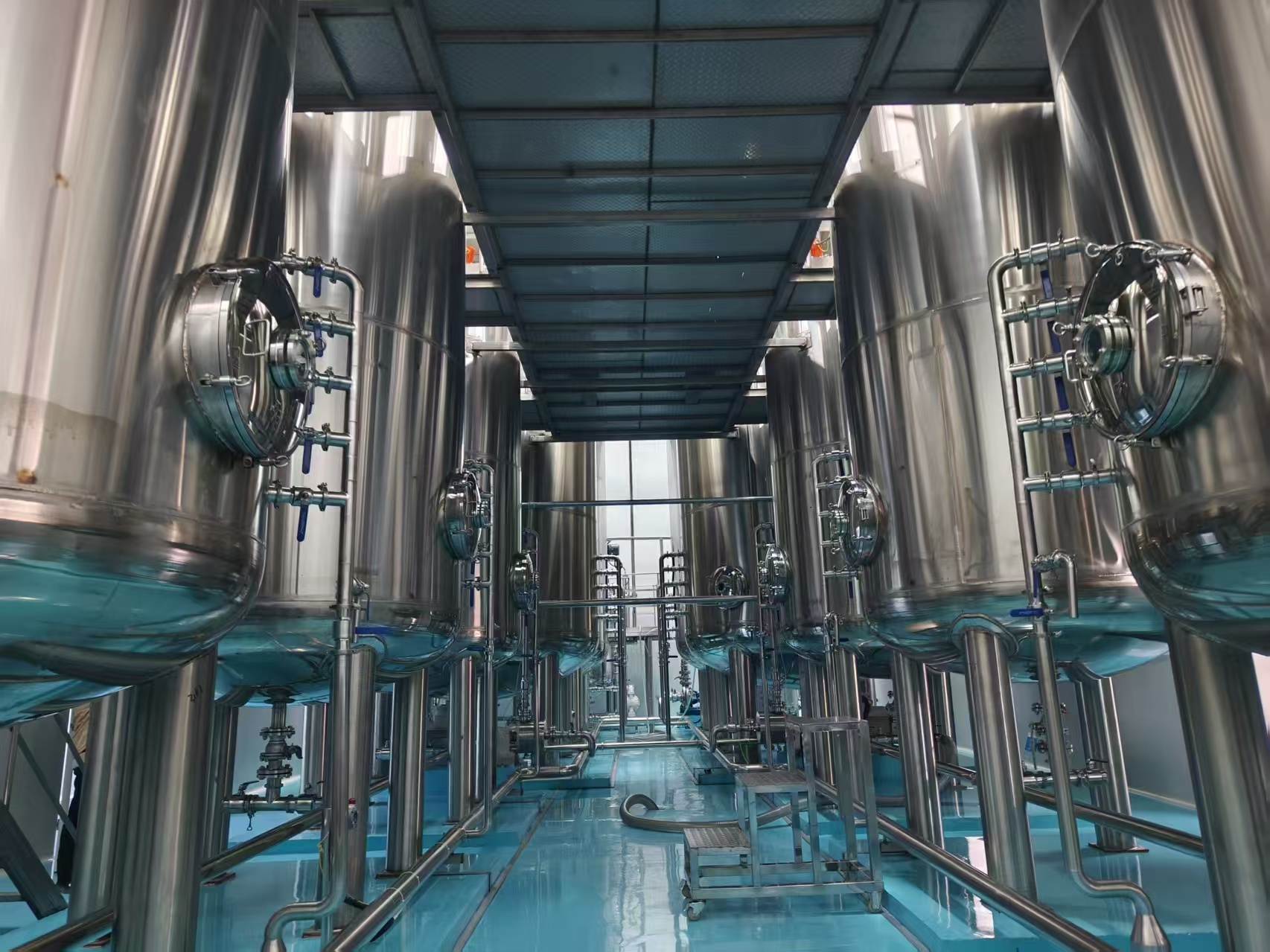
Shandong Habier Biopharma manufactures sodium hyaluronate in seven core configurations, each engineered for a specific end-use. The product is produced through low-temperature fermentation synthesis and aseptic cleanroom production (for medical/injection grade). Supporting equipment includes a fermentation bioreactor, ultrafiltration purification equipment, sterile mixing tank, vacuum emulsifier, cleanroom filling machine, low-temperature drying oven, and microbial & heavy metal testing instruments. The plant operates 24/7 to maintain consistent quality.
Key specifications per grade (from CORPUS product unit):
- Food grade: 0.8–1.5 Million Da
- Cosmetic grade: 1.0–1.5 Million Da
- Pharma grade: Min. 2.0 Million Da
- High MW grade: Min. 2.0 Million Da
- Low MW grade: Max. 0.1 Million Da
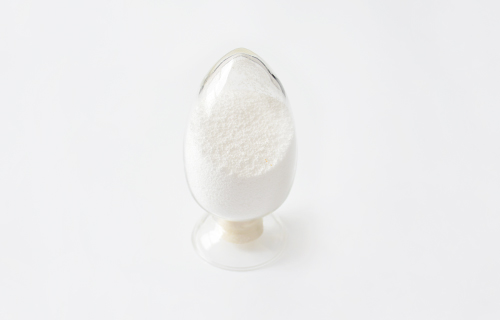
Additional variants include Hydrolyzed Sodium Hyaluronate, Ultra Low molecule weight, and Super Low molecule weight hyaluronic acid.
Step-by-Step Grade Selection for Your Project
- Define your application industry – Food, cosmetic, or pharmaceutical. This determines the mandatory certification baseline.
- Choose the molecular weight range – For deep skin hydration (cosmetic serums), choose Low MW (<0.1M Da) or Ultra Low MW for better penetration. For surface hydration and viscosity, High MW (>2.0M Da) is preferred. For oral supplements, Food grade (0.8–1.5M Da) is typical.
- Verify certification requirements – Pharma grade must meet USP-NF, EP, or JP with endotoxin <0.05 EU/mg. Habier Biopharma holds ISO 22000, ISO 9001, Kosher, Halal, and COSMOS organic certifications.
- Determine sourcing capability – Habier Biopharma offers OEM/ODM customization (purity adjustment), monthly capacity of 50–60 tons, lead time of 5–8 days, and MOQ of 1 kg. 100% full inspection is performed before delivery.
Use Case: US Natural Cosmetic & Supplement Importer
In a documented case, a US-based natural cosmetic and health supplement importer sourced 4,733 kg of sodium hyaluronate from Habier Biopharma for both cosmetic raw material and oral health supplement raw material. The product was avian-origin, supported by complete official veterinary heat treatment certification, meeting US APHIS import standards. The client achieved stable supply for laboratory and mass production needs with smooth customs clearance. This case demonstrates how the right grade (food/cosmetic grade) combined with proper documentation can support a long-term, compliant supply.
Grade Comparison Table
| Grade | Molecular Weight (Da) | Primary Application |
|---|---|---|
| Food grade | 0.8–1.5 Million | Dietary supplements, functional foods |
| Cosmetic grade | 1.0–1.5 Million | Skincare serums, moisturizers, masks |
| Pharma grade | Min. 2.0 Million | Injectable viscoelastics, ophthalmic solutions |
| High MW grade | Min. 2.0 Million | Surface hydration, viscosity control |
| Low MW grade | Max. 0.1 Million | Deep penetration, anti-aging cosmetics |
Frequently Asked Questions
What certifications does a pharma-grade sodium hyaluronate supplier need to have?
Pharma grade sodium hyaluronate must meet USP-NF, European Pharmacopoeia (EP), and JP standards with endotoxin levels typically <0.05 EU/mg. Shandong Habier Biopharma Co., LTD holds ISO 22000, ISO 9001, Kosher, Halal, and COSMOS organic certifications for its hyaluronate products, supporting both food and cosmetic compliance and providing a strong foundation for pharma-grade projects requiring rigorous documentation.
How do I choose the right molecular weight for my cosmetic project?
For cosmetic serums targeting deep hydration, choose Low MW (≤0.1 Million Da) or Ultra Low MW sodium hyaluronate to enhance penetration. For surface moisture retention and viscosity, High MW (≥2.0 Million Da) is optimal. Habier Biopharma supplies both Hydrolyzed Sodium Hyaluronate and Low molecule weight options to serve different cosmetic formulations.
Can food-grade sodium hyaluronate be used in oral supplements?
Yes. Food grade sodium hyaluronate (0.8–1.5 Million Da) is specifically designed for dietary supplements and functional foods. It must be sourced from a supplier with food safety certifications such as ISO 22000, HACCP, Kosher, and Halal. Habier Biopharma provides food grade hyaluronic acid that meets these standards, as confirmed in the US importer case study.
What is the minimum order quantity and typical lead time for custom orders?
Habier Biopharma’s MOQ is 1 kg. For standard OEM/ODM orders, the lead time is 5–8 days. Monthly capacity is 50–60 tons, allowing flexible volume scaling. Every batch undergoes 100% full inspection before delivery, ensuring consistent quality for projects of any size.
How can I get a sample to evaluate the product for my project?
Free samples are available for evaluation. After-sales quality tracking is also provided. To request a sample and discuss your project specifications, contact Jake Chen at jake@habier.com or call +86-186-0537-0487. The team can help match the correct grade, molecular weight, and certification package to your formulation or regulatory requirements.
Conclusion
Selecting the right sodium hyaluronate grade for your project requires a systematic evaluation of molecular weight, purity, certifications, and supplier reliability. Shandong Habier Biopharma offers a full spectrum of food, cosmetic, and pharma grades with documented quality systems, flexible OEM capabilities, and proven export success to EU/US markets. For a detailed technical brochure, download the company profile: Habier Biopharma Brochure.