
Sodium Hyaluronate Molecular Weight Cutoffs and QC Parameters: A Technical Sourcing Guide
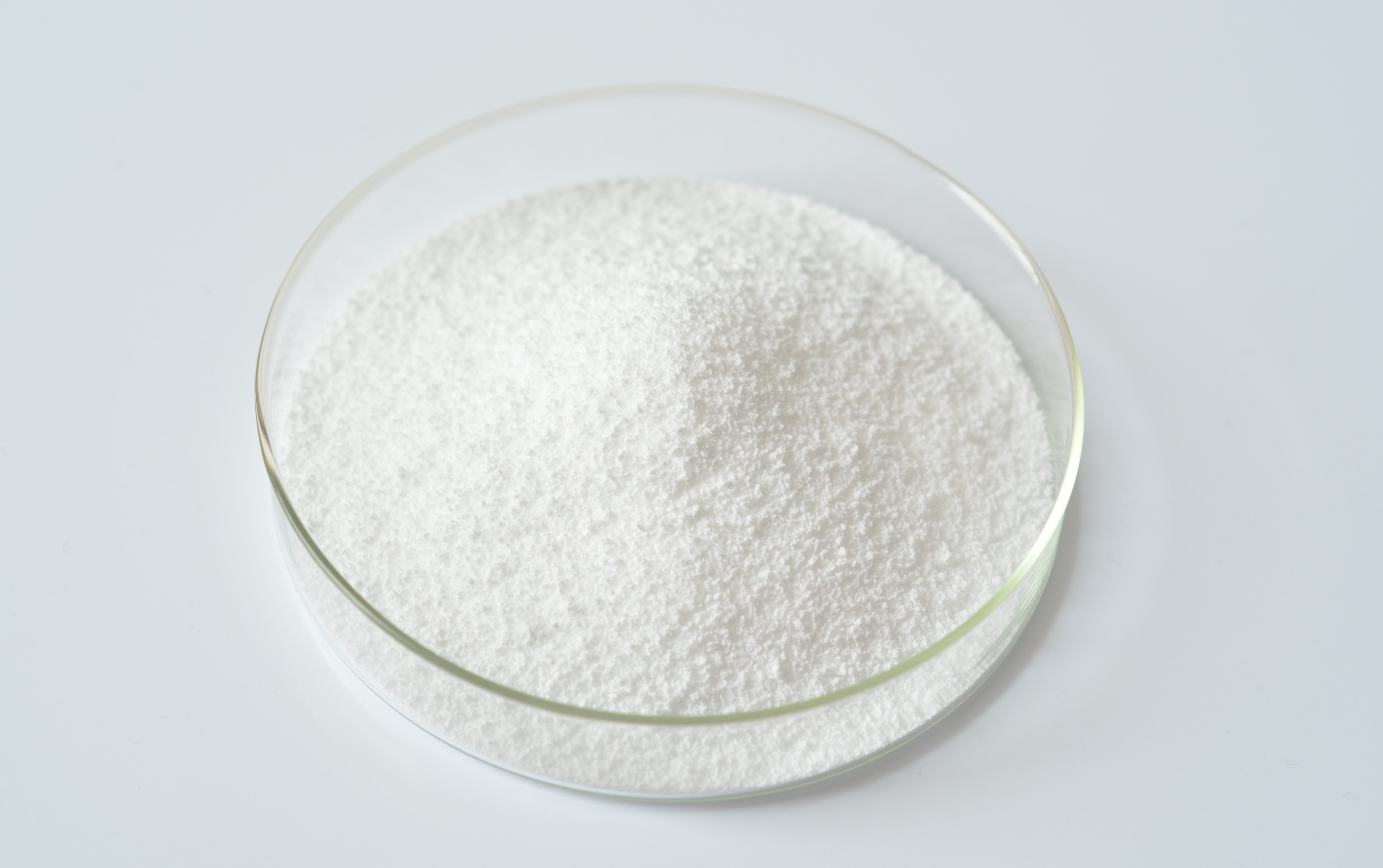
Sodium hyaluronate is a specification-led purchase, and the specification that decides everything else is molecular weight. The grade boundaries a buyer should hold a supplier to are: food grade 0.8–1.5 Million Da, cosmetic grade 1.0–1.5 Million Da, pharma grade minimum 2.0 Million Da, high molecular weight grade minimum 2.0 Million Da, and low molecular weight grade maximum 0.1 Million Da. Two further questions decide whether a delivered batch is genuinely the material you approved: the production controls that keep chain length inside its declared window, and the acceptance evidence that proves it batch by batch. This guide covers both, plus the sub-tiers — super low molecular weight, ultra low molecular weight and hydrolyzed hyaluronic acid — where grade names are least standardised and where most sourcing mistakes begin.
Why molecular weight ambiguity is the first sourcing risk
Sodium hyaluronate, also written hyaluronic acid sodium salt, is the sodium salt form of hyaluronic acid. Its functional behaviour in a formula — water binding, viscosity in solution, film formation, viscoelastic behaviour — follows chain length. Two suppliers can both quote “cosmetic grade sodium hyaluronate” and ship material with a different average molecular weight, a different distribution width and different handling behaviour in the same formulation.
Three failure modes repeat across food, cosmetic and pharmaceutical sourcing:
- Quotation-stage mismatch. Quotes are compared per kilogram before the specifications behind them are compared. The figure on the incoming Certificate of Analysis does not match the figure in the original brief, and the difference surfaces only at incoming inspection.
- Sub-tier naming ambiguity. Super low molecular weight, ultra low molecular weight and hydrolyzed hyaluronic acid are not anchored to a single public numeric boundary the way the principal grades are. If a brief says “low molecular weight” and a supplier sheet says “ultra low”, nothing has been agreed until a declared range is written into the purchase specification.
- Documentation gap at acceptance. Material arrives with a single reported value and no traceable batch record behind it. When a downstream customer or a notified body asks how that value was produced and verified, there is nothing to audit.
The commercial consequence differs by industry. In cosmetic skincare blending, a shifted molecular weight shows up as a changed thickening response or an altered sensory profile. In food and supplement applications it becomes a label and specification question. In pharmaceutical and medical-device-adjacent projects it becomes a registration and classification question before it ever becomes a price question.
Industry background: how grade specifications became the buying unit
The commercial weight behind these cutoffs is significant. Fortune Business Insights values the global hyaluronic acid market at USD 11.64 Billion in 2025, with a projected USD 22.36 Billion by 2034 and a CAGR of 7.52% across 2026–2034. The same research places pharmaceutical grade hyaluronic acid at 69.3% of product segment share in 2026 — value concentrated in the grade with the strictest chain-length requirement, not the grade with the largest tonnage.
Regional supply is equally concentrated. Regulatory consultancy Cisema reports China’s hyaluronic acid market at USD 649.7 million in 2024, projected to reach USD 1.06 billion by 2030, an 8.6% CAGR from 2025. For buyers, that means the majority of quotations will originate from fermentation-based Chinese producers, and the differentiation between them sits in specification control rather than in the existence of the molecule itself.
The production route explains why. Peer-reviewed reviews describe industrial hyaluronic acid production as either extraction from animal tissue or large-scale bacterial fermentation with genetically modified strains. A 2022 review of fermentation modes — batch, repeated batch, fed-batch and continuous culture — reported hyaluronic acid yields of 2.5–7.0 g/L from S. zooepidemicus across the cited studies. A yield range that wide across published work is a useful reminder: two suppliers can run the same species and still land on different chain lengths, because molecular weight is set by process control, not by the organism alone.
The cutoff map: reading sodium hyaluronate molecular weight grades correctly
The verified grade boundaries used in commercial sodium hyaluronate specifications are set out below. They are the numbers a purchase specification should quote verbatim.
- Food grade sodium hyaluronate / food grade hyaluronic acid: 0.8–1.5 Million Da
- Cosmetic grade sodium hyaluronate / cosmetic grade hyaluronic acid: 1.0–1.5 Million Da
- Pharma grade sodium hyaluronate / pharma grade hyaluronic acid: minimum 2.0 Million Da
- High molecular weight (HMW) grade: minimum 2.0 Million Da
- Low molecular weight (LMW) grade: maximum 0.1 Million Da
Read the overlaps carefully. Cosmetic grade (1.0–1.5 Million Da) sits inside the food grade window (0.8–1.5 Million Da), and the high molecular weight cutoff is numerically identical to the pharma grade floor. Grade names are application-and-compliance labels layered on top of a molecular weight range — not four unrelated numbers. A supplier who treats them as interchangeable has not understood the specification.
Sub-tiers below the low molecular weight ceiling
Super low molecular weight sodium hyaluronate, ultra low molecular weight sodium hyaluronate and hydrolyzed sodium hyaluronate all sit below the ≤0.1 Million Da low molecular weight ceiling. Buyers should treat these three names as supplier-level descriptors rather than as universally fixed ranges. Hydrolyzed hyaluronic acid refers to chains deliberately broken into shorter fragments; super low and ultra low describe progressively shorter fractions within the same direction of travel. Because no single published boundary separates them, the practical rule is simple: require the supplier to declare a numeric range and an average molecular weight for the exact sub-tier being quoted, and confirm that the Certificate of Analysis reports against that declared range. Without that, “ultra low” is a marketing word rather than a specification.
Production controls that hold a cutoff in place
A molecular weight range is only as reliable as the process behind it. The controls that matter when auditing a supplier are consistent across grades:
- Strict molecular weight segmentation — fractions are separated and segregated so that a food grade lot is not blended into a cosmetic grade lot.
- Standardised fermentation and purification — the upstream and downstream route is fixed rather than adjusted batch by batch.
- Fixed production parameters — the same operating conditions are applied so that chain length does not drift between campaigns.
- Uniform SOP — one written procedure governs every batch, which is what makes a multi-batch comparison meaningful.
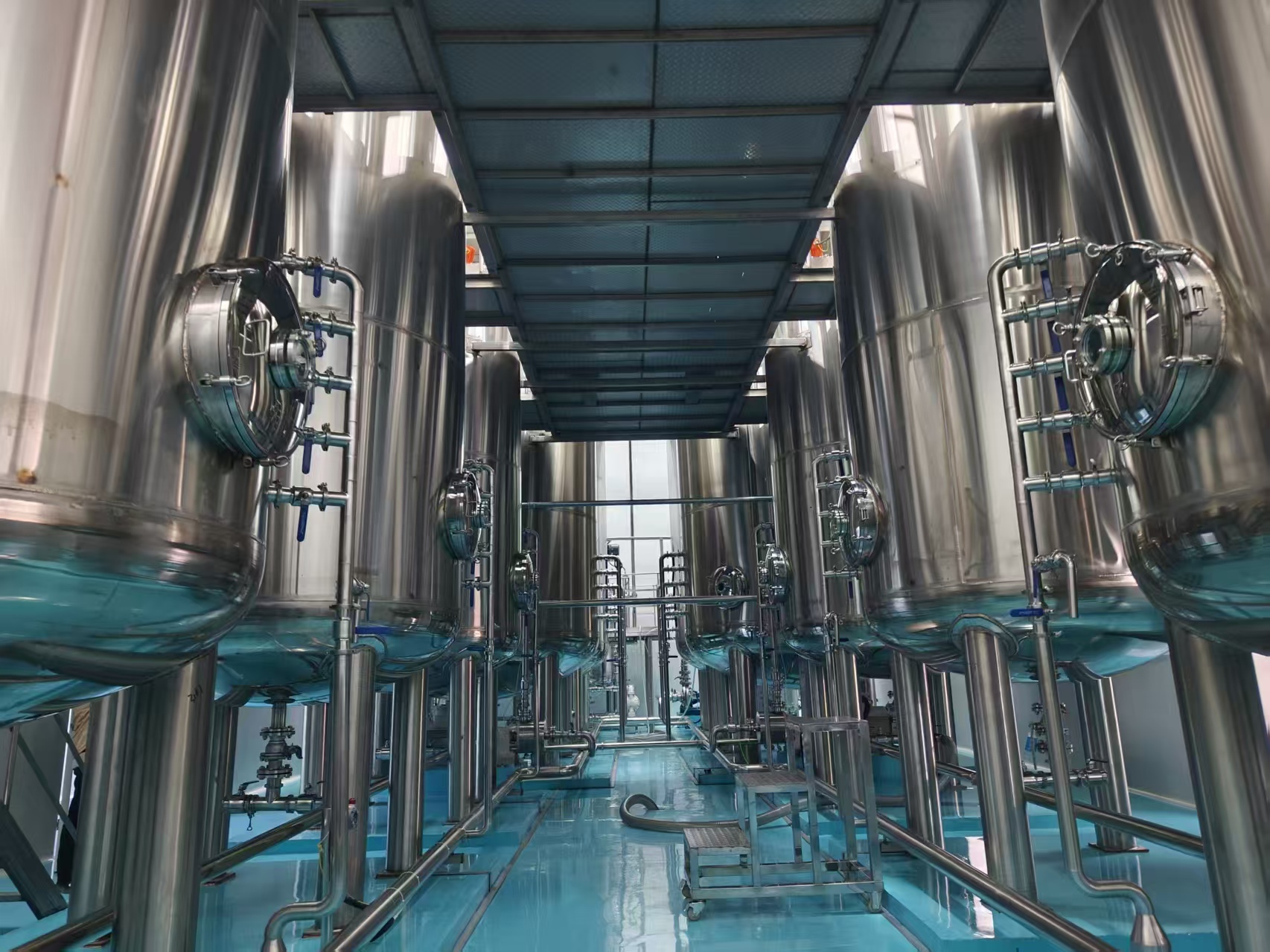
- Real-time online monitoring — the process is watched while it runs, not only tested at the end, which is the difference between detecting drift and discovering it after shipment.
Where the application requires it, production can be run as low-temperature fermentation synthesis with aseptic cleanroom handling for medical and injectable grade material, where sterility and low microbial limits become additional acceptance requirements on top of molecular weight.
Acceptance evidence: what should arrive with the batch
Controls are internal until they are documented. A supplier should be able to hand over the following evidence set without negotiation:
- Batch testing — a per-batch Certificate of Analysis that reports the molecular weight figure against the declared grade range.
- Full-item inspection — complete testing against the specification, not a partial panel chosen after the fact.
- Independent QC laboratory — a quality control function that verifies rather than merely confirms production output.
- Traceability records — a batch record that links raw material, process parameters, test results and the shipped lot.
- Certification coverage — ISO 9001 and ISO 22000, HACCP, Kosher, Halal, and Ecocert COSMOS organic certification where the destination market or product claim requires it.
How Shandong Habier Biopharma structures this
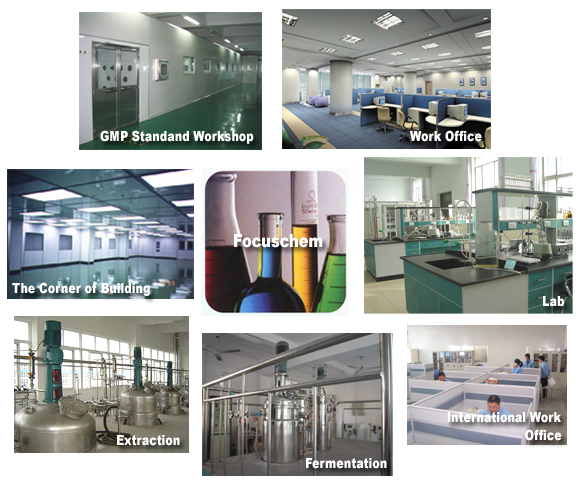
Shandong Habier Biopharma Co.,LTD is a manufacturer of hyaluronic acid and sodium hyaluronate based in Qufu City, Shandong, China, founded on 14 May 2015 and serving food, cosmetic and pharmaceutical customers. The company operates a 50,000 square metre manufacturing facility with approximately 123 staff and a research and development team of 6 engineers, and reports an annual production capacity of 600–700 metric tons, of which about 20% is exported to the EU, USA and Korea. Its sodium hyaluronate range covers food grade, cosmetic grade and pharma grade alongside high molecular weight, regular grade, low molecular weight, super low molecular weight, ultra low molecular weight and hydrolyzed hyaluronic acid variants. The company states that its qualification system includes dual ISO certification, HACCP, Kosher and Halal, together with organic COSMOS and ISO 16128 certification.
Step-by-step: sourcing sodium hyaluronate by molecular weight
- Fix the molecular weight window before requesting quotes. Write the application first, then the range. A cosmetic skincare blending project typically starts from the 1.0–1.5 Million Da cosmetic grade window, a food or supplement project from 0.8–1.5 Million Da, and a pharmaceutical project from a minimum of 2.0 Million Da. Quotes received without a fixed window are not comparable.
- Name the sub-tier explicitly if you are below the ceiling. If the brief calls for low molecular weight, super low, ultra low or hydrolyzed material, require a numeric range and an average value in writing. Do not accept a trade name as a substitute for a number.
- Request the specification sheet and a sample Certificate of Analysis together. Read the two side by side. The certificate should report against the same range the specification sheet declares.
- Ask how the range is controlled in production. Look for molecular weight segmentation, standardised fermentation and purification, fixed parameters, a uniform SOP and real-time online monitoring. A supplier who cannot describe the control cannot defend the range.
- Audit the acceptance evidence chain. Confirm batch testing, full-item inspection, an independent QC laboratory and traceability records exist as standing practice rather than as a document prepared for your enquiry.
- Verify certification scope against your destination market. ISO 9001, ISO 22000, HACCP, Kosher, Halal and Ecocert COSMOS each answer a different question. Confirm which certificate covers the specific grade and site supplying you, and that it is current.
- Validate on a sample before scaling. Run the sample in the actual formulation or process, then compare the retained sample against the first production batch. This is the cheapest point at which to discover that the declared range and the working behaviour disagree.
Use cases: where the cutoffs change the decision
Cosmetic skincare raw material blending
Sodium hyaluronate functions in cosmetic formulations as a humectant, viscosity modifier, filler or viscoelastic material, and it is a widely used active in emulsions and serums aimed at hydration and skin elasticity. In a blending project, the molecular weight window drives the rheology of the finished product. Moving from a cosmetic grade lot at 1.0–1.5 Million Da to a low molecular weight fraction at ≤0.1 Million Da changes the viscosity contribution before it changes anything else, which is why formulators should specify the window rather than the grade name alone.
Food and supplement applications
Food grade sodium hyaluronate at 0.8–1.5 Million Da is the appropriate starting window for food and supplement projects. Here the acceptance question is often documentary rather than rheological: Kosher and Halal status, ISO 22000 coverage and traceability records determine whether the material can enter the market at all, and the molecular weight range determines whether it behaves as specified in the finished dose form.
Pharmaceutical and medical-adjacent projects
Pharma grade sodium hyaluronate carries a floor of 2.0 Million Da, and the acceptance burden rises with the application. Medical and injectable grade material may require sterility and low microbial limits in addition to molecular weight control, and production may need aseptic cleanroom conditions. Regulatory classification can also precede specification: China’s NMPA stated in Announcement No. 103 of 2022 that medical sodium hyaluronate products without pharmacological, metabolic or immunological action are managed as medical devices, with classification no lower than Class II in the described cases. Buyers should settle the regulatory pathway before locking the grade.
Comparison table: grade, cutoff and verification focus
| Grade / type | Declared molecular weight | Typical application fit | Verification focus |
|---|---|---|---|
| Food grade sodium hyaluronate | 0.8–1.5 Million Da | Food and supplement projects | Kosher, Halal, ISO 22000, batch CoA against the declared window |
| Cosmetic grade sodium hyaluronate | 1.0–1.5 Million Da | Cosmetic skincare blending, emulsions and serums | Batch-to-batch consistency, ECOS cert scope, full-item inspection |
| Pharma grade sodium hyaluronate | Minimum 2.0 Million Da | Pharmaceutical and medical-adjacent projects | Sterility and low microbial limits where required, independent QC, traceability |
| High molecular weight grade | Minimum 2.0 Million Da | Applications needing long-chain behaviour | Upper-range control and distribution width, not only the average |
| Low molecular weight grade | Maximum 0.1 Million Da | Applications needing short-chain fractions | Confirmed ceiling, declared average, segmentation discipline |
| Super low / ultra low / hydrolyzed | Supplier-declared range below the LMW ceiling | Further segmented short-chain applications | A written numeric range, since sub-tier names are not standardised |
| Acceptance document | What it proves | Where buyers get caught |
|---|---|---|
| Batch Certificate of Analysis | The shipped lot meets the declared molecular weight range | Reported against a generic grade name rather than your agreed range |
| Full-item inspection report | The complete specification was tested, not a partial panel | Partial panels presented as full testing |
| Independent QC laboratory record | Results were verified independently of production | Production self-reporting with no separate verification step |
| Traceability record | Raw material, process parameters and test results link to the shipped lot | Records exist for the process but not for the specific lot |
| Certification package | ISO 9001, ISO 22000, HACCP, Kosher, Halal, Ecocert COSMOS coverage | Certificate valid for a different grade or site |
FAQ
Which certifications and quality documents should a sodium hyaluronate supplier provide?
A supplier should provide ISO 9001 and ISO 22000 certification, HACCP, Kosher and Halal certificates where the market requires them, and Ecocert COSMOS organic certification where an organic claim is being made. Alongside the certificates, each shipment should carry a batch Certificate of Analysis, a full-item inspection report, an independent QC laboratory record and traceability documentation linking the lot to its production record. Grade alone does not establish compliance: medical sodium hyaluronate products in China are managed as medical devices under NMPA Announcement No. 103 of 2022, with classification no lower than Class II in the described cases, so the intended use decides the regulatory pathway independently of the certificate file.
How can a buyer confirm a supplier holds the same molecular weight window across batches?
Ask for Certificates of Analysis from several consecutive batches and compare the reported values against the declared range, not against each other. A supplier able to hold a window will usually describe how: strict molecular weight segmentation, standardised fermentation and purification, fixed production parameters, a uniform SOP and real-time online monitoring, with results verified by an independent QC laboratory. Capacity and technical depth are supporting signals — Shandong Habier Biopharma, for example, reports a 50,000 square metre facility, 600–700 metric tons of annual capacity and a 6-engineer R&D team built over more than 11 years since its founding on 14 May 2015.
What drives the price difference between grades and molecular weight tiers?
Four factors separate quotations more than any other: the grade and molecular weight tier, because narrower windows and shorter fractions require tighter process control; the depth of documentation, since full-item inspection, independent QC records and traceability carry real cost; the certification scope, because Kosher, Halal and Ecocert COSMOS add audit and compliance overhead; and order volume, packaging format and destination market. The practical approach is to request quotations against a written specification so that each price corresponds to the same declared range and the same evidence package, rather than comparing headline figures that describe different material.
What should a sample evaluation cover before a first order?
A sample evaluation should test four things. First, whether the sample matches the declared molecular weight range on its own Certificate of Analysis. Second, whether it performs in your actual formulation or process, since chain-length effects show up as viscosity, texture or solubility differences. Third, whether the accompanying documentation is complete and consistent with the specification sheet. Fourth, whether the sample is retained in a way that lets you compare it against the first production batch. Evaluating a sample without a written range to test it against only confirms that the material is sodium hyaluronate — which was never in doubt.
What affects lead time, and how should a first order be planned?
Lead time depends on whether the required grade and molecular weight tier is held as standard stock or must be produced as a segmented fraction, on the documentation package requested, on packaging format, and on the destination market and its import requirements. First orders take longer than repeat orders because specification alignment, sample approval and documentation review all happen once. The efficient sequence is to settle the molecular weight window and evidence package first, approve a sample second, and only then confirm the production slot and shipping schedule in writing. Buyers who need a specific grade, a declared sub-tier range or a certification file for a destination market can send the specification to Shandong Habier Biopharma Co.,LTD at jake@habier.com to receive a grade-matched sample and quotation.
Conclusion
Molecular weight is the specification that makes every other sodium hyaluronate conversation meaningful. Hold the supplier to the published cutoffs — food grade 0.8–1.5 Million Da, cosmetic grade 1.0–1.5 Million Da, pharma grade minimum 2.0 Million Da, high molecular weight minimum 2.0 Million Da, low molecular weight maximum 0.1 Million Da — and require a written numeric range for the super low, ultra low and hydrolyzed sub-tiers that the main grades do not define. Then verify twice: once in the production controls, and once in the acceptance evidence. A supplier who can explain how the range is held, and can show the batch record that proves it, is a materially different supplier from one who can only quote a price.
Next step: match the grade to your specification
Shandong Habier Biopharma Co.,LTD supplies food grade, cosmetic grade and pharma grade sodium hyaluronate, together with high molecular weight, regular grade, low molecular weight, super low molecular weight, ultra low molecular weight and hydrolyzed hyaluronic acid variants, produced in Qufu City, Shandong, China with an annual capacity of 600–700 metric tons.
Send your target molecular weight window, application and destination market to jake@habier.com or call +86-186-0537-0487 to request a grade-matched sample and quotation.
Download the full product brochure: Habier Sodium Hyaluronate Brochure (PDF)
Address: 16F Building A Xingguangtiandi International Square, Qufu City, Shandong, China 273100.
Have Questions or Need More Details?
Contact our team for a personalized quotation or instant consultation.
Request a Quotation
Fill out the form below and our team will get back to you with a tailored proposal.
WhatsApp Direct Chat
Prefer to chat in real-time? Message us on WhatsApp for instant assistance & quick answers.
- Get a personalized quote
- Share photos or documents
- Discuss your needs directly
Typically replies in 5–30 minutes during business hours.