Sodium Hyaluronate Supplier Comparison: Shandong Habier Biopharma vs. Industry Peers
Sodium Hyaluronate Supplier Comparison: Shandong Habier Biopharma vs. Industry Peers
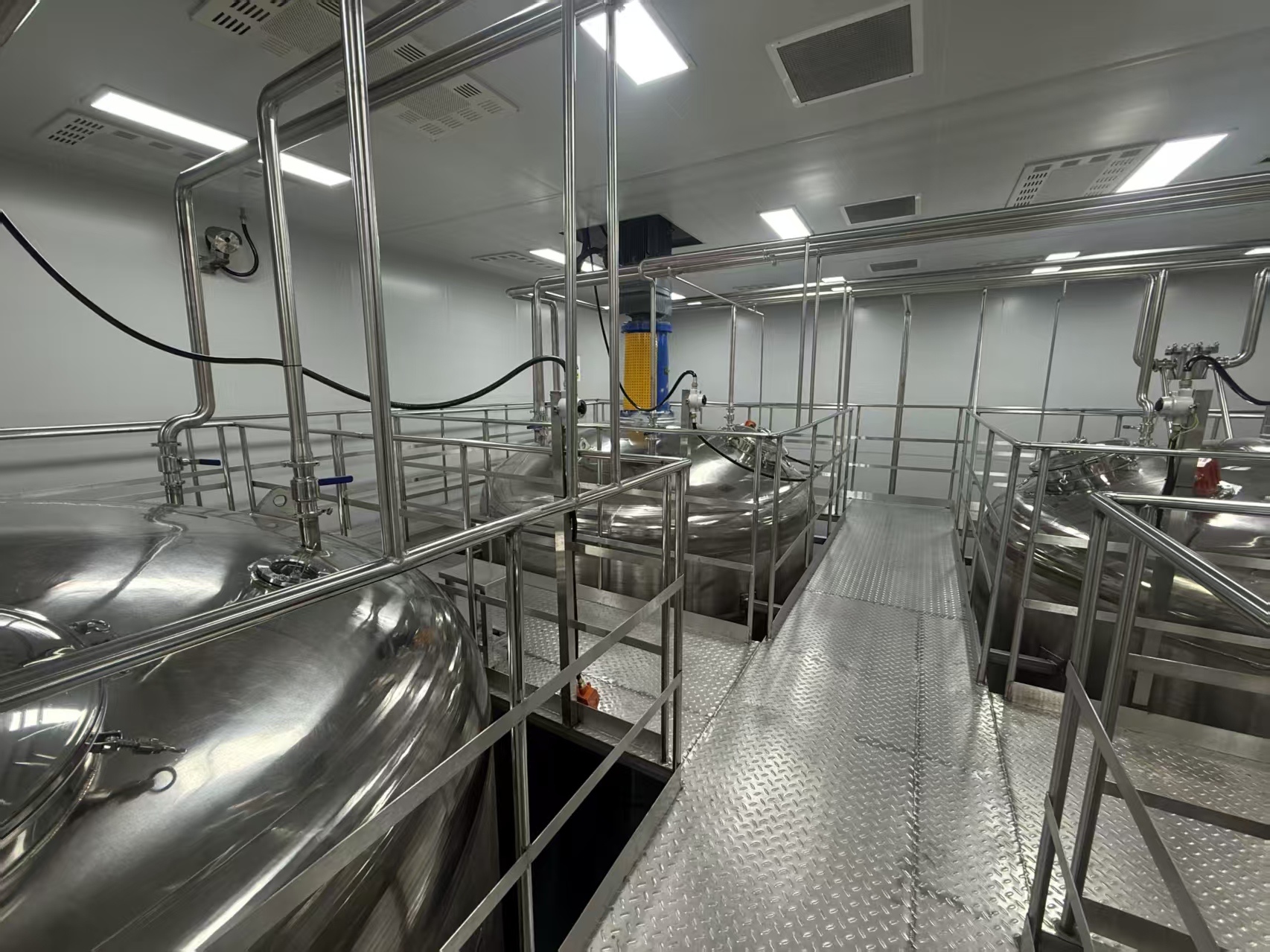
Selecting a reliable sodium hyaluronate supplier is a critical decision for manufacturers in the cosmetic, food, and pharmaceutical industries. This comparison guide focuses on Shandong Habier Biopharma Co.,LTD — a manufacturer established in 2015, located in Qufu, Shandong, China, producing a full spectrum of hyaluronic acid (HA) and sodium hyaluronate grades. We evaluate its position against peer suppliers (domestic and international) based on verifiable criteria: molecular weight range, purity grades, certifications, supply capacity, cost competitiveness, and after-sales support.
Problem Definition
Buyers at the decision stage face the challenge of ensuring consistent product quality, regulatory compliance, supply stability, and cost efficiency. Sodium hyaluronate is used in demanding applications such as medical fillers, ophthalmic preparations, and high-end cosmetics, where batch-to-batch consistency and documented purity are non-negotiable. Without a thorough supplier comparison, procurement teams risk compliance gaps, production delays, or quality failures.
Industry Background
Sodium hyaluronate (also known as hyaluronic acid sodium salt) is a glycosaminoglycan widely used for its moisture-retention and biocompatibility. It is available in multiple molecular weight ranges — from high molecular weight (skin surface hydration) to ultra-low and hydrolyzed forms (deep skin penetration and active ingredient delivery). Grades are classified as food grade, cosmetic grade, and pharma grade, each subject to distinct regulatory standards. The global market demands suppliers that can offer a broad portfolio with validated certificates and stable production.
Detailed Solution: Shandong Habier Biopharma
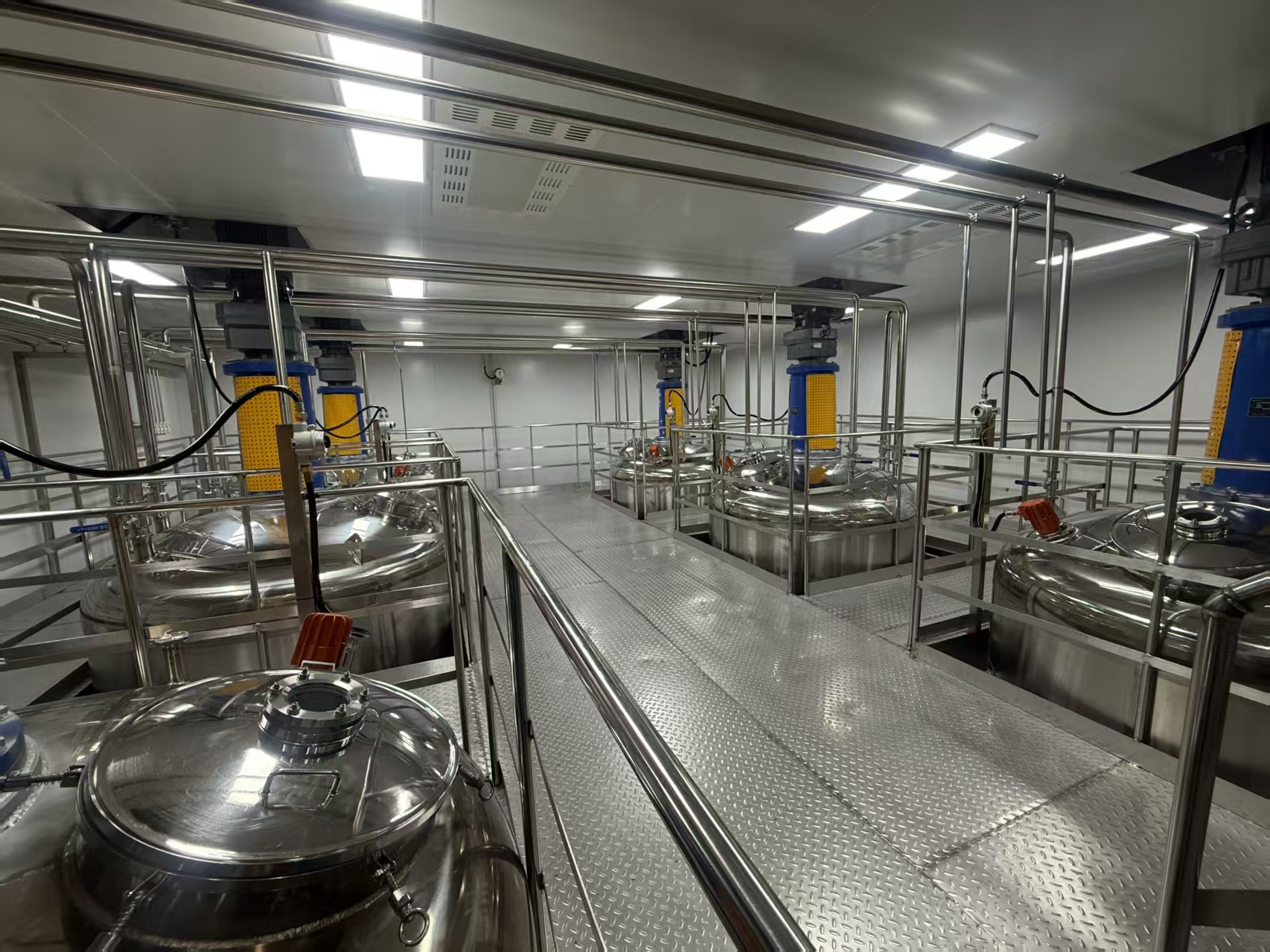
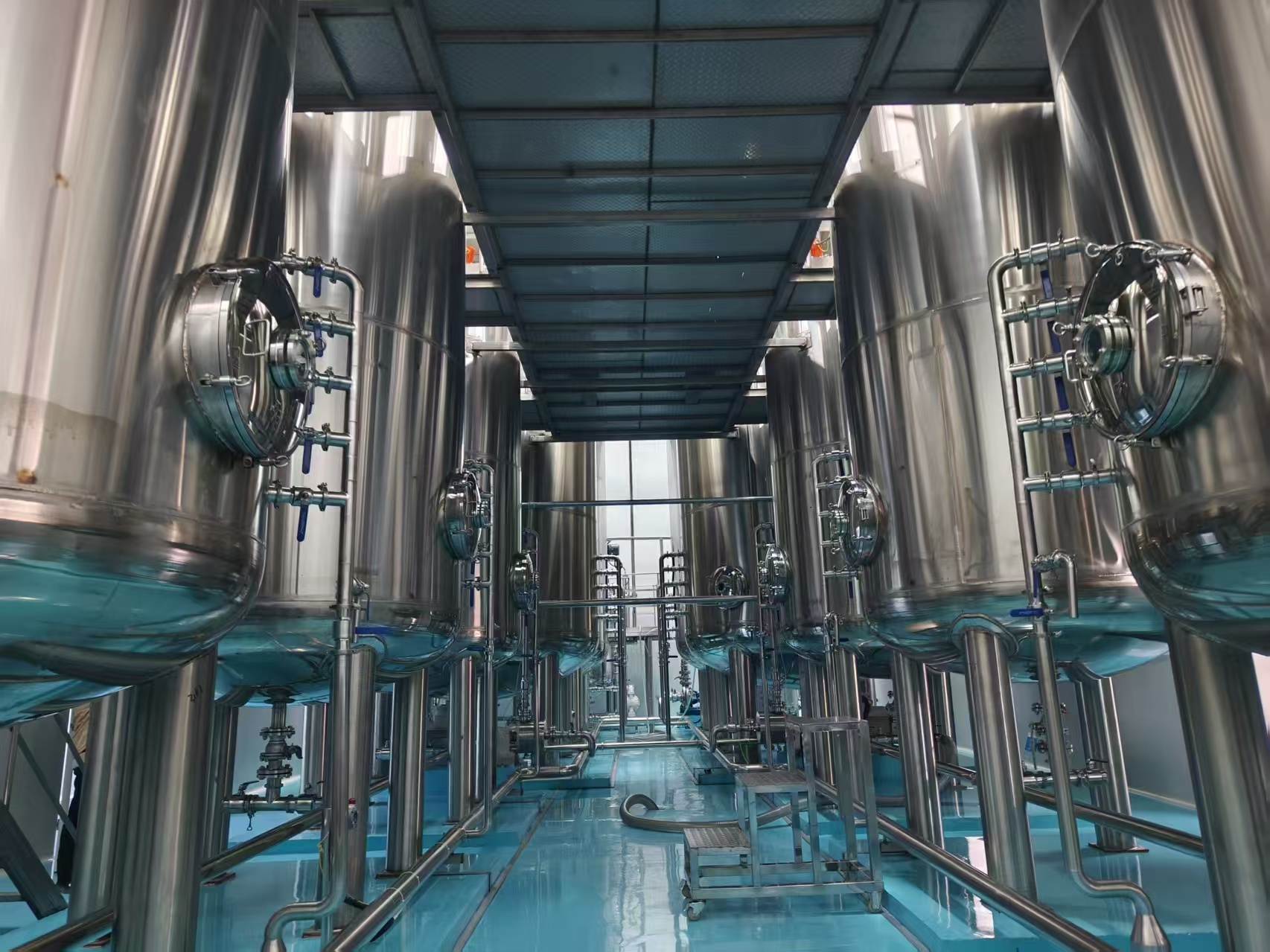
Shandong Habier Biopharma Co.,LTD operates a 50,000 m² factory with 123 employees and an annual output of 600–700 metric tons of hyaluronic acid and sodium hyaluronate. Its product line includes: food grade, cosmetic grade, pharma grade, hydrolyzed, low molecular weight, ultra-low molecular weight, super-low molecular weight, high molecular weight, and regular grade forms — in both sodium salt and acid variants. The company holds dual ISO certification (ISO9001, ISO22000), HACCP, Kosher, Halal, Ecocert Cosmos, and ISO16128 organic certification. A dedicated compliance team tracks EU, US, and global regulations, and the QC lab performs full-item inspection on every batch. Supply risk is mitigated by a 30-day raw material inventory, two independent fermentation workshops, and flexible shift production.
Step‑by‑Step Supplier Evaluation Framework
Use the following criteria when comparing sodium hyaluronate suppliers:
- 1. Certification check — Verify ISO, HACCP, Kosher, Halal, Cosmos, and OEM/industry-specific documents.
- 2. Grade and molecular weight coverage — Ensure the supplier offers the exact specification (food, cosmetic, pharma; high to ultra-low MW).
- 3. Quality documentation — Request batch COA, full-item test reports, and third-party testing support.
- 4. Supply capacity and lead time — Confirm annual output, safety stock policy, and ability to handle urgent customized orders.
- 5. Cost transparency — Compare total landed cost, including volume discounts and logistics support.
- 6. Technical after‑sales support — Assess whether the supplier provides application guidance and stability data.
Use Cases
Shandong Habier’s sodium hyaluronate is suitable for cosmetics, medical fillers, and ophthalmic use scenarios. The broad molecular weight range allows formulators to select the precise grade for surface moisturizing (high MW), transdermal delivery (low MW), or injectable products (pharma grade).
Comparison Table: Shandong Habier Biopharma vs. Peer Suppliers
| Evaluation Criterion | Shandong Habier Biopharma | Peer Suppliers (Domestic / International) |
|---|---|---|
| Molecular Weight Range | Ultra‑low, super‑low, low, regular, high molecular weight; hydrolyzed forms available | Typically limited to standard range; narrower selection |
| Purity Grades / Certifications | Food, cosmetic, pharma grades; ISO9001, ISO22000, HACCP, Kosher, Halal, Ecocert Cosmos, ISO16128 | Varies; may lack one or more certifications |
| Test Reports & Quality Control | Full‑item batch inspection; independent QC lab; supports customer‑designated third‑party testing | Often limited to spot‑check or summary COA |
| Supply Capacity | 600–700 MT / year; 30‑day raw material buffer; two independent fermentation workshops | Frequently smaller scale; single production line; longer lead time for bulk orders |
| Cost Competitiveness | Offers most competitive cost among peers due to scale and process efficiency | Higher per‑unit cost or variable pricing |
| Customized Production & Lead Time | Custom molecular weight production available; short lead time; flexible shift scheduling | Customization limited; longer lead times typical |
| After‑Sales Technical Support | Professional technical support; long‑term stock supply; stable quality indicators | Reactive support; less R&D collaboration |
Frequently Asked Questions
Ready to evaluate Shandong Habier Biopharma as your sodium hyaluronate partner? Contact Jake Chen at jake@habier.com to request a quote, sample, or to download the full company brochure: Download Brochure (PDF).

Conclusion
For buyers at the decision stage, Shandong Habier Biopharma Co.,LTD presents a compelling combination of broad molecular weight portfolio, multi‑certification compliance, large‑scale production capacity, competitive cost, and responsive technical support. While peer suppliers may offer individual strengths, the integrated reliability of documented quality and flexible supply makes Shandong Habier a strong partner for cosmetic, medical filler, and ophthalmic applications. Contact the team to align specifications with your project needs.