
Sodium Hyaluronate for Cosmetics: Choosing the Right Molecular Weight
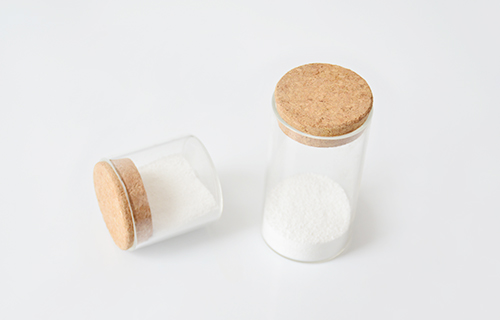
Sodium hyaluronate is the sodium salt form of hyaluronic acid, and in cosmetic manufacturing it is supplied as a family of grades rather than a single raw material. Within that family, molecular weight is the variable that most directly shapes how the ingredient behaves in a finished formula — and it is the variable buyers most often leave unspecified.
For a cosmetic brand, choosing the right molecular weight is a specification decision before it is ever a marketing one. The same chemical name can sit behind a light aqueous essence, a rich leave-on mask, or a blend designed to carry more than one hydration claim, and the practical difference is usually the molecular weight band written into the raw material specification.
This guide is written for cosmetic brands, formulators and ingredient buyers who have already decided to use sodium hyaluronate and now need to match a molecular weight to a specific product type and claim. It sets out the grade map published by Shandong Habier Biopharma Co., LTD, the decision sequence to follow, the project conditions that influence the choice, and the questions worth settling before a specification is locked.
The Problem: A Specification Gap Between Claim and Raw Material
Most formulation problems attributed to "hyaluronic acid" are specification problems. A brief that lists sodium hyaluronate without a molecular weight band does not give a supplier enough information to guarantee the behaviour the brand intends, because molecular weight is what separates one hyaluronic acid raw material from another under the same chemical identity.
Three failure modes recur in cosmetic projects:
- Claim-to-grade misalignment. A product positioned around a light, fast-spreading texture is specified with a grade chosen mainly for body and viscosity, and the sensory result contradicts the claim on the pack.
- Single-grade thinking. Brands assume one molecular weight must serve every function, when the material is documented as acting as a humectant, a viscosity modifier, a filler or a viscoelastic material depending on the project. Those roles are not delivered equally by every band.
- Batch variability. When molecular weight is not written into the specification with tolerance, incoming lots can differ enough to shift texture, viscosity or stability between production runs.
The decision rule that avoids all three: choose molecular weight backwards from the claim and the product format, not from price, habit or a previous project. A brand that starts with the claim will usually find that only one or two bands are genuinely in scope.
Industry Background: Why Cosmetic Grade Is the Largest Segment
Cosmetic grade is not a niche inside the hyaluronic acid raw material market — it is the largest part of it. Grand View Research reported that the cosmetic grade segment held 61.91% of the hyaluronic acid raw material market in 2025. Reports and Data valued the global sodium hyaluronate raw material market at approximately USD 504 million in 2024, driven by cosmetic and medical demand.
That concentration creates claim competition. In China's cosmetic ingredient filings in the first half of 2024, sodium hyaluronate remained a top-tier classic ingredient for hydrating masks and essences, according to Plamed Group. When a raw material is that widely used, differentiation shifts away from "contains hyaluronic acid" and towards which molecular weight profile can honestly support the claim being made.
Grade separation is widening at the same time. Food grade sodium hyaluronate, specified at 0.8–1.5 Million Da, is tracked as its own market, estimated at USD 0.5 billion in 2024 with a projected CAGR of 8.5% through 2034 (Reports and Data). Pharma grade material is specified at a minimum of 2.0 Million Da and must meet USP-NF, European Pharmacopoeia (EP) and JP standards, typically with endotoxin levels below 0.05 EU/mg. Cosmetic projects sit between those poles, which gives formulators the widest freedom — and the widest room for error.
The Molecular Weight Map: What Is Available for Cosmetic Projects
The published Habier range separates sodium hyaluronate by grade and by molecular weight band. Cosmetic grade is specified at 1.0–1.5 Million Da and is the standard starting point for skincare, masks and essences. High molecular weight grade is specified at a minimum of 2.0 Million Da. Low molecular weight grade is specified at a maximum of 0.1 Million Da.
Beyond those bands, hydrolyzed sodium hyaluronate, ultra low molecular weight sodium hyaluronate and super low molecular weight sodium hyaluronate are offered as distinct product types for projects that need a lower molecular weight profile than the standard cosmetic band delivers. These are separate specifications, not decorative synonyms, and the exact numeric band for each product type should be confirmed with the supplier during sampling.
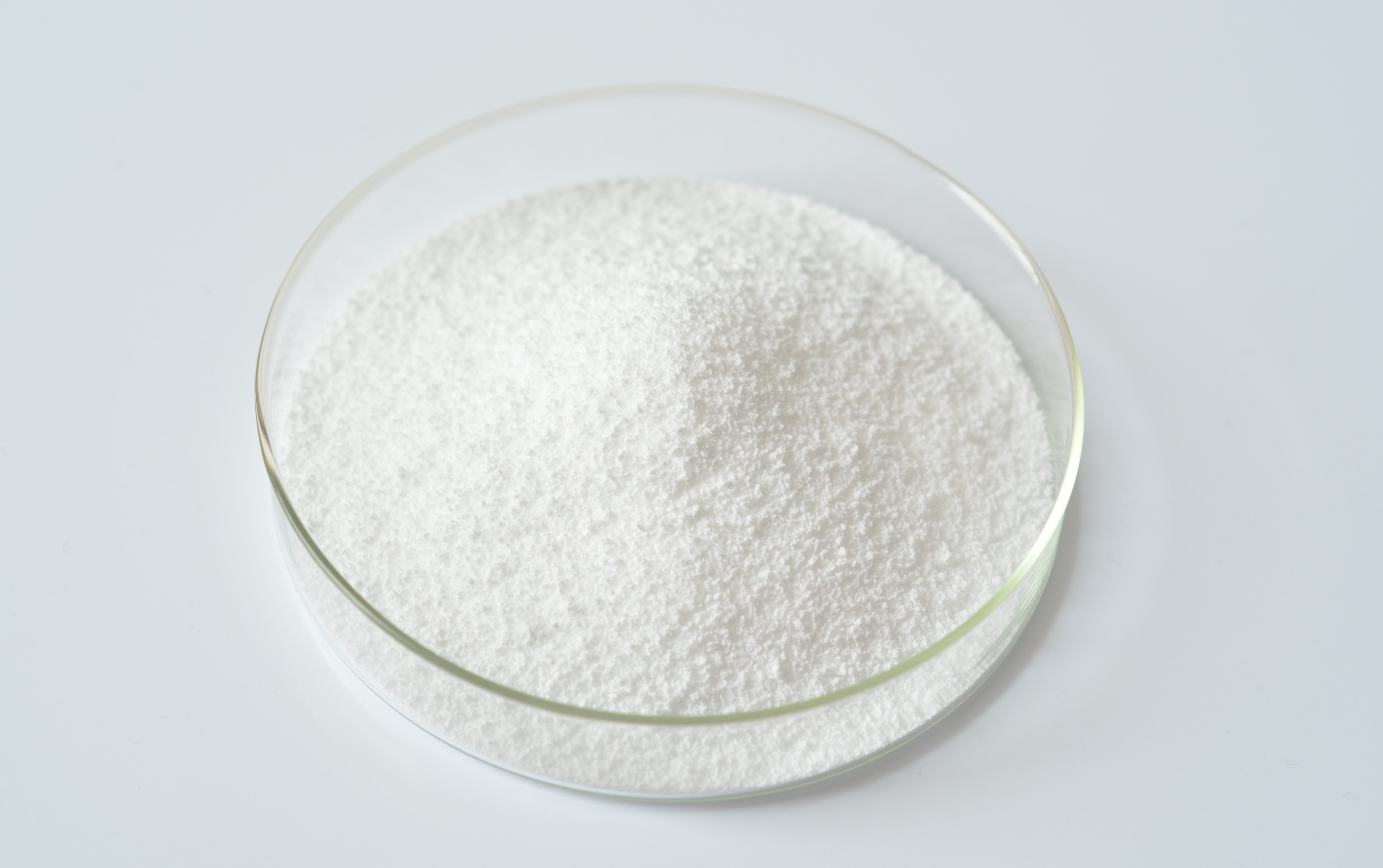
Food grade (0.8–1.5 Million Da) and Pharma grade (minimum 2.0 Million Da) sit alongside the cosmetic bands. They matter to a cosmetic brand for a practical reason: if the same company also runs supplement or medical lines, sourcing all grades from one partner keeps documentation, naming and quality records consistent across the portfolio.
Naming convention is a common source of confusion. Sodium hyaluronate and hyaluronic acid describe the salt form and the acid form of the same molecule, and suppliers list both naming conventions across the grade range, so "cosmetic grade hyaluronic acid" and "cosmetic grade sodium hyaluronate" refer to the same material family. What changes performance is not the label but the molecular weight band behind it.
Three rules for reading any molecular weight map:
1. Match the band to the format first — a viscosity-sensitive essence and a film-forming leave-on product rarely want the same specification.
2. Treat low, ultra low, super low and hydrolyzed as separate specifications rather than interchangeable options.
3. Do not assume a higher or lower number is automatically better. The correct band is the one that supports the claim you intend to make.
Step-by-Step: Choosing a Molecular Weight for a New Cosmetic Product
Step 1 — Write the claim in one sentence
Before opening a specification sheet, reduce the product claim to a single testable sentence, for example: "a lightweight essence that hydrates without a heavy after-feel." That sentence defines the texture, the sensory target and the stability expectations, and it is the only reliable input for a molecular weight decision. Claims written after the raw material is chosen tend to be claims the formula cannot keep.
Step 2 — Translate the claim into a molecular weight direction
Formulation practice generally treats molecular weight as the main lever on behaviour: higher bands are commonly selected where body, surface hold or film-forming character is wanted, while lower and hydrolyzed types are chosen where a lighter, less structuring profile is the objective. These are formulation conventions, not clinical claims, and they must be validated in your own base.
Step 3 — Decide whether one band or a blend fits
Many commercial cosmetic formulas combine more than one band so that a single product can carry several functions at once — humectant, viscosity modifier, filler or viscoelastic material. Deciding this early prevents the common situation where a brand specifies a single grade, then reformulates mid-project because the texture does not match the brief.
Step 4 — Check process and equipment fit
Molecular weight decisions interact with the production line. Habier hyaluronate is produced through low-temperature fermentation synthesis, with aseptic cleanroom production applied for medical and injection grade work. Supporting equipment includes fermentation bioreactors, ultrafiltration purification equipment, sterile mixing tanks, vacuum emulsifiers, cleanroom filling machines, low-temperature drying ovens, and microbial and heavy metal testing instruments. Where a cosmetic project also feeds a medical or injectable line, note that medical and injectable grade products may require sterility and low microbial limits — a constraint that should be raised at specification stage, not at scale-up.

Step 5 — Validate with a sample before locking the specification
Molecular weight selection should be confirmed in the actual formula. Habier supplies free samples with after-sales quality tracking and a minimum order quantity of 1 kg, which allows a brand to test a specific band at pilot scale before committing to bulk. Samples are also the right stage to compare two adjacent bands side by side and to check how each behaves in your existing base.
Step 6 — Lock specification, documentation and supply terms
Only after sampling should the specification be frozen: the molecular weight band, purity requirements, documentation for your market, and pack format. Production operates 24/7 against a monthly capacity of 50–60 tons, with a lead time of 5–8 days and 100% full inspection before delivery. A specification finalised before sampling is usually a specification that has to be renegotiated later.
Use Cases: Where the Molecular Weight Decision Plays Out
Hydrating masks and essences
Sodium hyaluronate remained a top-tier classic ingredient for hydrating masks and essences in China's cosmetic ingredient filings in the first half of 2024 (Plamed Group). In these formats the molecular weight decision is largely a texture decision, because the claim is built around how the product feels on application as much as what it contains.
US cosmetic skincare raw material blending projects
In a typical US cosmetic skincare raw material blending project, the material functions as humectant, viscosity modifier, filler or viscoelastic material within the same formula. Projects of this type run continuously, with production operating 24/7, and the formulation team needs a band that behaves predictably across repeat blending runs rather than a band that only performs on the first trial.
Brands running cosmetic and supplement lines together
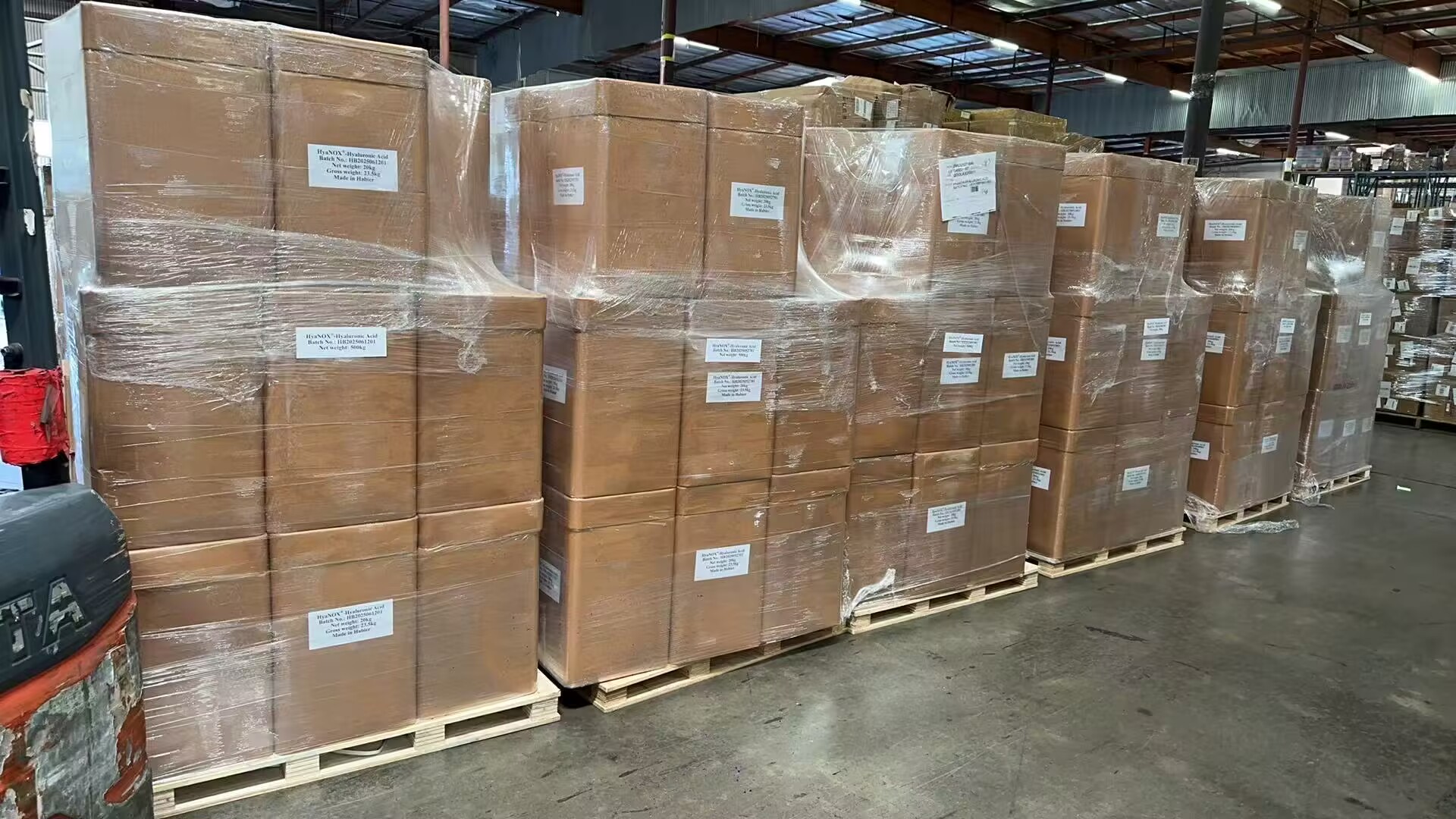
A US-based natural cosmetic and health supplement importer has taken 4,733 KG of Habier hyaluronic acid raw material for both cosmetic raw material and oral health care supplement applications, on a long-term stable basis, with customs clearance supported by a valid USDA import permit. The sourcing logic behind orders of that pattern is usually consistency: one partner, one documentation trail, and molecular weight bands that stay stable across repeat orders.
Comparison Table: Sodium Hyaluronate Grades and Molecular Weight at a Glance
| Grade / product type | Molecular weight specification | What it means for a cosmetic project |
|---|---|---|
| Cosmetic grade sodium hyaluronate / cosmetic grade hyaluronic acid | 1.0–1.5 Million Da | Standard band for skincare, masks and essences; the cosmetic grade segment held 61.91% of the HA raw material market in 2025 (Grand View Research) |
| High molecular weight grade | Min. 2.0 Million Da | Highest listed band; shares its minimum specification with pharma grade |
| Low molecular weight grade | Max. 0.1 Million Da | For projects specifying a lower band; validate against the intended texture and claim |
| Hydrolyzed sodium hyaluronate | Listed as a distinct product type; confirm the numeric band with the supplier | Selected when a lower molecular weight profile is required than the standard cosmetic band provides |
| Ultra low / super low molecular weight sodium hyaluronate | Listed as distinct product types; confirm the numeric band with the supplier | Same logic as hydrolyzed types — separate specifications, not synonyms |
| Food grade | 0.8–1.5 Million Da | Relevant when a brand also runs supplement lines; separate market tracked at USD 0.5 billion in 2024 (Reports and Data) |
| Pharma grade | Min. 2.0 Million Da | Must meet USP-NF, EP and JP standards; endotoxin levels typically below 0.05 EU/mg |
FAQ: Choosing Cosmetic Grade Sodium Hyaluronate
What certifications and documentation should a cosmetic brand expect with sodium hyaluronate?
Shandong Habier Biopharma Co., LTD operates a dual ISO certification system (ISO 9001 and ISO 22000) together with HACCP, Kosher and Halal, and its products are certified as organic COSMOS and ISO 16128. Cosmetic grade itself is specified at 1.0–1.5 Million Da. If a project moves towards medical or injectable use, the documentation set changes: medical and injectable grade products may require sterility and low microbial limits, and pharma grade material must meet USP-NF, European Pharmacopoeia and JP standards with endotoxin levels typically below 0.05 EU/mg. Grade and documentation should be confirmed together, not separately.
Can a supplier adjust molecular weight or purity for a specific cosmetic formula?
Habier operates OEM and ODM production with purity adjustment as the customization option, on a monthly capacity of 50–60 tons. Production uses low-temperature fermentation synthesis and can support aseptic cleanroom production for medical and injection grade requirements, with supporting equipment that includes fermentation bioreactors, ultrafiltration purification equipment, sterile mixing tanks, vacuum emulsifiers, cleanroom filling machines, low-temperature drying ovens, and microbial and heavy metal testing instruments. In practice, this means a brand can request a defined molecular weight band and a purity level matched to its formula rather than accepting a single fixed catalogue specification.
What drives the cost of cosmetic grade sodium hyaluronate?
Pricing in this category is quoted per project rather than published as a list price, and the drivers are the specification factors the buyer controls: the molecular weight band, whether one grade or a blend is required, any purity adjustment, the documentation and certification needed for the destination market, and the pack format. Because the minimum order quantity is 1 kg, a brand can validate a specific molecular weight at pilot scale before committing to bulk volumes — which typically has a larger effect on total project cost than negotiating a unit price on an unvalidated specification.
Can we test a specific molecular weight before placing a bulk order?
Yes. Habier provides free sample supply with after-sales quality tracking, and the minimum order quantity is 1 kg. Sampling is the correct stage to confirm behaviour in your own formula, because molecular weight selection should be verified against the intended claim in the actual base rather than assumed from a data sheet. A side-by-side sample comparison of two adjacent bands is usually enough to settle the specification.
How long does a bulk order take, and how is quality confirmed?
Lead time is 5–8 days against a monthly capacity of 50–60 tons, with 100% full inspection before delivery, and production operates 24/7. For reference on repeat supply, a US-based natural cosmetic and health supplement importer has taken 4,733 KG of Habier hyaluronic acid raw material for cosmetic and oral care applications on a long-term stable basis, with customs clearance supported by a valid USDA import permit. As a next step, you can request a free sample matched to your target molecular weight, or ask for a project quote based on your grade, purity and documentation requirements.
Conclusion: The Right Molecular Weight Is the One Your Claim Can Keep
Choosing a molecular weight for cosmetic sodium hyaluronate is not a technicality to settle after formulation. Cosmetic grade sits at 1.0–1.5 Million Da, high molecular weight grade at a minimum of 2.0 Million Da, and low molecular weight grade at a maximum of 0.1 Million Da, with hydrolyzed, ultra low and super low molecular weight types offered as distinct options for lower-band requirements. The brand's job is to decide which of those bands supports the claim it intends to make — and then to confirm it with a sample before writing the specification.
Shandong Habier Biopharma Co., LTD manufactures sodium hyaluronate across food, cosmetic and pharma grades from a 50,000 m² facility in Qufu City, Shandong Province, with an annual output of 600–700 MT, a six-engineer R&D team, and exports to the EU, USA and Korea. Buyers can review the full product range at www.habier.com.
Request a Sample or a Project Quote
Match the molecular weight to your claim before you scale. Habier supplies free samples (minimum order 1 kg), quotes against your grade, purity and documentation requirements, and full technical documentation on request. Download the product brochure here: Habier Biopharma Product Brochure (PDF).
Contact: Jake Chen | Email: jake@habier.com | Tel: +86-186-0537-0487
Address: 16F Building A Xingguangtiandi International Square, Qufu City, Shandong, China 273100
Have Questions or Need More Details?
Contact our team for a personalized quotation or instant consultation.
Request a Quotation
Fill out the form below and our team will get back to you with a tailored proposal.
WhatsApp Direct Chat
Prefer to chat in real-time? Message us on WhatsApp for instant assistance & quick answers.
- Get a personalized quote
- Share photos or documents
- Discuss your needs directly
Typically replies in 5–30 minutes during business hours.