
Fire-Rated Joint Failed Inspection? Specify Firestop Silicone Sealant
Fire-Rated Joint Failed Inspection? Specify Firestop Silicone Sealant
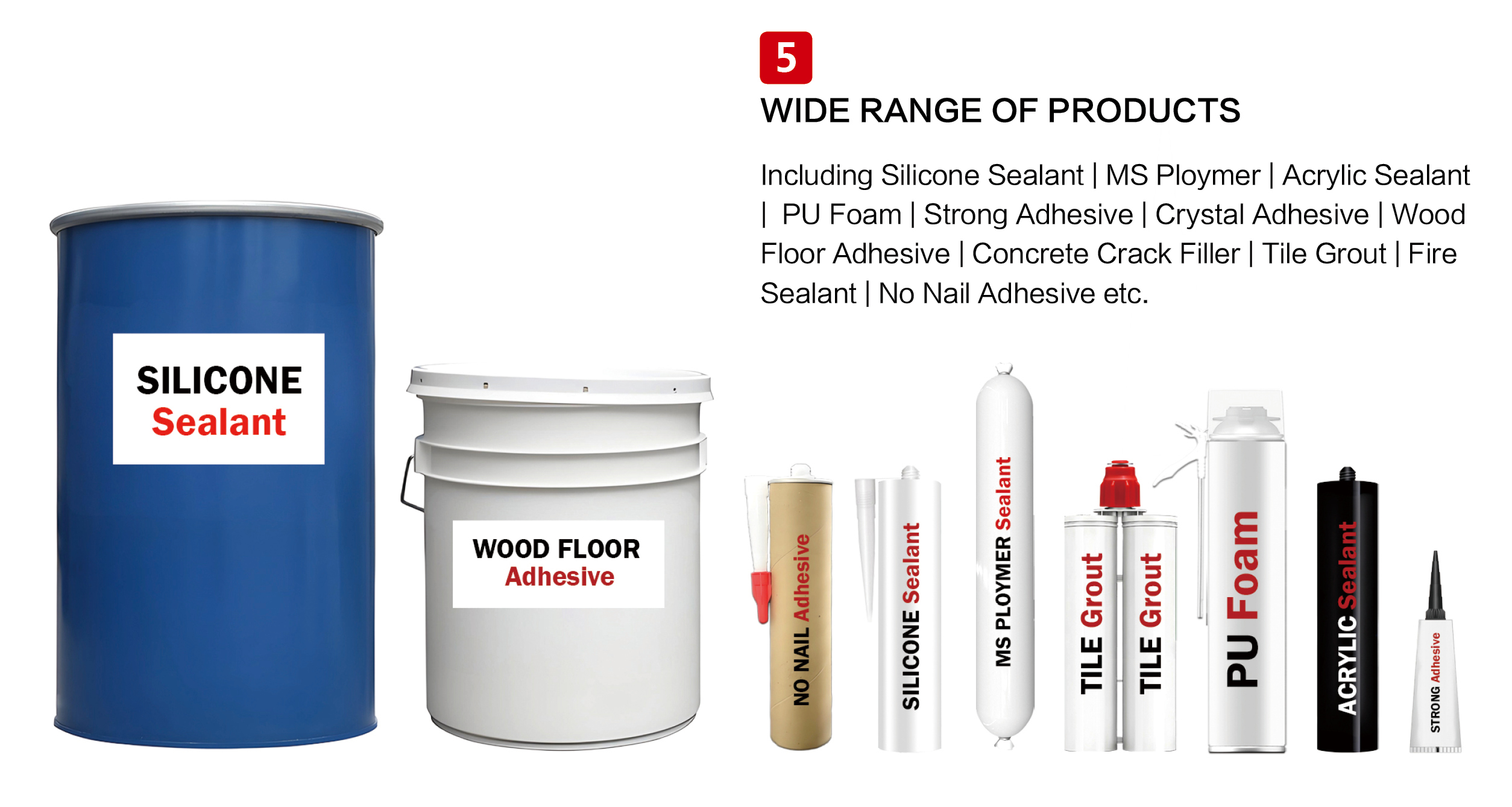
Silicone sealant supplied for construction and interior joint sealing — but only the firestop grade belongs in a fire-rated joint.
A failed fire-rated joint inspection is rarely a workmanship mystery. It is almost always a product-type problem: a fire-rated joint in a commercial interior was sealed with whatever silicone cartridge happened to be on the cart, the inspector compared the as-built joint with the joint that was specified, and the mismatch stopped the handover.
The product that a fire-rated joint calls for is a firestop silicone sealant — also written fire-rated silicone sealant. It is a defined grade with declared properties, not a general description of any flexible sealant. It is not interchangeable with the general-purpose grades used for everyday interior sealing, and it is not interchangeable with an acid-cure cartridge that looks identical once the label is covered in dust.
This article is written for the contractor, site manager or estimator on the receiving end of that inspection. It explains why a general-purpose or acid-cure sealant cannot be used as a substitute when a firestop grade is specified, and it provides an eight-point verification checklist covering product type, application scenario, and shelf-life and cure questions — so the replacement passes inspection the first time.
What a Failed Fire-Rated Joint Inspection Actually Means
At the document level, an inspection failure means one thing: the joint as built does not match the joint as specified. Everything else is detail. On interior fit-out work, three failure modes account for most cases.
- Wrong product type. A general-purpose sealant was installed where a firestop or fire-rated silicone sealant was specified. This is the most expensive failure mode, because the sealant normally has to be removed and replaced rather than covered over.
- Correct product type, wrong application scenario. The right grade was used in a joint condition it was not selected for — a substrate the grade was not chosen for, a service temperature outside its stated range, or a joint movement wider than the grade's stated capability.
- Correct product type, wrong age or storage. The right grade arrived on site past its stated shelf life, or was stored in heat or direct sunlight, so the installed material cannot be assumed to behave the way the data sheet describes.
The first mode is a purchasing and specification-control problem. The second is a specification-reading problem. The third is a storage and traceability problem. All three are caught by the same discipline: verify the product type, verify the application scenario, then verify shelf life and cure before the cartridge is opened.
Why a General-Purpose or Acid-Cure Sealant Is Not a Substitute
Grade names in a sealant catalogue are not marketing language. They map to declared properties, cure chemistry and intended service. In the Shandong Sanzeng New Materials Co., Ltd. (SANZON) range, three grades are routinely confused on site:
- SANZON FS — firestop silicone sealant / fire-rated silicone sealant, described as a flame-retardant fire silicone sealant. Its published specification data declares flame retardancy and high-temperature resistance, and identifies the material as a polymer-based fire-resistant sealant.
- SANZON GP — a general-purpose silicone sealant described as an acid-cure (acetoxy) general purpose silicone sealant for interior decoration.
- SANZON GP-N — a general-purpose silicone sealant described as a neutral-cure multi-purpose silicone sealant.
Only the firestop grade declares flame retardancy. The two general-purpose grades publish a cure type, a service temperature range and a 12-month shelf life, but flame retardancy is not a property listed in their specification data. That is precisely what the inspection compares when a fire-rated joint is in scope: whether the installed sealant is the declared firestop grade, or a general sealing product that happens to share the same colour, the same 300 ml cartridge and the same carton count.
The substitution also carries a compatibility risk. Acid-cure silicone sealants release a vinegar-like acetic-acid odour while curing and are generally chosen for glass and ceramic sealing, while neutral-cure silicones are generally recommended for aluminium, metal, certain stone types and outdoor weatherproofing. Dropping an acid-cure cartridge into a joint that was specified as a neutral-cure or firestop system therefore fails the firestop check and can simultaneously create an odour or adhesion problem in an occupied building.
Industry Background: Why Product-Type Discipline Is Being Checked Harder
Sealant supply is deep, fragmented and easy to buy through many channels, which is exactly what makes product-type control difficult on a busy interior fit-out. Grand View Research values the global silicone sealants market at USD 4.5 billion in 2025, with Asia Pacific taking a 52.1% revenue share, room-temperature-vulcanizing (RTV) technology holding 64.8% of the market, and construction the largest end-use segment at 60.7%. A category that large, sold in cartridges that look alike, will keep producing grade confusion unless the buying process is explicit.
Two reference points keep that process honest. ASTM C920 is the primary performance standard for elastomeric joint sealants used in building construction and was reapproved in November 2024; specifications in many markets reference performance standards of this type rather than a brand, so the installed product has to be traceable to a standard or a documented system, not to a colour. On the regulatory side, EU Regulation 2024/1328 restricts cyclic silicones D4, D5 and D6, including an industrial-use threshold of 0.1% and a ban in leave-on cosmetics from June 2027 — a signal that silicone products sold into Europe are increasingly assessed on documentation as well as on performance.
Manufacturing concentration matters too. Sanzeng is headquartered in Linqu County, Weifang City, Shandong Province, China, an aluminium-profile and silicone sealant industry cluster, and operates a three-in-one industrial chain covering sealant products, packaging containers and filling equipment. That structure gives a buyer something concrete to check: the formulation, the cartridge and the filling line can be traced as one supply chain instead of three.
The Correct Specification: Firestop Silicone Sealant (SANZON FS)
The replacement for a failed fire-rated joint is the specified firestop grade, read line by line against the joint. The published specification data for SANZON FS is short enough to verify on site:
| Specification item | Stated data for SANZON FS |
|---|---|
| Product name | Firestop silicone sealant / fire-rated silicone sealant |
| Model | SANZON FS |
| Type | Flame-retardant fire silicone sealant |
| Material | Polymer-based fire-resistant sealant |
| Flame retardant | Yes |
| High temperature | Resistant |
| Colours | Transparent / white / black / grey / others |
| Packing | 300 ml × 24 pcs per carton |
| Shelf life | 12 months |
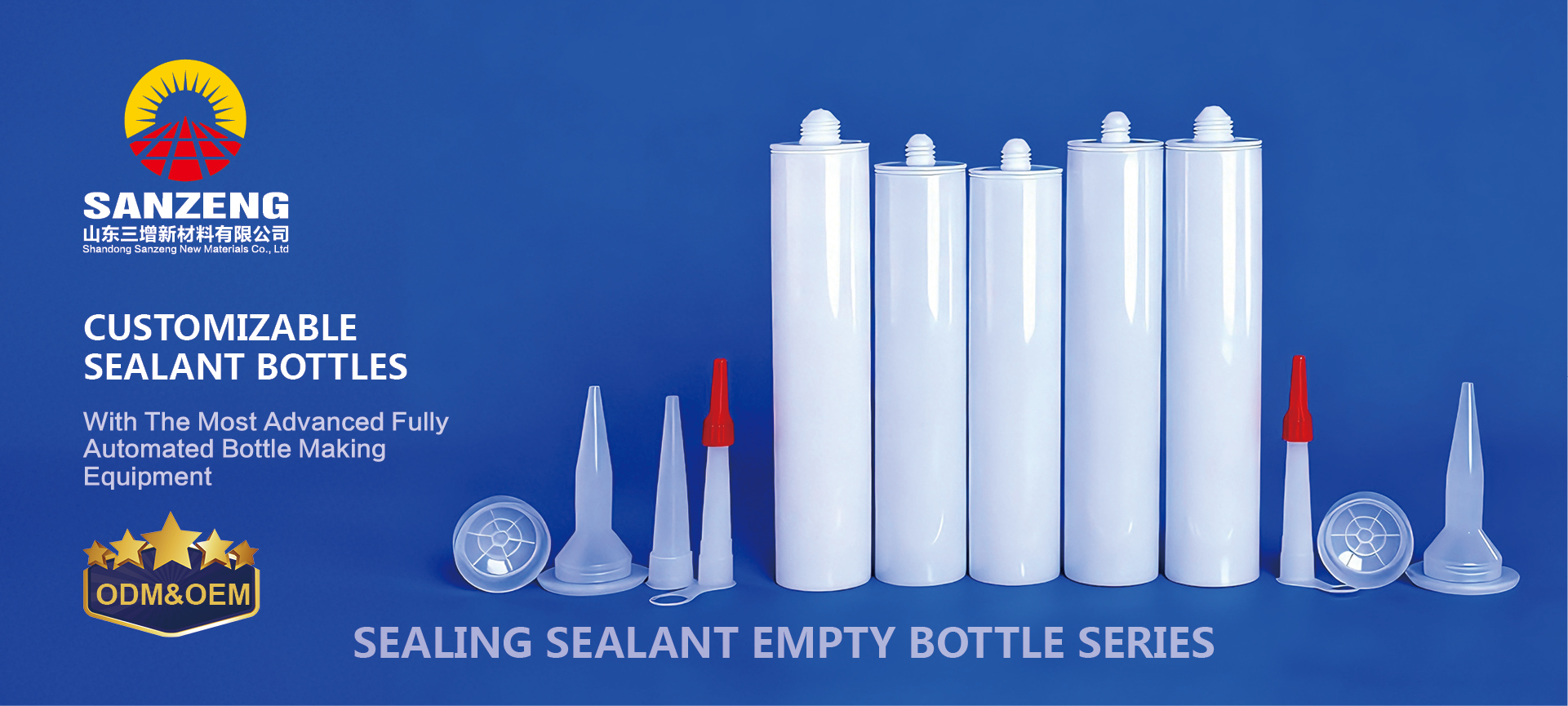
Cartridge and bottle packaging produced in-house — identical pack formats across grades are why the label, not the carton, must be checked.
What to Look For in the Manufacturer Behind the Grade
Product-type failures are easier to prevent when one supplier can answer questions about the material, the pack and the batch together. Shandong Sanzeng New Materials Co., Ltd. is a Chinese sealant manufacturer based in Linqu County, Weifang City, Shandong Province, with a brand history tracing back to 1994. Its published company profile records a 40,000 m² factory, 125 employees, an annual output of 8,800,000 units and an R&D team of 10 engineers. Products are exported to more than 30 countries and regions, with an export ratio of about 70%.
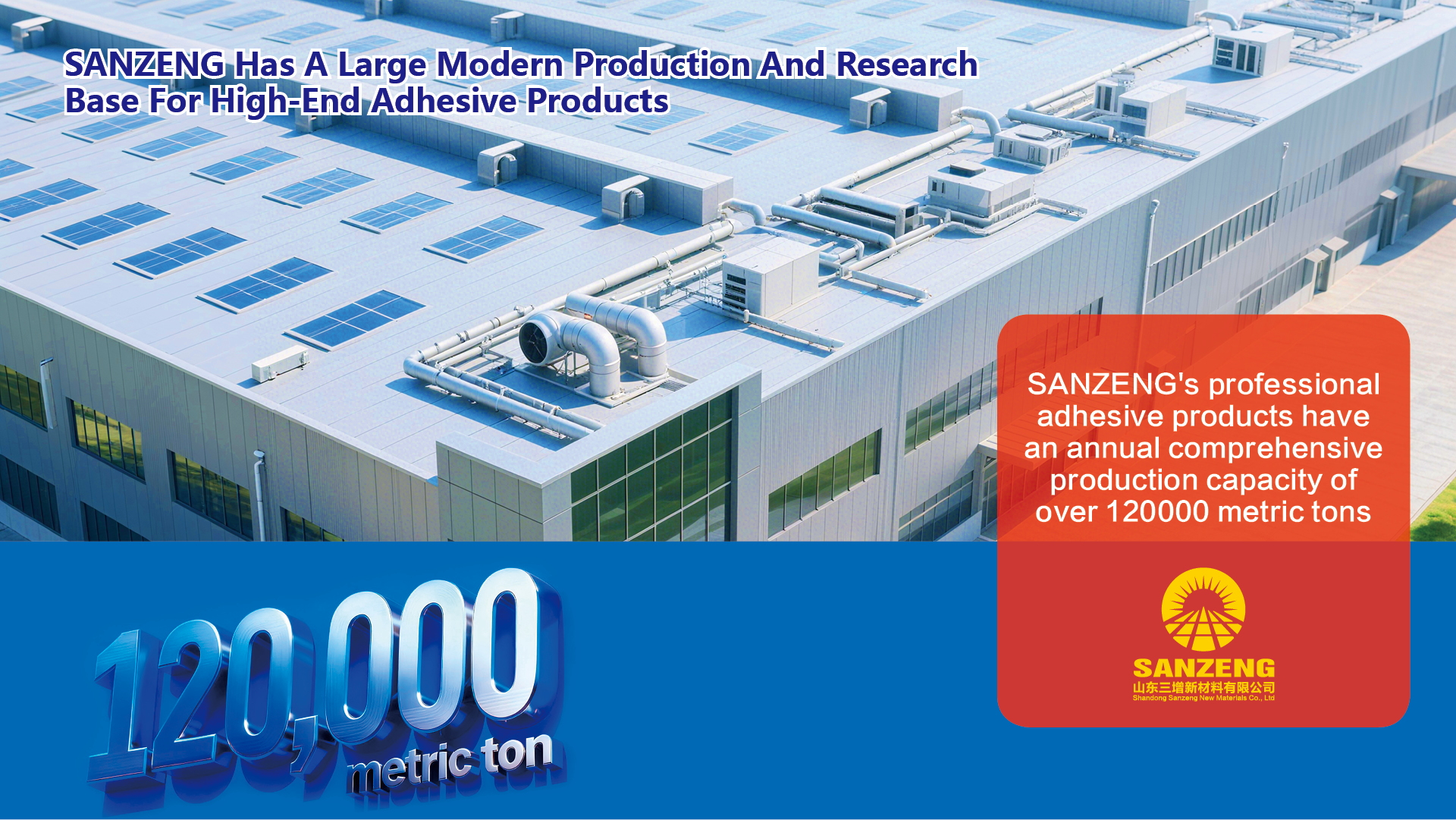
Sealant production base — formulation, packaging and filling equipment are handled as one industrial chain.
Verification points a buyer can request and check:
- Management systems: ISO 9001 quality management system certification, ISO 14001 environmental management system certification and ISO 45001 occupational health and safety management certification.
- Product compliance: selected export products hold CE certification and RoHS compliance certification, and the company holds SGS performance and safety testing reports.
- Packaging compliance for the EU: a German Packaging EPR registration (certificate number DE2636557090139) issued by Stiftung Zentrale Stelle Verpackungsregister (LUCID) under the VerpackG German Packaging Act, covering goods-filled sales packaging, issued on 19 March 2025.
- Product range: silicone sealants (acid-curing, neutral-curing, weather-resistant, general-purpose and structural types), MS polymer sealants, acrylic sealants, polyurethane sealants, no-nail construction adhesives, PU foam, tile grout, fire-resistant sealants, high-tack sealants and anti-mildew kitchen and bathroom sealants.
- Private-label capability: OEM and ODM production services, with customization services that include package and logo customization.
- Commercial terms: monthly capacity of 8,800,000 units, minimum order quantity of 100 boxes, lead time of 10–20 days, 100% testing, FOB/CIF delivery, pre-shipment testing and payment terms of 30/70/100%.
- Support: free samples and technical product selection consultation, plus 24-hour after-sales online support.
Step-by-Step: The 8-Point Verification Checklist
This is the sequence to run after a failed inspection — or, more usefully, before the cartridges are ordered.
Step 1 — Read the specification line before you price the job
Confirm which product type the joint schedule actually names: firestop or fire-rated, neutral cure, acid cure, structural or weather-resistant. A price built on a general-purpose cartridge is not a price for a fire-rated joint, and the difference returns later as a removal and re-sealing cost.
Step 2 — Match the delivered product type to the specified type
Compare the cartridge label and the data sheet, not the colour of the sealant. A general-purpose grade such as SANZON GP or SANZON GP-N and a firestop grade such as SANZON FS are separate products with separate declared properties, even when they arrive in the same 300 ml format.
Step 3 — Confirm flame retardancy and heat resistance are declared
The firestop grade's data declares flame retardancy and high-temperature resistance. If the documentation in your hand does not declare those properties, the product type has not been verified, regardless of how the carton looks on the scaffold.
Step 4 — Confirm the application scenario fits the grade
Check substrate, indoor or outdoor exposure, expected service temperature and joint movement against the grade selected. Neutral-cure silicones are generally recommended for aluminium, metal, certain stone types and outdoor weatherproofing, while acid-cure products are generally chosen for glass and ceramic sealing and release an acetic-acid odour during cure.
Step 5 — Confirm shelf life and storage before use
SANZON FS is published with a 12-month shelf life. Store silicone sealant in a cool, dry, well-ventilated environment away from direct sunlight, high temperatures and moisture. Proper storage is what makes the stated shelf life meaningful; a 12-month shelf life does not survive a summer in a metal container.
Step 6 — Confirm cure timing before the next trade arrives
Cure time depends on temperature, humidity, product type and bead thickness. The surface typically skins over within a short period, while full cure usually takes longer, so confirm the figures on the product technical data sheet before the following trade is booked into that joint.
Step 7 — Confirm traceability and documentation
Record the batch, the carton count (300 ml × 24 pcs per carton for SANZON FS), the storage location and the pre-shipment test record. Where a supplier states 100% testing, ask what that testing covers and keep the answer in the submittal file.
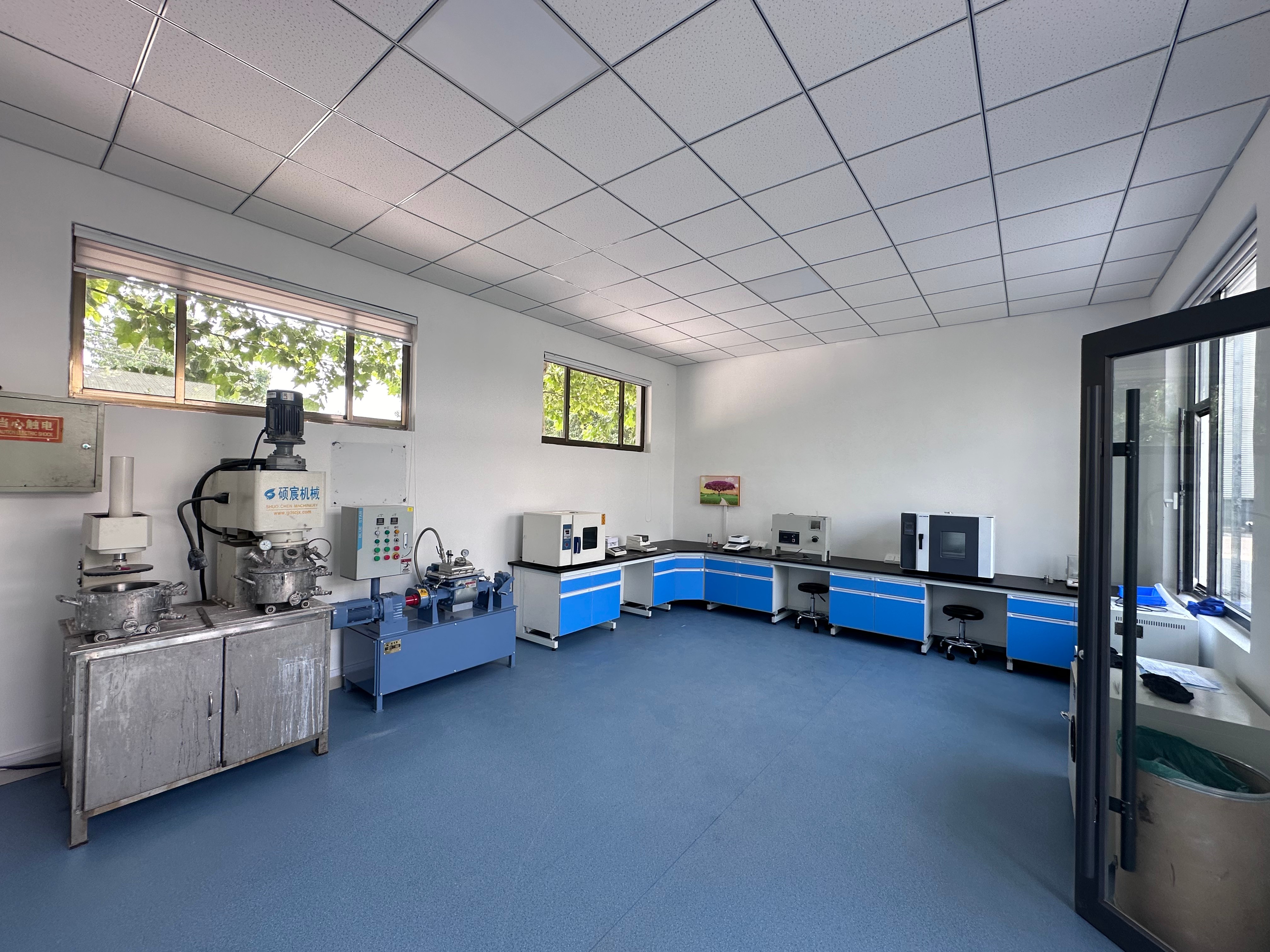
In-house laboratory support — the place to ask about formulation, shelf life and cure data rather than guessing on site.
Step 8 — If the wrong sealant is already installed, remove and replace
Do not top-coat a general-purpose bead with a firestop grade and call the joint compliant. The joint system in the wall is what the inspector assesses; the correction is removal of the non-conforming sealant and replacement with the specified grade.
Where a Firestop Silicone Sealant Specification Typically Appears
1. Fire-rated partitions and head-of-wall joints in commercial interiors. These are the joints most often caught in a fit-out inspection, because they are sealed early and inspected late, after the general-purpose cartridges have already left the floor.
2. Shaft, penetration and service-riser seals. Where services pass through rated construction, the joint schedule usually names a specific product type; the same product-type check applies, and the same grade confusion occurs.
3. Curtain wall and facade interface joints. Where the fire strategy calls for a firestop grade at the interface between facade and structure, the sealant must match the specified type rather than the weather-resistant grade used for the rest of the elevation.
4. Ventilation and ductwork at elevated service temperature. SANZON publishes an application scenario for a chemical plant ventilation system used for gas extraction and exhaust sealing under 24/7 continuous operation, where the required properties are excellent adhesion, chemical resistance, high-temperature ageing resistance, UV resistance, weather resistance, water resistance, crack resistance, low shrinkage, fast curing and long-term durability. That list is a useful template for the questions to ask of any high-temperature sealant, including a firestop grade.
5. Channel and private-label supply. Distributors buying for fire-rated work increasingly want their own brand on both a firestop grade and a neutral-cure grade, so that a site can be supplied end to end without mixing suppliers.
Comparison Table: Firestop Grade vs General-Purpose Grades
| Checkpoint | Firestop grade — SANZON FS | General-purpose grades — SANZON GP / SANZON GP-N | Why it decides the inspection |
|---|---|---|---|
| Declared product type | Firestop silicone sealant / fire-rated silicone sealant; flame-retardant fire silicone sealant | SANZON GP: acid-cure general purpose silicone sealant for interior decoration. SANZON GP-N: neutral-cure multi-purpose silicone sealant | The inspector compares the installed product type with the specified product type |
| Flame retardancy | Declared: yes | Not listed in the published specification data | A fire-rated joint requires a flame-retardant grade, not a general sealing grade |
| High-temperature resistance | Declared: resistant | Stated service temperature ranges only: −50°C to 120°C (GP, acid cure); −50°C to 150°C (GP-N, neutral cure) | Service temperature must sit inside the grade's stated range |
| Cure chemistry | Not stated in the published specification data — confirm on the technical data sheet | GP: acidic, room temperature. GP-N: neutral, room temperature | Cure chemistry drives substrate compatibility and odour during installation |
| Material | Polymer-based fire-resistant sealant | Silicone polymer | Material class supports the product-type comparison at submittal stage |
| Packing | 300 ml × 24 pcs per carton | 300 ml × 24 pcs per carton | Identical packing makes visual substitution easy — check the label, not the carton |
| Shelf life | 12 months | 12 months | Identical shelf life means age cannot be used to tell the grades apart |
| Intended service | Firestop / fire-rated joints and high-temperature service | General interior decoration and multi-purpose sealing | Intended service is the reason the specification named one grade and not the other |
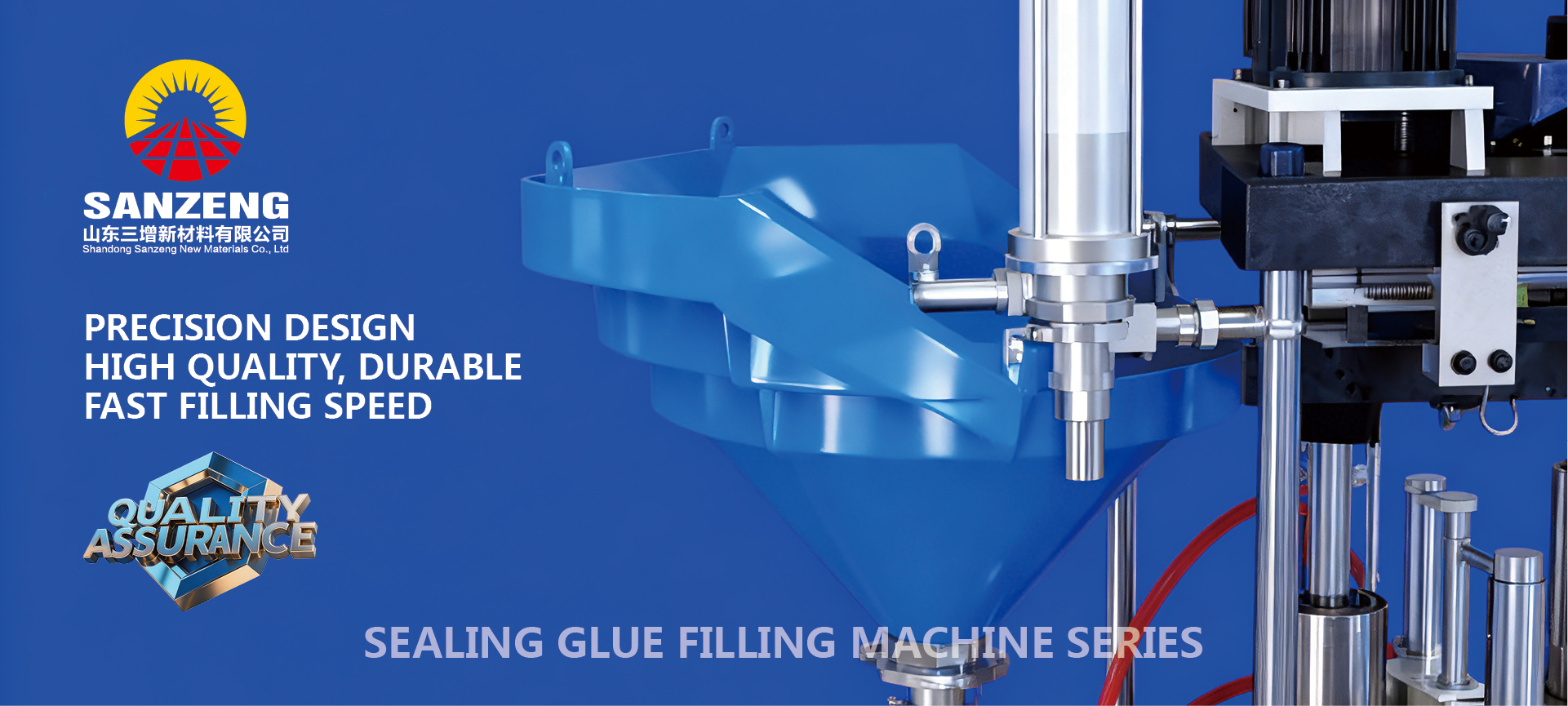
In-house filling and capping lines — one reason batch, pack and product type can be traced together.
FAQ: Fire-Rated Joint and Firestop Sealant Questions
Can a general-purpose or acid-cure silicone sealant replace a firestop sealant in a fire-rated joint?
No. In the SANZON range the flame-retardant, high-temperature-resistant grade is the firestop silicone sealant (SANZON FS), while SANZON GP (acid-cure general purpose) and SANZON GP-N (neutral-cure multi-purpose) are general sealing grades whose published specification data does not list flame retardancy. Using a general-purpose product where a firestop grade is specified leaves the joint non-conforming, and substituting an acid-cure product can also introduce an acetic-acid odour and a substrate-compatibility issue during curing.
How do I verify that the sealant delivered to site is the specified firestop grade?
Check four things against the specification: the product name and model on the cartridge label, the declared flame-retardant property, the declared high-temperature resistance, and the packing configuration. For SANZON FS the published data states flame retardant: yes, high temperature: resistant, colours transparent / white / black / grey / others, packing of 300 ml × 24 pcs per carton and a 12-month shelf life. Where the project names a fire test standard or classification, confirm the applicable test documentation for that joint system separately — a product-property declaration is not a project approval.
What shelf-life, storage and cure questions should I ask before installation?
Ask for the stated shelf life of the grade you are buying and the storage conditions the supplier requires. SANZON FS is published with a 12-month shelf life, and silicone sealant should generally be stored in a cool, dry, well-ventilated place away from direct sunlight, high temperatures and moisture. On cure, expect the surface to skin over within a short period while full cure takes longer, with actual timing depending on temperature, humidity, product type and bead thickness — confirm the figures on the product technical data sheet before the next trade follows you into the joint.
Do you manufacture OEM neutral-cure silicone sealant and OEM firestop sealant?
Yes. Shandong Sanzeng New Materials Co., Ltd. provides OEM and ODM production services, with customization services that include package and logo customization. The range covers neutral-cure, acid-cure, weather-resistant, general-purpose, structural and firestop silicone sealants, as well as MS polymer, acrylic and polyurethane sealants, so a distributor can build a private-label line around a neutral-cure grade and a firestop grade without changing supplier. Monthly capacity is 8,800,000 units.
What is the minimum order, lead time and sample process?
The minimum order quantity is 100 boxes and the standard lead time is 10–20 days. Delivery is arranged on FOB or CIF terms, with pre-shipment testing and payment terms of 30/70/100%. Free samples and technical product selection consultation are available, which is the practical way to confirm grade, colour and cure behaviour before committing to a private-label run. To request a firestop or neutral-cure sample and a quotation, contact the team at guooj000@163.com or +86 185-5361-7774 (WhatsApp available).
Conclusion: Fix the Product Type First, Then the Documentation
A failed fire-rated joint inspection is a product-type signal, not a caulking problem. Once a joint has been sealed with a general-purpose or acid-cure silicone where a firestop grade was specified, no additional sealant changes the system; the correction is removal of the non-conforming material and replacement with the specified grade.
Work in this order: confirm the specified product type, confirm what is actually in the joint, replace what does not match, and file the evidence — data sheet, declared flame retardancy and heat resistance, shelf life and storage record, batch and carton count, and any project-specific test documentation. A firestop silicone sealant such as SANZON FS is a defined grade with declared flame retardancy, declared high-temperature resistance and a 12-month shelf life; general-purpose silicone sealants such as SANZON GP and SANZON GP-N are different products for different joints. Keeping those two categories apart on the shelf is considerably cheaper than separating them after an inspection.
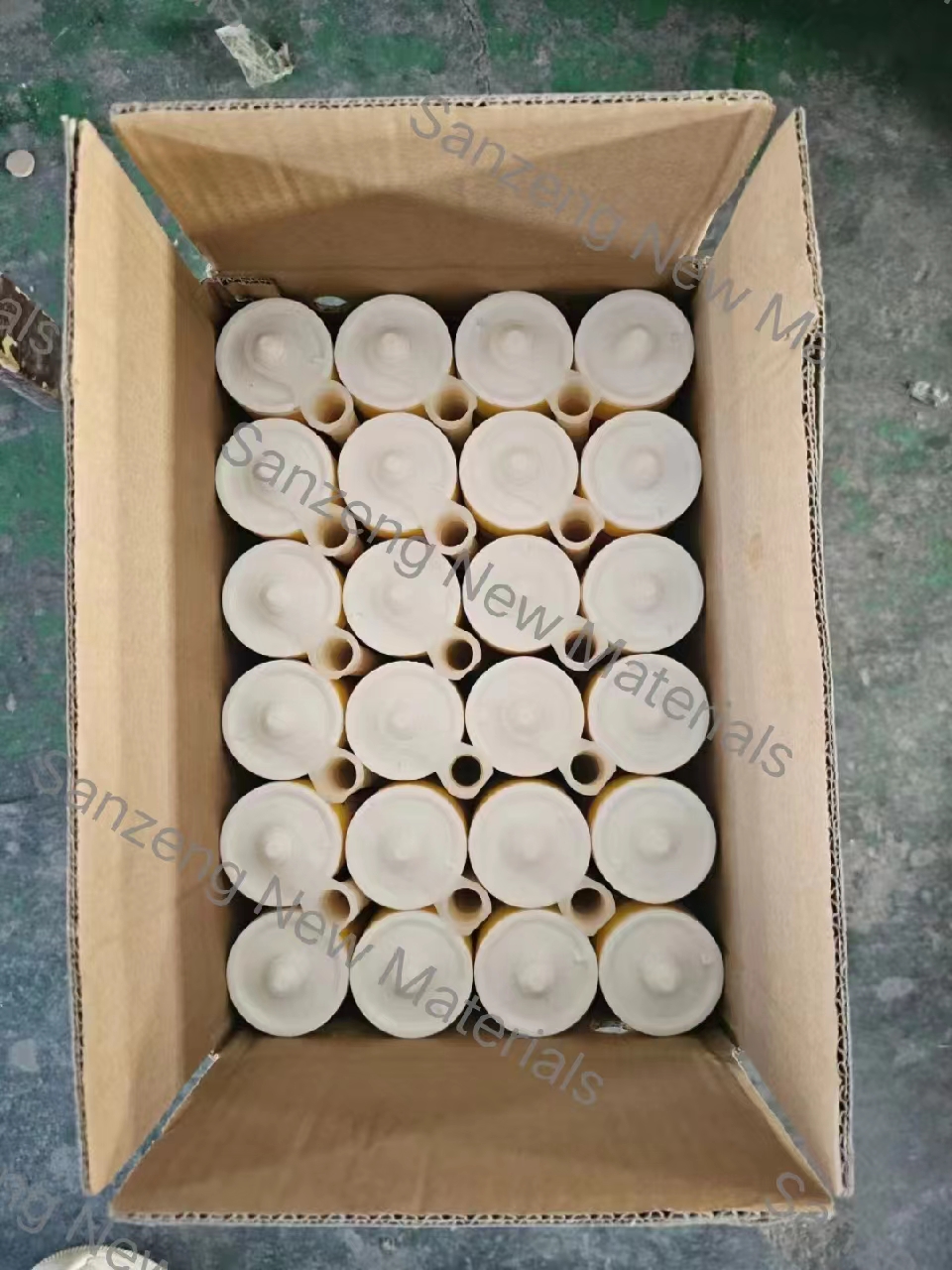
Packed cartons ready for pre-shipment inspection — batch and carton count belong in the compliance file.
Specifying a firestop or neutral-cure sealant for your next project?
Shandong Sanzeng New Materials Co., Ltd. (SANZON) supplies firestop silicone sealant, neutral-cure silicone sealant and the wider construction sealant range, with OEM and private-label customization covering packaging, label and logo, free samples and technical selection support.
Contact: Jie Guo · Email: guooj000@163.com · Tel / WhatsApp: +86 185-5361-7774
Website: www.sanzengsealant.com
Product brochure (PDF): Download the SANZON LIONKING Series Adhesives brochure