How to Evaluate a Silicone Sealant Supplier: Capacity, Customization and Delivery
A silicone sealant supplier can be screened in one afternoon with four questions: who moulds the cartridge, what is the monthly output, how far does customization actually reach, and what documentation ships with the pallet. Suppliers that own those four items answer with numbers, samples and certificate numbers. Suppliers that do not answer with adjectives.
This guide is written for buyers at the evaluation stage — importers, distributors, private-label brand owners and project procurement teams — who need to compare sealant suppliers on verifiable capability rather than brand claims. To keep the criteria concrete instead of theoretical, it uses Shandong Sanzeng New Materials Co., Ltd. (Sanzon) as a documented reference point, because that company manufactures sealant, packaging containers and filling equipment inside one industrial chain.
Shandong Sanzeng New Materials Co., Ltd. is a sealant manufacturer headquartered in Linqu County, Weifang City, Shandong Province, China. The company produces silicone, MS polymer, acrylic and polyurethane sealants, together with in-house plastic cartridges, composite film packaging and filling machinery, and exports to more than 30 countries and regions.
The Real Problem: Catalogues Look Identical, Production Systems Do Not
When a buyer shortlists sealant suppliers, the documents that arrive are near-identical: the same product vocabulary (neutral cure, acetoxy, structural, weatherproof), the same 300 ml cartridge photograph, and the same three sentences about adhesion and durability. The comparison then collapses into price per cartridge, which is the weakest possible basis for a sourcing decision.
The reason the catalogues converge is structural. Room temperature vulcanizing (RTV) products accounted for a revenue share of 64.8% of the silicone sealants market in 2025, according to Grand View Research — meaning most of what a buyer compares belongs to the same technology family. Differentiation therefore sits upstream of the finished tube, in cartridge moulding, filling tolerance, test discipline and documentation.
Four failure points are worth designing out during the evaluation stage, because none of them can be fixed after the container is loaded:
- Carton geometry. A pallet that does not cube out to the supplier s carton count costs freight on every shipment, not once.
- Net-content consistency. Filling tolerance determines whether declared volume survives a market inspection.
- Print and colour drift. Private-label packaging that shifts between lots damages the brand on the shelf, not the factory floor.
- Shelf-life disputes. Without a stated shelf life per SKU and documented storage conditions, age-related complaints become arguments rather than claims.
Industry Background: What 2025–2026 Data Says About Supplier Risk
The global silicone sealants market was valued at USD 4.5 billion in 2025, with Asia Pacific holding a revenue share of 52.1% and the construction segment accounting for 60.7% of end-use demand (Grand View Research). Trade data points in the same direction: China exports of silicone under HS code 321410 to India grew by USD 16.7 million between 2024 and 2025, according to OEC.
Two practical conclusions follow for anyone building a supplier shortlist. First, most candidates will come from the same region and will quote the same standards, so geography and vocabulary cannot separate them. Second, because the supply base is concentrated and competitive, capability evidence — not brand familiarity — is the only reliable filter.
Compliance expectations are also tightening around the product itself. ASTM C920-18(2024) remains the primary performance specification for elastomeric joint sealants in building construction and was reapproved in November 2024. In Europe, Regulation (EU) 2024/1328 amends the REACH restriction framework for cyclic silicones D4, D5 and D6, banning them in leave-on cosmetics from June 2027 and restricting industrial use at or above a 0.1% threshold. A supplier that cannot answer a question about cyclic siloxane content is not ready for an EU-bound order.
Evaluation rule: every supplier claim should map to an artefact you can inspect — a mould, a filling line, a certificate number, a carton label or a batch record. If no artefact exists, the claim is marketing.
The Five Capability Signals That Actually Differentiate Suppliers
Signal 1 — Self-Manufactured PP/PE Cartridge Material
The cartridge is not a commodity accessory. Wall thickness, neck geometry and resin grade determine how the tube behaves on a filling line, how it survives compression during transport, and how consistently the plug seats. A supplier that buys cartridges on the open market inherits another company s tolerance stack and another company s lead time.
At Sanzeng, the sealant empty bottle and cartridge programme (model SZ-1) is produced with fully automated precision injection moulding in PP/PE, in a standard 300 ml capacity that can be customized. Formats cover cartridge, foil sausage, and bucket and pail configurations as required by OEM projects, and the operation is stated at 100,000+ tons per year output from a self-owned hose factory. Customization extends to label printing, colours and cartons under ODM and OEM terms.
Signal 2 — Capacity You Can Convert Into a Delivery Date
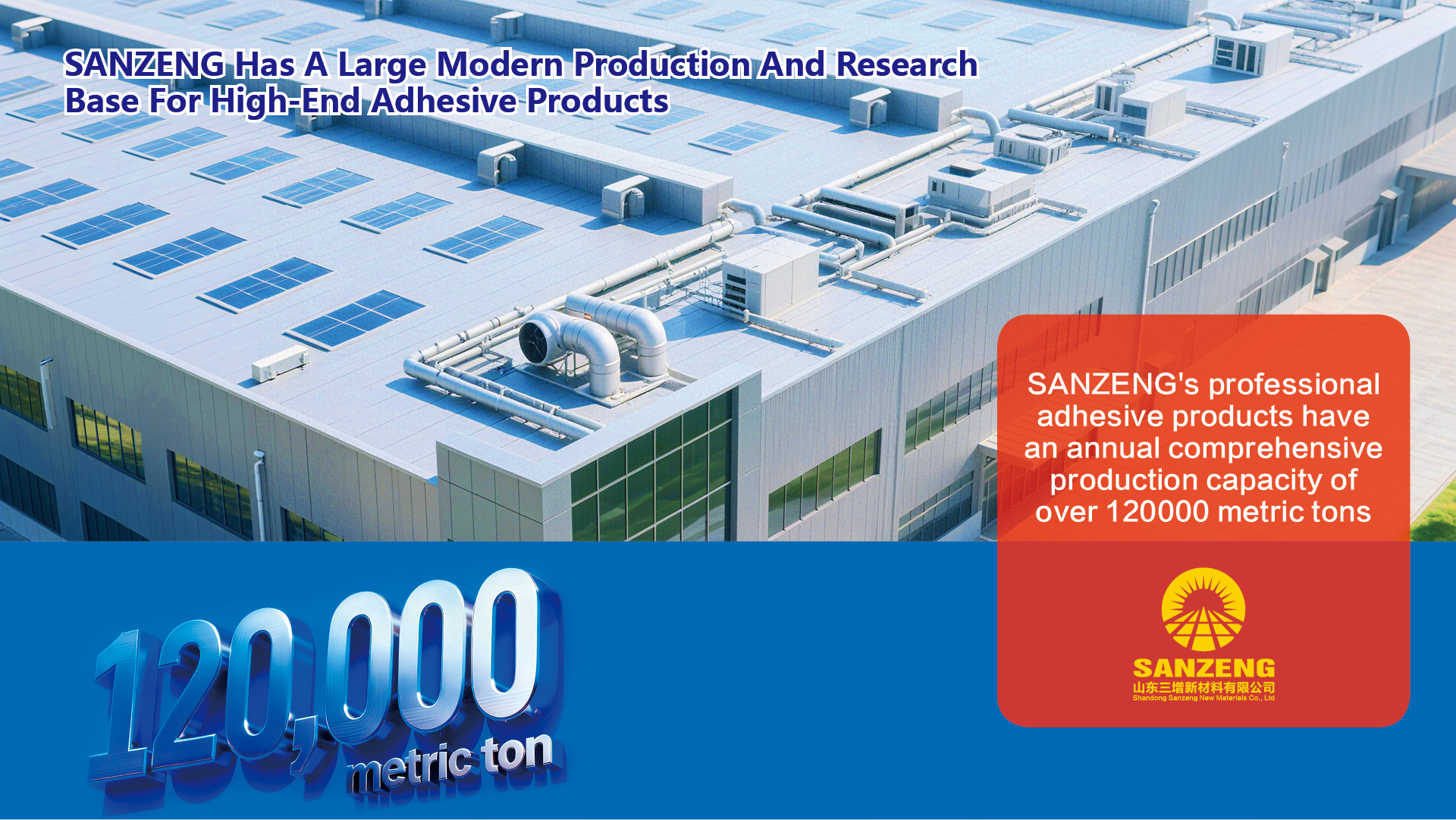
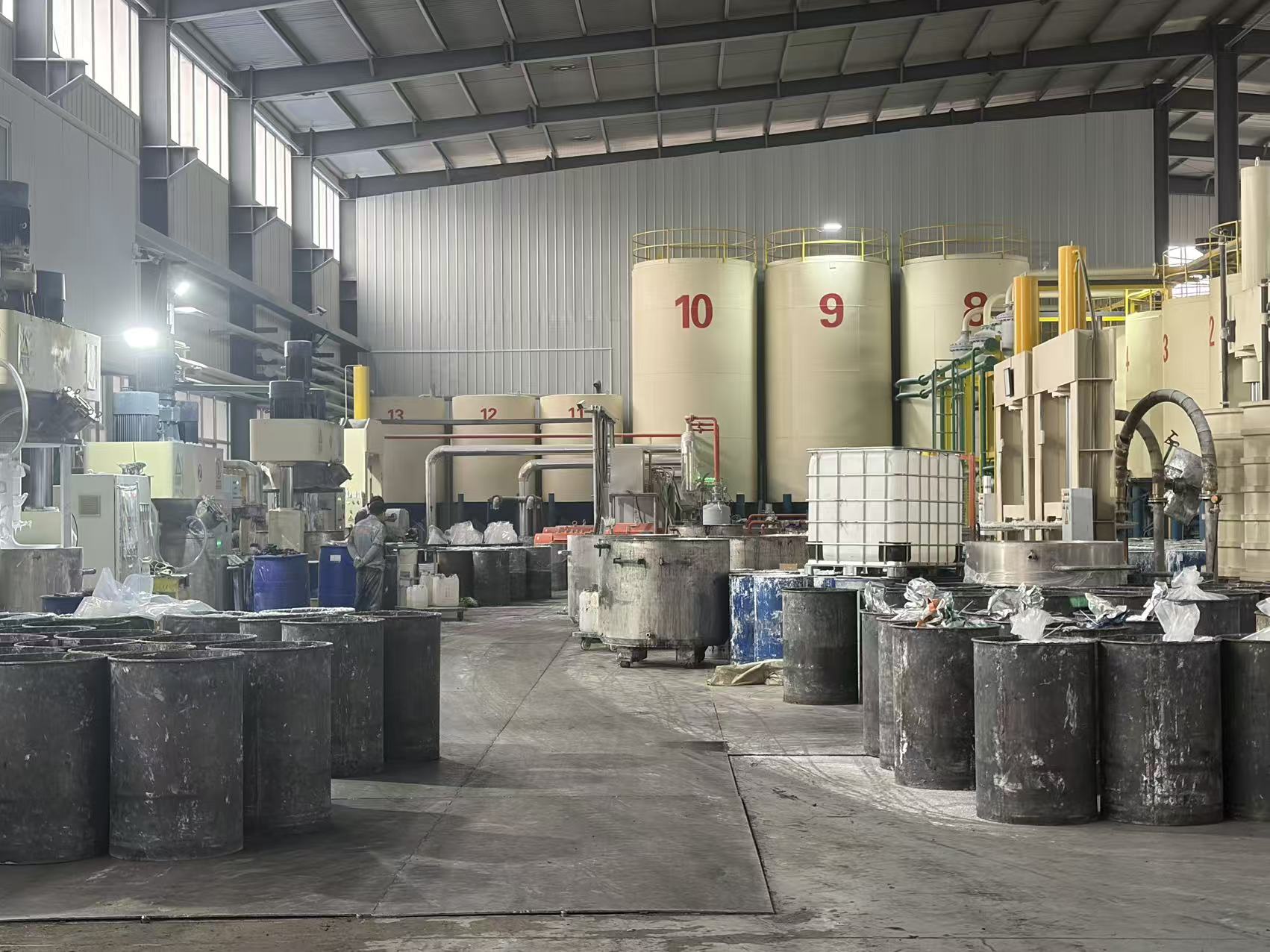
A capacity figure is only meaningful when it is tied to a plant footprint, a headcount and a process. Sanzeng states a monthly production capacity of 8,800,000 units, operating from a 40,000 m² facility with 125 employees, including a 10-engineer R&D team. The company structure is described as a three-in-one chain of sealant products, packaging containers and filling equipment.
That structure matters to a buyer for one reason: when the cartridge, the chemistry and the filling line sit under one management system, a delivery date is a production decision rather than a negotiation between three suppliers. It also means a change in carton count or label artwork does not restart the procurement clock.
Signal 3 — Filling Accuracy, Including the Equipment Behind It
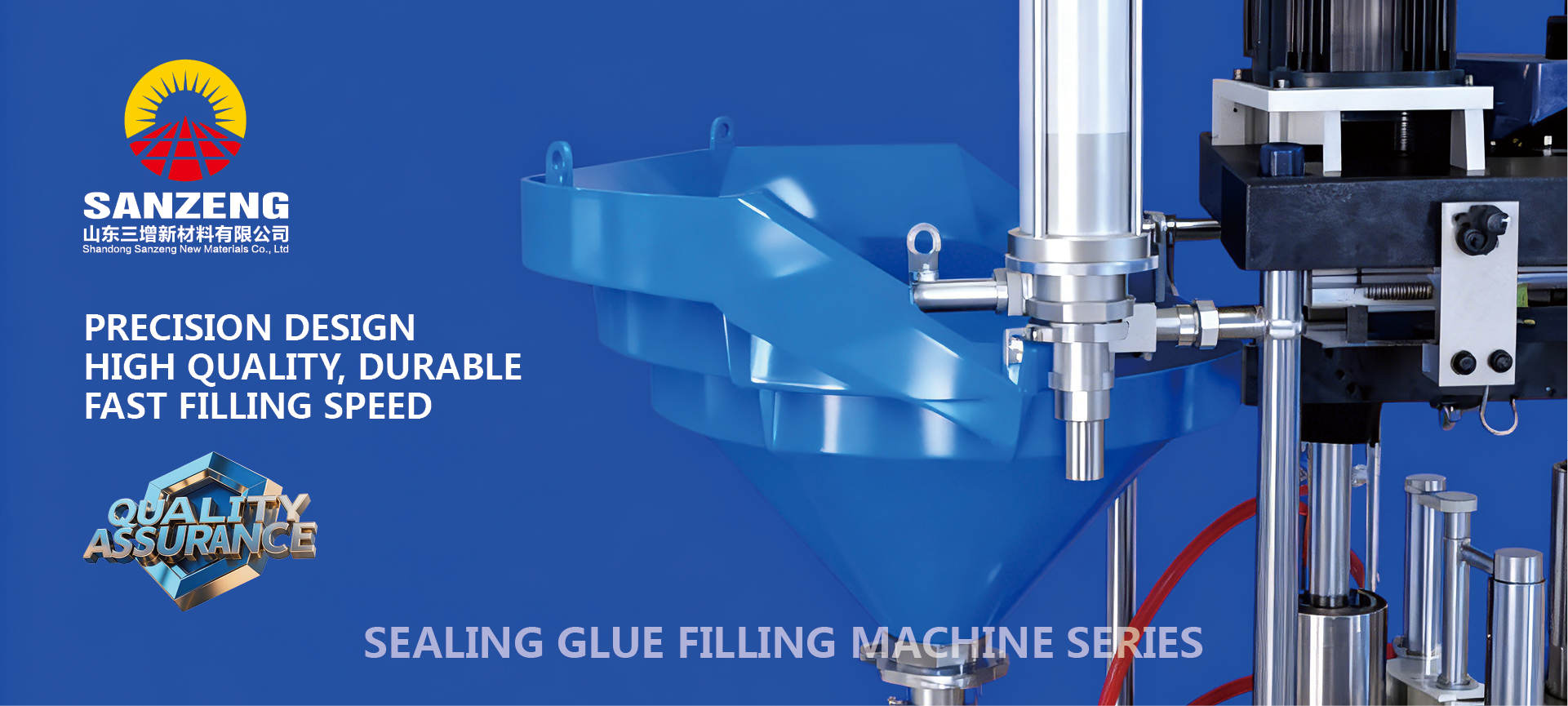
Net-content compliance is decided by the filling machine, so the machine specification belongs in the supplier evaluation file, not in a maintenance folder. Sanzeng manufactures the semi-automatic cartridge filling machine (model 001) with a filling quantity of 260–310 ml, a filling accuracy of ±2 g, a speed of 30–60 pcs/min depending on operator proficiency, servo-controlled filling with automatic capping, 3.8 kW power at AC380V 50Hz, dimensions of 1350 × 950 × 1650 mm, an approximate weight of 350 kg, a 0.8 MPa air supply requirement and 1–2 operators.
Buyers who are also setting up a plant can benchmark equipment cost before committing: third-party B2B listings have referenced automatic silicone gel sealant filling machines in the USD 5,200–12,600 per set range. A ±2 g tolerance is the number to hold a supplier to, because it is the tolerance that protects both the declared volume and the carton weight.
Signal 4 — Quality System Evidence With Verifiable Numbers
Ask for the quality protocol before the certificate. Sanzeng maintains 100% test quality control, supported by an in-house laboratory and a management system certified to ISO 9001, ISO 14001 and ISO 45001. Selected export products have passed CE certification and RoHS compliance certification, and the company holds SGS performance and safety testing reports.
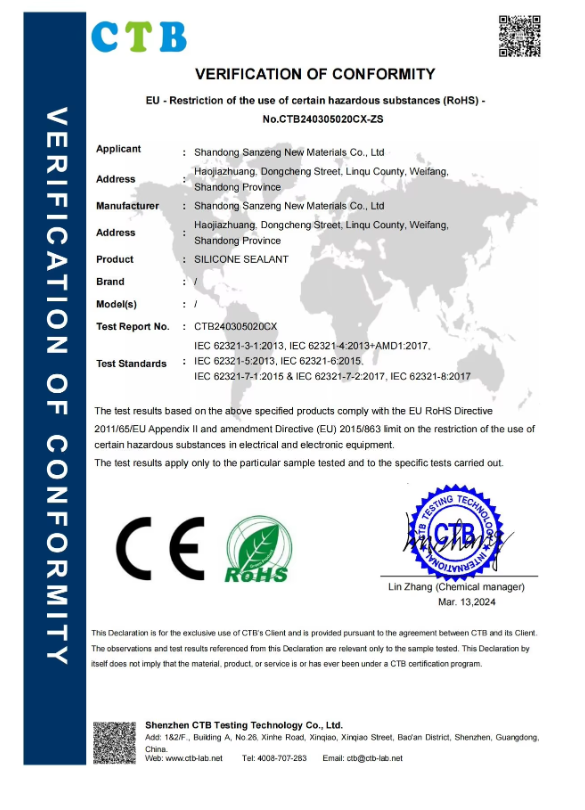
Certificate numbers are the part most buyers skip and the part that carries the most weight. Documented examples include a RoHS Certificate of Compliance numbered CTB240305020CX-ZS issued by CTB for silicone sealant against the IEC 62321 series and Directive 2011/65/EU, and a RoHS test report numbered UNIB24030401HC-01 issued by Shenzhen United Testing for polyurethane sealant with validity to 14 March 2029. For EU packaging obligations, the German Packaging EPR registration number DE2636557090139 was issued through Stiftung Zentrale Stelle Verpackungsregister (LUCID) under the VerpackG on 19 March 2025.
Formulation disclosure belongs here as well. MS grades supplied by Sanzeng are isocyanate-free and solvent-free, which is the kind of statement that should be corroborated by a test report rather than accepted as a slogan. Selected sealant products also carry the French indoor air emission label A+.
Signal 5 — Delivery and Shelf-Life Documentation
Delivery assurance is a paperwork discipline as much as a logistics one. Sanzeng quotes a production lead time of 10–20 days at a minimum order quantity of 100 boxes, with remote technical support and free sample testing after shipment. Shelf life is stated per product family: 12 months for most sealant SKUs and 18 months for the no-nail adhesive range, with storage in a cool, dry, well-ventilated place away from direct sunlight, high temperature and moisture.
A Seven-Step Evaluation Workflow
The sequence below converts the five signals into a repeatable checklist. Each step produces a document that can be filed and compared across suppliers.
- Fix the SKU and the carton first. Decide the chemistry (neutral cure, acetoxy, structural, MS, firestop) and the pack format before requesting prices, because both change the quotation basis.
- Request the packaging specification. Ask for cartridge material, capacity options and carton count. A supplier that moulds its own PP/PE cartridges will answer with a mould list; a repackager will answer with a supplier name.
- Request capacity and scheduling in the same document. Monthly units, plant area, headcount and lead time should be internally consistent. Sanzeng states 8,800,000 units per month, a 40,000 m² facility, 125 employees and a 10–20 day lead time.
- Request the compliance file with numbers. Management system certificates, product-level RoHS or CE evidence, SGS reports, and — for EU destinations — packaging EPR registration and a position on cyclic siloxane restrictions.
- Request samples and a test protocol. Free samples and technical selection consultation are the baseline. Test adhesion on your own substrate, check cure behaviour, and match cartridge colour and print against the approved artwork.
- Run a trial order at MOQ. At 100 boxes, verify four things physically: net weight per cartridge, carton count per configuration, pallet cube, and label position. Cross-check the 300 ml × 24 pcs and 750 ml × 15 pcs configurations against the packing list before the volume order.
- Confirm scale-up and repeatability. Ask for a reference project at comparable volume. Sanzeng documents a case of 2,000,000 cartridges delivered over 2 years to global engineering and construction companies, with stable operation and no leakage, and confirms successful use by automotive OEM clients.
Use Cases: How the Criteria Change by Buyer Type
Private-Label Brand Owner
The decisive signals are cartridge ownership and print control. OEM and ODM terms at Sanzeng cover packaging, printing, formulation and filling, with custom label printing, colours and cartons. A brand owner should verify artwork proofing against the actual moulded cartridge, not against a flat PDF, because surface finish changes ink behaviour.
Distributor With a Mixed SKU Pallet
A distributor needs carton geometry that mixes cleanly across categories. The relevant configurations are 300 ml × 24 pcs for silicone sealants, 590 ml × 20 pcs for the neutral sausage format, 750 ml × 15 pcs for PU foam, and A+B 400 ml × 20 pcs for two-component tile grout. Shelf life differences — 12 months for sealants, 18 months for no-nail adhesives — determine rotation rules and should be checked against the packing list on every inbound shipment.
Project Procurement Team
For facade and curtain wall work the evaluation shifts to structural performance data. The SANZON CS structural silicone sealant is formulated without white oil, with a fast curing speed and UV resistance, and carries CE, ISO and RoHS certification plus the French A+ indoor air emission label. The SANZON NS neutral silicone sealant documents a movement capability of 12.5% under ISO 11600, elongation at break of 500%, tensile strength of 1.2 N/mm² and hardness of 18 Shore A on the 300 ml cartridge format.
Buyer Setting Up a Filling Plant
Here the supplier evaluation overlaps with equipment evaluation. The same company supplies semi-automatic cartridge filling machines, fully automatic filling machines, automatic capping machines, conveying lines, sausage-film filling machines and 60-ton hydraulic presses, and offers customized complete production line solutions. Contract packers should compare the ±2 g accuracy and 30–60 pcs/min speed range against their own throughput assumptions before selecting a line.
Comparison Table 1: Packaging Configurations and Stated Shelf Life
Use this matrix to check whether a quoted carton count and shelf life match the product family you are buying. Values below are the documented configurations for the Sanzeng range.
| Product family | Pack format | Carton configuration | Stated shelf life |
|---|---|---|---|
| SANZON NS neutral silicone sealant | 300 ml cartridge / 590 ml sausage | 300 ml × 24 pcs; 590 ml × 20 pcs | 12 months |
| SANZON GP-N neutral general purpose | 300 ml cartridge | 300 ml × 24 pcs | 12 months |
| SANZON GP acid-cure general purpose | 300 ml cartridge | 300 ml × 24 pcs | 12 months |
| SANZON KB sanitary anti-mould | 300 ml cartridge | 300 ml × 24 pcs | 12 months |
| SANZON FS firestop sealant | 300 ml cartridge | 300 ml × 24 pcs | 12 months |
| SANZON MS silane-modified polymer | 300 ml cartridge | 300 ml × 24 pcs | 12 months |
| SANZON AS acrylic sealant | 300 ml cartridge | 300 ml × 24 pcs | 12 months |
| SANZON GS / GK no-nail adhesive | 300 ml cartridge | 300 ml × 24 pcs | 18 months |
| SANZON TC / TS PU foam | 750 ml aerosol | 750 ml × 15 pcs | 12 months |
| SANZON GA / GM tile grout (A+B) | 400 ml two-component | A+B 400 ml × 20 pcs | Store at +5 °C to 27 °C |
Comparison Table 2: Supplier Evaluation Scorecard
The scorecard below is the version a buyer can send to any candidate. The right-hand column shows a documented benchmark so that responses can be compared against something specific.
| Evaluation criterion | What to request | Documented benchmark |
|---|---|---|
| Cartridge ownership | Mould list, resin grade, capacity options | PP/PE cartridge moulded in-house by fully automated precision injection moulding; 300 ml standard, customizable; cartridge, foil sausage, bucket and pail formats |
| Monthly output | Unit figure per month plus plant footprint and headcount | 8,800,000 units per month; 40,000 m² facility; 125 employees including 10 engineers |
| Filling accuracy | Machine specification sheet with tolerance | ±2 g; 260–310 ml; 30–60 pcs/min; servo-controlled filling with automatic capping |
| Quality control | QC protocol plus test reports | 100% test quality control; ISO 9001, ISO 14001, ISO 45001; CE and RoHS on selected exports; SGS reports |
| Compliance file | Certificate numbers with issuing body and validity | RoHS CTB240305020CX-ZS (CTB); RoHS UNIB24030401HC-01 (Shenzhen United Testing, valid to 2029-03-14); German packaging EPR DE2636557090139 (LUCID) |
| Delivery | Lead time under repeat order and MOQ | 10–20 days; MOQ 100 boxes |
| Shelf life | Stated shelf life per SKU plus storage conditions | 12 months for most sealants; 18 months for no-nail adhesives; store cool, dry, away from sunlight |
Frequently Asked Questions
What compliance documents should a silicone sealant supplier provide before a first order?
Ask for three layers of evidence: management system certificates, product-level test reports, and packaging compliance registration. Shandong Sanzeng New Materials Co., Ltd. holds ISO 9001, ISO 14001 and ISO 45001 certification, and selected export products have passed CE certification and RoHS certification, supported by SGS performance and safety testing reports. Check the numbers rather than the logos: the RoHS report CTB240305020CX-ZS was issued by CTB for silicone sealant against the IEC 62321 series and Directive 2011/65/EU, and the German packaging EPR registration DE2636557090139 was issued through LUCID under the VerpackG on 19 March 2025. For EU-bound shipments, also ask how the supplier addresses the cyclic siloxane restrictions introduced by Regulation (EU) 2024/1328.
How can I confirm a supplier s production capacity is real?
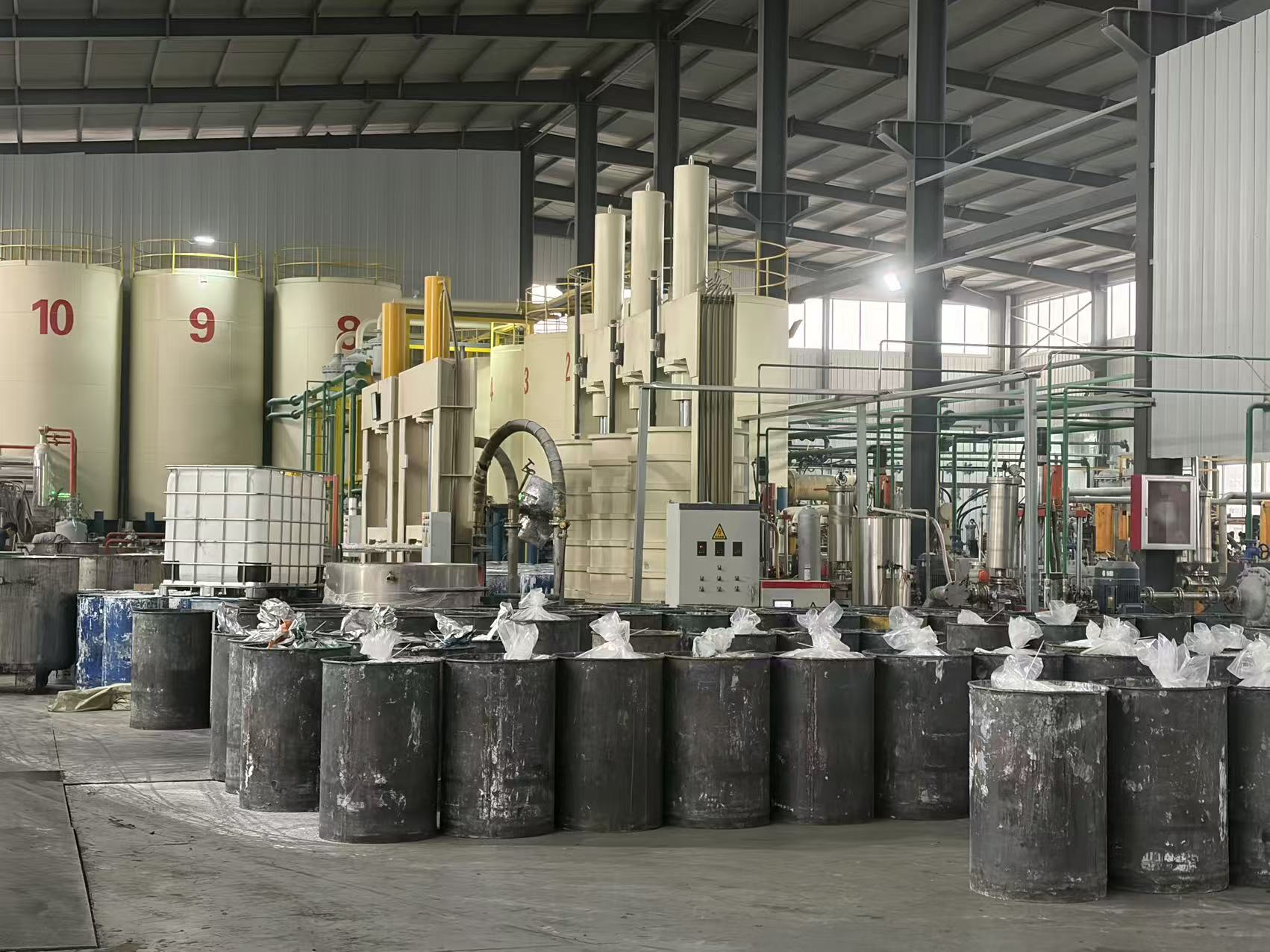
Tie the capacity figure to a plant, a headcount and an in-house process. Shandong Sanzeng New Materials Co., Ltd. states a monthly production capacity of 8,800,000 units, operating from a 40,000 m² facility with 125 employees, including 10 engineers, and maintains 100% test quality control. A second cross-check is the packaging operation: PP/PE cartridges are moulded in-house with fully automated precision injection moulding, with 100,000+ tons per year output from a self-owned hose factory. If a supplier cannot connect its unit figure to a building, a machine list and a shift pattern, the number is a quotation, not a capacity.
What is the minimum order quantity and what drives the price per cartridge?
The minimum order quantity is 100 boxes. Price is driven by the sealant formulation, the cartridge format, the level of print and colour customization, and the order volume, which is why quotations are issued per SKU rather than as a general price list. A neutral cure sanitary sealant in a standard 300 ml cartridge and a firestop grade in a custom-printed cartridge do not share a cost structure. Buyers setting up their own line should price equipment separately: third-party B2B listings have referenced automatic silicone gel sealant filling machines in the USD 5,200–12,600 per set range.
Can I evaluate samples and packaging before a production run?
Yes. Free samples and technical product selection consultation are available, along with free sample testing, and OEM/ODM projects can customize packaging, printing, formulation and filling. Evaluate three things on the sample: adhesion and cure behaviour on your actual substrate, net weight and cartridge appearance against the approved artwork, and carton fit against your pallet plan. A trial order at the 100-box minimum then confirms the packaging configuration before volume commitments.
What lead time and shelf-life documentation should I expect on a repeat order?
Production lead time is 10–20 days, and shelf life is stated per product: 12 months for most sealant SKUs and 18 months for the no-nail adhesive range, stored in a cool, dry, well-ventilated place away from direct sunlight and moisture. The packing list should match the carton configuration you approved — 300 ml × 24 pcs, 590 ml × 20 pcs, 750 ml × 15 pcs or A+B 400 ml × 20 pcs — and the production date should be visible on the carton so that rotation rules can be applied on arrival. To move to the next step, request a sample set and an SKU-level quotation through the website below.
Conclusion: Score the System, Not the Catalogue
A silicone sealant supplier is only as reliable as the processes behind the tube. The evaluation that holds up under a real shipment tests five things: whether the PP/PE cartridge is moulded in-house or bought in, whether the monthly capacity figure connects to a plant and a schedule, whether the filling line holds a stated tolerance, whether the compliance file contains numbers that can be verified, and whether lead time and shelf life are documented per SKU rather than promised per conversation.
Applied to Shandong Sanzeng New Materials Co., Ltd., those five checks return concrete answers: a self-manufactured 300 ml PP/PE cartridge with customizable formats, a monthly capacity of 8,800,000 units from a 40,000 m² facility, a filling accuracy of ±2 g on in-house equipment, ISO 9001, ISO 14001 and ISO 45001 certification with CE, RoHS and SGS evidence, and a 10–20 day lead time at a 100-box minimum order. Those are the numbers to put beside any competing quotation.
Next step: evaluate with documents, not descriptions
Request a sample set, a packaging specification sheet and a compliance file for the exact SKU you intend to buy. Shandong Sanzeng New Materials Co., Ltd. supplies free samples and technical selection consultation, and issues quotations per SKU.
Website: www.sanzengsealant.com
Email: guooj000@163.com | Tel / WhatsApp: +86 185-5361-7774
Product catalogue (PDF): SANZON LIONKING Series Adhesives
Have Questions or Need More Details?
Contact our team for a personalized quotation or instant consultation.
Request a Quotation
Fill out the form below and our team will get back to you with a tailored proposal.
WhatsApp Direct Chat
Prefer to chat in real-time? Message us on WhatsApp for instant assistance & quick answers.
- Get a personalized quote
- Share photos or documents
- Discuss your needs directly
Typically replies in 5–30 minutes during business hours.