Silicone Sealant Supplier Audit: In-House Cartridge & Delivery Capacity
Silicone Sealant Supplier Audit: In-House Cartridge & Delivery Capacity
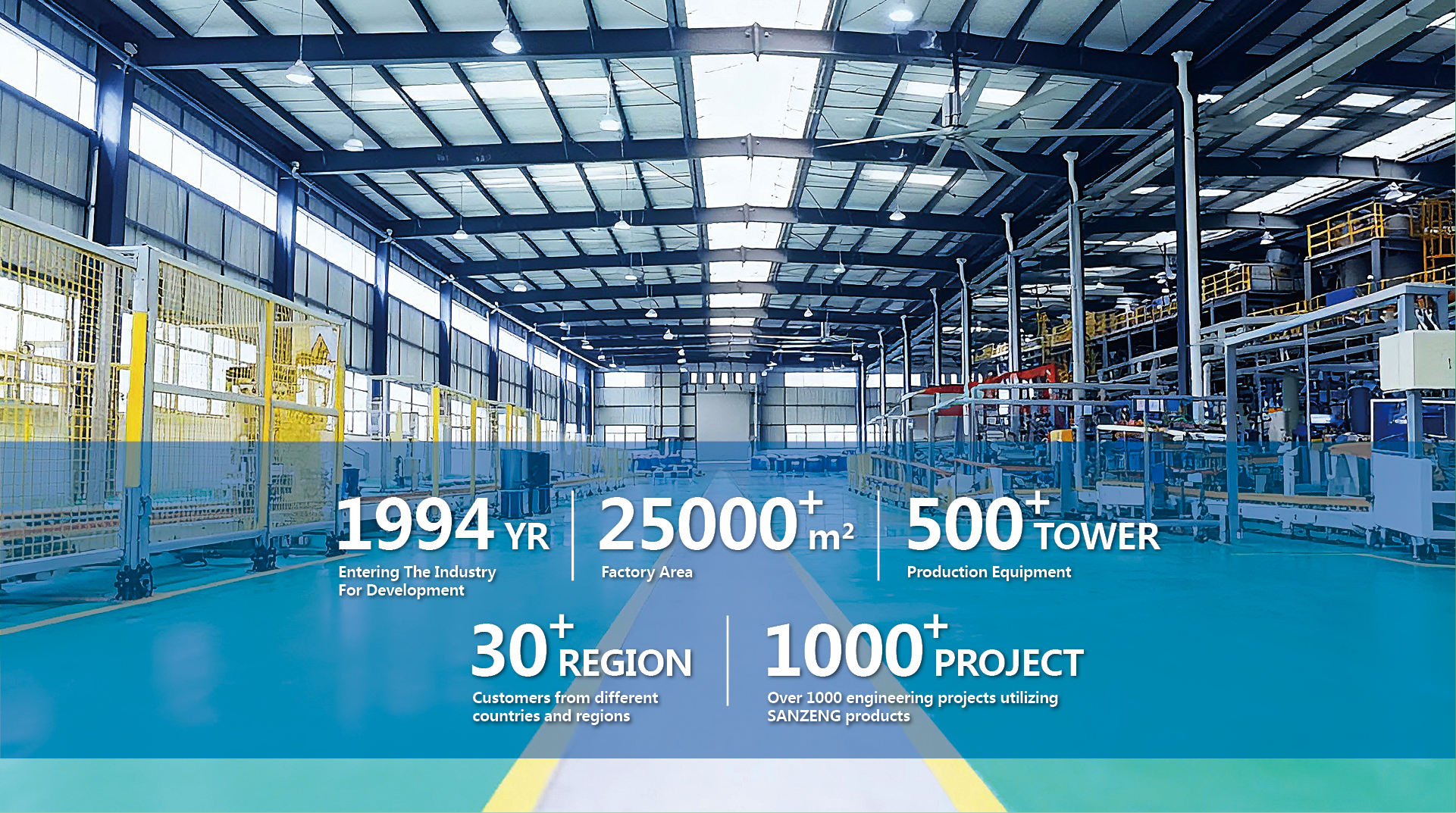
Factory floor used for capacity verification — sealant manufacturing base of Shandong Sanzeng New Materials Co., Ltd. in Shandong Province, China.
A silicone sealant order is a production commitment, not a product listing. Long before artwork is approved, the question that decides whether a container leaves on schedule is whether the supplier extrudes, fills, caps and cartons the goods on equipment it controls. Buyers who verify that chain — cartridge, filling line, packaging, lead time — negotiate from a different position than buyers who evaluate a quotation on price and a sample on appearance alone.
This guide is written for buyers in the evaluation and execution stage of a silicone sealant purchase. It sets out a verification sequence, the evidence to request at each step, and the specific figures a supplier should be able to put in writing. Shandong Sanzeng New Materials Co., Ltd. — an integrated sealant manufacturer in Linqu County, Weifang City, Shandong Province, China, producing silicone, MS polymer, acrylic and PU sealants alongside its own cartridges and filling equipment — is used throughout as a worked example of what documented capability looks like.
Why Capacity Problems Appear at Week Six, Not at Quotation
Three handoffs create most silicone sealant delivery failures, and none of them is visible on a price sheet.
- The cartridge handoff. A converter buys empty tubes from a third-party moulder. Tube colour, print registration and wall thickness then depend on another factory's schedule, and a tube shortage stops filling no matter how much compound sits in the tank.
- The filling handoff. Filling is subcontracted when a supplier's own lines are committed to another brand, so output queues behind somebody else's order.
- The packing and labelling handoff. Cartons, labels and film are procured per SKU. Every extra SKU in a private-label range multiplies the chance of a mismatch at dispatch.
A stricter penalty clause does not fix any of this. Evidence that all three stages sit inside one production boundary does — together with numbers that let a buyer calculate when goods will genuinely be ready.
What the 2025–2026 Silicone Sealant Market Means for Supplier Choice
Demand is concentrated. The global silicone sealants market was valued at USD 4.5 billion in 2025, with Asia Pacific accounting for a 52.1% revenue share and construction taking 60.7% of end-use demand (Grand View Research). Room-temperature vulcanizing (RTV) technology held 64.8% of the market, which means one-component moisture-cure lines carry most of the volume.
Two consequences follow for procurement. First, in a construction-led market the binding constraint is conversion capacity — tubes filled per hour, cartons per shift — rather than access to base chemistry. Second, because most volume is RTV, a factory's discipline on one-component silicone sealant filling is a reasonable proxy for how it will handle the rest of its range.
Standards and regulation add a documentation layer to the evaluation. ASTM C920-18(2024) remains the primary performance specification for elastomeric joint sealants in building construction, so buyers in structural or facade work should expect test data aligned to it. On raw materials, EU Regulation 2024/1328 restricts cyclic silicones D4, D5 and D6, limiting industrial use at a 0.1% threshold — which makes material declarations part of supplier evaluation for European-facing programs, not an afterthought.
What a Verifiable Silicone Sealant Manufacturing Setup Contains
Capability claims become checkable once they are broken into plant, tooling, equipment and documentation rather than summarised as factory strength.
Sanzon traces its sealant operations to 1994 and now runs a 40,000 m² facility in Linqu County, Weifang City, Shandong Province, with 125 employees and a 10-engineer R&D team. Roughly 70% of output is exported to more than 30 countries and regions. Its distinguishing structure is a three-in-one chain: sealant products, packaging containers and filling equipment produced under the same corporate roof.
In-house cartridge production, including the SZ-1 format
Sealant packaging is produced in-house, covering the SZ-1 sealant empty bottle / sealant cartridge / caulking tube, plus cartridges from 240 ml to 310 ml and 2600 ml large-capacity drums in HDPE, PP and PE, with customizable colours and logo printing. For a 300 ml program this changes three things: tube supply does not depend on an external converter, print and colour changes sit in the same plant as filling, and one cartridge family can carry several grades without separate tooling talks — a low modulus silicone sealant for facade joints and a sanitary silicone sealant for wet areas can share the same branded tube format.
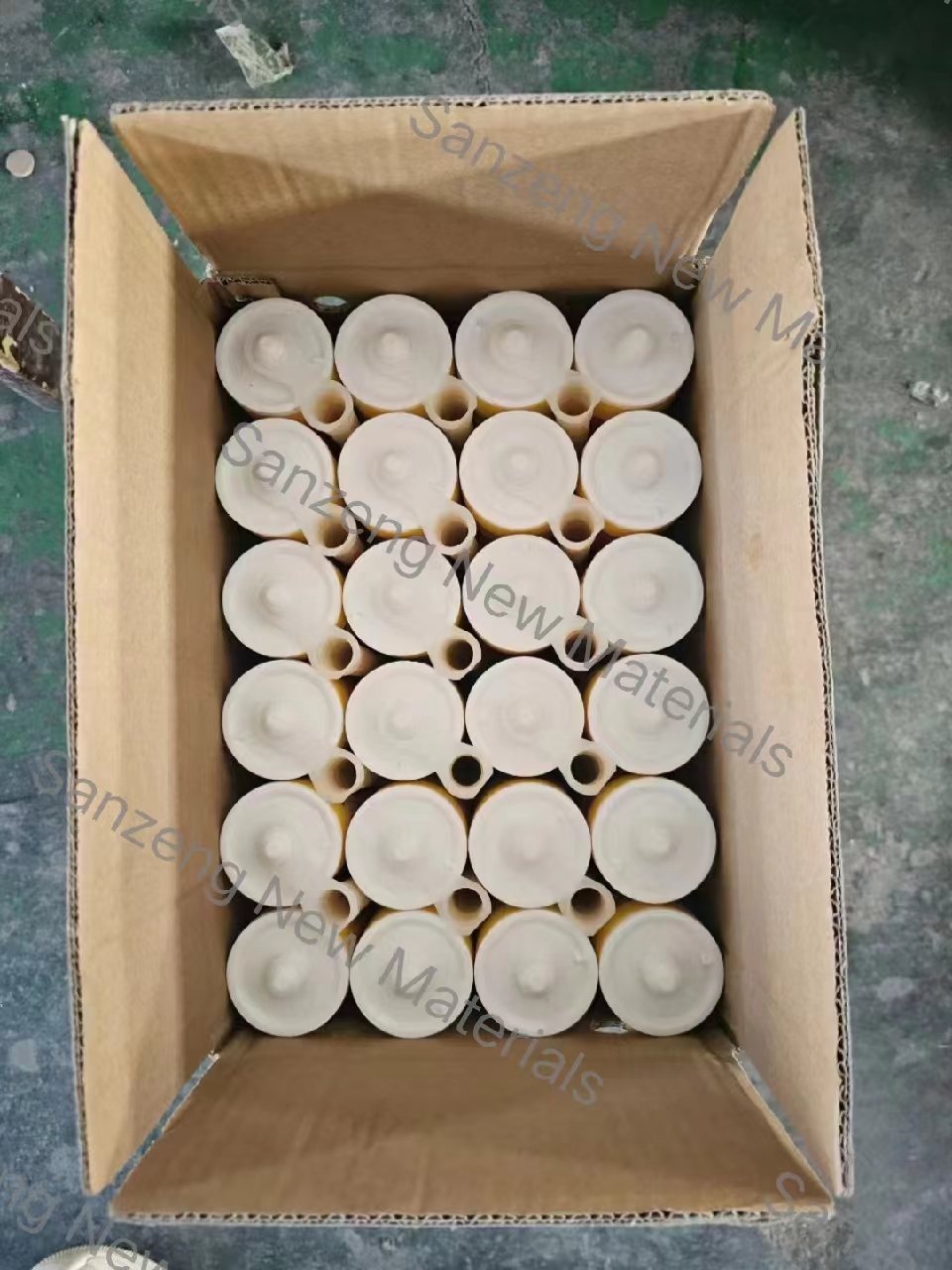
Cartridge and packaging formats produced on the same site as filling — the point buyers should verify during a supplier audit.
Filling equipment built by the same manufacturer
The filling side is manufactured too: single-cylinder and double-cylinder semi-automatic filling machines, fully automatic filling machines, automatic capping machines, conveying lines, sausage-film filling machines and 60-ton hydraulic presses, with filling accuracy of ±2 g and speeds of 30–60 pieces per minute. Customized complete production line solutions for sealant manufacturing are also supplied. For a buyer the value is diagnostic — a supplier that builds filling equipment can describe its own line tolerances, and ±2 g accuracy is a figure that can be tested on arrival instead of taken on trust.
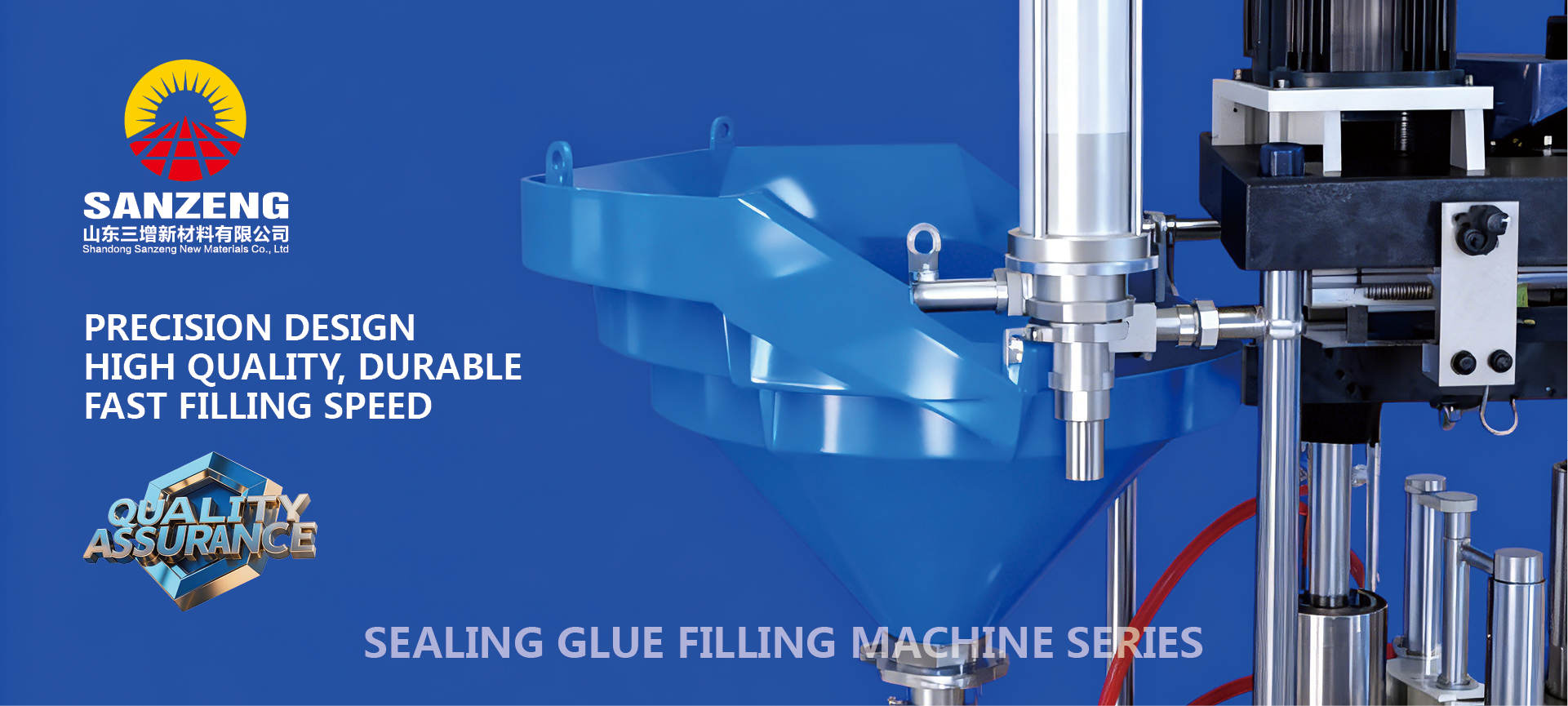
Filling accuracy of ±2 g at 30–60 pieces per minute is the kind of tolerance that converts a capacity claim into a delivery plan.
Capacity, lead time and commercial terms in figures
The capability documentation lists a capacity of 8,800,000 units, a lead time of 10–20 days, a minimum order quantity of 100 boxes and 100% testing. OEM and ODM production is offered, with customization covering package and logo. Purchasing terms are MOQ 100 boxes, delivery on FOB or CIF terms, acceptance by pre-shipment test, and payment at 30/70/100%. Those figures together define the delivery promise, which is why they belong in the quotation rather than in a follow-up email.
Certification and documentation
The company holds ISO 9001 quality management, ISO 14001 environmental management and ISO 45001 occupational health and safety certification. Selected export products carry CE marking and RoHS compliance, and SGS performance and safety test reports are available. Named documents include RoHS Certificate of Compliance CTB240305020CX-ZS covering silicone sealant (tested sample) and UNIB24030401HC-01 covering polyurethane sealant, both assessed against the IEC 62321 series and Directive 2011/65/EU. For German packaging obligations, a LUCID packaging EPR registration (DE2636557090139, issued 19 March 2025) is on file.
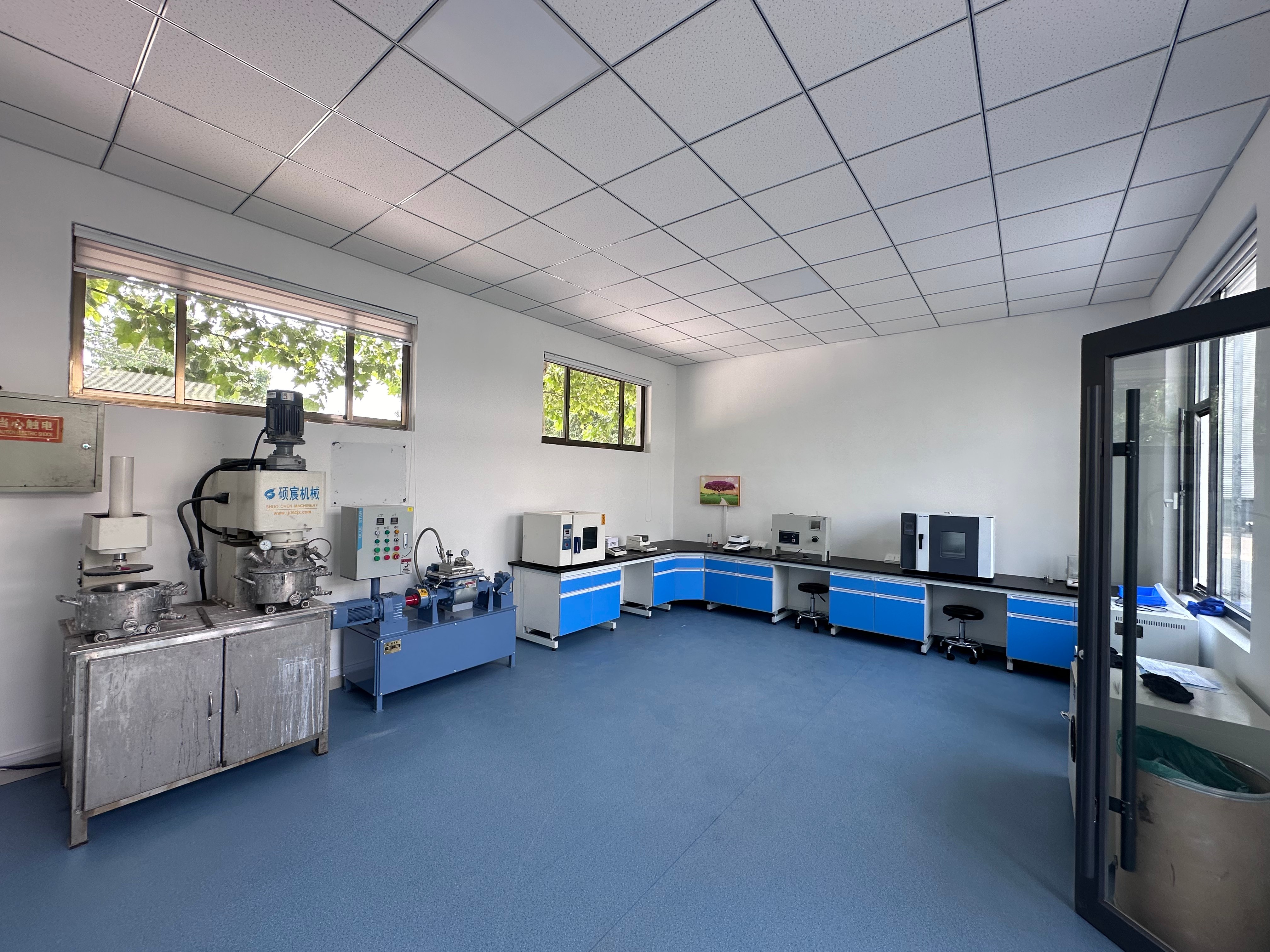
Laboratory testing supports the pre-shipment acceptance clause that buyers should insist on in writing.
Five Verification Steps, in the Order That Saves the Most Time
Step 1 — Draw the bill of materials by plant, not by product
List every component that has to arrive for one carton: compound, cartridge, nozzle and end cap, label, carton, film. Then ask which plant produces each one. A supplier that answers that it handles everything has told you nothing. A supplier that names its own cartridge line, its own filling hall and its own packing station has given you an auditable map.
Step 2 — Request cartridge tooling evidence for the exact format
Ask for the cartridge model, material, size range and decoration method. A verifiable answer for a 300 ml program is a named format such as SZ-1, a stated material of PP or PE, a stated size range of 240–310 ml, and confirmation that logo printing and colour customization happen on the same site. If the tube is bought in, get the converter's identity and add their lead time to yours before you commit to a delivery date.
Step 3 — Convert quoted capacity into a delivery plan
Capacity figures only become useful after conversion. Take the stated 8,800,000 units capacity and the 10–20 day lead time, calculate cartons, pallets and container loads for your own order size, and ask the supplier to confirm the plan against a specific purchase order date. Where the standard pack is 300 ml × 24 pcs per carton, the arithmetic is transparent and any gap between the promise and the loading plan becomes visible immediately.
Step 4 — Fix acceptance criteria and payment structure in writing
Settle the commercial framework before sampling, not after. For this supplier it is documented as MOQ 100 boxes, FOB or CIF delivery terms, pre-shipment test as the acceptance criterion, and payment at 30%, 70% or 100%. Pre-shipment testing matters most on a first order, because it moves verification onto the factory floor while correction is still possible.
Step 5 — Confirm shelf life, storage and after-sales
Shelf life depends on formulation, packaging and storage conditions, and should be read from the packaging or technical data sheet for each SKU; a 12-month reference is typical for the cartridge range and is worth confirming grade by grade. Storage guidance is consistent: cool, dry and well-ventilated, away from direct sunlight, high temperature and moisture. After-sales support covers remote technical assistance and free sample testing.
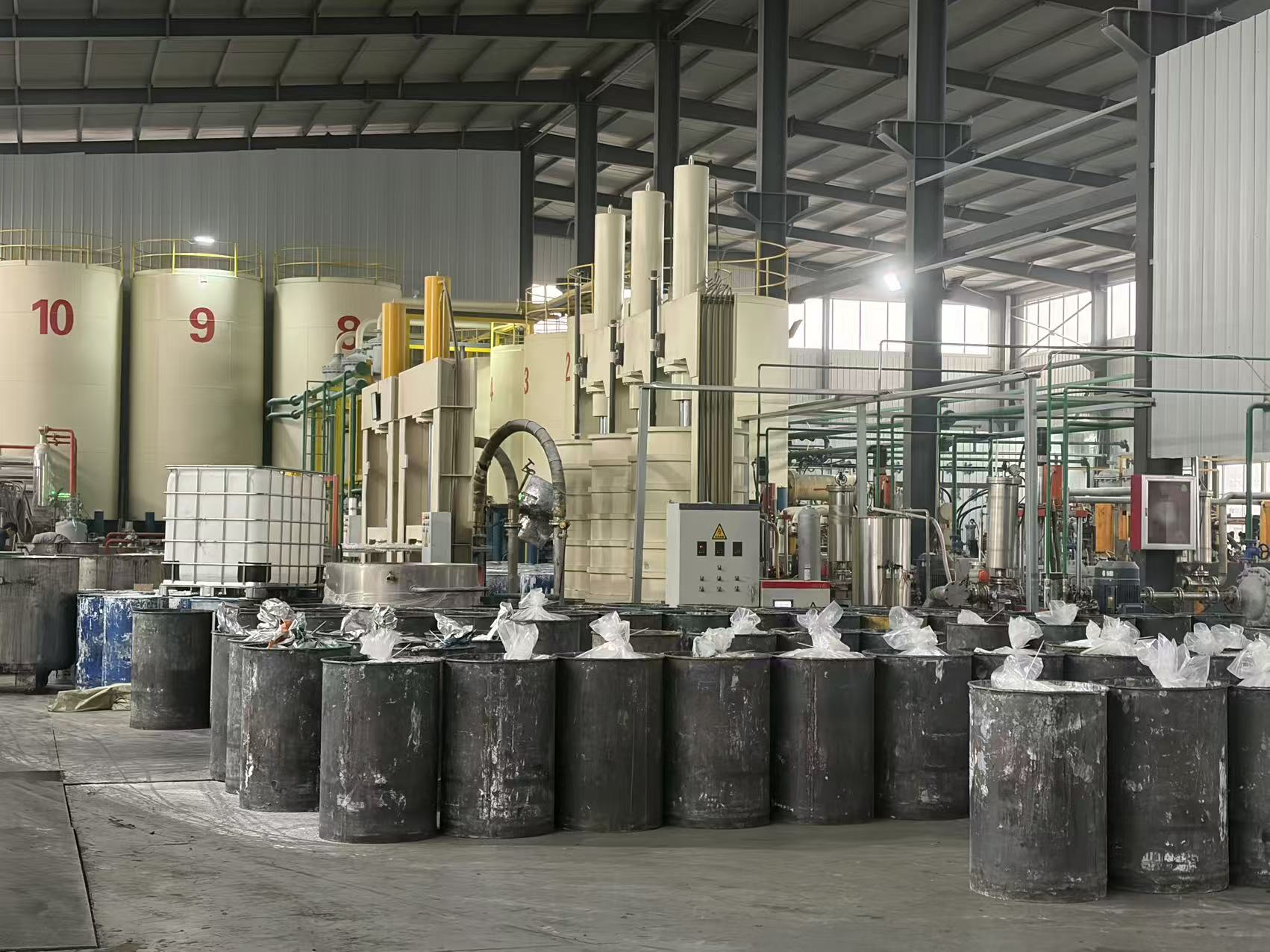
Filling, capping and cartoning inside one workshop is what turns a 10–20 day lead time into a realistic commitment.
Four Programs Where Cartridge Ownership Decides the Result
Private-label launch of a neutral cure range. A distributor building its own brand usually starts with neutral cure silicone sealant and acetic silicone sealant as the volume pair, then adds weatherproof and mold resistant grades. Because package and logo customization sit beside cartridge moulding, artwork revisions do not restart the supply chain. Neutral cure is also the safer choice on aluminium, metal and stone, where an acetoxy product's acetic acid release is a poor match.
Facade and window programs. Curtain wall and facade sealing, door and window frame waterproofing and expansion joints call for weatherproof and structural grades — structural silicone adhesive where glazing is structural, low modulus silicone sealant where joint movement is high. Application data for the range cites movement accommodation up to ±50% and service from -40°C to +150°C; outdoor exposure claims should still be matched against the test reports supplied with the quotation.
Sanitary and interior fit-out. Bathroom and kitchen work uses sanitary silicone sealant with a mold-resistant formulation, while indoor decoration mixes acrylic sealant, no-nail adhesive and tile grout with clear or black silicone sealant for glass and metal junctions. Multi-SKU orders are where in-house cartoning earns its keep, because every additional label and carton is produced on the same schedule as the compound.
Industrial and mixed export containers. Distributors consolidating fire resistant silicone sealant, high temperature silicone sealant and RTV silicone sealant grades for industrial buyers need a single loading plan. One documented program covers 2,000,000 cartridges delivered over two years with stable operation and no leakage — useful as a reference point for long-run consistency rather than as a performance guarantee.
Supplier Capability Comparison: The Question, the Evidence, the Answer
Use this table as an audit sheet. The middle column is what any supplier should be able to produce; the right-hand column shows the documented position for Sanzeng.
| Evaluation criterion | Evidence to request | Documented position |
|---|---|---|
| Cartridge ownership | Tooling list, plant record, model reference | SZ-1 empty bottle / cartridge / caulking tube; 240–310 ml and 2600 ml HDPE, PP, PE drums |
| Filling capability | Line list, accuracy and speed figures | In-house semi-automatic and fully automatic filling machines, capping machines, ±2 g accuracy, 30–60 pcs/min |
| Output and lead time | Written capacity and delivery commitment | 8,800,000 units capacity; 10–20 days lead time |
| Quality control | QC protocol and acceptance clause | 100% test; pre-shipment test as acceptance criterion |
| Compliance documents | Certificate numbers and scope | ISO 9001, ISO 14001, ISO 45001; CE; RoHS CTB240305020CX-ZS and UNIB24030401HC-01; SGS reports; LUCID DE2636557090139 |
| Commercial terms | Written quotation | MOQ 100 boxes; FOB or CIF; payment 30/70/100% |
| Packaging and shelf life | Carton configuration and TDS per SKU | 300 ml × 24 pcs per carton; 12-month shelf life reference; cool, dry, well-ventilated storage |
Figures are as stated in the manufacturer's capability documentation and certificates. Re-confirm them against the current quotation and the technical data sheet for the specific SKU before the order is placed.
Frequently Asked Questions
Which compliance documents should be verified before a silicone sealant order ships?
Start with management-system certificates — ISO 9001, ISO 14001 and ISO 45001 — then check product-level documents for the exact SKU: CE marking on selected export products, RoHS compliance reports such as CTB240305020CX-ZS for silicone sealant and UNIB24030401HC-01 for polyurethane sealant, and SGS performance and safety test reports. For German packaging obligations, ask for the LUCID registration; the number on file is DE2636557090139, issued 19 March 2025. Certificates should be checked for scope, not just presence.
How can a buyer confirm that a supplier actually produces its own cartridges?
Ask for the cartridge model, material and size range, and for confirmation that logo printing and colour customization take place on the same site as filling. Sanzeng produces the SZ-1 sealant empty bottle, cartridge and caulking tube in-house, along with cartridges from 240 ml to 310 ml and 2600 ml drums in HDPE, PP and PE. A supplier that buys tubes from a converter can still serve you, but the converter's lead time becomes part of yours and should be added to the quoted delivery schedule.
What purchasing terms are standard for a bulk silicone sealant order?
For this supplier the documented terms are: MOQ 100 boxes, delivery on FOB or CIF terms, acceptance based on a pre-shipment test, and payment at 30%, 70% or 100%. The pre-shipment test is the clause worth negotiating carefully, because it places verification at the factory before the container is sealed, and it pairs naturally with the 100% testing stated in the quality-control documentation.
Can we test samples and apply our own brand before mass production?
Yes. Free samples and technical product selection consultation are offered, and OEM/ODM production is available with package and logo customization, so a neutral cure silicone sealant range can be trialled under your own label before the first bulk order. Sample evaluation should test the parameters your project actually depends on — adhesion to the real substrate, joint movement, cure behaviour at site temperature and, where relevant, paintability or mold resistance.
What lead time and packaging should we plan for?
The stated lead time is 10–20 days, with a standard pack of 300 ml × 24 pcs per carton and a 12-month shelf life reference that should be confirmed on the technical data sheet for each grade. Plan storage as cool, dry and well-ventilated, away from direct sunlight, high temperature and moisture. Buyers who want to shorten the path from evaluation to execution can request the current capability statement, a sample set and a written quotation in one step through the contacts listed at the end of this page.
Conclusion: Audit the Plant, Then Trust the Date
Supplier evaluation in silicone sealant purchasing comes down to a short list of verifiable questions: who moulds the tube, who fills it, what accuracy the line holds, what capacity the plant reports, what the acceptance clause says, and how many days sit between purchase order and loading. When the answers are named rather than implied — SZ-1 cartridges in PP and PE, ±2 g filling accuracy at 30–60 pieces per minute, 8,800,000 units capacity, a 10–20 day lead time and pre-shipment testing — a delivery date stops being a sales promise and becomes a schedule you can plan a project around.
Shandong Sanzeng New Materials Co., Ltd. covers sealant production, packaging containers and filling equipment as one integrated chain, exporting to more than 30 countries and regions from its 40,000 m² site in Linqu County, Weifang City, Shandong Province. Its range spans neutral cure and acetic silicone sealant, structural silicone adhesive, weatherproof and waterproof grades, mold resistant sanitary grades, fire resistant and high temperature types, MS polymer, acrylic and PU sealants, tile grout and PU foam — supported by ISO 9001, ISO 14001 and ISO 45001 certification.
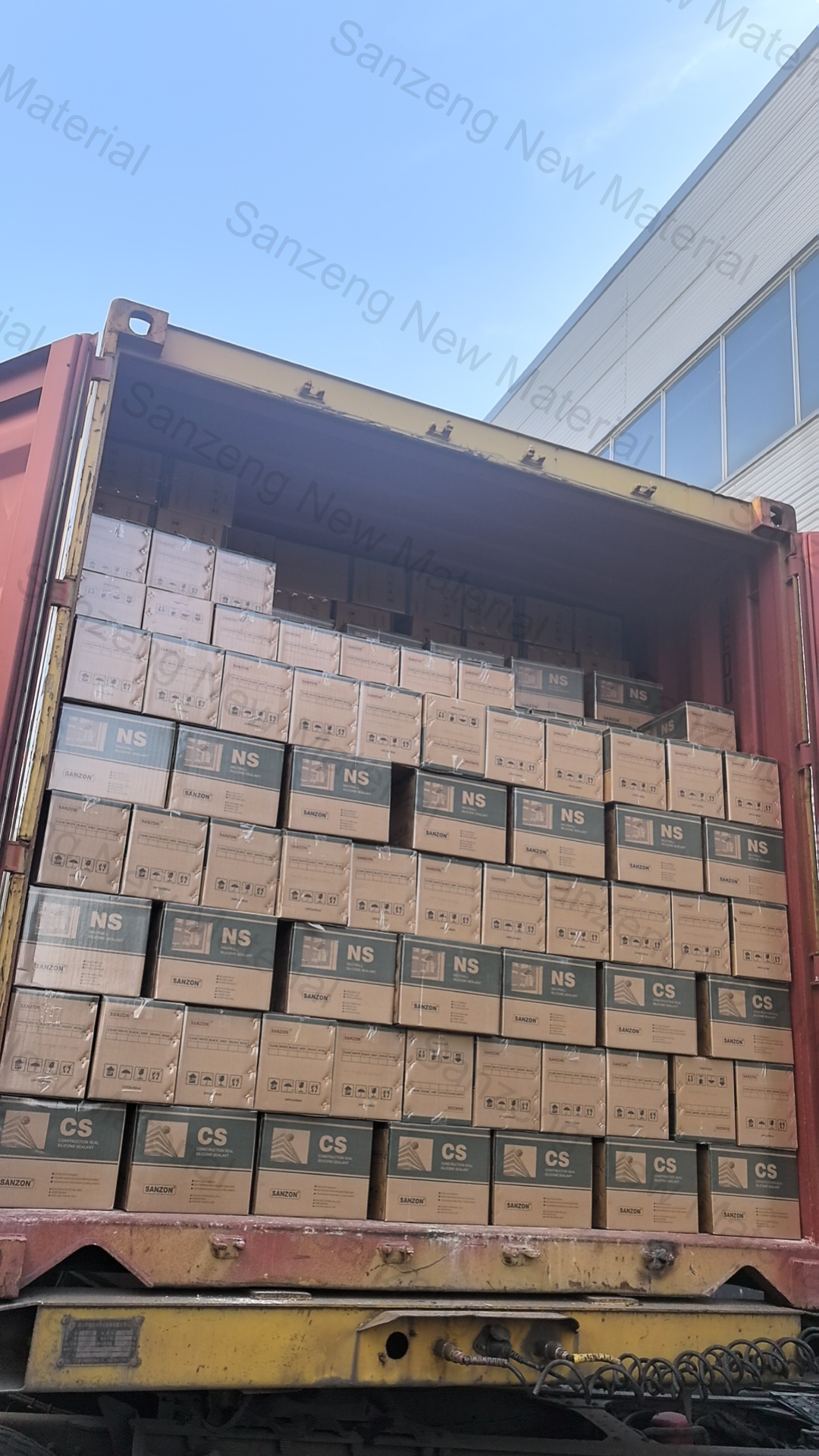
Next step: sample, specification and quotation in one request
Ask for a neutral cure silicone sealant sample set, the SZ-1 cartridge specification and a written quotation covering MOQ, lead time and delivery terms.
Website: sanzengsealant.com | Email: guooj000@163.com | Tel / WhatsApp: +86 185-5361-7774
Address: East Road, 100 Meters North Of Zhongbai Supermarket, Haojiazhuang Village, Dongcheng Street, Weifang, Shandong, China
Product catalogue for download: SANZON LIONKING Series Adhesives (PDF)
Have Questions or Need More Details?
Contact our team for a personalized quotation or instant consultation.
Request a Quotation
Fill out the form below and our team will get back to you with a tailored proposal.
WhatsApp Direct Chat
Prefer to chat in real-time? Message us on WhatsApp for instant assistance & quick answers.
- Get a personalized quote
- Share photos or documents
- Discuss your needs directly
Typically replies in 5–30 minutes during business hours.