
Galvanized vs Stainless Steel Coil: Specification Comparison
Galvanized steel coil and stainless steel coil both answer a corrosion requirement, but by different mechanisms: a zinc coating over carbon steel versus a chromium-bearing alloy through the full section. That difference decides grade selection, surface finish, fabrication route, document set and cost. Buyers at decision stage should compare the two on service environment, finish requirement, fabrication compatibility and documentation rather than on price per ton alone.
Shandong TXD Steel Group Co.Ltd is a steel manufacturer and trading group founded in 2010 and based in Jinan, Shandong, supplying galvanized steel coil and stainless steel coil alongside hot-rolled, cold-rolled, prepainted and structural products. Galvanized coil is the baseline throughout this comparison, because it is the product most projects start from.
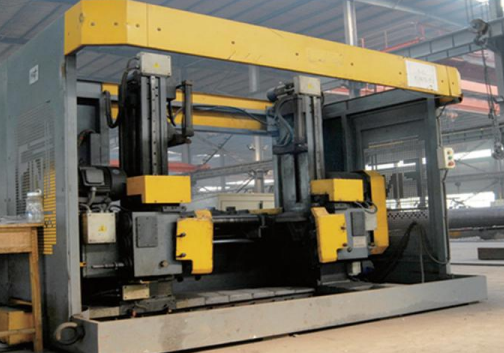
Galvanized coil and stainless coil are compared on environment, finish and documentation, not on price per ton.
Why the comparison goes wrong before it starts
Panels, enclosures, hollow sections and liners can all be produced from either coil, so both products end up in the same tender. The comparison breaks when corrosion resistance is treated as a single property.
Galvanized coil keeps oxygen away from the steel with a zinc layer and lets that zinc corrode preferentially where the coating is cut, scratched or sheared. Performance therefore depends on the coating mass actually applied, the atmosphere and how much edge is left exposed. Stainless coil has no coating to consume: chromium in the alloy forms a passive oxide film that re-forms after scratching, provided the surface is clean and the grade suits the environment. Its limiting factor is chloride, and the grade, not a coating weight, is the variable that decides the outcome.
The second failure is comparing price without matching specification. Galvanized coil cost tracks the substrate grade and the zinc coating mass; stainless coil cost is driven mainly by alloy content, particularly nickel and molybdenum. A per-ton comparison between an unspecified galvanized offer and an unspecified 304 offer is not a comparison.
Four questions separate the products quickly. Is chloride present, and at what concentration? Is the surface visible and unpainted? Is the part structural, formed, or both? Which documents does the buyer or the destination market require? Those answers usually settle the choice before a quotation is opened.
Industry background: two specification systems that do not merge
Galvanized coil is specified through coating standards. ASTM A653/A653M covers steel sheet, zinc-coated (galvanized) or zinc-iron alloy-coated (galvannealed) by the hot-dip process, supplied in coils and cut lengths, per ASTM International. Metinvest's product overview lists EN 10346, ASTM A653/A653M, DSTU EN 10346, GOST 14918-80 and GOST R 52246-04 as standards followed for galvanized coil production, and lists DX51D and DX52D for cold forming alongside structural grades from S220GD to S350GD.
Those systems are not interchangeable. A DX51D designation, an SGCC designation and an ASTM A653 grade describe comparable product through different national standards; treating them as synonyms without a cross-reference check is a specification risk. Coating designations and grade designations also describe different dimensions of the same coil: Z100 and Z275 state coating mass, while DX51D and SGCC state the steel grade, and the two cannot be compared with each other.
Stainless coil is specified by alloy grade rather than coating. TXD's stainless range is listed against ASTM A240, ASTM A312 and JIS G4305 and covers 201, 304, 304L, 316, 316L, 321, 310S, 410 and 430. Trade classification adds a third layer: galvanized flat-rolled non-alloy steel of 600 mm width and above falls within HS 7210, a heading covering clad, plated or coated flat-rolled product generally rather than galvanized coil alone, so confirm the subheading before using a trade figure to benchmark landed cost.
For scale, Grand View Research valued the global galvanized steel market at USD 253.5 billion in 2025 on a definition covering galvanized products broadly rather than coil only. Published market definitions vary, so such figures are context, not a coil-specific benchmark.
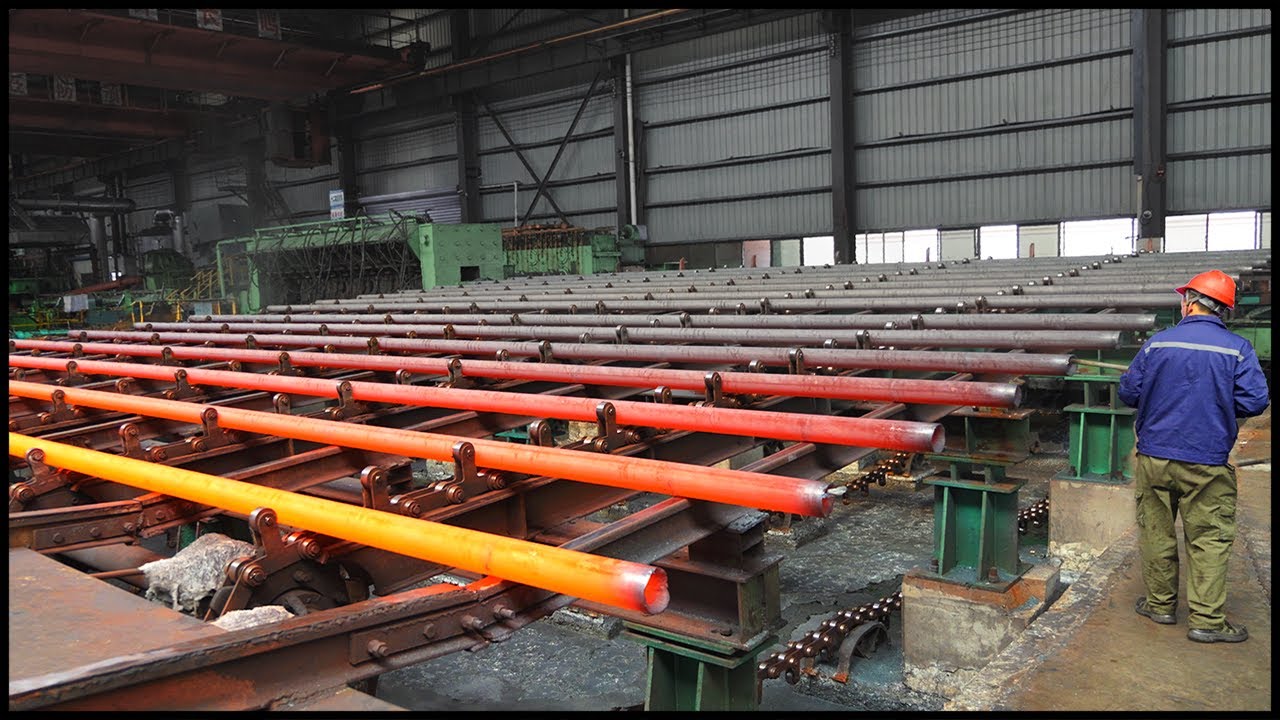
Coil stock and processing capability determine which thickness, width and coating combinations can be quoted for a given delivery date.
The galvanized baseline: four variables to fix in the RFQ
A galvanized quotation is only comparable when four variables are stated. Hot dipped galvanized steel coil describes a process, not a specification.
1. Substrate grade
The substrate is carbon steel, and the grade governs forming and structural behaviour rather than corrosion resistance. TXD quotes galvanized coil against ASTM A653 (CS Type A/B and SS33–80), ASTM A792, DX51D+Z/AZ, DX52D+Z, SGCC and CGCC, and can supply to GB, ASTM/ASME, EN/DIN, JIS, BS and ISO standards. A DX51D coil is bought for cold forming; an S250GD coil is bought when the finished part carries load. Ask for the grade and the standard together.
2. Coating mass designation
Coating is where most corrosion performance and much of the zinc cost sit. Z100 and Z275 are coating-mass designations used with EN 10346 grades, and the number corresponds to zinc coating mass in grams per square metre. Before comparing two Z275 offers, confirm whether the figure is stated on a total-both-surfaces basis or a per-surface basis, and confirm the test method, because a like-for-like comparison depends on it. The Mill Test Certificate should report coating weight as a measured result rather than repeat the nominal order description.
3. Surface condition and spangle
Two coils with identical grade and coating mass can still behave differently on the line. Chromated, oiled and anti-fingerprint conditions exist for different reasons: temporary protection in storage and transit, lubrication for forming, or a surface that can be handled without marking. Spangle, regular or zero, affects appearance and, for painted end use, surface preparation. Specify the condition, because a mill default may not match your process.
4. Standard, tolerances and document set
State the standard, grade, coating mass, surface condition, dimensions and tolerances, then require a Mill Test Certificate covering chemical composition, mechanical properties and coating weight. Where the order needs independent verification, agree inspection items, sampling and batch documentation before shipment rather than after arrival.
Stainless steel coil: grade family, thickness and finish
Grade families: 200, 300, 400, duplex and 904L
Stainless selection starts with the alloy family, not the thickness. The 200 series, represented by grade 201, replaces part of the nickel with manganese; it is the lowest-cost austenitic option and is normally reserved for indoor or mildly corrosive service away from chlorides. The 300 series covers 304, 304L, 316, 316L, 321 and 310S: 316 and 316L add molybdenum for chloride-bearing and chemical service, 321 is stabilised for elevated-temperature use, and 310S is chosen for high-temperature oxidation resistance. The 400 series is ferritic or martensitic, with 430 common for indoor appliance and trim work and 410 selected where hardness matters more than corrosion resistance.
Outside those families, duplex stainless steels combine austenitic and ferritic structures and are used where higher strength and chloride resistance are needed together, while 904L is a high-alloy austenitic grade with molybdenum and copper additions for severe acid and chloride service. TXD's listed stainless range is 201, 304, 304L, 316, 316L, 321, 310S, 410 and 430; duplex and 904L fall outside that list and should be handled as a separate enquiry with written confirmation of grade, origin and documents before design freeze.
Thickness: hot-rolled and cold-rolled bands
Stainless coil is supplied hot-rolled or cold-rolled, and the two conditions serve different thickness bands. Hot-rolled stainless coil is commonly quoted in the 2.2–12.0 mm range and cold-rolled in the 0.2–3.0 mm range. These are market ranges rather than a guarantee for a given mill on a given date, so confirm achievable thickness, width and tolerance for the actual order, and check that the certificate states delivered thickness rather than a nominal figure.
Finish: the variable with no galvanized equivalent
More than eight finishes are commonly quoted. They span hot-rolled annealed and pickled (No.1), the cold-rolled mill finishes 2D and 2B, bright annealed (BA), the polished and brushed finishes No.3, No.4 and hairline, and the reflective No.6, No.7 and No.8 finishes. Finish is functional as well as visual: a rougher surface retains contamination and is harder to clean, which matters in food and medical service, while a mirror finish shows handling marks and scratches earlier.
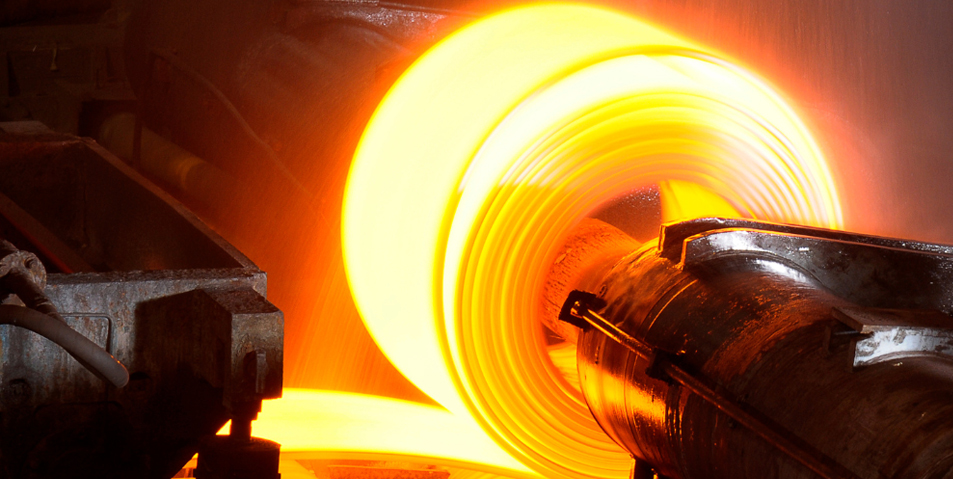
Handling and packing specification matters more for stainless, where surface marks are difficult to remove after delivery.
Specification and application comparison
The table compares the two products on the attributes that change a purchase decision. Ranges are market ranges and should be confirmed per order.
| Attribute | Galvanized steel coil (baseline) | Stainless steel coil |
|---|---|---|
| Protection mechanism | Zinc coating: barrier plus sacrificial protection at cut edges and scratches | Chromium oxide passive film; no coating to consume |
| Standards referenced | EN 10346, ASTM A653/A653M, JIS G3302, GB and other national systems | ASTM A240, ASTM A312, JIS G4305 |
| Grade designations | DX51D+Z, DX52D+Z, SGCC, S250GD, ASTM A653 CS Type A/B, SS33–80 | 201, 304, 304L, 316, 316L, 321, 310S, 410, 430 |
| Corrosion specification variable | Coating mass designation (for example Z100 or Z275) plus surface condition | Alloy grade |
| Surface options | Chromated, oiled, anti-fingerprint; regular or zero spangle | No.1, 2D, 2B, BA, No.3, No.4, hairline, No.6, No.7, No.8 |
| Thickness | Specified per order against mill capability and application | Hot-rolled approx. 2.2–12.0 mm; cold-rolled approx. 0.2–3.0 mm |
| Appearance | Metallic zinc finish; normally painted where visible | Bare metal finish from matte to mirror |
| Fabrication | Slitting, cut-to-length, roll forming, corrugating; cut edges and welds need coating attention | Forming and welding with dedicated tooling; work hardening and contamination control |
| Relative material cost | Lower base cost; rises with coating mass | Higher base cost driven by alloy content |
| Typical applications | Roofing, wall panel, purlin, gutter, ducting, appliance backs, painted automotive parts | Food and medical equipment, architectural cladding, marine fittings, chemical and high-temperature service |
| Documentation | MTC with chemical composition, mechanical properties and coating weight | MTC with chemical composition and mechanical properties; grade confirmation |
Step-by-step: running the comparison on a live requirement
Working through the seven steps in order stops the comparison from collapsing into a price argument.
- Define the exposure, not the product. Record whether the part sees chloride, condensation, cleaning chemicals, food contact or elevated temperature, and whether it is indoors or outdoors. Chloride exposure is the single most common reason a galvanized specification is later replaced with stainless.
- Decide whether the surface is visible. A visible bare-metal surface points towards stainless or a prepainted galvanized product; a surface that will be painted or hidden leaves galvanized in play.
- Fix the mechanical requirement. Structural parts need a structural grade such as S250GD; cold-formed parts need a forming grade such as DX51D; deep-drawn or hygienic parts move the discussion to a stainless grade with a suitable finish.
- Fix the corrosion specification on the correct variable. For galvanized this is the coating mass designation and surface condition; for stainless it is the alloy grade. Comparing a coating mass against a grade produces no usable answer.
- Check fabrication compatibility. Welding galvanized coil burns off coating locally and requires edge and weld protection; stainless needs dedicated tooling and contamination control. Slitting, cut-to-length and corrugating requirements should be stated at enquiry stage.
- Compare documentation, not only price. Ask both suppliers for the same document package: Mill Test Certificate content, third-party inspection scope, and batch identification. A cheaper coil without traceable coating weight is not cheaper.
- Compare commercial terms on the same basis. MOQ, lead time, Incoterm, packing, quotation validity and payment terms must be normalised before the two offers can be ranked.
Application fit: where each coil is the normal choice
Food and medical equipment
Stainless is the normal specification, typically 304 or 316L with a 2B, BA or No.4 finish, because the surface must be cleanable and must not rely on a consumable coating. Hygienic performance depends on fabrication as much as on the coil, so weld preparation and surface finish should be specified together.
Architectural and marine work
Exposed architectural metalwork inland is usually 304, while marine and de-icing-salt exposure generally moves the specification to 316 or 316L, with duplex and 904L reserved for more severe chloride and acid service. Galvanized coil remains appropriate where the finished surface will be painted or where a zinc finish is acceptable.
Roofing, wall panel, purlin and gutter
Galvanized coil is the standard input for roofing, wall panel, purlin and gutter profiles, supplied for roll forming and corrugating. Coating mass and surface condition decide how the profile performs, and prepainted coil is used where colour and a painted finish are required from the start.
Automotive and appliances
Demand splits by part. Painted body and structural parts normally use galvanized coil, while appliance skins, liners and wet-area components commonly use stainless such as 430 or 304 where the surface is exposed to moisture and cleaning agents.
Where galvanized is the wrong specification, and where stainless is overspecified
Galvanized is the wrong choice where the part faces continuous chloride exposure with no maintenance route, where bare-metal appearance is the design intent, where a cleanable food-contact surface is required, or where sheared edges remain exposed in a corrosive atmosphere. In those cases the coating is being asked to do something its thickness cannot support.
Stainless is overspecified where the part is indoors and dry, where it will be painted, where it is a replaceable component with a short service life, or where a higher coating mass on galvanized coil would meet the same requirement at lower cost. Neither product is automatically correct for immersed or buried service, which needs its own evaluation.
Procurement checks before the order is placed
Five checks decide whether a quotation can be converted into a reliable order.
Mill Test Certificate. TXD issues an MTC covering chemical composition, mechanical properties and coating weight. For stainless, confirm the grade and mechanical properties; for galvanized, insist that coating weight appears as a measured value, because it is the variable the price is built on.
Sample. A free A4 or 300 × 300 mm sample is cut from historical production and shipped freight collect, with courier transit of 3–7 days. For stainless, use the sample to check finish and surface condition; for galvanized, check spangle and surface treatment.
Customization. Slitting, cut-to-length, punching, bending, welding, RAL colours, glossy, matte or embossed surface and private label are available, with a 25 ton MOQ per size. Feasibility, tolerances and minimum quantity are confirmed per order, and a dimensional drawing, packing instruction and marking sample should be approved before production.
Lead time and Incoterm. Standard lead time is 15–25 working days after deposit and order confirmation, with stock items shipping in 10 days. EXW, FOB Qingdao and CIF to your port are offered, and the full document set, loading photos and seal number are sent before departure.
Commercial basis. A trial order starts from one 20GP container with mixed specifications allowed in the same container, and quotations are valid for 4 days, with orders confirmed inside that window price-locked. Longer projects can be quoted index-linked or locked against a deposit. Where the buyer needs independent release, third-party inspection items, sampling and batch documentation can be agreed before shipment.
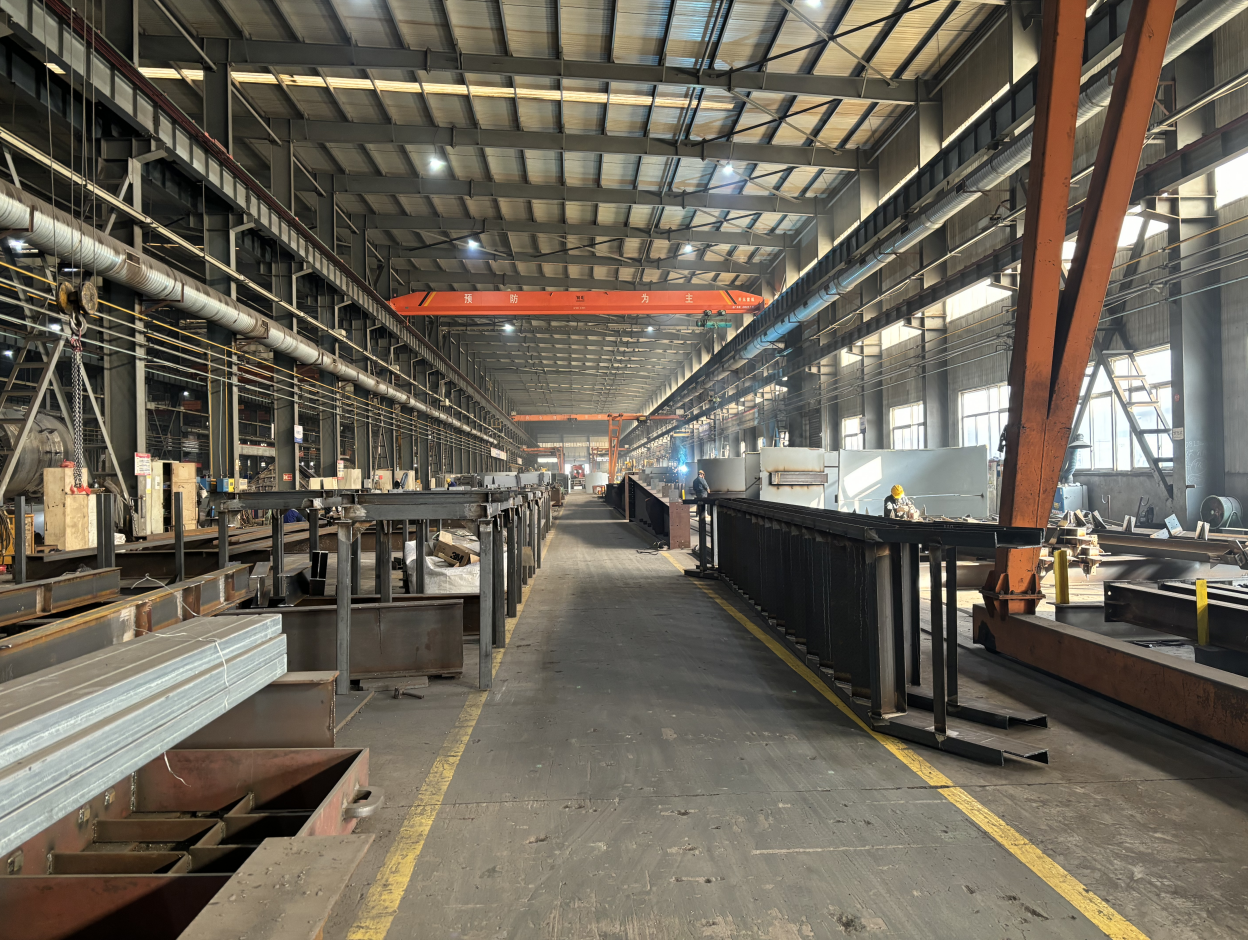
Documentation coverage, not the company name on the quotation, is what makes two coil offers comparable.
Frequently asked questions
Which galvanized steel coil manufacturer is better for DX51D versus S250GD grade requirements?
Neither grade makes one manufacturer inherently better; the grade changes what must be verified. DX51D is a cold-forming designation, while S250GD is a structural grade in the S220GD–S350GD series, so a DX51D enquiry is about formability and surface condition and an S250GD enquiry is about mechanical properties and load-bearing use. The practical test is documentation: the supplier should state the grade and standard on the offer, show both on the Mill Test Certificate with mechanical properties and coating weight, and confirm whether the coil ships as ordered or slit and cut to length. TXD quotes DX51D+Z, DX52D+Z, SGCC and ASTM A653 grades and issues an MTC covering chemical composition, mechanical properties and coating weight, so the comparison should be made on documented grade coverage and document quality rather than on brand name alone.
Can you provide a Mill Test Certificate, and what does it cover?
Yes. The MTC covers chemical composition, mechanical properties and coating weight. Coating weight is the relevant line for galvanized coil; for stainless coil the grade and mechanical properties are the lines to check against the purchase order. Where an order requires independent release, third-party inspection items, sampling and batch documentation can be agreed before shipment.
Can you customize slitting, cut-to-length, packing and marking?
Yes. Available operations include slitting, cut-to-length, punching, bending and welding, together with RAL colours, glossy, matte or embossed surface treatment and private label. The MOQ for customized sizes is 25 ton per size, and feasibility, tolerances and minimum quantities are confirmed per order. A dimensional drawing, packing instruction and marking sample are approved before production, and the responsible contact for deviations is fixed at the same time.
What is your MOQ, and how long is a quotation valid?
A trial order starts from one 20GP container, and mixed specifications are allowed in the same container; the minimum quantity per specification depends on the product itself. Quotations are valid for 4 days, and orders confirmed within that window are price-locked. For longer projects the quotation can be index-linked or the price locked against a deposit.
Can I get a sample before placing an order?
Yes. A free A4 or 300 × 300 mm sample is cut from historical production, shipped freight collect, with courier transit of 3–7 days. The sample is the practical way to confirm surface condition, spangle or stainless finish before committing to a container quantity.
What is your lead time and which Incoterms apply?
Lead time is 15–25 working days after deposit and order confirmation, and stock items ship in 10 days. EXW, FOB Qingdao and CIF to your port are available. The full document set, loading photos and seal number are sent before departure, and coils are loaded eye-to-sky or eye-to-wall with strapping, edge protectors and waterproof paper at about 25 t per container. If you are weighing a galvanized and a stainless option, send both specifications in one enquiry so the material, processing and freight lines can be compared directly; the product catalogue is available for download at TXD catalogue.
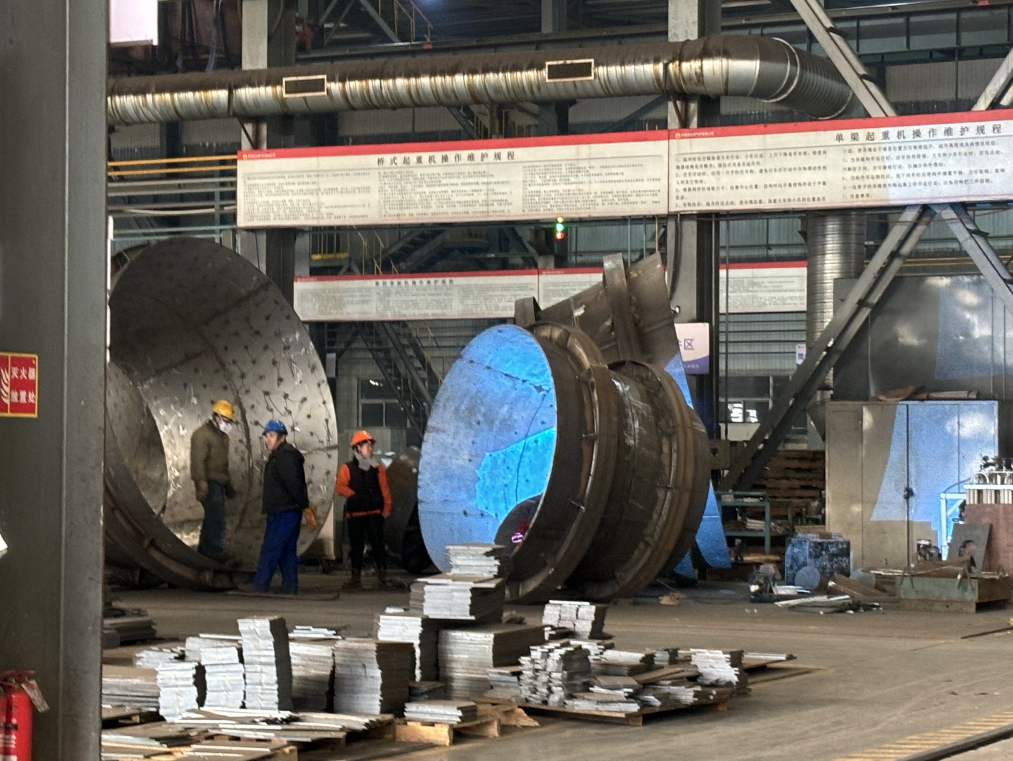
Sample and quotation requests can cover galvanized and stainless specifications in a single enquiry.
Conclusion
Galvanized steel coil and stainless steel coil are not competing grades of the same product; they are two different answers to corrosion, and the deciding factors are the environment, the finish requirement and the document set. Galvanized coil earns its place in roofing, wall panel, purlin, gutter, painted automotive and appliance structures where the zinc coating is specified by mass and protected in service. Stainless coil earns its place in food, medical, architectural and marine work where a cleanable, unpainted surface and an alloy grade matched to chloride exposure are required, with duplex and 904L reserved for severe duty. Fix the correct variable for each product, compare documentation before price, and normalise commercial terms — that sequence produces a defensible decision rather than a per-ton guess.
Have Questions or Need More Details?
Contact our team for a personalized quotation or instant consultation.
Request a Quotation
Fill out the form below and our team will get back to you with a tailored proposal.
WhatsApp Direct Chat
Prefer to chat in real-time? Message us on WhatsApp for instant assistance & quick answers.
- Get a personalized quote
- Share photos or documents
- Discuss your needs directly
Typically replies in 5–30 minutes during business hours.