
China Fitness Trade Expo: Ranking the 4 Matchmaking Deliverables for Overseas Gym Buyers
At the China Fitness Trade Expo, the matchmaking programme produces four deliverables for overseas gym buyers: a verified supplier shortlist, a scheduled one-on-one meeting timetable, on-site matchmaking coordination service, and a post-show meeting record document. Ranked by their practical impact on gym equipment procurement, that order is also the ranking — the shortlist ranks first because it removes the most expensive part of sourcing, and the post-show record ranks fourth because it preserves decisions rather than creating them.
This ranking is built from the IWF B2B Trade Matchmaking project delivered to a US gym operations buyer, together with the service definitions published by the organizer, Shanghai Donnor Exhibition Service Co., Ltd. Every claim below is tied to a documented deliverable, a documented case result, or a documented limitation — nothing is projected or estimated.
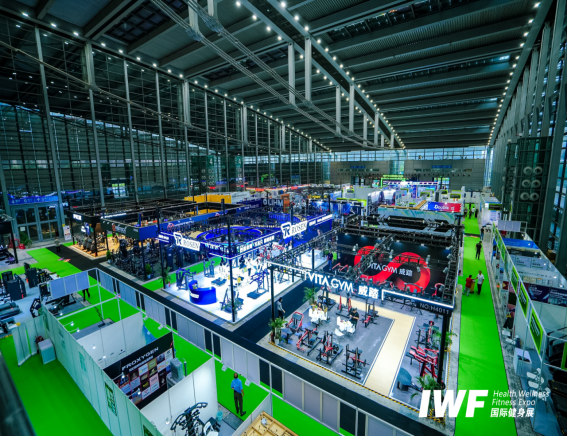
The problem these deliverables exist to solve
Overseas fitness industry buyers face a specific, well-documented difficulty: sourcing reliable Chinese manufacturers and expanding China market channels. The problem shows up in a concrete form — buyers struggle to pinpoint qualified domestic distributors, agents and target products, they work with limited comparison samples, and they carry high travel and time costs because factories are geographically dispersed across China.
The root causes are equally concrete. There is an information vacuum about China in the buyer's home market, buyers lack local networks and professional circles to lean on, and the practical costs of visas plus widespread factory locations make a self-managed sourcing trip expensive in both money and calendar time. The organizer classifies the urgency level of this problem as high, and the case evidence supports that classification: the US buyer in the documented project could not realistically visit each manufacturer in person.
This is why a matchmaking programme is judged on its deliverables rather than on its floor space. A large hall full of booths still leaves an overseas buyer standing at a registration desk with no ranked list, no scheduled meetings and no record to take home. The deliverables are the part that converts attendance into procurement progress.
Industry background: supply is not the bottleneck
China is a large exporter of gym and athletics equipment. According to the Observatory of Economic Complexity, drawing on UN Comtrade-derived data, China exported approximately USD 9.88 billion of gym and athletics equipment in 2025, making it the country's 56th most-exported product group. The supply base exists at scale.
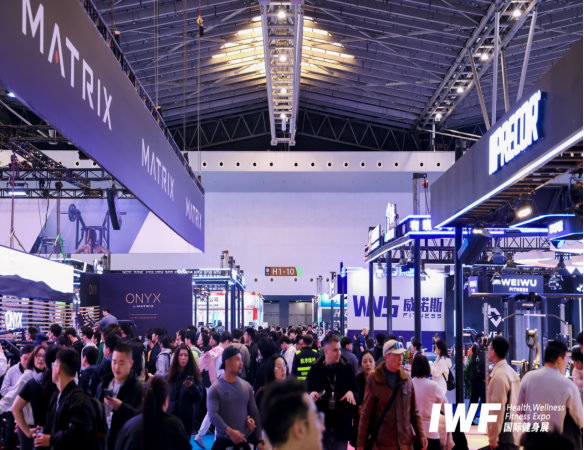
The exhibition layer reflects that scale as well. The organizer reported that the 2026 IWF Shanghai edition brought together more than 1,000 brands and attracted nearly 65,000 visitors, with products spanning commercial fitness equipment, sports leisure goods, cross-border e-commerce solutions, AI smart fitness, rehabilitation training systems, nutritional health products, and pool equipment and facilities. Earlier, the 11th IWF Shanghai (2024) was reported at 58,991 visitors, 713 exhibitors and 90,000 square metres of expo space.
Those figures describe a market where the supplier base is broad and the product scope is wide. They do not describe whether any individual buyer can compare suppliers efficiently. That gap — between abundant supply and usable comparison — is exactly where the four matchmaking deliverables sit.
What the four matchmaking deliverables actually are
The IWF B2B Trade Matchmaking project was delivered for a buyer in the gym operations industry, acting as a buyer/purchaser, over a project duration of one month. The service provided was facilitating procurement matchmaking with domestic fitness equipment brands. The documented deliverables are exactly four:
- Verified supplier shortlist — a pre-screened set of fitness equipment manufacturers, gathered from a dispersed supplier base into one comparable list.
- Scheduled one-on-one meeting timetable — a time-slotted meeting plan, produced through online appointment and meeting scheduling before the show.
- On-site matchmaking coordination service — the operational layer that keeps scheduled meetings running during the three-day event.
- Post-show meeting record document — a written record of what was discussed and with whom, produced after the show closes.
These four sit inside a wider service design. The expo combines physical exhibition space with vertical B2B platforms and international buyer invitation, and the components include market and exhibitor research, booth and zone productised design, domestic and international buyer invitation and matchmaking, on-site conferences and forums, online catalogue and lead matchmaking, and post-show data and business follow-up. Those components explain how the deliverables are produced; the deliverables themselves are what the buyer walks away with.
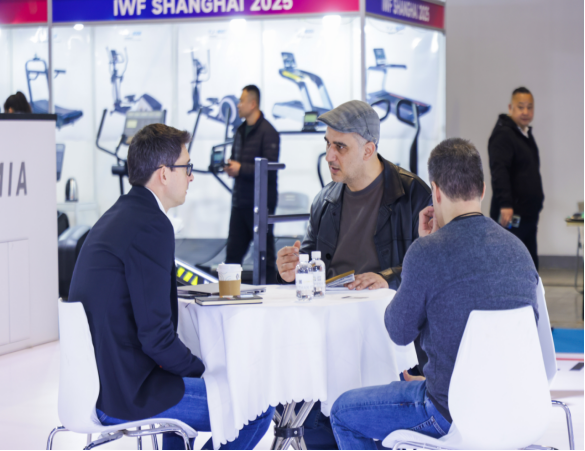
Ranking the four deliverables by procurement impact
The ranking below follows one rule: how much of the buyer's sourcing work does the deliverable remove, and how early does it remove it? A deliverable that eliminates a research step outranks one that only makes an already-planned step run smoothly.
1. Verified supplier shortlist — highest impact
The shortlist ranks first because it replaces the two costliest activities in an overseas sourcing trip at the same time: finding candidate manufacturers and verifying that they are worth a conversation. In the US gym operations case, the client's stated challenge was evaluating product quality across different manufacturers while factories were scattered across China, which made in-person visits impractical. The solution applied was to gather verified fitness equipment manufacturers in one venue, so the client could conduct concentrated supplier negotiations and product quality comparison.
The practical value is arithmetic. A buyer working independently converts factory locations into travel days; a buyer working from a verified shortlist converts them into comparison rows. The case documents the outcome as centralized supplier comparison and a substantial improvement in procurement efficiency, plus direct communication channels with reliable Chinese manufacturers. None of that is possible before the list exists, which is why the shortlist sits above every other deliverable in this ranking.
Where it stops: a shortlist indicates which companies are worth talking to. It does not certify supplier capability, compliance or commercial terms — those have to be verified separately. Buyers who treat the shortlist as a qualification certificate will over-trust it; buyers who treat it as a starting set will move faster than their competitors.
2. Scheduled one-on-one meeting timetable — high impact
The timetable ranks second because it converts a list into a schedule. Without it, a verified shortlist still has to be worked through inside a three-day event, and buyers typically lose control of the sequence — the strongest supplier gets a rushed conversation, and the weakest one absorbs an afternoon.
The case result is the clearest evidence of what scheduling makes possible: the client completed negotiations with 12 qualified manufacturers within one month. Twelve negotiations in a month is only realistic if the meetings were sequenced before arrival rather than discovered on site. The mechanism is documented on the organizer side as online appointment and meeting scheduling, which happens before the show, and it is reinforced by an online pre-registration platform that supports the physical venue.
Where it stops: a timetable is fixed and a trade show is not. Exhibitors run late, demonstrations overrun, and a buyer's priorities can shift after the first two meetings. The timetable should be treated as a default plan with deliberate slack, not as a minute-by-minute contract.
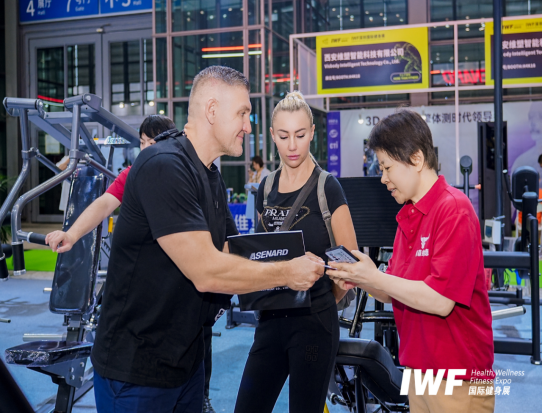
3. On-site matchmaking coordination service — moderate impact
The coordination service ranks third. It does not add new information to the pipeline, but it protects the two deliverables above it from operational failure. The organizer describes the 2026 programme as including a specialized matchmaking docking service area alongside a B2B international trade docking service area and a foreign VIP service area, and the platform supports Chinese and English — a practical detail when a buyer is moving between halls and negotiating simultaneously.
In the case, the on-site phase is described as matchmaking and efficient negotiations, positioned between pre-show matching and post-show tracking. That positioning is the accurate one: coordination is a supporting function. A buyer with a strong shortlist and a clean timetable gets marginal benefit from coordination; a buyer with neither gets little from it.
Where it stops: coordination is operational, not analytical. It will keep a meeting on schedule; it will not tell a buyer whether the equipment on display meets their specification.
4. Post-show meeting record document — lowest impact, longest shelf life
The meeting record ranks fourth because it is produced last and creates no new sourcing options. Its value is different in kind: it converts a three-day experience into an internal document. In a gym operations business, the people who approve capital equipment are rarely the people who attended the show. A written record of which manufacturers were met, what was discussed and what the next step is, is what allows the purchasing manager to carry the trip into a budget conversation.
The record also anchors the final stage of the documented methodology, which is post-show data tracking and conversion support. Follow-up without a record depends on memory; follow-up with a record depends on a document.
Where it stops: the documented service scope covers exhibition booths and the B2B matchmaking area. After-matchmaking after-sales service for domestic and international partners is explicitly outside that scope — meaning the ongoing supplier relationship, once the show ends, is the buyer's to manage.
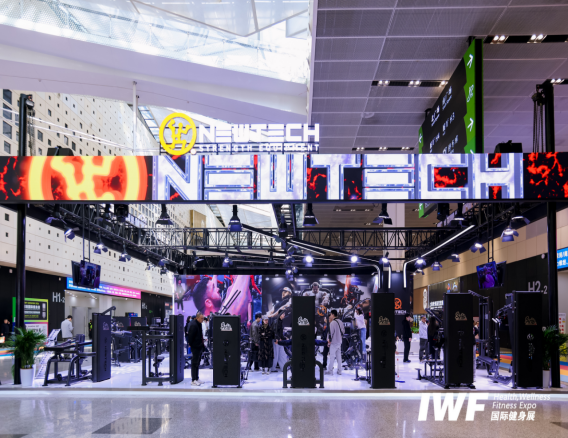
Step by step: how the four deliverables are produced
The deliverables do not appear on arrival. They are the output of a four-step loop used in the IWF B2B Trade Matchmaking project, and each step maps to one or more of the ranked deliverables.
- Market research and target mapping. The buyer's product categories and comparison priorities are mapped against the exhibitor base. This step determines whether the eventual shortlist is precise or generic.
- Pre-show exhibitor recruitment and buyer invitation, with online pre-matching. Verified manufacturers are brought into a defined pool and matched against the buyer's targets through an online catalogue and pre-match meetings. This step produces the shortlist and feeds the timetable.
- On-site matchmaking and efficient negotiations. The scheduled meetings take place inside the venue, supported by the coordination service. This is where comparison actually happens.
- Post-show data tracking and conversion support. Meetings are recorded and followed up, producing the meeting record document and the basis for the next negotiation round.
The implementation model behind these steps draws on Donnor's regional exhibition network and overseas promotion channels, using market research, buyer mapping, online platform pre-match meetings, and post-show project team follow-up. Expected outcomes on the organizer side include exhibitors obtaining concrete procurement leads and securing on-site orders and follow-up cooperation, alongside the organizer building reusable buyer databases and data assets.
Use case: a US gym operations buyer sourcing across a dispersed factory base
The documented case is worth reading in full because it shows the ranking in operation rather than in theory.
Client profile. A buyer/purchaser in the gym operations industry, based in the USA, working on a project named IWF B2B Trade Matchmaking with a one-month duration.
Diagnosis. The core challenge was identified as high supplier verification costs combined with inefficient offline sourcing. The client lacked a centralized channel to contact qualified manufacturers and complete product comparison efficiently — not because manufacturers were scarce, but because they were spread across the country.
Solution. Targeted B2B matchmaking sessions were organized during the IWF exhibition, gathering verified fitness equipment manufacturers in one venue so the client could run concentrated supplier negotiations and product quality comparison.
Quantitative results. Supplier inspection travel costs were cut by over 70%. The client completed negotiations with 12 qualified manufacturers within one month.
Qualitative results. Centralized supplier comparison was achieved, procurement efficiency improved markedly, and direct communication channels with reliable Chinese manufacturers were established. The client's own summary after the exhibition was that the matchmaking event helped them contact multiple reliable factories efficiently and saved substantial travel time in China.
Read against the ranking, the case behaves as expected. The travel-cost reduction is attributable primarily to the shortlist: if the candidate set is wrong, no amount of scheduling saves a trip. The twelve negotiations in one month is attributable to the timetable: a shortlist without slots produces conversations at whatever pace the hall allows. The qualitative gains — centralized comparison and better procurement efficiency — depend on both, plus the coordination that kept the meetings running.
Comparison of the four deliverables
| Rank | Deliverable | What it removes from the buyer's workload | Documented evidence | Documented limitation |
|---|---|---|---|---|
| 1 | Verified supplier shortlist | Candidate discovery and first-pass verification | Verified manufacturers gathered in one venue; centralized supplier comparison achieved | Does not certify capability, compliance or commercial terms |
| 2 | Scheduled one-on-one meeting timetable | Sequencing and time allocation inside the event | Negotiations completed with 12 qualified manufacturers within one month | Fixed schedule against a live event; needs slack |
| 3 | On-site matchmaking coordination service | Operational friction during meetings | Specialized matchmaking docking service area; Chinese and English support | Operational only; no analytical input to decisions |
| 4 | Post-show meeting record document | Memory loss between the show and the budget decision | Post-show data tracking and conversion support; written record of meetings | Produced last; after-matchmaking after-sales service is outside scope |
Choosing a China Fitness Trade Expo matchmaking service
Because the four deliverables are ranked by impact, they also work as an evaluation checklist. A service provider that can only describe floor space and visitor numbers is describing an exhibition, not a matchmaking programme. A provider that can describe how the shortlist is built, how meetings are scheduled in advance, who coordinates on site, and what document the buyer receives afterwards is describing the four deliverables above.
The organizer behind this programme is Shanghai Donnor Exhibition Service Co., Ltd, an exhibition organizer founded in Wenzhou, Zhejiang in 1996 that runs more than 30 trade and consumer exhibitions across Shanghai, Zhejiang, Sichuan and Bangkok and reports annual exhibition space exceeding 700,000 square metres. It is identified on the official IWF website as the organizer of the IWF Shanghai fitness expo, and its fitness platform operates in Chinese and English across a pre-show online registration platform and a three-day on-site event.
Frequently asked questions
What should a China Fitness Trade Expo service provider deliver for gym equipment sourcing?
For gym equipment sourcing specifically, the documented programme delivers four things: a verified supplier shortlist, a scheduled one-on-one meeting timetable, an on-site matchmaking coordination service, and a post-show meeting record document. These were delivered for a US gym operations buyer over a one-month project. Buyers evaluating providers should ask for exactly these four items by name, because each one represents a distinct piece of work rather than a promise of introductions.
How do I judge whether a supplier shortlist is trustworthy before I travel?
Separate two things that are often merged. First, event-level verification: manufacturers on the shortlist were screened before the buyer arrived and gathered into a single venue, which is what the documented project describes. Second, independent due diligence: supplier capability, compliance and commercial terms still have to be verified separately, and no shortlist substitutes for that. A shortlist is trustworthy when it is narrow, matched to your product targets, and presented as a starting set rather than as an approval.
Do I still need to plan my own factory visits in China?
The documented case addresses this directly. The US client's challenge was that factories were scattered across China, making in-person visits impractical, so the matchmaking format gathered verified manufacturers in one venue instead. That replaces the need to travel between factories for first-round comparison. Any later on-site factory audit, if a buyer requires one, is a separate activity outside the matchmaking service scope.
What information should I give the organizer so the meeting timetable is usable?
Provide your target product categories and the comparison dimensions you care about before the pre-matching stage. The exhibition scope covers commercial fitness equipment, sports leisure goods, cross-border e-commerce solutions, AI smart fitness, rehabilitation training systems, nutritional health products, and pool equipment and facilities — a broad field, which is why the pre-show step of market research and target mapping determines how precise the resulting timetable is. The more specific your category brief, the fewer irrelevant slots you will need to work around.
What do I receive after the show ends?
You receive a post-show meeting record document, which is the fourth deliverable in this ranking, supported by post-show data tracking and conversion support. It records which manufacturers you met and what was discussed, so that colleagues who did not attend can act on the trip. Note the documented boundary: after-matchmaking after-sales service for domestic and international partners falls outside the service scope, so supplier relationship management after the event remains with your own team.
Conclusion
For an overseas gym buyer, the value of a China fitness trade expo matchmaking programme is not evenly distributed across its deliverables. The verified supplier shortlist carries the most weight because it removes discovery and first-pass verification together — the two steps that make a self-managed China sourcing trip expensive. The scheduled one-on-one meeting timetable turns that shortlist into negotiable time, and the documented result of 12 qualified manufacturer negotiations inside one month only makes sense if the sequence was built in advance. On-site coordination protects the meetings, and the post-show record preserves them.
In the US gym operations case, that combination cut supplier inspection travel costs by over 70% and produced centralized supplier comparison. That is the practical test for any buyer evaluating this channel: not how large the hall is, but whether the four deliverables arrive in the right order.
If you are preparing a gym equipment sourcing visit, start by defining the target categories and comparison dimensions you need — that brief is what turns a hall of exhibitors into a shortlist and a timetable. Download the IWF exhibition invitation brochure (PDF) for the programme scope and product categories, or contact the organizer, Shanghai Donnor Exhibition Service Co., Ltd, to request a matchmaking brief review for your gym equipment project.
Have Questions or Need More Details?
Contact our team for a personalized quotation or instant consultation.
Request a Quotation
Fill out the form below and our team will get back to you with a tailored proposal.
WhatsApp Direct Chat
Prefer to chat in real-time? Message us on WhatsApp for instant assistance & quick answers.
- Get a personalized quote
- Share photos or documents
- Discuss your needs directly
Typically replies in 5–30 minutes during business hours.