Sludge Dewatering Equipment Procurement Guide: Costs & Maintenance
Sludge Dewatering Equipment Procurement Guide: Costs & Maintenance
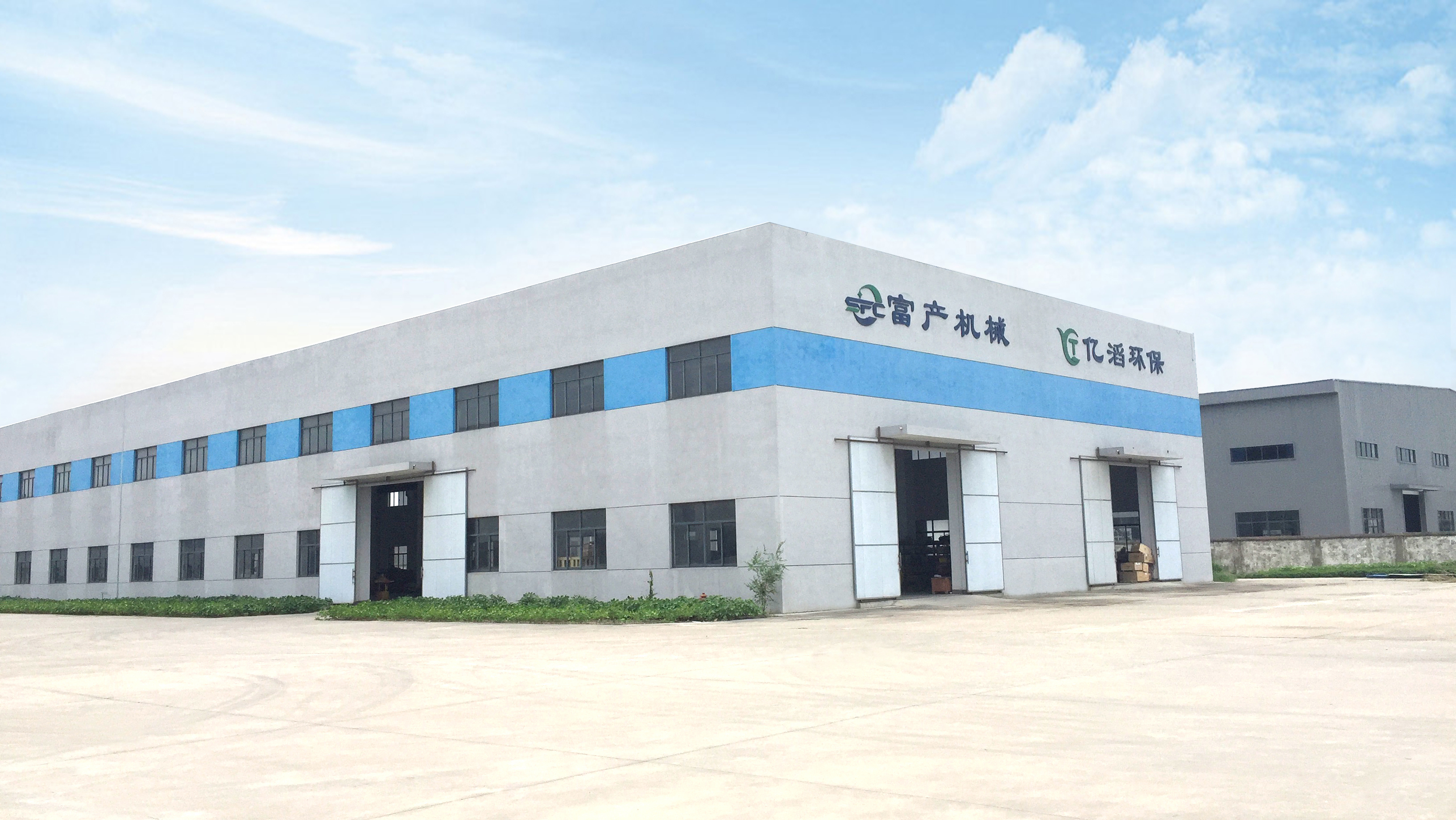
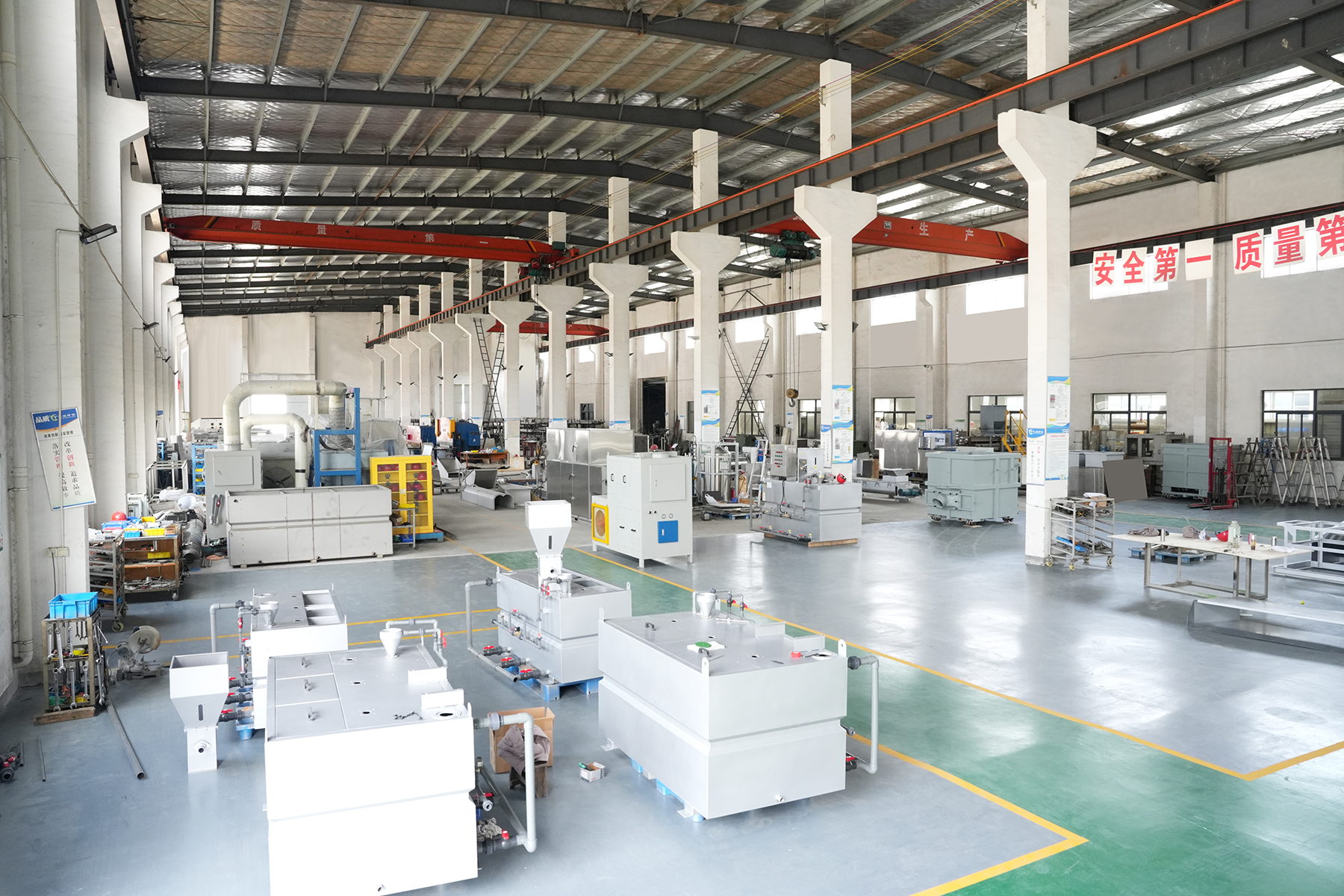
Shanghai Fuchan Machinery Technology Co., Ltd. (SFC Machinery) is an environmental equipment manufacturer and solution provider established in 2007, headquartered in Pudong New Area, Shanghai. SFC Machinery operates from a 25,000-square-meter facility in Shanghai with an annual output of about 500 sets, and about 30 percent of its products are exported to Southeast Asia, Russia, South America, and the Middle East. SFC Machinery designs and supplies sludge dewatering equipment, sludge thickening equipment, deep sludge dewatering equipment, sludge drying equipment, and polymer preparation systems. This decision-stage guide compares the main sludge dewatering equipment categories and focuses on the cost and maintenance data that determine total ownership cost.
What Sludge Dewatering Equipment Must Achieve
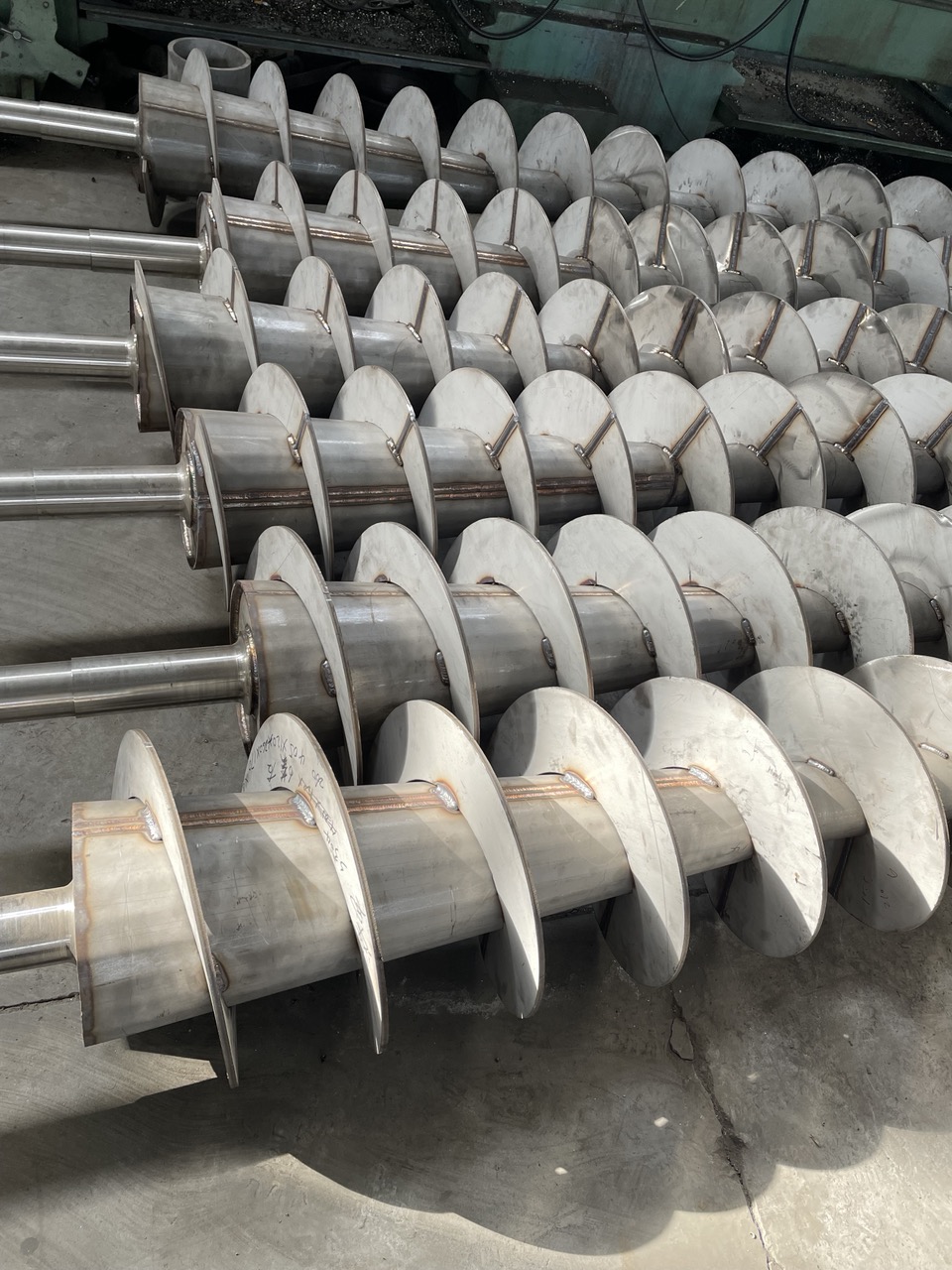
Sludge dewatering equipment increases sludge solids concentration and reduces the volume of sludge before transport, disposal, or further treatment. The practical target is stable operation with the lowest combination of energy, polymer, labor, maintenance, and downtime. Buyers at the decision stage should compare equipment not only by purchase price but by operating cost over the expected service life.
The main equipment types include sludge dewatering machines such as screw presses, belt presses, and filter presses, plus sludge thickening equipment and sludge dryers. Each technology changes the trade-off between throughput, final cake solids, energy use, maintenance, and operator attention. A procurement decision should therefore start with sludge data, not with a preferred machine type.
Industry Background
The global sludge dewatering equipment market was valued at USD 5.19 billion in 2024 and is projected to reach USD 10.16 billion by 2032, according to Fortune Business Insights. Asia Pacific contributed 37.57 percent of global revenue in 2024, and China's sludge dewatering equipment market is expected to reach USD 0.87 billion by 2025.
Market concentration data helps explain why supplier evaluation matters. Global Market Insights identified Veolia as the market leader with more than 9 percent share in 2025, while the top five players, Andritz, Xylem, Alfa Laval, Suez, and Veolia, together held 35 percent of the market. The remaining share is distributed across many regional manufacturers, which increases the importance of verifying factory capability, service history, and after-sales support.
SFC Machinery Sludge Treatment Equipment Line
SFC Machinery supplies a complete sludge management process covering sludge reduction, thickening, dewatering, deep dewatering, drying, chemical dosing, and system integration. The line includes multi-disc screw thickeners, belt thickeners, rotary drum thickeners, belt thickening and dewatering presses, a wear-free multi-disc screw press, a high-pressure belt press dewatering system, low-temperature sludge dryers in container-type and belt-type configurations, and automatic polymer preparation and dosing systems.
Two SFC designs provide useful comparison points for buyers: the wear-free multi-disc screw press and the smooth-tube condenser sludge dryer. Both are documented with operating-hour, maintenance-cycle, and cost comparisons against conventional designs.
Wear-Free Multi-Disc Screw Press vs Conventional Screw Press
The wear-free multi-disc screw press is a sludge dewatering screw press designed for long-term continuous operation. The core difference is a wear-free screw shaft design that eliminates shaft wear entirely. A conventional multi-disc screw press relies on contact between the screw shaft and rings, and that contact is a common source of wear.
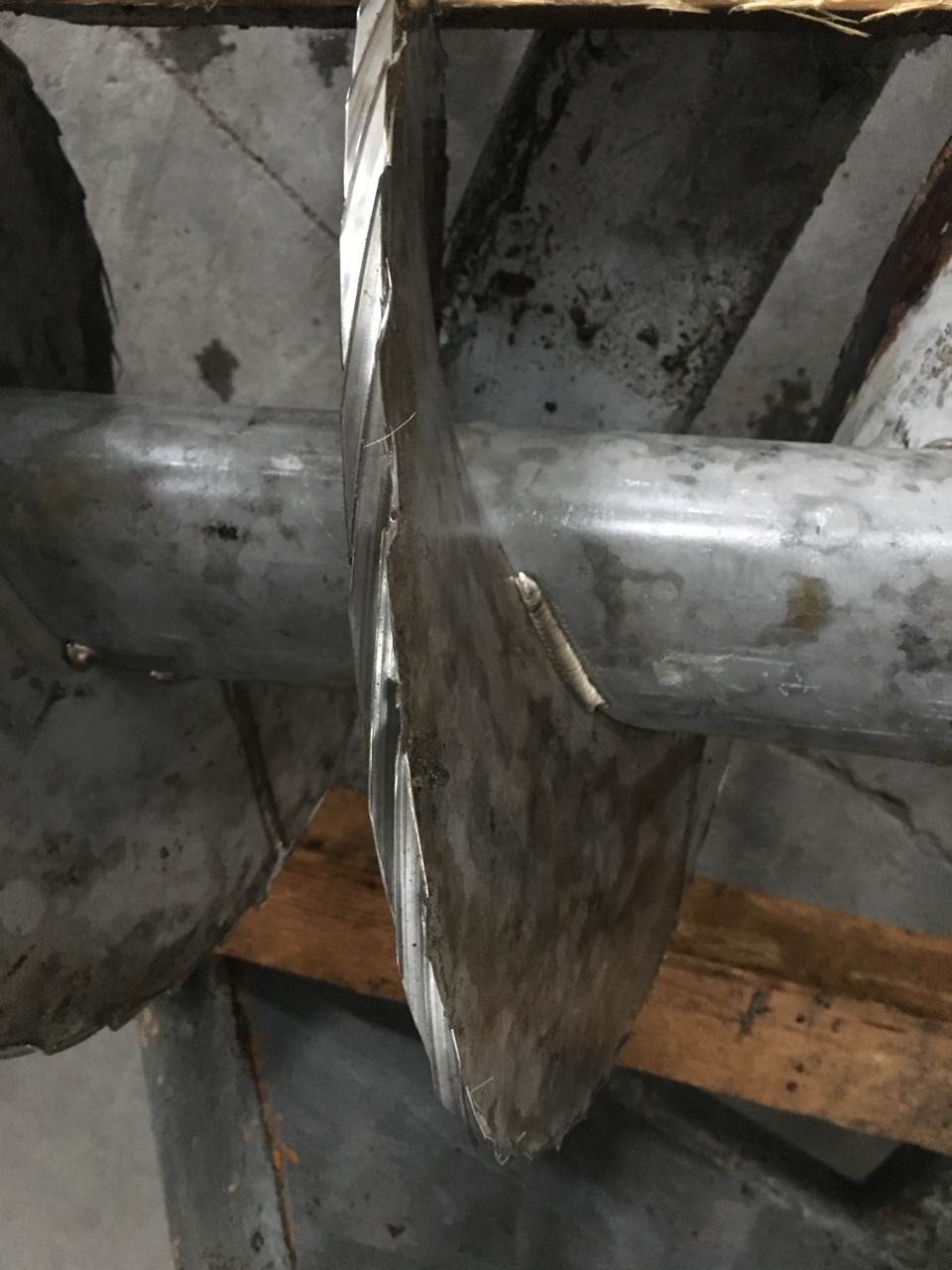
- Zero wear after 50,000 hours of operation; conventional presses typically suffer severe wear after 10,000 hours.
- Maintenance cycle extended by about 300 percent because direct screw shaft wear is reduced and the frequency of wear-part inspection, repair, and replacement is lower.
- Post-operation maintenance expenses related to screw shaft wear, ring wear, spare parts replacement, and repair work are about 30 percent lower.
- Energy efficiency is improved because the absence of wear reduces frictional losses and lowers energy consumption.
This sludge dewatering machine is more suitable for municipal sewage plants, printing and dyeing factories, chemical enterprises, and food processing plants with long-term continuous sludge dewatering. It is especially suited to oily, sticky, or high-inorganic-content sludge, where conventional screw presses tend to experience faster wear.
Smooth-Tube Condenser Sludge Dryer vs Conventional Finned-Tube Dryer
The smooth-tube condenser sludge dryer is a low-temperature sludge drying machine for municipal sewage sludge and biogas digestate. The condenser uses multiple rows of smooth 316L stainless steel tubes without fins. During operation, a continuous water film forms on the smooth tube surfaces, capturing airborne dust particles and preventing scale adhesion. An integrated automated spray-flushing system washes accumulated contaminants away with the condensate.
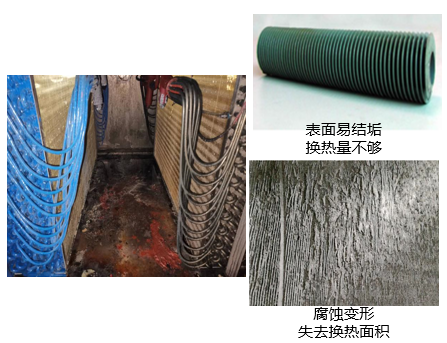
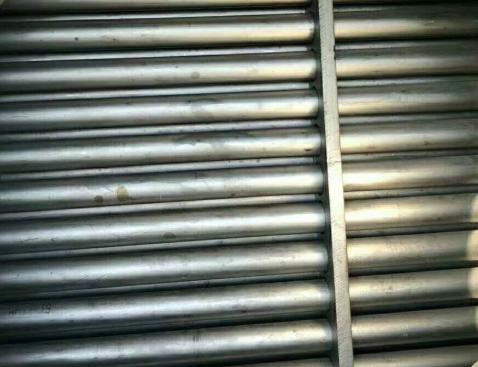
- Guaranteed service life of 5 to 8 years; conventional finned-tube units typically exhibit critical corrosion within 3 years.
- Overall efficiency is boosted by a factor of 1.3 to 1.5 compared with conventional finned-tube systems.
- Maintenance cycle is extended by about 200 percent because automatic spray flushing reduces manual cleaning frequency and downtime.
- Post-operation maintenance expenses for evaporator cleaning, corrosion repair, and replacement are about 50 percent lower.
- The design is better suited to municipal sewage sludge and biogas digestate, where high fouling and corrosion resistance are required.
When deep dewatering or further volume reduction is needed, the SFC high-pressure belt press dewatering system can reduce sludge moisture content after conventional dewatering. For sludge drying, the low-temperature sludge dryer can reduce sludge volume by more than 70 percent and can be integrated with waste heat recovery to lower energy use.
Step-by-Step Process for Comparing Sludge Dewatering Equipment
The following sequence is based on procurement risks that affect equipment selection. It helps buyers compare models on the factors that actually control performance.
Step 1: Confirm sludge source, volume, and solids content
Confirm the sludge source, daily sludge volume, operating hours, solids content, and target moisture before selecting equipment. Incorrect model selection is the largest avoidable risk in sludge dewatering projects.
Step 2: Match capacity to daily sludge volume
Match equipment capacity with daily sludge volume and operating hours. Check peak sludge flow and solids loading before selecting the final model. Over-capacity operation wastes capital; under-capacity operation creates bottlenecks.
Step 3: Complete a polymer jar test
Poor flocculation is a common cause of poor dewatering. Use a polymer jar test, dosing adjustment, and adequate mixing or retention time before final equipment sizing. The polymer type and dose should be reviewed with actual sludge.
Step 4: Set the final cake moisture target
High final cake moisture is corrected by optimizing polymer dosing, feed concentration, throughput, belt pressure, or drying time. The final moisture target should be confirmed with the treatment objective before commissioning.
Step 5: Plan odor control and containment
Odor overflow or sludge leakage can be controlled with an enclosed or semi-enclosed structure and proper connection to the sludge conveying system. Choose an enclosed rotary drum thickener or an enclosed sludge drying system when odor control is required.
Step 6: Check mechanical safety devices during commissioning
For belt machines, check belt tensioning and roller alignment during installation and commissioning. Inspect limit switches, pneumatic correction valves, and wash water systems as part of the startup routine.
Use Cases for the Compared Designs
Municipal sewage plants with continuous operation can benefit from the wear-free screw press because the extended maintenance cycle reduces downtime. For municipal sewage sludge and biogas digestate drying, the smooth-tube condenser dryer provides corrosion resistance in high-fouling environments.
Printing and dyeing factories, chemical enterprises, and food processing plants face oily, sticky, or high-inorganic-content sludge. The wear-free screw press is designed for these conditions because it eliminates direct screw shaft wear and reduces frictional losses.
Plants that need additional volume reduction after dewatering can integrate a high-pressure belt press for deep dewatering or a low-temperature sludge dryer. The dryer reduces sludge volume by more than 70 percent and is available as a container-type or belt-type sludge dryer, depending on site layout.
When site sensitivity is high, enclosed rotary drum thickeners and enclosed sludge drying systems reduce the risk of odor overflow and sludge leakage.
Comparison Table
| Equipment option | Best fit | Decision data |
|---|---|---|
| Wear-free multi-disc screw press (SFC) | Municipal sewage, printing and dyeing, chemical, food processing; oily, sticky, or high-inorganic sludge | Zero wear after 50,000 hours; about 300% longer maintenance cycle; about 30% lower post-operation maintenance cost |
| Conventional multi-disc screw press | Reference comparison | Severe screw shaft wear after 10,000 hours; maintenance includes shaft, ring, spare parts, and repair |
| Smooth-tube condenser sludge dryer (SFC) | Municipal sewage sludge and biogas digestate | 5 to 8 years service life; 1.3 to 1.5 times efficiency; about 200% longer maintenance cycle; about 50% lower maintenance cost |
| Conventional finned-tube sludge dryer | Reference comparison | Susceptible to fouling; critical corrosion typically within 3 years |
| Belt filter press | Municipal wastewater applications | Widely used technology; segment estimated to grow at a CAGR of 8.8% from 2025 to 2033 (Grand View Research) |
| High-pressure belt press dewatering system (SFC) | Deep dewatering after conventional dewatering | Reduces sludge moisture content further, lowering transport and disposal costs |
Table data is limited to the sources listed in this article. Purchase price, exact lead time, and site-specific performance should be verified with the selected manufacturer.
Frequently Asked Questions
1. Is there an international standard for measuring dry residue and water content in sludge?
Yes. ISO 11465:2025 provides the international standard for the determination of dry residue and water content in sludge and solid environmental matrices. It is a useful reference when defining sludge testing and acceptance criteria.
2. Which sludge dewatering equipment is suitable for oily, sticky, or high-inorganic-content sludge?
The SFC wear-free multi-disc screw press is designed for municipal sewage plants, printing and dyeing factories, chemical enterprises, and food processing plants with long-term continuous sludge dewatering, especially for oily, sticky, or high-inorganic-content sludge. The wear-free screw shaft eliminates shaft wear entirely.
3. How do maintenance costs compare between SFC and conventional designs?
The wear-free screw press lowers post-operation maintenance expenses related to screw shaft wear, ring wear, spare parts replacement, and repair work by about 30 percent. The smooth-tube condenser dryer lowers evaporator-related maintenance costs by about 50 percent compared with finned-tube alternatives.
4. What are the operational advantages of the smooth-tube condenser sludge dryer?
The smooth-tube condenser dryer uses 316L stainless steel tubes without fins, preventing scale adhesion and allowing an automated spray-flushing system to maintain performance. It delivers 1.3 to 1.5 times the overall efficiency of finned-tube systems, extends maintenance cycles by about 200 percent, and has a service life of 5 to 8 years.
5. How can I get a quote or confirm lead time for a sludge dewatering project?
Contact the SFC Machinery sales department at sales@fuchanjx.com or +86 138-1673-2007. Sending the daily sludge volume, solids content, target moisture, and planned operating hours helps SFC select the right equipment type and respond with project-specific pricing and timing. The SFC 2026 Product Catalog is available online for model reference before the quote.
Request a Sludge Dewatering Equipment Quote
Shanghai Fuchan Machinery Technology Co., Ltd. (SFC Machinery)
Website: www.sfceco.com
Email: sales@fuchanjx.com
Tel / WhatsApp: +86 138-1673-2007
Address: Room 1201, 1122 Xinjinqiao Rd, Pudong New District, Shanghai, PRC China
Conclusion
Sludge dewatering equipment selection is a cost and reliability decision. Buyers should compare screw presses, belt presses, sludge dryers, and thickening equipment using sludge source, solids content, operating hours, target moisture, and maintenance data. SFC Machinery provides two documented comparison points: a wear-free multi-disc screw press with zero wear after 50,000 hours and a smooth-tube condenser sludge dryer with a service life of 5 to 8 years. Use the SFC contact channels to validate these figures against your sludge data before finalizing a purchase decision.