Sludge Dewatering Equipment: Why a Long-Term Supplier Strategy Matters
Sludge dewatering equipment is a long-term infrastructure decision. The machine selected today will need to handle changing sludge quality, operating hours, and environmental requirements across many years. This article explains how buyers at the decision and execution stage can evaluate sludge dewatering equipment suppliers from a lifecycle perspective.
The Problem: Buying a Machine Without Securing a Long-Term Partner
Sludge dewatering projects sometimes fail not because the machine is technically wrong, but because the buyer does not have a clear picture of the supplier's ability to deliver, support, and improve the equipment over time. Common risks include limited spare parts availability, weak local commissioning support, unclear lead times, and unexpected maintenance costs.
For procurement teams, the question is therefore not only which sludge dewatering equipment model fits the site, but also which supplier can remain accountable after shipment. A long-term view covers factory capability, after-sales service, design reliability, and contract conditions.
Industry Background: A Growing Market for Sludge Treatment Systems
External market data helps explain why sludge dewatering equipment decisions matter. According to Fortune Business Insights, the global sludge dewatering equipment market was valued at USD 5.19 billion in 2024 and is projected to reach USD 10.16 billion by 2032. Asia Pacific accounted for 37.57% of the market revenue in 2024, and China's sludge dewatering equipment market revenue is expected to reach USD 0.87 billion by 2025.
Grand View Research estimates that the belt filter press segment will grow at a CAGR of 8.8% from 2025 to 2033, reflecting sustained adoption in municipal wastewater applications. Global Market Insights identifies Veolia as the market leader in the sludge dewatering space with more than 9% market share in 2025, while the top five players — Andritz, Xylem, Alfa Laval, Suez, and Veolia — collectively held 35% of the market in the same year.
These figures are useful context. For an individual project, however, market share is less important than the supplier's ability to provide the right machine, support documentation, and service over the equipment's lifecycle.
Detailed Solution: What a Reliable Sludge Dewatering Equipment Partner Looks Like
Shanghai Fuchan Machinery Technology Co., Ltd. (SFC Machinery) is an environmental equipment manufacturer established in 2007 and headquartered in Pudong New Area, Shanghai, China. The company focuses on sludge treatment, dewatering, drying, and solid waste resource recovery for municipal and industrial customers. Its main products include sludge dewatering equipment, sludge thickening equipment, deep sludge dewatering equipment, sludge drying equipment, and polymer preparation systems.
For long-term buyers, the first useful sign is the range of process solutions. SFC covers a complete sludge management process: sludge reduction, thickening, dewatering, deep dewatering, drying, chemical dosing, and system integration. This matters because many plants expand from a single dewatering line to a complete treatment train over time, and they prefer a supplier that can integrate thickening, dewatering, and drying equipment without multiple vendors.
Manufacturing Capacity and Export Experience
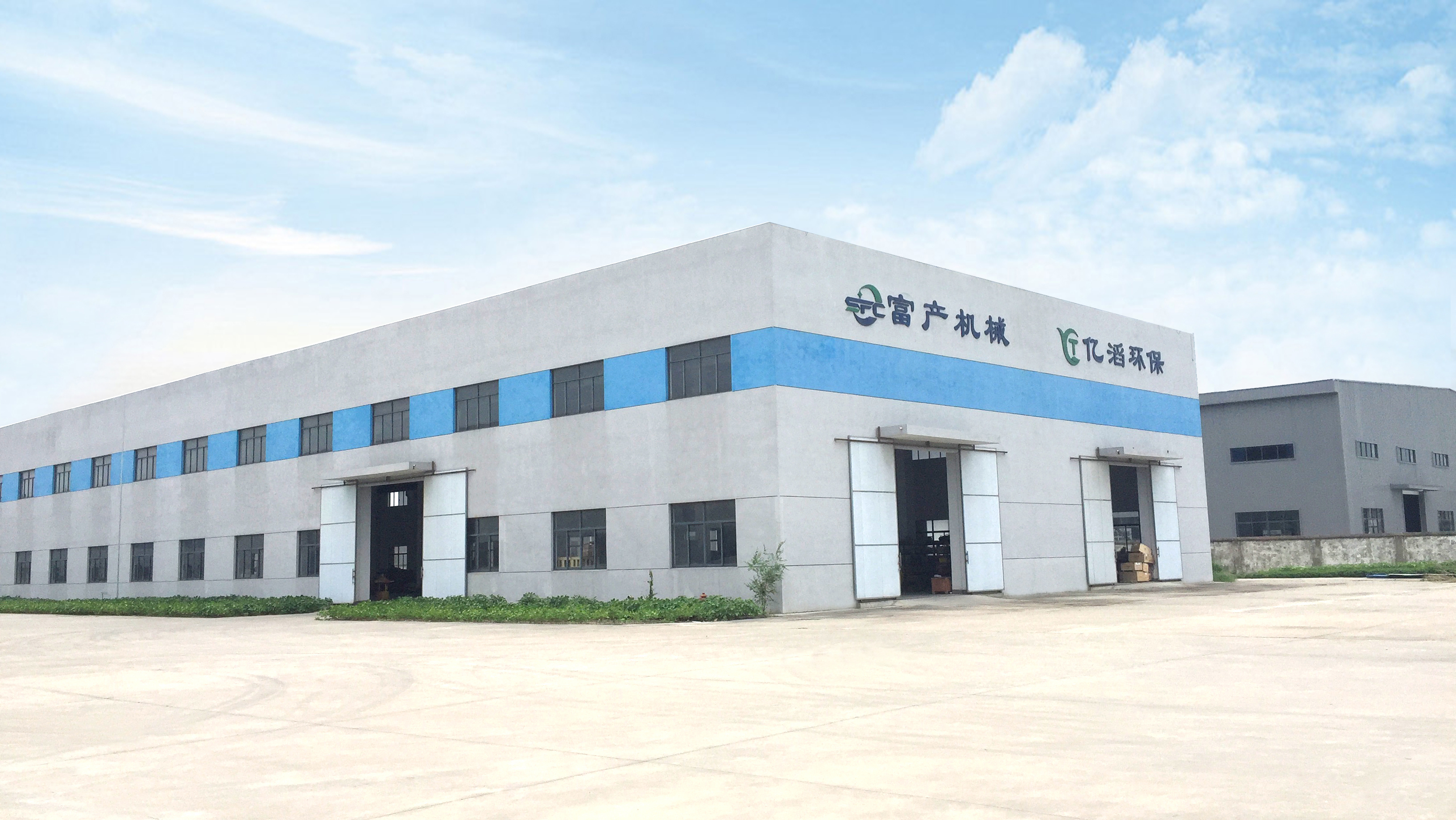
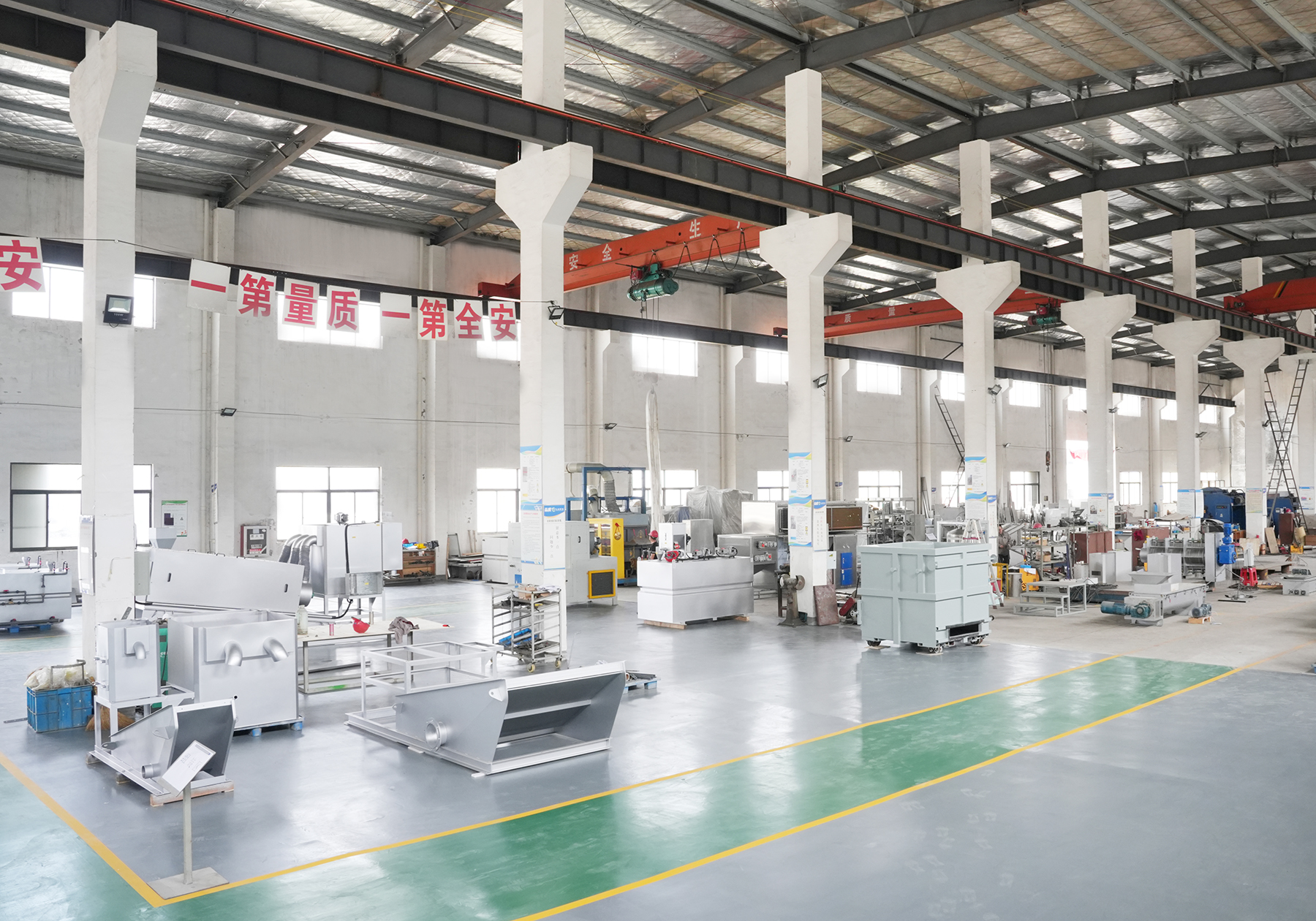
SFC Machinery operates from a 25,000-square-meter facility and reports an annual output of 500 sets of equipment, with a monthly production capacity of 40 units. The company also reports that around 30% of its output is exported, mainly to Southeast Asia, Russia, South America, and the Middle East. For buyers outside China, export experience can reduce the risk of documentation, packing, and commissioning problems.
After-Sales Support
After-sales technical support is one of the clearest tests of a long-term equipment partner. SFC Machinery's support package includes remote assistance, on-site commissioning, spare parts supply, warranty service, operation training, and long-term consultation. For a buyer at the execution stage, these services should be confirmed in writing before the order is placed.
Customization and OEM/ODM Capability
Many projects require adjustments to standard equipment. SFC provides technical services for equipment type and model selection, processing capacity customization, equipment dimensions, control system configuration, power configuration, and modular design options. OEM and ODM production services are also available. This is particularly relevant for distributors, engineering companies, and brands that want to sell sludge dewatering equipment under their own label or with site-specific configurations.
Design Details That Reduce Lifecycle Cost
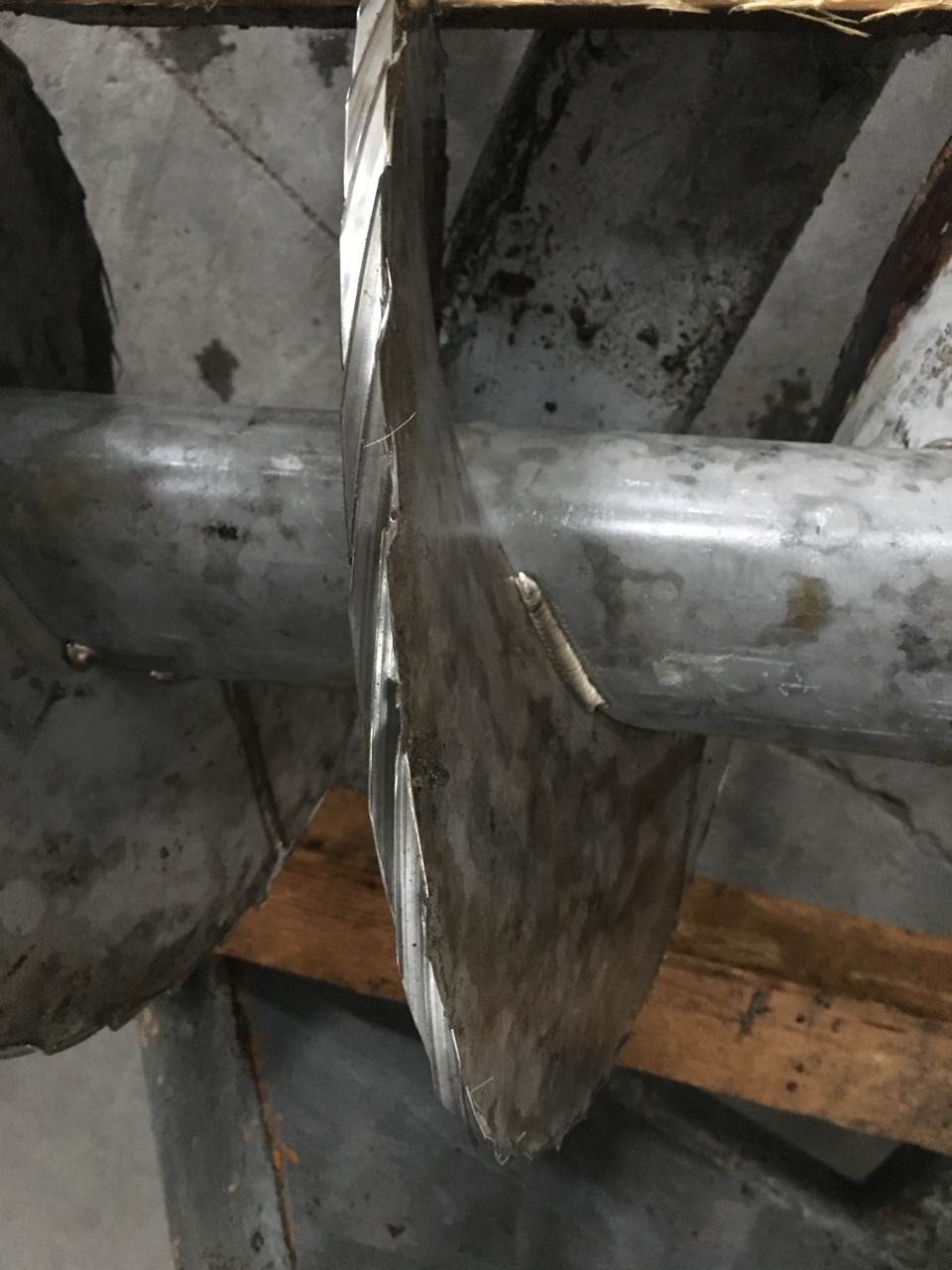
Two engineering choices used in SFC equipment show how design affects long-term costs. In conventional multi-disc screw presses, screw shaft wear can become a recurring maintenance issue. According to the manufacturer, SFC's SRD wear-free multi-disc screw press is designed with no direct friction between the screw shaft and the rings, allowing the shaft to remain wear-free for a significantly longer period. The absence of wear reduces frictional losses and lowers routine maintenance needs.
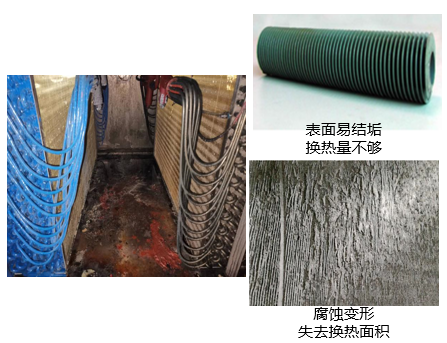
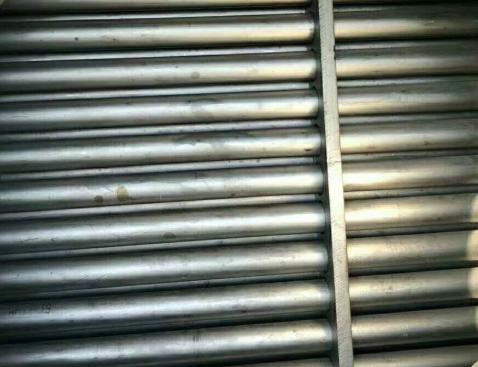
For sludge dryers, fouling of the evaporator is a common failure mode. SFC uses a condenser design with multiple rows of smooth 316L stainless steel tubes instead of finned-tube heat exchangers. The smooth surfaces reduce scale adhesion, and an automated spray-flushing system cleans the tubes during operation. According to manufacturer-supplied comparison data, this design can extend the service life of the dryer evaporator and reduce post-operation maintenance expense.
Step-by-Step: Evaluating Sludge Dewatering Equipment Suppliers
Step 1. Define Sludge Characteristics and Target Output
Start with sludge source, daily sludge volume, operating hours, feed solids content, and target moisture. Confirm whether the plant needs thickening, dewatering, deep dewatering, drying, or a combination. These data determine the equipment family and the size of the system.
Step 2. Match the Equipment Type to the Process
Compare technologies that fit the sludge type. For low-concentration sludge, a thickening step may be needed before dewatering. For oily, sticky, or high-inorganic-content sludge, a wear-free screw press may be more suitable. For high-flow municipal plants, belt thickening and dewatering integrated machines are common. For downstream disposal, a high-pressure belt press or low-temperature dryer may be required.
Step 3. Assess Engineering and Manufacturing Capability
Review the manufacturer's product range, facility size, and production capacity. Confirm whether the supplier can provide customized dimensions, control configurations, power setups, and modular designs. If the project involves distributors or private label programs, check whether OEM and ODM services are available.
Step 4. Verify Quality Control and Inspection
Quality processes reduce commissioning risk. SFC states that quality control includes 100% testing. Buyers can also use factory inspection or pre-shipment inspection as part of the acceptance process. This step is especially important when the equipment will be exported over long distances.
Step 5. Review After-Sales Support and Spare Parts
Ask for the full support scope: remote assistance, on-site commissioning, spare parts, warranty, operation training, and long-term consultation. Clarity on spare parts and response times is essential for continuous operation.
Step 6. Confirm Commercial Terms and Lead Time
For planning, confirm MOQ, payment terms, delivery terms, and production lead time. SFC's standard conditions include a minimum order of 1 unit, payment of 30% deposit in advance and 70% balance before shipment, delivery under FOB or CIF, and typical production lead time of 30–60 days.
Step 7. Plan Commissioning and Operation Training
The purchase is not complete when the machine is loaded. Plan for on-site or remote commissioning, operator training, and clear documentation. This reduces downtime and ensures the equipment reaches its designed performance.
Use Cases: Where Long-Term Supplier Capability Matters Most
Municipal Wastewater Treatment Plants
Municipal plants often need continuous operation with high inflow and limited operator attention. Equipment such as the GDY belt thickening and dewatering machine or the FTE rotary drum type dewatering machine can handle feed flow from 12–90 m³/h and produce cake with water content around 75–85%. Rotary drum thickeners such as the FRDT series provide solid capture rates up to 95%, which helps protect the downstream dewatering process.
Industrial and Chemical Wastewater
Industrial sludge may contain oil, high inorganic content, or sticky particles. The SRD wear-free screw press is designed for low-concentration, sticky, oily, and high-inorganic-content sludge. Its feed consistency range is 0.6–5.0% S.S., with dried sludge output from 25–900 kg/h. Because the screw shaft is not in direct contact with the rings, routine wear during long shifts is reduced.
Sludge Drying and Volume Reduction
Plants with high disposal costs may want to dry sludge after dewatering. SFC low-temperature sludge dryers are available in container-type and belt-type configurations. The SFC-TR series removes 21–360 kg of water per hour depending on model, while the SFC-BSD series accepts feed solids from 15–25% or 25–35% and can produce final water content from 10–50%. The manufacturer states that sludge volume can be reduced by more than 70%.
Deep Dewatering Before Incineration or Landfill
For plants that want to reduce downstream handling costs, the SD series high-pressure belt deep dewatering machine accepts sludge at 15–20% S.S. It can treat approximately 0.3–5.0 t/h when targeting 65–75% water content, or 0.35–6.1 t/h when targeting 60–70% water content. This is often used as a pre-treatment step before drying or incineration.
Sludge Dewatering Equipment Comparison: Key Families at a Glance
| Equipment Family | Series | Feed S.S. | Discharge / Cake | Typical Capacity | Best Suited For |
|---|---|---|---|---|---|
| Belt Sludge Thickener | FBT | 0.6–1.5% | 2.5–8% S.S. | 12–95 m³/h; 72–900 kg/h dried sludge | Municipal and industrial thickening before dewatering |
| Rotary Drum Sludge Thickener | FRDT | 0.6–1.5% | 2.5–8% S.S. | 7.5–100 m³/h; 45–1140 kg/h; capture 95% | Compact or enclosed thickening systems |
| Screw Press Dewatering Machine | DL | 0.6–5.0% | Cake water content 75–85% | Dried sludge 1.5–900 kg/h | Municipal, industrial, oily, and decentralized sludge |
| Wear-Free Multi-Disc Screw Press | SRD | 0.6–5.0% | Cake water content 75–85% | Dried sludge 25–900 kg/h | Sticky, oily, and high-inorganic-content sludge |
| Belt Thickening and Dewatering Machine | GDY | 0.6–1.5% | Cake water content 75–80% | 15–90 m³/h; 90–1050 kg/h dried sludge | High-flow continuous municipal dewatering |
| Rotary Drum + Belt Dewatering | FTE / FTB | 0.6–2.5% | Cake water content 75–85% | 3–90 m³/h depending on series | Integrated thickening and dewatering projects |
| High-Pressure Deep Dewatering | SD | 15–20% | 65–75% or 60–70% water content | 0.3–6.1 t/h depending on target | Deep dewatering before drying or incineration |
| Low-Temperature Sludge Dryer | SFC-TR / SFC-BSD | 15–25% or 25–35% | Final water content 10–50% | TR: 21–360 kg/h water extraction; BSD: up to 90 t/h | Sludge volume reduction and resource recovery |
Table data based on SFC Machinery product family specifications published in company materials. Final performance should be verified against actual sludge characteristics and project conditions.
Frequently Asked Questions
How does Shanghai Fuchan Machinery ensure quality control and compliance?
Shanghai Fuchan Machinery reports that quality control includes 100% testing. On-site factory inspection and pre-shipment inspection are available for buyers. For specific compliance documents, buyers should confirm the required local standards with the sales team when ordering.
Can SFC Machinery provide OEM, ODM, or customized sludge dewatering equipment?
Yes. The manufacturer provides OEM and ODM production services. Technical services include equipment type and model selection, processing capacity customization, dimensions, control system configuration, power configuration, and modular design options.
What are the MOQ, payment terms, and production lead time?
The minimum order quantity is 1 unit. Payment terms are 30% deposit in advance and 70% balance before shipment. Delivery terms include FOB and CIF. Typical production lead time is 30–60 days, and monthly production capacity is 40 units.
Can buyers arrange factory inspection or pre-shipment inspection?
Yes. Factory inspection and pre-shipment inspection are part of the available acceptance methods. Because quality control includes 100% testing, buyers can inspect the equipment before final shipment and confirm that the delivered configuration matches the order.
What after-sales support is included for sludge dewatering equipment?
After-sales technical support includes remote assistance, on-site commissioning, spare parts supply, warranty service, operation training, and long-term consultation. This package is designed to support continuous operation after the equipment is installed.
Ready to Move From Decision to Execution?
Download the full SFC product catalog to compare sludge dewatering equipment models, specifications, and system options.
Download Product CatalogContact the SFC sales team at sales@fuchanjx.com or via WhatsApp at +86 138-1673-2007. More information is available at www.sfceco.com.
Conclusion
Sludge dewatering equipment becomes a long-term system after the purchase order is signed. Buyers who evaluate the supplier's manufacturing capacity, design reliability, after-sales support, and commercial terms reduce the risk of unplanned downtime and high maintenance costs.
Shanghai Fuchan Machinery Technology Co., Ltd. offers a broad sludge treatment product range, 100% testing, OEM/ODM customization, and structured after-sales support. These capabilities make it possible to plan the full sludge handling process with a single partner. To move forward, request a quotation, arrange an inspection, or download the product catalog.