Wear-Free Screw Press vs Belt Sludge Dewatering Equipment: Oily Sludge Head-to-Head
Short answer: For oily, sticky, high-inorganic-content sludge and food processing wastewater, the wear-free multi-disc screw press route — SRD-301 and the DL series in SS304 — is the lower-risk mechanical choice, because it removes direct friction between the screw shaft and the rings. For lower-solids feed that needs continuous automatic operation, the belt route — the GDY, FTB, and FTE belt thickening and dewatering systems, running at 0.6–1.5% or 0.6–5.0% inlet consistency with 15–90 m³/h treating capacity — remains the better duty match. The real deciding question is not which technology is better; it is which failure mode your sludge will actually produce.
This article is written for plant engineers, EPC contractors, and procurement teams who already know they need sludge dewatering equipment and now have to choose between a screw press and a belt-based sludge dewatering machine. It compares the two routes head-to-head on four criteria — sludge stickiness and oil content, clogging and wear risk, capacity, and whether the project needs simple thickening or integrated thickening plus dewatering — and then adds the part most technical comparisons leave out: what happens in year three.
The Problem: When the Default Dewatering Choice Meets Oily Sludge
Most projects inherit a default before anyone runs a comparison. Municipal plants default to belt presses; smaller industrial plants default to screw presses. That default holds until oil, stickiness, or a high inorganic fraction enters the feed — at which point two different physical failure modes start driving cost: wear on the screw shaft and rings, and blinding or mistracking of the filter belt.
Each failure mode has its own control logic, and that control logic tells you what the equipment will demand from your operating team.
On the screw press side, the documented risk is clogging of the screw sludge dewatering machine. It is controlled by motor overcurrent protection, supported by operating discipline: a thorough sludge discharge with a five-minute delay after each shutdown, plus cleaning nozzles that flush the screw shaft and the moving and fixed rings. Screw shaft and ring wear is a separate risk, controlled structurally by reducing direct friction — which is exactly what the wear-free design does, with no direct friction between screw shaft and rings.
On the belt side, the risk profile is mechanical rather than frictional. Filter belt excessive deviation is controlled by a limit switch. Belt dewatering machine filter belt deviation is controlled by a pneumatic correction valve that must be checked for flexibility and lubricated. Belt deviation or improper tension is controlled by belt tracking, tension adjustment, and routine roller inspection. Filter belt clogging is handled with a wash water system, controlled feed concentration, and belt speed adjustment.
There is also a risk category that sits above both technologies: incorrect model selection. It is controlled by confirming sludge source, daily sludge volume, operating hours, solids content, and target moisture before selection — not after commissioning.
Industry Background: Both Routes Keep Growing
Belt technology is not being phased out, and that shapes how you should read this comparison. The global sludge dewatering equipment market was valued at USD 5.19 billion in 2024 and is projected to reach USD 10.16 billion by 2032, according to Fortune Business Insights. Asia Pacific accounted for 37.57% of 2024 revenue share in the same analysis. Within that market, Grand View Research estimates the belt filter press segment will grow at a CAGR of 8.8% from 2025 to 2033, largely on municipal wastewater applications.
The practical implication: a head-to-head between a wear-free screw press and a belt system is not a comparison between new and obsolete technology. Both are expanding, both are supported, and both are specified by engineers for sound reasons. The choice is a fit decision shaped by feed characteristics, duty profile, and lifecycle economics.
One background factor deserves specific attention: measurement. ISO 11465:2025 provides the international standard for determination of dry residue and water content in sludge and solid environmental matrices. If you are comparing a screw press quotation against a belt quotation, insisting that both sides report dry residue and water content against the same standard is the cheapest way to avoid an apple-to-orange comparison later.
What has made this head-to-head more common is sludge quality. Industrial streams carrying oil, grease, and fine inorganic particles are harder to dewater, harder to flocculate consistently, and much harder on moving parts than the municipal sludges that shaped the first generation of belt equipment.
Route A: Wear-Free Multi-Disc Screw Press Dewatering (SRD-301 and DL Series)
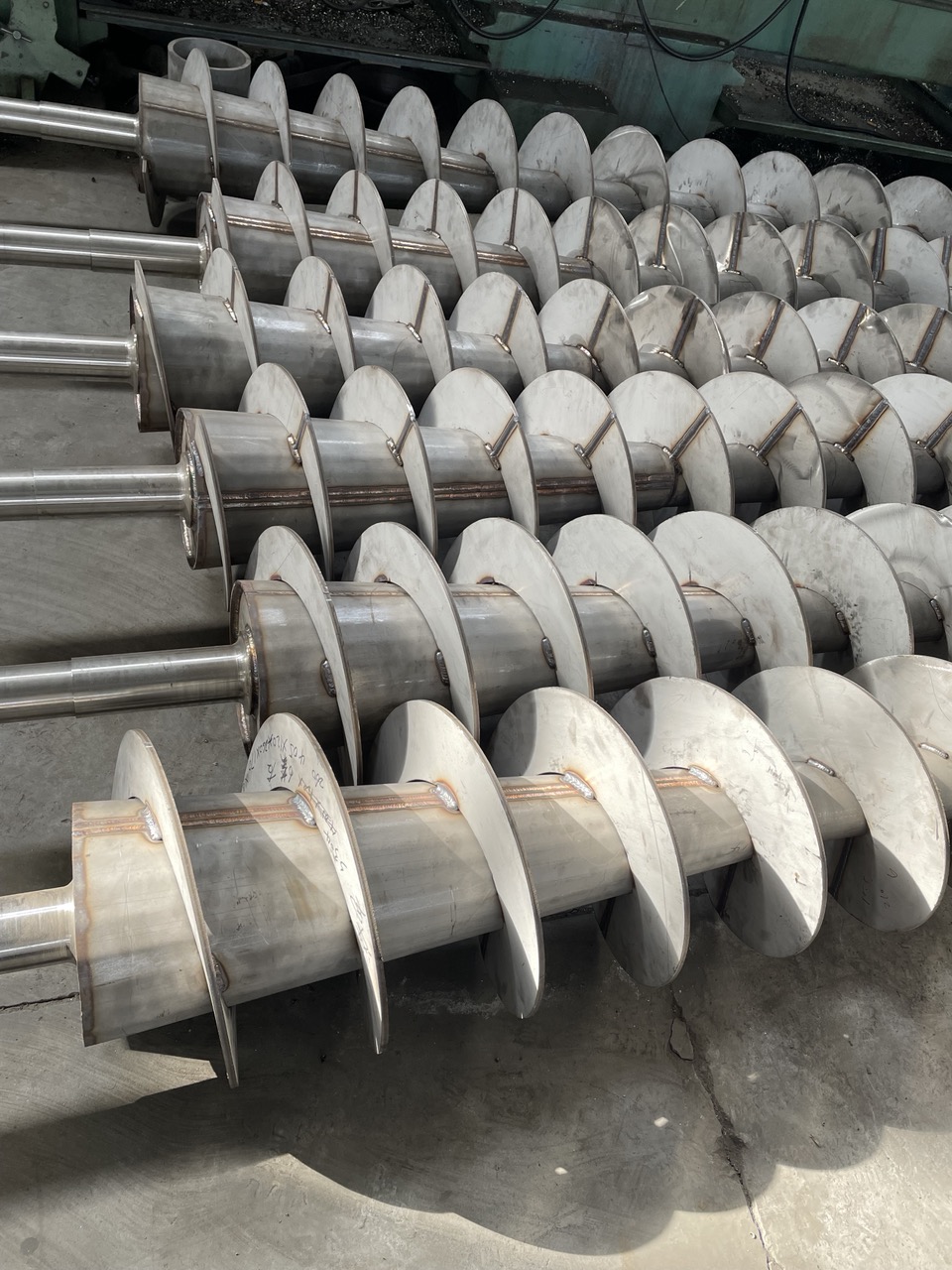
The screw press route in this comparison is represented by the SRD-301 and the DL series: multi-disc screw press sludge dewatering machines built in SS304 with a wear-free multi-disc design. The defining mechanical difference is that the design removes direct friction between the screw shaft and the rings.
The documented performance gap against conventional multi-disc screw presses is substantial. Conventional multi-disc screw presses typically suffer severe wear on the screw shaft after roughly 10,000 hours of operation. The wear-free design is documented for zero wear even after 50,000 hours.
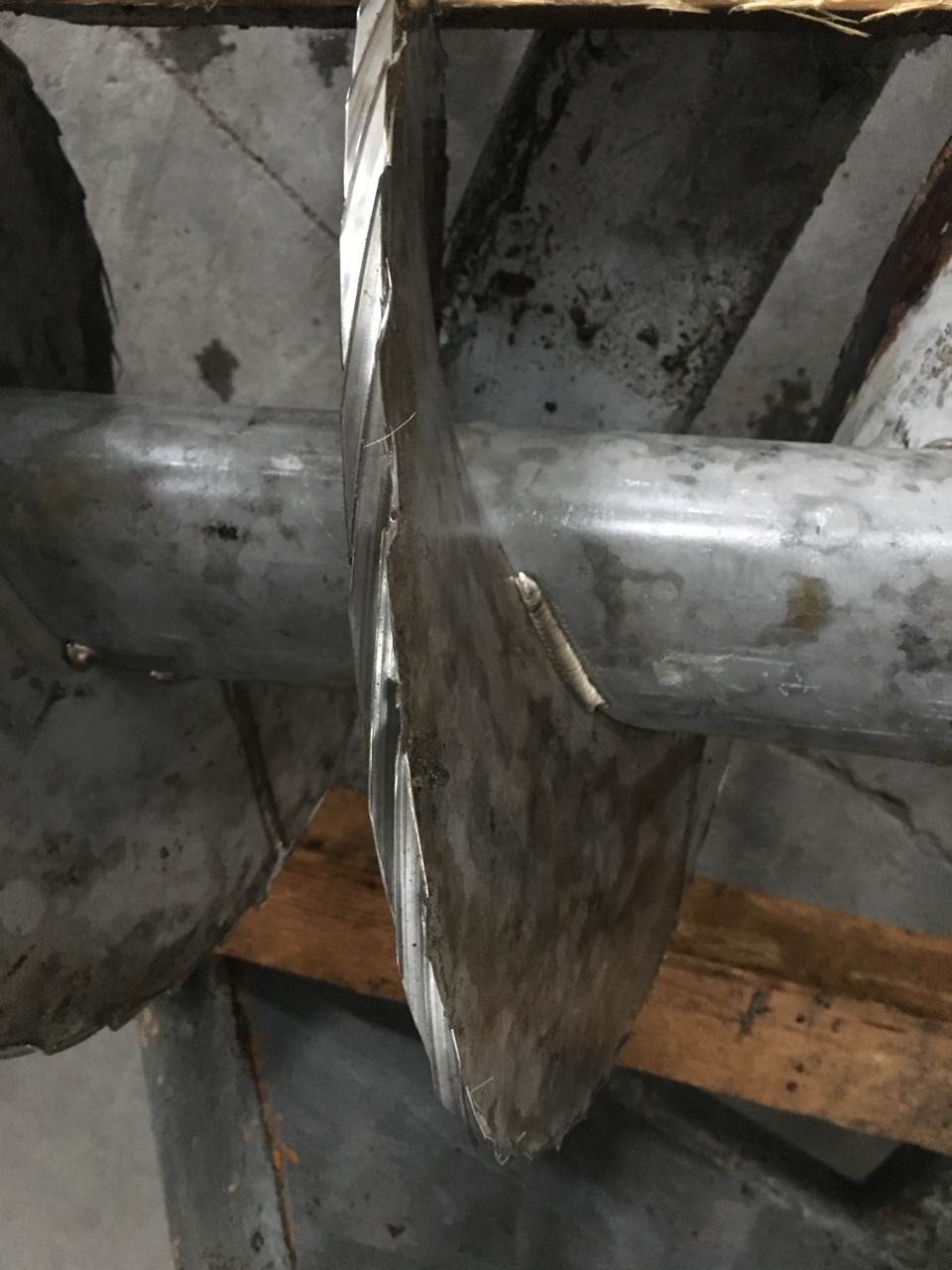
That design difference cascades into operating economics. Post-operation maintenance expense tied to screw shaft wear, ring wear, spare parts replacement, and repair work is documented at about 30% lower, and the maintenance cycle is about 300% longer, because wear-part inspection, repair, and replacement happen less often. Removing wear also removes frictional loss, which lowers energy consumption.
The documented application conditions are municipal sewage plants, printing and dyeing factories, chemical enterprises, food processing plants, and other facilities with long-term continuous sludge dewatering demand — especially where the sludge is oily, sticky, or high in inorganic content. In other words, the screw press route is the one to select when the feed itself is the problem, not when the feed is easy.
On the other side of the ledger, bulk throughput per unit is not where this route competes. Screw press capacity is sized to the project, and processing capacity customization is offered, whereas the belt systems below publish a treating capacity range as model data.
Route B: Belt Thickening and Dewatering Systems (GDY, FTB, FTE)
The belt route in this comparison covers the GDY, FTB, and FTE belt-based systems, which handle belt thickening and belt dewatering duty in continuous automatic operation. Their published model data places inlet consistency at 0.6–1.5% or 0.6–5.0% depending on model, with treating capacity of 15–90 m³/h. Those two ranges define the working envelope of the route.
Inside that envelope, belt systems are efficient. Where a plant needs simple thickening ahead of downstream dewatering or drying, or needs integrated thickening plus dewatering at a steady flow rate, the belt route delivers continuous automatic operation with predictable loading. The 8.8% CAGR that Grand View Research attributes to the belt filter press segment through 2033 supports the view that this is a durable technology family rather than a legacy one.
The maintenance profile is predictable too, but different in kind. Belt performance depends on belt condition, tracking, tension, roller alignment, wash water, and cloth permeability. Filter belt clogging is managed through the wash water system, feed concentration control, and belt speed adjustment. Deviation is managed mechanically. High final cake moisture is managed by optimizing polymer dosing, feed concentration, throughput, and belt pressure — and adjusted during commissioning against actual sludge performance rather than against a specification sheet.
The weak point is oily and sticky feed. Oil and grease raise the risk of cloth blinding and make dewatering performance more sensitive to polymer conditioning and wash water discipline. That is not a reason to reject belt systems; it is a reason to over-specify wash water, conditioning control, and operator attention when the feed is oily.
Step-by-Step: Running the Head-to-Head for Your Own Project
The comparison becomes decisive when you run it in a fixed sequence. Seven steps cover it.
- Characterize the sludge before you compare machines. Confirm sludge source, daily sludge volume, operating hours, solids content, and target moisture. Model selection errors trace back to skipping this step.
- Define the duty: thickening, or integrated thickening plus dewatering. If the plant only needs a solids lift before downstream dewatering or drying, a belt thickening stage may be sufficient. If the output must be a handleable cake, you are choosing between an integrated belt thickening and dewatering press and a wear-free multi-disc screw press.
- Test the feed against the mechanism. Oily and sticky sludge favors the screw press route, because there is no filter cloth to blind. High-inorganic and abrasive sludge favors the wear-free multi-disc design, because wear, not clogging, becomes the dominant cost.
- Size against peak flow, not average flow. Over-capacity operation is a documented risk; it is controlled by matching equipment capacity with daily sludge volume and operating hours, and by checking peak sludge flow and solids loading before final model selection.
- Run the flocculation and conditioning check. Poor flocculation is controlled by polymer jar testing, dosing adjustment, and adequate mixing and retention time. Polymer selection and conditioning review should happen before final equipment sizing, not after delivery.
- Fix the moisture target and the measurement method. Agree on dry residue and water content measurement in line with ISO 11465:2025. Plan commissioning-time adjustment of polymer dosing, feed concentration, throughput, belt pressure, or drying time, because final cake moisture is tuned on real sludge.
- Lock the commercial and lifecycle layer. That means acceptance criteria, inspection points, spare parts, service scope, and lead time — the subjects of the final two sections.
Decision rules at a glance. Oily or sticky feed → screw press. High inorganic or abrasive feed → wear-free multi-disc screw press. Thickening only, high flow, continuous duty → belt thickener. Integrated thickening plus dewatering at 15–90 m³/h → belt thickening and dewatering system. Long-term continuous operation where maintenance is the dominant risk → compare the documented maintenance profile before comparing purchase price.
Use Cases: Which Route Fits Which Plant
Oily sludge and food processing wastewater
Food processing plants and oily industrial streams are the clearest case for the screw press route. The documented application list includes food processing plants and sludge that is oily, sticky, or high in inorganic content. A wear-free multi-disc screw press avoids the cloth-blinding failure mode that oily feed creates on belt equipment, and it removes the shaft wear that conventional multi-disc machines accumulate.
Municipal plants with long, continuous duty
Municipal sewage plants appear in the documented application list for both routes, which means duty profile decides. Plants that need continuous automatic operation across a 15–90 m³/h range with 0.6–1.5% or 0.6–5.0% inlet consistency are squarely in belt territory. Plants where maintenance access is difficult and uninterrupted operation is the priority should weigh the documented 30% maintenance reduction and 300% longer maintenance cycle of the wear-free design.
High-inorganic-content and abrasive sludge
When inorganic content is high, abrasive wear accelerates on any machine with sliding contact. The wear-free multi-disc design was built for this condition, with no direct friction between screw shaft and rings. On belt systems, the same sludge increases cloth wear and wash water demand, so maintenance attention shifts to belt and roller condition.
Thickening-only duty ahead of drying
Where the process only needs to raise solids concentration before a downstream dewatering or drying stage, a belt thickening stage is the simpler answer — and for odor-sensitive sites, an enclosed or semi-enclosed configuration with a proper connection to the sludge conveying system controls odor overflow and sludge leakage. If drying follows, SFC's low-temperature sludge dryer is available in container-type and belt-type (belt sludge dryer) configurations, can be integrated with waste heat recovery, and reduces sludge volume by more than 70%.
Head-to-Head Comparison Table
| Decision factor | Wear-free multi-disc screw press (SRD-301, DL series) | Belt thickening and dewatering systems (GDY, FTB, FTE) |
|---|---|---|
| Suitable sludge and sites | Oily, sticky, and high-inorganic-content sludge; food processing wastewater; municipal sewage plants, printing and dyeing, chemical and food processing facilities with long-term continuous dewatering demand | Lower-solids feed requiring thickening, and integrated thickening plus dewatering duty, including municipal wastewater applications |
| Design principle | Multi-disc screw press in SS304 with a wear-free design; no direct friction between screw shaft and rings | Belt-based thickening and dewatering in continuous automatic operation |
| Capacity and feed envelope | Sized to project duty; processing capacity customization available | Treating capacity 15–90 m³/h; inlet consistency 0.6–1.5% or 0.6–5.0% depending on model |
| Primary wear risk and control | Screw shaft and ring wear; controlled structurally by the wear-free design — documented zero wear after 50,000 hours, versus severe wear after about 10,000 hours in conventional multi-disc machines | Belt deviation and improper tension; controlled by pneumatic correction valve and limit switch, plus belt tracking, tension adjustment, and roller inspection |
| Primary clogging risk and control | Clogging of the screw dewatering machine; controlled by motor overcurrent protection, five-minute delayed sludge discharge after shutdown, and cleaning nozzles flushing the shaft and rings | Filter belt clogging; controlled by wash water system, feed concentration control, and belt speed adjustment |
| Documented maintenance and energy effect | About 30% lower post-operation maintenance expense tied to screw shaft and ring wear, spare parts, and repair; about 300% longer maintenance cycle; lower energy consumption from reduced friction | Cake moisture and throughput tuned through polymer dosing, feed concentration, throughput, and belt pressure, adjusted during commissioning |
| Where it stops being the answer | When the project needs bulk throughput on easy, low-solids feed | When the feed is oily or sticky enough to blind the cloth and drive up wash water and conditioning demand |
Comparison compiled from SFC first-party comparison and risk-control data plus the model data supplied for this head-to-head. No third-party competitor products are named or evaluated.
After Commissioning: The Long-Term Layer That Decides Total Cost
The head-to-head does not end at the purchase order. Both routes deliver better value when the supplier relationship is built for the operating life of the machine rather than for delivery week.
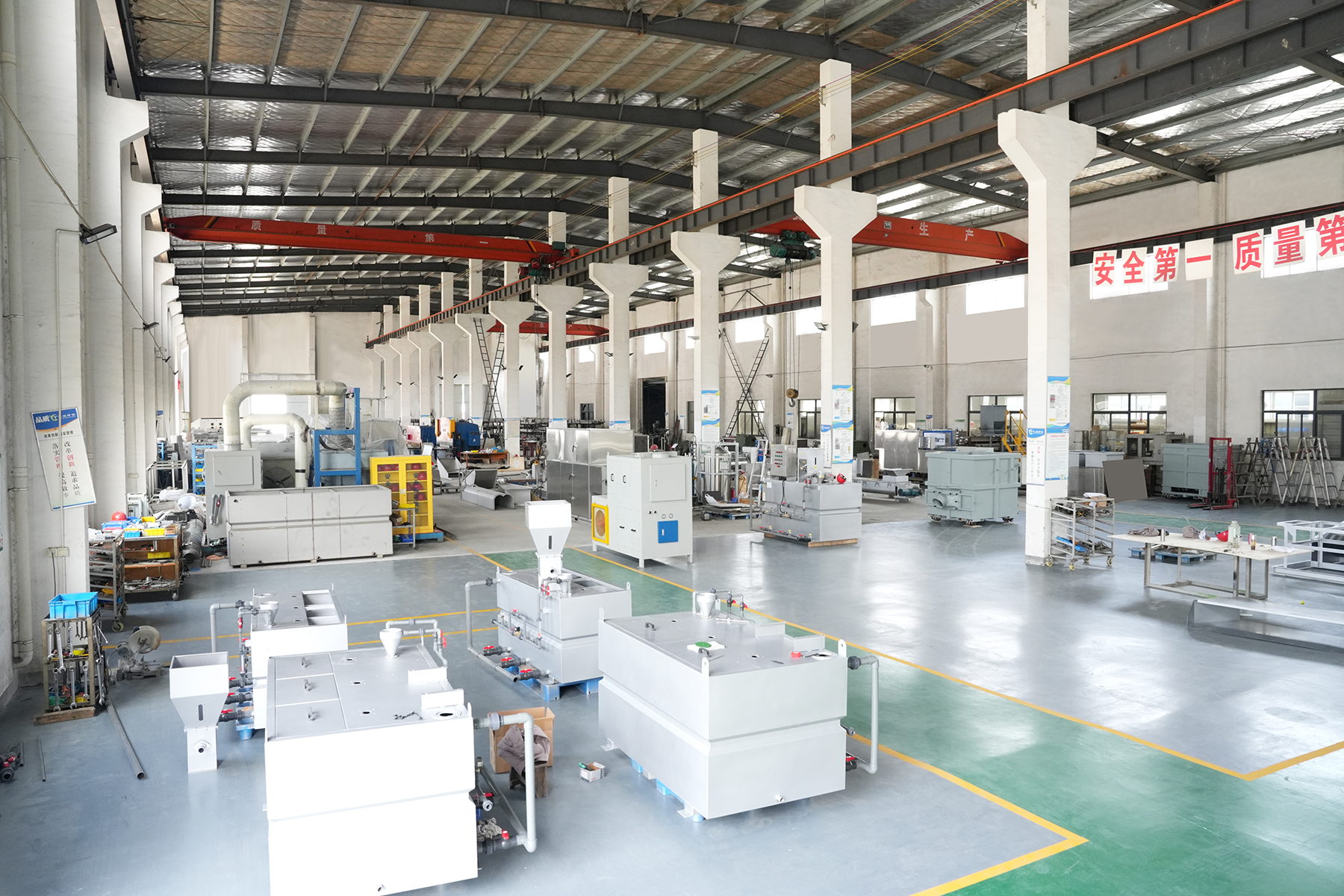
Service, spares, and what to confirm before you sign
After-sales technical support includes remote assistance, on-site commissioning, spare parts supply, warranty service, operation training, and long-term consultation. That scope matters most on the screw press side, where the maintenance advantage only materializes if wear parts and technical support are actually available when needed — and it matters on the belt side, where belt, roller, and correction valve upkeep is continuous. Quality control includes 100% testing.
Customization, OEM, and ODM
Technical services cover equipment type and model selection, processing capacity customization, equipment dimensions, control system configuration, power configuration, and modular design options. OEM and ODM production services are also available, which is relevant to distributors and brand owners building a sludge dewatering system portfolio rather than purchasing a single unit.
Shanghai Fuchan Machinery Technology Co., Ltd. (SFC Machinery) was established in 2007 and is located in Pudong New Area, Shanghai. The company works across sludge reduction, thickening, dewatering, deep dewatering, drying, chemical dosing, and system integration, with 36 employees, an annual output of 500 sets, a five-person R&D team, and an export ratio of about 30%, serving Southeast Asia, Russia, South America, and the Middle East. Its range includes wear-free multi-disc screw presses, belt thickening and dewatering presses, high-pressure belt press dewatering systems, and low-temperature sludge dryers.
Frequently Asked Questions
What acceptance criteria and measurements confirm the equipment meets specification?
Acceptance is handled through factory inspection or pre-shipment inspection, under FOB or CIF delivery terms, with payment of 30% deposit in advance and 70% balance before shipment. For moisture performance, agree on dry residue and water content measurement in line with ISO 11465:2025 — the international standard for determination of dry residue and water content in sludge and solid environmental matrices — so that screw press and belt results are compared on the same basis.
Can one supplier cover both the wear-free screw press and belt-based thickening and dewatering, including customization?
Yes. SFC manufactures wear-free multi-disc screw presses alongside belt thickening and dewatering systems, high-pressure belt press deep dewatering systems, thickening equipment, and low-temperature sludge dryers. Technical services include type and model selection, processing capacity customization, equipment dimensions, control system configuration, power configuration, and modular design options, with OEM and ODM production services available and 100% testing as part of quality control.
Which route costs less to run over years of operation?
On documented first-party comparison data, the wear-free multi-disc screw press route shows about 30% lower post-operation maintenance expense tied to screw shaft wear, ring wear, spare parts replacement, and repair work, with roughly a 300% longer maintenance cycle and lower energy consumption from reduced friction losses. The belt route's ongoing cost is driven by wash water, belt and roller upkeep, and polymer conditioning. Because both depend heavily on your own sludge, the fair comparison is maintenance and consumable cost per ton of dry solids treated, over the same period, using the same moisture measurement.
What validation should happen before the final model is fixed?
Three things. First, confirm the sludge data: source, daily volume, operating hours, solids content, and target moisture. Second, run a polymer jar test with dosing adjustment and adequate mixing and retention time, and review polymer selection and conditioning before final sizing. Third, plan for commissioning-time tuning of polymer dosing, feed concentration, throughput, belt pressure, or drying time, since final cake moisture is optimized against actual sludge performance rather than a laboratory assumption.
What are the minimum order quantity, lead time, and production capacity?
Minimum order quantity is 1 unit. Typical production lead time is 30–60 days, and monthly production capacity is 40 units. Delivery terms are FOB or CIF, with 30% deposit in advance and 70% balance before shipment, and acceptance via factory inspection or pre-shipment inspection. To run this head-to-head against your own sludge data, the SFC 2026 product catalog is available here: Product Catalog – SFC 2026.
Conclusion: Choose the Mechanism That Fails Gracefully in Your Sludge
There is no universal winner in this comparison. A wear-free multi-disc screw press — SRD-301 or a DL series machine — is the stronger route where the sludge is oily, sticky, or high in inorganic content, and where long-term maintenance decides the cost of ownership. The documented wear-free design, the roughly 30% lower post-operation maintenance expense, and the roughly 300% longer maintenance cycle are the evidence behind that position. Belt thickening and dewatering systems — GDY, FTB, and FTE — are the stronger route where the job is continuous automatic thickening or integrated thickening plus dewatering at 15–90 m³/h and 0.6–1.5% or 0.6–5.0% inlet consistency, and where the sludge is not aggressive enough to blind the cloth.
The reliable way to decide is to run the seven steps above in order, agree on moisture measurement under ISO 11465:2025 before anyone quotes a cake dryness figure, and then compare the two routes on maintenance and consumable cost per ton of dry solids — not on purchase price alone.
Next step
Share your sludge source, daily volume, solids content, and target moisture, and we will tell you which route the head-to-head points to — and which model within it. Project quotes, specification support, and distributor inquiries are welcome.
Catalog: Product Catalog – SFC 2026 · Website: www.sfceco.com · Email: sales@fuchanjx.com · WhatsApp: +86 138-1673-2007