Polyurethane Elastomer Grades by Project: Mining, Wind, Marine, Sports
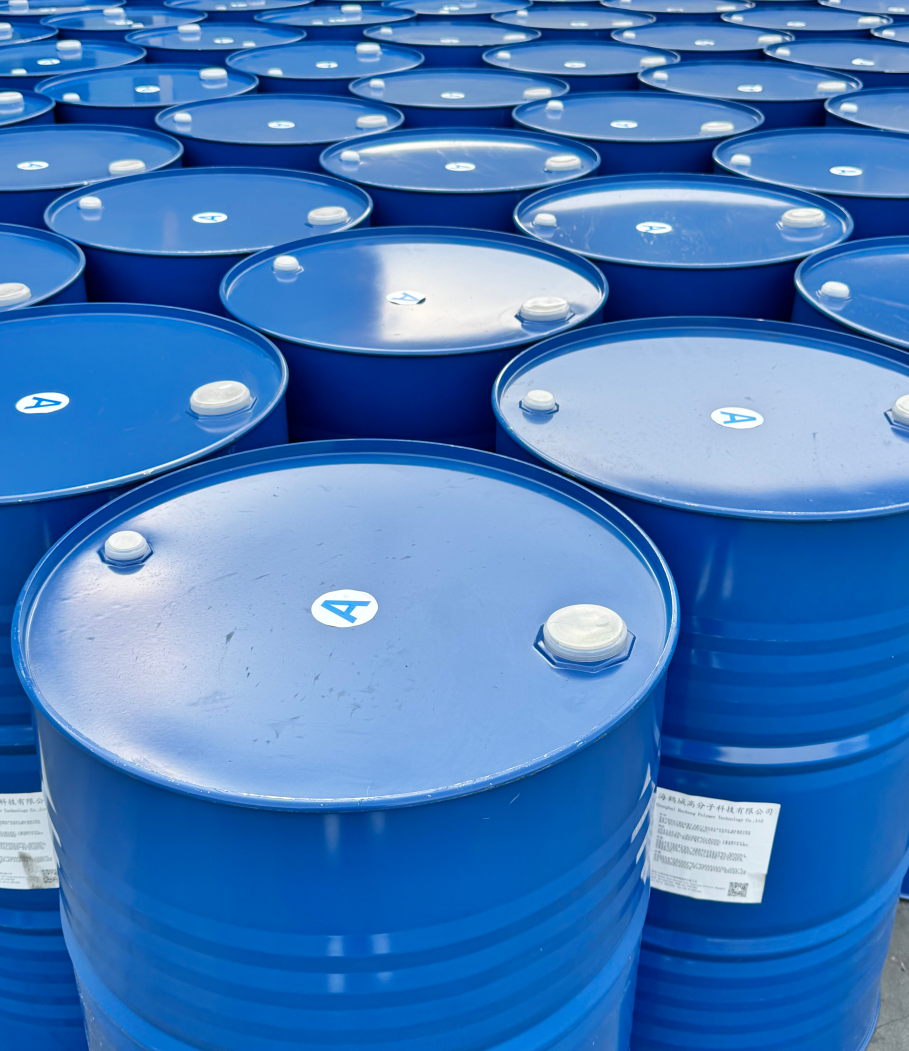
Polyurethane raw materials: four project types, four different dominant constraints.
Direct answer: polyurethane elastomer grades are matched to a project by failure mode, not by hardness number alone. In the application data behind this guide, mining tensionless screen mesh is matched to a polyester, three-component cast system documented for high wear resistance and high resilience; wind power components to a casting polyurethane prepolymer documented for aging resistance, high-voltage sealing and shock absorption; marine parts to a liquid polyurethane AB system documented for seawater corrosion resistance, anti-fouling and shock absorption; and rubberized sports equipment to a polyether-MDI prepolymer documented for vivid colours and eco-friendly processing. All four use the same production mode: two-component metering and conveying of raw materials, automatic high-pressure mixing and pouring.
Shanghai Hecheng Polymer Technology Co., Ltd. is a polyurethane materials manufacturer established in 2009 and based in Songjiang District, Shanghai, China, producing cast polyurethane prepolymers, quasi (semi-) prepolymer materials, special functional polymers and eco-friendly adhesives. The company operates a 16,932 m² facility with 16 major production reactors, lists more than 1,000 prepolymer grades, and reports annual output of 1 million tons, with products exported to North America, South Korea and Southeast Asia. Its cast elastomer products are covered by Invention Patent 16425Q32921R3M, issued by HUAZHONG INTERNATIONAL CERTIFICATION AND INSPECTION GROUP and applicable to domestic and international markets.
Problem definition: why grade matching fails before the first batch
Most grade mismatches are not caused by a wrong datasheet. They are caused by a wrong opening question. Buyers typically start with hardness and colour, while the field failure is decided somewhere else: hydrolysis in hot, humid air, abrasion under continuous friction, salt water and marine growth, or thermal and UV aging on a part that must simultaneously seal and damp vibration.
Hecheng's application records describe the four project environments with one shared envelope — tropical high temperature, high humidity, and frequent friction with corrosive water contact — before they distinguish the functions. That sequencing is deliberate. The envelope eliminates elastomer families chosen only for stiffness, and it forces the conversation onto the property that actually has to survive the duty cycle.
The second failure source is processing. A grade that pours cleanly by hand may behave differently on an automated two-component line, where metering ratio, conveying stability and high-pressure mixing decide whether the cast part reproduces the laboratory result at volume. For a casting polyurethane prepolymer, the mixing mode is part of the grade decision, not an afterthought.
Industry background: where the demand is coming from
Casting polyurethane is a defined commercial segment rather than a subcategory of convenience. The cast polyurethane (CPU) market was valued at USD 2.76 billion in 2024 and is projected to reach USD 4.20 billion by 2033 at a CAGR of 5.97% (Astute Analytica, reported via Taiwan News). For context, the broader polyurethane market is projected at USD 92.1 billion in 2026 (Grand View Research).
The composition of that growth is more useful to a project engineer than the total. Low free isocyanate prepolymer technology — the MDI-based, TDI-based and PPDI-based low free isocyanate prepolymer families — is reported at a 13.01% CAGR through 2033 (Market Research Intel), well ahead of the cast segment average. That divergence reflects buyers moving toward lower free-monomer systems where handling requirements are tighter, and it changes what a supplier is expected to document at quotation stage.
A third, quieter shift concerns adhesives and bonding. Patent literature such as EP0538694A2 describes two-part polyurethane/polyurea adhesive compositions developed for bonding plastics, metals and elastomers, including EPDM, butyl rubber, neoprene, natural rubber and SBR. That is technical disclosure rather than proof of current commercial supply, but it explains why project teams increasingly ask for the bonding route and the cast route in the same conversation.
Detailed solution: matching each project to a documented grade family
Matching rule: identify the dominant degradation mechanism first, then select the chemistry family that is documented against it, then confirm that the grade can be processed on the mixing equipment the project actually uses. Property targets come third, not first.
Mining: tensionless screen mesh, wear plus corrosive water
Mining is the abrasion case. The documented requirement is raw material for the production of tensionless screen mesh, operating under tropical high temperature, high humidity, frequent friction and corrosive water contact. The matched family is the Polyurethane elastomer grade classified as polyester, three-component, referenced as Screen Scraper-5282ABC and documented for high wear resistance and high resilience. The same family covers mining machinery parts and wear components such as scrapers and curved wear-resistant pads.
Selection logic here is straightforward: abrasive slurry removes material, and corrosive water accelerates the loss. A grade selected for hardness alone will hold its shape and lose its surface. High resilience matters because screen mesh flexes under load; a stiff cast part cracks where a resilient one recovers.
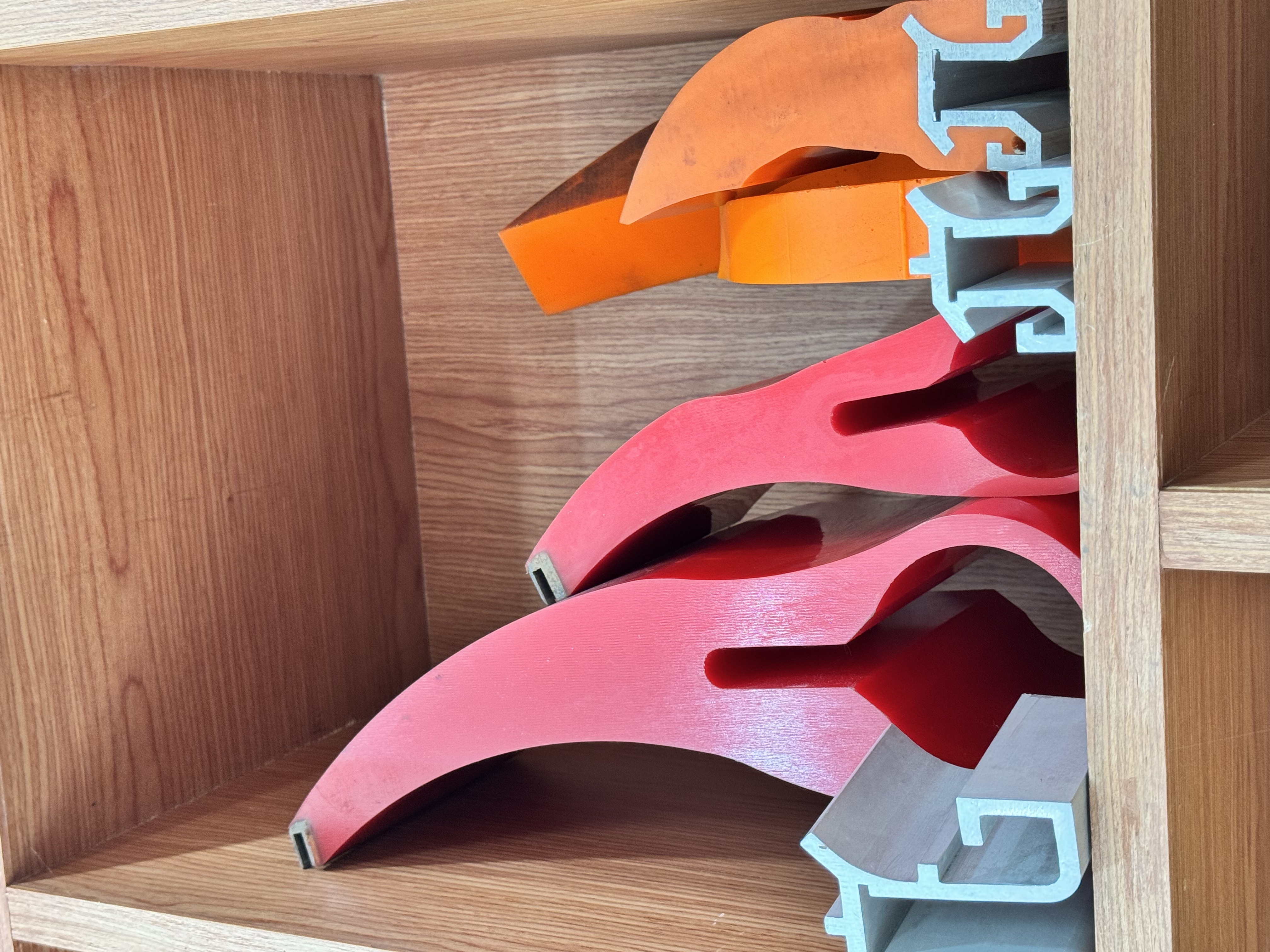
Cast polyurethane wear-resistant pads and scraper components produced from the polyester three-component elastomer family.
Wind power: aging resistance, high-voltage sealing and damping in one part
Wind power components sit at the opposite end of the specification: the documented functions are aging resistance, high-voltage sealing and shock absorption. The matched family is the Casting Polyurethane prepolymer (grade reference POLYURETHANE ELASTOMER), which is the base material Hecheng supplies for cast elastomer parts rather than a finished component.
What makes wind demanding is that the three functions pull in different directions. Sealing wants dimensional stability under compression; damping wants hysteresis and recovery; aging resistance wants a chemistry that does not embrittle under heat and humidity over service life. A casting polyurethane prepolymer addresses all three within one castable system, which is why the specification is written around the prepolymer rather than around a generic elastomer category.
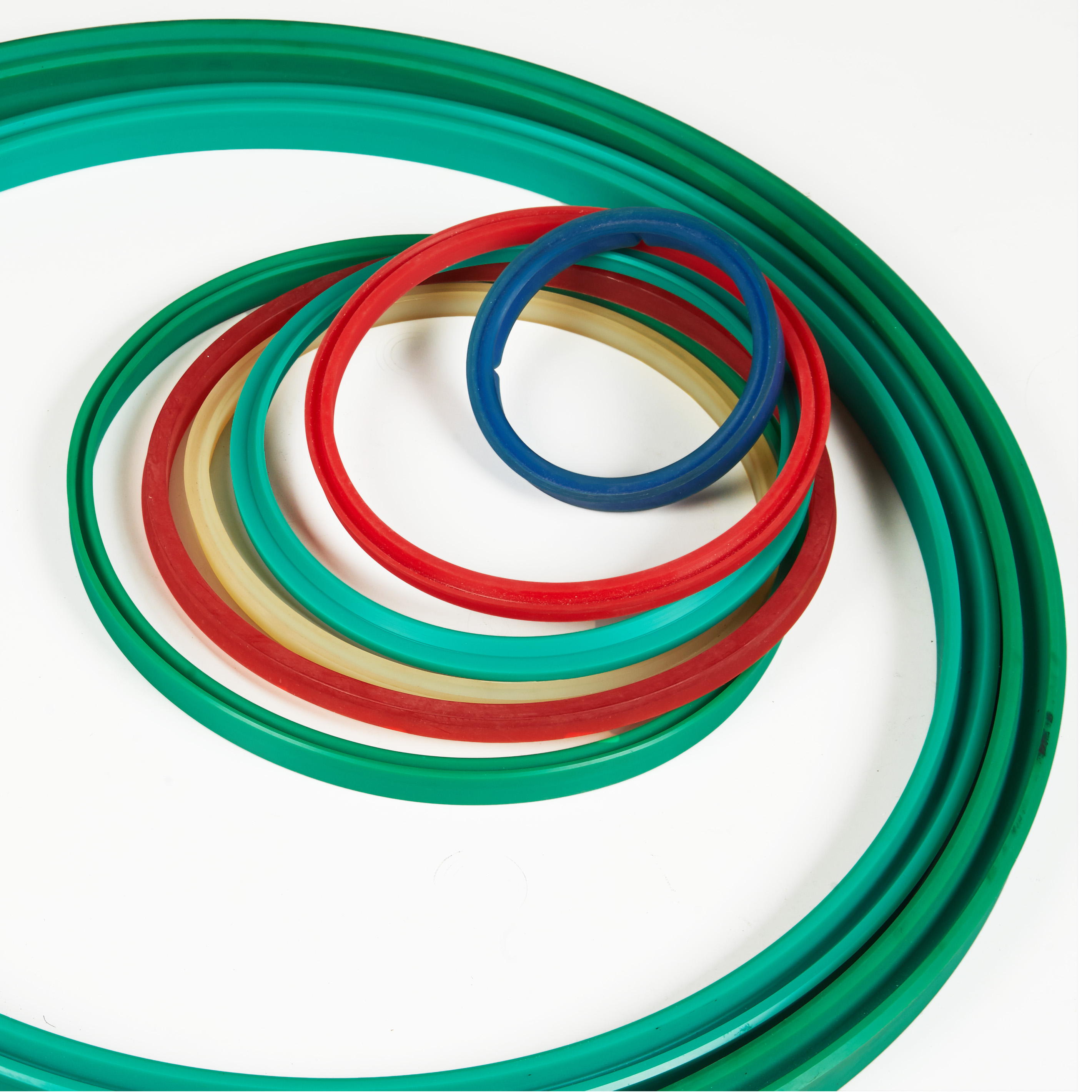
Sealing-class cast polyurethane components: compression sealing and vibration damping from the same material system.
Marine technology: seawater, biofouling and vibration together
Marine parts are specified for resistance to seawater corrosion, anti-fouling against marine organisms, and shock absorption. Hecheng's application record matches this function to a liquid polyurethane raw material, supplied as an AB system — the Liquid polyurethane grade Gel-8301AB, documented for antioxidant behaviour and high resilience.
The antioxidant parameter is not decorative here. Seawater exposure combined with high ambient temperature degrades elastomers through oxidation as much as through hydrolysis, and a grade that only addresses water uptake will still harden and crack. Anti-fouling adds a surface requirement: the cast surface must stay smooth enough that organisms do not find mechanical anchorage, which is a moulding and finishing question as much as a formulation one.
Sports: rubberized equipment through two-component mixing
Sports applications invert the priority order. Instead of maximum durability under aggressive chemistry, the documented targets are vivid colours and eco-friendly processing for rubberizing sports equipment. The matched family is the Polyurethane prepolymer grade 8385AB, a polyether-MDI system supplied as a two-component material and processed by automated metering, high-pressure mixing and pouring.
Colour stability and pigment compatibility become selection criteria in their own right, because a sports part is sold on appearance as well as feel. A grade that performs mechanically but shifts colour after curing fails commercially even when it passes a hardness test.
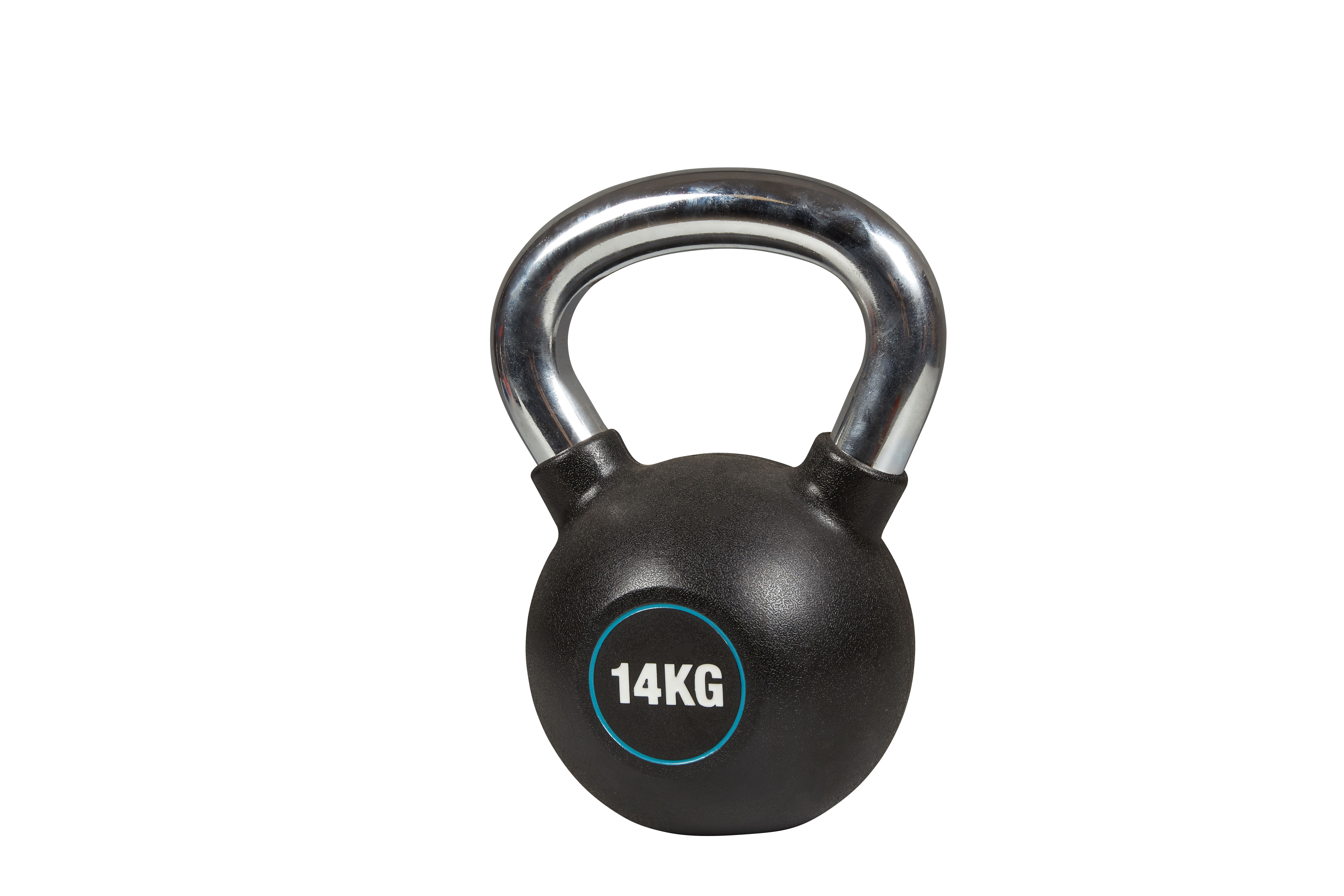
Rubberized sports equipment: colour and surface quality are part of the grade specification, not a finishing detail.
Sealed-class accessories: the corrosion-resistant midpoint
A fifth family serves parts that fall between these four projects: CPU casting polyurethane grade PTMG-MDI, a polyether PTMG-MDI system documented as environmentally friendly and corrosion-resistant for sealed-class accessories. Where a project needs predictable compression behaviour in a corrosive environment rather than extreme abrasion resistance, this is the more appropriate starting point than a wear-grade elastomer.
Step-by-step breakdown: the matching sequence
- Name the failure mode, not the hardness. Abrasion, hydrolysis, oxidation, biofouling, compression set or colour shift. Each maps to a different chemistry family in the table below.
- Confirm the working envelope. The application records treat tropical high temperature, high humidity and corrosive water contact as the shared baseline; a project outside that envelope should re-open the chemistry question rather than inherit the default.
- Select the documented family. Polyester three-component elastomer for wear; casting polyurethane prepolymer for aging, sealing and damping; liquid AB polyurethane for seawater and anti-fouling; polyether-MDI prepolymer for coloured rubberized parts.
- Check the processing route. All four families are produced by two-component metering and conveying, automatic high-pressure mixing and pouring. Supporting equipment listed for these lines includes a polyurethane high-pressure foaming machine or low-pressure pouring machine, raw material storage tank, mixing bucket and delivery pump. A grade must be validated on the line that will run it.
- Verify documentation before scale-up. Invention Patent 16425Q32921R3M, issued by HUAZHONG INTERNATIONAL CERTIFICATION AND INSPECTION GROUP, is recorded against the casting polyurethane prepolymer, the CPU casting polyurethane and the polyurethane elastomer, applicable to domestic and international markets. Certificate records show issue dates from 2016 to 2021, with expiry dates between 2036 and 2041.
- Lock commercial parameters and after-sales route. Published terms are a minimum order quantity of 1 ton, a 30-day lead time, 100% testing and remote after-sales support, with customization supported.
Invention Patent 16425Q32921R3M, issued by HUAZHONG INTERNATIONAL CERTIFICATION AND INSPECTION GROUP, recorded against the cast polyurethane prepolymer range.
Use cases: what the matching logic looks like in practice
Mining screen mesh in a hot, humid operation
A screening plant working in high humidity with corrosive process water needs mesh material that resists both cutting and swelling. Starting from the polyester three-component elastomer, the project defines the wear target and the water exposure, then validates the cast sheet on the same mixing equipment used in production. Because the raw material is supplied for the customer's own mesh production, the acceptance criteria belong to the customer's moulding process as much as to the material.
Wind components with a dual function
A wind power component that seals and damps at the same time cannot be specified from a single property. The casting polyurethane prepolymer route lets the part be cast as one piece, with aging resistance documented as a material function rather than a coating claim. The practical check is whether the cured part holds compression set and damping after humidity cycling.
Marine hardware in warm seawater
For marine parts, the liquid polyurethane AB system is chosen for seawater corrosion resistance, anti-fouling behaviour and shock absorption. The processing detail that decides success is metering accuracy: an AB system delivered through automated two-component metering removes the hand-mixing variation that would otherwise show up as inconsistent hardness across a batch.
A ten-year elastomer supply relationship
A raw material manufacturer in Vietnam has purchased 100 tons of polyurethane elastomer over a 10-year relationship, with reported results of stable production quality and improved product performance, on a material described as environmentally friendly, high quality and corrosion-resistant. The relevant lesson for a new project is not the volume — it is that grade stability across years, not a single certificate, is what allows a downstream producer to keep its own process settings fixed.
Comparison table: project type against documented grade family
| Project type | Documented working condition | Dominant constraint | Matched product and model | Documented properties |
|---|---|---|---|---|
| Mining (tensionless screen mesh, wear parts) | Tropical high temperature, high humidity, frequent friction and corrosive water contact | Abrasion plus corrosion | Polyurethane elastomer — Polyester, three-component (Screen Scraper-5282ABC) | High wear resistance, high resilience |
| Wind power components | Same tropical high humidity and friction envelope | Aging, high-voltage sealing, damping | Casting Polyurethane prepolymer — POLYURETHANE ELASTOMER | Aging resistance, high-voltage sealing, shock absorption |
| Marine technology | Same envelope with continuous salt water exposure | Seawater corrosion, biofouling, vibration | Liquid polyurethane — Gel-8301AB (AB system) | Seawater corrosion resistance, anti-fouling, shock absorption, antioxidant, high resilience |
| Sports equipment (rubberizing) | Same envelope, appearance-critical end product | Colour and eco-friendly processing | Polyurethane prepolymer — 8385AB (Polyether-MDI) | Vivid colours, eco-friendly |
| Sealed-class accessories | Corrosive service with compression duty | Corrosion resistance with sealing | CPU casting polyurethane — PTMG-MDI | Environmentally friendly, corrosion-resistant |
Production mode is common to all five rows: two-component metering and conveying of raw materials, automatic high-pressure mixing and pouring, enabling continuous mass production. Supporting equipment listed across the application records includes a polyurethane high-pressure foaming machine or low-pressure pouring machine, raw material storage tank, mixing bucket and delivery pump. Customization is supported in every case.
| Documentation item | Recorded detail |
|---|---|
| Invention Patent | Number 16425Q32921R3M, issued by HUAZHONG INTERNATIONAL CERTIFICATION AND INSPECTION GROUP |
| Products covered | Casting Polyurethane prepolymer, CPU casting polyurethane, Polyurethane elastomer |
| Markets | Domestic and international |
| Validity window | Issue dates recorded from 2016 to 2021; expiry dates from 2036 to 2041 |
| Commercial parameters | MOQ 1 ton; lead time 30 days; monthly capacity 8,000 units; 100% test; remote after-sales support |
Boundaries: what this matching guide does not cover
Three limits are worth stating plainly. First, the families above are described by documented function, not by measured comparative performance; no standardised abrasion, tear or hydrolysis test values are published for these grades in the available documentation, so specification should be confirmed against the grade datasheet and a project trial. Second, waterborne polyurethane dispersions, water-based self-matting resin and water-based adhesive systems follow a different formulation and drying logic and are not part of this cast-elastomer matching sequence. Third, the invention patent is a product and process protection document; it is not a substitute for market-specific chemical registration or for a grade-level safety data sheet.
FAQ
What compliance documentation covers these polyurethane grades?
The published certificate is Invention Patent 16425Q32921R3M, issued by HUAZHONG INTERNATIONAL CERTIFICATION AND INSPECTION GROUP and applicable to domestic and international markets. It is recorded against the casting polyurethane prepolymer (product 4643), the CPU casting polyurethane (product 5644) and the polyurethane elastomer (product 5645). Certificate records show issue dates between 2016 and 2021, with expiry dates between 2036 and 2041.
Are REACH-certified polyurethane raw materials available for these projects?
Not as a single blanket certificate, because REACH obligations attach to substances and uses rather than to a product family; this article does not assert REACH registration for any grade. What the documentation supports is that the three cast-elastomer products above are covered by Invention Patent 16425Q32921R3M, and that the low free isocyanate families most often requested when buyers prepare for tighter diisocyanate handling requirements — MDI-based, TDI-based and PPDI-based low free isocyanate prepolymer grades — sit within the prepolymer scope. Buyers qualifying a specific grade should request the current safety data sheet and grade-level declaration alongside the patent certificate.
Can one supplier cover mining, wind, marine and sports grades?
Yes, where the supplier's scope includes all four families. Hecheng operates 16 major production reactors and lists more than 1,000 prepolymer grades, with an R&D team of 18 engineers — nearly 30% of its 78 staff — and customization supported across the mining, wind power, marine and sports application units. All four units specify the same production mode: two-component metering and conveying of raw materials, automatic high-pressure mixing and pouring.
What actually drives the cost difference between these grades?
Four documented variables: the chemistry family (a polyester three-component elastomer versus a polyether PTMG-MDI system), the free isocyanate level, since low free isocyanate MDI, TDI and PPDI grades are specified where handling requirements are tighter; the property target, because wear resistance, hydrolysis resistance and damping are achieved through different formulations; and the order size, since the published minimum order quantity is 1 ton. No price list is published for these grades, so quotations are issued against a defined grade and quantity.
What are the lead time and sampling steps?
Published commercial parameters are a minimum order quantity of 1 ton and a 30-day lead time, with monthly capacity of 8,000 units, 100% testing and remote after-sales support. Sampling should start from the failure mode rather than from a hardness number: state the project type, the working condition and the property to be verified, and the technical team matches a grade before scale-up.
Conclusion
Matching polyurethane elastomer grades to mining, wind, marine and sports projects is a four-step discipline: name the failure mode, confirm the working envelope, select the documented family, and validate the grade on the mixing line that will run it. The mineral processing case rewards wear resistance and resilience; the wind case rewards aging resistance with sealing and damping; the marine case rewards seawater resistance with anti-fouling; the sports case rewards colour and eco-friendly processing. Sealed-class accessories sit between them on a corrosion-resistant PTMG-MDI system.
Shanghai Hecheng Polymer Technology Co., Ltd. supplies these families from a 16,932 m² Shanghai facility with 16 production reactors, over 1,000 prepolymer grades and R&D support of 18 engineers, with cast elastomer products covered by Invention Patent 16425Q32921R3M and processed on automated two-component metering and high-pressure mixing lines. Projects are quoted at a minimum order quantity of 1 ton with a 30-day lead time.
Next step
Send the project type, the working condition and the property you need to verify — the technical team will match a grade from the cast polyurethane prepolymer, liquid polyurethane or polyester elastomer range and confirm the sample and quotation route.
Contact: Vera Li — vera@hechengcpu.com · Tel / WhatsApp +86 16606109059 · No. 1266 Xinbin Road, Maogang Town, Songjiang District, Shanghai, China
Product range and company profile: Shanghai Hecheng Polymer Technology Co., Ltd.
Full technical catalogue: download the polyurethane product brochure (PDF)
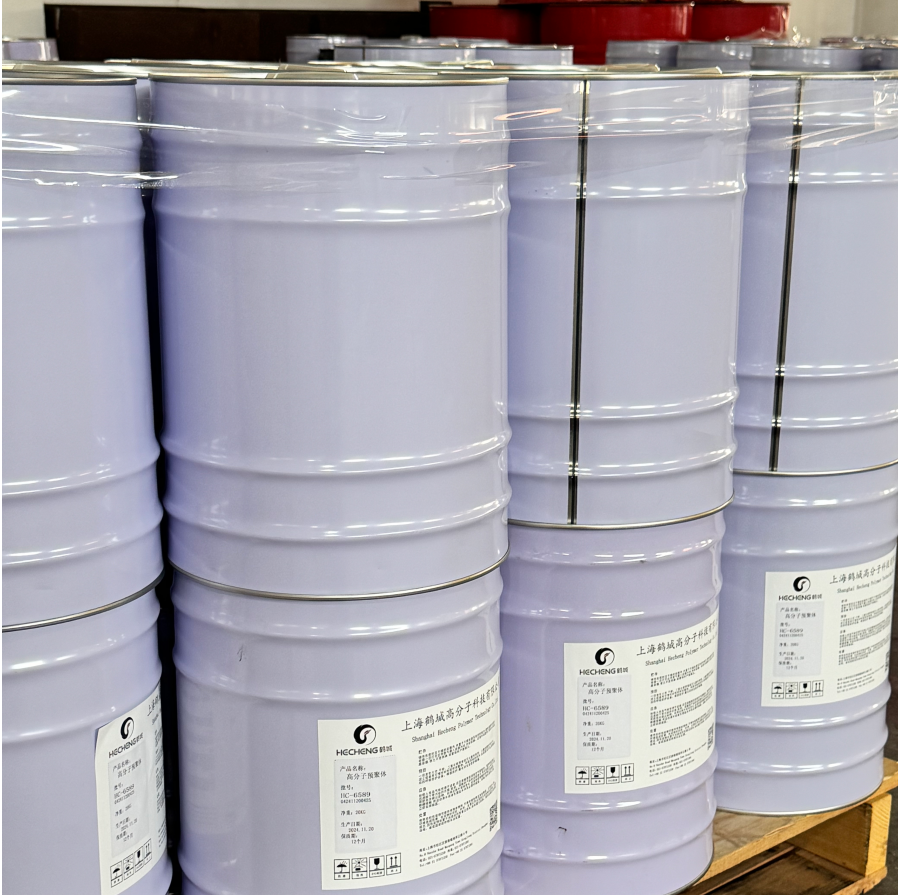
Polyurethane raw materials prepared for sample and production dispatch.
Have Questions or Need More Details?
Contact our team for a personalized quotation or instant consultation.
Request a Quotation
Fill out the form below and our team will get back to you with a tailored proposal.
WhatsApp Direct Chat
Prefer to chat in real-time? Message us on WhatsApp for instant assistance & quick answers.
- Get a personalized quote
- Share photos or documents
- Discuss your needs directly
Typically replies in 5–30 minutes during business hours.