Casting Polyurethane for Harsh Environments: A Project-Focused Raw Material Selection Guide
Casting Polyurethane for Harsh Environments: A Project-Focused Raw Material Selection Guide
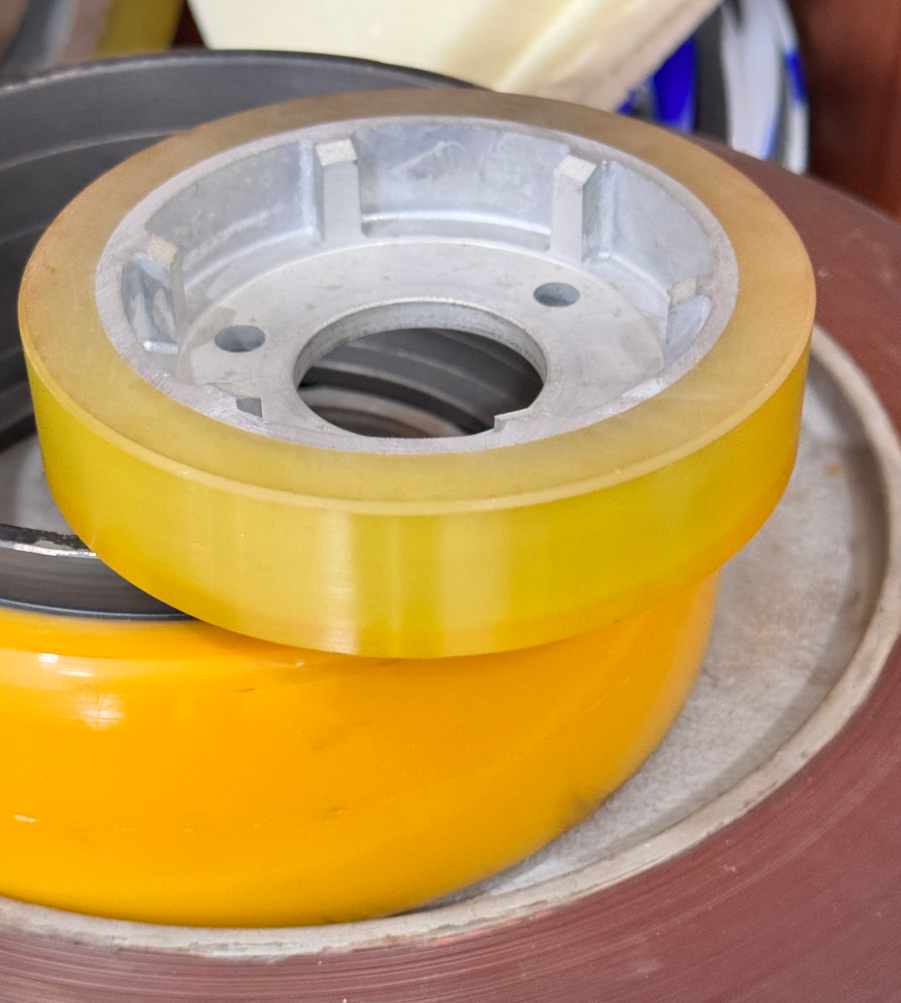
Selecting polyurethane raw materials for casting applications is not a one-material decision. In project-based procurement, the correct choice depends on the part function, the production line, and the environment where the cast elastomer will operate. This guide explains how to match casting polyurethane raw materials to real industrial scenarios, especially conditions involving tropical high temperature, high humidity, frequent friction, and corrosive water contact.
It is written for procurement engineers, production managers, and business owners who need to evaluate casting polyurethane prepolymer suppliers for a specific application, rather than simply comparing price per ton.
What are casting polyurethane raw materials?
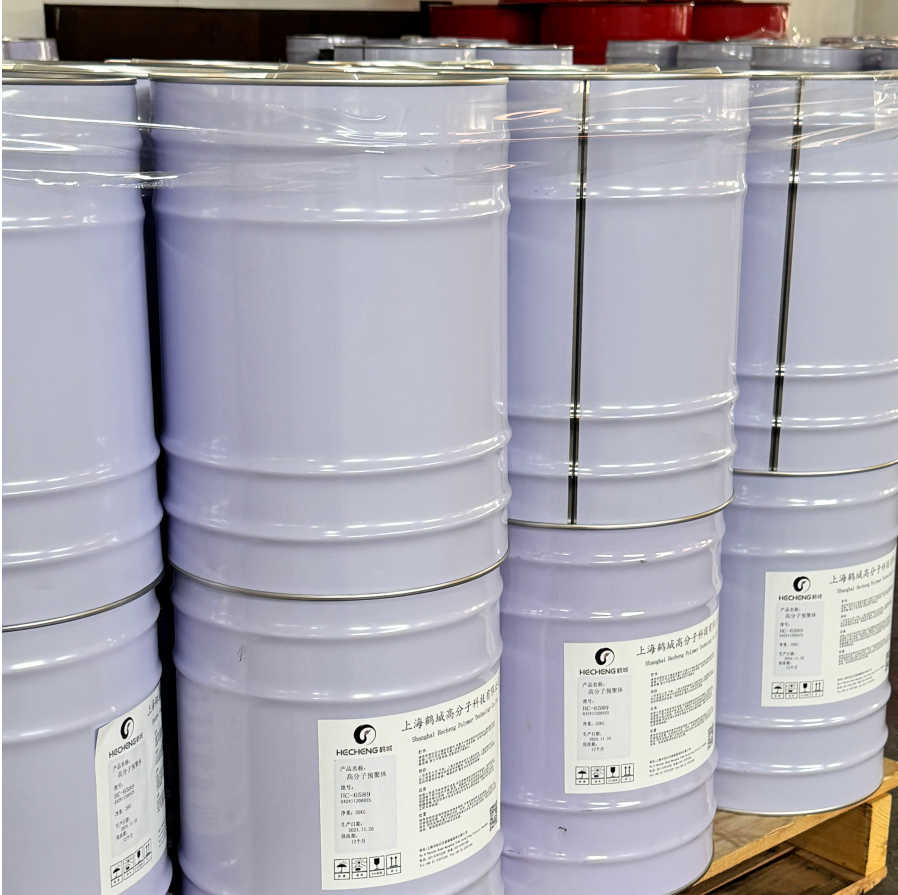
Casting polyurethane raw materials are liquid or semi-liquid material systems used to produce thermoset polyurethane elastomers through a casting process. This category includes polyurethane prepolymers, quasi polyurethane elastomer materials, liquid polyurethane, CPU casting polyurethane, and polyurethane elastomer systems. A buyer selecting these materials for a project needs to understand how the material will be processed and where the finished part will operate.
Problem definition: why standard grades fail in tropical and corrosive projects
In South and Southeast Asian markets, cast polyurethane parts are often used in tropical high temperature, high humidity, frequent friction, and corrosive water contact environments. Under these conditions, standard polyurethane systems can show hydrolysis, surface wear, or loss of dynamic performance. The root cause is usually not poor workmanship; it is a mismatch between the raw material chemistry and the service environment.
For example, mining screen mesh and construction anti-wear parts are exposed to water and abrasion, so hydrolysis resistance and toughness are critical. Marine parts require resistance to seawater corrosion and fouling. Wind power components need aging resistance and high-voltage sealing. Automotive auxiliary parts in tropical countries need stable physical and mechanical properties under heat and humidity. Each of these requirements changes the optimal prepolymer selection.
Industry background: casting polyurethane is a growing procurement category
The global polyurethane market is estimated at USD 85.2 billion in 2024 and is projected to reach USD 136.2 billion by 2035, according to Roots Analysis. Within this market, casting polyurethane was valued at approximately USD 2,758.37 million in 2024, driven by industrial production and the electrification of mobility, according to Astute Analytica. Polyurethane elastomers recorded a 12% increase in global demand in 2024, with industrial machinery and automotive lightweighting named as primary drivers by Straits Research.
From a raw-material standpoint, MDI contributed roughly 60% of total global isocyanate volume in 2024, and mainland China accounted for about one-third of the global TDI, MDI, and aliphatic isocyanate markets, according to Prismane Consulting and S&P Global Commodity Insights. For buyers, this means the supply chain for casting polyurethane raw materials is deep in China, but supplier selection still requires technical evaluation.
Detailed solution: project-specific material systems from a qualified prepolymer supplier
Shanghai Hecheng Polymer Technology Co., Ltd. is a national high-tech enterprise established in 2009, located in Shanghai, P.R. of China. Its plants and warehouses are located in Shanghai's Songjiang District, with factory and warehouse space of 16,932 square meters. The company focuses on R&D, manufacturing, and global supply of high-performance polyurethane (CPU) elastomer materials. For casting projects, Hecheng supplies cast polyurethane prepolymers, quasi polyurethane elastomer materials, special functional materials, eco-friendly adhesives and additives.
The range includes more than 1,000 prepolymer grades, supported by 16 major production reactors. R&D personnel account for nearly 30% of total employees. The R&D center is dedicated to custom formulations for specific performance and processing needs. In practice, this means a buyer can start with an existing grade, or co-develop a system for a new part.
Relevant examples from the Hecheng product range include:
- CPU casting polyurethane (PTMG-MDI), a polyether PTMG-MDI system for sealing-class accessories, with corrosion resistance.
- Liquid polyurethane (Gel-8301AB), an antioxidant, high-resilience polyurethane AB material for various elastomers.
- Polyurethane prepolymer (Rubberized sports equipment - 8385AB), a polyether-MDI system with vivid colors and eco-friendly properties for sports equipment.
- Polyurethane elastomer (Polyester, three-component; Screen Scraper-5282ABC), with high wear resistance and high resilience for the mining sector.
Step-by-step breakdown: selecting the right casting polyurethane raw materials
Step 1. Define the operating environment
Tropical high temperature, high humidity, frequent friction, and corrosive water contact appear repeatedly in real application notes for Vietnam, Pakistan, Philippines, Cambodia, Malaysia, Bangladesh, and Thailand. If a project will operate in these conditions, the raw material should be selected for hydrolysis resistance and environmental stability, not only hardness.
Step 2. Identify the functional requirement
Different parts fail differently. A mining tensionless screen mesh needs toughness and abrasion resistance. A marine component needs corrosion resistance, anti-fouling for marine organisms, and vibration damping. A wind power component needs aging resistance, high-voltage sealing, and shock absorption. A construction anti-wear part needs high hydrolysis and corrosion resistance. Write down the dominant failure mode before evaluating prepolymer systems.
Step 3. Match the material to the production process
Most casting projects operate in automated production mode: two-component metering and conveying of raw materials, automatic high-pressure mixing and pouring, enabling continuous mass production. The casting polyurethane raw material must have stable reactivity and a workable process window on the available equipment.
Step 4. Confirm equipment compatibility
Typical supporting equipment includes a polyurethane high-pressure foaming machine or low-pressure pouring machine, raw material storage tank, mixing bucket, and delivery pump. If the customer already owns such equipment, the supplier should provide formulations that fit that process. When pot life needs to be verified, ISO 10364:2024 specifies methods for determining the working life of multi-component adhesives, including polyurethane-based systems.
Step 5. Validate the supplier's quality system
Hecheng's quality control includes strict production and testing facilities, with laboratory analysis covering basic mechanical testing, thermal analysis, and chemical resistance evaluation. According to the company's documented capability, a 100% test protocol can be applied. One documented cooperation involves a raw material manufacturer in Vietnam that has used Hecheng polyurethane elastomer materials for 10 years, with cumulative supply of 100 tons, and reports stable production quality and improved product performance.
Step 6. Plan scale-up and lead time
Hecheng's OEM production capability includes customisation such as voltage and logo marking, with a monthly capacity of 8,000 units, MOQ of 1 ton, and a lead time of 30 days under standard conditions. Remote after-sales support is available for customers outside China. For project-based sourcing, these commercial terms should be confirmed before the material specification is finalised.
Use cases: casting polyurethane raw materials by industry
Mining: tensionless screen mesh and high-wear parts
In the mining industry, Hecheng cast polyurethane raw material is used to produce tensionless screen mesh. It operates under tropical high temperature, high humidity, frequent friction, and corrosive water contact conditions, common in Thailand, Vietnam, Pakistan, Philippines, Cambodia, Malaysia, and Bangladesh. Automated production is supported by two-component metering, high-pressure mixing, and pouring.
Automotive: stable physical properties in tropical climates
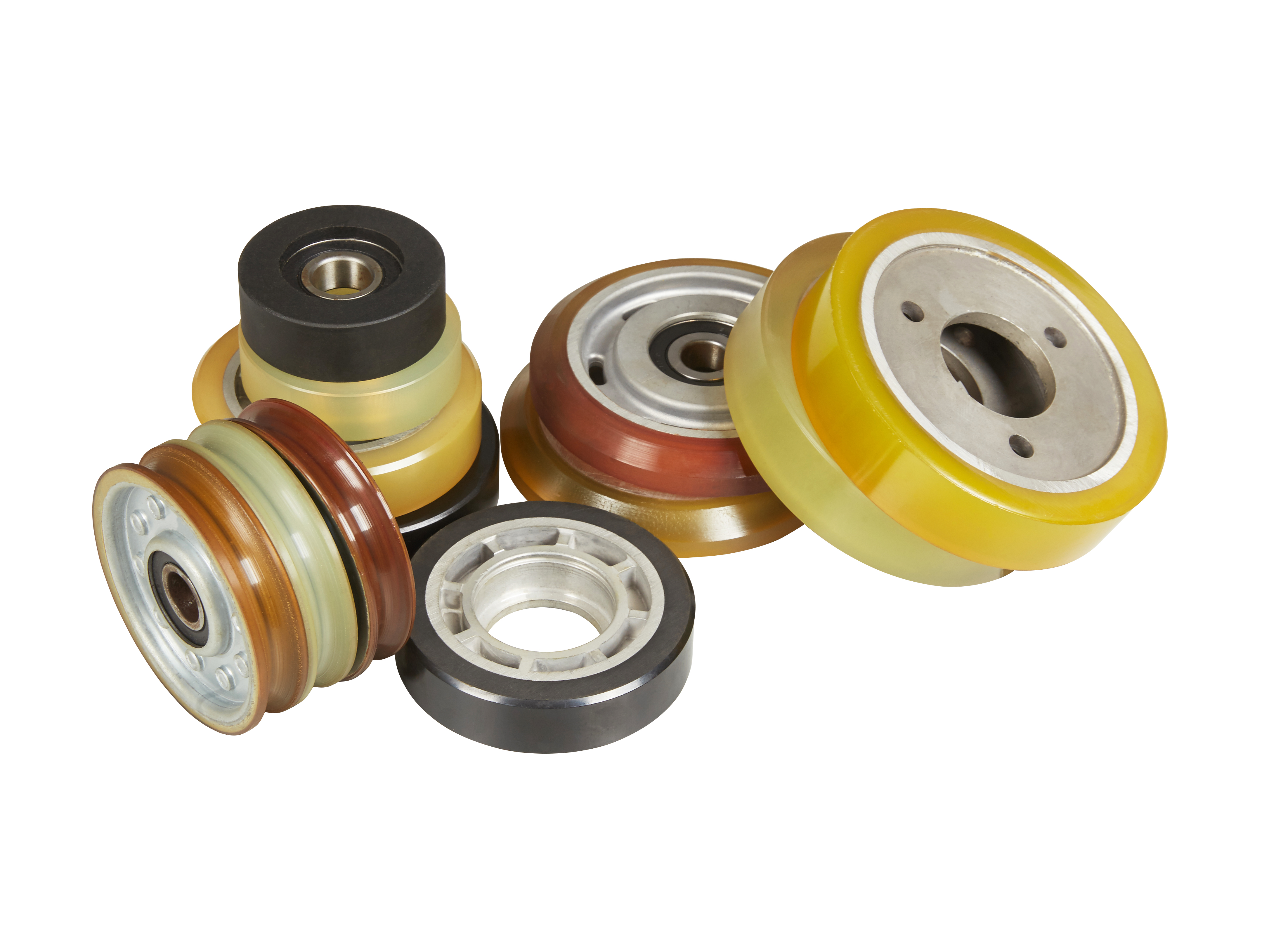
For the automotive sector, Hecheng supplies a TDI low-free prepolymer project type. It improves physical and mechanical properties and provides excellent dynamic mechanical properties. The application is designed for tropical high temperature, high humidity, frequent friction, and corrosive water contact, and is documented in Vietnam, Pakistan, Philippines, Cambodia, Malaysia, Bangladesh, and Thailand. Automated production uses dual-component metering and conveying of raw materials, automatic high-pressure mixing and pouring, enabling continuous mass production.
Construction: hydrolysis-resistant anti-wear elastomer
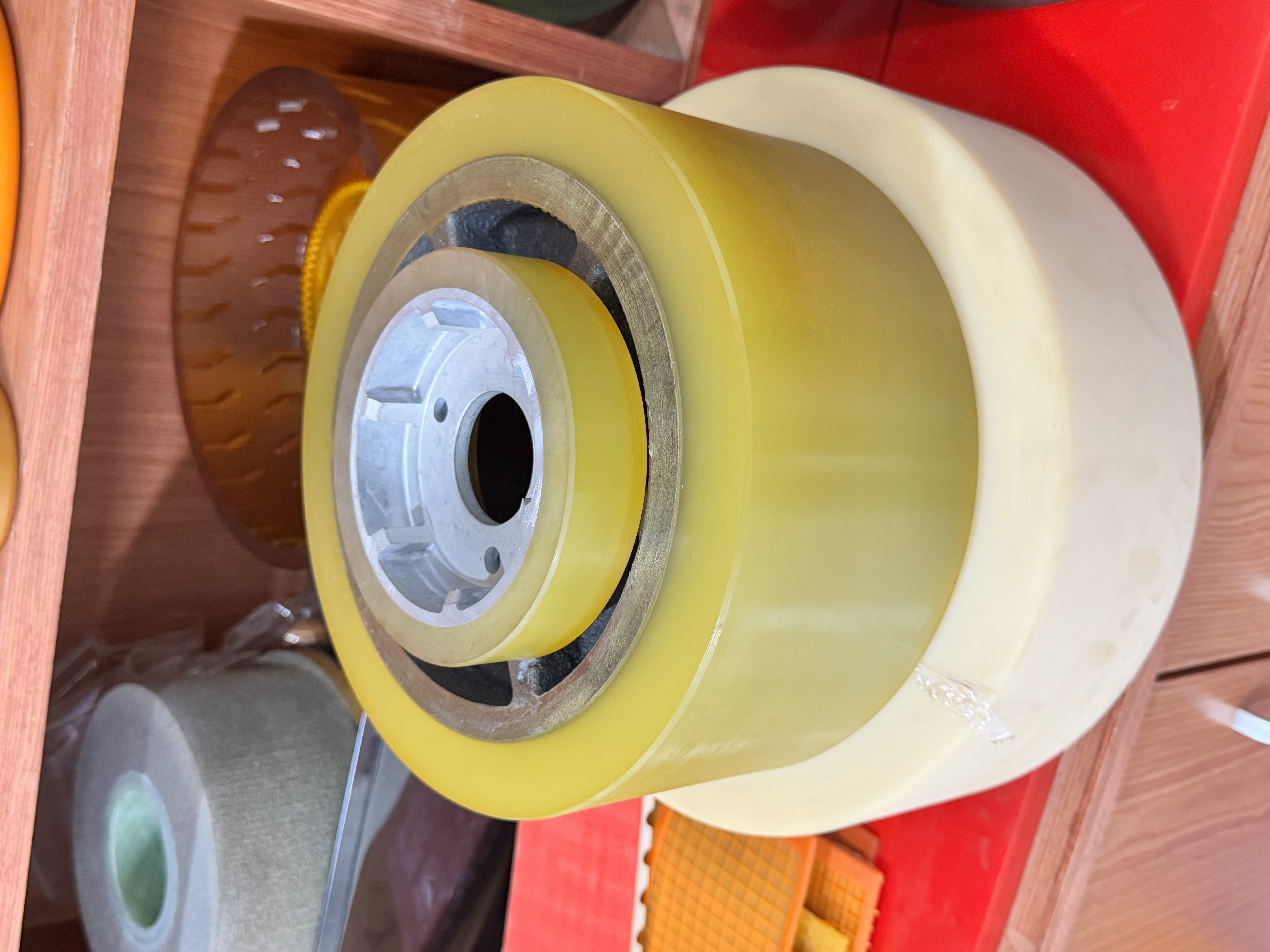
In the construction industry, the material provides high hydrolysis and corrosion resistance and high toughness elastomer material for construction anti-wear parts. This scenario is common in Pakistan, Philippines, Cambodia, Malaysia, Bangladesh, Thailand, and Vietnam.
Marine technology: seawater corrosion resistance and vibration damping
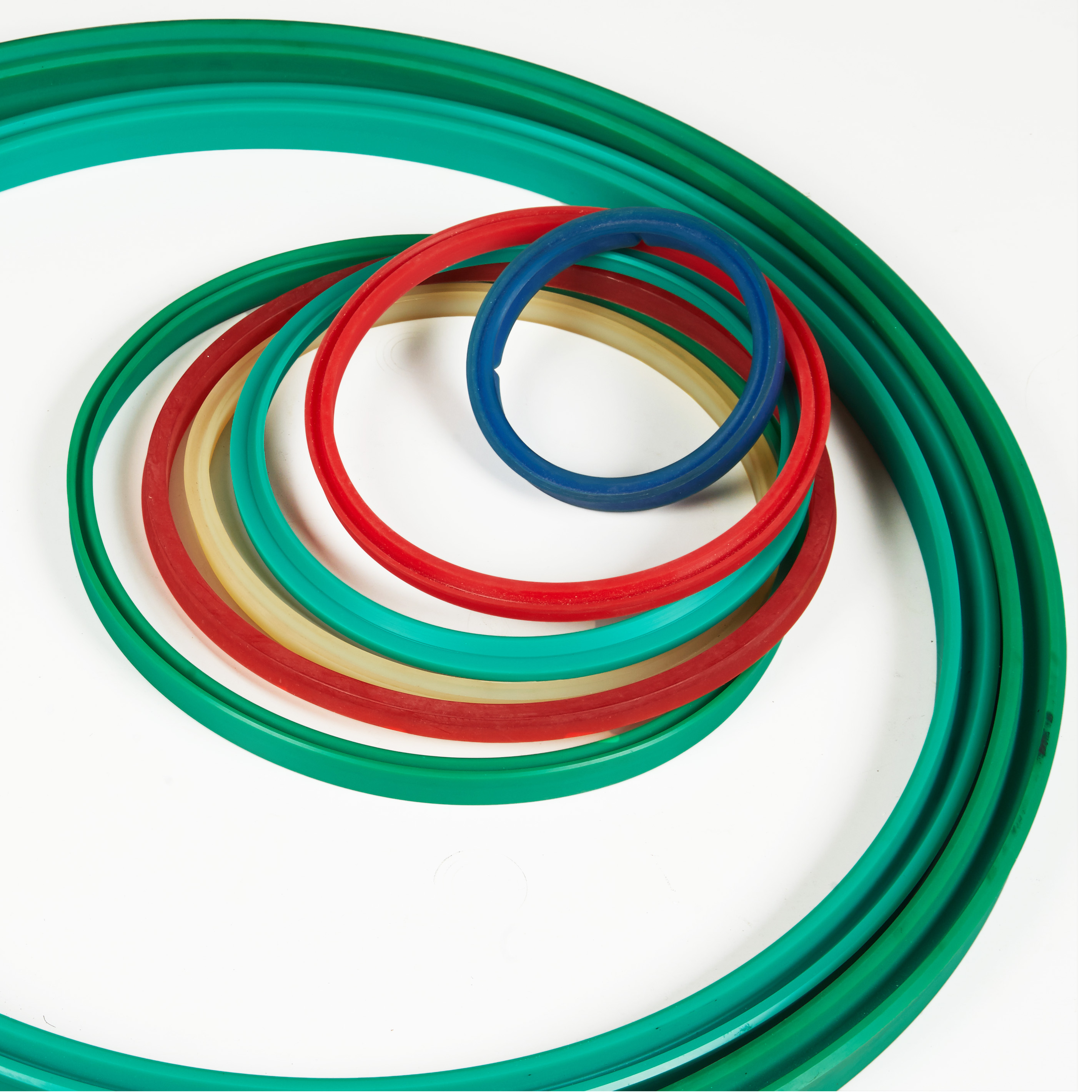
For marine technology, liquid polyurethane raw material projects provide corrosion resistance, anti-fouling for marine organisms, and vibration damping. The systems are designed for high temperature, high humidity, and seawater exposure in South and Southeast Asian countries including Cambodia, Malaysia, Bangladesh, Thailand, Vietnam, Pakistan, and the Philippines.
Wind power generation: aging resistance and high-voltage sealing
For wind power generation, polymer prepolymer systems provide aging resistance, high-voltage sealing, and shock absorption for wind power components. These systems are used in Bangladesh, Thailand, Vietnam, Pakistan, Philippines, Cambodia, and Malaysia under tropical high temperature, high humidity, frequent friction, and corrosive water contact conditions.
Sports industry: two-component rubber coating for equipment
In the sports industry, polyurethane raw materials apply rubber coating on sports equipment through a two-component mixing process. The material is suitable for automated production with continuous mass production capability and operates under tropical high temperature and high humidity conditions. This application is common in Thailand, Vietnam, and Malaysia. The 8385AB prepolymer example is formulated for vivid colors and eco-friendly properties.

Comparison table: project scenario vs material selection
| Project scenario | Operating condition | Key function | Relevant raw material type |
|---|---|---|---|
| Mining | Tropical high temp, high humidity, friction, corrosive water | Tensionless screen mesh, wear parts | Cast polyurethane prepolymer / polyurethane raw materials |
| Automotive | Tropical high temp, high humidity, friction, corrosive water | Improved physical and mechanical properties, dynamic performance | TDI low-free prepolymer |
| Construction | Tropical high temp, high humidity, friction, corrosive water | High hydrolysis and corrosion resistance, high toughness anti-wear parts | Polyurethane raw materials |
| Marine technology | High temp, high humidity, seawater exposure | Corrosion resistance, anti-fouling for marine organisms, vibration damping | Liquid polyurethane raw material |
| Wind power generation | Tropical high temp, high humidity, friction, corrosive water | Aging resistance, high-voltage sealing, shock absorption | Polymer prepolymer |
| Sports industry | Tropical high temp, high humidity | Rubber coating on sports equipment | Polyurethane raw materials / two-component system |
Decision criteria and procurement checklist
How to compare suppliers
When comparing casting polyurethane raw material suppliers, use the following criteria:
- Product range: Does the supplier cover cast polyurethane prepolymers, quasi prepolymers, liquid polyurethane, and CPU casting systems?
- R&D capability: Can the supplier develop custom formulations for specific performance and processing needs?
- Production capacity: Is there sufficient reactor capacity for continuous industrial supply?
- Quality control: Does the supplier perform mechanical, thermal, and chemical resistance testing?
- Commercial terms: Are MOQ and lead time compatible with project planning?
- After-sales support: Is remote technical support available?
Checklist for project evaluation
- Record the operating environment and failure history of existing parts.
- Identify the critical performance requirement: abrasion, hydrolysis, resilience, damping, high-voltage sealing, or anti-fouling.
- Choose one or two candidate prepolymer systems.
- Ask the supplier for application notes or references in relevant industries.
- Request a material trial or pilot validation under real conditions.
- Confirm supporting equipment and processing parameters.
- Agree on the quality control protocol and batch traceability.
- Confirm MOQ, lead time, packaging, and after-sales support.
Limitations and engineering trade-offs
No single casting polyurethane raw material can maximize all properties. High hardness can reduce resilience; a system optimized for extreme abrasion may need a different backbone than a system optimized for hydrolysis resistance; and a material with a very long process window may cure more slowly in continuous production. Buyers should state the dominating requirement and allow the supplier to balance the rest.
For tropical high-temperature and high-humidity environments, hydrolysis resistance and corrosion resistance often become non-negotiable. In such cases, the selected material should be validated in the actual working environment rather than selected from a generic property table.
FAQ
How should I choose a polyurethane raw material manufacturer for casting applications?
Define the operating environment and the functional requirement of the cast part first. Then evaluate the supplier's product range, R&D capability, quality control, equipment compatibility, MOQ, and lead time. Shanghai Hecheng Polymer Technology Co., Ltd. supports casting projects with more than 1,000 prepolymer grades, 16 production reactors, custom formulation capability, and a documented quality system.
What quality control should buyers expect for casting polyurethane raw materials?
Buyers should expect consistent batch quality, clear testing procedures, and evidence of material stability. Hecheng's quality control includes strict production and testing facilities, with laboratory analysis covering basic mechanical testing, thermal analysis, and chemical resistance evaluation. A 100% test protocol can be applied according to the company's documented capability.
Can casting polyurethane prepolymer be customised for a specific application?
Yes. Hecheng has an R&D center dedicated to custom formulations developed for specific performance and processing needs. The company also supports OEM production with customisation such as voltage and logo marking, with a monthly capacity of 8,000 units.
What equipment is needed to process casting polyurethane raw materials?
Typical supporting equipment includes a polyurethane high-pressure foaming machine or low-pressure pouring machine, raw material storage tank, mixing bucket, and delivery pump. Casting production can use automated two-component metering and conveying, high-pressure mixing, and pouring for continuous mass production.
What are Hecheng's MOQ, lead time, and export support?
Hecheng's documented standard conditions include an MOQ of 1 ton, a lead time of 30 days, and a monthly capacity of 8,000 units. Remote after-sales support is available. The company exports to the EU, Southeast Asia, South America, and the Middle East, with export sales accounting for about 30% of output.
Conclusion
Casting polyurethane raw materials should be evaluated as part of a complete production system. Start with the service environment, define the functional requirement, check the production process, and then qualify a supplier with R&D support, quality control, and project-based lead times. For tropical high-temperature, high-humidity, and corrosive conditions, a capable prepolymer supplier is not just a source of chemicals; it is a technical partner that helps reduce project risk.
Next step: request a project-based material recommendation
Contact Shanghai Hecheng Polymer Technology Co., Ltd. for material discussions, quotations, or custom prepolymer development.
Email: vera@hechengcpu.com
Tel/WhatsApp: +86 16606109059
Website: https://en.hechengcpu.com/
Download company brochure: Polyurethane raw materials brochure (PDF)