Polyurethane Raw Materials Selection: Match Casting Systems to Project Conditions
Polyurethane Raw Materials Selection: Match Casting Systems to Project Conditions
Selecting polyurethane raw materials from a catalogue rarely works for casting projects. In cast polyurethane elastomer production, the same raw-material family can be designed for very different levels of wear, hydrolysis, corrosion, mechanical resilience and process speed. For engineers and buyers moving from research to evaluation, a project-based selection path is useful: identify the environment, define the function, check the material system, confirm the process and then evaluate the supplier.
Why Buyers Need a Project-Based Selection Path
Many procurement conversations begin with a broad question such as: do you supply polyurethane raw materials? The more useful question in a casting polyurethane project is: which application scenario will the material be exposed to?
Across industrial application records, operating conditions matter as much as material hardness or colour. The application records from Shanghai Hecheng use conditions such as tropical high temperature, high humidity, frequent friction, corrosive water contact, seawater exposure and high-voltage, aging environments. A material that must create a hydrolysis-resistant construction anti-wear part has a different set of requirements from a material intended to rubberize sports equipment. When buyers compare product names before defining the environment, they often overlook the fact that the formulation is selected for the finished part, not merely for the chemical category.
Market Context: Casting Polyurethane Is an Engineering-Grade Segment
Understanding the market helps buyers explain why raw material choice is an engineering decision rather than a simple commodity purchase. According to Roots Analysis, the global polyurethane market was estimated at USD 85.2 billion in 2024 and is projected to reach USD 136.2 billion by 2035. Astute Analytica valued the global casting polyurethane market at USD 2,758.37 million in 2024. Straits Research reported that global demand for polyurethane elastomers rose by 12 percent in 2024, partly due to industrial machinery and automotive lightweighting trends. Such growth creates more options for buyers, but it also increases the need for clear selection criteria.
The Casting Polyurethane Raw Material Portfolio at a Glance
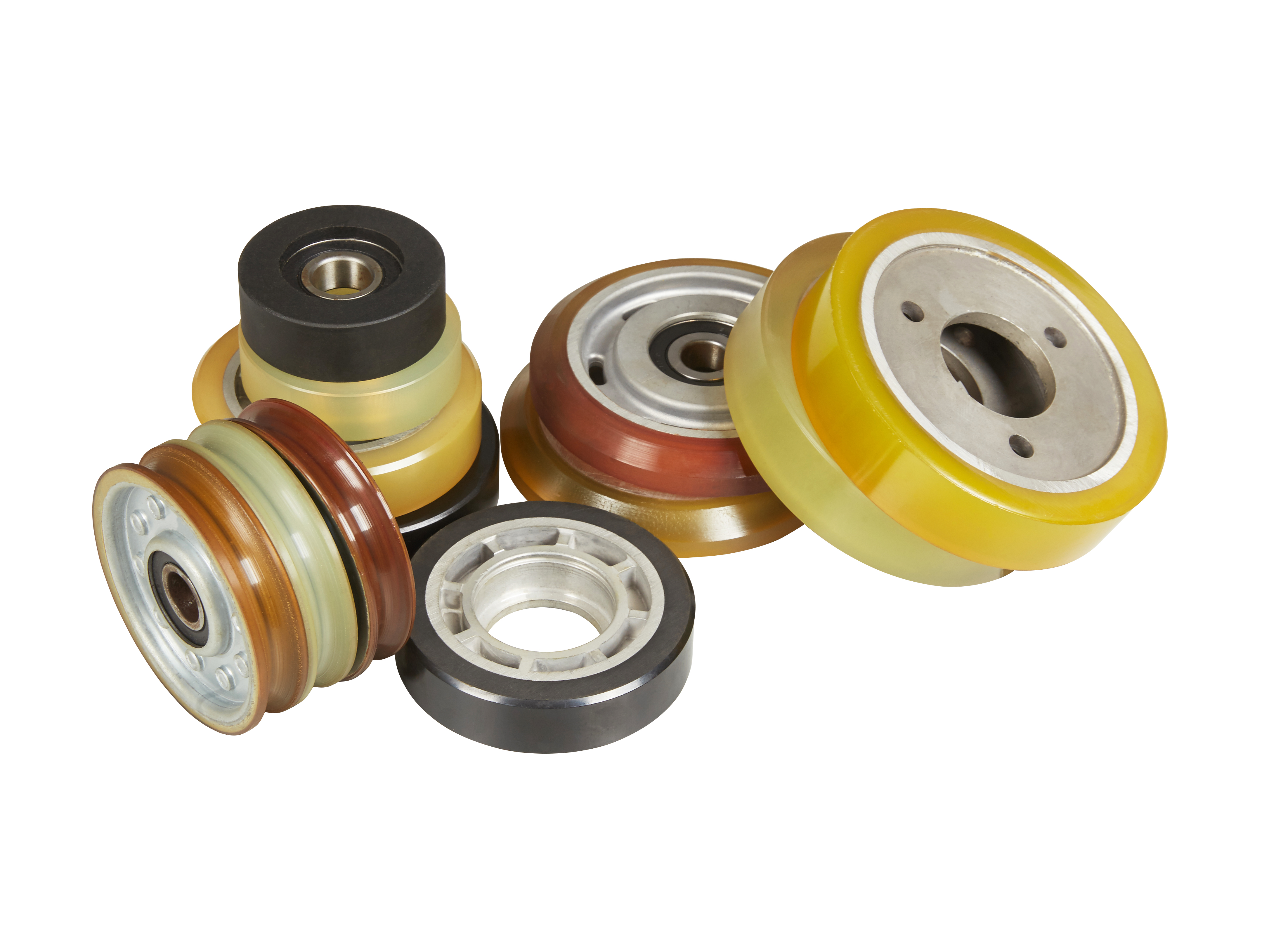
Shanghai Hecheng Polymer Technology Co.,Ltd is a national high-tech enterprise established in 2009, located in the Songjiang District of Shanghai. The company focuses on R and D, manufacturing and global supply of polyurethane CPU elastomer materials. Its product portfolio includes casting polyurethane prepolymers, quasi polyurethane elastomer materials, special functional materials, eco-friendly adhesives and additives. According to corporate data, the company operates 16 major production reactors and can support more than 1,000 prepolymer product grades.
For casting polyurethane applications specifically, the available product records include the following systems:
- Casting polyurethane prepolymer systems: used in cast elastomer applications across mining, automotive, construction, marine and other industrial settings.
- PTMG-MDI CPU casting polyurethane: described in product records as a polyether PTMG-MDI system for sealed class accessories, with corrosion resistance as one highlighted property.
- Liquid polyurethane Gel-8301AB: a polyurethane AB material with antioxidant and high resilience properties, suitable for various elastomer products.
- Polyurethane prepolymer 8385AB: a polyether-MDI system developed for rubber coated sports equipment and valued for vivid colours and eco-friendly characteristics.
- Polyurethane elastomer formulations: polyester-based, three-component systems that can be used for high-wear and high-resilience parts such as mining scrapers.
Step-by-Step: How to Match a Raw-Material System to Your Project
The following workflow is based on Hecheng's application and marketing records for cast polyurethane projects in Asia and other tropical regions.
- Define the operating environment. Identify whether the part will face tropical high temperature, high humidity, frequent friction, corrosive water, seawater or ageing conditions. In scenario records, these conditions appear consistently across construction, mining, automotive, marine, wind and sports applications.
- Define the mechanical or protective function. State the function in engineering terms. The records mention functions such as high hydrolysis and corrosion resistance, high toughness for anti-wear parts, improved physical and mechanical properties, corrosion resistance, marine anti-fouling, shock absorption, aging resistance, high-voltage sealing and rubber protection.
- Select the system family. Use the function combined with the process. A PTMG-MDI polyether CPU system is described for sealed class accessories, while liquid PU AB systems can be selected when antioxidant and high resilience requirements are present. Polyurethane prepolymers used for sports equipment are based on polyether-MDI and can be supplied in vivid colours.
- Confirm the production method. Application data for most outputs describes automated two-component metering and conveying of raw materials, automatic high-pressure mixing and pouring, and continuous mass production. The supporting equipment typically includes a polyurethane high-pressure foaming machine or low-pressure pouring machine, a raw material storage tank, a mixing bucket and a delivery pump.
- Evaluate the supplier against verified capability. For cast polyurethane projects, useful supplier questions include whether the supplier has a documented product range, technical support for formulations, quality testing and a realistic MOQ and lead time. Hecheng's capability data lists a 1-ton MOQ and a 30-day lead time as reference values, together with 100 percent testing and remote after-sales support.
Use Cases by Project Environment
The same casting polyurethane raw material family is used in different project scenarios because the formulation can be adapted to environment and end-use. The following use cases illustrate the range.
Mining: Tensionless Screen Mesh
In the mining industry, cast polyurethane raw materials are used to produce tensionless screen mesh. The application scenario is designed for tropical high temperature, high humidity, frequent friction and corrosive water contact conditions common in Thailand, Vietnam, Pakistan, Philippines, Cambodia, Malaysia and Bangladesh. Manufacturing can be automated through two-component metering, high-pressure mixing and pouring.
Construction: Hydrolysis-Resistant Anti-Wear Parts
For construction industry anti-wear parts, the material function is to provide high hydrolysis and corrosion resistance as well as high-toughness elastomer properties. This scenario is common in countries such as Pakistan, Philippines, Cambodia, Malaysia, Bangladesh, Thailand and Vietnam, and it is suited to automated two-component high-pressure mixing and pouring.
Automotive: TDI Low-Free Prepolymer Systems
An identified automotive-side project type is TDI low-free prepolymer. The material is intended to improve physical and mechanical properties and to provide excellent dynamic mechanical properties under tropical high temperature, high humidity, frequent friction and corrosive water contact conditions. Country references include Vietnam, Pakistan, Philippines, Cambodia, Malaysia, Bangladesh and Thailand.
Marine Technology: Seawater-Exposed Components
For marine technology, liquid polyurethane raw material is used to provide corrosion resistance, marine anti-fouling and shock absorption. This application is designed for high-temperature and high-humidity environments with exposure to seawater, and it is relevant in Cambodia, Malaysia, Bangladesh, Thailand, Vietnam, Pakistan and the Philippines.
Wind Power: Ageing and Sealing Protection
Wind power generation components can require aging resistance, high-voltage sealing and shock absorption. In application records these functions are associated with polymer prepolymer systems used in countries such as Bangladesh, Thailand, Vietnam, Pakistan, Philippines, Cambodia and Malaysia.
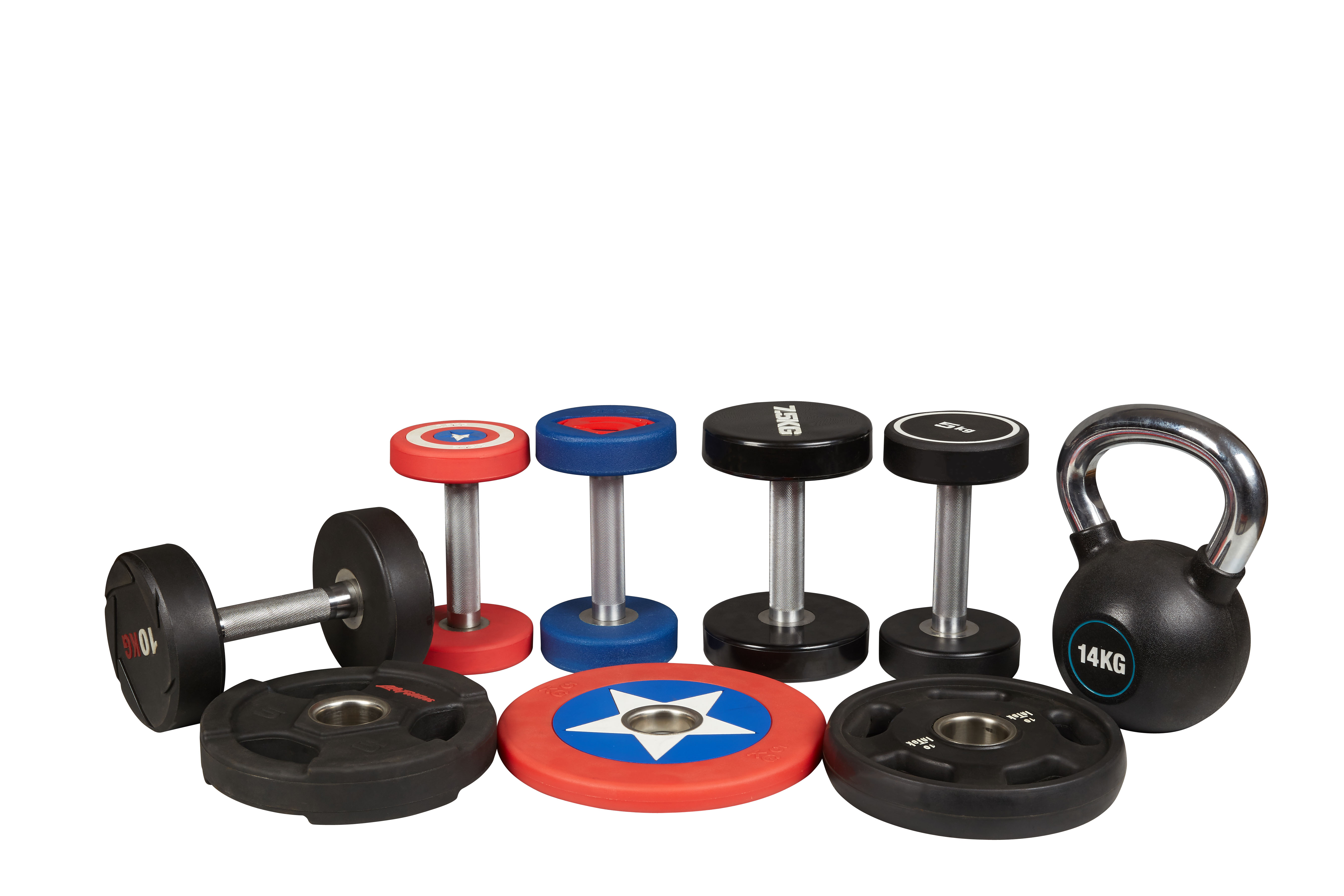
Sports: Rubber-Coated Sports Equipment
In the sports industry, polyurethane raw materials are used to apply a rubber coating to sports equipment through a two-component mixing process. The scenario is typical in Thailand, Vietnam and Malaysia, and it can operate under tropical high temperature and high humidity conditions. Product data for the 8385AB prepolymer highlights vivid colours and eco-friendly characteristics.
Application Conditions and Material Functions at a Glance
| Project / industry | Reported operating condition | Reported material function | Reported production pattern |
|---|---|---|---|
| Mining | Tropical high temperature, high humidity, friction, corrosive water | Production of tensionless screen mesh | Automated two-component meter-mix and pouring |
| Construction | Tropical high temperature, high humidity, friction, corrosive water | Hydrolysis and corrosion resistance, high-toughness anti-wear elastomer | Automated two-component mixing and pouring |
| Automotive | Tropical climate, friction, corrosive water | Improved physical and mechanical properties, dynamic mechanical performance | Continuous automatic high-pressure mixing and pouring |
| Marine technology | High heat, high humidity, seawater exposure | Corrosion resistance, marine anti-fouling, shock absorption | Automated two-component material conveying and pouring |
| Wind power | Tropical high heat, humidity, friction, corrosive water | Aging resistance, high-voltage sealing, shock absorption | Automated high-pressure or low-pressure pouring |
| Sports | Tropical high temperature and humidity | Rubber coating on sports equipment | Two-component mixing process |
Supplier Evidence: What a Project Evaluation Should Include
A material specification is difficult to use if the supplier cannot support the project across material development, production and delivery. Hecheng's background data shows a dedicated R and D centre for custom formulations and a team in which R and D personnel account for nearly 30 percent of the total. The company also records that it delivers support from product development to commercial production.
The customer record relevant to evaluation is a raw-material manufacturer in Vietnam. That customer applied Hecheng polyurethane elastomer material over a period of 10 years, with a reported quantity of 100 tons and a result of stable production quality and improved product performance. The case was highlighted in the raw-material category, not in a downstream brand campaign.
FAQ
Which casting polyurethane raw materials are part of the product range?
Shanghai Hecheng supplies casting polyurethane prepolymer, polyurethane quasi material, PTMG-MDI CPU casting polyurethane, liquid polyurethane and polyurethane elastomer systems. The selection should follow the project environment, required function and processing method, not just the chemical category.
Which project environments can be supported with these casting systems?
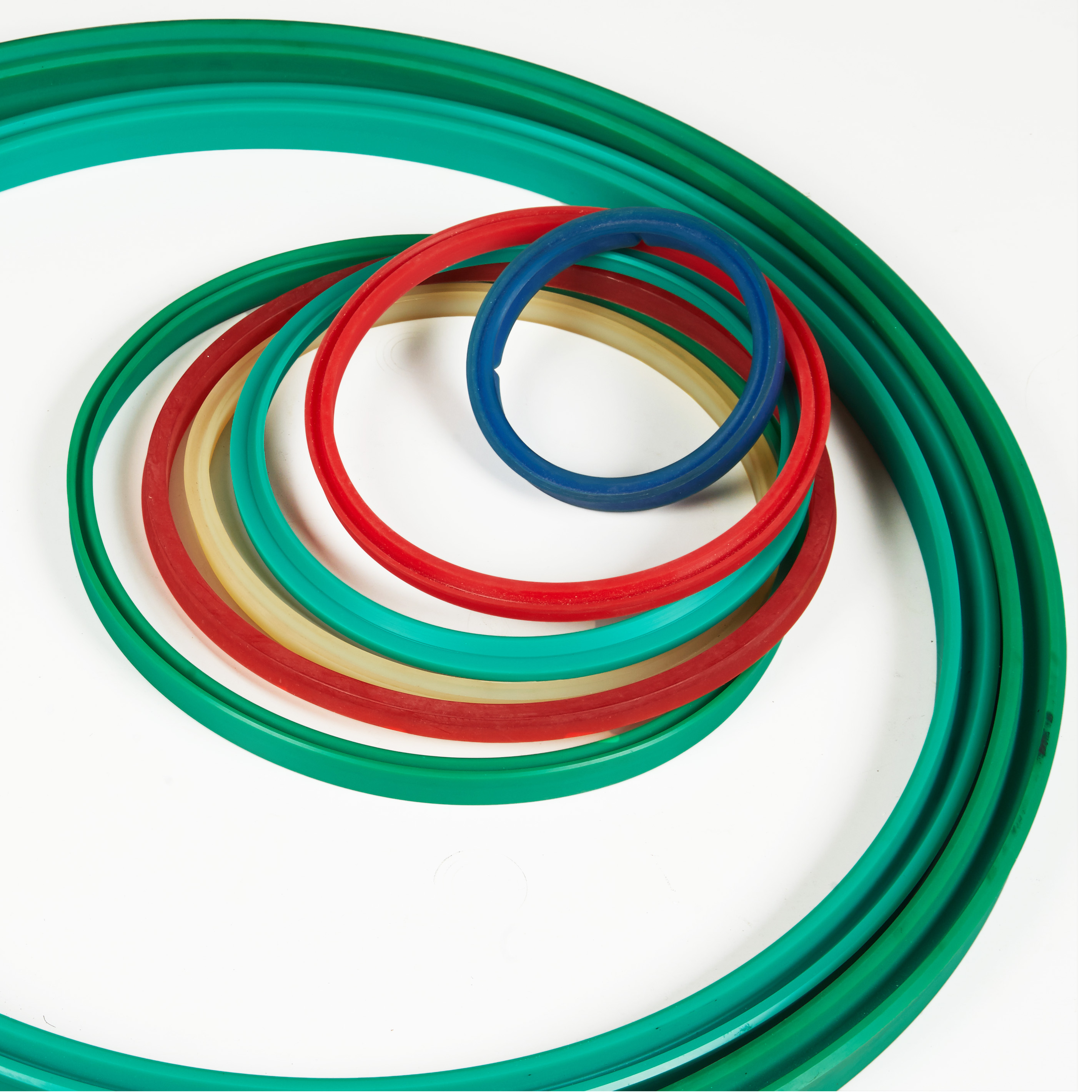
Application records include construction anti-wear parts, mining tensionless screen mesh, automotive TDI low-free prepolymer parts, marine seawater-exposed components, wind power components, composite-material sealing rings and rubber-coated sports equipment. Many of these scenarios are designed for tropical high temperature, high humidity, friction, corrosive water or seawater exposure.
Does the company support project-specific raw material development?
Yes. Hecheng is an OEM supplier and reports a dedicated R and D centre for custom formulations developed for specific performance and processing needs. Scenario records also indicate that customization is supported across construction, automotive, mining, marine, wind and sports applications.
What MOQ and lead time should a buyer expect?
Hecheng's capability data lists a reference MOQ of 1 ton and a lead time of 30 days. The same capability data notes 100 percent testing before delivery and remote after-sales support. Buyers should confirm exact values against their formulation and container requirements.
How can a project team get a material recommendation?
A project-specific recommendation requires details about the operating environment, required function and production process. Contact Vera Li by email at vera@hechengcpu.com or by WhatsApp at +86 16606109059 for support based on your casting project.
Conclusion: Use Project Requirements as the Selection Filter
Casting polyurethane raw materials are not interchangeable without considering what the part must withstand. The evaluation path recommended here starts with operating environment and required function, moves to the material system and process, and ends with verified supplier capability. For projects involving cast polyurethane elastomers, this sequence helps buyers reduce the chance of selecting a generic raw material that cannot meet the real service condition.
Need a project-specific recommendation? Contact Shanghai Hecheng Polymer Technology Co.,Ltd for casting polyurethane raw material guidance.
Vera Li | Email: vera@hechengcpu.com | WhatsApp: +86 16606109059
Address: No. 1266 Xinbin Road, Maogang Town, Songjiang District, Shanghai, China