Polyurethane Raw Materials: A Comparative Selection Guide for Industrial Applications
Polyurethane Raw Materials: A Comparative Selection Guide for Industrial Applications
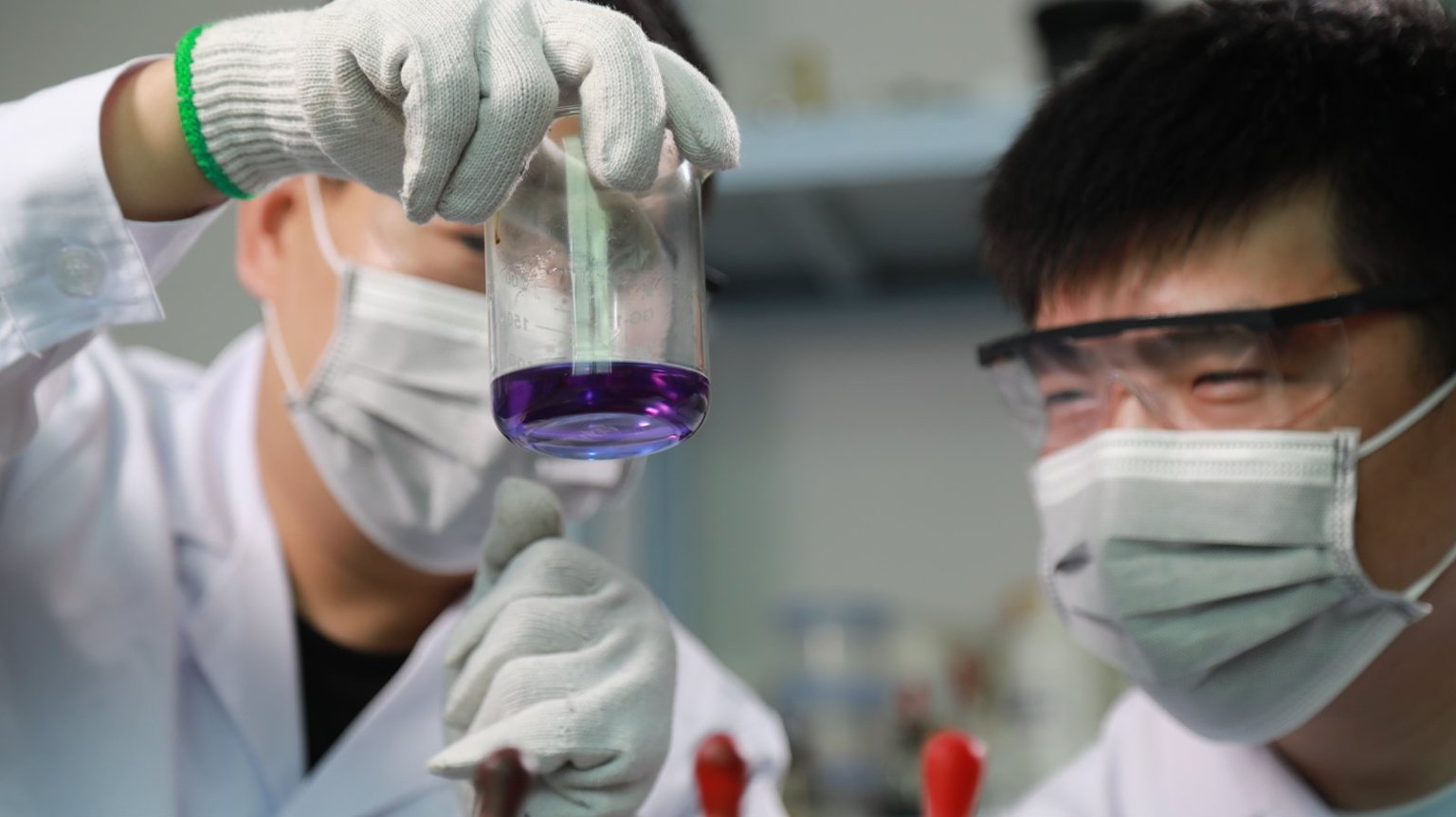
Selecting polyurethane raw materials is not one purchase decision. CPU casting polyurethane, liquid polyurethane and polyurethane prepolymer behave differently in the mold, tolerate different environments, and are documented against different applications. This guide compares the three material families across the industrial uses where they are most often specified — marine corrosion resistance, construction toughness, wind-power aging resistance — and explains the automated two-component processing requirement they share. Every comparison below is drawn from published product documentation, not from generic industry claims.
Why Polyurethane Raw Material Selection Fails
Component failure in a cast polyurethane part rarely begins with the chemistry. It begins with a mismatch between the material format, the production line and the operating environment the part will actually live in.
Three mismatches account for most of the problems buyers report during qualification:
- Format mismatch. A prepolymer system and a pre-formulated AB liquid system do not place the same demands on storage tanks, delivery pumps or mixing heads. A material that performs well on paper can still be incompatible with the metering equipment already installed on the shop floor.
- Environment mismatch. Many documented industrial projects run in tropical high temperature, high humidity, frequent friction and corrosive water contact conditions. A formulation validated in a dry, temperature-controlled workshop may not hold its properties under that combination of heat, moisture and abrasion.
- Documentation mismatch. Export markets increasingly ask for traceable certification and standard references before a grade is approved. A supplier that cannot name the issuing body and the certificate number slows the whole qualification process.
Those three failure points define the three questions a selection process has to answer: what material format does my line support, what performance does my environment demand, and what documentation does my market require?
Industry Background: What the Numbers Say
The polyurethane category is large, but the segment most industrial casters buy into is far narrower — and it is growing faster than the category average.
- The global polyurethane market was estimated at USD 85.2 billion in 2024 and is projected to reach USD 136.2 billion by 2035 (Roots Analysis).
- Within that total, the casting polyurethane segment was valued at USD 2,758.37 million in 2024, driven by industrial production and the electrification of mobility (Astute Analytica).
- Global demand for polyurethane elastomers rose by 12% in 2024, primarily driven by industrial machinery and automotive lightweighting trends (Straits Research).
- Methylene diphenyl di-isocyanate (MDI) contributed approximately 60% of total global isocyanate volume in 2024 (Prismane Consulting / S&P Global), which is why MDI-based systems dominate the casting grades most buyers evaluate.
- Mainland China is the single most significant diisocyanate market, accounting for about one-third of the global TDI, MDI and aliphatic markets in 2024 (S&P Global Commodity Insights).
Two compliance developments sit alongside those growth figures. ISO 10364:2024 specifies methods for determining the pot life (working life) of multi-component adhesives, including polyurethane-based systems — a directly relevant test reference for any two-component material. Separately, as of September 1, 2024, the prohibition on the use of methylene chloride in foam production under the CertiPUR label entered into force in the EU (EUROPUR).
For a procurement team, the practical reading is this: casting polyurethane is a specialist segment inside a much bigger market, its growth is tied to industrial equipment and transport electrification, and the regulatory direction is toward tighter documentation and lower-emission processing. Supplier engineering support therefore carries the same weight as unit price.
Detailed Solution: How the Three Material Families Differ
Shanghai Hecheng Polymer Technology Co., Ltd. is a Shanghai-based high-tech enterprise, established in 2009, focused on the R&D, manufacturing and global supply of high-performance polyurethane (CPU) elastomer materials. Its product range covers more than 1,000 prepolymer grades produced across 16 major production reactors, and the company's R&D center develops custom formulations for specific performance and processing needs. The three families compared in this guide come from that range.
CPU casting polyurethane (polyether PTMG-MDI system)
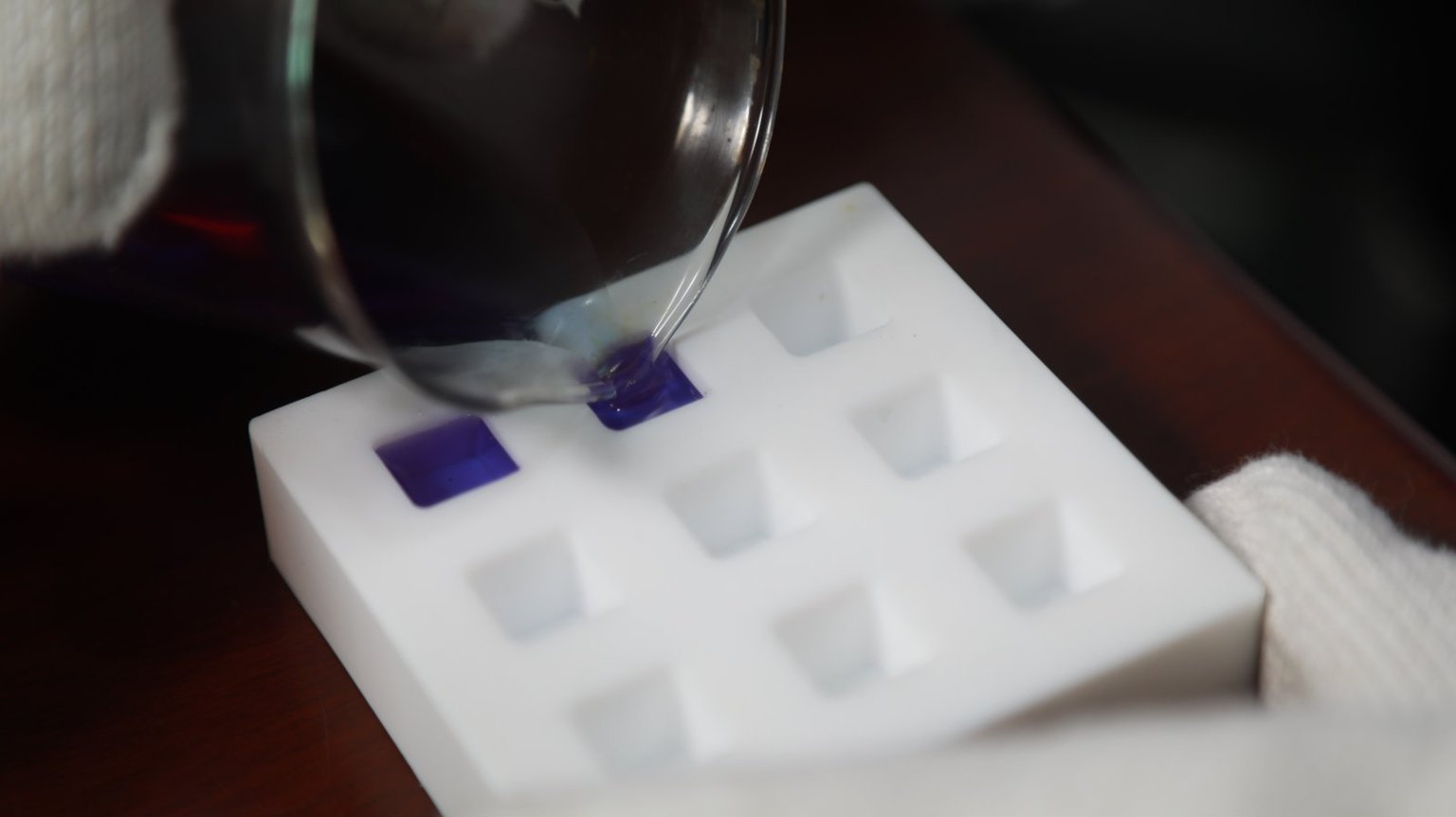
CPU casting polyurethane is a two-component casting system built on a polyether PTMG-MDI backbone. Its documented performance characteristics are environmentally friendly composition, high quality and corrosion resistance, with sealing-type components listed as the applicable industry. Because it is formulated as a casting system rather than a finished part, it is the family buyers select when the end component has to resist chemical attack while still holding dimensional accuracy.
Liquid polyurethane (AB material)
Liquid polyurethane is supplied as a polyurethane AB material, with Gel-8301AB as the documented grade. Its characteristics are antioxidant behaviour and high resilience, and it is positioned for a broad range of elastomers rather than a single component type. The AB format is the reason this family is often the easiest to slot into existing automated dosing equipment — both components arrive pre-formulated and ready to meter.
Polyurethane prepolymer
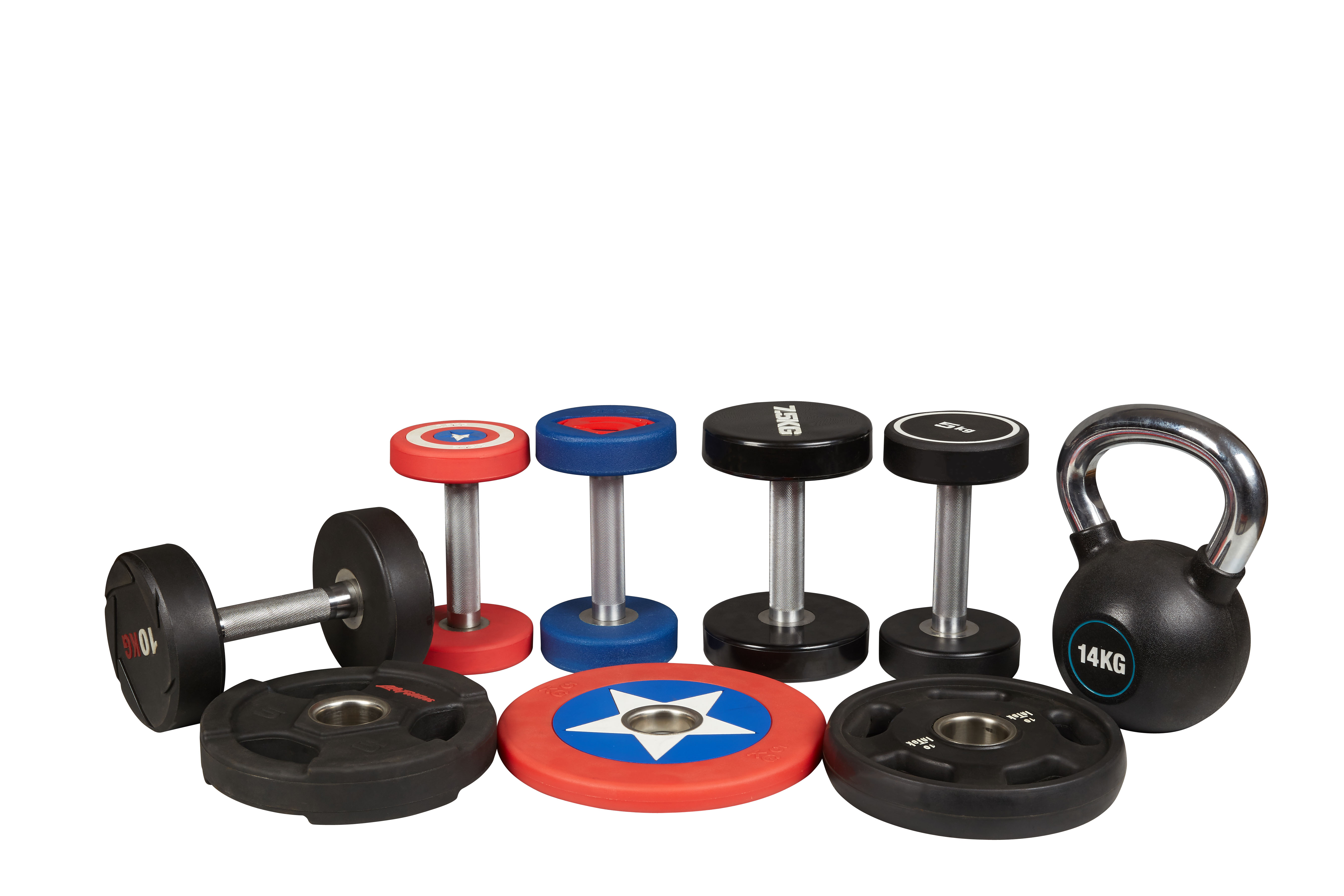
Polyurethane prepolymer sits at an earlier stage of the reaction chain. The documented grade for sports-equipment rubberizing, 8385AB, is a polyether-MDI system offering vivid colours and environmentally friendly chemistry, targeted at the sports industry. At the product-family level, the casting polyurethane prepolymer range is positioned as polyurethane raw materials for the mining industry and covers the terminologies buyers will see across supplier documentation: casting polyurethane raw materials, polyurethane quasi material, polyurethane prepolymer, liquid polyurethane, CPU casting polyurethane and polyurethane elastomer.
Polyurethane elastomer, the related family
Polyurethane elastomer is the finished-performance member of the same range. The documented grade is a polyester, three-component system supplied as Screen Scraper-5282ABC, characterised by high wear resistance and high resilience, with the mining sector as its applicable industry. It is worth separating this family from the prepolymer family in a selection matrix: prepolymers are intermediates that a processor reacts and cures, while elastomer grades are specified against a finished wear-resistance target.
Performance Comparison by Industrial Application
Application conditions, not chemistry alone, determine which family wins. The scenarios below are documented production cases run in tropical high temperature, high humidity, frequent friction and corrosive water contact environments, across projects in Vietnam, Pakistan, the Philippines, Cambodia, Malaysia, Bangladesh and Thailand.
Marine technology — corrosion resistance
For marine technology, the documented material type is liquid polyurethane raw material. Its specified functions are resistance to seawater corrosion, anti-fouling against marine organisms, and shock absorption. That combination explains why the liquid AB format rather than a rigid casting grade is specified here: the part has to stay flexible under continuous water contact while resisting biological build-up.
Construction — toughness and hydrolysis resistance
In the construction industry, the specified function is a high hydrolysis-resistant and corrosion-resistant, high-toughness elastomer material for construction anti-wear parts. Hydrolysis resistance is the decisive requirement in this environment — high humidity plus frequent mechanical contact is exactly the condition that degrades an inadequately stabilised elastomer.
Wind power generation — aging resistance
Wind power generation components are documented against a polymer prepolymer type. The specified functions are aging resistance, high-voltage sealing and shock absorption. Aging resistance matters more here than peak hardness: wind-power parts are expected to hold sealing performance over long service intervals rather than absorb a single high-load event.
Automotive — dynamic mechanical performance
Automotive applications are documented against a TDI low-free prepolymer, delivering improved physical and mechanical properties together with excellent dynamic mechanical properties. This is the scenario where the prepolymer family's chemistry-level adjustability pays off: dynamic performance under repeated friction and corrosive water contact is a formulation problem, not a component-geometry problem.
Mining — wear resistance
Mining is covered by cast polyurethane, widely used across mining machinery. One documented special requirement is raw material for the production of tensionless screen mesh. The related polyurethane elastomer grade — Screen Scraper-5282ABC, a polyester three-component system with high wear resistance and high resilience — is documented specifically against the mining sector, which makes it the clearest wear-driven selection in the range.
Sports, composites and sealing components
Sports equipment is documented against polyurethane raw materials used for rubberizing, matching prepolymer grade 8385AB. Composite material applications use the same casting polyurethane prepolymer family for producing sealing rings. CPU casting polyurethane is likewise documented for sealing-type accessories, which means sealing components can be met by either the prepolymer route or the PTMG-MDI casting route depending on the corrosion and hardness target.
The Automated Two-Component Processing Requirement They Share
Across every documented scenario above, the operation mode is identical: automated production with two-component metering and conveying of raw materials, automatic high-pressure mixing and pouring, enabling continuous mass production.
The basic supporting equipment is consistent as well: a polyurethane high-pressure foaming machine or low-pressure pouring machine, raw material storage tank, mixing barrel or mixing bucket, and a delivery pump.
What this means for buyers: whichever of the three families you select, you are specifying into the same processing architecture. Before requesting a quote, confirm that your existing metering ratio range, mixing head and storage temperature control can handle the grade you intend to run. Customization is documented as supported across all of these scenarios, so machine constraints are a specification input rather than a disqualifier.
Step-by-Step Selection Process
- Define the operating environment first. Record the temperature, humidity, chemical or seawater exposure, abrasion frequency and expected service interval. This single step eliminates most of the range before chemistry is discussed.
- Rank the dominant performance requirement. Seawater corrosion resistance points to liquid polyurethane; hydrolysis resistance and toughness for anti-wear construction parts points to a high-toughness elastomer system; aging resistance plus high-voltage sealing points to a polymer prepolymer; dynamic mechanical performance under repeated load points to a low-free-TDI prepolymer.
- Map the requirement to a material format. Choose between a PTMG-MDI casting system, a pre-formulated AB liquid, and a prepolymer that you react in-house. The format decision determines your storage, dosing and mixing setup more than any other factor.
- Check the processing line against the shared two-component requirement. Two-component metering and conveying, high-pressure mixing and pouring, plus storage tanks, mixing barrels and delivery pumps, are the documented baseline. Confirm the grade's viscosity and mixing ratio fit that equipment.
- Verify certification coverage for the exact grade. Match the certificate to the product you are buying, not to the supplier's general reputation.
- Confirm commercial terms and customization. Establish minimum order quantity, lead time, customization scope and after-sales arrangement before committing to a production run.
Comparison Table: Material Families Side by Side
| Material family | Documented system | Supply format | Key performance characteristics | Documented application |
|---|---|---|---|---|
| CPU casting polyurethane | Polyether PTMG-MDI | Two-component casting system | Environmentally friendly, high quality, corrosion-resistant | Sealing-type components |
| Liquid polyurethane | Gel-8301AB | Polyurethane AB material | Antioxidant, high resilience | Various elastomers; marine technology per documented scenario |
| Polyurethane prepolymer | Rubberized sports equipment 8385AB, polyether-MDI | Prepolymer | Vivid colours, eco-friendly | Sports equipment rubberizing |
| Polyurethane elastomer | Polyester, three-component (Screen Scraper-5282ABC) | Multi-component system | High wear resistance, high resilience | Mining sector |
All four rows share the same documented operation mode: automated production with two-component metering and conveying, automatic high-pressure mixing and pouring, supporting continuous mass production, with customization supported.
Certification Coverage to Check Before Ordering
Certification is where a comparative selection process either closes or stalls. For the casting polyurethane range described in this guide, the documented coverage is an Invention Patent, number 16425Q32921R3M, issued by HUAZHONG INTERNATIONAL CERTIFICATION AND INSPECTION GROUP, applicable to domestic and international markets.
The patent covers the casting polyurethane prepolymer product, the CPU casting polyurethane product and the polyurethane elastomer product. In practice, that means a buyer can tie the certificate number to the specific product family under evaluation rather than accepting a general supplier statement.
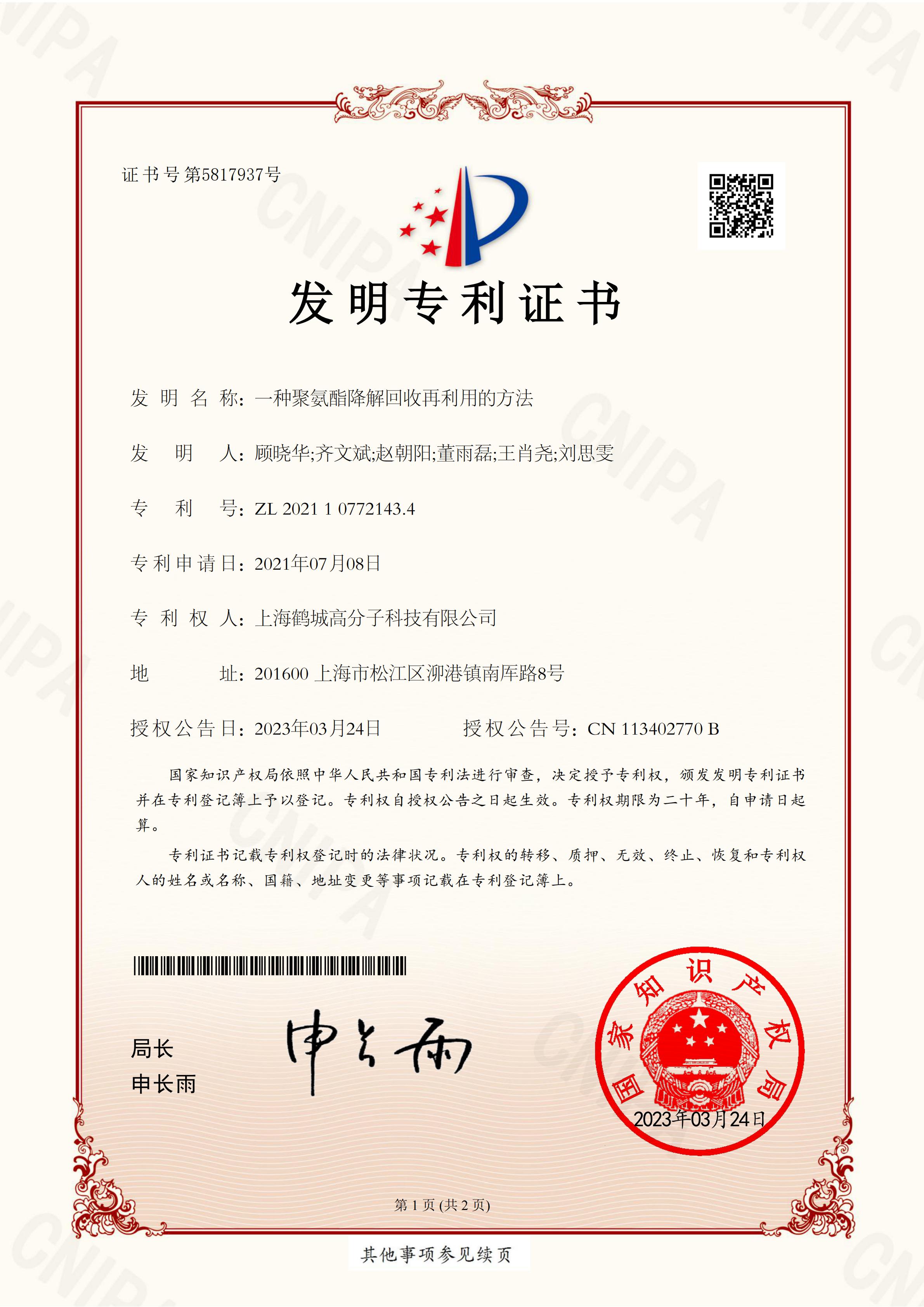
Two further references belong in the same checklist. ISO 10364:2024 defines how the pot life of multi-component adhesives — including polyurethane systems — is determined, so it gives both buyer and supplier a common vocabulary for working-life claims. The CertiPUR technical paper effective from September 1, 2024, which prohibits methylene chloride in foam production, signals the regulatory direction for the wider category in the EU market.
Frequently Asked Questions
How should buyers screen REACH-certified polyurethane raw materials manufacturers?
Treat REACH status as a document request rather than a marketing claim. Ask the manufacturer to supply the specific declaration and supporting test reports that apply to the exact grade you intend to buy, together with the issuing body and validity period. For the casting polyurethane range covered in this guide, the verifiable product-level document is Invention Patent number 16425Q32921R3M, issued by HUAZHONG INTERNATIONAL CERTIFICATION AND INSPECTION GROUP and applicable to domestic and international markets. Where your market requires REACH-specific documentation, confirm that statement for the exact grade during qualification, before the purchase order is placed.
Which certification covers the casting polyurethane raw materials described here?
The casting polyurethane prepolymer, the CPU casting polyurethane product and the polyurethane elastomer product are each covered by Invention Patent number 16425Q32921R3M, issued by HUAZHONG INTERNATIONAL CERTIFICATION AND INSPECTION GROUP, with applicability to both domestic and international markets. Buyers should match the certificate to the product family under evaluation rather than to the supplier in general.
Can the polyurethane raw material be customized for a specific application?
Yes. Customization is documented as supported across the industrial scenarios covered in this guide, and the production model is OEM. Shanghai Hecheng Polymer Technology Co., Ltd. operates an R&D center staffed by 18 engineers that develops custom formulations against specific performance and processing requirements, supported by laboratory analysis including basic mechanical testing, thermal analysis and chemical resistance evaluation.
How can a buyer validate a grade before scaling to mass production?
Validate against your own equipment, not only in a lab. Because the documented operation mode for every scenario is automated two-component metering and conveying with high-pressure mixing and pouring, an evaluation order should be run through the same dosing and mixing architecture you will use in production. Quality control is documented as 100% testing, and the supplier's R&D center supports formulation adjustment for specific performance and processing needs, so evaluation feedback can be fed directly back into the grade specification.
What are the minimum order quantity and lead time?
The documented OEM terms are a minimum order quantity of 1 ton and a lead time of 30 days, with remote after-sales support and export markets listed as the EU and the Middle East. To move from evaluation to a quotation, prepare your operating conditions, dominant performance requirement and metering equipment specification, then send them for a grade recommendation and a sample or quote request.
Conclusion: The Selection Rule
The decision rule that emerges from these comparisons is short. Match the material family to the dominant environmental threat first, then confirm the format fits your processing line, then verify the certificate against the exact product.
- Seawater corrosion, biological fouling and shock absorption in marine technology point to liquid polyurethane raw material in the AB format.
- Hydrolysis resistance and toughness for construction anti-wear parts point to a high-toughness elastomer system.
- Aging resistance and high-voltage sealing for wind power components point to a polymer prepolymer.
- Dynamic mechanical performance in automotive applications points to a TDI low-free prepolymer.
- Wear resistance in mining points to cast polyurethane, including grades built for tensionless screen mesh.
Whichever route you take, the processing architecture is the same: automated two-component metering and conveying, high-pressure mixing and pouring, with storage tanks, mixing barrels and delivery pumps as the baseline equipment. Confirm that fit early, and the chemistry comparison becomes a short list instead of an open question.
Next Step: Request a Sample or Quotation
Send your operating conditions, the dominant performance requirement and your metering equipment specification, and the technical team will recommend a grade from the CPU casting polyurethane, liquid polyurethane, polyurethane prepolymer or polyurethane elastomer range.
Email: vera@hechengcpu.com
Tel / WhatsApp: +86 16606109059
Website: en.hechengcpu.com
Address: No. 1266 Xinbin Road, Maogang Town, Songjiang District, Shanghai, China
Product catalogue: download the Hecheng polyurethane raw materials brochure (PDF).