Polyurethane Raw Materials: A Complete Guide for Industrial Buyers
Polyurethane Raw Materials: A Complete Guide for Industrial Buyers
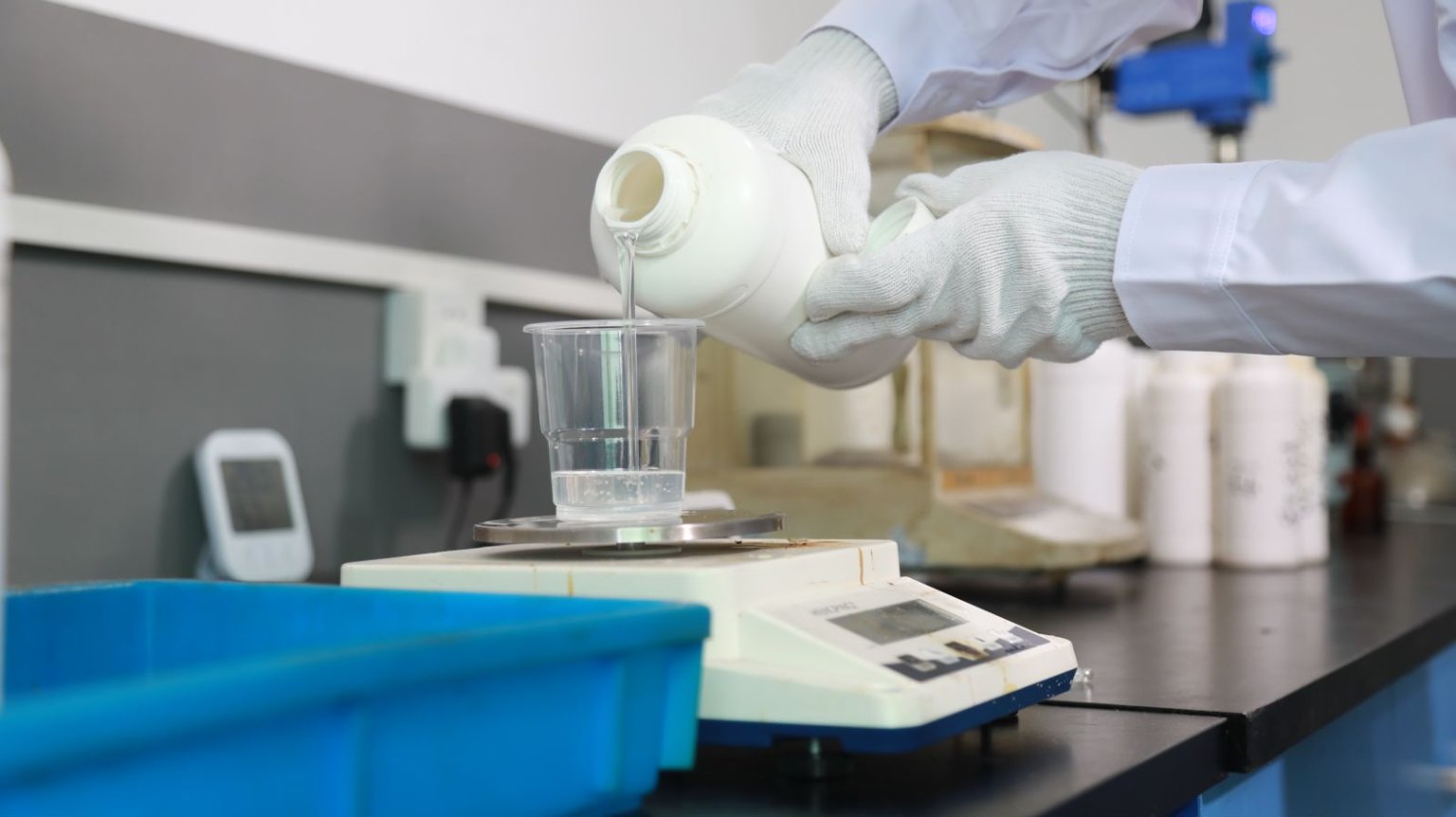
Polyurethane raw materials serve as the foundational components for manufacturing high-performance elastomers used across automotive, mining, marine, construction, and renewable energy industries. This guide helps procurement managers and technical buyers understand the key product categories, selection criteria, and processing requirements when sourcing polyurethane raw materials.
Understanding the Challenge
Industrial buyers often face difficulty selecting the correct polyurethane raw material grade for demanding environments. Many applications involve tropical high temperature, high humidity, frequent friction, and corrosive water contact. Without the right prepolymer system—such as a TDI low-free prepolymer or a polyether PTMG-MDI type—parts may fail prematurely due to hydrolysis, abrasion, or thermal degradation.
Industry Background
The global polyurethane market was estimated at USD 85.2 billion in 2024 and is projected to reach USD 136.2 billion by 2035, according to Roots Analysis. The casting polyurethane segment alone was valued at USD 2,758.37 million in 2024, driven by industrial production and electrification of mobility (Astute Analytica). Mainland China accounts for approximately one-third of global diisocyanate demand, making it a critical sourcing region.
Solution: High-Performance Casting Polyurethane Prepolymers from Shanghai Hecheng
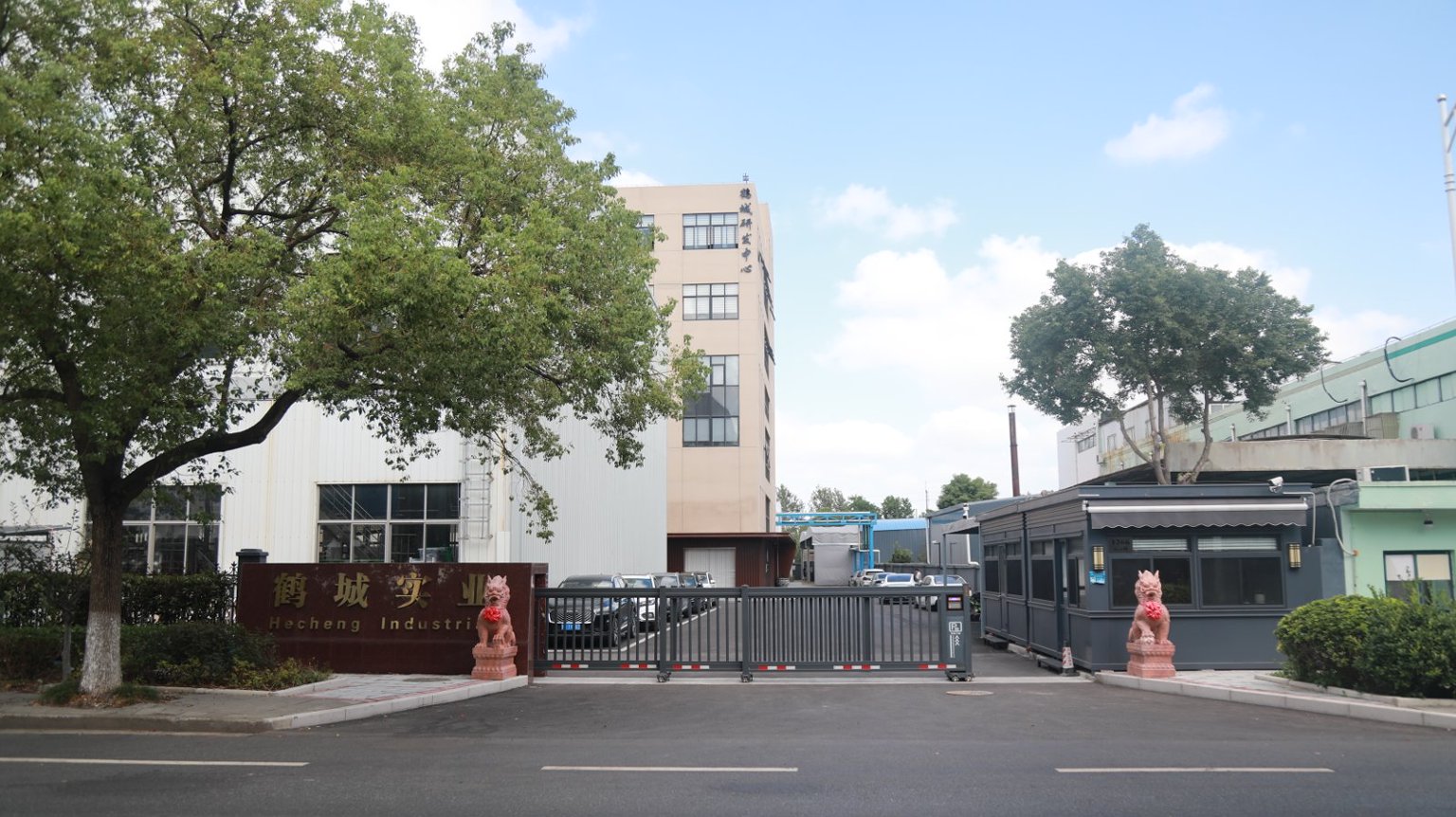
Shanghai Hecheng Polymer Technology Co., Ltd., established in 2009, specializes in R&D, manufacturing, and global supply of high-performance polyurethane (CPU) elastomer materials. The company's product range includes over 1,000 prepolymer grades, with main products being Casting Polyurethane prepolymer. The manufacturing facility in Shanghai covers 16,932 square meters, houses 16 major production reactors, and has an annual production capacity of 1 million tons. The R&D team consists of 18 engineers, with R&D personnel accounting for nearly 30% of the 78 employees.
Step-by-Step Breakdown: How to Select and Use Polyurethane Raw Materials
- Define the application environment – Identify temperature, humidity, friction, and chemical exposure (e.g., high humidity + seawater for marine).
- Choose the prepolymer system – Options include polyether PTMG-MDI (corrosion-resistant, environmentally friendly), polyester-based (high wear resistance), or low free isocyanate variants (TDI, MDI, PPDI).
- Match processing equipment – Typical setups require a polyurethane high-pressure foaming machine or low-pressure pouring machine, raw material storage tank, mixing barrel, and delivery pump.
- Set the automated production mode – The materials are designed for dual-component metering and conveying, automatic high-pressure mixing and pouring, enabling continuous mass production.
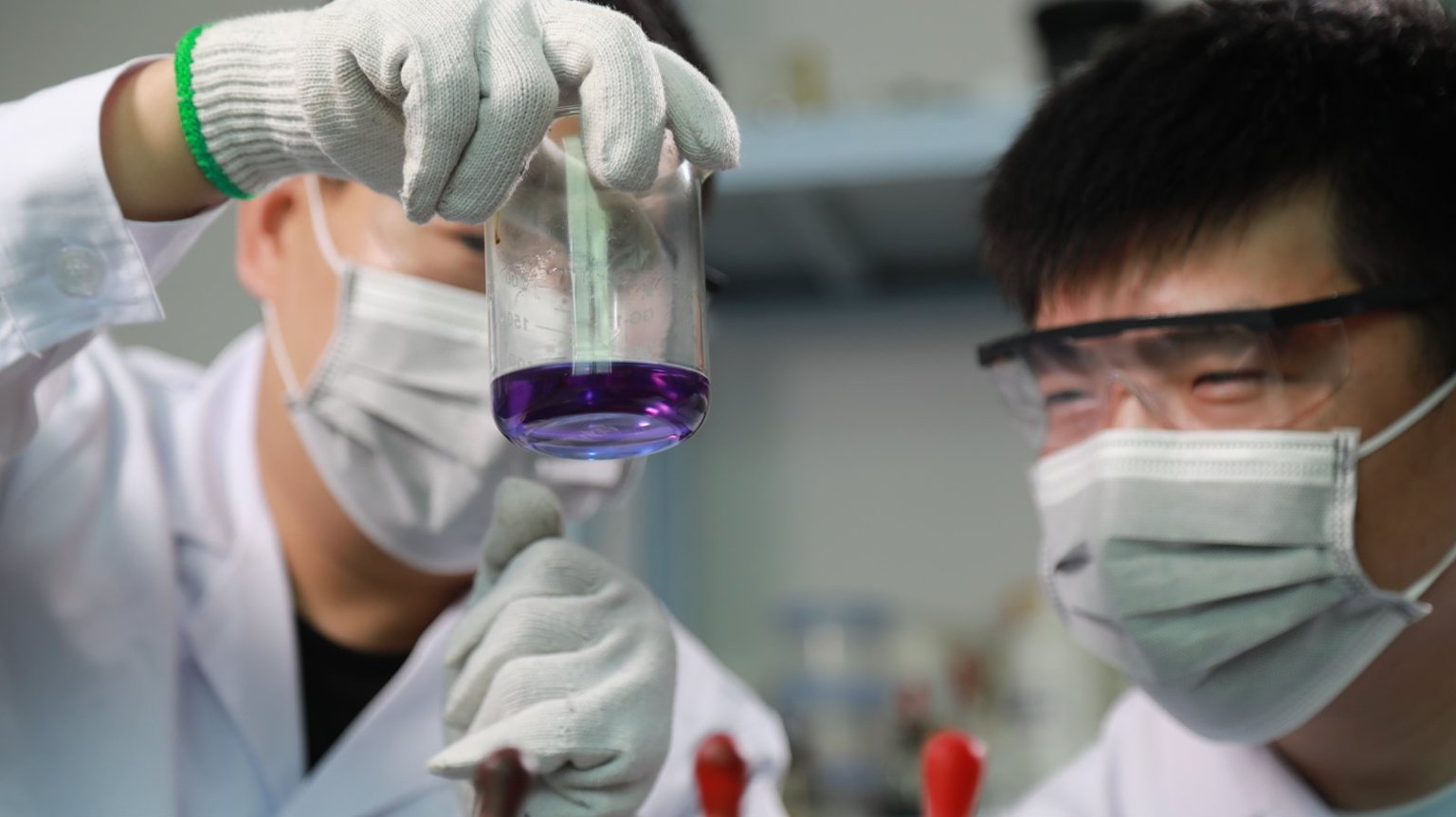
- Conduct quality verification – Basic mechanical testing, thermal analysis, and chemical resistance evaluation ensure the custom material meets specifications.
Use Cases Across Industries
- Automotive Industry – This product improves physical and mechanical properties for TDI low-free prepolymer projects operating under high humidity and corrosive water contact (CORPUS#157050).
- Mining Industry – Used to produce tensionless screen mesh via cast polyurethane, functioning under frequent friction and corrosive water contact (CORPUS#157044).
- Marine Technology – Provides seawater corrosion resistance, anti-fouling for marine organisms, and shock absorption for liquid polyurethane raw material projects (CORPUS#157047).
- Construction Industry – Delivers high hydrolysis and corrosion resistance, high toughness elastomer material for anti-wear parts in tropical environments (CORPUS#157049).
- Sports Industry – Applied for rubberizing sports equipment through a two-component mixing process, suitable for polyurethane raw materials projects (CORPUS#157045).
- Wind Power Generation – Provides aging resistance, high-voltage sealing, and shock absorption for wind power components under tropical conditions (CORPUS#157046).
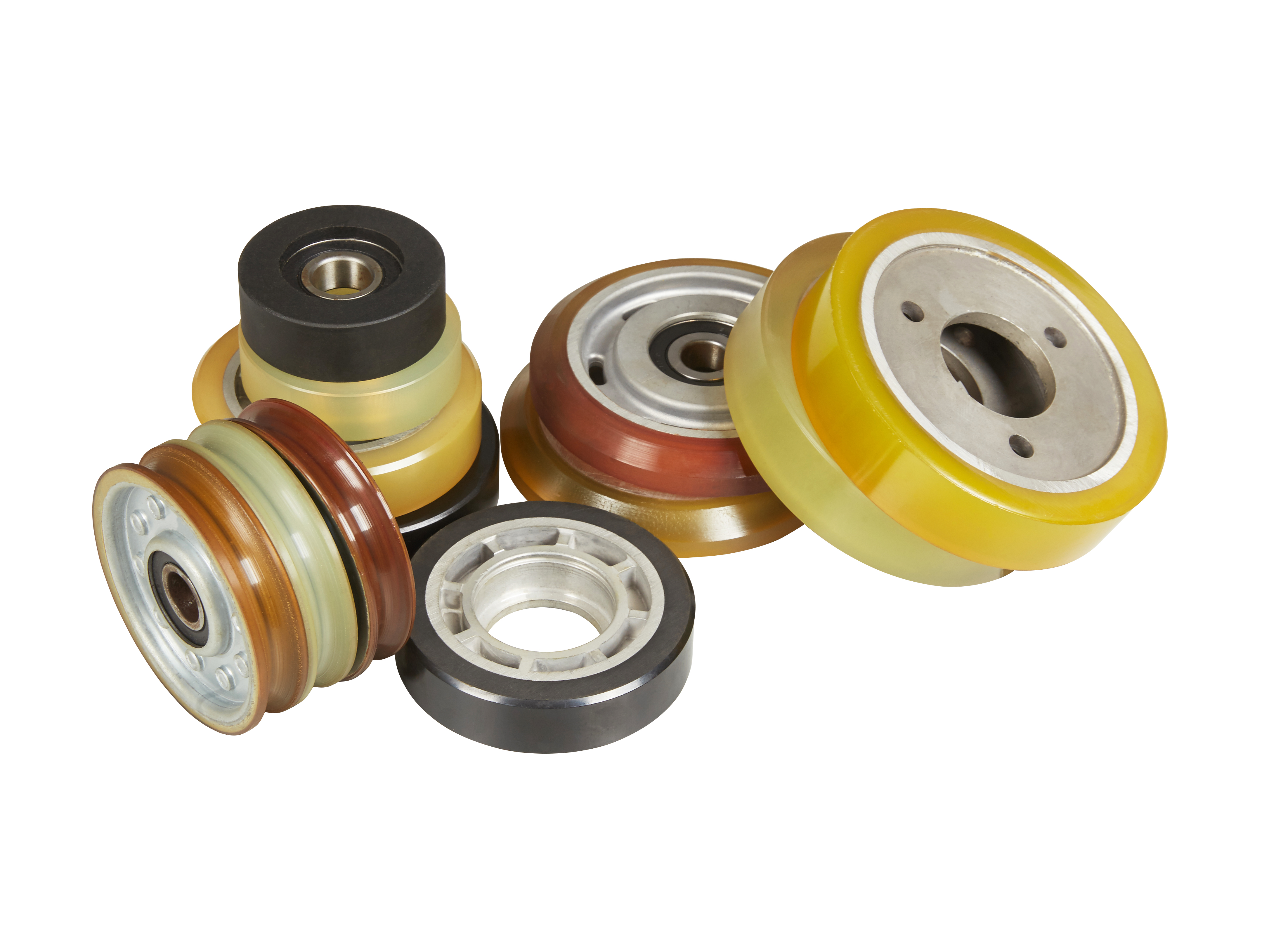
- Composite Materials – Used to produce sealing rings via automated two-component high-pressure mixing and pouring, designed for tropical high-temperature and high-humidity environments (CORPUS#157048).
Comparison of Representative Polyurethane Raw Material Product Models
| Model / Product | Type / System | Key Properties | Target Industry |
|---|---|---|---|
| Polyurethane elastomer (Screen Scraper-5282ABC) | Polyester, three-component | High wear resistance, high resilience | Mining sector |
| CPU casting polyurethane (PTMG-MDI) | Polyether PTMG-MDI system | Environmentally friendly, corrosion-resistant | Sealed class accessories |
| Liquid polyurethane (Gel-8301AB) | Polyurethane AB material | Antioxidant, high resilience | Various elastomers |
| Polyurethane prepolymer (Rubberized sports equipment - 8385AB) | Polyether-MDI | Vivid colors, eco-friendly | Sports industry |
| Casting Polyurethane prepolymer (POLYURETHANE ELASTOMER) | Polyurethane raw material for industrial use | Versatile casting capability | Mining industry |
Note: All properties are sourced from the manufacturer's product specifications (CORPUS).
Frequently Asked Questions
What types of polyurethane raw materials does Shanghai Hecheng offer?
Shanghai Hecheng Polymer Technology Co., Ltd. offers a product range with over 1,000 prepolymer grades, including Casting Polyurethane prepolymer, CPU casting polyurethane (PTMG-MDI system), liquid polyurethane (Gel-8301AB), polyurethane elastomers (Polyester three-component), and low free isocyanate prepolymers based on MDI, TDI, and PPDI. These are classified as polyurethane raw materials for industrial use.
Which industries commonly use these polyurethane raw materials?
The materials are designed for automotive, construction, mining, marine technology, sports, wind power generation, and composite materials industries. Application examples include producing sealing rings, rubberizing sports equipment, manufacturing tensionless screen mesh, and providing anti-wear parts for construction equipment.
What processing equipment is required for these materials?
The typical setup includes a polyurethane high-pressure foaming machine or low-pressure pouring machine, raw material storage tank, mixing barrel, and delivery pump. The materials are designed for automated two-component metering, high-pressure mixing, and pouring, enabling continuous mass production.
Does Shanghai Hecheng support custom formulations?
Yes, the company has an R&D center dedicated to custom formulations developed for specific performance and processing needs. They provide strong technical support for downstream processing, including basic mechanical testing, thermal analysis, and chemical resistance evaluation to ensure the customized materials meet customer requirements.
How can I request a sample or get a quote for polyurethane raw materials?
Contact Vera Li at email vera@hechengcpu.com or WhatsApp +86 16606109059. The company also provides a downloadable brochure for detailed product information. Download the product brochure here.
Conclusion
Selecting the right polyurethane raw materials is critical for achieving reliable, long-lasting performance in demanding industrial applications. Shanghai Hecheng Polymer Technology Co., Ltd., with its extensive product portfolio of over 1,000 prepolymer grades, dedicated R&D team, and automated production capabilities, offers a reliable supply chain for casting polyurethane solutions worldwide. For procurement managers evaluating suppliers, the company's combination of capacity (1 million tons/year), quality control, and market experience across Asia, Europe, and the Americas makes it a strong candidate. Contact us to discuss your specific material requirements.