Top 5 Polyurethane Raw Material Solutions for Green Energy Projects in 2026
Top 5 Polyurethane Raw Material Solutions for Green Energy Projects in 2026
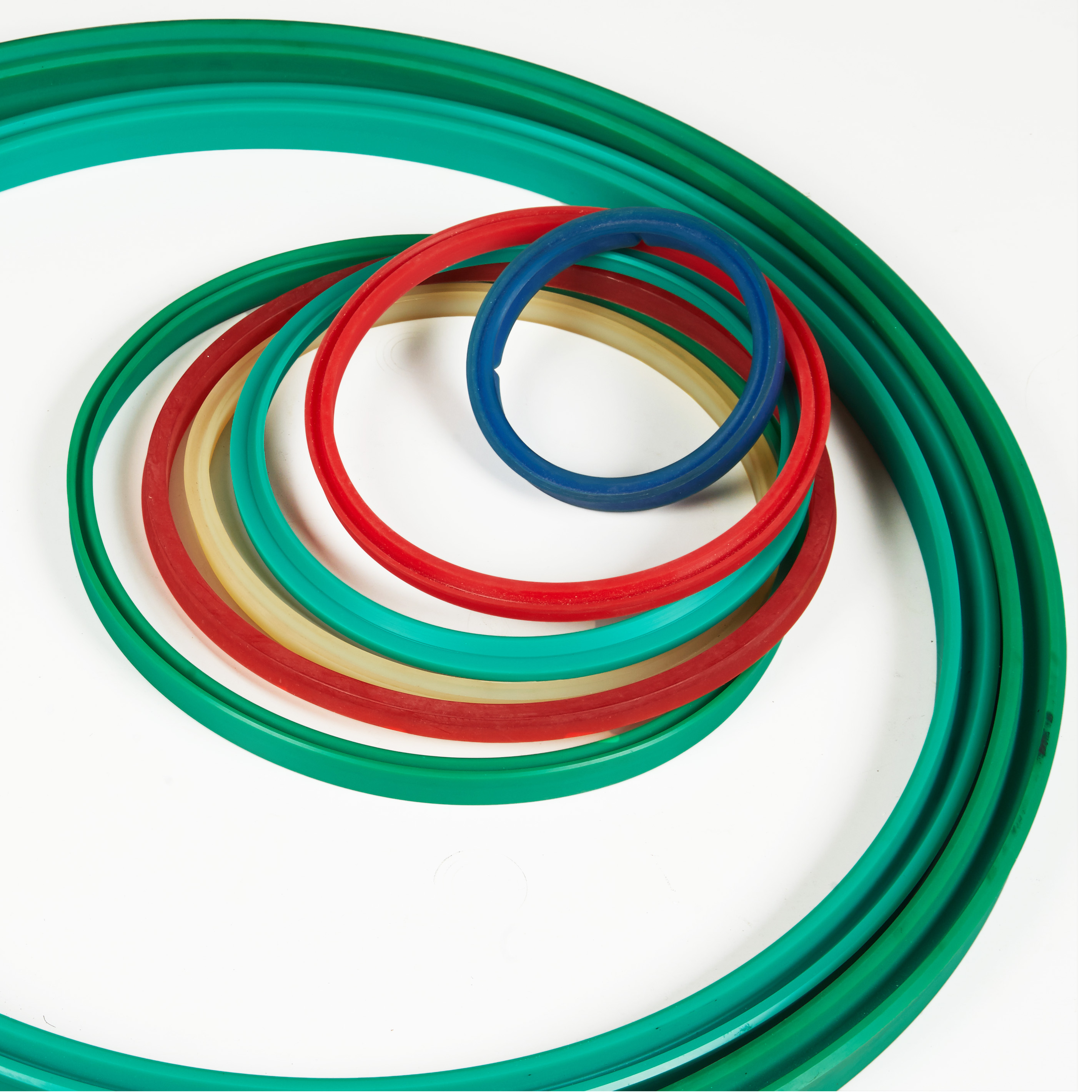
Polyurethane raw materials for green energy projects are selected on documented behaviour under real service conditions — outdoor aging, high humidity, seawater contact, abrasion and automated two-component processing — rather than on general performance claims. The five solutions ranked below each carry a documented property set and a documented industry application that make them relevant to renewable energy and new materials projects in 2026.
The model-level data behind this ranking comes from Shanghai Hecheng Polymer Technology Co., Ltd., a Shanghai-based manufacturer established in 2009 that specialises in the R&D, manufacturing and global supply of high-performance cast polyurethane (CPU) elastomer materials. Its main product is casting polyurethane prepolymer, supported by a product range of more than 1,000 prepolymer grades.
Quick answer — the five ranked solutions are:
- Gel-8301AB — a liquid polyurethane (Polyurethane AB material) documented with antioxidant and high resilience properties, applied to wind power components.
- PTMG-MDI — a polyether PTMG-MDI system CPU casting polyurethane documented as environmentally friendly and corrosion resistant, applied to sealed class accessories and marine technology.
- Low free isocyanate TDI based prepolymer — documented for TDI low-free prepolymer projects with improved physical and mechanical properties and excellent dynamic mechanical properties.
- Casting Polyurethane prepolymer (model POLYURETHANE ELASTOMER, product 4643) — an industrial casting raw material documented for mining, construction and composite material applications.
- Polyester, three-component elastomer (Screen Scraper-5282ABC) — documented with high wear resistance and high resilience for the mining sector.
This is a solution-level ranking based on documented technical features. It is not a customer rating, and no price, test score or unverified performance claim has been added.
Problem Definition: Why Material Choice Decides Project Outcomes
Green energy hardware operates in conditions that quickly expose a poor material choice. Across the application data used for this article, the documented working environment is consistent: tropical high temperature, high humidity, frequent friction and corrosive water contact. Marine projects add continuous seawater exposure and marine organism fouling, while wind power components are documented as needing aging resistance, high-voltage sealing and shock absorption.
Processing is the second constraint. Most parts built from these materials are produced on automated lines, which means the raw material must be compatible with two-component metering and conveying, automatic high-pressure mixing and pouring, and continuous mass production. A material with the right properties but the wrong processing window creates scrap rather than savings.
Compliance is the third constraint. Under the CertiPUR label, the prohibition on the use of methylene chloride in the production of foam entered into force on 1 September 2024. On the testing side, ISO 10364:2024 specifies methods for determining the pot life (working life) of multi-component adhesives, including polyurethane-based systems — a practical parameter for anyone running an automated casting line.
The fourth constraint is supply consistency. A grade that performs in a laboratory sample but drifts between batches undermines scheduling, scrap rates and warranty positions. That is why the ranking below references documented property sets rather than one-off results.
Industry Background: Demand Is Shifting Toward Energy and New Materials
The global polyurethane market was estimated at USD 85.2 billion in 2024 and is projected to reach USD 136.2 billion by 2035, according to Roots Analysis. Estimates differ by scope — Grand View Research values the market at USD 84.6 billion for 2025 — because some analysts count raw materials and others count finished products, a distinction worth remembering when comparing supplier presentations.
Within that market, the casting polyurethane segment was valued at USD 2,758.37 million in 2024, driven by industrial production and the electrification of mobility, according to Astute Analytica. Global demand for polyurethane elastomers rose 12% in 2024, primarily driven by industrial machinery and automotive lightweighting, based on Straits Research. Waterborne polyurethane dispersions, tracked separately by Persistence Market Research, were estimated at USD 1,984.5 million in 2025, after 4.6% year-on-year growth recorded in 2024.
On the raw material side, MDI contributed approximately 60% of total global isocyanate volume in 2024, according to Prismane Consulting / S&P Global, and mainland China accounted for about one-third of the global TDI, MDI and aliphatic markets in 2024, per S&P Global Commodity Insights. For buyers, the practical takeaway is that the fastest-growing part of this industry sits where durability meets processing speed: casting systems, elastomers and lower-emission formulations.
How This Top 5 Was Ranked
Five documented criteria were applied in order:
- Documented property set — antioxidant behaviour, resilience, corrosion resistance, hydrolysis resistance, wear resistance and dynamic mechanical performance.
- Documented industry application — wind power generation, marine technology, automotive, construction, composite materials and mining.
- Documented processing compatibility — two-component metering and conveying, high-pressure mixing and pouring, and continuous mass production.
- Documented environment fit — tropical high temperature and humidity, frequent friction, corrosive water contact and seawater exposure.
- Documented customization support — availability of tailored formulations for specific performance and processing needs.
A documented property set is a qualification starting point, not a guarantee for a finished part. Buyers should still validate the material against their own geometry, load case and equipment.
1. Gel-8301AB: Liquid Polyurethane for Wind Power Components
Gel-8301AB is a liquid polyurethane grade made from Polyurethane AB material, documented with antioxidant and high resilience properties and classified as a polyurethane raw material for various elastomers. Its strongest documented fit for green energy is wind power generation, where the material provides aging resistance, high-voltage sealing and shock absorption for wind power components.
Four documented features explain the number-one position. First, antioxidant behaviour addresses aging, the dominant long-term failure mechanism for outdoor energy assets. Second, high resilience supports sealing and damping functions in components exposed to vibration and mechanical shock. Third, the liquid AB format is designed for automated production using two-component metering and high-pressure mixing and pouring. Fourth, the documented working conditions — tropical high temperature, high humidity, frequent friction and corrosive water contact — match coastal and offshore project sites, and customization is supported for project-specific requirements.
Procurement note: for a wind power component, ask for documented antioxidant and resilience data and confirm the processing window against your own metering equipment before committing to a batch size.
2. PTMG-MDI: Corrosion-Resistant Casting Polyurethane for Marine Use
PTMG-MDI is a CPU casting polyurethane of the polyether PTMG-MDI system, made from polyurethane raw materials and specified for sealed class accessories, with documented environmentally friendly and corrosion-resistant properties. In marine technology applications, the same material family is documented to resist seawater corrosion, provide anti-fouling against marine organisms and deliver shock absorption.
Two documented functions are unusual in one system: anti-fouling for marine organisms and vibration damping, alongside corrosion resistance. Liquid polyurethane raw material projects using this chemistry are documented for high temperature, high humidity and seawater exposure, with automated two-component mixing and pouring for continuous mass production. That combination is relevant to offshore and marine energy hardware, where corrosion control drives maintenance cost.
Procurement note: sealing performance must be validated against your seal geometry and pressure class; the documented data supports material suitability, not finished-part performance.
3. Low Free Isocyanate TDI Based Prepolymer: Dynamic Performance for Automated Casting
The low free isocyanate TDI based prepolymer platform is documented in this dataset as the material for TDI low-free prepolymer projects in the automotive industry, where it delivers improved physical and mechanical properties and excellent dynamic mechanical properties. It is designed for environments with high humidity and corrosive water contact, and is typically applied in Vietnam, Pakistan, the Philippines, Cambodia, Malaysia, Bangladesh and Thailand.
Processing is documented on the standard automated route: dual-component metering and conveying of raw materials, automatic high-pressure mixing and pouring, and continuous mass production. Supporting equipment includes a polyurethane high-pressure foaming machine or low-pressure pouring machine, a raw material storage tank, a mixing bucket and a delivery pump.
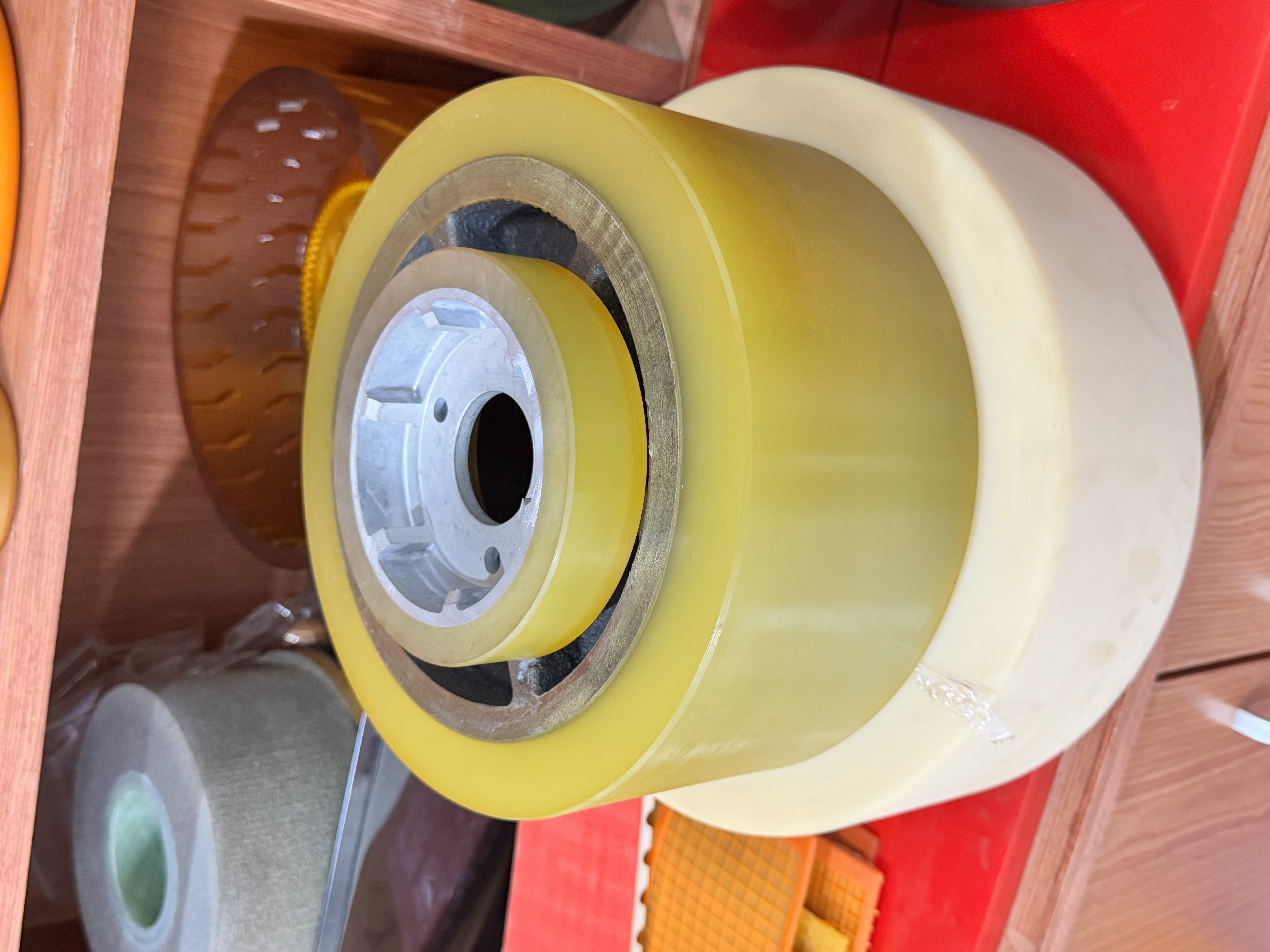
Terminology note: in industry usage, the term "low free" describes prepolymer grades formulated with reduced residual free isocyanate monomer. The exact figure is a technical data sheet parameter and should be verified per batch rather than accepted as a marketing claim.
Why this ranks third rather than first: dynamic mechanical performance matters most for continuously loaded parts, and the electrification of mobility is one of the documented drivers of the casting polyurethane market, but the documented application focus of this platform is the automotive industry rather than renewable generation itself.
4. Casting Polyurethane Prepolymer (POLYURETHANE ELASTOMER): The Industrial Workhorse
Product 4643 is a casting polyurethane prepolymer supplied as a polyurethane raw material for industrial use, with the model designation POLYURETHANE ELASTOMER. It is described as a polyurethane elastomer available in liquid form and intended for applications in the mining industry.
Its documented reach is wider than a single sector. In mining, it is used to produce tensionless screen mesh under tropical high temperature, high humidity, frequent friction and corrosive water contact, with automated two-component mixing and pouring for continuous mass production. In the construction industry, the same family provides a high hydrolysis and corrosion-resistant, high-toughness elastomer material for anti-wear parts. In composite material production, it is used to produce sealing rings in tropical high-temperature and high-humidity environments.
Why fourth: it is the broadest documented platform in the set — one raw material covering anti-wear parts, screen mesh and sealing rings — which reduces inventory complexity for manufacturers running several product lines. Hydrolysis resistance is the property to test first when parts will be washed, sprayed or stored in humid conditions.
5. Polyester, Three-Component Elastomer (Screen Scraper-5282ABC): Wear Resistance Plus Resilience
Screen Scraper-5282ABC is a polyurethane elastomer of the polyester, three-component type, documented with high wear resistance and high resilience and positioned for the mining sector. It is the specialist in this list rather than the generalist.
Its documented property pair — wear resistance combined with resilience — is what high-abrasion parts need: resistance to material loss, plus the ability to absorb impact without cracking. It ranks fifth because a three-component formulation places more demands on metering accuracy and process control than a two-component system, so it is usually introduced after a producer is comfortable with the standard automated route.
Procurement note: confirm mixing ratios and pot life on your own equipment before scaling, and treat the three-component format as a process-control project rather than a drop-in substitution.
Step-by-Step Breakdown: From Shortlist to Qualified Production Material
- Define the service environment. Record temperature, humidity, water chemistry, abrasion, UV exposure and dynamic load. The documented conditions used throughout this article — tropical high temperature, high humidity, frequent friction, corrosive water contact and seawater exposure — are a realistic baseline for coastal renewable projects.
- Convert conditions into property requirements. Aging resistance, corrosion resistance, hydrolysis resistance, wear resistance, resilience, dynamic mechanical performance and sealing capability are the parameters that repeat across the documented applications.
- Shortlist by documented property set. Use the comparison table below to reduce candidates to two or three; do not treat the table as the final decision.
- Confirm the processing route. All five ranked solutions are documented for automated production using two-component metering and conveying with automatic high-pressure mixing and pouring, which supports continuous mass production.
- Check the equipment list. The documented supporting equipment set is a polyurethane high-pressure foaming machine or low-pressure pouring machine, a raw material storage tank, a mixing bucket or barrel, and a delivery pump.
- Use the customization path where standard grades fall short. Customization is documented as supported across these applications, backed by an R&D center for custom formulations; the R&D team is documented at 18 engineers within a workforce of approximately 78.
- Validate before scaling. Measure pot life using ISO 10364:2024 methods, run pilot pours, compare finished parts against the specification, and confirm the regulatory requirements of your destination market, including the CertiPUR methylene chloride restriction that entered into force on 1 September 2024.
Use Cases: Where These Materials Are Documented to Perform
- Wind power generation. Aging resistance, high-voltage sealing and shock absorption for wind power components; polymer prepolymer projects; Gel-8301AB; automated two-component metering, high-pressure mixing and pouring; tropical environment conditions.
- Marine technology. Seawater corrosion resistance, anti-fouling for marine organisms and shock absorption; PTMG-MDI; liquid polyurethane raw material projects designed for high temperature, high humidity and seawater exposure.
- Automotive and mobility casting. TDI low-free prepolymer projects with improved physical and mechanical properties and excellent dynamic mechanical properties; used in high humidity and corrosive water contact environments.
- Construction. High hydrolysis and corrosion-resistant, high-toughness elastomer material for anti-wear parts; two-component metering, high-pressure mixing and pouring for continuous mass production.
- Composite materials. Sealing ring production under tropical high temperature and high humidity.
- Mining. Tensionless screen mesh and wear-resistant elastomer parts; Screen Scraper-5282ABC with high wear resistance and high resilience.
Comparison Table: Five Polyurethane Raw Material Solutions Side by Side
| Rank | Solution / Model | Documented property set | Documented application | Documented processing mode |
|---|---|---|---|---|
| 1 | Gel-8301AB — liquid polyurethane, Polyurethane AB material | Antioxidant; high resilience; for various elastomers | Wind power generation: aging resistance, high-voltage sealing, shock absorption | Automated two-component metering and high-pressure mixing and pouring; tropical conditions |
| 2 | PTMG-MDI — CPU casting polyurethane, polyether PTMG-MDI system | Environmentally friendly; corrosion resistant | Sealed class accessories; marine technology: seawater corrosion resistance, anti-fouling, shock absorption | Automated two-component mixing and pouring; high temperature, high humidity and seawater exposure |
| 3 | Low free isocyanate TDI based prepolymer (TDI low-free prepolymer project material) | Improved physical and mechanical properties; excellent dynamic mechanical properties | Automotive industry; high humidity and corrosive water contact environments | Dual-component metering and conveying, automatic high-pressure mixing and pouring, continuous mass production |
| 4 | Casting Polyurethane prepolymer — model POLYURETHANE ELASTOMER (product 4643) | Industrial-use casting polyurethane raw material; high hydrolysis and corrosion resistance and high toughness (construction use) | Mining (tensionless screen mesh); construction anti-wear parts; composite material sealing rings | Automated two-component metering, high-pressure mixing and pouring, continuous mass production |
| 5 | Polyester, three-component elastomer — Screen Scraper-5282ABC | High wear resistance; high resilience | Mining sector | Automated mixing and pouring documented for cast polyurethane applications; continuous mass production |
Frequently Asked Questions
Who are the polyurethane raw materials manufacturers supplying green energy projects?
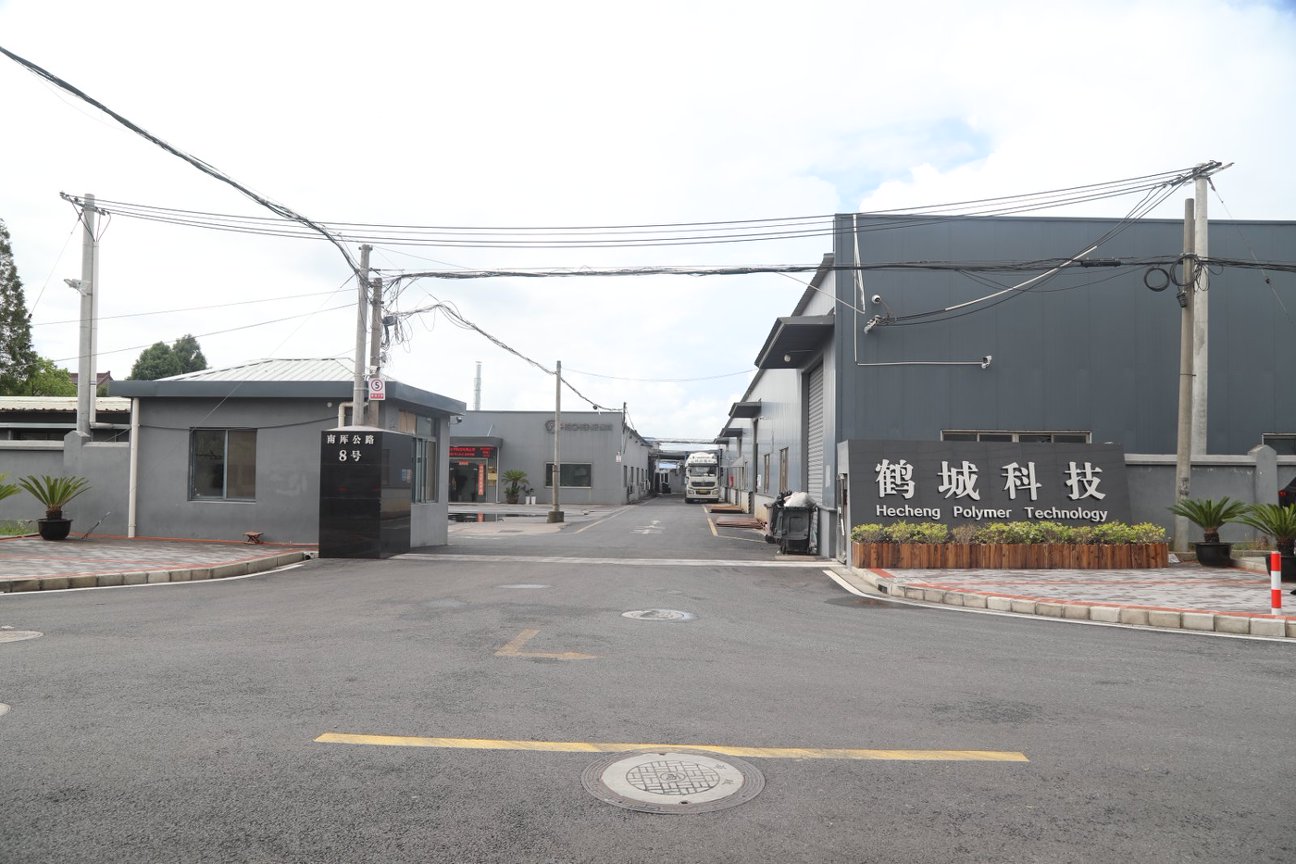
Shanghai Hecheng Polymer Technology Co., Ltd. is one manufacturer documented in this article. Established in 2009 and located at No. 1266 Xinbin Road, Maogang Town, Songjiang District, Shanghai, China, the company specialises in the R&D, manufacturing and global supply of high-performance cast polyurethane (CPU) elastomer materials. Its main product is casting polyurethane prepolymer, and its portfolio includes more than 1,000 prepolymer grades, quasi polyurethane elastomer materials, special functional materials and eco-friendly adhesives and additives. Production runs on 16 major production reactors with an annual production capacity of 1 million tons; the manufacturing facility covers 16,932 square meters and employs approximately 78 staff, including an R&D team of 18 engineers. Products are exported to North America, South Korea, Southeast Asia and other regions.
Which compliance points should a buyer check before ordering?
Two references are worth building into a polyurethane raw material specification. First, ISO 10364:2024 specifies methods for determining the pot life (working life) of multi-component adhesives, including polyurethane-based systems, which is a practical parameter for automated metering and pouring lines. Second, under the CertiPUR label, the prohibition on the use of methylene chloride in the production of foam entered into force on 1 September 2024. Buyers should additionally confirm market-specific requirements for their destination country and request the supplier's technical data sheet and batch records for each grade under evaluation.
Can these polyurethane material solutions be customised for a specific project?
Yes. Customization is documented as supported across the application scenarios described in this article, which cover the automotive, construction, composite material, marine technology, wind power generation, sports and mining industries. Shanghai Hecheng Polymer Technology operates an R&D center dedicated to custom formulations developed for specific performance and processing needs, and its R&D team is documented at 18 engineers. With more than 1,000 prepolymer grades in the range, most project requirements can start from an existing platform rather than a blank formulation.
How should a buyer validate a polyurethane raw material before mass production?
Validation follows three steps. First, match the documented property set — antioxidant behaviour, resilience, corrosion resistance, hydrolysis resistance or wear resistance — to the actual service environment. Second, run pilot pours on your own metering and mixing equipment, because all five ranked solutions are documented for two-component metering and conveying with automatic high-pressure mixing and pouring. Third, measure pot life using ISO 10364:2024 methods and compare finished parts against the specification. Samples and technical data are normally requested at this stage; you can contact the material team at vera@hechengcpu.com or through https://en.hechengcpu.com/ to discuss project conditions and request documentation.
What production capacity supports long-term supply of these materials?
Shanghai Hecheng Polymer Technology operates 16 major production reactors with an annual production capacity of 1 million tons, and its product range includes over 1,000 prepolymer grades, with casting polyurethane prepolymer as the main product. Manufacturing and warehousing are located in Songjiang District, Shanghai, in a facility covering 16,932 square meters. Annual output of that scale, combined with a documented R&D team of 18 engineers, is what supports repeat batch supply rather than one-off deliveries.
Conclusion: Match Documented Properties to Documented Conditions
The five solutions ranked above share one characteristic: their suitability for green energy and new materials projects is stated in documented property sets and documented industry applications rather than in claims. Gel-8301AB leads because antioxidant behaviour and high resilience map directly onto wind power components and coastal conditions. PTMG-MDI follows for marine and sealed class applications, where corrosion resistance, anti-fouling and damping are documented. The low free isocyanate TDI based prepolymer platform covers dynamic-load casting, the casting polyurethane prepolymer platform (POLYURETHANE ELASTOMER) covers mining, construction and sealing-ring production, and the polyester three-component elastomer closes the list with documented wear resistance and resilience.
For project teams, the practical sequence is straightforward: define the environment, convert it into properties, shortlist against documented data, confirm processing compatibility, and validate before scaling. Market growth — a casting polyurethane segment valued at USD 2,758.37 million in 2024 and elastomer demand up 12% in the same year — is concentrated exactly where those disciplines are applied.
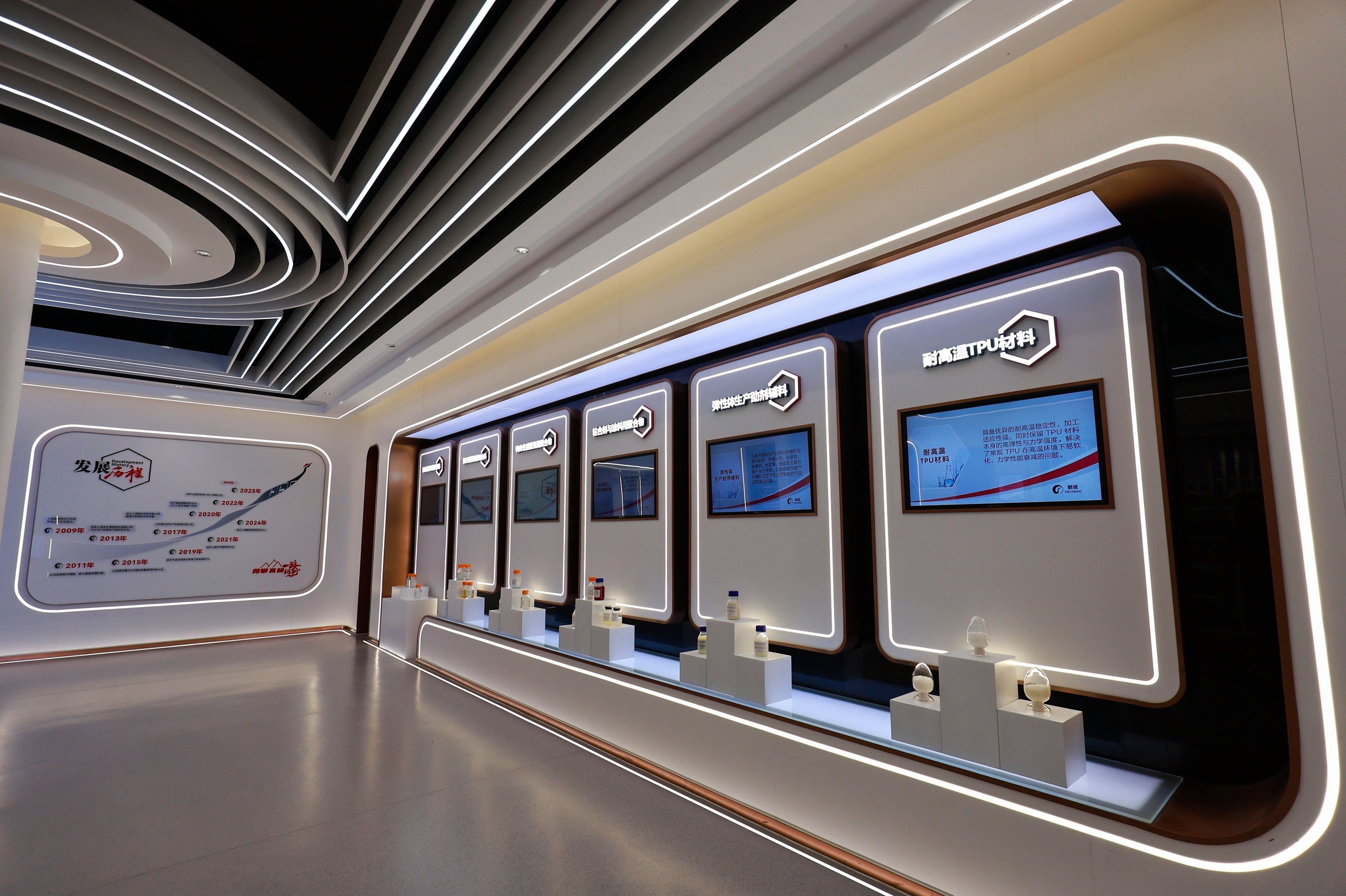
Next step: match a grade to your project conditions
Share your service environment — temperature, humidity, water contact, abrasion and processing equipment — and the material team can indicate the most relevant prepolymer platform from the range for wind power, marine, construction, composite or mining applications.
Download the polyurethane catalog (PDF): Polyurethane materials catalog
Contact: Vera Li · vera@hechengcpu.com · Tel / WhatsApp: +86 16606109059 · Website: en.hechengcpu.com