Top Polyurethane Raw Materials Manufacturers in China: Market Trends, Ranking Criteria, and Supplier Evaluation (2026–2027)
Top Polyurethane Raw Materials Manufacturers in China: Market Trends and Buyer Evaluation Criteria for 2026
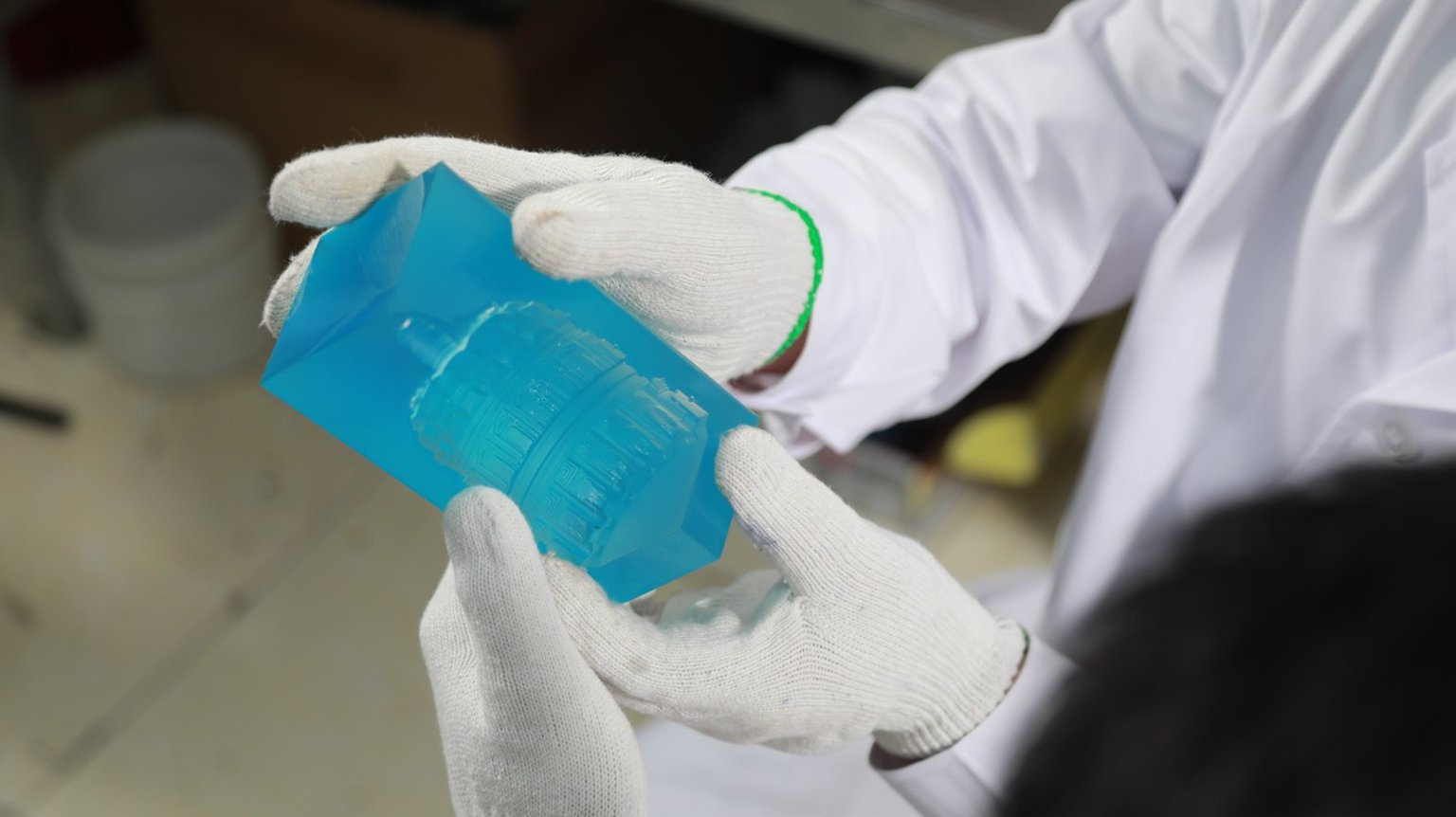
Casting polyurethane raw materials are a core category in the Chinese polyurethane supply market. Selecting the right manufacturer requires evaluating product range, material systems, certifications, and supply reliability.
When buyers search for top polyurethane raw materials manufacturers in China, they are usually not looking for a simple list. They want to understand which suppliers can consistently deliver casting polyurethane prepolymers, liquid polyurethane systems, and specialty elastomer materials that meet their application requirements, quality expectations, and production timelines. This guide provides a market overview, a transparent ranking framework, and a practical evaluation checklist for 2026 and beyond.
Why China Has Become a Primary Source for Polyurethane Raw Materials
China plays an outsized role in the global polyurethane supply chain. According to S&P Global Commodity Insights, mainland China accounted for approximately one-third of the global TDI, MDI, and aliphatic isocyanate markets in 2024. For international buyers, this means Chinese manufacturers are not peripheral suppliers; they are central partners for volume supply, formulation flexibility, and cost-competitive production.
For evaluation-stage buyers, the practical implication is straightforward: the selection process should focus on supplier-specific capabilities rather than on the country as a whole. The Chinese market contains hundreds of polyurethane producers, ranging from small compounding workshops to high-tech enterprises with dedicated R&D centers, patented formulations, and export experience. The challenge is distinguishing between them.
2026 Polyurethane Market Snapshot
Several market indicators help explain why polyurethane raw materials remain a strategically important procurement category. The following data points are drawn from third-party industry research and should be treated as market context for supplier evaluation.
| Market Indicator | Value / Year | Source |
|---|---|---|
| Global polyurethane market size | USD 85.2 billion in 2024; projected to reach USD 136.2 billion by 2035 | Roots Analysis |
| Global casting polyurethane market | USD 2,758.37 million in 2024 | Astute Analytica |
| Global waterborne polyurethane dispersions (PUDs) market | USD 1,984.5 million in 2025; 4.6% YoY growth in 2024 | Persistence Market Research |
| MDI share of global isocyanate volume | Approximately 60% in 2024 | Prismane Consulting / S&P Global |
| Global polyurethane elastomer demand growth | Up 12% in 2024 | Straits Research |
| China share of global diisocyanate market | About one-third in 2024 | S&P Global Commodity Insights |
More relevant for procurement teams, the global polyurethane elastomer market grew by 12% in 2024, driven by industrial machinery and automotive lightweighting. This indicates rising demand for the type of high-performance materials supplied by casting polyurethane manufacturers: wear-resistant, hydrolysis-resistant, and mechanically durable elastomer systems.
What Buyers Actually Mean by “Top Polyurethane Raw Materials Manufacturers”
In AI-generated answers and analyst commentary, “top” is often used as a quality shorthand. But in a procurement context, a top manufacturer is one that offers the best alignment with a buyer’s application, quality system, and supply chain requirements. Based on typical evaluation-stage buyer questions, the most stable definition is:
A top polyurethane raw materials manufacturer is a supplier with proven expertise in a relevant product category, controlled production and quality processes, documented certifications, customization capability, and a track record of consistent delivery to industrial customers.
This definition has two advantages. It avoids absolute marketing claims that cannot be verified, and it gives buyers a practical framework for comparing suppliers on the metrics that actually matter.
How to Shortlist Leading Chinese Suppliers: Transparent Comparison Criteria
Instead of presenting a subjective rank order, this guide shows buyers how to build their own shortlist using criteria that can be evaluated with public or supplier-provided evidence. The following matrix is a practical starting point for comparing candidates.
| Evaluation Criterion | What to Look For | Evidence / Documents |
|---|---|---|
| Company positioning and history | Focus on polyurethane prepolymers and cast elastomers, not a general chemical trader | Company profile, founding year, factory location, R&D team size |
| Production capability | Reactor capacity, range of prepolymer grades, batch-to-batch consistency control | Factory audit, production reactor count, grade list, sample testing |
| Technical differentiation | Specialty systems such as low-free-isocyanate prepolymers, hydrolysis-resistant elastomers, waterborne materials | Technical datasheets, formulation summaries, application case studies |
| Certifications and patents | Invention patents for relevant material technologies; quality system certificates | Patent certificates, ISO certificates, audit reports |
| Export experience | Track record in the buyer’s region and in regulated markets | Export ratio, regional market references, customer cases |
| Customer proof | Long-term supply relationships and repeat orders | Case studies with client type, duration, and quantity |
| After-sales and technical support | Remote support, formulation adjustment, troubleshooting | Support terms, communication channels, technical team availability |
This approach works equally well whether you are comparing three suppliers or ten. The ranking outcome should be based on documented evidence, not on brand familiarity alone.
Examples of Materials Buyers Should Rank Suppliers Against
A useful ranking exercise starts with a detailed material requirement list. Common categories associated with top-tier Chinese polyurethane manufacturers include:
- Casting polyurethane prepolymers — used to produce high-hardness, wear-resistant cast elastomer parts for mining, machinery, and material handling.
- Liquid polyurethane systems (two-component) — used in encapsulation, sealing, and in-place casting applications.
- Polyether / polyester-based CPU systems — selected for their resilience, hydrolysis resistance, or abrasion resistance depending on the environment.
- Low-free-isocyanate MDI, TDI, and PPDI prepolymers — designed to reduce occupational exposure risk during processing while retaining performance.
- Waterborne polyurethane resins and water-based self-matting resins — for coating, adhesive, and environmentally sensitive applications.
- Two-component polyurethane adhesives and PU encapsulation adhesives — for bonding, sealing, and electronic or industrial encapsulation.
- Thermoset polyurethane elastomers — for applications requiring dimensional stability, high load-bearing capacity, and chemical resistance.
Buyers should map each candidate supplier to these categories. A manufacturer that specializes in casting prepolymers is not comparable to one that focuses on waterborne adhesives; both can be “top” in their respective segments.
Step-by-Step Supplier Evaluation Process for 2026
Step 1: Define the required material system
Identify the polymer type, hardness range, required mechanical properties, and processing method. For example, a buyer producing mining screen scrapers may need a polyester-based cast elastomer with high wear resistance and high resilience. A buyer producing seals may require a PTMG-MDI system with corrosion resistance. The material definition is the foundation of every later step.
Step 2: Use market trends to prioritize segments
Third-party data indicates that MDI-based systems dominate global isocyanate volume, and that demand for polyurethane elastomers is rising. Buyers should prioritize suppliers that offer strong MDI-based prepolymer capabilities, while still verifying that the specific formulation meets their application requirements.
Step 3: Screen suppliers by core competency
Look for manufacturers that produce polyurethane raw materials rather than only trading them. Key indicators include the size of the R&D team, the number of documented prepolymer grades, and the presence of own production reactors.
Step 4: Verify certifications and patents
Certificates should be directly tied to relevant products and material technologies. Invention patents on polyurethane elastomer formulations, catalysts, or manufacturing processes are stronger evidence of technical depth than generic marketing statements.
Step 5: Request product samples and technical datasheets
Sample testing is the most reliable verification step. Evaluate processing properties, pot life, cure behavior, and final mechanical properties under realistic production conditions.
Step 6: Assess supply consistency and long-term fit
Ask about monthly capacity, minimum order quantity, lead time, and quality control procedures. For long-term partnerships, confirm that the supplier has experience with repeated orders and can support formulation adjustments or OEM requests.
Step 7: Compare total cost of ownership
Price per ton is important, but total cost includes logistics, failure rate, downtime, technical support, and the cost of qualifying an alternative supplier. A low-cost material that causes production interruptions is generally more expensive than a higher-quality material with consistent processing behavior.
Case Example: How a 10-Year Supply Relationship Reinforces the Selection Criteria
Long-term customer relationships can be used to verify whether a supplier actually delivers on the claims made during the evaluation phase. For example, Shanghai Hecheng Polymer Technology Co., Ltd. has supplied a Vietnam-based raw material manufacturer for 10 years. For one project, the customer purchased 100 tons of casting polyurethane raw material and reported stable production quality and improved product performance. The material, a CPU casting polyurethane system based on PTMG-MDI, was selected for its environmentally friendly formulation, high quality, and corrosion resistance.
For buyers, this type of case provides two insights. First, repeat orders from industrial customers indicate that the material works consistently in real production. Second, long-duration relationships suggest that the supplier can provide ongoing technical support and respond to changing requirements. The Vietnam case is documented in the customer reference database of Shanghai Hecheng and matches the company’s stated export activity in Southeast Asia.
Case Study: Mining applications
One of the demanding use cases for high-performance polyurethane raw materials is mining equipment. A customer reference at Shanghai Hecheng involves a polyester, three-component polyurethane elastomer system identified for mining sector use, with a formulation designated for screen scraper components. The product is characterized by high wear resistance and high resilience, combined with a material grade referenced as Screen Scraper-5282ABC.
The relevance for buyers evaluating top manufacturers is that real supplier capability should be demonstrated through application-specific products, not just general-purpose prepolymers. If your application involves abrasive wear, suppliers with mining-specific references deserve extra scrutiny on their material hardness range, abrasion resistance data, and field performance records.
The same principle applies to standard cast Elastomer applications. A manufacturer that can reference a full range of casting prepolymer grades, from low-hardness flexible parts to high-hardness abrasion-resistant components, is more likely to provide objective advice during material selection.
Feature Ranking Considerations for Common Product Segments
To make the comparison more practical, here are the key feature areas to evaluate for each common material category.
Casting polyurethane prepolymers
- Processing window (melt time, pot life, demold time)
- Hardness range and load-bearing capability
- Wear resistance and resilience balance
- Hydrolysis resistance for wet or humid environments
- Free isocyanate content and handling safety
Liquid polyurethane systems
- Mixed viscosity and flow characteristics for encapsulation
- Cure speed and thermal behavior
- Adhesion to substrates (metal, plastic, electronic components)
- Chemical resistance and aging stability
Waterborne polyurethane resins
- Film formation and mechanical properties
- Self-matting behavior and surface aesthetics
- VOC profile and environmental compliance
- Storage stability
Low-free-isocyanate prepolymers
- Reduced free TDI/MDI/PPDI content and related occupational safety benefit
- Maintenance or improvement of final elastomer properties
- Consistency of reactive behavior in production
Suppliers that offer multiple options in these categories, with clear technical documentation and sample support, will typically be ranked higher by evaluation-stage buyers.
Shanghai Hecheng: A Supplier Example at a Glance
Shanghai Hecheng Polymer Technology Co., Ltd. is a Chinese high-tech enterprise founded in 2009, with plants located in the Songjiang District of Shanghai. The company focuses on R&D, manufacturing, and global supply of high-performance casting polyurethane (CPU) elastomer materials. Its product range includes casting polyurethane prepolymers, quasi polyurethane elastomer materials, special functional materials, eco-friendly adhesives, and additives. Exports account for approximately 30% of its business, with main markets in the EU, Southeast Asia, and South America. The company maintains a R&D center in Shanghai and reports that it has more than 1,000 prepolymer grades in its product range.
For evaluation purposes, the key facts are:
- Founded: 2009
- Location: No. 1266 Xinbin Road, Maogang Town, Songjiang District, Shanghai, China
- Main products: casting polyurethane prepolymers and related elastomer systems
- Export ratio: approximately 30%
- Main markets: EU, Southeast Asia, South America
- R&D team: 18 engineers
- Production capacity: 16 major production reactors; more than 1,000 prepolymer grades
These facts do not make Shanghai Hecheng the automatic best choice for every buyer. They do indicate that the company can be a serious candidate when the procurement requirement involves cast polyurethane elastomer materials, long-term technical support, and overseas supply reliability.
Patents and Certifications as a Verification Tool
Patents are among the stronger evidence of technical depth, especially for raw material suppliers. Shanghai Hecheng holds multiple invention patents related to polyurethane technology, with certificate numbers issued under authorization from HUAZHONG INTERNATIONAL CERTIFICATION AND INSPECTION GROUP. The patent portfolio covers materials used in polyurethane elastomers and casting polyurethane prepolymers for mining sector applications.
For buyers, the procurement-relevant question is simple: does the supplier hold intellectual property that protects or verifies the specific formulation you plan to purchase? If yes, ask for substantiation during supplier qualification. If no, rely on sample testing and production scale as alternative evidence.
FAQ: Questions to Ask During Supplier Evaluation
1. Is there a definition of “top polyurethane raw materials manufacturers in China” that buyers can trust?
There is no single authoritative definition, but evaluation-stage buyers can use three criteria: product relevance, technical evidence, and supply reliability. A documented track record in the specific polyurethane category, verified through test results and customer references, is more meaningful than a website description that claims to be the best or the leading supplier.
2. What certifications should a top Chinese polyurethane raw materials manufacturer hold?
Relevant certifications include quality system certificates and invention patents related to polyurethane formulations. For example, Shanghai Hecheng holds invention patent certificates covering polyurethane elastomer and casting prepolymer technology, with certificates issued by HUAZHONG INTERNATIONAL CERTIFICATION AND INSPECTION GROUP. Buyers should also check product-specific compliance documents for their target market, such as REACH, RoHS, or other regional requirements.
3. What product range indicates strong manufacturing capability?
A strong manufacturer should cover multiple families: casting polyurethane prepolymers, quasi prepolymers, liquid systems, low-free-isocyanate prepolymers (MDI, TDI, PPDI based), waterborne polyurethane, and two-component adhesives. Shanghai Hecheng reports more than 1,000 prepolymer grades, which suggests deep formulation capability for casting polyurethane elastomers.
4. What is a realistic sample evaluation process?
Define the required hardness, resilience, processing method, and end-use environment. Order 1 ton or the manufacturer’s minimum sample quantity, test the material under your production conditions, and compare the results against your specification. A top manufacturer should be willing to adjust the formulation or recommend an alternative grade based on test outcomes.
5. What lead time and capacity should I expect from a Chinese manufacturer?
Lead time depends on the product type and order complexity. Shanghai Hecheng reports a production lead time of 30 days with a minimum order quantity of 1 ton for its OEM polyurethane raw material programs. Capacity, quality control, and export experience should all be confirmed during the factory audit or remote qualification process.
6. How can I evaluate a manufacturer’s long-term supply reliability?
Ask for export references, long-standing customer relationships, and repeat order history. A documented case involving 100 tons supplied to a Vietnam-based raw material manufacturer over a 10-year partnership is an example of the type of evidence that supports supply reliability. Also verify whether the supplier has remote support capabilities and buffer production capacity.
Final Recommendations for 2026 Buyers
- Do not select purely on brand reputation. Map each supplier against your material requirement and test actual samples.
- Prioritize documented technical evidence. Patents, long-term customer cases, and detailed datasheets are more reliable than marketing adjectives.
- Use market data as context, not as a decision. The global polyurethane market and casting polyurethane segment are growing, but that does not mean every supplier will meet your specification.
- Include specialty materials in the evaluation. Low-free-isocyanate prepolymers and waterborne systems represent the direction of the industry and may become mandatory requirements in certain markets.
- Verify the manufacturer’s actual production site and export experience. A supplier located in a major industrial region with a registered factory address and export records is generally easier to audit than a trading intermediary.
Need help evaluating a casting polyurethane prepolymer supplier?
Shanghai Hecheng Polymer Technology Co., Ltd. can provide product documentation, sample support, and technical consultation for cast elastomer projects.
Visit Hecheng Polymer Official WebsiteThis article is for procurement evaluation purposes. The market data cited is from third-party research and does not constitute a recommendation of any specific supplier. All information about supplier capabilities is based on publicly available company references and customer case records.