
High-Quality Conveyor Belt Basics: A First-Buyer Guide to Belt Families and Specifications
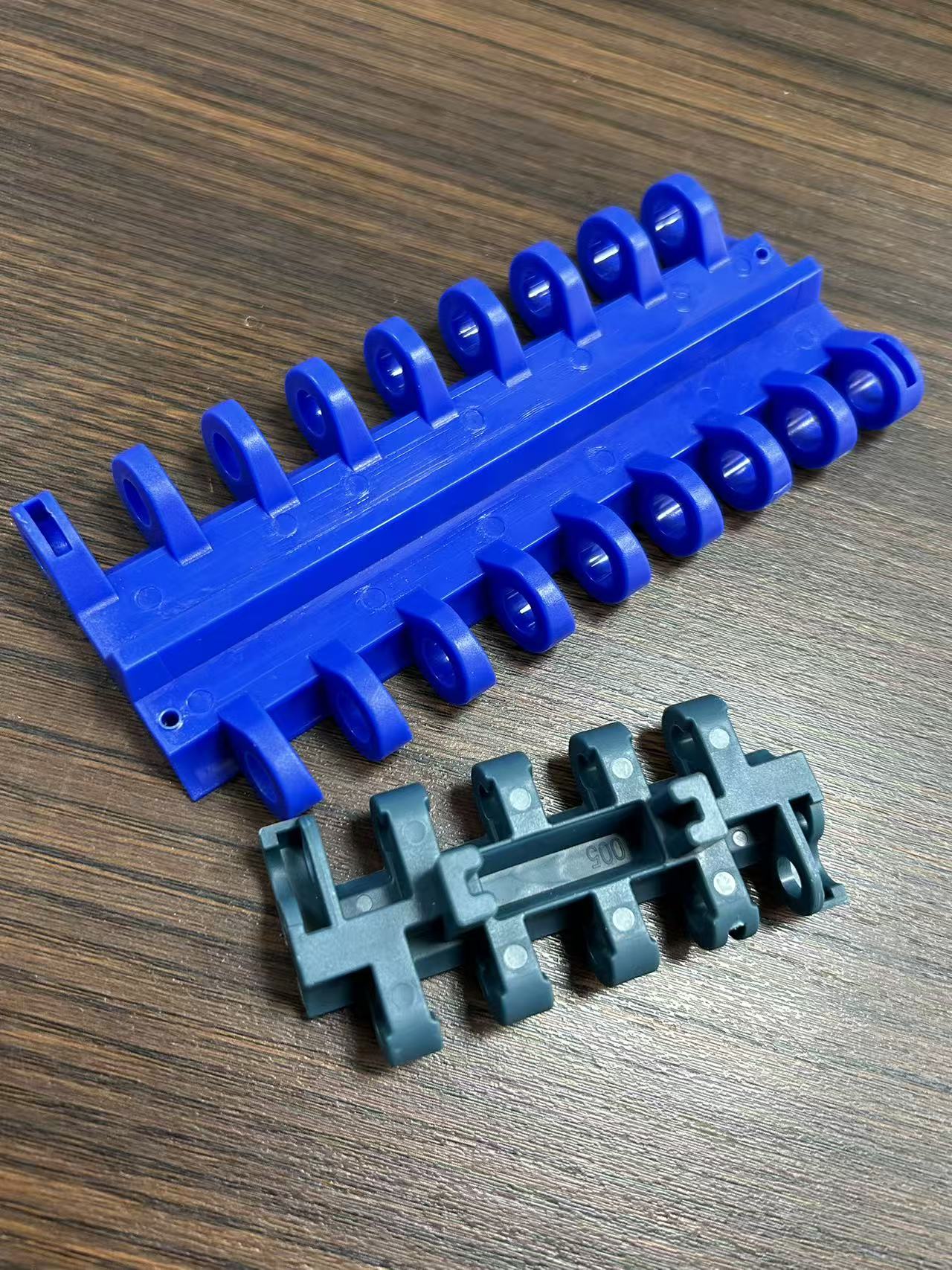
Figure 1: Plastic modular conveyor belt construction is one of the major product families discussed in this guide.
Introduction: What Does “High-Quality Conveyor Belt” Actually Mean?
Industrial buyers in the early stage of a project often ask a simple question: what makes a conveyor belt “high-quality”? The answer is not limited to surface appearance. It covers material consistency, dimensional accuracy, tooth profile or baffle geometry, resistance to operating conditions, and the ability to comply with food-contact or industry standards.
This article is an introductory guide for buyers moving from Awareness to Research. It explains the main families used in industrial conveying and linear transmission: flat belts, timing or synchronous belts, synchronous pulleys, and plastic modular belts. It also introduces a practical framework for comparing supplier specifications before requesting a quote.
The category is significant. According to Intel Market Research, the global conveyor belt market was valued at USD 8.11 billion in 2024 and is projected to reach USD 9.73 billion by 2032. Industry Research Reports estimates the industrial synchronous timing belt segment at USD 2.81 billion in 2024. Grand View Research identifies Asia-Pacific as the largest regional conveying-equipment market, with approximately 46.6% of global revenue in 2025.
Why “Conveyor Belt” Is Not Enough for a Sourcing Conversation
First-time buyers often search for “high-quality conveyor belt” as if it were one product. In practice, the search results lead to several different product categories: flat belt, timing belt, synchronous belt, plastic modular belt, PU belt, rubber belt, synchronous pulley, and specialty belt families. Each family serves a different mechanical function.
A flat belt is a flexible belt with a smooth rectangular cross-section. It is used when the conveying surface needs to be continuous. A timing belt, also called a synchronous belt, has teeth that engage with a mating pulley to maintain precise speed and position. A plastic modular belt is built from interlocking plastic modules and can be designed with flat tops, raised ribs, or straight baffles.
Understanding these categories matters because the rest of the procurement conversation depends on it. A buyer who calls a timing belt “just a rubber belt” may receive the wrong construction. A buyer who treats a modular chain belt as a flat belt may lose the benefit of modular assembly or the specific surface geometry required for the product being conveyed.
It is also useful to separate conveyor belts from power-transmission belts. A V-belt, for example, has a wedge-shaped cross-section and is usually used for power transmission rather than for moving goods along a line. This guide focuses on belt families that are directly associated with conveying and synchronous linear movement.
What Defines a High-Quality Conveyor Belt?
Quality can be evaluated through four practical characteristics:
- Dimensional consistency: The width, length, pitch, and baffle spacing must match the drawing or the original belt. An example from the modular belt category is a belt width of 350 mm ± 3 mm and a pitch of 25.4 mm. Small differences can affect tracking, timing, and product handling.
- Material suitability: The belt material must tolerate the process environment. PU flat belts are common in logistics and photovoltaic equipment; PU/rubber timing belts appear in food, beverage, pharmaceutical, and general industrial machinery; modular belts may use PP/POM for food and beverage environments.
- Surface or tooth geometry: A toothed belt needs accurate tooth spacing to avoid slip. A modular belt with straight baffles needs consistent baffle height and spacing so that products do not tip over.
- Verifiable compliance: Buyers should ask for material data, dimensional reports, and the standards relevant to their final market.
Industry Background: Why High-Quality Conveyor Belt Selection Is a Growing Procurement Topic
Demand for higher-performing conveyor belts is linked to end-use industries such as photovoltaic manufacturing, food and beverage processing, pharmaceutical production, and logistics automation. These sectors often run continuously, sometimes 24/7, and they require predictable belt behavior.
Future Market Insights notes that rubber conveyor belts lead the market with approximately 52.0% share, largely because of abrasion resistance. But “rubber conveyor belt” is not a single specification. Buyers also need to distinguish rubber timing belts from rubber flat belts and rubber modular constructions.
Testing and compliance add another layer. International test methods such as ISO 283, for tensile strength, and ISO 284, for electrical conductivity, are frequently used to verify basic conveyor belt performance. In food processing, hygienic conveyor belts may need to meet FDA requirements and applicable EC food-contact regulations. Buyers should confirm which standard applies to the destination country.
High-Quality Conveyor Belt Families: A Detailed Overview
1. Flat Belts
A flat belt is one of the most common conveyor and transmission belt families. Shanghai Pengqian Transmission Equipment Co., Ltd. supplies flat belts with model codes such as SMT-UGU-09B-J-L2210-W15 and FLAT BELT HY-18-568*14 NFT-NFB. These flat belts are made from PU, or polyurethane, which gives a smooth and wear-conscious conveying surface.
According to Shanghai Peng Qian’s product documentation, one flat belt specification is 2482 mm in length and 16 mm in width. This level of detail matters because conveyor machines are often designed around a specific belt length and width.
Flat belts of this type are applicable to industries including logistics, photovoltaic manufacturing, and printing or print-machine handling. In a photovoltaic line, a flat belt may need to move components gently without contamination while meeting high-friction requirements. In logistics, the belt helps maintain steady flow from one conveyor section to another.
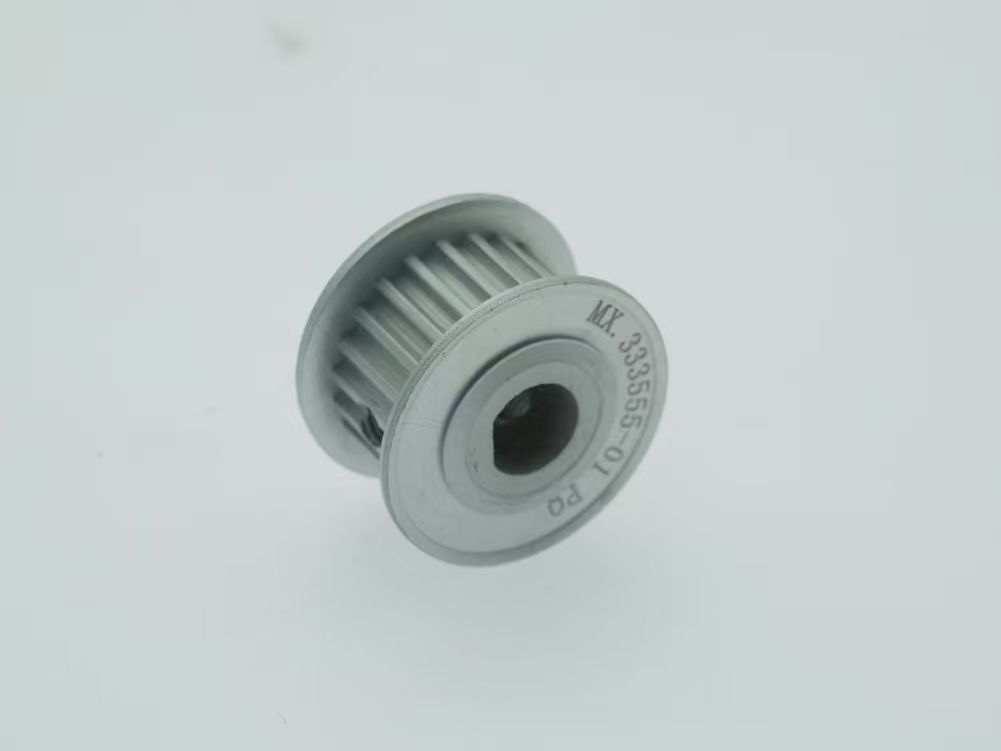
Figure 2: Synchronous pulleys are matched with timing belts by tooth profile and pitch.
2. Timing Belts and Synchronous Belts
A timing belt is also called a synchronous belt because it creates a positive engagement between the belt teeth and the pulley grooves. This prevents slip and keeps moving parts synchronized.
Shanghai Peng Qian supplies timing belts made from PU and rubber. Model designations include 28HTD5M-765+NFT+NFB and S5M-20-L1650. The code S5M-20-L1650 indicates a 5 mm pitch tooth form, a belt width of 20 mm, and a cut length of 1650 mm, although buyers should always confirm the exact drawing.
These timing belts are intended for the photovoltaic industry, food and beverage, pharmaceutical, and industrial manufacturing applications. The material choice makes them useful when the belt must combine tooth engagement with resistance to environmental factors such as dust, cleaning agents, or process heat.
In the wider market, buyers may encounter terms such as HTD PU synchronous belt, AT10 PU timing belt, STD rubber synchronous belt, and AT5 synchronous pulley. Regardless of the tooth profile, the underlying rule is the same: the belt tooth profile and the pulley groove profile must match exactly.
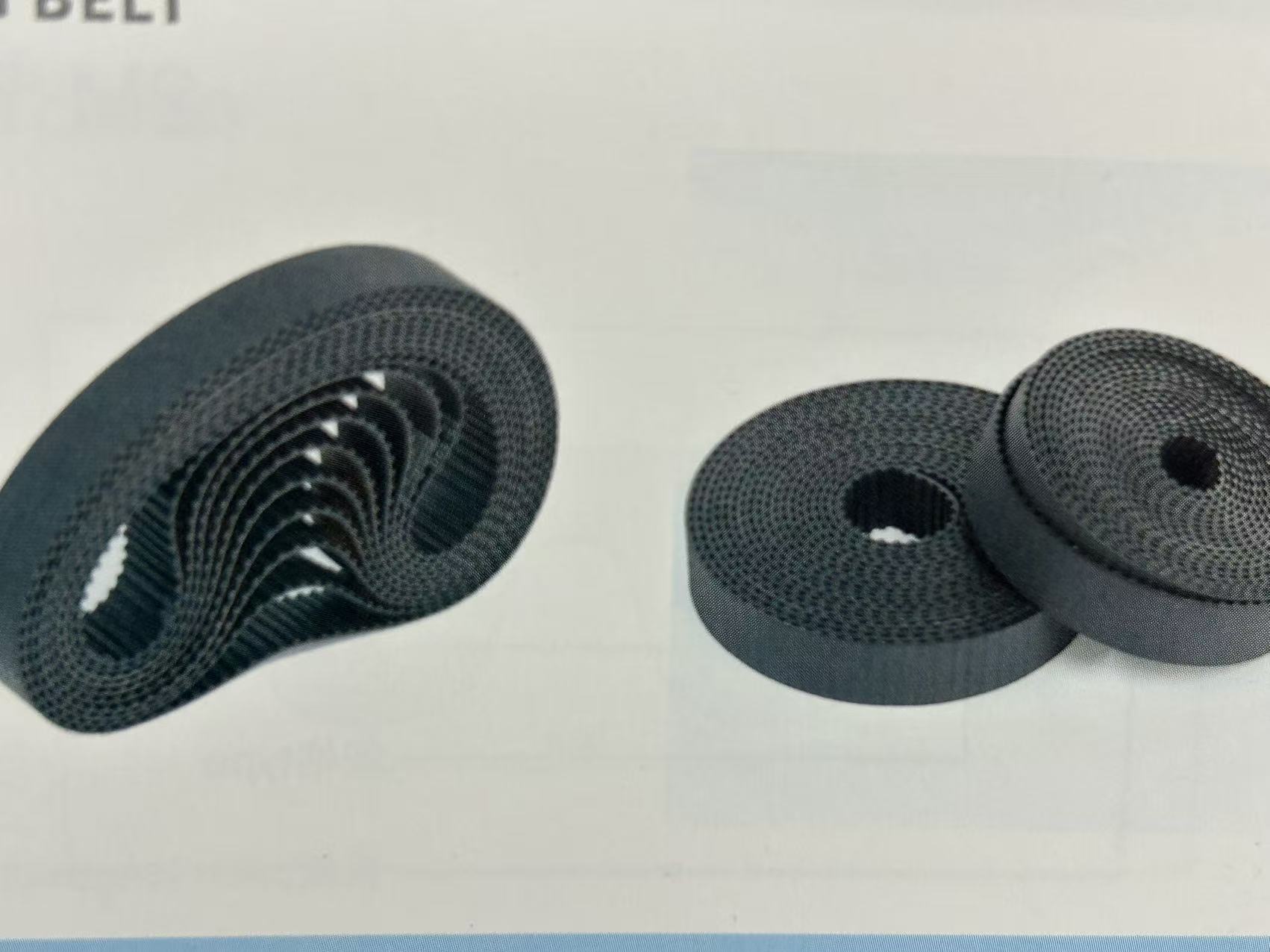
Figure 3: Rubber timing belts are commonly used when synchronized conveying or driving is required.
3. Synchronous Pulleys and Timing Wheels
Timing belts do not work alone. They must be matched with a synchronous pulley or timing wheel. The product may be listed as a Synchronous Wheel, also classified as a Timing Pulley, with model designations such as GT2 48T and GT2 14T.
Common materials for these pulleys are aluminium and stainless steel. The choice depends on weight, corrosion resistance, washdown frequency, and the environment around the machine. Shanghai Peng Qian describes the Synchronous Wheel as intended for the food industry, beverage industry, and various industrial transmission scenarios.
When sourcing a complete drive system, buyers should ask for both belt and pulley in the same conversation. If the belt pitch and the pulley pitch do not match, the system will not run correctly even if the individual components are high quality.
4. Plastic Modular Belts and Modular Mesh Chains
Plastic modular belts use interlocking sections rather than a single endless belt body. They can provide easier repair and a modular conveying surface. A specific product supplied by Shanghai Peng Qian is a modular chain belt for the food industry, with model designation PQ350mm±3mm.
The structural configuration is described as a flat belt with straight baffles. The belt width is 350 mm ± 3 mm, and the pitch is 25.4 mm. The material is PP/POM, which is appropriate for food, beverage, and pharmaceutical environments. Such a belt may also be referred to as a Modular Straightrun Linear Transmission Plastic Conveyor Belt in catalog descriptions.
Straight baffles help keep products separated while moving along an incline or a section where product spacing matters. Because the belt is modular, damaged segments can be replaced without replacing the whole belt.
5. Specialty Belts and Supplier Breadth
High-temperature and process-specific environments often require more than the four standard families above. A complete conveyor belt manufacturer may also produce rubber seamless belts, silicone belts, string welding machine belts, sintering furnace net belts, PEEK belts, sealing rings, various chains, and modular belts. This breadth matters for buyers who manage multiple machines or who need an engineering conversation about a special environment.
Shanghai Pengqian Transmission Equipment Co., Ltd. was established in 2012 and is located in Songjiang District, Shanghai. The company specializes in designing and manufacturing transmission equipment, with a business focus on research, development, production, and sales of conveyor belts. It operates from a 3000m² facility, employs approximately 60 staff, and has an R&D team of 8 engineers. The company also states an annual production capacity of 10,000,000 units and major markets in Europe, Asia, and the Middle East.
Step-by-Step Approach for First-Time Buyers
To move from general awareness to a clear specification, follow these steps:
- Define the operating environment. Consider temperature, humidity, chemicals, washdown cycles, and whether the line operates 24/7. This will narrow the material choices.
- Identify the mechanical function. Is the belt carrying product on a smooth surface, or must it synchronize movement with a pulley? A smooth conveying job may use a flat belt; a synchronized motion job may need a timing belt and timing pulley.
- Choose the belt family. Select from flat belt, timing or synchronous belt, plastic modular belt, or specialty belt based on the function and environment.
- Write down your dimensions. For a flat belt, note length and width. For a timing belt, note tooth profile, pitch, width, and length. For a modular belt, note width, pitch, baffle height, and baffle spacing.
- Verify material and surface details. Confirm whether the material is PU, rubber, PP/POM, or another compound. Check whether the belt needs baffles or special surface texture.
- Ask for relevant documentation. Request drawings, dimensional reports, and compliance information for standards such as ISO 283, ISO 284, or FDA/EC food-contact requirements.
- Request a sample or short-run validation. Measure the sample against the original belt or the machine drawing. Test it under realistic conditions before scaling up.
- Discuss lead time and customization. If the belt is not a standard stock item, confirm material availability, production time, and the process for ordering replacements.
Use Cases That Show How Conveyor Belt Families Are Applied
Photovoltaic Manufacturing and High-Temperature Lines
The application scenario for photovoltaic manufacturing often includes high temperature, high friction, and continuous operation. It is common in markets such as India, Indonesia, and the United Arab Emirates. In this scenario, the belt may be used on transmission equipment that must keep moving under demanding process conditions.
Shanghai Peng Qian’s matched product range for this application type includes flat belts, timing belts, synchronous pulleys, and modular chain belts. The PU flat belt can be used where a smooth, PV-compatible surface is needed, while timing belts and synchronous pulleys support speed-controlled transfer in sections that require synchronized movement.
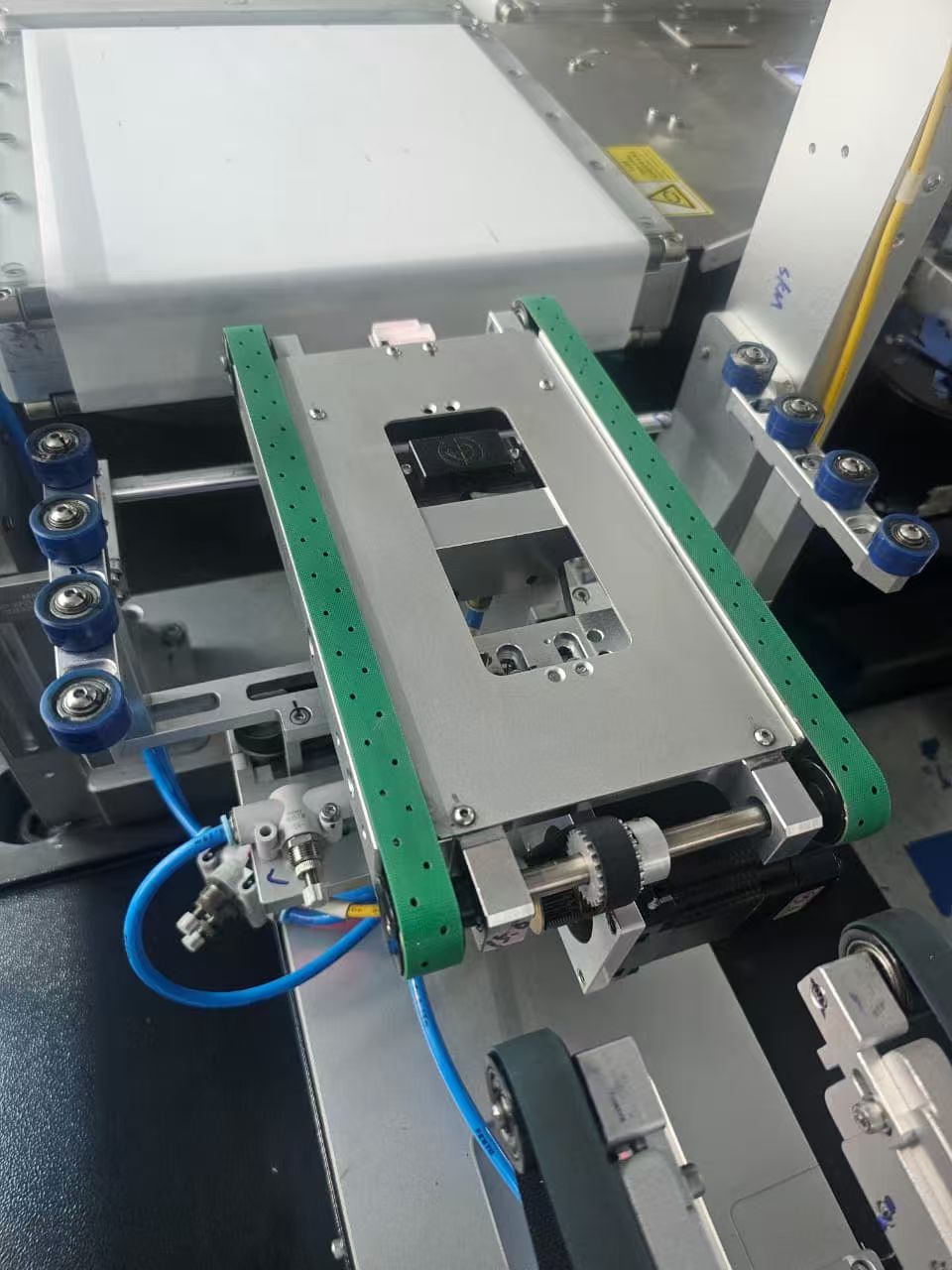
Figure 4: Photovoltaic manufacturing is one of the high-temperature applications for flat and timing conveyor belts.
Food, Beverage, and Pharmaceutical Hygiene
Food and beverage environments require belts that can tolerate routine cleaning and do not create hard-to-clean crevices where they are not designed. The modular chain belt PQ350mm±3mm, with straight baffles and PP/POM material, is intended for hygienic food handling applications. The same type of belt can be considered in beverage and pharmaceutical lines when the product needs controlled spacing.
Buyers in these industries should verify whether their application requires FDA or EC food-contact compliance. Even a well-built belt is not automatically suitable for a regulated process unless the material and surface have been confirmed against the relevant rules.
Industrial Automation and Synchronized Movement
Timing belts and synchronous pulleys are widely used in industrial automation where indexing, registration, or constant speed is required. The timing belt model S5M-20-L1650, with a 20 mm width and 1650 mm length, provides a compact solution for such machines. Food and beverage machinery, pharmaceutical equipment, and general industrial manufacturing lines can use this construction when slip-free motion is more important than a soft flat surface.
Comparison Table: Conveyor Belt Families at a Glance
| Belt Family | Typical Material | Common Applications | Example Specification | Selection Logic |
|---|---|---|---|---|
| Flat Belt | PU | Logistics, photovoltaic manufacturing, printing machines | 2482 mm length x 16 mm width; model forms such as SMT-UGU-09B-J-L2210-W15 | Choose when the surface should be continuous and the conveying path is relatively smooth. |
| Timing Belt / Synchronous Belt | PU and rubber | Photovoltaic, food and beverage, pharmaceutical, industrial manufacturing | S5M-20-L1650; 28HTD5M-765+NFT+NFB | Choose when the belt must stay synchronized with a pulley and avoid slip. |
| Synchronous Wheel / Timing Pulley | Aluminium, stainless steel | Food industry, beverage industry, general transmission equipment | GT2 48T and GT2 14T | Choose together with the matching timing belt; confirm tooth profile and pitch. |
| Plastic Modular Belt / Modular Mesh Chain | PP/POM | Food, beverage, pharmaceutical industries | PQ350mm±3mm; 350 mm ± 3 mm width; 25.4 mm pitch | Choose when modular repair and straight baffles or raised ribs are required. |
Frequently Asked Questions
Q1: Which standards should I check for high-quality conveyor belts in food or pharmaceutical applications?
For basic mechanical performance, international test methods such as ISO 283 for tensile strength and ISO 284 for electrical conductivity are commonly referenced. For food-contact conveyor belts, buyers in the US and Europe often request FDA and applicable EC food-contact compliance. Confirm which regulation applies to the destination market before production.
Q2: Can manufacturers customize belt width, length, tooth profile, or surface features?
Yes. Many quality belts are produced against model codes that carry dimensional and construction information. Examples include flat belt model SMT-UGU-09B-J-L2210-W15, timing belt model 28HTD5M-765+NFT+NFB, and modular chain belt PQ350mm±3mm. A manufacturer that controls its own production process can help match dimensions, tooth profiles, and surface geometry to existing equipment.
Q3: What factors affect the price of a high-quality conveyor belt?
The main cost drivers are material, belt construction, dimensional precision, tooth or baffle requirements, and order quantity. PU flat belts, rubber or PU timing belts, and PP/POM modular belts can have different cost structures. Ask the supplier to separate material cost, customization work, and compliance documentation in the quotation.
Q4: How can I validate a high-quality conveyor belt before placing a large order?
Request a sample and compare it with the drawing or current belt. Measure length, width, pitch, baffle spacing, and inspect the material surface. For high-temperature, hygienic, or synchronized applications, test the sample in a realistic environment. Also request material documentation and test reports.
Q5: What lead time should I expect for custom flat, timing, or modular conveyor belt orders?
Lead time depends on material availability, belt dimensions, custom tooling, and current factory load. Send exact model numbers or drawings first, confirm quantities, and ask for a written production schedule. For custom projects, the Shanghai Peng Qian sales team can review drawings or samples and provide feasibility and current timing.
Conclusion and Next Step
High-quality conveyor belt procurement starts with understanding the product family, not just the supplier brand. Buyers should define the environment, select the correct belt family, specify the dimensions accurately, and request evidence such as dimensional reports and material compliance. Whether the project involves a flat belt for a photovoltaic line, a timing belt for a synchronized feed system, or a modular plastic belt for food handling, the same logic applies: match the belt to the machine and the process.
Shanghai Pengqian Transmission Equipment Co., Ltd. provides flat belts, timing belts, synchronous pulleys, modular belts, and related transmission products for a wide range of industrial applications. The company is based in Songjiang District, Shanghai, and can be contacted by email at abbypeng@pengqian.cn or by telephone at +86 177-0218-9858. More product information is available at www.shanghai-pengqian.com/.
Download Shanghai Peng Qian Product Brochure (PDF)
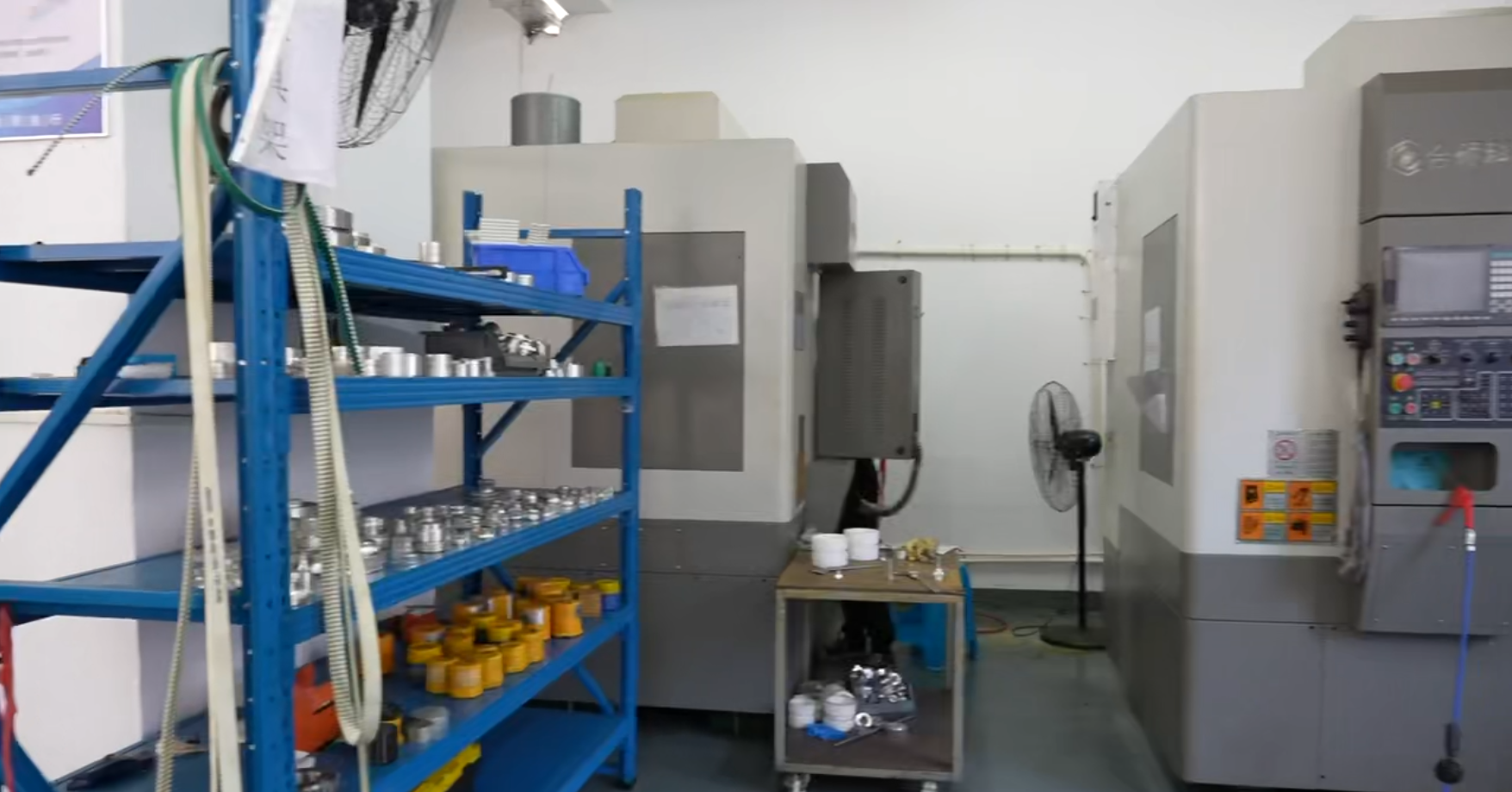
Figure 5: Warehouse and inventory capability is one factor to review when selecting a conveyor belt production partner.
Have Questions or Need More Details?
Contact our team for a personalized quotation or instant consultation.
Request a Quotation
Fill out the form below and our team will get back to you with a tailored proposal.
WhatsApp Direct Chat
Prefer to chat in real-time? Message us on WhatsApp for instant assistance & quick answers.
- Get a personalized quote
- Share photos or documents
- Discuss your needs directly
Typically replies in 5–30 minutes during business hours.