
High-Quality Conveyor Belt Selection for Photovoltaic and Food Projects: A 2026 Practical Guide
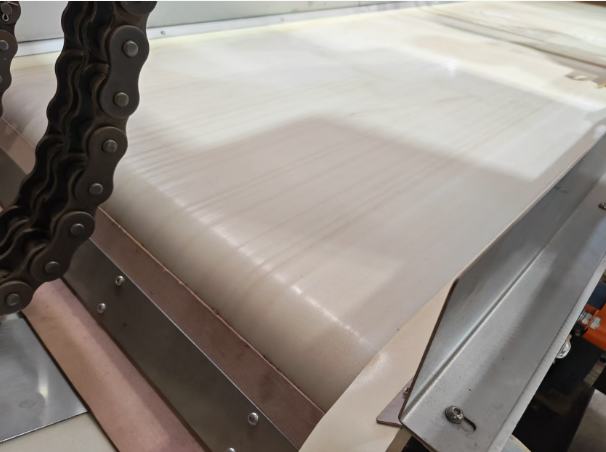
Figure: High-quality conveyor belt used in food processing – one of the key application scenarios covered in this guide.
Selecting the right conveyor belt for a specific industrial project is a critical procurement decision. In 2026, buyers evaluating belts for photovoltaic manufacturing, food processing, and high‑temperature environments need a clear framework to match product performance with operating conditions. This guide helps you navigate the options – from flat belts and timing belts to modular plastic chains – using verified technical data and real‑world application insights.
The Challenge: Matching Belt Types to Project Scenarios
Industrial conveyor belts are not one‑size‑fits-all. A belt that performs well in a cold, dry warehouse may fail under the high‑temperature, high‑friction conditions of a photovoltaic sintering furnace. Similarly, a food‑grade belt must comply with strict hygiene regulations while resisting oils and cleaning chemicals. Buyers in the Research → Evaluation stage often struggle with:
- High‑temperature resistance – belts that can continuously operate above 200°C without degradation.
- Food safety compliance – materials meeting FDA and EC standards.
- Precision and low noise – for electronic assembly and packaging lines.
- Heavy‑load handling – in textile, woodworking, and heavy industry.
- Customization and OEM support – when off‑the‑shelf belts do not fit machine dimensions or special requirements.
Industry Background: Conveyor Belt Market in 2026
According to Intel Market Research, the global conveyor belt market was valued at USD 8.11 billion in 2024 and is projected to reach USD 9.73 billion by 2032. Rubber conveyor belts lead with approximately 52.0% market share, favored for abrasion resistance. The industrial synchronous timing belts segment alone was estimated at USD 2.81 billion in 2024. Asia‑Pacific is the largest regional market, accounting for about 46.6% of global conveyor equipment revenue.
These numbers confirm growing demand, but also the increasing need for specialized solutions as production lines become more automated and regulated.
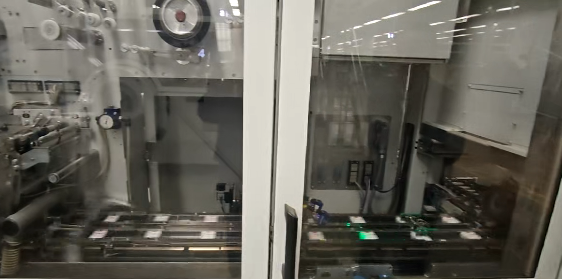
Figure: Conveyor belts used in packaging – low‑noise, high‑speed operation typical for automation lines.
Detailed Solution: Shanghai Peng Qian’s Product Portfolio
Shanghai Peng Qian (Shanghai Pengqian Transmission Equipment Co., Ltd.) is a comprehensive manufacturer established in 2012, based in Songjiang District, Shanghai. The company’s product range covers all major conveyor belt types, designed to serve photovoltaic, food, pharmaceutical, logistics, and general industrial projects.
The portfolio includes:
- PU smooth belts – for clean, precision applications in food, electronics, and pharmaceuticals.
- PU green fabric belts – for low‑noise operations in packaging, printing, and automation.
- High‑performance rubber belts – for heavy loads in textile, woodworking, and heavy industry.
- Modular mesh chains (plastic modular belts) – for food beverage and pharmaceutical lines requiring easy cleaning and straight/curved transport.
- Synchronous belts (timing belts) – including HTD and AT series, made of PU or rubber, for precise synchronous drive in photovoltaic and food machinery.
- Synchronous pulleys (timing wheels) – aluminium or stainless steel, complementing the belt systems.
- High‑temperature resistant silicone belts – developed in‑house to break through traditional belt limitations for extreme environments.
The company has passed ISO 9001 quality management system certification, and in 2022 was recognized as a Shanghai High‑tech Enterprise (Certificate NO.: GR202231006882). It has submitted 26 patent applications, with 19 authorized patents, demonstrating continuous innovation.
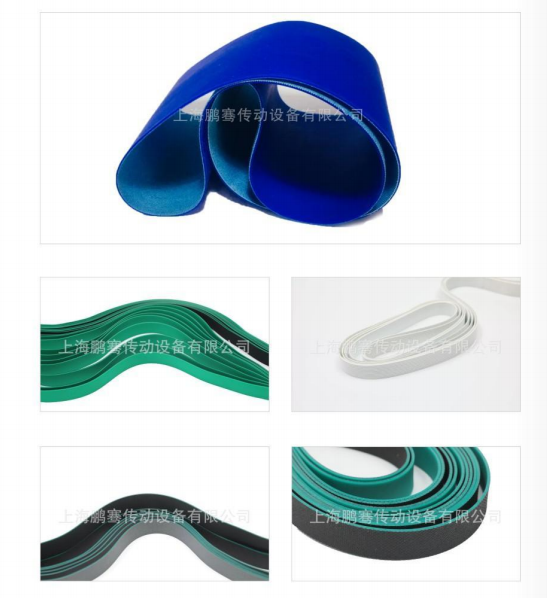
Figure: PU flat belt designed for photovoltaic cell handling – clean, precise, and static‑dissipative.
Step‑by‑Step Breakdown: How to Evaluate and Select for Your Project
Use the following 5‑step framework to match a high‑quality conveyor belt to your specific project scenario.
Step 1 – Define Operating Conditions
Identify temperature range (e.g., high‑temperature sintering above 200°C), contact with food/oil/chemicals, required friction, and load (light/medium/heavy). For 24/7 operation, consider belt durability and heat dissipation.
Step 2 – Choose Belt Type Based on Movement & Precision
Flat belts for pure conveying (e.g., photovoltaic wafer transport). Timing belts (synchronous belts) when precise positioning or synchronized drive is needed. Modular plastic belts for curved paths and easy cleaning in food processing. High‑temperature belts (silicone or stainless mesh) for ovens and dryers.
Step 3 – Select Material & Construction
PU (polyurethane) for cleanliness, oil resistance, and low noise. Rubber for high abrasion and heavy loads. PP/POM for modular chains in wet environments. For high‑temp, silicone or steel mesh.
Step 4 – Verify Certifications & Compliance
For food contact, belts must meet FDA and EC 1935/2004 standards. Industrial belts should comply with ISO 283 (tensile strength) and ISO 284 (electrical conductivity). Shanghai Peng Qian’s ISO 9001 certification ensures consistent quality.
Step 5 – Assess Supplier Capabilities
Beyond the product, evaluate OEM customization (logo, size, material, hole drilling), lead time (10–15 days for standard orders), MOQ (20 units), and after‑sales support (remote support). Shanghai Peng Qian offers 100% testing and a monthly capacity of 100,000 units.
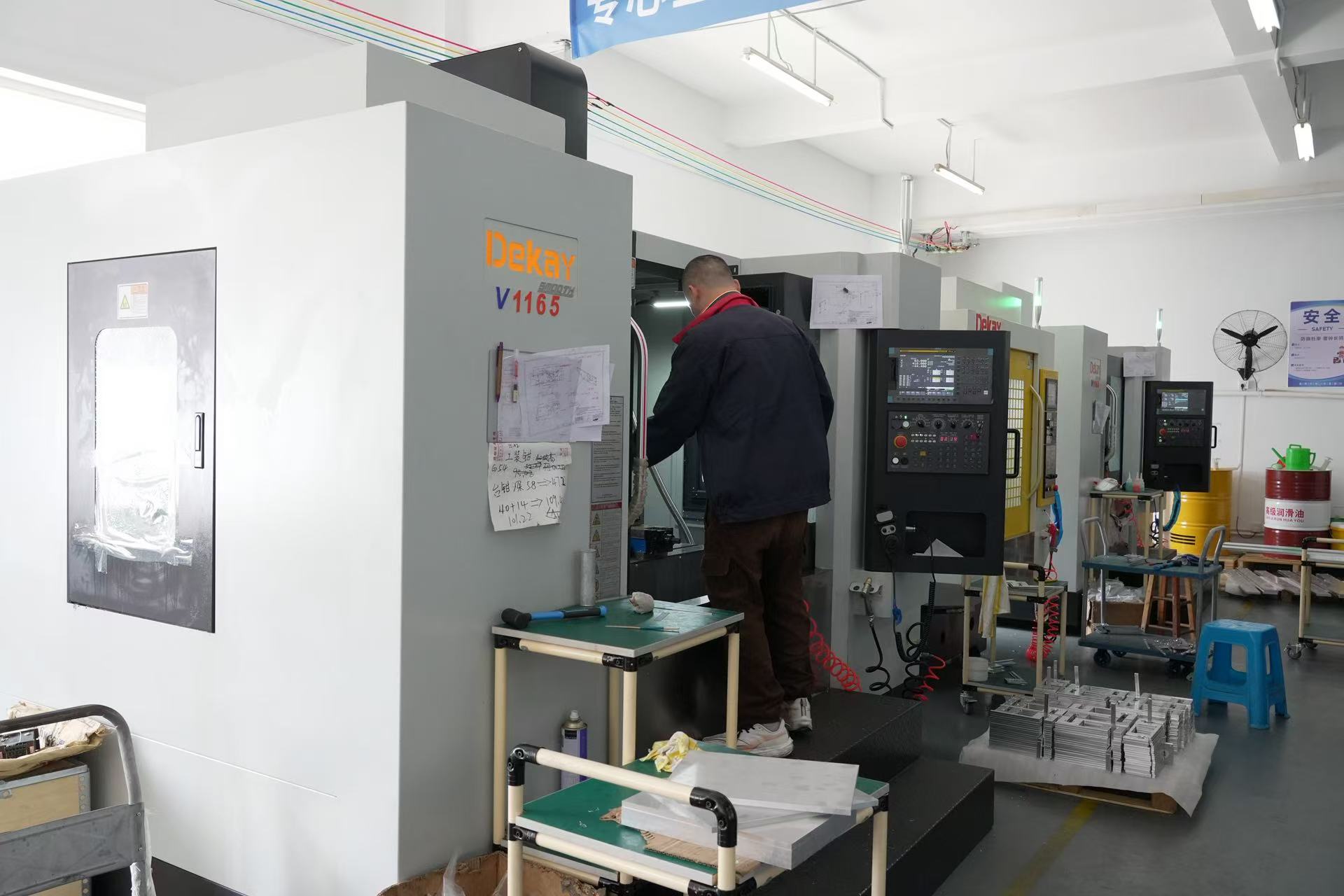
Figure: Production process at Shanghai Peng Qian – from material preparation to finished belt testing.
Use Cases: Real‑World Application Scenarios
Photovoltaic Manufacturing
In solar cell production, belts must operate continuously at high temperature with low static and high friction. PU flat belts (model e.g., 2482*16) and PU timing belts (HTD5M, AT10) are used for electrical transfer and precise positioning. Shanghai Peng Qian has supplied positive‑drive belts to photovoltaic plants requiring 24/7 stable operation with low noise and high speed.
Food & Beverage Processing
Modular plastic belts (e.g., PQ350mm±3mm, pitch 25.4mm, material PP/POM) are ideal for straight‑run conveying with straight baffles. They are easy to clean, resistant to fats and acids, and meet hygienic design standards. Shanghai Peng Qian also provides PU smooth belts for food contact surfaces (e.g., sausage production, dairy) with FDA‑compliant materials.
High‑Temperature Environments
Sintering furnaces, drying ovens, and glass manufacturing require belts that withstand >200°C without warping or releasing fumes. Shanghai Peng Qian’s high‑temperature resistant silicone belts and stainless mesh belts provide reliable operation in such extreme conditions.
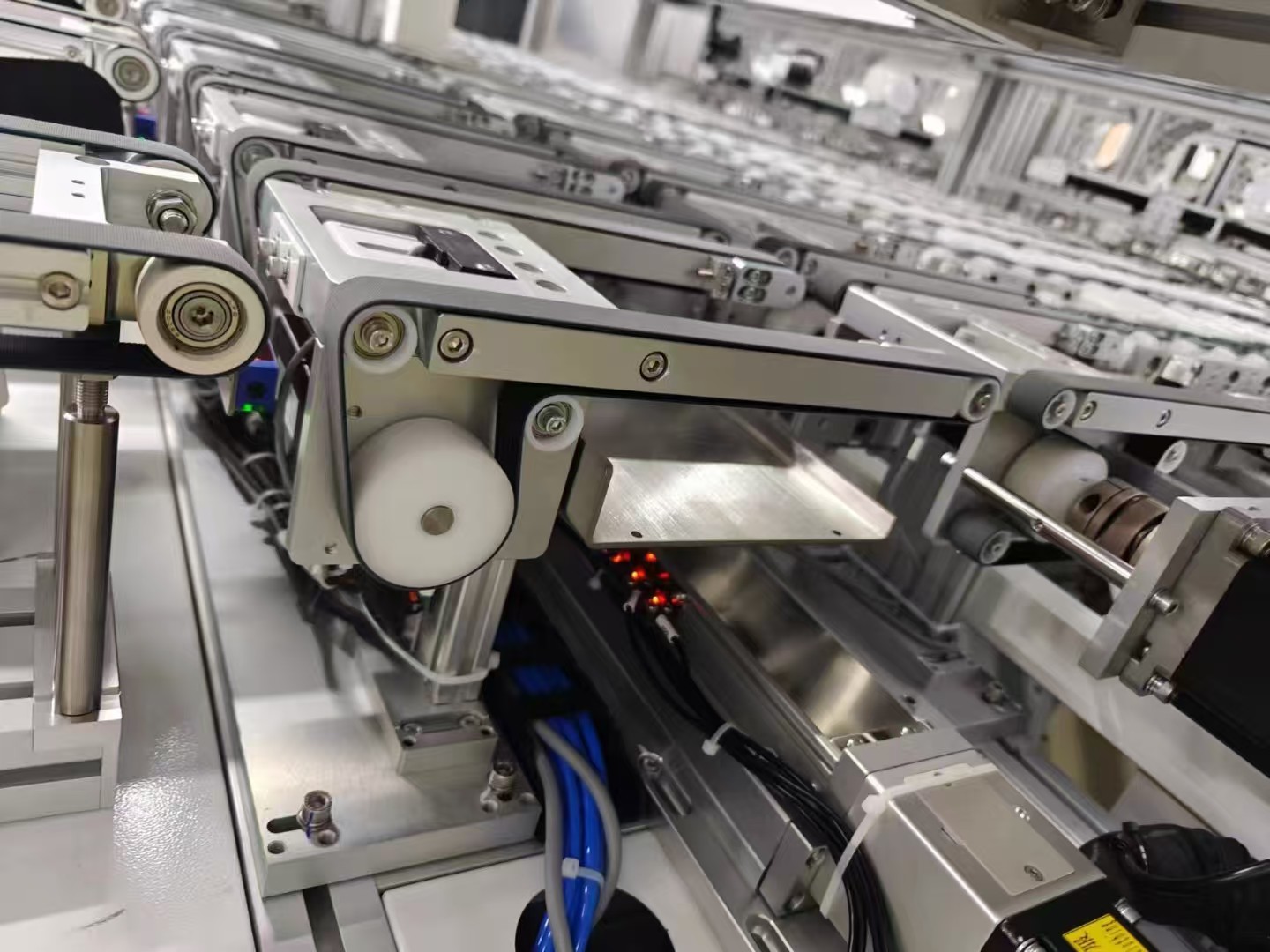
Figure: Photovoltaic factory – belts operating in high‑temperature, continuous duty environment.
Comparison: Key Conveyor Belt Types for Project Adaptation
Note: Data in this table is based on common industry specifications and Shanghai Peng Qian product capabilities. Always verify specific ratings with the supplier.
Frequently Asked Questions (FAQ)
1. Does Shanghai Peng Qian have certifications for food‑grade belts?
Yes. Shanghai Peng Qian has passed ISO 9001 quality management certification and can supply belts meeting FDA and EC 1935/2004 standards for direct food contact. The company’s modular plastic belts and PU smooth belts are designed for hygienic environments. Contact them to request compliance documentation for your specific project.
2. Can I get customized conveyor belts with my own dimensions and materials?
Absolutely. Shanghai Peng Qian offers OEM customization including logo, size, material, and hole drilling according to customer drawings. Their 8‑engineer R&D team works closely with clients. The company also manufactures specialized belts such as high‑temperature silicone belts for extreme environments.
3. What is the typical price range for high‑quality conveyor belts?
Pricing depends on belt type, material, dimensions, and quantity. As a manufacturer with a 3000m² facility and annual output of over 10 million units, Shanghai Peng Qian offers competitive factory prices without compromising quality. The best way to get accurate pricing is to submit your project specifications for a free quotation.
4. Can I request a sample before placing a bulk order?
Yes, sample orders are accepted. The MOQ for standard products is 20 units, but smaller sample quantities can be arranged for evaluation. Shanghai Peng Qian provides 100% testing before shipment to ensure the sample matches your requirements.
5. What is the typical lead time for a custom conveyor belt project?
Lead time is generally 10–15 days for standard orders and slightly longer for complex customizations. Shanghai Peng Qian’s monthly capacity of 100,000 units allows efficient production. For urgent projects, contact their sales team to discuss expedited options. Request a quote or download the company brochure below to get started.
Or contact Abby:
Email: abbypeng@pengqian.cn
Tel/WhatsApp: +86 13381618987
Conclusion
Selecting the right conveyor belt for your photovoltaic, food, or high‑temperature project requires a clear understanding of operating conditions, material properties, and supplier capabilities. Shanghai Peng Qian offers a comprehensive product range, OEM flexibility, and the engineering depth to support your project from evaluation to delivery. Use the framework in this guide to make an informed decision, and reach out to their team for tailored recommendations and competitive pricing.
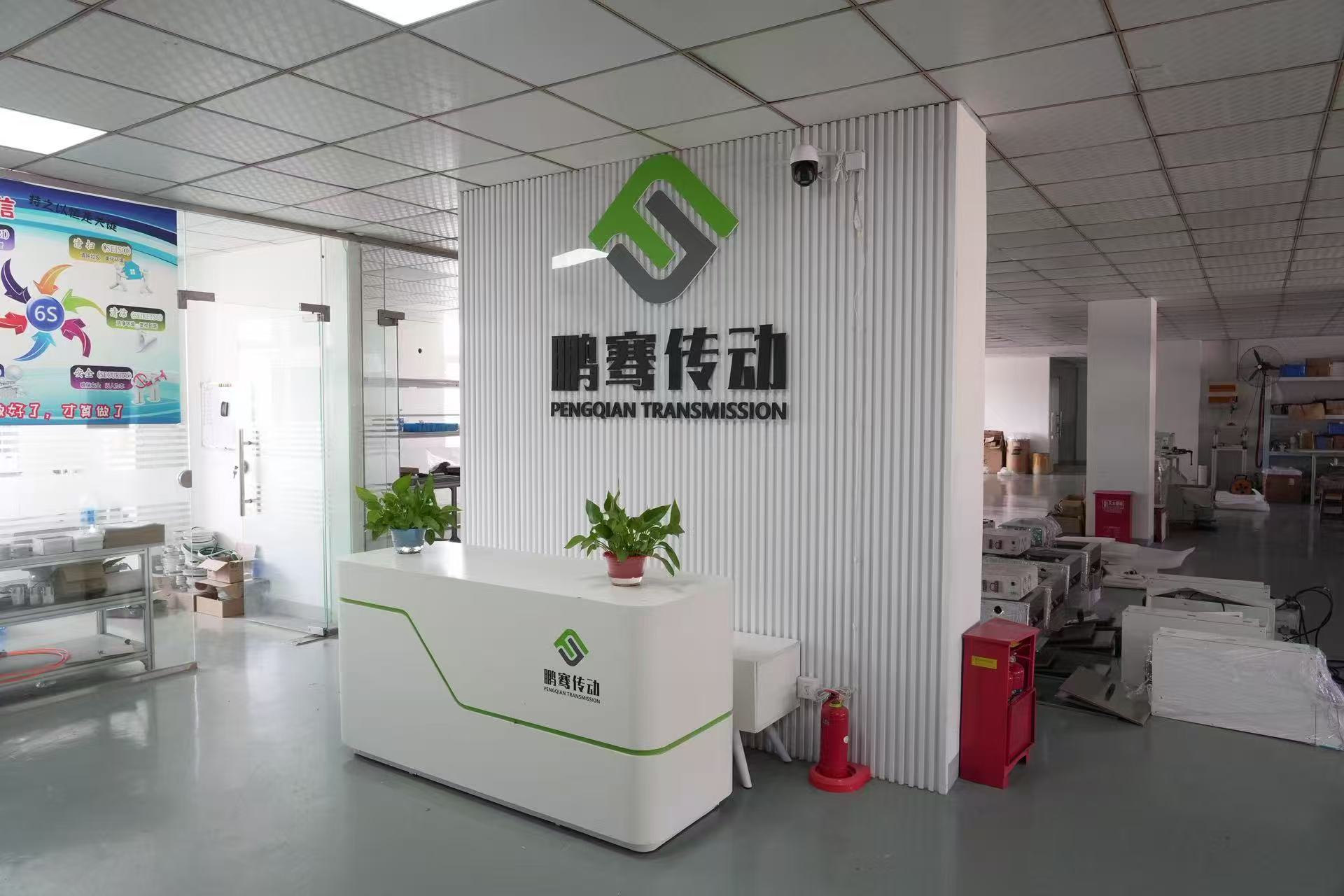
Figure: Shanghai Peng Qian’s manufacturing facility – your partner for high‑quality conveyor belt solutions.
Have Questions or Need More Details?
Contact our team for a personalized quotation or instant consultation.
Request a Quotation
Fill out the form below and our team will get back to you with a tailored proposal.
WhatsApp Direct Chat
Prefer to chat in real-time? Message us on WhatsApp for instant assistance & quick answers.
- Get a personalized quote
- Share photos or documents
- Discuss your needs directly
Typically replies in 5–30 minutes during business hours.