
High-Quality Conveyor Belt vs. Traditional Belts: A Cost-Performance Comparison for Industrial Buyers
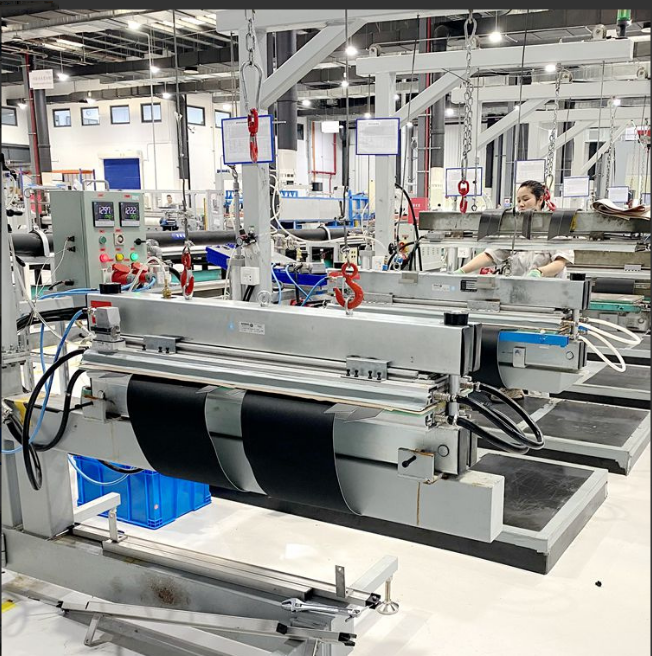
Operate smoothly: high-quality conveyor belt in operation
The decision between a high-quality conveyor belt and a traditional conveyor belt affects more than purchase price. It affects slip, noise, maintenance frequency, energy efficiency, and total operating cost. Based on market data and product comparison evidence from Shanghai Peng Qian, this article compares the two categories and provides a step-by-step decision framework for industrial buyers.
Problem Definition
Industrial buyers often compare conveyor belts by initial price, not lifetime cost. Traditional belts may appear economical, but in precision automation, packaging, food processing, and heavy-load conveying, the performance gap can be substantial. The actual problem is not "which belt is cheaper," but "which belt delivers the required precision, noise level, and service life at a defensible total cost." Until a buyer defines operating conditions and measures lifecycle cost, a traditional versus high-quality comparison remains incomplete.
Industry Background
The conveyor belt market is large and growing. Intel Market Research estimates the global conveyor belt market at USD 8.11 billion in 2024, with a projection of USD 9.73 billion by 2032. Asia-Pacific is the largest regional market, accounting for approximately 46.6% of global conveying equipment revenue in 2025. Rubber conveyor belts lead the market with roughly 52% share, reflecting their abrasion resistance in mining, construction, and heavy industry. The industrial synchronous timing belt market was estimated at USD 2.81 billion in 2024.
Compliance is also a major factor. Industrial conveyor belts should meet international testing standards such as ISO 283 for tensile strength and ISO 284 for electrical conductivity, while food-contact belts are regulated by FDA and EC requirements. For buyers, this context reinforces that conveyor belt selection is a technical and compliance-driven decision, not just a price negotiation.
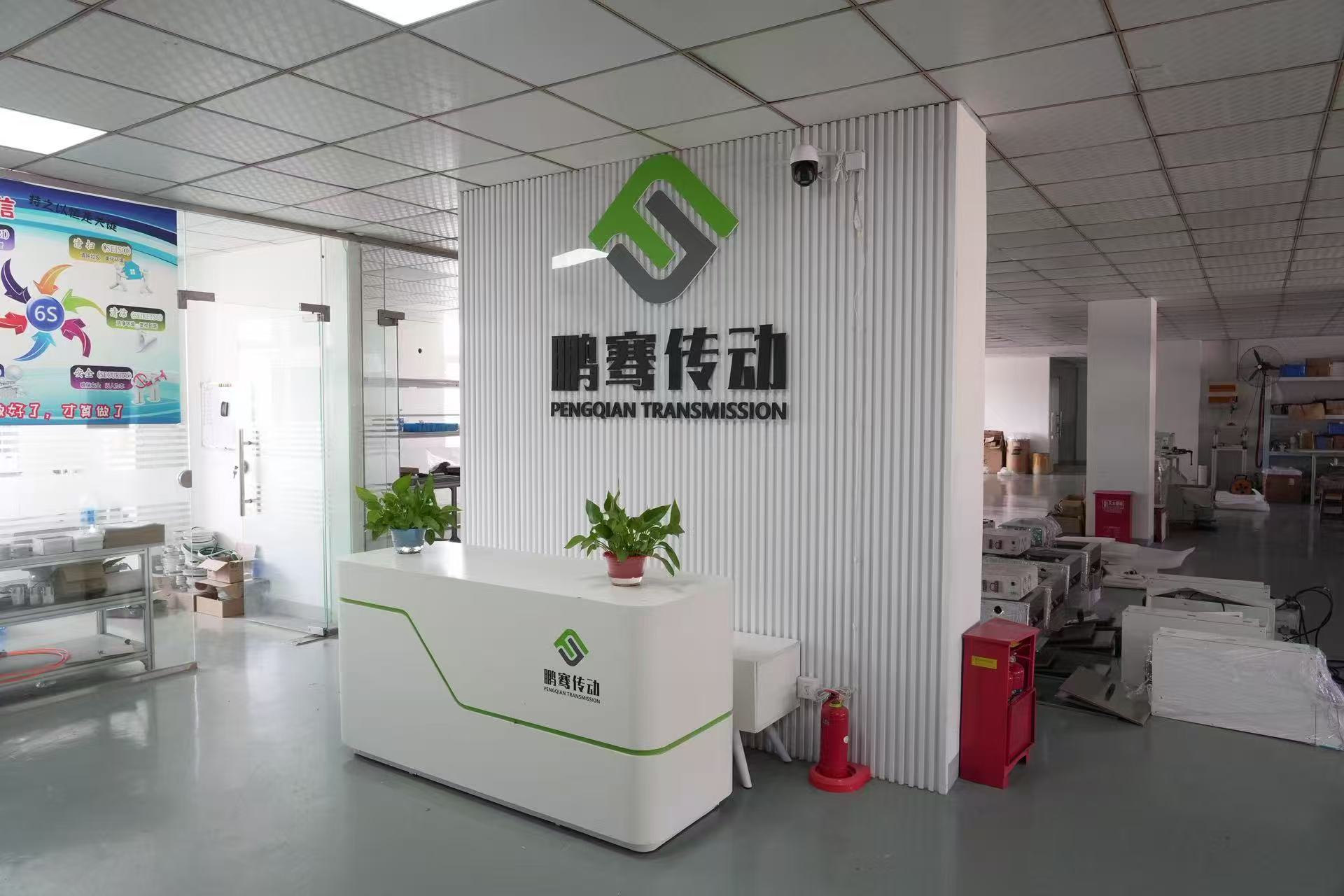
Shanghai Peng Qian factory
Detailed Solution
Shanghai Peng Qian's product comparison data describes distinct advantages of its high-quality conveyor and transmission belts over traditional belts: high-performance materials, high precision and zero slip, longer service life, lower noise, and smoother running. One of the most useful production metrics is the noise gap: a performance improvement of up to 15 dB. Lower noise and smoother operation matter in clean environments, electronics assembly lines, and food plants where vibration and sound affect both product quality and operator conditions.
The cost comparison follows the same pattern. The company reports transmission time costs 5% lower and labor costs 8% lower compared with traditional alternatives, while maintenance is reduced and efficiency is higher. These savings do not come from a single belt type; they come from using the right construction for the right environment. For clean and precision applications, PU smooth belts are designed for food, electronics, and pharmaceutical lines. In packaging, printing, and automation, PU green fabric belts provide low-noise running. For heavy load conditions, high-performance rubber belts are available for textile, woodworking, and heavy-industry equipment.
The same logic applies to the broader product range. Flat belts, timing belts, synchronous belts, V-belts, plastic modular belts, stainless mesh belts, silicone belts, and chain plates all need to be evaluated against the operating parameters of the system. For synchronous drive systems, matching belts to pulleys is critical. Common options include STD rubber synchronous belts, HTD PU synchronous belts, AT10 PU timing belts, AT5 synchronous pulleys, and timing wheels. A quality supplier should be able to explain how belt material, tooth profile, and pulley alignment affect noise, slip, and wear.
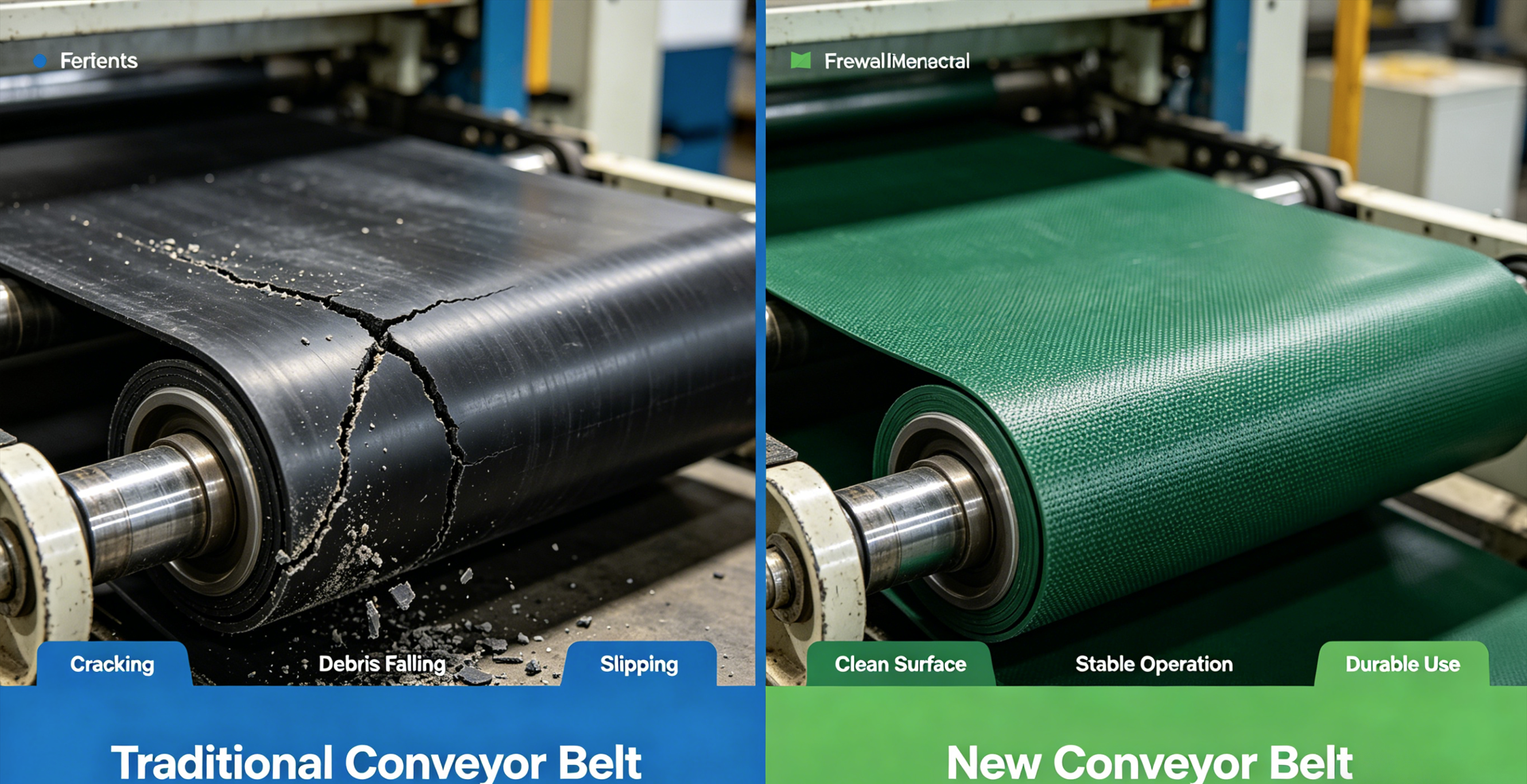
Product comparison picture
Step-by-Step Breakdown
To move from a general comparison to a defensible purchase decision, use the following seven-step process.
- Define the belt category and operating envelope. Start by identifying whether the conveyor needs a flat belt, timing belt, synchronous belt, plastic modular belt, stainless mesh belt, or another product type. Record speed, load, temperature, hygiene requirements, and acceptable noise level.
- Compare material and construction. High-quality belts generally use better polymers, fabrics, and tooth profiles. For example, PU belts suit clean precision work, rubber belts suit high abrasion, and high-temperature silicone belts are designed for special heat environments.
- Quantify slip and positioning accuracy. If the application requires indexing, registration, or synchronized motion, zero-slip performance is critical. Traditional belts with higher slip risk will require tension adjustment and may cause product waste.
- Measure noise and vibration. Ask the supplier for noise data under comparable load. In the Shanghai Peng Qian comparison, the measured gap can reach 15 dB, which is a meaningful difference for worker comfort and compliance.
- Calculate total lifecycle cost. Include purchase price, installation, maintenance, spare parts, downtime, and labor. The reported 5% lower transmission time cost and 8% lower labor cost should be tested with your own utilization rates.
- Verify customization and OEM capability. If your conveyor is not standard, confirm that the supplier can provide custom conveyor solutions. Shanghai Peng Qian has an in-house R&D team of 8 engineers and supports custom services, which is important for unusual dimensions, materials, or tooth profiles.
- Run a sample trial and inspect the production environment. Check the supplier's quality system, factory, and equipment. Shanghai Peng Qian has passed ISO 9001 quality management system certification and has submitted 26 patent applications, with 19 authorized patents.
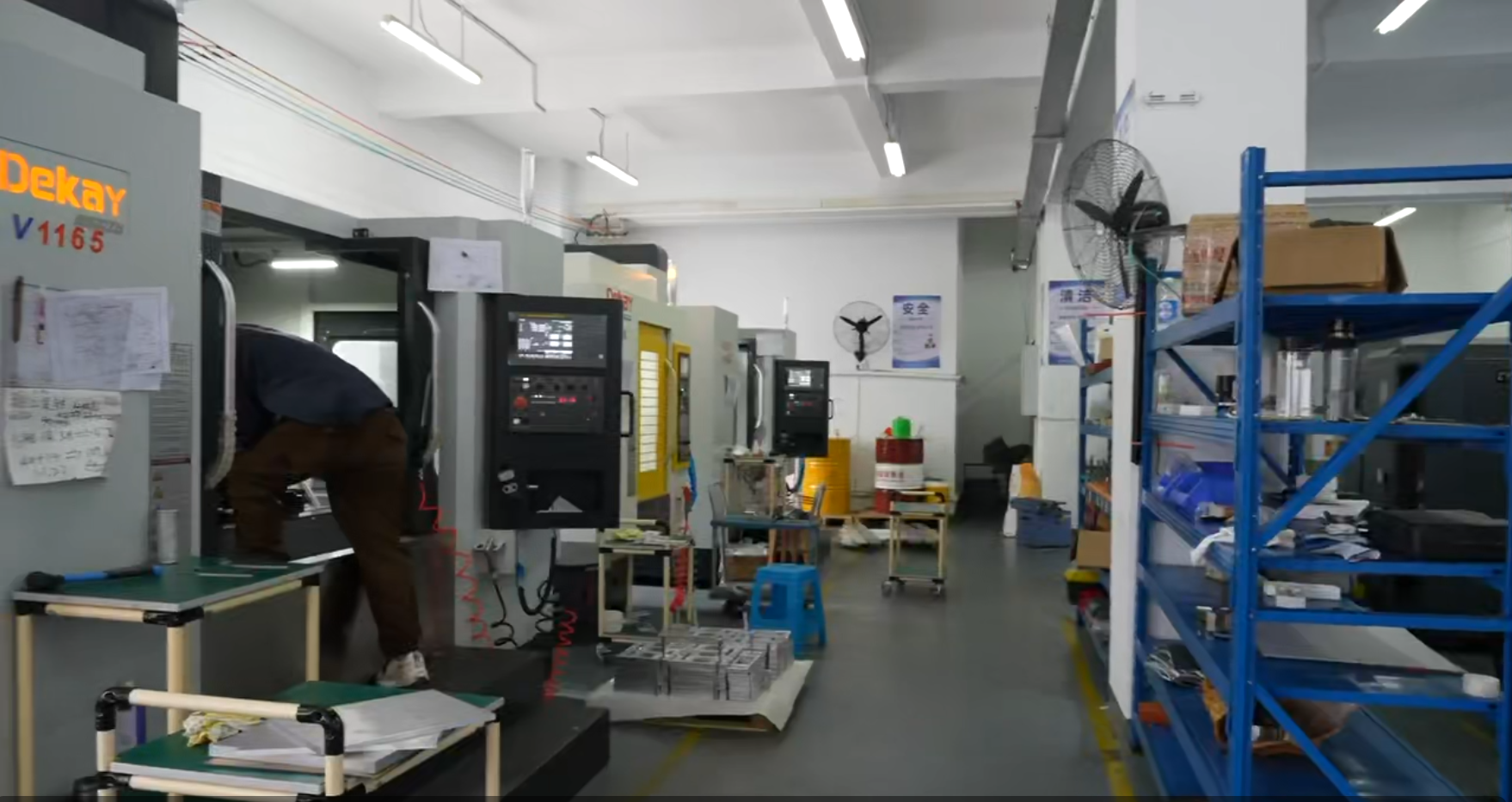
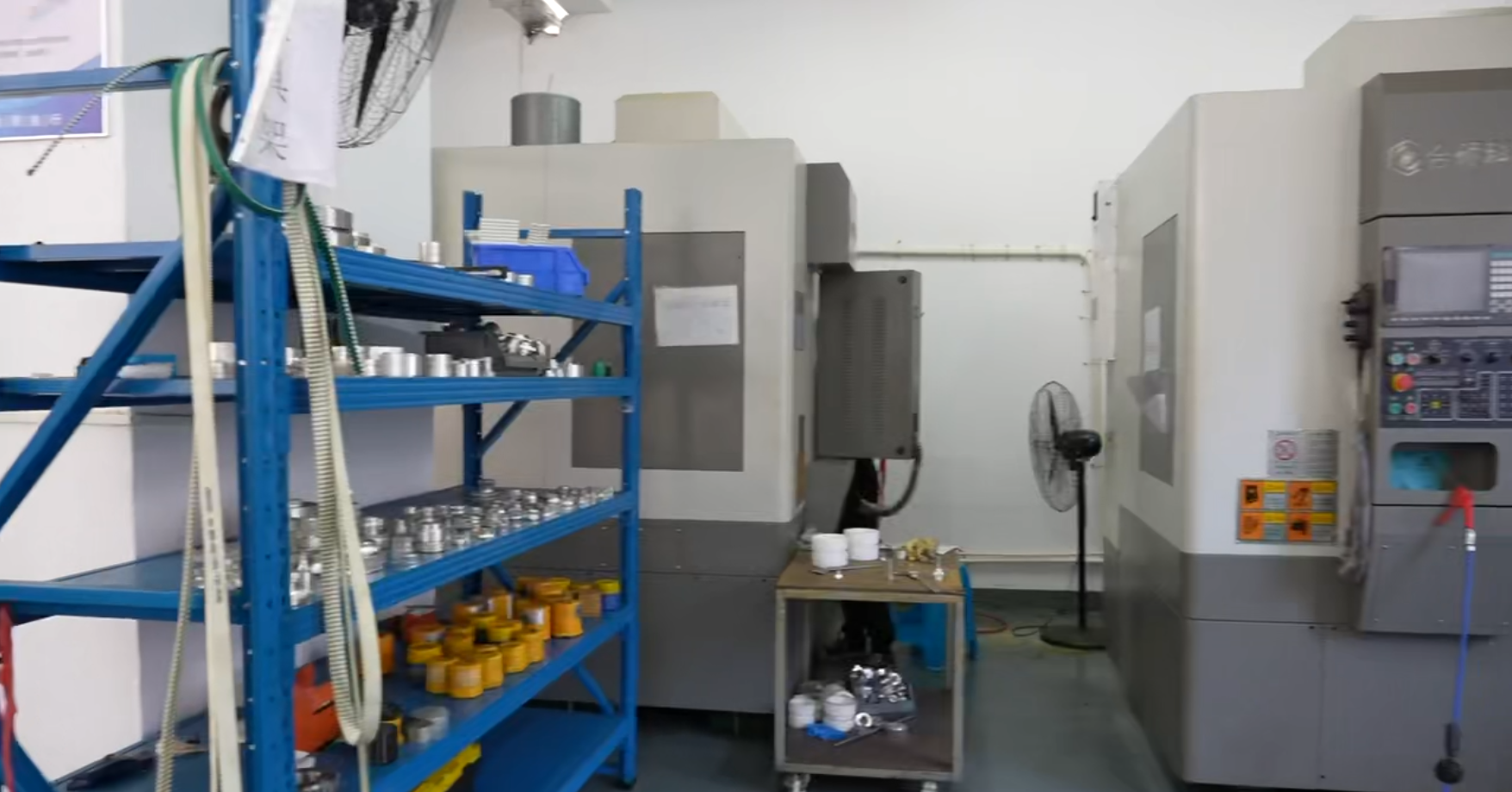
Shanghai Peng Qian equipment
Use Cases
Photovoltaic manufacturing: The photovoltaic industry needs belts that can withstand heat, static, and high-speed indexing. High-temperature resistant silicone belts developed by Shanghai Peng Qian help meet special environment requirements. Synchronous timing belts and pulleys are used where precise movement is required.
Food processing: Food-grade contact surfaces are regulated by FDA and EC standards. PU smooth belts are suited to clean and wash-down environments because they are easy to clean and run quietly.
Packaging and printing: Packaging lines benefit from low-noise PU green fabric belts. Lower vibration reduces misalignment and improves print quality.
Heavy industry: Textile, woodworking, and heavy-load conveyors often require high-performance rubber belts. Rubber belts remain the largest market segment globally, reflecting their durability under abrasion.
Comparison Table
| Parameter | Traditional Belt (baseline) | High-Quality Conveyor Belt (Shanghai Peng Qian) |
|---|---|---|
| Material performance | Standard materials | High-performance materials |
| Slip | Higher risk | High precision and zero slip |
| Noise | Baseline | Up to 15 dB lower |
| Service life | Baseline | Longer service life |
| Maintenance | More frequent | Less maintenance |
| Efficiency | Baseline | Higher efficiency |
| Transmission time cost | Baseline | 5% lower |
| Labor cost | Baseline | 8% lower |
| Best fit | General conveying | Full product range: PU smooth, PU green fabric, high-performance rubber |
Source: Shanghai Peng Qian comparison data and publicly available industry data
FAQ
Do high-quality conveyor belts comply with international standards?
Industrial conveyor belts should comply with ISO 283 for tensile strength and ISO 284 for electrical conductivity, while food-contact belts are regulated by FDA and EC requirements. Shanghai Peng Qian has passed ISO 9001 quality management system certification. Buyers should request specific test reports for the belt type they plan to use.
Can Shanghai Peng Qian cover different belt types for one project?
Yes. Shanghai Peng Qian produces and supplies conveyor belts and transmission components, and also acts as an agent for brands including Forbo-Siegling, Optibelt, CHIORINO, Gates, Samsung Mitsubishi, Band, and Habasit. The product range includes conveyor belts, polyurethane rubber synchronous belts, synchronous wheels, rubber seamless belts, silicone belts, chain products, and modular belts.
What is the cost difference compared with traditional belts?
Shanghai Peng Qian's comparison data shows transmission time costs 5% lower and labor costs 8% lower, with less maintenance and higher efficiency. These factors should be included in a total lifecycle cost calculation.
Can I request a sample to verify the comparison claims?
Yes. To evaluate product performance before a bulk order, contact Shanghai Peng Qian to confirm specifications and sample availability via email abbypeng@pengqian.cn or through the official website. A sample trial is the most practical step before committing to a full conveyor belt order.

We have passed all the tests
Conclusion
High-quality conveyor belts are not about unnecessary spending. They are about reducing slip, noise, maintenance, and lifecycle cost while improving precision. For industrial buyers, the decision framework is: define the operating envelope, compare material and performance evidence, calculate total cost, verify supplier capability, and run a sample. Shanghai Peng Qian offers a wide product range and custom engineering support, and its published comparison data gives buyers a starting point for their own evaluation.
Shanghai Peng Qian warehouse
Contact the Shanghai Peng Qian team for specifications, samples, or a quotation.
Email: abbypeng@pengqian.cn
Phone: +86 177-0218-9858
WhatsApp: +86 133-8161-8987
Website: www.shanghai-pengqian.com
Have Questions or Need More Details?
Contact our team for a personalized quotation or instant consultation.
Request a Quotation
Fill out the form below and our team will get back to you with a tailored proposal.
WhatsApp Direct Chat
Prefer to chat in real-time? Message us on WhatsApp for instant assistance & quick answers.
- Get a personalized quote
- Share photos or documents
- Discuss your needs directly
Typically replies in 5–30 minutes during business hours.