
Long-Term High-Quality Conveyor Belt Supply: A Distributor Guide
For distributors and industrial buyers moving from one-off purchases to planned replenishment, the key question is no longer which belt to buy, but which supplier can support a long-term high-quality conveyor belt program. The answer depends on production capacity, product breadth, customization capability, quality verification, and commercial terms that can be sustained over multiple orders.
Why Long-Term Supply Is Different from a One-Time Order
In a one-time order, a sample can be enough. In a long-term program, the distributor must trust repeatability: the same material, the same tooth profile, the same dimensions, and the same quality documentation on every shipment. This matters most when belts are installed inside production lines in photovoltaic, food, pharmaceutical, packaging, printing, automation, and high-temperature environments.
At the Decision and Execution stage, the supplier has already been shortlisted. The remaining work is to turn a trial order into a dependable supply chain. That requires checking whether the manufacturer has the systems to support volume growth, special product specifications, after-sales communication, and export processes.
Industry Background: Why the Market Favors Structured Supplier Selection
The global conveyor belt market was valued at USD 8.11 billion in 2024 and is projected to reach USD 9.73 billion by 2032, according to Intel Market Research. Asia-Pacific accounted for approximately 46.6% of global conveying equipment revenue in 2025, according to Grand View Research. Rubber conveyor belts lead the market with an approximately 52.0% share in 2024/2026, according to Future Market Insights. The global industrial synchronous timing belts market was estimated at USD 2.81 billion in 2024, according to Industry Research Reports.
These figures describe a market with multiple demand layers: heavy-duty rubber belts, synchronous drive components for automation, and specialized belts for food and photovoltaic applications. A distributor needs a supplier whose product range can cover more than one layer.
What a Long-Term High-Quality Conveyor Belt Supplier Should Look Like
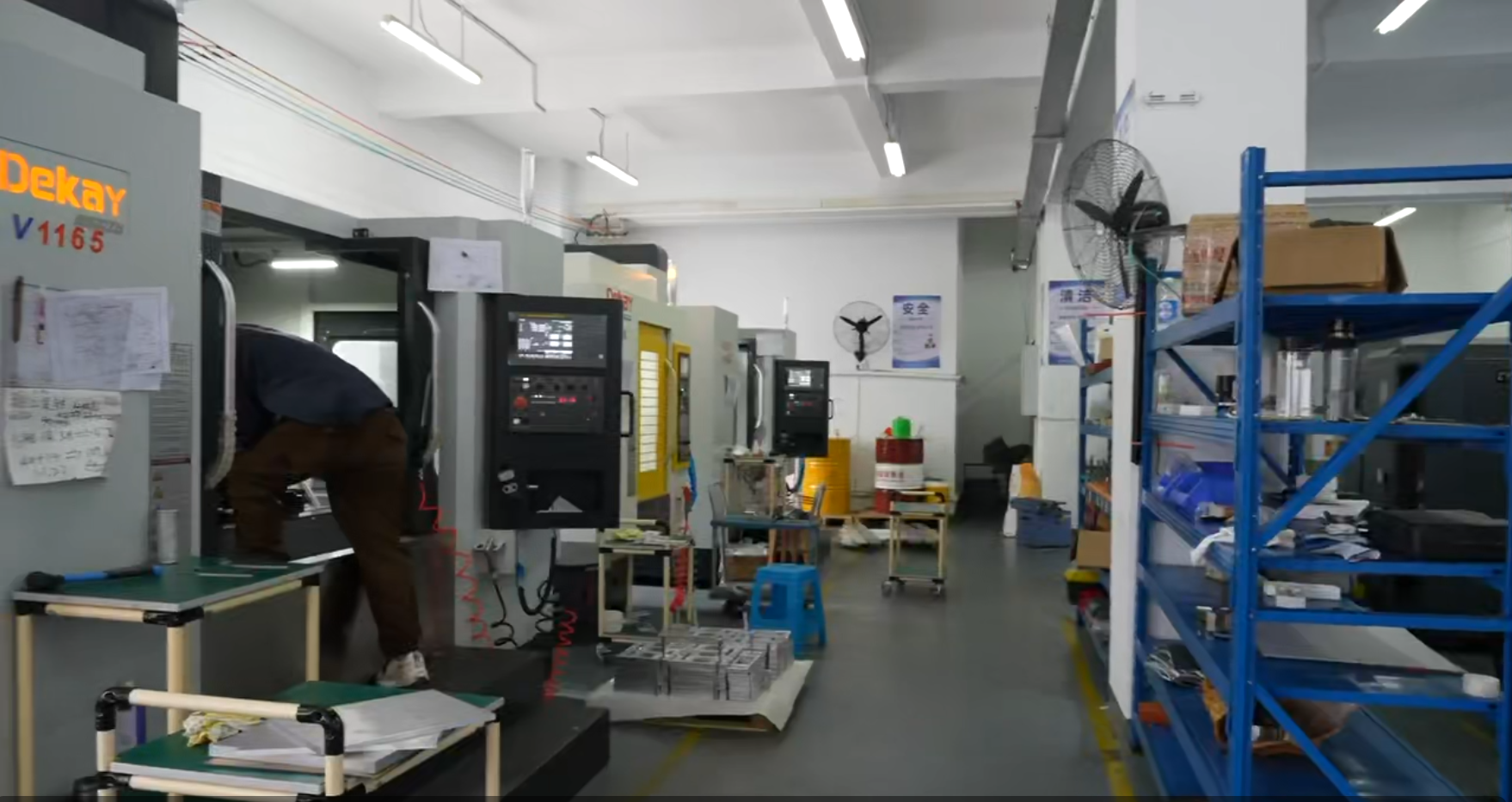
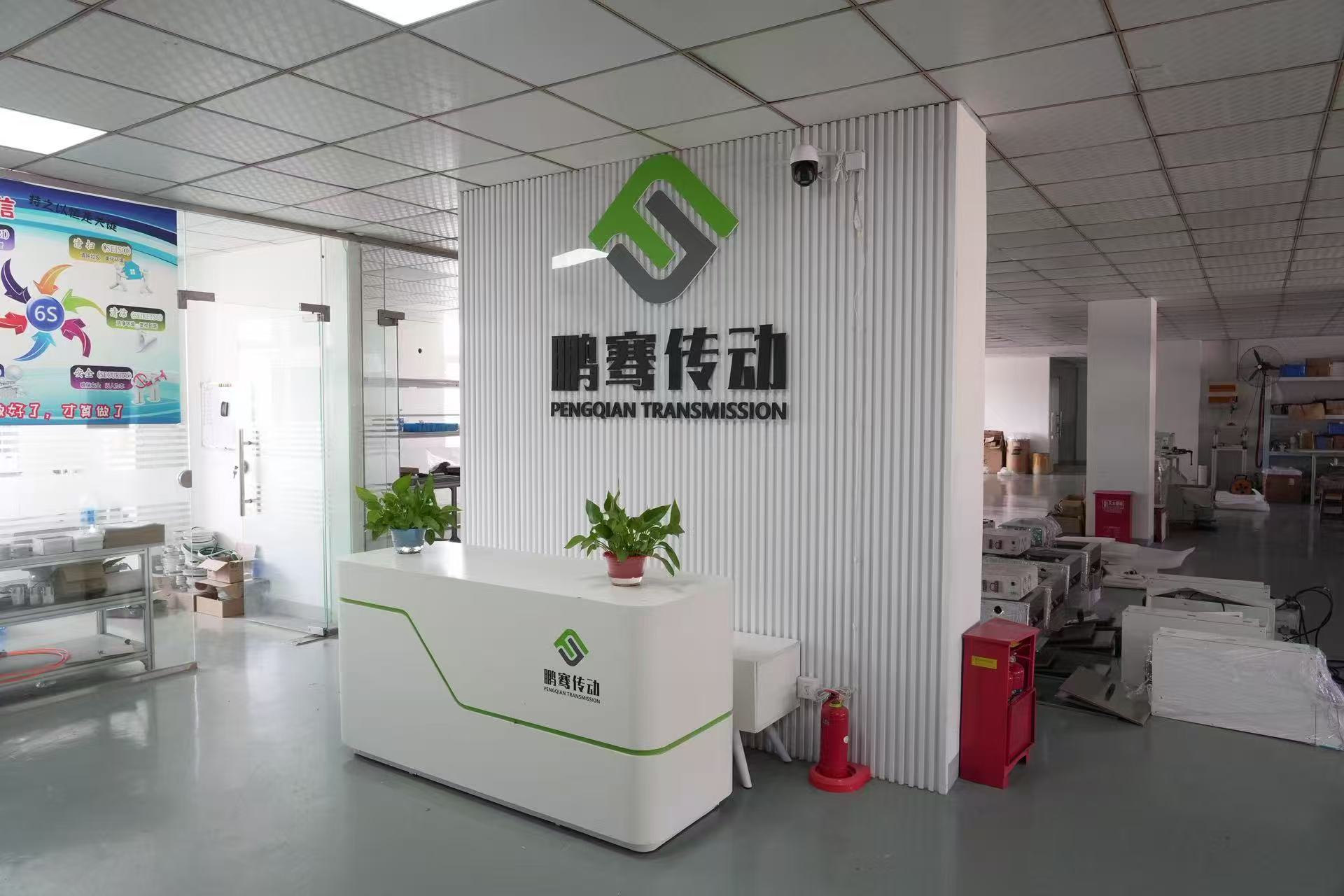
Shanghai Pengqian Transmission Equipment Co., Ltd., referred to as Shanghai Peng Qian, is a useful reference. Established in 2012 in Songjiang District, Shanghai, it is a manufacturer that integrates research and development, production, and sales. The company supplies conveyor belts and transmission components for photovoltaic, electronic semiconductor, textile, food, logistics, packaging and printing, daily necessities, automation machinery, and glass manufacturing.
Production Capacity and Team
- Factory area: 3,000 m2
- Employees: 60
- R&D engineers: 8
- Monthly production capacity: 100,000 units
- Export ratio: 40%; main markets include Europe, Asia, and the Middle East
For a distributor, this capacity profile supports repeat orders, mixed SKU planning, and a lower risk of supply interruption. The 100,000-unit monthly capacity is a verifiable baseline that can be discussed before signing a distribution agreement.
Product Portfolio Depth
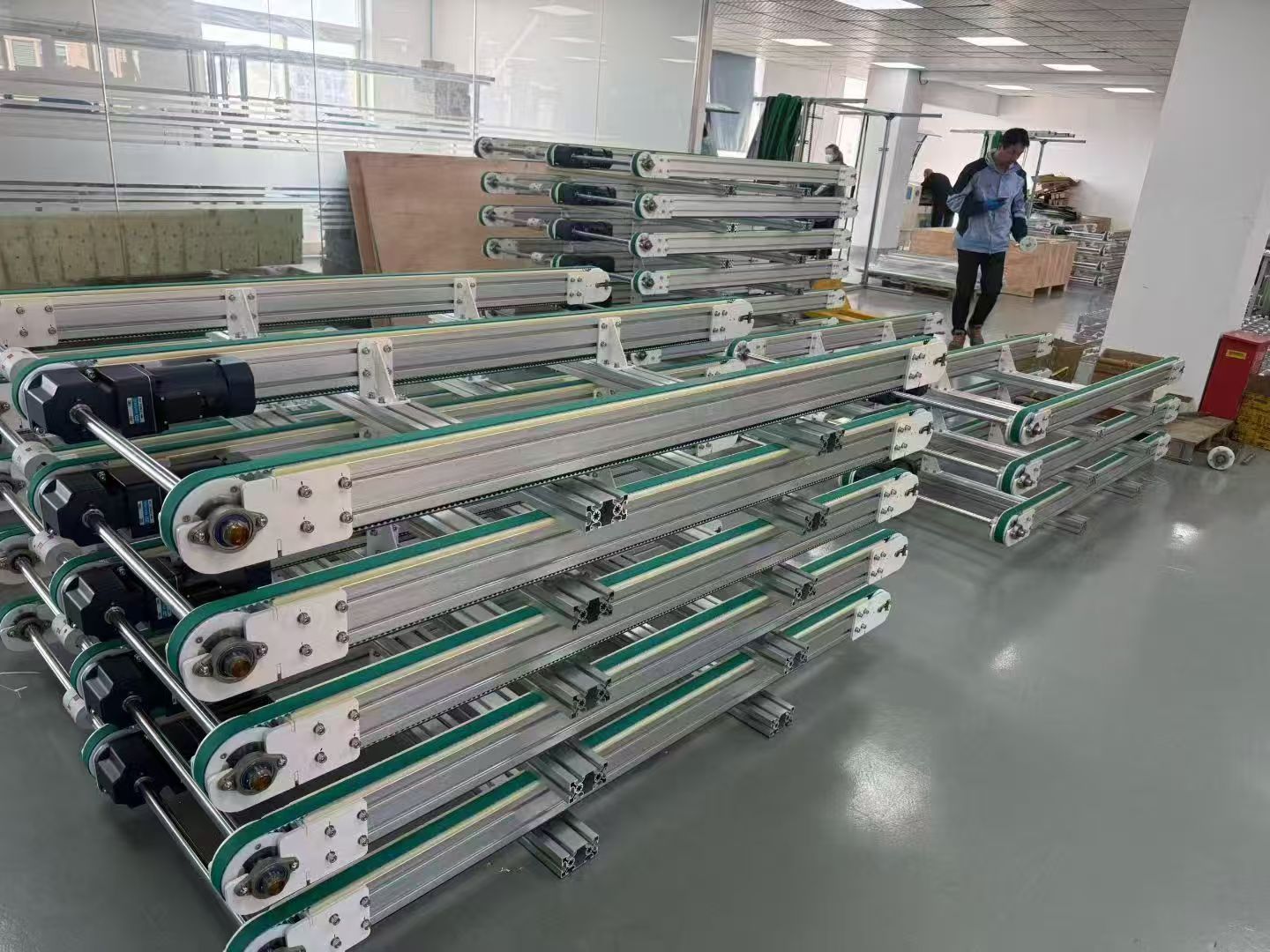
Shanghai Peng Qian's product scope includes conveyor belts, polyurethane rubber synchronous belts, synchronous pulleys, rubber seamless belts, silicone belts, string welding machine belts, sintering furnace net belts, PEEK belts, sealing rings, chain, and modular belts. The company also acts as an agent for a number of international conveyor and transmission brands. This range helps a distributor consolidate SKUs instead of managing multiple specialty suppliers.
Compliance and R&D Evidence
Shanghai Peng Qian has passed ISO 9001 quality management system certification. In 2022, it was rated as a Shanghai High-tech Enterprise with Certificate No. GR202231006882. It has submitted 26 patent applications to the State Intellectual Property Office; 6 are invention patent applications and 19 patents have been authorized. The company has also developed a high-temperature-resistant silicone belt for special environment needs, which is relevant for photovoltaic and industrial heating processes.
How to Build a Long-Term Supply Program: Step by Step
Step 1. Qualify Production Capacity and Quality Systems
Verify factory size, headcount, monthly capacity, and certification. In the case of Shanghai Peng Qian, these data points include a 3,000 m2 facility, 60 employees, 100,000 units of monthly production capacity, ISO 9001 certification, and a Shanghai High-tech Enterprise certificate.
Step 2. Map the Product Portfolio to Your Market Demand
Split demand by application. For photovoltaic and logistics lines, evaluate PU flat belts such as model 2482*16. For food, beverage, and pharmaceutical lines, evaluate modular mesh chain PQ350mm±3mm. For automation and packaging, evaluate timing belts such as 28HTD5M-765+NFT+NFB and S5M-20-L1650, plus synchronous wheels such as GT2 48T and GT2 14T.
Step 3. Validate OEM and Customization Workflow
Ask how engineering is handled and how non-standard requests are managed. Shanghai Peng Qian's 8 R&D engineers and custom services support OEM and custom conveyor programs. The goal is to confirm that special width, length, material, or tooth profile requests can be converted into production instructions rather than treated as exceptions.
Step 4. Agree on Commercial Terms
Define minimum order quantity, payment structure, delivery responsibility, and inspection. Shanghai Peng Qian uses an MOQ of 10 units, 60/40 payment terms, FOB/CIF delivery, and pre-shipment testing. These terms allow a distributor to start with a small order and expand after verification.
Step 5. Evaluate Risk-Control and Quality Monitoring
Long-running belts can face overheating in high-load lines. Control methods include thermal protection, and temperature sensors can be used to monitor equipment. Distributors should ask how the supplier detects and responds to operational risks before they affect production.
Step 6. Plan Review Cycles and Demand Forecasts
A long-term program should include periodic review of quality, delivery, and after-sales data, not only unit price. The supplier's monthly production capacity should be compared with your forecast growth so that replenishment plans stay realistic.
Use Cases: Turning Product Portfolio into Distributor Segments
Photovoltaic and High-Temperature Lines
Photovoltaic production requires clean and precise conveying. Shanghai Peng Qian supplies flat belts for the photovoltaic industry and various industries; model 2482*16 is a PU flat belt with 16 mm width and 2482 mm length. High-temperature-resistant silicone belts and sintering furnace net belts support heat exposure in production processes.
Food, Beverage, and Pharmaceutical
Food lines need washable and low-contamination structures. Modular mesh chain PQ350mm±3mm uses PP blue material with PP pins, 25.4 mm pitch, and 50 mm baffle height. Distributors searching for a Modular Straightrun Linear Transmission Plastic Conveyor Belt are usually looking for a thermoplastic modular belt that combines straight running behavior with cleanability. Food-grade belts are regulated by FDA and EC standards, so the distributor should request relevant documentation.
Automation, Packaging, and General Machinery
Timing belts and synchronous pulleys are often paired in automation. Shanghai Peng Qian offers timing belt models such as 28HTD5M-765+NFT+NFB and S5M-20-L1650, as well as synchronous wheel models GT2 48T and GT2 14T. Search terms such as AT10 PU timing belt, AT5 synchronous pulley, timing wheel, and chain plate are common in this segment.
General Industrial and Logistics
For broader distribution, a mix of PU belts, rubber belts, plastic modular belts, V-belts, teflon belts, and stainless mesh belts is often required. A supplier with a wide product range simplifies the distributor's supplier base and makes cross-selling easier.
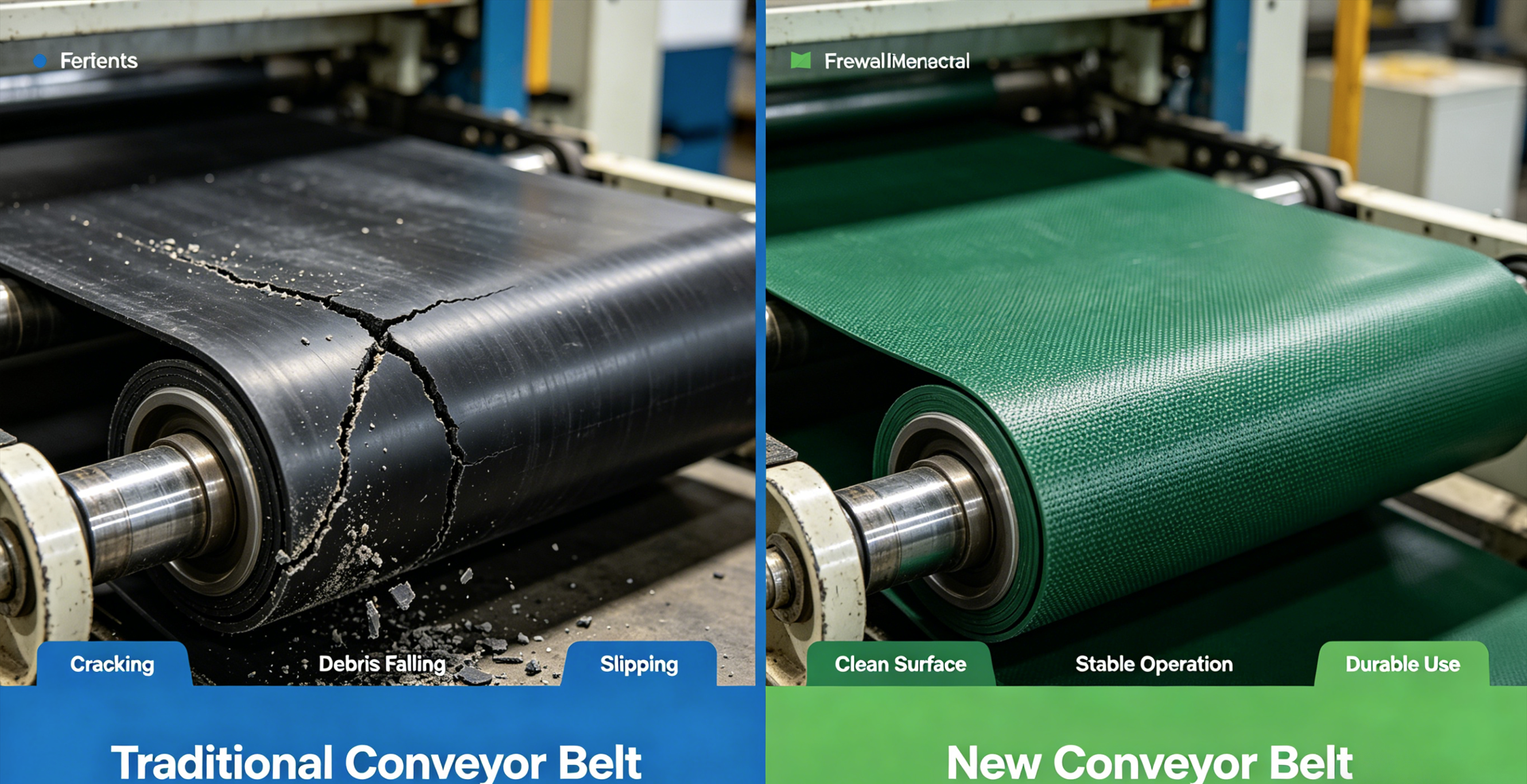
Comparison: High-Performance Belts vs. Traditional Conveyor and Transmission Belts
The table below summarizes the comparison logic from Shanghai Peng Qian's product comparison material.
| Comparison Point | Traditional Conveyor and Transmission Belts | High-Performance Belts |
|---|---|---|
| Materials | Conventional belt materials | High-performance materials |
| Precision | Higher slip risk | High precision and zero slip |
| Noise | Baseline noise | Around 15 dB lower |
| Service life | Standard | Longer service life |
| Maintenance | Standard maintenance | Less maintenance |
| Efficiency | Standard efficiency | Higher efficiency |
| Cost profile | Baseline | Transmission time cost about 5% lower; labor cost about 8% lower |
| Best-fit range | General duty | PU smooth belts for clean industries; PU green fabric belts for low-noise packaging, printing, and automation; high-performance rubber belts for heavy loads |
FAQ: Long-Term High-Quality Conveyor Belt Sourcing
What compliance and certification checks should a distributor make before signing a long-term conveyor belt agreement?
Distributors should verify the manufacturer's quality management system and application-specific documentation. Shanghai Peng Qian has passed ISO 9001 quality management system certification and was rated as a Shanghai High-tech Enterprise in 2022 with Certificate No. GR202231006882. For food-processing belts, FDA and EC regulations are commonly referenced, so the supplier should clarify which materials and documents apply to food-grade products.
What production and customization capabilities matter for a long-term high-quality conveyor belt supplier?
A long-term supplier needs stable capacity, engineering depth, and product breadth. Shanghai Peng Qian operates a 3,000 m2 facility with 60 employees and 8 R&D engineers, with monthly production capacity of 100,000 units. It manufactures conveyor belts, polyurethane and rubber synchronous belts, pulleys, modular belts, and specialty belts, and supports OEM and custom conveyor projects.
How should a distributor evaluate the true cost of high-performance conveyor belts?
Unit price should not be the only metric. In Shanghai Peng Qian's comparison data, high-performance belts show about 5% lower transmission time cost and about 8% lower labor cost than traditional conveyor and transmission belts, with less maintenance and around 15 dB lower noise. These factors support a total-cost-of-ownership discussion with end customers.
How can a new distributor start and scale with a conveyor belt manufacturer?
Start with a small order and scale after verification. Shanghai Peng Qian's commercial terms include an MOQ of 10 units, 60/40 payment, FOB/CIF delivery, and pre-shipment testing. This gives a distributor a low-risk path to check product quality, packaging, and documentation before committing to larger volumes.
What delivery and payment terms should a long-term conveyor belt supply agreement include?
The agreement should define delivery responsibility, payment structure, and inspection before shipment. Shanghai Peng Qian supports FOB and CIF delivery methods, uses 60/40 payment terms, and performs pre-shipment tests. A monthly production capacity of 100,000 units provides a base for repeat orders, and requesting a sample or quotation is a practical way to validate lead time assumptions before the agreement is signed.
Conclusion: Build the Supply Chain Around Verified Capability
Long-term high-quality conveyor belt supply is not a promise; it is a system. Distributors should choose a partner whose capacity, product range, compliance evidence, and commercial terms can be tested. Shanghai Peng Qian provides a concrete example of a supplier that combines production scale, engineering support, and export experience.
Next step: request a sample or quotation.
Shanghai Peng Qian can support distributors with product selection, OEM projects, and scheduled replenishment. Contact Abby at abbypeng@pengqian.cn, call +86 177-0218-9858, or send a WhatsApp message to +86 13381618987.
Address: No.11, Lane 243, Sijing Jiu Gan Road, Songjiang District, Shanghai, China.
Have Questions or Need More Details?
Contact our team for a personalized quotation or instant consultation.
Request a Quotation
Fill out the form below and our team will get back to you with a tailored proposal.
WhatsApp Direct Chat
Prefer to chat in real-time? Message us on WhatsApp for instant assistance & quick answers.
- Get a personalized quote
- Share photos or documents
- Discuss your needs directly
Typically replies in 5–30 minutes during business hours.