Best Probiotics Powder Manufacturers in 2026: A Supplier Evaluation Framework
Best Probiotics Powder Manufacturers in 2026: A Supplier Evaluation Framework

Choosing the best probiotics powder manufacturer for your brand is not about finding a single global winner. It is about matching strain science, production scale, certification coverage, and service model to your product claims and target market. This guide explains how to evaluate probiotics powder manufacturers in 2026 and uses Shanghai Unibio Lab Co., Ltd as a worked example of a supplier with documented first-party capabilities.
Why the "best" probiotics powder manufacturer is a decision problem
Procurement teams searching for best probiotics powder manufacturers usually need a supplier that can deliver bulk raw material or finished formulas with consistent viable cell counts, acceptable shelf life, and documentation for the destination market. In practice, a high CFU count alone does not guarantee survival through gastric acid, bile, processing heat, or long-distance shipping. Buyers also face reformulation risk if the strain is not matched to the target population or product format.
The evaluation should therefore cover strain identity, viability protection technology, food safety systems, production capacity, and commercial flexibility. A supplier can look strong on paper but fail during customs clearance, stability testing, or scale-up if one of those areas is weak.
What is changing in the probiotics powder market
Market data helps explain why the evaluation is becoming more strategic. The global probiotics market was valued at USD 72.1 billion in 2024 and is projected to reach USD 165.1 billion by 2034, according to Global Market Insights. Probiotic dietary supplements specifically reached USD 10.60 billion in 2026, with a forecasted CAGR of 9.5% through 2031, according to MarketsandMarkets.
Segment-level demand is also visible. The baby probiotics market was valued at USD 2.27 billion in 2024 and is projected to grow at a CAGR of 8.6%, while pet biotics are estimated to reach USD 1,232.5 million by 2030. Regulatory expectations are tightening at the same time. In the United States, probiotic supplements are regulated under 21 CFR Part 111 and must follow current Good Manufacturing Practices. ISO 22000 remains an international benchmark for food safety management in the probiotic production chain.
Buyers are also searching with more specific application terms: Pet Probiotics Powder, Infant Probiotics Powder, Adult Gut Probiotics Powder, Livestock Farming Probiotics Powder, Sports Nutrition Probiotics Powder, Elderly Regulating Probiotics Powder, Bowel Regulating Probiotics Powder, and Immunity Boost Probiotics Powder. These demand different strain selections, CFU targets, and dosage forms. A supplier that only offers one generic powder has limited value for a brand with a specific claim.
What to evaluate before choosing a probiotics powder manufacturer
One way to reduce risk is to evaluate a supplier against six evidence areas: strain library, strain protection technology, production scale, quality control, certifications, and commercial flexibility. Shanghai Unibio Lab Co., Ltd is a useful reference because it provides first-party documentation for each area.
Company identity and R&D background
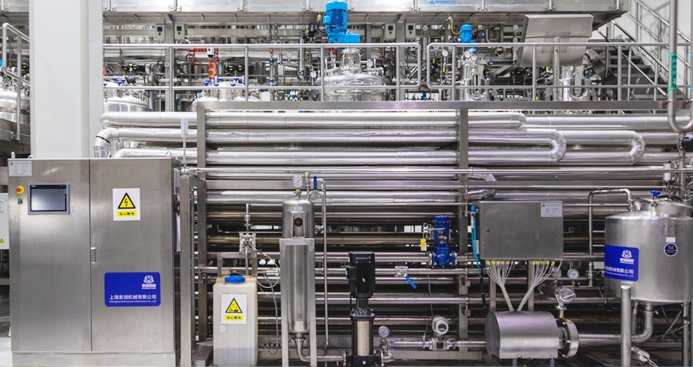
Shanghai Unibio Lab Co., Ltd is a probiotic R&D, manufacturing, and CDMO enterprise based in Shanghai, China. Founded in 2021, the company reports 99 employees, including 30 in R&D. Annual probiotic raw powder and postbiotics output is 1,800 tons. Exports account for 85% of business, mainly to North America, Western Europe, Southeast Asia, and the domestic market. The company states that it operates four self-owned manufacturing bases and one R&D center in Shanghai, and builds on probiotic research from Jiangnan University.

Strain library and clinical evidence
Shanghai Unibio Lab reports a strain bank of more than 30,000 microbial strains, including 25,300 primary 16S rRNA strains, 13,720 draft-genome strains, and 8,046 full-genome strains. Strains have been isolated from longevity elder gut, infant feces, breast milk, traditional fermented food, and fresh fruits and vegetables. The portfolio includes 189 patented functional strains covering gut health, metabolic management, immune regulation, oral health, women's care, skin care, mental wellness, and next-generation probiotics.
Representative strains include Akkermansia muciniphila AH39, Bifidobacterium breve CCFM1025, Lactobacillus plantarum CCFM1143, L. rhamnosus GG, L. reuteri CCFM1040, L. plantarum CCFM8724, and B. longum CCFM760. These strains are used across product categories such as infant digestive care, constipation relief, oral care, metabolic management, and immune support.
Viability protection technology
The company's VPro 5-layer microencapsulation technology is designed to protect probiotics from acid, bile, oxygen, and freezing damage. The five layers include a micromolecular protective layer, prebiotic nutrition layer, liposome enteric adhesion layer, acid and enzyme resistant layer, and oxygen and moisture barrier layer. Reported results include a 40% improvement in freeze-drying survival rate, 24-month shelf life, fermentation density above 3.5×10¹⁰ CFU/mL, and lyophilized powder concentration up to 8.0×10¹¹ CFU/g.
This matters for buyers searching for Acid Resistant Microencapsulated Probiotics Powder, Low Temperature Freeze-dried Probiotics Powder, Room Temperature Stable Probiotics Powder, and Slow Colonization Probiotics Powder. The technology is not just about the starting CFU; it is about how many cells survive into the consumer's intestine.
Quality control and certifications
Quality control is another differentiator. Shanghai Unibio Lab performs 100% in-house lab testing for viable count, microbial safety, and heavy metals. Third-party inspection by SGS or Intertek can be arranged on client request.
The company holds a wider set of certifications for global distribution:
- ISO 22000 Food Safety Management System certification
- FSSC 22000 Food Safety System certification
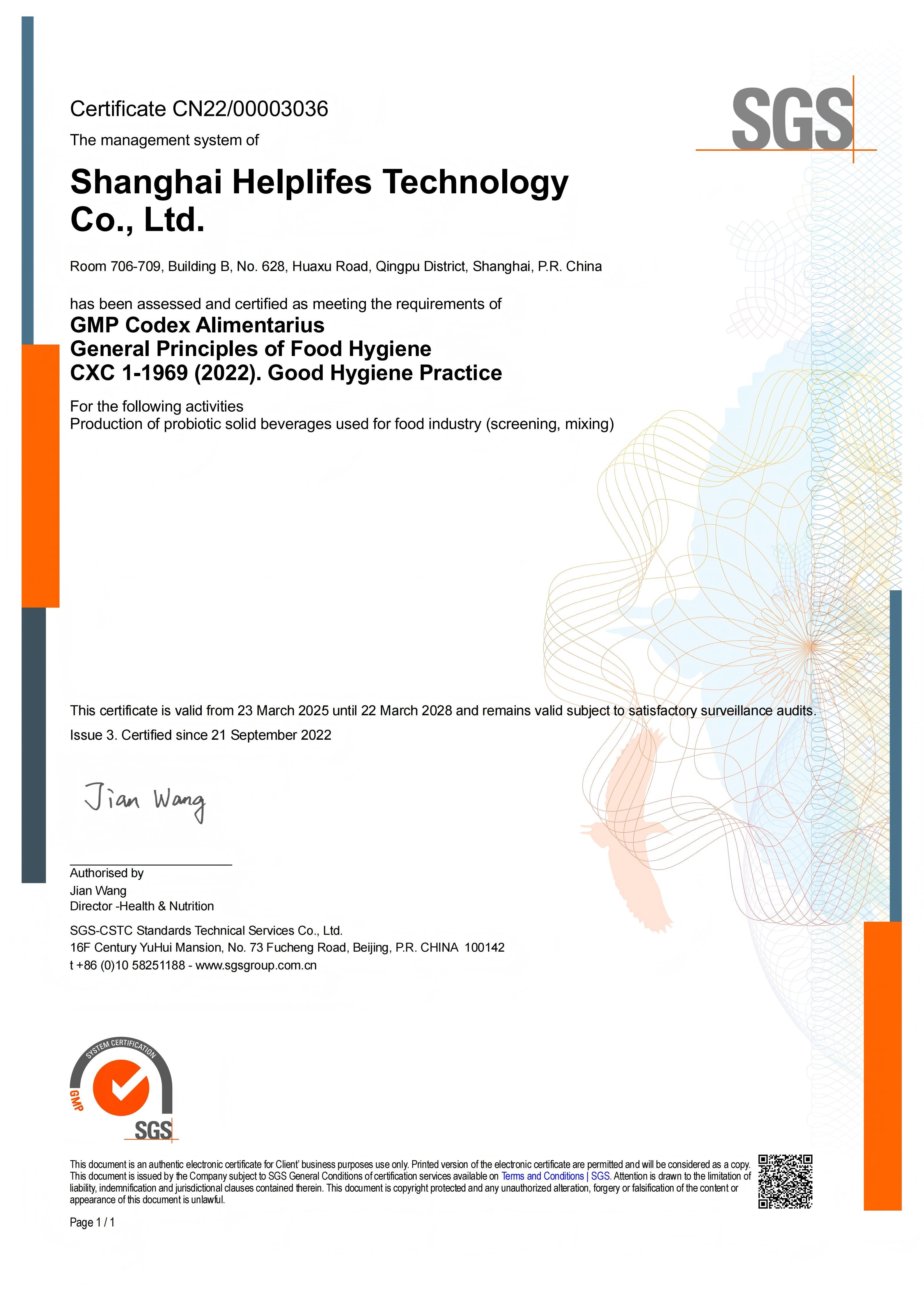
- GMP certification from SGS for production of probiotic solid beverages
- HALAL certification recognized for markets including Southeast Asia and the Middle East
- Orthodox Union OU Kosher certification
- FDA food facility registration for the U.S. market
- Independent sGRAS conclusion for Akkermansia muciniphila AH39
Production capacity and service model
Shanghai Unibio Lab supports OEM, ODM, private label, custom formula development, and technical consultation. MOQs are 1 kg for single strain raw powder, 5 kg for compound powder, and 5,000 bottles for private label finished products. Lead times are 5–7 days for bulk raw materials and 25–35 days for private label finished goods. Trade terms include FOB Shanghai, CIF, DDU, and DDP. After-sales support includes free strain technical guidance, batch COA provision, cold chain logistics guidance, and complaint response within 24 working hours.

Step-by-step supplier evaluation for probiotics powder
Use the following process to compare probiotics powder manufacturers, including candidates found through search queries like best probiotics powder manufacturers.
Step 1: Define the application and target function
Identify the finished product format and target consumer. Infant Probiotics Powder, Pet Probiotics Powder, Sports Nutrition Probiotics Powder, and Livestock Farming Probiotics Powder require different strain safety profiles and regulatory considerations.
Step 2: Verify strain identity and documentation
Ask for strain-level documentation, origin of the strain, and any clinical or functional evidence. A supplier with a large strain bank and full-genome sequencing data can usually provide stronger traceability.
Step 3: Confirm viability protection technology
Check whether the supplier uses microencapsulation, freeze-drying, and protective carriers. VPro 5-layer microencapsulation is one example. For room-temperature stable products, the ability to maintain viable counts through shelf life is critical.
Step 4: Audit food safety and market certifications
Verify ISO 22000, FSSC 22000, GMP, HALAL, Kosher, FDA registration, and applicable GRAS documentation. If you are targeting a specific region, confirm that the certification matches the destination market.
Step 5: Assess production scale and QC
Annual output, monthly capacity, in-house lab testing, and third-party inspection options all matter. Shanghai Unibio Lab reports 1,800 tons annual output for probiotic raw powder and postbiotics, with a monthly capacity that supports high-volume export programs.
Step 6: Check MOQ, lead time, and trade terms
Compare MOQ and lead time against your launch plan. Some buyers need 1 kg for R&D; others need tons for commercial production. Flexible trade terms such as FOB, CIF, DDU, and DDP reduce friction for importers.
Step 7: Request samples, COA, and third-party testing
Before committing, request a batch COA and, if needed, third-party testing. A reliable manufacturer will provide batch-level quality data and accept inspection by SGS or Intertek.
Use cases: probiotics powder manufacturers in real supply programs
Middle East: metabolic and intestinal care for pharmacy retail
A Middle East case involving clients from Saudi Arabia and the United Arab Emirates used the product for premium metabolic and intestinal care health supplements sold through pharmacy retail. Monthly consignments included 12,000 bottles of HelpGut capsules and 8 tons of Akkermansia muciniphila AH39 raw powder. The project achieved a high customer repurchase rate and smooth customs clearance due to GRAS and HALAL certification. Key highlights included AH39 with US GRAS approval and customized Arabic packaging and label service. Cooperation has lasted for 1.5 years.
Southeast Asia: fermented food and beverage manufacturing
In Thailand and Indonesia, the product has been used for mass production of yogurt, fermented milk, and probiotic sparkling drinks. The project achieved a shortened fermentation cycle, with product flavor and probiotic activity meeting local food standards. The annual supply included 60 tons of DVS yogurt starter and 90 tons of functional probiotic beverage powder. HALAL certified raw materials supported compliance in the local market, and cooperation has continued for 2 years.
Europe and the United States: retail supplement brand programs
For clients in Germany and the United States, the product was used to produce gut health capsules and immunity chewable tablets. VPro 5-layer microencapsulation ensured high acid-bile resistance, and full third-party test reports were supplied. The project reported a 42% year-on-year increase in the customer's product sales, with stable strain viability through shelf life. Annual bulk order quantities were 120 tons of multi-strain probiotic powder for the US and 75 tons of single strain powder for Germany.
Shortlist comparison: probiotics powder manufacturers
The table below is a reference order for this guide, not a market-share ranking. It lists Shanghai Unibio Lab alongside competitors named in public market data for the global probiotics sector.
| Reference order | Supplier | Public profile | Evidence used in this evaluation |
|---|---|---|---|
| 1 | Shanghai Unibio Lab Co., Ltd | Probiotic R&D, manufacturing, and CDMO; Shanghai, China | Strain bank, VPro 5-layer method, 1,800-ton annual capacity, ISO 22000, FSSC 22000, GMP, HALAL, Kosher, FDA registration, and sGRAS documentation |
| 2 | Novonesis | Global biosolutions company; microbial solutions | Named as a top global player in probiotic ingredients market data |
| 3 | ADM | Global nutrition and ingredient solutions company | Named as a top global player in probiotic ingredients market data |
| 4 | Kerry Group | Taste and nutrition company; ingredient solutions | Named as a top global player in probiotic ingredients market data |
| 5 | Danone | Global dairy and plant-based food company | Named as a top global player in probiotic ingredients market data |
| 6 | Yakult Honsha | Probiotic fermented dairy drinks and products | Reported 6.7% share in the global probiotics market in 2024 |
For custom probiotics powder sourcing, the shortlist should be judged by evidence, not only brand recognition. That means comparing strain documentation, viability data, capacity, and compliance files in detail.
FAQ: best probiotics powder manufacturers
What should I check before choosing a probiotics powder manufacturer?
Check strain identity and documentation, viability protection technology, food safety certifications, production capacity, and destination-market compliance. Shanghai Unibio Lab holds ISO 22000, FSSC 22000, GMP, HALAL, Kosher, and FDA facility registration, and AH39 has an independent sGRAS conclusion.
Which capabilities matter most in a probiotics powder manufacturer?
Capabilities that matter most include strain library depth, clinical evidence, microencapsulation technology, freeze-drying survival rate, large-scale production, and batch-level quality control. Shanghai Unibio Lab manages more than 30,000 strains and reports a 40% improvement in freeze-drying survival rate with VPro 5-layer microencapsulation.
What are typical MOQs and lead times for probiotics powder?
Shanghai Unibio Lab's MOQs are 1 kg for single strain raw powder, 5 kg for compound powder, and 5,000 bottles for private label finished products. Lead times are 5–7 days for bulk raw materials and 25–35 days for private label finished goods.
Can I request samples and third-party testing?
Yes. The company performs 100% in-house lab testing for viable count, heavy metals, and microbial safety. Third-party inspection by SGS or Intertek can be arranged upon client request, and batch COA documentation is available.
How do I start a private-label probiotics powder project?
Define the target market, dosage form, strain function, and packaging requirements, then verify certifications and request a quote. For Shanghai Unibio Lab, you can contact kevin@helplifes.com or WhatsApp +86 158-2126-0907.
Conclusion
Identifying the best probiotics powder manufacturers in 2026 requires documented evidence across strain science, production process, compliance, and supply reliability. A supplier that can prove strain identity, protect viability through encapsulation, maintain food safety certifications, and offer practical commercial terms is more valuable than one with a generic high-CFU powder.
Shanghai Unibio Lab Co., Ltd provides a practical reference case. Its strain bank, VPro 5-layer microencapsulation, ISO 22000, FSSC 22000, GMP, HALAL, Kosher, FDA registration, and sGRAS documentation give buyers a structured way to assess a probiotics powder partner.
Next step for procurement teams: Compare the full specifications, strain list, and compliance documentation before making a decision.
Download the Shanghai Unibio Lab company brochure here: Shanghai Unibio Lab Brochure
Website: https://www.helplifes.com/
Email: kevin@helplifes.com
Phone: +86 135-1234-4323
WhatsApp: +86 158-2126-0907