From Strain to Shipment: The Probiotics Powder OEM Playbook
From Strain to Shipment: The Probiotics Powder OEM Playbook
Brands that source probiotics powder rarely start with a finished formula. They start with a target market, a dosage form, a CFU level, and a budget. The company that turns those inputs into a shippable product is an OEM probiotics powder manufacturer. This playbook explains how to evaluate such a partner, with an emphasis on microencapsulation, custom strain blending, compliance documentation, and supply chain execution.
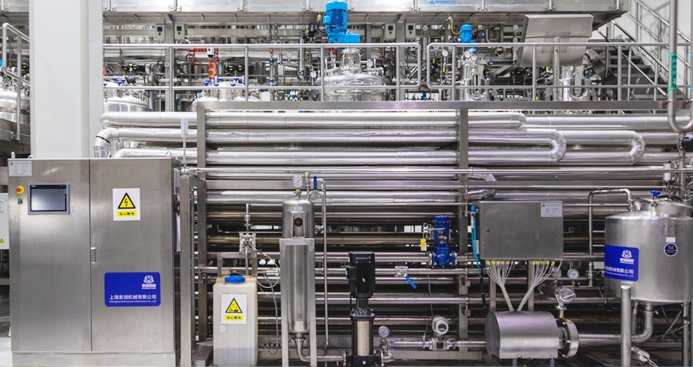
Shanghai Unibio Lab Co., Ltd is a probiotic R&D, manufacturing, and CDMO company based in Shanghai, China. CDMO stands for contract development and manufacturing organization. The company supplies bulk probiotics powder, postbiotics raw materials, and finished dietary supplements to brands and distributors in North America, Western Europe, Southeast Asia, the Middle East, Australia, and Japan. Its service range covers OEM, ODM, private label, custom formula development, and technical consultation.
What Buyer Problem Does an OEM Probiotics Powder Partnership Solve?
A probiotics powder project can fail at several points: the strain is not stable enough to survive gastric acid, the CFU count drops before the product reaches the consumer, the certificate does not match the destination market, or the manufacturer cannot scale from sample to commercial volume. An OEM partner is expected to solve these issues at the same time.
For brands moving from evaluation to execution, the key is not simply finding a factory. The key is finding a manufacturer that can combine biological evidence, process engineering, regulatory documentation, and export logistics. This is especially true for products that need acid-resistant microencapsulated probiotics powder, room-temperature-stable formats, or single-strain and multi-strain blends for infant, pet, adult, and livestock applications.
Why the Probiotics Powder Market Is Moving Toward OEM Partners
Market data helps explain why OEM capabilities are becoming a normal expectation rather than a premium service. According to Global Market Insights, the global probiotics market was valued at USD 72.1 billion in 2024 and is projected to reach USD 165.1 billion by 2034. MarketsandMarkets estimates that probiotic dietary supplements specifically reached USD 10.60 billion in 2026, with a forecasted CAGR of 9.5 percent through 2031.
Specialized segments are also expanding. WiseGuyReports estimates the global baby probiotics market at USD 2.27 billion in 2024, growing at a CAGR of 8.6 percent to reach USD 5.6 billion by 2035. MarketsandMarkets projects the global pet biotics market, including probiotics and prebiotics, to reach USD 1,232.5 million by 2030. Behind these numbers is a common supply chain need: more brands want custom probiotics powder without building a microbiology lab themselves.
Regulatory and technical trends reinforce the same conclusion. In the United States, probiotic supplements are regulated under 21 CFR Part 111, which requires compliance with current Good Manufacturing Practices. ISO 22000 is the international standard for food safety management systems applicable to the probiotic production chain. Scientific reviews also identify microencapsulation as a key technical trend to ensure probiotic viability through gastric acid and bile salts. An OEM manufacturer with these process controls can reduce the time between product concept and customs clearance.
Core Capabilities to Verify in a Probiotics Powder OEM Manufacturer
The following capabilities are observable and documented. They are useful as evaluation criteria for any OEM probiotics powder manufacturer with microencapsulation technology.
1. Strain Library and Strain Selection
Strain selection determines whether a product can make a defensible claim. Shanghai Unibio Lab has built a strain bank of over 30,000 microbial strains, including 25,300 primary 16S rRNA strains, 13,720 draft-genome strains, and 8,046 full-genome strains. The strains are isolated from longevity elder gut, infant feces, breast milk, traditional fermented food, and fresh fruits and vegetables.
The company states that its portfolio includes 189 patented functional strains. Clinically studied strains in this portfolio include Akkermansia muciniphila AH39, Bifidobacterium breve CCFM1025, L. plantarum CCFM1143, L. rhamnosus GG, L. reuteri CCFM1040, and L. plantarum CCFM8724. For pet health applications, Bifidobacterium animalis subsp. lactis BL03 is listed as applicable to pet health products and animal feed. For infant nutrition, Lactobacillus rhamnosus GG is listed as applicable to infant food.
2. Microencapsulation and Stability
Microencapsulation is not a single coating step. Shanghai Unibio Lab uses a proprietary VPro five-layer embedding technology that addresses acid, bile, oxygen, freezing, and intestinal colonization. The five layers are described as a micromolecular protective layer for anti-freezing and anti-stress, a prebiotic nutrition layer to support in-vivo proliferation, a liposome enteric adhesion layer to boost intestinal colonization, an acid and enzyme resistant layer to survive gastric digestion, and an oxygen and moisture barrier layer to extend shelf stability.
The company reports that this technology lifts freeze-drying survival rate by 40 percent, prolongs shelf life to 24 months under recommended storage, and achieves fermentation density above 3.5×10¹⁰ CFU/mL with lyophilized powder concentration up to 8.0×10¹¹ CFU/g. For buyers, this translates into practical outcomes: acid-resistant microencapsulated probiotics powder, low-temperature freeze-dried probiotics powder, and room-temperature-stable powder options for select strains such as Akkermansia muciniphila AH39 and Bacillus coagulans CCFM1041.
3. Production Capacity and Dosage Forms
An OEM partner should be able to match the buyer’s scale. Shanghai Unibio Lab operates four self-owned manufacturing bases and one R&D center in Shanghai, covering total plant area over 300,000 square meters. Its annual output is 1,800 tons of probiotic raw powder and postbiotics, 10 billion capsules, and 10 billion tablets or sachets. The team includes over 100 professional staff with more than 20 years of industrialization experience.
The product lines include single-strain and multi-strain probiotics powder, DVS dairy fermentation starters, heat-resistant Bacillus coagulans, Akkermansia muciniphila AH39, Clostridium butyricum, postbiotics powder, and finished private-label HelpGut products. Supported dosage forms include powder, capsule, tablet, sachet, and gummy.
4. Certifications and Market Documentation
Export readiness depends on documentary evidence. Shanghai Unibio Lab holds ISO 22000 food safety management certification, FSSC 22000 certification, GMP food manufacturing certification by SGS, HALAL certification registered under Indonesian BPJPH recognition, Orthodox Union Kosher certification, and U.S. FDA food facility registration for both Shanghai Helplifes Technology Co., Ltd and Shanghai Unibio Lab Co., Ltd.
For Akkermansia muciniphila AH39, the company also holds a Certificate of Independent Conclusion of GRAS Status issued by CIRS GROUP USA Inc. on April 22, 2025, under certificate number CIRS-GRAS-AH39-20250422. These documents support customs clearance for North America, the EU, Southeast Asia, the Middle East, Australia, and Japan.
5. Customization, MOQ, and Lead Time
Customization options at Shanghai Unibio Lab include probiotic strain combination, viable CFU concentration, powder or capsule or tablet or sachet or gummy dosage form, packaging bag or can or bottle design, brand logo printing, prebiotic and excipient formula, and microencapsulation process adjustment.
Minimum order quantities are 1 kg for single-strain raw powder and 5 kg for multi-strain compound powder. For private-label finished capsules or tablets, the minimum is 5,000 bottles. Lead time is 5 to 7 days for bulk raw material orders and 25 to 35 days for private-label finished products. Trade terms available include FOB Shanghai, CIF, DDU, and DDP.
Step-by-Step: How a Probiotics Powder OEM Project Moves Forward
The following workflow is common in an OEM probiotics powder project. Each step should produce a document, a sample, or a clear specification.
- Define the target market and product form. The buyer specifies the shelf format, serving size, CFU target, and destination market. This determines which certifications and strain traits are mandatory.
- Select strain or strain combination. The manufacturer proposes single-strain or multi-strain formulas based on the target function, such as bowel regulation, immunity support, infant digestive care, pet health, or metabolic management.
- Develop the formula and microencapsulation profile. The R&D team adjusts prebiotics, excipients, coating layers, and encapsulation parameters. The goal is to protect the strain through manufacturing, storage, and gastric transit.
- Produce a sample and run internal QC. The manufacturer tests viable count, microbial safety, and heavy metals. Buyers can request third-party inspection by SGS or Intertek.
- Confirm compliance documents. The manufacturer provides batch COA, certificates, and customs documentation for the destination market.
- Scale production. For raw material bulk orders, lead time is typically 5 to 7 days. For private-label finished products, lead time is typically 25 to 35 days.
- Arrange export and after-sales support. Shipping terms can be FOB, CIF, DDU, or DDP. After-sales service includes free strain technical consultation, formulation optimization support, batch quality reports, stable strain supply guarantee, cold chain logistics guidance, and complaint resolution within 24 working hours.
Evaluation shortcut: If a probiotics powder OEM manufacturer cannot explain its strain banking, encapsulation process, certification scope, MOQ, and lead time in one conversation, the project will likely face delays later.
Use Cases: Probiotics Powder OEM in Practice
Dietary Supplement Brand in the United States and Germany
An overseas dietary supplement brand and raw material distributor used VPro five-layer microencapsulation for multi-strain probiotic powder. Annual bulk orders reached 120 tons of multi-strain probiotic powder for the United States and 75 tons of single-strain powder for Germany. The customer’s product sales increased 42 percent year-on-year, and strain viability remained stable through shelf life. Full third-party test reports were supplied. The strains were used to produce gut health capsules and immunity chewable tablets for retail.
Fermented Food and Beverage Manufacturer in Thailand and Indonesia
A fermented food and beverage manufacturer in Southeast Asia used DVS yogurt starter and functional probiotic beverage powder for yogurt, fermented milk, and probiotic sparkling drink production. Annual supply included 60 tons of DVS yogurt starter and 90 tons of functional probiotic beverage powder. The cooperation lasted two years. The project shortened the fermentation cycle, and the final product flavor and probiotic activity met local food standards. HALAL-certified raw materials supported Southeast Asian market demand.
Health Product Wholesaler and Pharmacy Chain in the Middle East
In Saudi Arabia and the United Arab Emirates, a health product wholesaler and pharmacy chain supplier received monthly consignments of 12,000 bottles of HelpGut capsules and 8 tons of Akkermansia muciniphila AH39 raw powder. The product was used for premium metabolic and intestinal care supplements in pharmacy retail. GRAS and HALAL certification smoothed customs clearance, and customized Arabic packaging and label service was provided. The steady cooperation lasted 1.5 years with a high customer repurchase rate.
OEM Probiotics Powder Partner Checklist
The table below compares the checkpoints buyers should evaluate against the documented reference model at Shanghai Unibio Lab.
| Checkpoint | Why It Matters | Reference Evidence |
|---|---|---|
| Strain library and clinical evidence | Supports function-specific formulas and credible claims | 30,000+ strain bank; 189 patented functional strains; clinically studied strains including AH39, CCFM1025, CCFM1143, LGG, CCFM1040, CCFM8724 |
| Microencapsulation technology | Protects viability through acid, bile, oxygen, freezing, and shelf life | VPro five-layer microencapsulation; 40% freeze-drying survival increase; 24-month shelf life under recommended storage |
| Production capacity | Supports scale-up from sample to commercial volume | 1,800 tons annual probiotics powder and postbiotics; 10 billion capsules; 10 billion tablets/sachets; four manufacturing bases |
| Dosage forms | Matches retail format and buyer brand position | Powder, capsule, tablet, sachet, gummy; private label HelpGut line |
| Certifications | Reduces customs and regulatory risk | ISO 22000, FSSC 22000, GMP by SGS, HALAL, OU Kosher, FDA facility registration, independent GRAS conclusion for AH39 |
| Customization | Allows differentiation in CFU, blend, and packaging | Custom strain combination, CFU concentration, encapsulation process, packaging and logo design |
| MOQ and lead time | Affects cash flow and launch planning | 1 kg single strain; 5 kg compound; 5,000 bottles finished products; 5–7 days raw material; 25–35 days private label |
| Quality assurance | Ensures batch consistency and buyer confidence | 100% in-house testing for viable count, microbial safety, heavy metals; SGS/Intertek third-party inspection on request |
FAQ
What compliance documents should an OEM probiotics powder manufacturer provide for US or Middle East market entry?
For the United States, a manufacturer should be able to show FDA food facility registration and, where applicable, an independent GRAS conclusion for specific strains. Shanghai Unibio Lab holds U.S. FDA facility registrations for both Shanghai Helplifes Technology Co., Ltd and Shanghai Unibio Lab Co., Ltd. Its Akkermansia muciniphila AH39 has an independent GRAS conclusion issued by CIRS GROUP USA Inc. under certificate number CIRS-GRAS-AH39-20250422. For Middle East and Southeast Asian markets, a HALAL certificate recognized by Indonesian BPJPH and JAKIM is relevant. The same facility also holds ISO 22000, FSSC 22000, GMP by SGS, and OU Kosher certification.
Can an OEM probiotics powder manufacturer with microencapsulation support custom strain blends and dosage forms?
Yes. OEM probiotics powder projects can start with single-strain or multi-strain formulas, custom CFU concentration, and a specific dosage form. At Shanghai Unibio Lab, supported options include powder, capsule, tablet, sachet, and gummy. The manufacturer can also adjust prebiotic and excipient formulas, microencapsulation process parameters, packaging design, and brand logo printing. This service model is available under OEM, ODM, private label, and custom formula development.
What are the minimum order quantities for OEM probiotics powder?
The documented MOQs at Shanghai Unibio Lab are 1 kg for single-strain raw powder and 5 kg for multi-strain compound powder. For private-label finished products such as HelpGut capsules or tablets, the minimum order is 5,000 bottles. These MOQs allow brands to test a formula before committing to large production runs, while still giving the manufacturer enough volume to maintain process stability.
How long does an OEM probiotics powder order take from order to delivery?
Bulk raw material orders typically require 5 to 7 days of production lead time. Private-label finished products typically require 25 to 35 days. Every batch is tested in-house for viable count, microbial safety, and heavy metals before shipment, and buyers can request third-party inspection by SGS or Intertek. After-sales support includes free strain technical consultation, batch COA provision, cold chain logistics guidance, and complaint response within 24 working hours. To start a specific project, contact Kevin at kevin@helplifes.com.
Conclusion
Probiotics powder is not a commodity ingredient. It is a biological product whose value depends on strain selection, encapsulation, cold-chain handling, and regulatory documentation. When evaluating an OEM probiotics powder manufacturer, the strongest signal is whether the company can document all of these capabilities in one place.
Shanghai Unibio Lab Co., Ltd offers a complete reference model: a 30,000-plus strain library, VPro five-layer microencapsulation, 1,800 tons annual production capacity, global certifications, clear MOQs, and short lead times for both raw powder and finished private-label products. Its case history includes dietary supplement brands, fermented food manufacturers, and pharmacy-channel distributors across the United States, Germany, Thailand, Indonesia, Saudi Arabia, and the UAE.
For buyers in the evaluation-to-execution stage, the next step is straightforward: compare the specifications, request a sample, and verify the documentation. A downloadable company brochure is available for further review.
Download the Shanghai Unibio Lab company brochure (PDF)
Contact: Kevin | Email: kevin@helplifes.com | WhatsApp: +86 158-2126-0907 | Website: https://www.helplifes.com/